

Free Southwest New Mexico Travel Guide & Mobile App
Explore Southwest New Mexico with free travel guides. Discover regional history, expert tips, proposed trips, and audio guides on web or mobile app.


Explore Southwest New Mexico for Gila wilderness, Mimbres heritage, mining towns, volcanic landscapes, desert skies and uncrowded scenic roads.
Read more about Southwest New Mexico
Getting to and around Southwest New Mexico
How to get there
Transportation
Top city travel guides in Southwest New Mexico
The cities of Southwest New Mexico, and the easiest places to base yourself.
-

-

-

-


Swipe for more cities
Destinations in Southwest New Mexico
Resorts, valleys and scenic spots worth a trip of their own.
-

-

-


Swipe for more destinations
Best attractions in Southwest New Mexico
Southwest New Mexico’s attractions are defined by the meeting of desert, mountain forest, archaeology and mining history. The Gila Cliff Dwellings National Monument is the region’s most distinctive archaeological destination, protecting ancestral Puebloan rooms built into cliff alcoves above the West Fork of the Gila River. The journey there is part of the experience, with winding high-country roads and very limited services. Around Silver City, museums, galleries, historic streets and nearby Santa Clara and Fort Bayard reveal the region’s mining and military past. Gila National Forest provides opportunities for hiking, camping, wildlife observation and scenic drives, while the Gila Wilderness offers more demanding backcountry travel. In the desert southwest, City of Rocks State Park presents weathered volcanic formations suitable for walking, camping and stargazing, and Rockhound State Park near Deming is known for its geological setting and permitted recreational rock collecting. The Mimbres Valley adds archaeological and agricultural landscapes, while the Florida Mountains near Deming offer rugged desert scenery. These places are not a compact circuit: distances, unpaved approaches, seasonal closures and limited mobile coverage should shape any itinerary.
-
National park
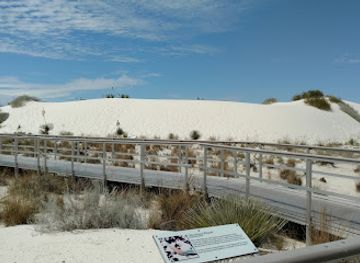
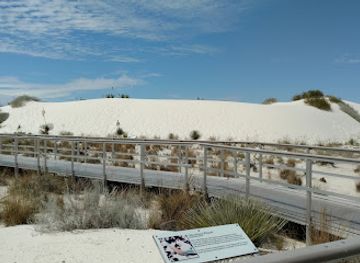
White Sands National Park
Discover the otherworldly beauty of White Sands National Park, where endless white dunes and stunning sunsets create a unique natural paradise.
-
Plaza
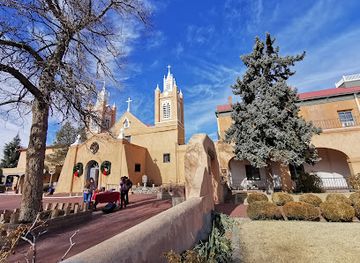
Old Town Plaza
Explore the historic heart of Albuquerque at Old Town Plaza, where culture, art, and culinary delights await in a picturesque setting.
-
National forest
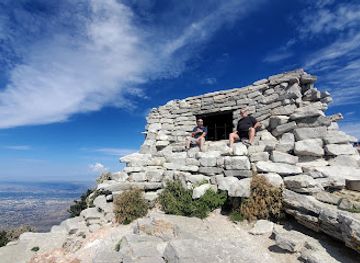
Cibola National Forest
Discover the natural beauty and outdoor adventures at Cibola National Forest in New Mexico, a serene escape for nature lovers and adventure seekers alike.
-
Natural history museum
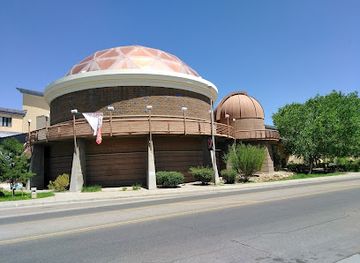
New Mexico Museum of Natural History and Science
Discover the rich natural heritage and fascinating science at the New Mexico Museum of Natural History and Science in Albuquerque, a must-visit destination for all ages.
Best landmarks in Southwest New Mexico
The Gila Cliff Dwellings are Southwest New Mexico’s most recognisable historic landmark, with ancestral Puebloan rooms set beneath natural cliff overhangs in a remote canyon landscape. Their importance lies both in the surviving architecture and in the evidence they provide of settled life in the northern Mimbres region. Silver City’s historic core, including its nineteenth-century commercial buildings and street plan, expresses the town’s rapid development after the discovery of silver. In nearby Santa Clara, the surviving Fort Bayard complex and associated preservation work represent the military infrastructure of the mining frontier. City of Rocks State Park is a major geological landmark: erosion has sculpted volcanic tuff into towers and passageways that rise unexpectedly from the desert plain. The distinctive profile of the Florida Mountains near Deming forms another important natural reference point, while the Gila Wilderness marks a landmark in American conservation history as the first formally designated wilderness area in the United States. These sites are separated by large distances and belong to different landscape settings, so a route should be planned around them rather than treated as a short sightseeing loop.
-
National park
White Sands National Park
Experience the breathtaking beauty of White Sands National Park, where rolling dunes of gypsum offer a unique landscape for exploration and adventure in New Mexico.
-
State park
City of Rocks State Park
Explore the iconic rock formations and stunning landscapes of City of Rocks State Park, a hidden gem in New Mexico for outdoor enthusiasts and nature lovers.
-
Museum
New Mexico Farm & Ranch Heritage Museum
Explore the New Mexico Farm & Ranch Heritage Museum, where history and culture of farming come to life in a stunning setting.
-
Historical landmark
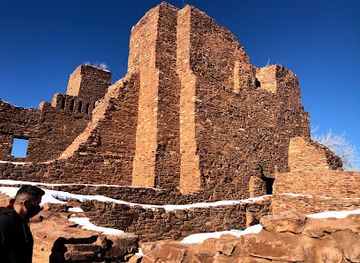
Salinas Pueblo Missions National Monument Quarai Unit
Discover the ancient ruins and rich cultural heritage at Salinas Pueblo Missions National Monument Quarai Unit, a historical gem in New Mexico.
Explore Southwest New Mexico on the map
Plan your trip on one map. See where the top cities, national parks and sights are, and book hotels and experiences in a few clicks.
Best hotels in Southwest New Mexico
Best restaurants in Southwest New Mexico
Dining in Southwest New Mexico is practical, regional and strongly connected to the wider culinary traditions of New Mexico. Red and green chile appear in enchiladas, burritos, huevos rancheros, stews and other everyday dishes, while beans, corn tortillas, sopaipillas and locally influenced Mexican-American cooking are common in cafés, family restaurants and diners. Silver City has the broadest concentration of independent cafés, contemporary restaurants, bakeries and food venues, with a scene influenced by its arts community and surrounding farms. Deming and Lordsburg offer classic roadside dining, Mexican and New Mexican meals, and places suited to travellers crossing the desert. In smaller communities and mountain districts, choices can be limited, so do not rely on finding a late meal after a long drive. Farmers’ markets and local shops may provide seasonal produce, baked goods and regional pantry items, but availability varies with the time of year. Ask whether a dish uses red chile, green chile or both, and expect recipes to differ from town to town.
-
Mexican
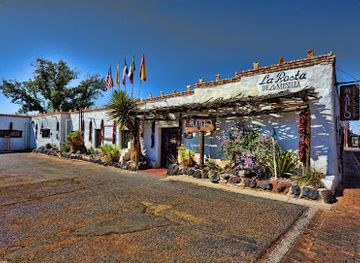
La Posta De Mesilla
Discover La Posta De Mesilla: A historic Mexican restaurant serving delicious food in a vibrant setting.
-
Hamburger
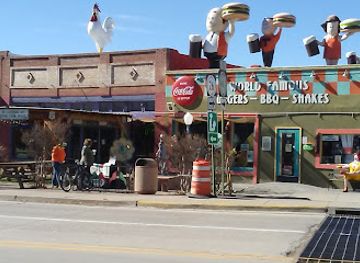
Sparkys
Discover Sparkys in Hatch: Where mouthwatering burgers meet vibrant atmosphere and unique decor.
-
Mexican
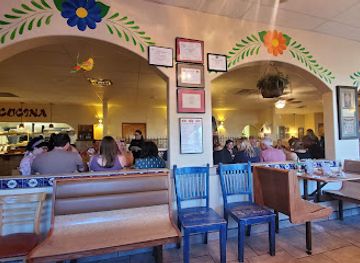
Andele Restaurant
Discover the authentic flavors of Mexico at Andele Restaurant in Mesilla – where tradition meets taste in every dish.
-
Mexican
Andele's Dog House
Experience authentic Mexican cuisine at Andele's Dog House in Mesilla - a culinary gem serving vibrant flavors in a welcoming atmosphere.

Best bars in Southwest New Mexico
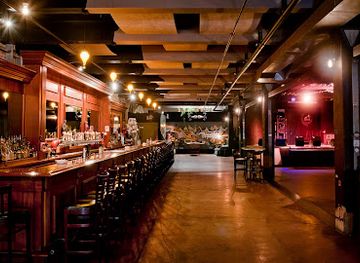
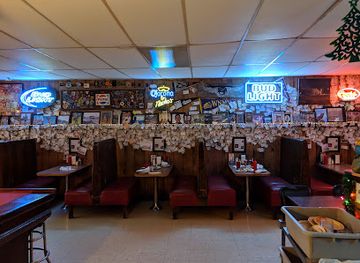
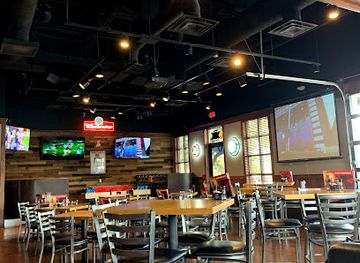
Evening life in Southwest New Mexico is concentrated in Silver City and, to a lesser extent, Deming and Lordsburg rather than in a large club circuit. Silver City’s historic centre supports pubs, bars, cafés and occasional live music in a walkable setting, while the town’s arts calendar can bring evening exhibitions, performances and community events. Deming and Lordsburg are more closely associated with relaxed bars, restaurants and traditional drinking spots serving residents, railway travellers and highway visitors. In rural and mountain areas, the evening usually centres on a meal, a small local gathering or a quiet night under the stars. Breweries, wine offerings and cocktails may be available in the larger towns, but opening arrangements and entertainment schedules can change. Because distances are considerable, arrange a taxi, designated driver or accommodation within walking distance rather than combining remote nightlife with a long drive.
-
Irish pub
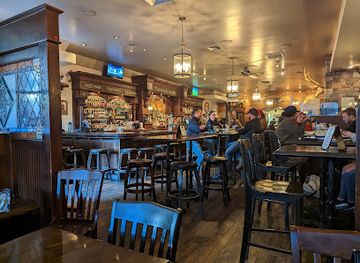
Two Fools Tavern
Experience the heart of Ireland at Two Fools Tavern, a vibrant Irish pub in Albuquerque’s Nob Hill, offering delicious food and a wide selection of beers.
-
Bar
Sister
Discover Sister, Albuquerque's premier bar and live music venue, where local flavors and vibrant sounds come together for an unforgettable night.
-
Bar
The Original Owl Bar & Cafe
Discover the vibrant culinary scene at The Original Owl Bar & Cafe, a local favorite in San Antonio, NM, known for its delicious hamburgers and cozy atmosphere.
-
Grill
Craft Republic - Albuquerque
Savor the vibrant flavors of grill cuisine at Craft Republic - Albuquerque, where every dish is a celebration of culinary creativity and quality ingredients.
Best nightclubs in Southwest New Mexico
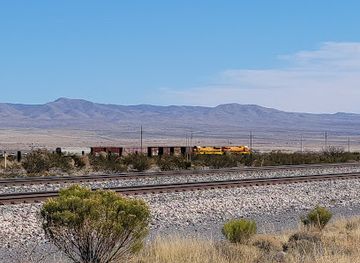
Evening life in Southwest New Mexico is concentrated in Silver City and, to a lesser extent, Deming and Lordsburg rather than in a large club circuit. Silver City’s historic centre supports pubs, bars, cafés and occasional live music in a walkable setting, while the town’s arts calendar can bring evening exhibitions, performances and community events. Deming and Lordsburg are more closely associated with relaxed bars, restaurants and traditional drinking spots serving residents, railway travellers and highway visitors. In rural and mountain areas, the evening usually centres on a meal, a small local gathering or a quiet night under the stars. Breweries, wine offerings and cocktails may be available in the larger towns, but opening arrangements and entertainment schedules can change. Because distances are considerable, arrange a taxi, designated driver or accommodation within walking distance rather than combining remote nightlife with a long drive.
-
Truck stop
Love's Travel Stop
Experience convenience and comfort at Love's Travel Stop in Lordsburg, New Mexico, your essential travel companion on the road.
-
Hotel
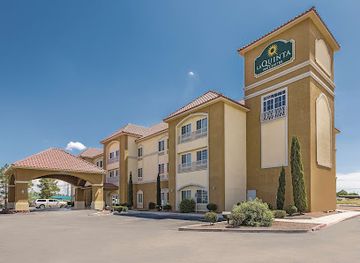
La Quinta Inn & Suites by Wyndham Deming
Discover comfort and convenience at La Quinta Inn & Suites by Wyndham Deming, your perfect base for exploring New Mexico's enchanting landscapes.
-
Fast Food
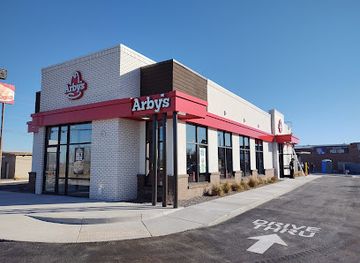
Arby's
Discover the iconic taste of Arby's in Deming, NM, where delicious roast beef sandwiches and convenience meet for an unforgettable fast food experience.
-
Night club
Cake Nightclub
Dive into the electric nightlife of Cake Nightclub in Albuquerque, where vibrant music and great cocktails create an unforgettable experience.

Best shops in Southwest New Mexico
Shopping is modest in scale but rewarding for visitors interested in regional food, art, books, antiques and locally made work. Silver City has the strongest concentration of independent shops, galleries and studios, particularly around its historic centre, where visitors may find paintings, ceramics, jewellery, crafts and books connected with the Southwest. Deming offers practical shopping, antiques and community-oriented retail rather than a major luxury market, while Lordsburg is primarily a service stop for travellers. Farmers’ markets and seasonal produce stalls can provide chile, preserves, baked goods and other regional foods when operating, although dates and stock vary. In smaller Gila and Mimbres communities, look for locally produced crafts and food items rather than extensive retail streets. When buying pottery or archaeological-looking objects, ask about provenance and purchase only from reputable sellers; ancient artefacts must never be removed from public land. Regional food products, art and geology-themed items make more appropriate souvenirs than rocks or historic material collected from the landscape.
-
Gift shop
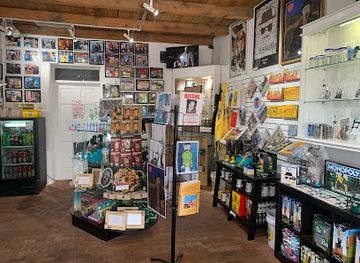
The Breaking Bad Store ABQ
Explore the iconic Breaking Bad universe at The Breaking Bad Store ABQ, a unique gift shop and museum filled with collectibles and memorabilia.
-
Gift shop
Camino 66
Explore Camino 66 in Albuquerque for unique southwestern gifts and folk art, capturing the essence of New Mexico's vibrant culture.
-
Gourmet grocery store
Chile Fanatic
Explore the vibrant flavors of New Mexico at Chile Fanatic, a gourmet grocery store in Hatch known for its specialty foods and local artisanal products.
-
Gift shop
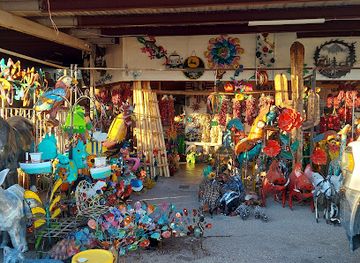
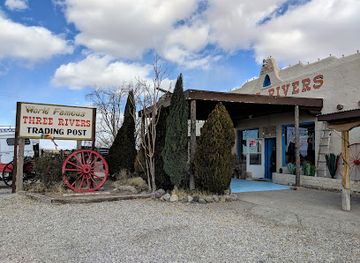
Three Rivers Trading Post
Explore Three Rivers Trading Post in Tularosa, NM - a charming gift and antique shop showcasing local artistry and unique treasures.

Get your free copy of our complete guide to Southwest New Mexico, delivered straight to you.
Everything on this page, from attractions and restaurants to essentials and local phrases, in one PDF you can read offline, print or share.
Already have an account? Sign in
Your Southwest New Mexico guide is ready.
We'll send it to · Not you? Sign out

Getting your guide ready…
We are putting together a fresh copy of the Southwest New Mexico guide. This can take up to a minute.
This can take a few moments. If your browser asks, choose Allow so the download can start. You'll find the guide in your Downloads folder.
Nothing happened? Download it again
Sorry, the guide is taking longer than usual. Please try again in a minute, or get it by email instead.
Southwest New Mexico essentials
Currency and Payment
Safety
Emergency Situations
Do's and Don'ts
Local Tips
From Eve
Local phrases worth knowing
You don't need to get them perfect. A few words go a long way, and locals appreciate the effort.
Basics
| English | Local | Say it |
|---|---|---|
| Hello | Hola | [OH-lah] |
| Goodbye | Adiós | [ah-DYOS] |
| Yes | Sí | [SEE] |
| No | No | [NO] |
| Please/You're welcome | Por favor / De nada | [por fah-VOR / de NAH-dah] |
| Thank you | Gracias | [GRAH-syas] |
| Excuse me/Sorry | Perdón | [pehr-DON] |
| How are you? | ¿Cómo estás? | [KOH-moh ehs-TAHS] |
| Fine. And you? | Bien. ¿Y tú? | [byen. ee TOO] |
| Do you speak English? | ¿Hablas inglés? | [AH-blas een-GLES] |
| I don't understand | No entiendo | [NO ehn-TYEN-doh] |
Eating & Drinking
| English | Local | Say it |
|---|---|---|
| I'd like to see the menu, please | Me gustaría ver el menú, por favor | [meh goo-stah-REE-ah vehr el meh-NOO, por fah-VOR] |
| I don't eat meat | No como carne | [NO KOH-moh KAR-neh] |
| Cheers! | ¡Salud! | [sah-LOOD] |
| I would like to pay, please | Me gustaría pagar, por favor | [meh goo-stah-REE-ah pah-GAR, por fah-VOR] |
Emergencies
| English | Local | Say it |
|---|---|---|
| Help! | ¡Ayuda! | [ah-YOO-dah] |
| Go away! | ¡Vete! | [VEH-teh] |
| Call the Police! | ¡Llama a la policía! | [YAH-mah ah lah poh-lee-SIA] |
| Call a doctor! | ¡Llama a un doctor! | [YAH-mah ah oon dok-TOR] |
| I'm lost | Estoy perdido | [es-TOY pehr-DID-oh] |
| I'm ill | Estoy enfermo/a | [es-TOY en-FER-mo/a] |
Shopping
| English | Local | Say it |
|---|---|---|
| I'd like to buy... | Me gustaría comprar... | [meh goo-stah-REE-ah kom-PRAHR...] |
| I'm just looking | Solo estoy mirando | [SO-lo es-TOY mee-RAN-do] |
| How much is it? | ¿Cuánto cuesta? | [KWAN-toh KWES-tah] |
| That's too expensive | Eso es muy caro | [EH-so es MOO-ee KAH-ro] |
| Can you lower the price? | ¿Puedes bajar el precio? | [PWEH-des bah-HAR el PREH-syo] |
Time & Numbers
| English | Local | Say it |
|---|---|---|
| What time is it? | ¿Qué hora es? | [KEH OH-rah es] |
| It's one o'clock | Es la una | [es lah OO-nah] |
| Half past (10) | Y diez y media | [ee DYESS ee MEH-dee-ah] |
| Morning | Mañana | [mah-NYAH-nah] |
| Afternoon | Tarde | [TAR-deh] |
| Evening | Noche | [NO-cheh] |
| Yesterday | Ayer | [ah-YER] |
| Today | Hoy | [OY] |
| Tomorrow | Mañana | [mah-NYAH-nah] |
| 1 | Uno | [OO-no] |
| 2 | Dos | [DOS] |
| 3 | Tres | [TRES] |
| 4 | Cuatro | [KWAT-ro] |
| 5 | Cinco | [SEEN-ko] |
| 6 | Seis | [SAYS] |
| 7 | Siete | [SYEH-teh] |
| 8 | Ocho | [OH-cho] |
| 9 | Nueve | [NWEH-beh] |
| 10 | Diez | [DYESS] |
Transport & Directions
| English | Local | Say it |
|---|---|---|
| Where's a/the...? | ¿Dónde hay un/una...? | [DON-deh ai oon/una...?] |
| What's the address? | ¿Cuál es la dirección? | [KWAL es lah dee-rek-SYON] |
| Can you show me (on the map)? | ¿Puedes mostrarme (en el mapa)? | [PWEH-des mos-TRAR-me (en el MAH-pah)?] |
| When's the next (bus)? | ¿Cuándo es el próximo (autobús)? | [KWAN-doh es el PROH-xi-mo (au-toh-BOOS)?] |
| A ticket (to ....) | Un boleto (a ....) | [OON boh-LEH-toh (ah ....)] |
History of Southwest New Mexico
Mimbres Culture and Ancient Villages
Between roughly the tenth and twelfth centuries, Mimbres communities lived in villages across the Mimbres Valley and adjoining parts of southwest New Mexico. Their decorated pottery, especially bowls with bold geometric designs and animal figures, is among the region’s best-known archaeological legacies. Sites such as the Mimbres area near present-day Silver City and Deming reveal settled agriculture, trade and carefully organised village life. Many archaeological remains are fragile and protected; visitors should view them through museums and authorised sites rather than searching for artefacts or disturbing ruins.
Spanish and Mexican Frontiers
Southwest New Mexico lay on the northern frontier of Spanish and, after 1821, Mexican New Mexico. Routes across the desert linked river valleys, settlements and mining prospects, although permanent colonial settlement remained limited compared with the Rio Grande corridor. Trade, livestock movement and changing relations with Apache communities shaped the region. The legacy of this period is visible less in grand colonial architecture than in place names, travel routes, land use and the continuing blend of Hispanic, Indigenous and Anglo-American influences.
Apache Homelands and the Nineteenth-Century Frontier
The mountains and desert basins of southwest New Mexico formed part of the homelands and operating environment of Apache peoples, including the Chiricahua Apache. During the nineteenth century, military campaigns, settler expansion and the reservation system brought profound disruption. Fort Bayard, established near the mining settlements east of Silver City, became an important United States military post associated with campaigns and later frontier administration. The history is complex and should not be reduced to a simple conflict narrative; contemporary interpretation increasingly recognises Indigenous perspectives and the consequences of displacement.
Silver City and the Mining Boom
Silver City was founded in 1870 after the discovery of silver in the surrounding hills, and mining rapidly transformed the area. Prospectors, merchants, transport workers and institutions followed, while nearby communities such as Santa Clara grew around industrial activity. Silver was later joined by copper and other minerals, making mining central to the regional economy for generations. The town’s street layout, surviving commercial buildings, museums and surrounding mine landscapes continue to show how mineral wealth shaped settlement, labour and transport in the interior Southwest.
Railways, Deming and the Expansion of Trade
The arrival of the Southern Pacific and Atchison, Topeka and Santa Fe railway systems in the late nineteenth century made Deming an important junction and helped integrate southwest New Mexico into national markets. Rail transport carried ore, livestock, agricultural products, passengers and manufactured goods across a region previously dependent on difficult overland routes. Deming’s grid, railway associations and commercial history reflect this change. Lordsburg likewise developed as a railway and highway settlement near the Arizona border, benefiting from its position on transcontinental routes.
Ranching, Agriculture and Water in an Arid Region
Outside the mining centres, ranching and irrigated agriculture became durable parts of the regional economy. The Mimbres Valley supported farming where water could be managed, while broad desert grasslands and mountain foothills supported cattle operations. Limited rainfall, aridity and periodic drought have always made water a central concern. Modern visitors encounter this history in valley fields, historic acequias and ranch landscapes, but also in the careful rules governing wells, public lands, fire and outdoor recreation.
Wilderness Conservation and Heritage Protection
The Gila Wilderness was designated in 1924 after advocacy by Aldo Leopold and is widely recognised as the first area formally protected under the United States wilderness system. Its protection helped establish a model for preserving large landscapes where roads and development remain limited. Other protected places, including Gila Cliff Dwellings National Monument, City of Rocks State Park and Rockhound State Park, conserve archaeological, geological and recreational resources. Together they shape the region’s present identity as a place where public-land stewardship is central to travel.
Southwest New Mexico in Photos
Browse through our photo collection highlighting the charm and character of the destination.
Neighbouring regions of Southwest New Mexico
The closest regions to Southwest New Mexico, if you have time for more than one.
-

-

-

-

-


Swipe for more regions
Explore more

Explore more of New Mexico
Discover the enchanting blend of rich history, diverse cultures, and stunning landscapes in New Mexico, the Land of Enchantment, where adventure and relaxation await.
Explore New Mexico