

Free Greater Niagara Travel Guide & Mobile App
Explore Greater Niagara with free travel guides. Discover regional history, expert tips, proposed trips, and audio guides on web or mobile app.


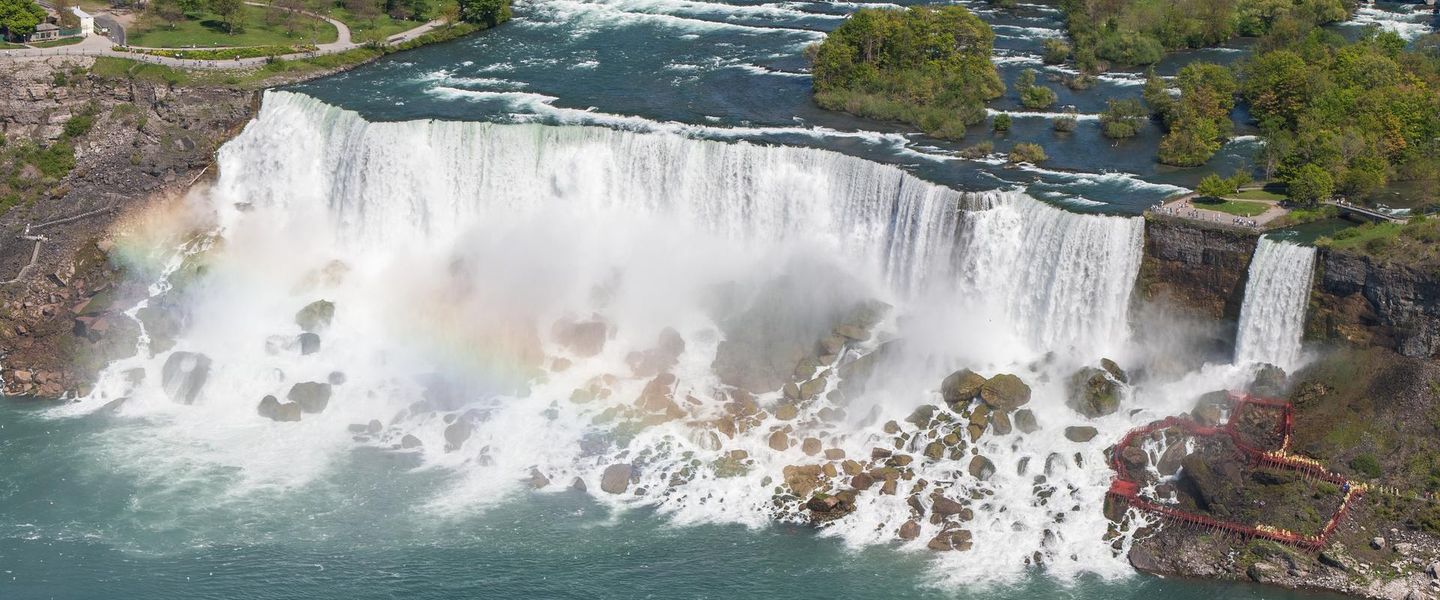


Explore Greater Niagara for Niagara Falls, Buffalo architecture, Great Lakes waterfronts, canal heritage, vineyards and forested western New York parks.
Read more about Greater Niagara
Getting to and around Greater Niagara
How to get there
Transportation
Top city travel guides in Greater Niagara
The cities of Greater Niagara, and the easiest places to base yourself.

Swipe for more cities
Best attractions in Greater Niagara
Greater Niagara's attractions range from the immense natural theatre of Niagara Falls to Buffalo's architecture, museums and waterfront. Niagara Falls State Park provides public access to the American Falls, Bridal Veil Falls and Horseshoe Falls, with walks and viewpoints along the Niagara Gorge. Boat excursions and other close-range experiences are seasonal and subject to operating conditions. In Buffalo, the Buffalo and Erie County Naval & Military Park, Albright-Knox Art Gallery and Frank Lloyd Wright's Darwin D. Martin House represent different strands of regional history and culture. Old Fort Niagara, near Youngstown, explains the strategic importance of the river's entrance to Lake Ontario, while Lockport offers canal engineering and industrial heritage. Beyond the cities, Letchworth State Park is known for its Genesee River gorge, and Allegany State Park provides a much larger setting for hiking, paddling, wildlife watching and winter activities. Chautauqua Institution adds a distinctive programme of performance, lectures and education during its principal season. Vineyards, orchards, farm markets and lakeside communities complete an attraction landscape that rewards both focused city visits and longer road journeys.
-
Nature preserve
Niagara Falls
Experience the breathtaking beauty and thundering power of Niagara Falls, a natural wonder that captivates millions of visitors each year.
-
Park
Niagara Falls State Park
Discover the awe-inspiring beauty of Niagara Falls State Park, a natural wonder filled with breathtaking views and endless recreational opportunities.
-
Boat tour agency
Maid of the Mist
Discover the awe-inspiring beauty of Niagara Falls on the unforgettable Maid of the Mist boat tour, a must-do adventure for all visitors.
-
Casino
Fallsview Casino Resort
Experience the thrill of gaming and the elegance of luxury at Fallsview Casino Resort, where excitement meets breathtaking views of Niagara Falls.

Best landmarks in Greater Niagara
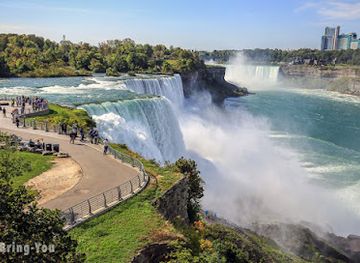
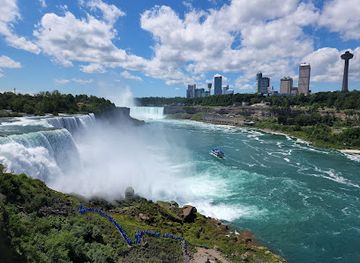
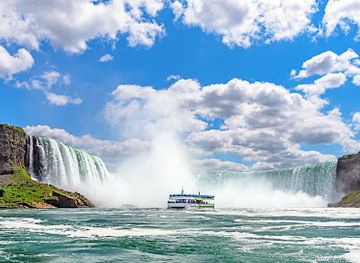
Niagara Falls is the defining natural landmark of the region, where the American Falls, Bridal Veil Falls and Horseshoe Falls form a powerful sequence along the international Niagara River. The surrounding gorge, rapids and historic bridges provide additional expressions of the river's geological force. In Buffalo, the Guaranty Building is an important early skyscraper associated with Louis Sullivan, while Frank Lloyd Wright's Darwin D. Martin House represents the Prairie School at a particularly ambitious domestic scale. H. H. Richardson's Buffalo State Hospital, now known as the Richardson Olmsted Campus, is another major architectural presence. The Buffalo and Erie County Naval & Military Park places historic vessels beside the city's waterfront and recalls the area's Great Lakes and military connections. Old Fort Niagara, at the mouth of the Niagara River, remains a key defensive landmark, with surviving fortifications reflecting several imperial periods. Lockport's Flight of Five locks illustrates the engineering legacy of the Erie Canal. Farther inland, Letchworth's stone bridges, waterfalls and deep Genesee gorge form a landmark landscape of their own.
-
Park
Niagara Falls State Park
Experience the breathtaking beauty and natural wonder of Niagara Falls State Park - a must-see destination for every traveler.
-
Boat tour agency
Maid of the Mist
Discover the breathtaking beauty of Niagara Falls with the unforgettable Maid of the Mist boat tour, an essential experience for every traveler.
-
Tourist attraction
Cave of the Winds
Experience the breathtaking power of Niagara Falls at the Cave of the Winds, where adventure meets natural beauty in an unforgettable journey.
-
Observation deck
Niagara Falls Observation Tower
Experience the breathtaking beauty of Niagara Falls from the Observation Tower, where stunning panoramic views await every visitor.


Explore Greater Niagara on the map
Plan your trip on one map. See where the top cities, national parks and sights are, and book hotels and experiences in a few clicks.
Best hotels in Greater Niagara
Best restaurants in Greater Niagara
The region's food identity is led by Buffalo-style chicken wings, traditionally served with celery and a blue-cheese dressing, but the local table is broader than this famous dish. Buffalo and Niagara Falls offer diners everything from neighbourhood pizzerias, diners and taverns to contemporary restaurants built around Great Lakes and western New York produce. Lake fish, beef, apples, cherries, grapes and seasonal vegetables appear in restaurants and farm shops across the countryside. Niagara County's vineyards and the broader Lake Erie wine country support tasting rooms and food-focused stops, while craft breweries are common in the urban and rural dining scene. Local bakeries and sandwich shops reflect the region's immigrant and industrial-city heritage, and markets provide opportunities to buy fruit, preserves and other farm products. In smaller towns, historic inns and independent cafés often provide the most direct link to local produce. Menus change with the season, and generous American portions are common; visitors should also expect tax and customary gratuity to be added separately in many establishments.
-
American
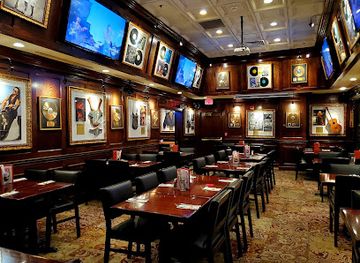
Hard Rock Cafe
Discover delicious American cuisine amidst iconic rock 'n' roll memorabilia at Hard Rock Cafe near Niagara Falls.
-
Gastropub
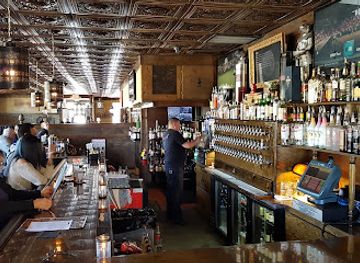
The Griffon Gastropub
Experience culinary excellence at The Griffon Gastropub in Niagara Falls – where American comfort meets innovative flavors.
-
Restaurant
Rainforest Cafe
Experience an enchanting jungle atmosphere while enjoying delicious cuisine at Rainforest Cafe in Niagara Falls.
-
Restaurant
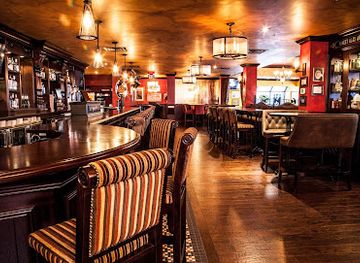
The Olde Angel Inn
Ontario's oldest inn: British pub feasts, live tunes, ghostly whispers, and historic heart in Niagara-on-the-Lake's charming old town.


Best bars in Greater Niagara
Evening life in Greater Niagara is concentrated in Buffalo and Niagara Falls, with a quieter pattern in the rural counties and park communities. Buffalo has a broad selection of neighbourhood bars, breweries, cocktail lounges, live-music rooms and restaurants, particularly around downtown and established city districts. Niagara Falls combines hotel bars, casual restaurants and entertainment aimed at visitors, although its atmosphere varies substantially between the busy tourist core and residential areas. Smaller communities tend to centre their evening social life on traditional pubs, taverns, breweries and seasonal waterfront venues rather than nightclubs. Chautauqua's cultural season brings performances and lectures that shape evening activity in its grounds. Local breweries and cider or wine producers offer alternatives to late-night entertainment, while music and festival programming changes through the year. Check current arrangements before travelling, as seasonal businesses and event-led venues may operate on a limited schedule outside summer.
-
American
Hard Rock Cafe
Immerse yourself in the rock 'n' roll culture while savoring classic American dishes at the Hard Rock Cafe in Niagara Falls.
-
Gastropub
The Griffon Gastropub
Experience a culinary journey at The Griffon Gastropub, where American and Canadian flavors come together in a vibrant gastropub setting.
-
Pub
Doc Magilligan's Restaurant & Irish Pub
Discover the rich flavors and lively atmosphere of Doc Magilligan's Restaurant & Irish Pub, the heart of Irish culture in Niagara Falls.
-
American
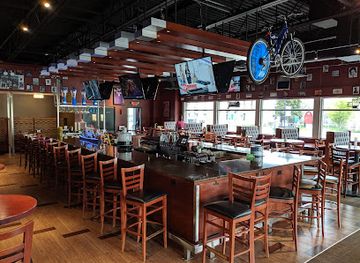
Anchor Bar Niagara Falls
Savor the taste of America at Anchor Bar Niagara Falls, home of the original Buffalo wings and a vibrant sports bar atmosphere.
Best nightclubs in Greater Niagara
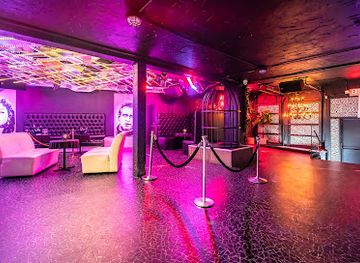
Evening life in Greater Niagara is concentrated in Buffalo and Niagara Falls, with a quieter pattern in the rural counties and park communities. Buffalo has a broad selection of neighbourhood bars, breweries, cocktail lounges, live-music rooms and restaurants, particularly around downtown and established city districts. Niagara Falls combines hotel bars, casual restaurants and entertainment aimed at visitors, although its atmosphere varies substantially between the busy tourist core and residential areas. Smaller communities tend to centre their evening social life on traditional pubs, taverns, breweries and seasonal waterfront venues rather than nightclubs. Chautauqua's cultural season brings performances and lectures that shape evening activity in its grounds. Local breweries and cider or wine producers offer alternatives to late-night entertainment, while music and festival programming changes through the year. Check current arrangements before travelling, as seasonal businesses and event-led venues may operate on a limited schedule outside summer.
-
Night club
Club Se7en
Discover the ultimate nightlife experience at Club Se7en in Niagara Falls, where great music and affordable drinks create unforgettable nights.
-
Bar
Niagara
Experience the electrifying nightlife of Niagara, a bar in Manhattan known for live music and vibrant dance scenes.
-
Night club
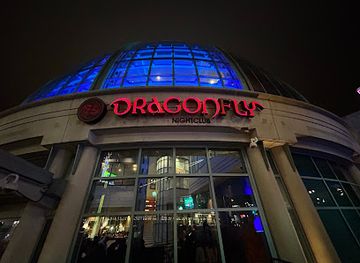
Dragonfly Nightclub
Unleash your nightlife spirit at Dragonfly Nightclub, the ultimate destination for dancing and music enthusiasts in Niagara Falls.
-
Lounge
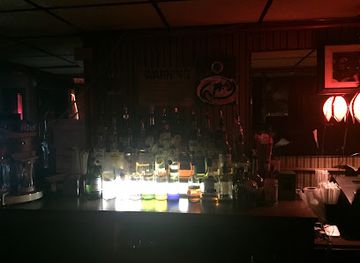
Max's Lounge
Discover the cozy charm of Max's Lounge in Niagara Falls, offering delicious drinks and a relaxing atmosphere for all travelers.

Best shops in Greater Niagara
Shopping in Greater Niagara is strongest in Buffalo's independent neighbourhoods, Niagara Falls' visitor-oriented areas and the market towns scattered through the surrounding countryside. Buffalo offers boutiques, bookshops, galleries, vintage stores and food retailers alongside larger downtown and suburban centres. Niagara Falls has abundant souvenir shopping, but visitors seeking regional products should look for maple goods, orchard produce, wine, craft beer, preserves and locally made pantry items. Farm stands and seasonal markets are particularly useful around Niagara County and the Lake Erie agricultural belt, where apples, cherries and grapes are important products. Lockport and other canal communities combine independent shops with antiques, local art and small food businesses. Craft galleries and makers' shops may feature pottery, jewellery, woodwork and textiles, although availability varies by town and season. Prices, opening arrangements and market days change, so a car journey through the countryside is best planned around several confirmed stops rather than assuming every rural community has a permanent market.
-
Outlet mall
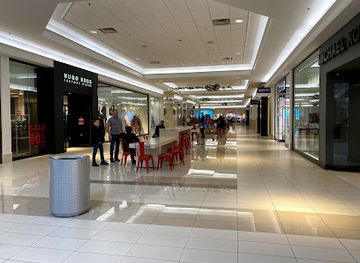
Fashion Outlets of Niagara Falls USA
Discover unbeatable deals and a vibrant shopping experience at the Fashion Outlets of Niagara Falls USA, your ultimate shopping destination.
-
Craft store
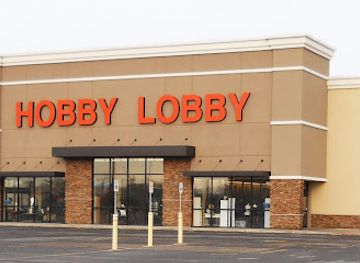
Hobby Lobby
Explore Hobby Lobby in Niagara Falls for an amazing selection of crafting supplies, home decor, and creative inspiration.
-
Shopping mall
Niagara Consumer Square
Experience the best shopping and dining at Niagara Consumer Square, a vibrant mall in Niagara Falls, NY, perfect for tourists and locals alike.
-
Department store
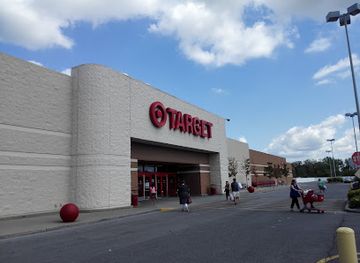
Target
Explore Target in Niagara Falls for an extensive range of products, from clothing to electronics, all in one convenient location.
Get your free copy of our complete guide to Greater Niagara, delivered straight to you.
Everything on this page, from attractions and restaurants to essentials and local phrases, in one PDF you can read offline, print or share.
Already have an account? Sign in
Your Greater Niagara guide is ready.
We'll send it to · Not you? Sign out

Getting your guide ready…
We are putting together a fresh copy of the Greater Niagara guide. This can take up to a minute.
This can take a few moments. If your browser asks, choose Allow so the download can start. You'll find the guide in your Downloads folder.
Nothing happened? Download it again
Sorry, the guide is taking longer than usual. Please try again in a minute, or get it by email instead.
Greater Niagara essentials
Currency and Payment
Safety
Emergency Situations
Do's and Don'ts
Local Tips
From Eve
Local phrases worth knowing
You don't need to get them perfect. A few words go a long way, and locals appreciate the effort.
Basics
| English | Local | Say it |
|---|---|---|
| Hello | Hey | [hay] |
| Goodbye | See ya | [see yah] |
| Yes | Yeah | [yeh] |
| No | Nah | [nah] |
| Please/You're welcome | No problem | [no prob] |
| Thank you | Thanks | [thanks] |
| Excuse me/Sorry | Sorry 'bout that | [sorry 'bout that] |
| How are you? | How's it going? | [how's it goin'?] |
| Fine. And you? | Good. You? | [good. you?] |
| Do you speak English? | You speak English? | [you speak English?] |
| I don't understand | I don't get it | [I don't get it] |
Eating & Drinking
| English | Local | Say it |
|---|---|---|
| I'd like to see the menu, please | Can I see the menu? | [can I see the menu?] |
| I don't eat meat | I'm a vegetarian | [I'm a veg-tarian] |
| Cheers! | Cheers! | [cheers] |
| I would like to pay, please | Can I get the bill? | [can I get the bill?] |
Emergencies
| English | Local | Say it |
|---|---|---|
| Help! | Help! | [help] |
| Go away! | Get lost! | [get lost] |
| Call the Police! | Call the cops! | [call the cops] |
| Call a doctor! | Get a doctor! | [get a doctor] |
| I'm lost | I'm kinda lost | [I'm kinda lost] |
| I'm ill | I'm not feeling well | [I'm not feelin' well] |
Shopping
| English | Local | Say it |
|---|---|---|
| I'd like to buy... | I wanna buy... | [I wanna buy...] |
| I'm just looking | Just browsing | [just browsing] |
| How much is it? | What’s the price? | [what's the price?] |
| That's too expensive | That's way too pricey | [that's way too pricey] |
| Can you lower the price? | Can you give me a better deal? | [can you give me a better deal?] |
Time & Numbers
| English | Local | Say it |
|---|---|---|
| What time is it? | What time ya got? | [what time ya got?] |
| It's one o'clock | It's one o'clock | [it's one o'clock] |
| Half past (10) | Half past ten | [half past ten] |
| Morning | Morning | [morning] |
| Afternoon | Afternoon | [afternoon] |
| Evening | Evening | [evening] |
| Yesterday | Yesterday | [yesterday] |
| Today | Today | [today] |
| Tomorrow | Tomorrow | [tomorrow] |
| 1 | One | [one] |
| 2 | Two | [two] |
| 3 | Three | [three] |
| 4 | Four | [four] |
| 5 | Five | [five] |
| 6 | Six | [six] |
| 7 | Seven | [seven] |
| 8 | Eight | [eight] |
| 9 | Nine | [nine] |
| 10 | Ten | [ten] |
Transport & Directions
| English | Local | Say it |
|---|---|---|
| Where's a/the...? | Where's the nearest...? | [where's the nearest...?] |
| What's the address? | What's the address? | [what's the address?] |
| Can you show me (on the map)? | Can you point it out? | [can you point it out?] |
| When's the next (bus)? | When's the next bus? | [when's the next bus?] |
| A ticket (to ....) | A ticket to... please | [a ticket to... please] |
History of Greater Niagara
Indigenous Nations and the Great Lakes Waterways
The Niagara River and Great Lakes have long been important to Haudenosaunee peoples, including the Seneca, whose homeland extended across much of western New York. The river was a major route between Lake Erie and Lake Ontario, while portage paths connected waterways around the Falls. Indigenous diplomacy, territorial relationships and trade shaped the region before European colonisation and remained central as French, British and later American powers competed for control. Visitors encounter only part of this history at preserved sites, museums and interpretive programmes, but the geography itself explains why the Niagara corridor became so strategically important.
French and British Forts at Niagara
European powers recognised the Niagara River as the essential passage between the upper Great Lakes and Lake Ontario. Fort Conti, Fort Denonville and later Fort Niagara reflected French efforts to control the route, while the British strengthened the position after the French and Indian War. During the American Revolution and the War of 1812, the Niagara frontier again became a zone of military activity. Old Fort Niagara, at the river's mouth, preserves buildings and defensive works associated with these successive regimes and remains one of the clearest physical expressions of the region's imperial history.
Canals, the Erie Canal and Commercial Expansion
The opening of the Erie Canal in 1825 connected the Hudson River with Lake Erie and transformed western New York. Buffalo became a major trans-shipment point, linking Great Lakes shipping with the Atlantic coast, while canal communities such as Lockport developed around locks, mills and warehouses. The canal helped accelerate settlement, agriculture and manufacturing throughout the interior. Later enlargements and the modern canal route changed its appearance, but locks, towpaths and industrial buildings still reveal how water transport shaped the region's towns and commercial geography.
Hydropower and Industrial Buffalo
The Niagara River's immense flow encouraged the development of hydroelectric power in the nineteenth and early twentieth centuries. Electricity generated near the Falls helped establish energy-intensive industries in Niagara County and contributed to Buffalo's reputation as a major manufacturing and transport centre. Grain elevators, railway infrastructure, factories and waterfront warehouses recorded this industrial expansion. Although the region later experienced deindustrialisation and population change, adaptive reuse, museums and preserved architecture continue to connect the contemporary visitor economy with the era when Great Lakes commerce and electric power drove western New York's growth.
Buffalo Architecture and the Progressive Era
Buffalo's prosperity around the turn of the twentieth century produced an unusually rich architectural legacy. The city contains important work by architects including Frank Lloyd Wright, Louis Sullivan, H. H. Richardson and Frederick Law Olmsted, whose park system helped organise its expanding neighbourhoods. The Darwin D. Martin House complex is one of the region's most significant Wright commissions, while Buffalo's civic and commercial buildings reflect the confidence of an industrial city. This architectural inheritance is central to the city's modern cultural identity and distinguishes Buffalo from the more nature-led experience of Niagara Falls.
Twentieth-Century Tourism and the Niagara Parks Landscape
Niagara Falls became an international tourist attraction during the nineteenth century, but twentieth-century public planning increasingly shaped how visitors encountered the landscape. Niagara Falls State Park, established in 1885, preserved public access to the American cataracts and helped establish a park-based model for viewing the river and gorge. Roads, promenades, observation areas and managed shorelines developed around the natural spectacle. Tourism remains a major part of the local economy, while debates about conservation, hydroelectric development and public access continue to influence the relationship between the Falls and surrounding communities.
Modern Cultural and Agricultural Renewal
In recent decades, Greater Niagara has combined heritage conservation with a changing economy based on tourism, education, healthcare, food production, craft beverages and the creative industries. Buffalo's waterfront and historic districts have seen substantial renewal, while former industrial and canal spaces have gained new civic uses. Rural western New York has expanded its vineyard, orchard and farm-to-table profile, and institutions such as Chautauqua have continued to attract audiences for lectures, performance and learning. The region's present character therefore rests on both its industrial past and its adaptation to new forms of cultural and outdoor tourism.
Greater Niagara in Photos
Browse through our photo collection highlighting the charm and character of the destination.
Neighbouring regions of Greater Niagara
The closest regions to Greater Niagara, if you have time for more than one.
-

-

-

-

-


Swipe for more regions
Explore more

Explore more of New York
Discover the electrifying energy, iconic landmarks, and diverse cultural experiences of New York City, the ultimate urban playground for travelers from around the world.
Explore New York