

Free Chautauqua–Allegheny Travel Guide & Mobile App
Explore Chautauqua–Allegheny with free travel guides. Discover regional history, expert tips, proposed trips, and audio guides on web or mobile app.


Explore Chautauqua–Allegheny for lakeside culture, comedy heritage, forested parks, Indigenous history, rural foodways and four-season outdoor recreation.
Read more about Chautauqua–Allegheny
When is the best time to visit Chautauqua–Allegheny?
Best: June–August · 23–26°C| Month | High (°C) | Rainfall (mm) |
|---|---|---|
| January | -1 | 80 |
| February | 1 | 70 |
| March | 7 | 85 |
| April | 12 | 90 |
| May | 19 | 100 |
| June (best) | 23 | 105 |
| July (best) | 26 | 110 |
| August (best) | 25 | 105 |
| September | 21 | 100 |
| October | 15 | 95 |
| November | 8 | 90 |
| December | 2 | 85 |
Getting to and around Chautauqua–Allegheny
How to get there
Transportation
Top city travel guides in Chautauqua–Allegheny
The cities of Chautauqua–Allegheny, and the easiest places to base yourself.

Swipe for more cities
Destinations in Chautauqua–Allegheny
Resorts, valleys and scenic spots worth a trip of their own.

Swipe for more destinations
Best attractions in Chautauqua–Allegheny
Chautauqua–Allegheny's attractions range from major cultural institutions to long stretches of public landscape. Jamestown is the principal centre for comedy heritage, with the National Comedy Center and the Lucille Ball Desi Arnaz Museum offering different perspectives on American entertainment. At Chautauqua Lake, the Chautauqua Institution combines lectures, concerts, theatre, religious programming and historic summer architecture. Lily Dale presents a very different cultural experience through its long-established spiritualist community. For outdoor recreation, Allegany State Park provides hiking, paddling, fishing, swimming, cabins and winter activities across a large forested setting, while the Allegheny Reservoir supports boating and shoreline exploration. Ellicottville is a base for skiing and mountain recreation, and nearby Cattaraugus County includes Rock City Park and Griffis Sculpture Park. The Lake Erie shore adds beaches, marinas, vineyards and agricultural views, with Dunkirk and Barcelona offering maritime character. Smaller museums, historic downtowns, farm markets and community arts venues help connect these headline attractions with the region's everyday landscape.
-
Tourist attraction
Eternal Flame Falls
Experience the unique beauty of Eternal Flame Falls, where nature's wonder meets a flickering flame behind a stunning waterfall in Orchard Park, NY.
-
Park
Audubon Community Nature Center
Discover the beauty of nature at Audubon Community Nature Center, a serene park in Jamestown, NY, perfect for hiking, wildlife observation, and educational experiences.
-
Scenic spot
Stone Tower
Discover the breathtaking views and natural beauty of Stone Tower in Salamanca, NY, a perfect retreat for nature lovers and photographers alike.
-
Bar
Limerick's Pub
Experience the warmth of Irish culture at Limerick's Pub in Hamburg, NY, where delightful food and drinks await every traveler.


Best landmarks in Chautauqua–Allegheny
Chautauqua Institution's historic grounds on Chautauqua Lake are among the region's most distinctive built landscapes, combining seasonal cottages, performance halls, lecture spaces and religious architecture within a planned lakeside community. In Jamestown, the Lucille Ball Desi Arnaz Museum and the National Comedy Center are modern cultural landmarks that give the city a strong association with television and comedy history. Allegany State Park is a natural and civic landmark at regional scale: its forested valleys, stone and timber structures, lakes and extensive trail network represent New York's conservation tradition. The Lake Erie shoreline around Barcelona is marked by its historic lighthouse, while the old port character of Dunkirk reflects the region's connection with inland maritime trade. In the southern counties, Salamanca's location beside the Allegheny River and the Seneca Nation's Allegany Territory adds cultural and geographical significance. Rock City Park's massive sandstone formations and Griffis Sculpture Park's outdoor works provide two contrasting landmarks in Cattaraugus County, one geological and one artistic.
-
State park
Allegany State Park
Experience the vast wilderness and diverse activities at Allegany State Park, New York's largest state park, rich in natural beauty and adventure.
-
Park
Panama Rocks Scenic Park
Explore breathtaking rock formations and scenic hiking trails at Panama Rocks Scenic Park, a natural wonder in New York's lush landscape.
-
Historical landmark
Barcelona Lighthouse
Explore the Barcelona Lighthouse, a historical landmark in Westfield, NY, offering stunning views of Lake Erie and rich maritime heritage.
-
State park
Midway State Park
Experience the perfect blend of amusement and nature at Midway State Park, a historical gem in Bemus Point, New York, ideal for family adventures and exploration.


Explore Chautauqua–Allegheny on the map
Plan your trip on one map. See where the top cities, national parks and sights are, and book hotels and experiences in a few clicks.
Best hotels in Chautauqua–Allegheny
Best restaurants in Chautauqua–Allegheny
Dining in Chautauqua–Allegheny reflects a rural, lakeside and small-town economy rather than one tightly defined regional cuisine. Farm stands and markets commonly feature apples, grapes, sweet corn, dairy products, maple syrup, berries and baked goods, while the Lake Erie shore contributes freshwater fish and seasonal waterfront dining. Chautauqua Lake and the ski country around Ellicottville support restaurants ranging from informal cafés and pizzerias to pubs, inns and contemporary dining rooms. In the southern counties, local menus often draw on the produce and traditions of western New York, with hearty soups, sandwiches, American comfort food and regional baking widely available. Wine and cider from the Lake Erie agricultural belt can complement a visit to farm-based producers, although offerings vary by season. Visitors should also look for Native-owned or Indigenous-inspired food experiences where available, while recognising that Seneca culinary traditions are not interchangeable with generic regional fare. Reservations are sensible during Chautauqua Institution's summer season and busy winter weekends.
-
Italian
Andriaccio's Restaurant
Discover Andriaccio's Restaurant in Mayville: A haven for authentic Italian flavors, cozy ambiance, and delightful service awaits you.
-
Restaurant
Guppy's Restaurant & Tavern
Experience delightful dining at Guppy's Restaurant & Tavern in Bemus Point—perfect for families seeking great food and warm hospitality.
-
American
Alexander's
Savor classic American cuisine at Alexander's in Findley Lake – where every meal is crafted with care and served with warmth.
-
Steak
Landmark Restaurant
Experience exquisite dining at Landmark Restaurant, Jamestown's premier destination for steak lovers offering exceptional flavors and ambiance.


Best bars in Chautauqua–Allegheny
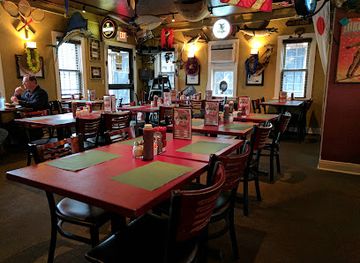
Evening life is concentrated in Jamestown, Ellicottville, Olean, Fredonia and the seasonal communities around Chautauqua Lake rather than spread evenly across the countryside. Traditional pubs, taverns, brewery taprooms, wine-focused venues and casual restaurants form the mainstay of the region's nightlife, with live music and community events appearing more often than large nightclubs. Ellicottville has the most pronounced après-ski and weekend evening culture, while Jamestown offers a broader mix of bars, performances and cultural programming. Chautauqua Institution's summer calendar can bring concerts, theatre and lectures, but its atmosphere is principally cultural and educational rather than club-oriented. In rural areas, evenings are quieter and usually centre on a local inn, restaurant or pub; check transport arrangements in advance because late-night public connections are limited and distances between communities can be considerable.
-
Grill
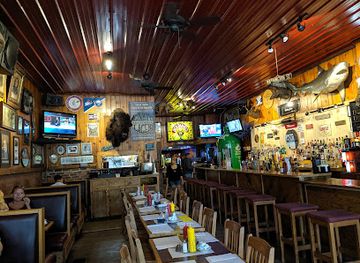
The Gin Mill
Experience the lively atmosphere and delicious fare at The Gin Mill, Ellicottville's top gastropub, perfect for foodies and music lovers.
-
American
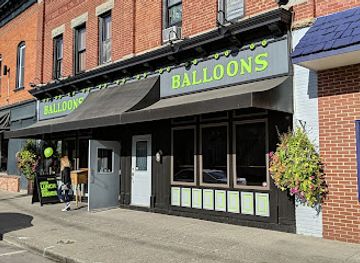
Balloons Restaurant & Night Club
Experience the vibrant blend of American cuisine and nightlife at Balloons Restaurant & Night Club in Ellicottville, NY.
-
American
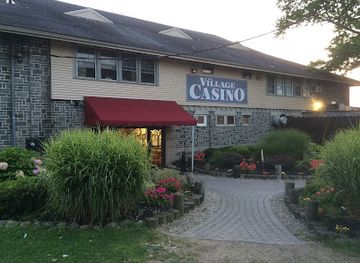
The Village Casino
Discover the vibrant atmosphere of The Village Casino, where American cuisine meets lively entertainment by the lakeside in Bemus Point.
-
Restaurant
Guppy's Restaurant & Tavern
Experience delightful dining at Guppy's Restaurant & Tavern in Bemus Point, where family-friendly service meets a menu of local flavors.
Best nightclubs in Chautauqua–Allegheny
-
Night club
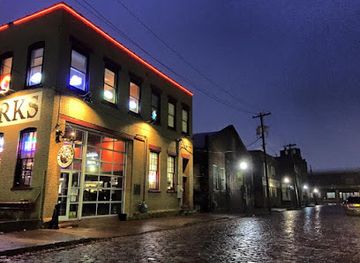
The Gypsy Parlor
Discover the vibrant nightlife at The Gypsy Parlor, where eclectic decor meets delicious food and live music in Buffalo's heart.
-
Live Music
Buffalo Iron Works
Experience the electrifying live music scene and vibrant nightlife at Buffalo Iron Works, a historical venue in the heart of Buffalo, NY.
-
Bar
Mr. Goodbar
Discover the lively spirit of Mr. Goodbar in Buffalo, NY, where great food, drinks, and live music create unforgettable nights.
-
Night club
Nietzsche's
Discover the essence of Buffalo's nightlife at Nietzsche's, a beloved night club and bar known for live music and a welcoming atmosphere.



Best shops in Chautauqua–Allegheny
Shopping in Chautauqua–Allegheny is centred on traditional downtowns, independent businesses, farm outlets and seasonal markets rather than large metropolitan retail districts. Jamestown, Olean, Fredonia, Dunkirk and Wellsville provide everyday shopping alongside books, antiques, crafts, galleries and locally run food shops. Ellicottville has a more visitor-oriented mix of outdoor clothing, ski equipment, gifts, homewares and independent boutiques. Farm stands and farmers' markets are the best places to look for apples, grapes, maple syrup, honey, preserves, baked goods, dairy products and other seasonal produce, while wineries and cider producers may sell products directly where permitted. Art galleries and craft shops offer work by artists from the Southern Tier and western New York, and museum gift shops provide more focused souvenirs connected with comedy, local history or the outdoors. Retail hours can be limited in smaller communities, particularly outside the main summer and winter seasons, so plan market and specialist-shop visits around local schedules.
-
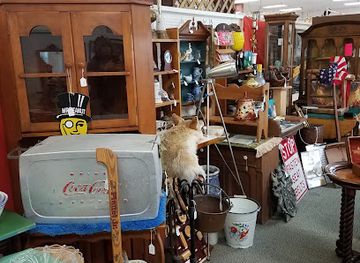
Antique store
Salamanca Mall Antiques
Explore a world of vintage charm and unique antiques at Salamanca Mall Antiques, a treasure trove for collectors and casual shoppers alike.
-
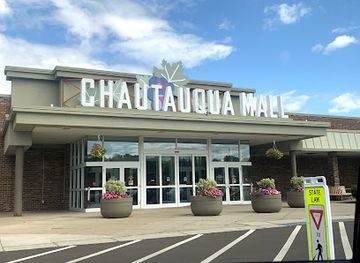
Shopping mall
Chautauqua Mall
Experience the bustling Chautauqua Mall in Lakewood, NY, a shopping haven with diverse stores, dining options, and exciting events for the whole family.
-
Shopping mall
Lakewood Village Center
Discover the lively Lakewood Village Center, a premier shopping mall in Jamestown, NY, offering diverse stores, dining, and entertainment options for all.
-
State park
Long Point State Park on Lake Chautauqua
Explore Long Point State Park on Lake Chautauqua: A nature lover's paradise for hiking, swimming, and boating in the heart of New York.
Get your free copy of our complete guide to Chautauqua–Allegheny, delivered straight to you.
Everything on this page, from attractions and restaurants to essentials and local phrases, in one PDF you can read offline, print or share.
Already have an account? Sign in
Your Chautauqua–Allegheny guide is ready.
We'll send it to · Not you? Sign out

Getting your guide ready…
We are putting together a fresh copy of the Chautauqua–Allegheny guide. This can take up to a minute.
This can take a few moments. If your browser asks, choose Allow so the download can start. You'll find the guide in your Downloads folder.
Nothing happened? Download it again
Sorry, the guide is taking longer than usual. Please try again in a minute, or get it by email instead.
Chautauqua–Allegheny essentials
Currency and Payment
Safety
Emergency Situations
Do's and Don'ts
Local Tips
From Eve
Local phrases worth knowing
You don't need to get them perfect. A few words go a long way, and locals appreciate the effort.
Basics
| English | Local | Say it |
|---|---|---|
| Hello | Howdy | [Haudi] |
| Goodbye | See ya later | [See ya lay-ter] |
| Yes | Yup | [Yup] |
| No | Nah | [Nah] |
| Please/You're welcome | Please/No problem | [Please/No prob-lem] |
| Thank you | Thanks a lot | [Thanks a lot] |
| Excuse me/Sorry | Excuse me/Sorry 'bout that | [Excuse me/Sorry 'bout that] |
| How are you? | How ya doin'? | [How ya doin'?] |
| Fine. And you? | Good. How 'bout you? | [Good. How 'bout you?] |
| Do you speak English? | Can ya speak English? | [Can ya speak English?] |
| I don't understand | I don't get it | [I don't get it] |
Eating & Drinking
| English | Local | Say it |
|---|---|---|
| I'd like to see the menu, please | Can I see the menu, please? | [Can I see the menu, please?] |
| I don't eat meat | I ain't eatin' meat | [I ain't eatin' meat] |
| Cheers! | Cheers! | [Cheers!] |
| I would like to pay, please | Can I get the check, please? | [Can I get the check, please?] |
Emergencies
| English | Local | Say it |
|---|---|---|
| Help! | Help! | [Help!] |
| Go away! | Get lost! | [Get lost!] |
| Call the Police! | Call the cops! | [Call the cops!] |
| Call a doctor! | Get a doctor! | [Get a doctor!] |
| I'm lost | I’m lost | [I’m lost] |
| I'm ill | I ain't feelin' well | [I ain't feelin' well] |
Shopping
| English | Local | Say it |
|---|---|---|
| I'd like to buy... | I wanna buy... | [I wanna buy...] |
| I'm just looking | Just lookin' around | [Just lookin' around] |
| How much is it? | What’s the price? | [What’s the price?] |
| That's too expensive | That's a bit pricey | [That's a bit pricey] |
| Can you lower the price? | Can you drop the price? | [Can you drop the price?] |
Time & Numbers
| English | Local | Say it |
|---|---|---|
| What time is it? | What time is it? | [What time is it?] |
| It's one o'clock | It's one o'clock | [It's one o'clock] |
| Half past (10) | Half past ten | [Half past ten] |
| Morning | Morning | [Morning] |
| Afternoon | Afternoon | [Afternoon] |
| Evening | Evening | [Evening] |
| Yesterday | Yesterday | [Yesterday] |
| Today | Today | [Today] |
| Tomorrow | Tomorrow | [Tomorrow] |
| 1 | One | [One] |
| 2 | Two | [Two] |
| 3 | Three | [Three] |
| 4 | Four | [Four] |
| 5 | Five | [Five] |
| 6 | Six | [Six] |
| 7 | Seven | [Seven] |
| 8 | Eight | [Eight] |
| 9 | Nine | [Nine] |
| 10 | Ten | [Ten] |
Transport & Directions
| English | Local | Say it |
|---|---|---|
| Where's a/the...? | Where's the...? | [Where's the...?] |
| What's the address? | What's the address? | [What's the address?] |
| Can you show me (on the map)? | Can ya show me on the map? | [Can ya show me on the map?] |
| When's the next (bus)? | When's the next bus? | [When's the next bus?] |
| A ticket (to ....) | A ticket to ... | [A ticket to ...] |
History of Chautauqua–Allegheny
Seneca Homelands and Haudenosaunee History
The Chautauqua–Allegheny landscape lies within the historic homelands of the Seneca people, one of the Six Nations of the Haudenosaunee Confederacy. Seneca communities used the lakes, waterways, forests and fertile valleys for agriculture, hunting, fishing and travel long before European settlement. The region remains connected to the Seneca Nation of Indians, whose Allegany Territory and Cattaraugus Territory are sovereign communities within western New York. Visitors should understand that Indigenous history here is not confined to museums or the past: it continues through government, community life, cultural institutions and stewardship of place.
European Settlement and the Holland Land Company
After the American Revolution, much of western New York was surveyed and marketed to settlers, notably through the Holland Land Company. New roads, mills, farms and villages developed during the late eighteenth and early nineteenth centuries, although settlement occurred through the displacement and political pressure placed upon Indigenous communities. Towns including Fredonia, Jamestown and Olean grew from this period of land speculation and agricultural expansion. The region's characteristic pattern of small settlements, farm country and dispersed woodland still reflects the survey lines and transportation routes established during the early republic.
Canals, Railways and Lake Erie Commerce
The opening of the Erie Canal in 1825 transformed New York's internal geography and helped connect western communities with markets farther east, even where the canal itself did not run through the region. Lake Erie ports such as Dunkirk and Barcelona handled agricultural products and other goods, while railways later linked Chautauqua and the southern counties to Buffalo, Pennsylvania and the wider northeastern network. Rail transport encouraged manufacturing, timber distribution and urban growth in places such as Jamestown, Olean and Salamanca. Many former rail corridors now survive as roads, trails or traces in the built landscape.
Lumber, Oil and Industrial Development
The hills and forests of the Allegheny Plateau supported a major timber economy during the nineteenth century, with logging and sawmilling reshaping valleys and river corridors. Olean also became associated with the early petroleum industry, benefiting from its position near the Pennsylvania oil fields and from connections to refining and transport. Jamestown developed manufacturing, including furniture production, while other towns supported metalworking, textiles and agricultural processing. Industrial activity brought employment and infrastructure but also altered forests and waterways, prompting later conservation efforts that are visible in the region's parks and restored natural areas.
The Chautauqua Movement
The Chautauqua Institution began in 1874 as a summer programme for Sunday-school teachers on the shore of Chautauqua Lake. It soon expanded into a broader educational and cultural movement, bringing lectures, music, religious study, theatre and public discussion to audiences across the United States. The original grounds remain an important seasonal centre for the arts and public education, with a distinctive collection of cottages, halls and performance spaces. The movement helped establish the region's enduring association with lifelong learning, cultural programming and intellectually oriented summer travel.
Conservation and Allegany State Park
Concern about the loss of forests and the degradation caused by intensive logging helped encourage public conservation in the southern counties. Allegany State Park was established in the 1920s and gradually developed through roads, trails, cabins, lakes and recreational facilities. Civilian Conservation Corps workers later contributed to many park structures and landscape improvements during the New Deal era. The park became a major example of public access to large-scale forested recreation in New York and remains central to the region's identity, economy and environmental heritage.
Lucille Ball, Comedy and Modern Cultural Tourism
Lucille Ball was born in Jamestown in 1911 and spent part of her early life in the area before building a career that helped redefine American television comedy. Her connection with Desi Arnaz and the lasting influence of I Love Lucy made Jamestown a significant destination for comedy history. The National Comedy Center and the Lucille Ball Desi Arnaz Museum interpret this legacy alongside broader developments in American entertainment. Their presence has strengthened a modern cultural identity that complements the region's older associations with education, industry, agriculture and outdoor recreation.
Chautauqua–Allegheny in Photos
Browse through our photo collection highlighting the charm and character of the destination.
Neighbouring regions of Chautauqua–Allegheny
The closest regions to Chautauqua–Allegheny, if you have time for more than one.
-

-

-

-

-


Swipe for more regions
Explore more

Explore more of New York
Discover the electrifying energy, iconic landmarks, and diverse cultural experiences of New York City, the ultimate urban playground for travelers from around the world.
Explore New York