

Free Thousand Islands Travel Guide & Mobile App
Explore Thousand Islands with free travel guides. Discover regional history, expert tips, proposed trips, and audio guides on web or mobile app.


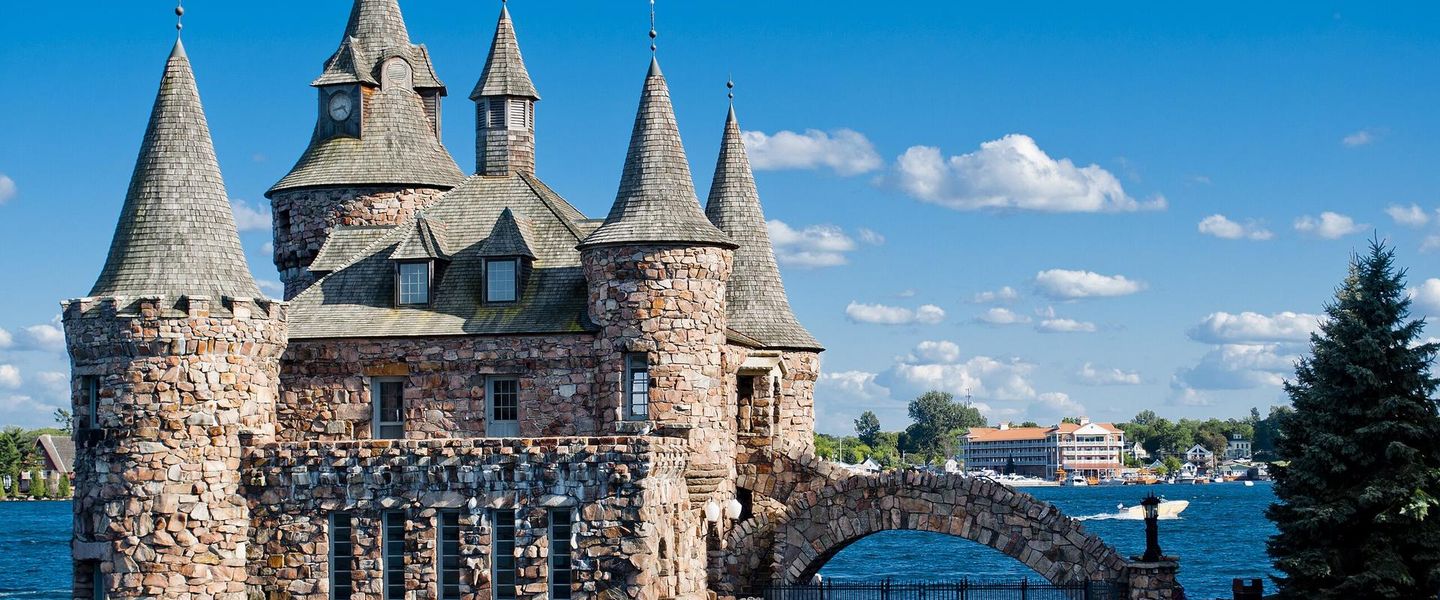


Explore New York's Thousand Islands for river cruises, island castles, boating heritage, wooded parks and historic St Lawrence communities.
Read more about Thousand Islands
Getting to and around Thousand Islands
How to get there
Transportation
Destinations in Thousand Islands
Resorts, valleys and scenic spots worth a trip of their own.

Swipe for more destinations
Best attractions in Thousand Islands
The Thousand Islands' attractions are shaped by the relationship between land and water. Boat cruises from Alexandria Bay and Clayton reveal the scale of the archipelago, passing forested islands, narrow channels, private summer houses and historic boathouses that are difficult to appreciate from the road. Boldt Castle on Heart Island is the region's best-known visitor site, while Singer Castle on Dark Island offers a different interpretation of island architecture and is reached by water. Clayton's Antique Boat Museum gives the river's long boating tradition a detailed cultural context. On land, Wellesley Island State Park combines campsites, woodland, shoreline and outdoor recreation, and the Thousand Islands National Wildlife Refuge protects important habitat on both islands and mainland tracts. Cape Vincent adds historic streets and a river-port setting, while nearby shoreline parks provide swimming, picnicking, fishing and birdwatching. The main attraction is not a single resort but the changing sequence of water, rock, forest, history and working navigation that makes each excursion distinct.
-
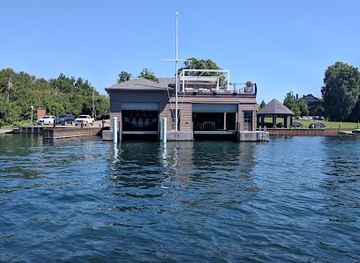
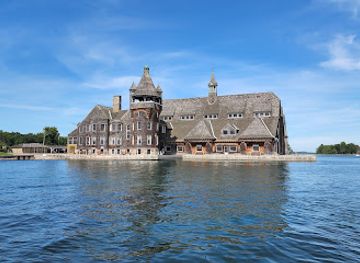
Boldt Castle & Boldt Yacht House
Experience the enchanting beauty and rich history of Boldt Castle, a majestic landmark in the Thousand Islands, where love and architecture intertwine.
-
Uncle Sam Boat Tours
Discover the breathtaking Thousand Islands with Uncle Sam Boat Tours, offering unforgettable boat trips through nature’s paradise, rich history, and stunning landscapes.
-
City Cruises Gananoque
Experience the breathtaking beauty of the Thousand Islands with City Cruises Gananoque, your gateway to unforgettable boat tours and scenic adventures.
-
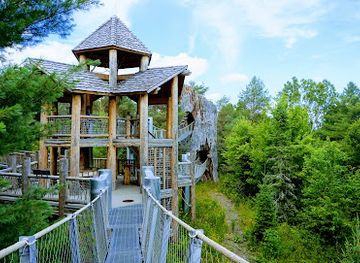
The Wild Center
Explore nature's beauty and biodiversity at The Wild Center, a premier natural history museum in the heart of the Adirondacks.
Best landmarks in Thousand Islands
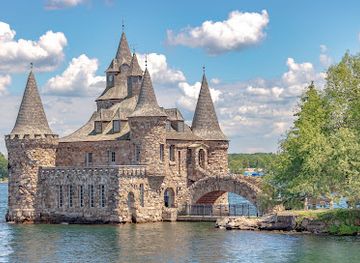
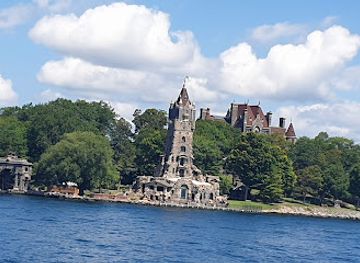
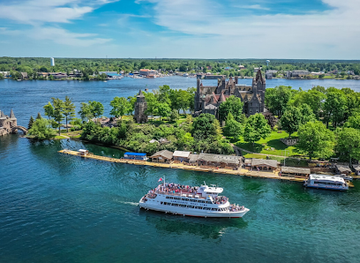
Boldt Castle on Heart Island is the Thousand Islands' defining architectural landmark: an unfinished early twentieth-century residence built in the manner of a grand European castle and closely associated with Alexandria Bay's resort history. Singer Castle on Dark Island presents a smaller but highly distinctive island residence, with turrets, stonework and a setting that can be understood only from the water. In Clayton, the large collections and waterfront setting of the Antique Boat Museum represent the region's enduring boating culture, while the village's historic buildings reflect its former role as a river port. Rock Island Lighthouse, standing on a small island near the American shore, is an important navigational landmark and historic state park site. The Thousand Islands Bridge is a modern symbol of the international border, linking New York with Ontario across the river. Beyond built structures, the granite islands, wooded shorelines and shifting channels themselves form the region's most recognisable natural landmark.
-
Tourist attraction
Boldt Castle & Boldt Yacht House
Explore the enchanting Boldt Castle & Boldt Yacht House, a historical treasure on Heart Island with stunning architecture and rich romantic history.
-
Boat tour agency
Uncle Sam Boat Tours
Uncover the beauty of Alexandria Bay with Uncle Sam Boat Tours, where adventure meets history on the stunning St. Lawrence River.
-
Historical landmark
Cahokia Mounds State Historic Site
Discover the ancient civilization of Cahokia Mounds, a UNESCO World Heritage Site featuring awe-inspiring mounds and rich Native American history.
-
Boat tour agency
City Cruises Gananoque
Discover the beauty of the Thousand Islands with City Cruises Gananoque, where breathtaking views and rich history await every visitor.

Explore Thousand Islands on the map
Plan your trip on one map. See where the top cities, national parks and sights are, and book hotels and experiences in a few clicks.
Best hotels in Thousand Islands
Best restaurants in Thousand Islands
Dining on the New York side of the Thousand Islands is predominantly seasonal and informal, with waterfront restaurants, village cafés, marina eateries, traditional American diners and rural establishments serving visitors travelling between the river communities. Menus commonly draw on freshwater fish, burgers, sandwiches, salads, locally available produce and ice cream, while the wider agricultural landscape supplies farms and roadside stands with fruit, vegetables and baked goods. Alexandria Bay and Clayton offer the broadest concentration of sit-down dining, whereas smaller communities tend to have fewer choices and more limited off-season service. The region is also associated with Thousand Island dressing, a widely known American condiment whose exact origins are disputed and shared across the broader border region, so it should not be presented as an exclusive local invention. Craft beverages and regional wines may appear on menus, but availability varies by establishment and season.
-
Steak
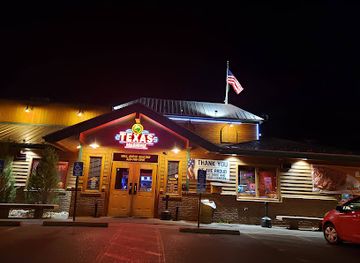
Texas Roadhouse
Experience authentic American cuisine at Texas Roadhouse in Watertown with hand-cut steaks and lively atmosphere perfect for families.
-
American
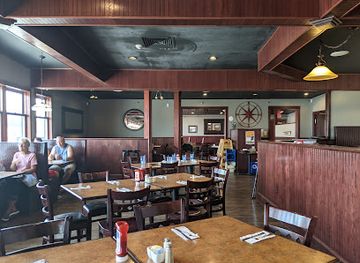
Koffee Kove Restaurant
Experience delightful breakfasts at Koffee Kove in Clayton - where cozy meets delicious!
-
Restaurant
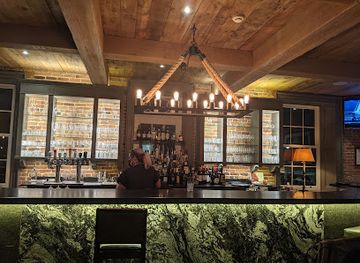
Riley's by the River
Discover Riley's by the River: A family-friendly restaurant offering local flavors and stunning riverside views in Alexandria Bay.
-
Italian
Riva
Discover authentic Italian flavors at Riva in Gananoque – where every meal feels like a journey to Italy.

Best bars in Thousand Islands
Evening life in the Thousand Islands centres on waterfront restaurants, traditional bars, hotel lounges, marina gatherings and live music rather than a large nightclub scene. Alexandria Bay is generally the liveliest seasonal centre, with visitors moving between dining rooms, casual bars and cruise-related entertainment, while Clayton has a more compact village atmosphere with pubs, restaurants and occasional performances. Cape Vincent and smaller river communities are quieter, and evenings often focus on conversation, dining or views across the water. Summer brings the greatest choice and the latest activity; in spring, autumn and winter, some venues operate on reduced schedules. Visitors should check current arrangements rather than assume that a seasonal business is open, and remember that boating after drinking is especially dangerous on a river with busy channels and changing conditions.
-
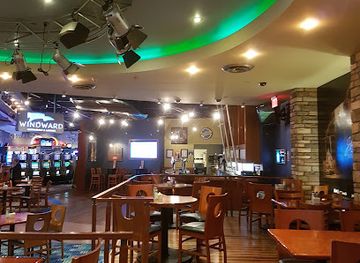
Shorelines Casino Thousand Islands
Discover gaming excitement and culinary delights at Shorelines Casino Thousand Islands, a premier destination in Gananoque, Ontario.
-
Hotel
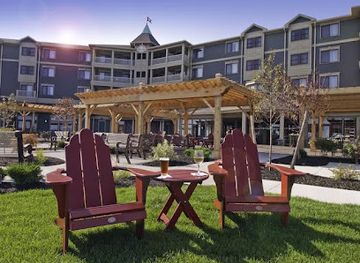
1000 Islands Harbor Hotel
Discover the picturesque 1000 Islands Harbor Hotel, offering stunning river views and luxurious accommodations in Clayton, NY.
-
Restaurant
Riley's by the River
Experience delightful dining at Riley's by the River, where local flavors meet stunning waterfront views in Alexandria Bay.
-
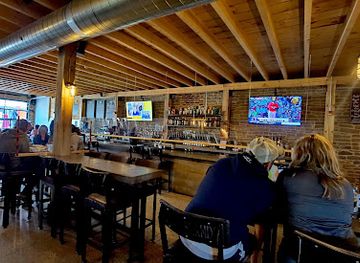
1000 Islands Brewing Co
Experience the best of Brockville's craft beer scene at 1000 Islands Brewing Co, where local flavors and friendly faces await.

Best nightclubs in Thousand Islands
Evening life in the Thousand Islands centres on waterfront restaurants, traditional bars, hotel lounges, marina gatherings and live music rather than a large nightclub scene. Alexandria Bay is generally the liveliest seasonal centre, with visitors moving between dining rooms, casual bars and cruise-related entertainment, while Clayton has a more compact village atmosphere with pubs, restaurants and occasional performances. Cape Vincent and smaller river communities are quieter, and evenings often focus on conversation, dining or views across the water. Summer brings the greatest choice and the latest activity; in spring, autumn and winter, some venues operate on reduced schedules. Visitors should check current arrangements rather than assume that a seasonal business is open, and remember that boating after drinking is especially dangerous on a river with busy channels and changing conditions.
-
Distillery
Dark Island Spirits
Discover the art of distilling at Dark Island Spirits, where local flavors come alive in handcrafted gins and whiskeys.
-
Grill
Riverboat Bar
Discover Riverboat Bar in Alexandria Bay for delicious grilled fare and lively music in a charming waterfront setting.
-
Mexican
Top Of The Bay Tex Mex Bar and Bistro
Experience the vibrant flavors of Mexican cuisine at Top Of The Bay Tex Mex Bar and Bistro, a must-visit dining spot in Alexandria Bay.
-
Lounge
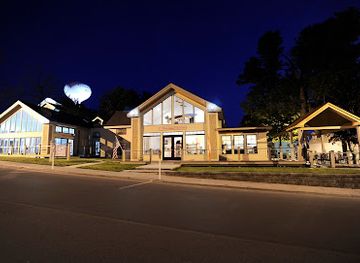
Thousand Islands Club
Discover the elegance of fine dining and stunning views at Thousand Islands Club, a premier lounge on Wellesley Island.

Best shops in Thousand Islands
Shopping in the Thousand Islands is concentrated in the village centres and waterfront areas of Alexandria Bay, Clayton and Cape Vincent rather than in large regional malls. Independent shops and galleries sell nautical artwork, locally made crafts, books, clothing, gifts and products inspired by the river landscape, while marinas and outdoor retailers cater to boating and fishing. Clayton is particularly associated with maritime-themed culture and gallery browsing, whereas Alexandria Bay has a more visitor-oriented selection of souvenirs and seasonal goods. Farm stands and small food retailers offer a practical way to buy regional produce, maple products, baked goods and other provisions for a road journey or picnic. Markets and artisan events may be seasonal, so dates and locations should be checked locally. Visitors should distinguish genuine local craft and food products from generic souvenirs, and remember that crossing into Canada with purchases involves the customs rules of both countries.
-
Gift shop
Boldt Castle & Boldt Yacht House
Explore the romantic history and breathtaking architecture of Boldt Castle, a stunning landmark on Heart Island in New York's Thousand Islands.
-
Cheese shop
1000 Islands River Rat Cheese
Explore the artisanal delights at 1000 Islands River Rat Cheese, where local flavors meet unique gift options in the heart of Clayton, NY.
-
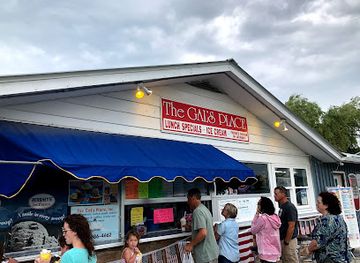
Ice Cream
Gal's Place
Discover the delightful flavors at Gal's Place, Alexandria Bay's beloved ice cream shop, perfect for families and sweet-tooth adventurers.
-
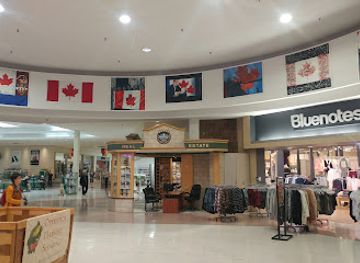
Shopping mall
1000 Islands Plaza
Shop, dine, and explore the vibrant 1000 Islands Plaza in Brockville, Ontario - a perfect destination for tourists seeking a delightful shopping experience.

Get your free copy of our complete guide to Thousand Islands, delivered straight to you.
Everything on this page, from attractions and restaurants to essentials and local phrases, in one PDF you can read offline, print or share.
Already have an account? Sign in
Your Thousand Islands guide is ready.
We'll send it to · Not you? Sign out

Getting your guide ready…
We are putting together a fresh copy of the Thousand Islands guide. This can take up to a minute.
This can take a few moments. If your browser asks, choose Allow so the download can start. You'll find the guide in your Downloads folder.
Nothing happened? Download it again
Sorry, the guide is taking longer than usual. Please try again in a minute, or get it by email instead.
Thousand Islands essentials
Currency and Payment
Safety
Emergency Situations
Do's and Don'ts
Local Tips
From Eve
Local phrases worth knowing
You don't need to get them perfect. A few words go a long way, and locals appreciate the effort.
Basics
| English | Local | Say it |
|---|---|---|
| Hello | Hi | [Hai] |
| Goodbye | See ya | [See yah] |
| Yes | Yeah | [Yah] |
| No | Nope | [Nope] |
| Please/You're welcome | Sure thing | [Shur thing] |
| Thank you | Thanks | [Thangs] |
| Excuse me/Sorry | Pardon me | [Pardon mee] |
| How are you? | How's it going? | [How's it goin'?] |
| Fine. And you? | Good, you? | [Good, ya?] |
| Do you speak English? | You speak English? | [Ya speak English?] |
| I don't understand | I don’t get it | [I don’t get it] |
Eating & Drinking
| English | Local | Say it |
|---|---|---|
| I'd like to see the menu, please | Can I see the menu? | [Can I see the menu?] |
| I don't eat meat | I’m a vegetarian | [I’m a vege-tarian] |
| Cheers! | Cheers! | [Cheers!] |
| I would like to pay, please | Can I get the bill? | [Can I get the bill?] |
Emergencies
| English | Local | Say it |
|---|---|---|
| Help! | Help! | [Help!] |
| Go away! | Leave me alone! | [Leave me alone!] |
| Call the Police! | Call the cops! | [Call the cops!] |
| Call a doctor! | Get a doctor! | [Get a doctor!] |
| I'm lost | I’m lost | [I’m lost] |
| I'm ill | I’m not feeling well | [I’m not feelin' well] |
Shopping
| English | Local | Say it |
|---|---|---|
| I'd like to buy... | I want to buy... | [I want to buy...] |
| I'm just looking | Just browsing | [Just browsing] |
| How much is it? | What’s the price? | [What’s the price?] |
| That's too expensive | That’s pricey | [That’s pricey] |
| Can you lower the price? | Can you make it cheaper? | [Can you make it cheaper?] |
Time & Numbers
| English | Local | Say it |
|---|---|---|
| What time is it? | What’s the time? | [What’s the time?] |
| It's one o'clock | It’s one | [It’s one] |
| Half past (10) | Half past ten | [Half past ten] |
| Morning | Morning | [Morning] |
| Afternoon | Afternoon | [Afternoon] |
| Evening | Evening | [Evening] |
| Yesterday | Yesterday | [Yesterday] |
| Today | Today | [Today] |
| Tomorrow | Tomorrow | [Tomorrow] |
| 1 | One | [One] |
| 2 | Two | [Two] |
| 3 | Three | [Three] |
| 4 | Four | [Four] |
| 5 | Five | [Five] |
| 6 | Six | [Six] |
| 7 | Seven | [Seven] |
| 8 | Eight | [Eight] |
| 9 | Nine | [Nine] |
| 10 | Ten | [Ten] |
Transport & Directions
| English | Local | Say it |
|---|---|---|
| Where's a/the...? | Where’s the...? | [Where’s the...?] |
| What's the address? | What’s the address? | [What’s the address?] |
| Can you show me (on the map)? | Can you point it out? | [Can you point it out?] |
| When's the next (bus)? | When’s the next bus? | [When’s the next bus?] |
| A ticket (to ....) | One ticket to... | [One ticket to...] |
History of Thousand Islands
Indigenous River Networks Before European Settlement
The St Lawrence and its connected waterways formed an important travel, fishing and trading landscape for Indigenous peoples long before European colonisation. The islands, channels and shorelines offered routes between the Great Lakes and the interior, while seasonal knowledge shaped movement and resource use. The Haudenosaunee and other Indigenous communities were part of the wider history of the region, although later colonial maps and borders often obscured the continuity of these relationships. Visitors encounter a landscape whose significance predates the modern international boundary and the resort communities that later became its public face.
French and British Contest for the St Lawrence
European interest in the river grew from its importance as a route into the Great Lakes. French and British projects, alliances and military activity affected the region during the seventeenth and eighteenth centuries, before Britain gained control of what became northern New York after the Seven Years' War. The river remained strategically important because it connected inland waterways with the Atlantic world. Although much of the surviving architecture is later, the region's political geography and settlement patterns developed from these competing imperial ambitions.
The War of 1812 and the River Frontier
The St Lawrence became a contested frontier during the War of 1812, when the United States and Britain, represented in nearby Upper Canada, fought for control of routes and settlements around the Great Lakes. Sackets Harbor, on the eastern shore of Lake Ontario outside the core island corridor but an important regional gateway, served as a major American naval and military base. Fortifications, naval activity and supply movements shaped communities along the river and lake. The conflict helped give the borderlands a lasting military and maritime character.
Nineteenth-Century Commerce and River Navigation
After the War of 1812, commercial navigation, timber, fishing, farming and passenger travel supported settlements along the American shore. River ports such as Clayton, Alexandria Bay and Cape Vincent connected local producers with larger markets, while vessels carried goods and people through difficult channels. Improved navigation aids and lighthouses became increasingly important as traffic grew. The later development of rail and roads changed the pattern of access, but the river remained the region's principal geographical fact and its most important economic corridor.
The Rise of the Thousand Islands Summer Colony
From the late nineteenth century, wealthy visitors from New York and other northeastern cities built elaborate summer residences on islands and shorelines throughout the archipelago. The period produced grand houses, boathouses, gardens and private docks, as well as a service economy based on hotels, guides and steamboat excursions. Boldt Castle, begun on Heart Island near Alexandria Bay for hotel magnate George C. Boldt, is the most famous surviving expression of this era. The resort culture established the Thousand Islands as a nationally recognised holiday landscape.
Conservation, Tourism and Maritime Heritage in the Modern Era
Twentieth-century tourism shifted towards recreational boating, road travel, state parks, wildlife protection and public interpretation. Wellesley Island State Park, the Thousand Islands National Wildlife Refuge and other protected areas preserve portions of the river's ecological setting, while museums and restored sites document its maritime past. The Antique Boat Museum in Clayton reflects the continuing importance of wooden pleasure craft and boatbuilding. Today the region balances tourism with private island ownership, working waterways, conservation concerns and the practical realities of an international border.
Thousand Islands in Photos
Browse through our photo collection highlighting the charm and character of the destination.
Neighbouring regions of Thousand Islands
The closest regions to Thousand Islands, if you have time for more than one.
-

-

-

-
-


Swipe for more regions
Explore more

Explore more of New York
Discover the electrifying energy, iconic landmarks, and diverse cultural experiences of New York City, the ultimate urban playground for travelers from around the world.
Explore New York