

Esteli Cigar Tours Travel Guide - Free Web & App
Your ultimate guide to Esteli Cigar Tours. Discover top landmarks, proposed trips, and local tips. Free on the web or via the Evendo companion app.


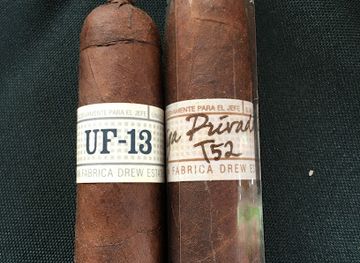
Estelí Cigar Tours in Nicaragua reveal hand-rolled tobacco, working cigar factories, mountain farms, local cuisine and the culture of northern Nicaragua.
Where Tobacco Shapes the Landscape
Estelí Cigar Tours are based in Estelí, a highland city in northern Nicaragua whose identity is closely connected with tobacco cultivation and cigar making. The city lies in a broad, elevated valley surrounded by dry tropical hills and rugged countryside, several hours north of Managua and near the Honduran border. Its relatively mild climate, fertile soils and established agricultural traditions have helped make the region one of Nicaragua’s principal cigar-producing centres.Read more about Esteli Cigar Tours
From Leaf to Hand-Rolled Cigar
Estelí and Its Wider Hinterland
When is the best time to visit Esteli Cigar Tours?
Best: July–September · 30°C| Month | High (°C) | Rainfall (mm) |
|---|---|---|
| January | 31 | 19 |
| February | 31 | 12 |
| March | 32 | 7 |
| April | 32 | 3 |
| May | 31 | 1 |
| June | 30 | 0 |
| July (best) | 30 | 0 |
| August (best) | 30 | 0 |
| September (best) | 30 | 1 |
| October | 31 | 3 |
| November | 31 | 7 |
| December | 31 | 12 |
Getting to and around Esteli Cigar Tours
How to get there
Transportation
Best attractions in Esteli Cigar Tours
The central attraction is the cigar-making process itself, with Estelí’s established factories offering a glimpse of leaf selection, rolling, bunching, pressing and quality control when visits have been arranged in advance. The surrounding tobacco farms and curing facilities explain the agricultural stages that urban factory tours cannot show, although access is dependent on the grower and season. In the city, murals and public spaces provide insight into Estelí’s revolutionary history, while local markets and cafés reveal its everyday character. Beyond the urban area, the Miraflor region combines upland farms, forest, coffee and community-based rural experiences, while the Tisey-La Estanzuela area is associated with highland scenery and the Salto de Estanzuela waterfall. These rural excursions are not part of every cigar tour and require separate transport, but they show how tobacco production fits within a broader landscape of farms, hills and protected countryside.
-
Tourist attraction
Plaza Parque Domingo Gadea
Experience the vibrant culture and serene beauty of Plaza Parque Domingo Gadea in Estelí, Nicaragua – a perfect spot for relaxation and local exploration.
-
Park
16 de Julio, Esteli Centro Park
Explore the beauty of Estelí at 16 de Julio Park, a tranquil haven filled with lush greenery, family-friendly spaces, and a vibrant community atmosphere.
-
City park
Familia y la Comunidad Park
Discover the lush beauty and vibrant community spirit at Familia y la Comunidad Park, a serene escape in the heart of Estelí, Nicaragua.
-
Tourist attraction
Our Lady of the Most Holy Rosary Cathedral, Estelí
Discover the architectural beauty and spiritual serenity of Our Lady of the Most Holy Rosary Cathedral, a must-see attraction in Estelí, Nicaragua.


Best landmarks in Esteli Cigar Tours
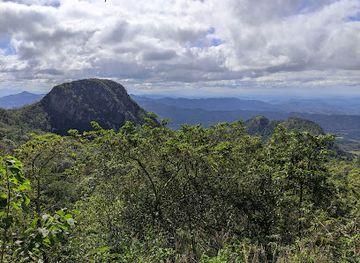
Estelí’s most important landmarks are closely tied to tobacco, regional history and the surrounding highlands. The city’s cigar factories are working industrial sites rather than monuments, but their hand-rolling rooms and tobacco-processing spaces represent a distinctive living craft. Public murals and commemorative works recall the city’s role in the Sandinista Revolution and form an important part of its modern historical landscape. Outside Estelí, the Salto de Estanzuela waterfall is a recognised natural feature within the wider Tisey-La Estanzuela countryside, while the hills and farms of Miraflor express the ecological and agricultural character of the northern highlands. Tobacco fields and curing barns are also meaningful landmarks in a cultural sense: they show how Estelí’s economy has been shaped by land, labour, migration and specialised craftsmanship.
-
Nature preserve
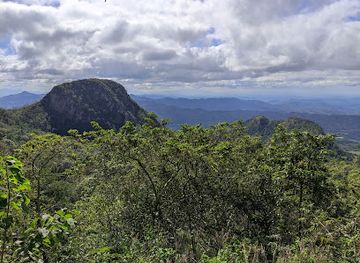
Reserva Natural Tisey-La Estanzuela
Experience the stunning landscapes and rich biodiversity of Reserva Natural Tisey-La Estanzuela, a must-visit nature preserve in Nicaragua.
-
Hotel
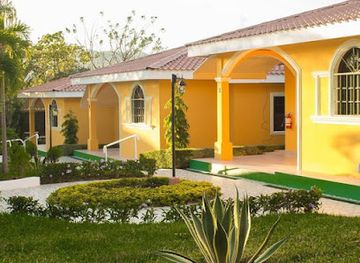
Apart Hotel Acuarious de Luis
Experience comfort and warmth at Acuarious de Luis, the ideal hotel for tourists exploring the beauty of Estelí, Nicaragua.
-
Restaurant
Piknic Restaurante
Discover the flavors of Nicaragua at Piknic Restaurante in Esteli, where local ingredients meet international cuisine for an unforgettable dining experience.
-
Hotel
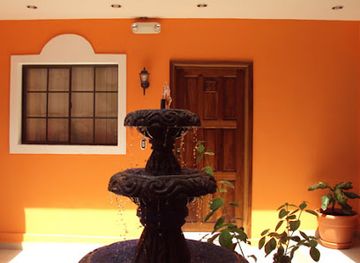
Hotel Don Vito
Discover comfort and convenience at Hotel Don Vito in Estelí, Nicaragua - a perfect base for adventure and relaxation.
Explore Esteli Cigar Tours on the map
Plan your trip on one map. See where the top attractions, landmarks, restaurants and hotels are, and book hotels and experiences in a few clicks.
Best hotels in Esteli Cigar Tours
Best restaurants in Esteli Cigar Tours
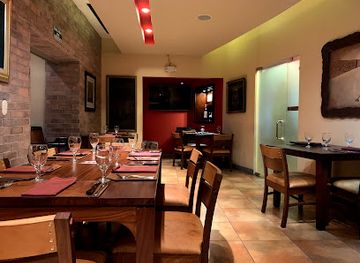
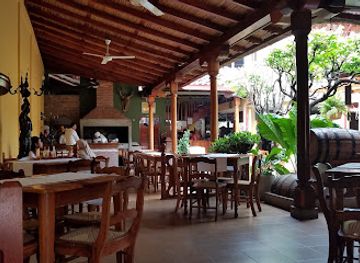
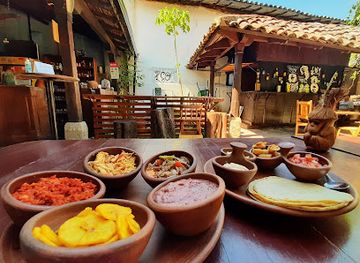
Dining in Estelí is concentrated in the city, where visitors can find Nicaraguan cafés, family-run eateries, bakeries and restaurants serving staples such as gallo pinto, grilled meats, cheese, plantains, soups and maize-based dishes. Northern Nicaragua’s agricultural setting also brings fresh dairy products, coffee, beans and seasonal produce into local cooking. Around markets and central streets, informal food stands provide a more everyday experience, while hotels and established restaurants offer broader menus for travellers returning from factory visits. Rural excursions towards Miraflor or the Tisey-La Estanzuela area may include meals arranged through farms or community tourism projects, but visitors should not assume that cafés or restaurants are available along every route. Food and water arrangements are worth confirming before spending a day in the countryside.
-
Steak
Restaurant Don Candido
Discover the ultimate steakhouse experience at Restaurant Don Candido in Managua, where flavor meets elegance in every dish.
-
Restaurant
Restaurante El Zaguán
Discover authentic Nicaraguan cuisine at Restaurante El Zaguán in Granada—where every dish tells a story of tradition and flavor.
-
Tourist attraction
Tisey Estanzuela Natural Reserve
Discover Tisey Estanzuela Natural Reserve: A captivating blend of lush landscapes, diverse wildlife, and breathtaking vistas awaits your exploration.
-
Restaurant
ECO
Experience authentic Nicaraguan flavors at ECO in Granada – where sustainability meets delicious cuisine.
Best bars in Esteli Cigar Tours
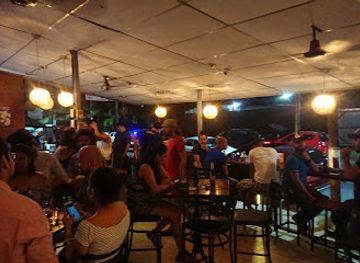
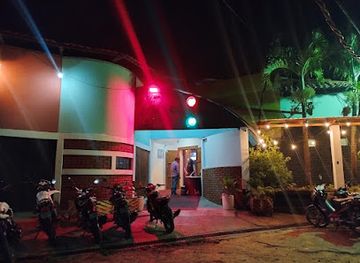
Estelí’s evening life is modest and locally oriented rather than built around a large nightlife district. Visitors will find casual bars, cafés and restaurants in the city, with social activity often centred on conversation, music and televised sport rather than late-night clubbing. Some accommodation and dining venues may offer a quieter place to enjoy Nicaraguan rum or local beer, while cigar-related businesses may provide an explanation of tobacco culture without functioning as formal nightlife venues. In the surrounding farming areas, evenings are generally quiet, and rural accommodation may offer little entertainment beyond shared meals and conversation. Availability and atmosphere vary, so travellers should ask locally about current venues and use registered transport when returning after dark.
-
Bar
Ron Kon Rolas
Experience the vibrant nightlife of Managua at Ron Kon Rolas, a bar and concert hall featuring live music and a lively atmosphere.
-
Bar
Famous Bar & Restaurante
Discover the lively ambiance of Famous Bar & Restaurante in Estelí, a perfect blend of local culture and refreshing drinks.
-
Hotel
Apart Hotel Acuarious de Luis
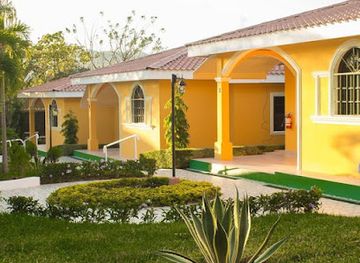
Experience the charm and comfort of Apart Hotel Acuarious de Luis in Estelí, a perfect blend of modern amenities and local culture.
-
 Lodging
Hotel Hex Estelí
Discover comfort and local charm at Hotel Hex Estelí, your perfect lodging choice along Nicaragua's scenic Panamerican Highway.

Best nightclubs in Esteli Cigar Tours
Estelí’s evening life is modest and locally oriented rather than built around a large nightlife district. Visitors will find casual bars, cafés and restaurants in the city, with social activity often centred on conversation, music and televised sport rather than late-night clubbing. Some accommodation and dining venues may offer a quieter place to enjoy Nicaraguan rum or local beer, while cigar-related businesses may provide an explanation of tobacco culture without functioning as formal nightlife venues. In the surrounding farming areas, evenings are generally quiet, and rural accommodation may offer little entertainment beyond shared meals and conversation. Availability and atmosphere vary, so travellers should ask locally about current venues and use registered transport when returning after dark.
-
Bar
Bliss Lounge
Discover vibrant nightlife at Bliss Lounge in Estelí, where cocktails, music, and a lively atmosphere create unforgettable experiences.
-
Hotel
Hotel y Restaurante La Campiña
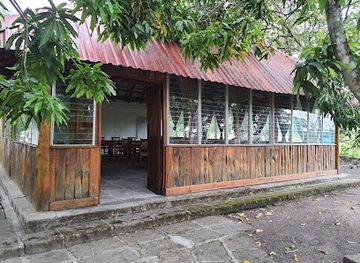
Discover comfort and local cuisine at Hotel y Restaurante La Campiña, a serene retreat along the Pan-American Highway in Estelí, Nicaragua.
-
Restaurant
The Club
Discover vibrant dining at The Club in Estelí, where local flavors meet a lively atmosphere for an unforgettable culinary experience.
-
Bar
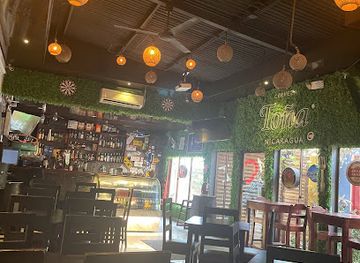
nicaragua
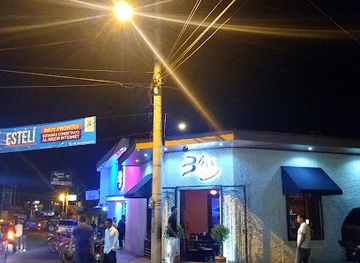
Experience the vibrant nightlife of Estelí, Nicaragua, where lively bars, local music, and warm hospitality await your arrival.
Best shops in Esteli Cigar Tours
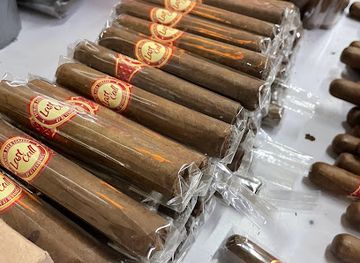
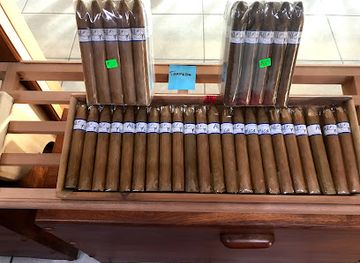
Shopping in Estelí centres on cigars, coffee, local food products and practical everyday goods rather than extensive tourist retail. Legitimate cigar shops and factory outlets may sell cigars made in the region, although travellers should understand customs rules in their home country and purchase products with appropriate packaging and provenance. The city’s markets and small shops offer Nicaraguan snacks, fruit, cheese, clothing and household items, while independent businesses may stock coffee and regional produce. Handicrafts and farm products are more likely to be found through rural or community tourism projects around Miraflor than in a dedicated shopping district. Availability varies, and not every factory permits direct retail sales, so visitors should distinguish an authorised shop from informal street offers.
-
Hotel
Apart Hotel Acuarious de Luis
Discover comfort and convenience at Apart Hotel Acuarious de Luis in Estelí, the perfect base for your Nicaraguan adventure.
-
Cigar shop
Tabacalera A.J. Fernandez Cigars
Discover the rich heritage and craftsmanship of premium Nicaraguan cigars at Tabacalera A.J. Fernandez in Esteli.
-
Manufacturer
Drew Estate Tobacco Company
Explore the art of cigar making at Drew Estate Tobacco Company in Estelí, a top destination for cigar enthusiasts seeking premium craftsmanship.
-
Cigar shop
All Nica Cigar Store
Explore the finest selection of premium Nicaraguan cigars at All Nica Cigar Store, where tradition meets quality in Santa Cruz.
Get your free copy of our complete guide to Esteli Cigar Tours, delivered straight to you.
Everything on this page, from attractions and restaurants to essentials and local phrases, in one PDF you can read offline, print or share.
Already have an account? Sign in
Your Esteli Cigar Tours guide is ready.
We'll send it to · Not you? Sign out

Getting your guide ready…
We are putting together a fresh copy of the Esteli Cigar Tours guide. This can take up to a minute.
This can take a few moments. If your browser asks, choose Allow so the download can start. You'll find the guide in your Downloads folder.
Nothing happened? Download it again
Sorry, the guide is taking longer than usual. Please try again in a minute, or get it by email instead.
Esteli Cigar Tours essentials
Currency and Payment
Safety
Emergency Situations
Do's and Don'ts
Local Tips
From Eve
Local phrases worth knowing
You don't need to get them perfect. A few words go a long way, and locals appreciate the effort.
Basics
| English | Local | Say it |
|---|---|---|
| Hello | Hola | [oh-la] |
| Goodbye | Adiós | [ah-dee-ohs] |
| Yes | Sí | [see] |
| No | No | [no] |
| Please/You're welcome | Por favor | [por fah-vor] |
| Thank you | Gracias | [grah-see-ahs] |
| Excuse me/Sorry | Perdón | [pair-dohn] |
| How are you? | ¿Cómo estás? | [koh-moh ehs-tahs] |
| Fine. And you? | Bien. ¿Y tú? | [bee-ehn. ee too] |
| Do you speak English? | ¿Hablas inglés? | [ah-blahs een-glays] |
| I don't understand | No entiendo | [noh ehn-tee-ehn-doh] |
Eating & Drinking
| English | Local | Say it |
|---|---|---|
| I'd like to see the menu, please | Quisiera ver el menú, por favor | [kee-see-eh-rah behr ehl meh-noo, por fah-vor] |
| I don't eat meat | No como carne | [noh koh-moh kahr-neh] |
| Cheers! | ¡Salud! | [sah-lood] |
| I would like to pay, please | Me gustaría pagar, por favor | [meh goos-tah-ree-ah pah-gar, por fah-vor] |
Emergencies
| English | Local | Say it |
|---|---|---|
| Help! | ¡Ayuda! | [ah-yoo-dah] |
| Go away! | ¡Vete! | [veh-teh] |
| Call the Police! | ¡Llama a la Policía! | [yah-mah ah lah poh-lee-see-ah] |
| Call a doctor! | ¡Llama a un médico! | [yah-mah ah oon meh-dee-koh] |
| I'm lost | Estoy perdido | [ehs-toy pair-dee-doh] |
| I'm ill | Estoy enfermo | [ehs-toy ehn-fehr-moh] |
Shopping
| English | Local | Say it |
|---|---|---|
| I'd like to buy... | Quisiera comprar... | [kee-see-eh-rah kohm-prahr...] |
| I'm just looking | Solo estoy mirando | [soh-loh ehs-toy mee-rahn-doh] |
| How much is it? | ¿Cuánto cuesta? | [kwan-toh kwehs-tah] |
| That's too expensive | Esto es demasiado caro | [ehs-toh ehs deh-mah-see-ah-doh kah-roh] |
| Can you lower the price? | ¿Puede bajar el precio? | [pweh-deh bah-har ehl pree-syoh] |
Time & Numbers
| English | Local | Say it |
|---|---|---|
| What time is it? | ¿Qué hora es? | [keh oh-rah ehs] |
| It's one o'clock | Es la una en punto | [ehs lah oo-nah ehn poon-toh] |
| Half past (10) | Media hora (10) | [meh-dee-ah oh-rah (deh-eez)] |
| Morning | Mañana | [mah-nyah-nah] |
| Afternoon | Tarde | [tahr-deh] |
| Evening | Noche | [noh-cheh] |
| Yesterday | Ayer | [ah-yehr] |
| Today | Hoy | [oy] |
| Tomorrow | Mañana | [mah-nyah-nah] |
| 1 | Uno | [oo-noh] |
| 2 | Dos | [dohs] |
| 3 | Tres | [trehs] |
| 4 | Cuatro | [kwah-troh] |
| 5 | Cinco | [seen-koh] |
| 6 | Seis | [says] |
| 7 | Siete | [syeh-teh] |
| 8 | Ocho | [oh-choh] |
| 9 | Nueve | [nweh-veh] |
| 10 | Diez | [dyehs] |
Transport & Directions
| English | Local | Say it |
|---|---|---|
| Where's a/the...? | ¿Dónde está...? | [dohn-deh ehs-tah] |
| What's the address? | ¿Cuál es la dirección? | [kwal ehs lah dee-rehk-syon] |
| Can you show me (on the map)? | ¿Puedes mostrarme (en el mapa)? | [pweh-dehs mohs-trar-meh (ehn ehl mah-pah)] |
| When's the next (bus)? | ¿Cuándo es el próximo (autobús)? | [kwan-doh ehs ehl proh-ksee-moh (ow-toh-boos)] |
| A ticket (to ....) | Un boleto (para ....) | [oon boh-leh-toh (pah-rah)] |
History of Esteli Cigar Tours
A Highland Valley Before Tobacco
The Estelí valley has a long history of human use, shaped by its position between Nicaragua’s central highlands and the Honduran frontier. Indigenous communities occupied and travelled through the wider region before Spanish colonisation, while the surrounding hills provided agricultural land, woodland and routes between settlements. The name Estelí is associated with the valley and river, although the precise pre-colonial linguistic history is discussed in different historical accounts. The area’s elevation and seasonal climate later encouraged farming and livestock production, creating the rural economic background in which tobacco would become increasingly important.
Colonial Settlement and the Estelí Valley
Spanish settlement developed around the Estelí valley during the colonial period, with the town associated with foundations dating to the late seventeenth century. Agriculture, cattle raising and regional trade connected the settlement with other communities in northern Nicaragua, although it remained less commercially prominent than the country’s major colonial centres. Its location on routes towards the north gave Estelí continuing importance as a market and transport town. Religious and civic institutions developed alongside the expanding settlement, while nearby farms continued to shape the surrounding landscape.
The Rise of Nicaraguan Tobacco
Tobacco became a defining part of Estelí’s economy during the twentieth century, with cultivation and cigar production expanding as growers and manufacturers recognised the region’s soils, climate and agricultural expertise. The local industry developed through a combination of farm production, curing and hand craftsmanship, creating specialised work for rollers, sorters, binders and blenders. After the Cuban Revolution, cigar-making knowledge and investment associated with Cuban émigrés helped strengthen Nicaragua’s premium tobacco sector, alongside existing local experience. Estelí consequently became associated with long-filler cigars made from carefully graded leaves rather than simply with raw tobacco farming.
Revolution, Conflict and Reconstruction
Estelí was deeply affected by the political conflict that culminated in the Sandinista Revolution and the Contra war. The city became an important centre of Sandinista support and suffered severe fighting and destruction during the final phase of the revolution in 1979. Murals, commemorations and political imagery still form part of its public character, although visitors should understand them within Nicaragua’s contested modern history rather than treating them as decorative themes alone. The conflict disrupted agriculture and industry, and later reconstruction helped restore Estelí’s role as a commercial and manufacturing centre.
Modern Cigar Manufacturing and Rural Tourism
Since the late twentieth century, Estelí’s cigar industry has expanded into an international export business, with factories producing cigars for global markets and supporting a network of tobacco farms, workshops and specialist workers. The industry’s growth has encouraged factory visits and small-scale tourism focused on the journey from seed and leaf to finished cigar. At the same time, nearby rural areas have developed interest in community tourism, coffee, conservation and outdoor excursions. The result is a destination where industrial craft remains closely connected with farming communities and the wider environmental history of Nicaragua’s northern highlands.
Esteli Cigar Tours in Photos
Browse through our photo collection highlighting the charm and character of the destination.
Cities in Esteli Cigar Tours
The towns and cities of Esteli Cigar Tours, and the easiest places to base yourself.
-

-

-

-

-

-


Swipe for more cities
Neighbouring destination travel guides
The closest destinations to Esteli Cigar Tours, if you have time for more than one.
-
-
-

-

-


Swipe for more destinations
Explore more

Explore more of Estelí Plateau
Discover the refreshing highlands of the Estelí Plateau, where natural beauty meets cultural richness in Nicaragua's northern region.
Explore Estelí Plateau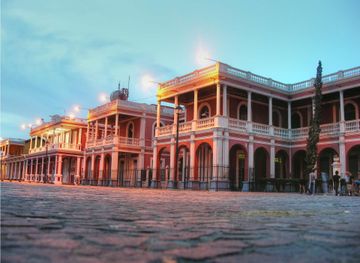
Explore more of Nicaragua
Discover Nicaragua: Explore breathtaking lakes, active volcanoes, colonial cities, and pristine beaches in a country rich with culture and adventure.
Explore Nicaragua