

Selva Negra Coffee Estate Travel Guide - Free Web & App
Your ultimate guide to Selva Negra Coffee Estate. Discover top landmarks, proposed trips, and local tips. Free on the web or via the Evendo companion app.


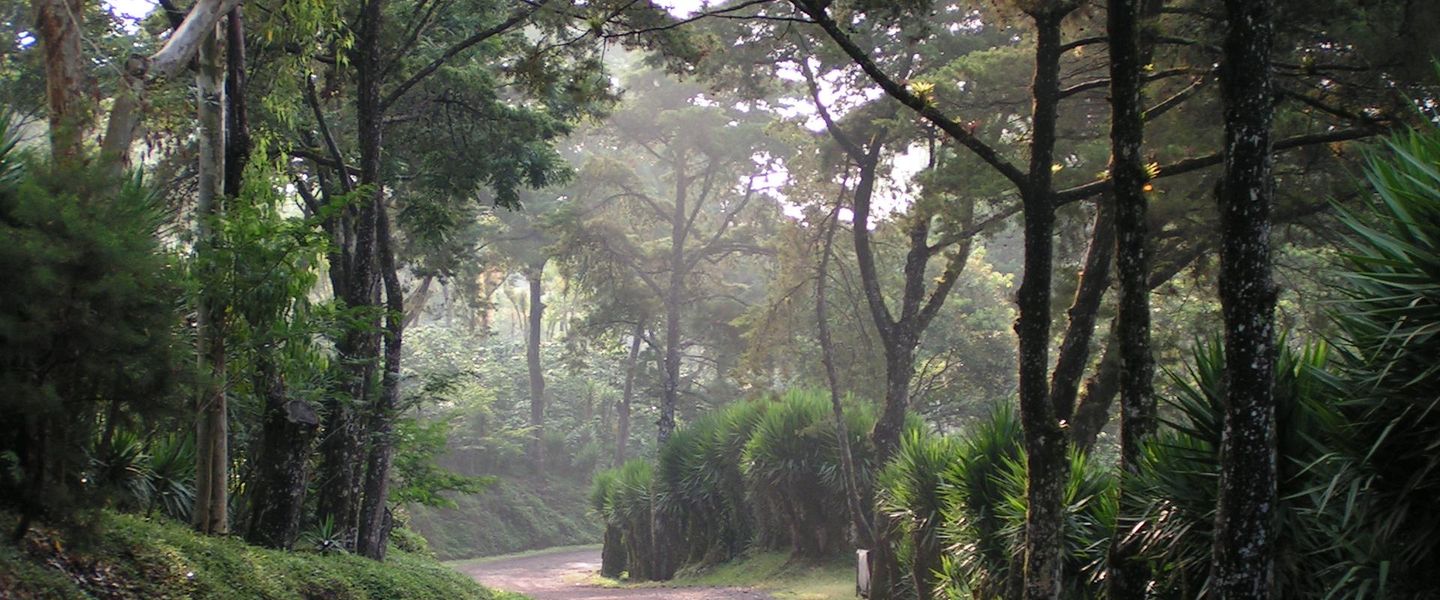


Selva Negra Coffee Estate in Nicaragua combines cloud-forest trails, organic coffee, birdwatching and farm stays near Matagalpa in the northern highlands.
Cloud Forest and Coffee Country
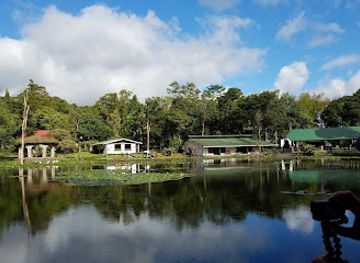
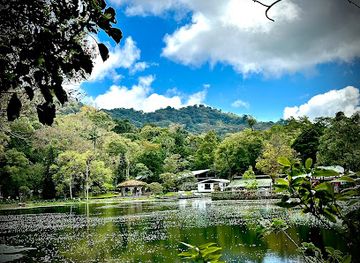
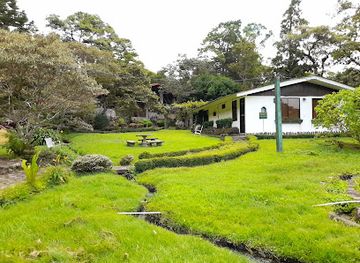
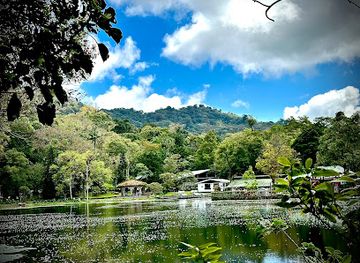
Selva Negra Coffee Estate lies in Nicaragua's northern highlands, in the cool, misty mountains near Matagalpa. More than a coffee plantation, it is an estate, working farm, forest reserve and eco-lodge set among steep slopes, shade-grown coffee, pasture and cloud-forest vegetation. The altitude brings lower temperatures than Nicaragua's Pacific lowlands, while frequent mist and seasonal rain help create conditions suited to highland coffee cultivation.Read more about Selva Negra Coffee Estate
A Working Estate
Exploring the Matagalpa Highlands
When is the best time to visit Selva Negra Coffee Estate?
Best: December–February · 26°C| Month | High (°C) | Rainfall (mm) |
|---|---|---|
| January (best) | 26 | 10 |
| February (best) | 26 | 10 |
| March | 27 | 10 |
| April | 27 | 10 |
| May | 27 | 10 |
| June | 27 | 10 |
| July | 27 | 10 |
| August | 27 | 10 |
| September | 27 | 10 |
| October | 27 | 10 |
| November | 26 | 10 |
| December (best) | 26 | 10 |
Getting to and around Selva Negra Coffee Estate
How to get there
Transportation
Best attractions in Selva Negra Coffee Estate
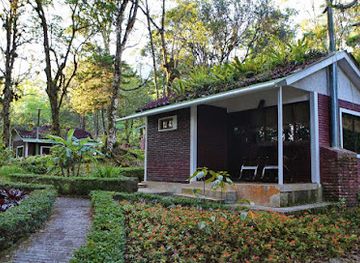
Selva Negra's principal attractions are the estate itself, its shade-grown coffee plantations, forested slopes and working agricultural areas. Coffee-focused visits explain cultivation, harvesting and processing, with the precise experience varying according to the season. Walking through the property introduces visitors to cloud-forest vegetation, pasture, farm plots and the quiet rhythms of a highland estate, while birdwatching is rewarding for those prepared to wait patiently with binoculars. The eco-lodge and restaurant provide a settled base for experiencing the landscape rather than a conventional town attraction. Beyond the property, Matagalpa offers access to Nicaragua's northern coffee country, where other farms, rural roads and mountain viewpoints can be explored through local arrangements. The appeal is the combination of production and environment: coffee is not presented in isolation, but as part of a living landscape shaped by rainfall, altitude, forest cover, farming and rural hospitality.
-
Hiking area
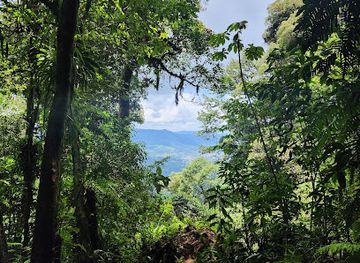
Mirador Hacia Matagalpa - Selva Negra
Explore the stunning Mirador Hacia Matagalpa in Selva Negra, where breathtaking views and serene hiking trails await you in Nicaragua's natural paradise.
Best landmarks in Selva Negra Coffee Estate
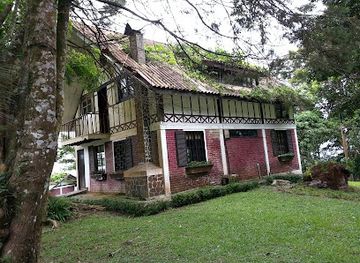
The defining landmark of Selva Negra is its highland coffee landscape: steep, shaded plantations set among cloud-forest vegetation and working farm areas. Rather than monumental architecture, the estate's significance lies in the visible relationship between agriculture, forest and rural hospitality. Its coffee-processing facilities and farm buildings express the productive purpose of the property, while the surrounding wooded slopes form part of the wider mountain character for which the Matagalpa region is known. The estate's name, meaning 'Black Forest', also reflects both its German heritage and its forested setting. Nearby Matagalpa is the principal cultural and geographical landmark of the area, serving as the regional centre for Nicaragua's northern coffee country. Individual views and trail features can change with weather and estate access, so visitors should follow local guidance rather than treating every forest route as an independent public attraction.
-
Tourist attraction
Selva Negra Ecolodge
Experience the enchanting blend of nature and German cuisine at Selva Negra Ecolodge, a serene retreat in the heart of Matagalpa’s lush mountains.
-
Restaurant
Selva Negra
Discover the authentic taste of Nicaragua at Selva Negra, where local flavors meet breathtaking nature in a charming restaurant setting.
-
 Guest house
Finca Musica del Bosque
Discover the beauty of Finca Musica del Bosque, a serene guest house in Matagalpa, offering coffee tours, vegetarian delights, and a deep connection to nature.
-
Hotel
La Hammonia
Experience the tranquil charm of La Hammonia, your serene escape in Selva Negra, Nicaragua, surrounded by nature's beauty and rich biodiversity.
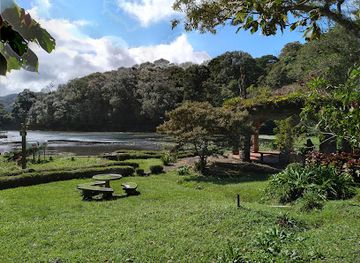
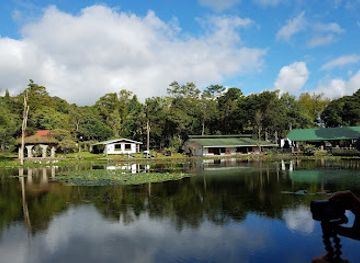
Explore Selva Negra Coffee Estate on the map
Plan your trip on one map. See where the top attractions, landmarks, restaurants and hotels are, and book hotels and experiences in a few clicks.
Best hotels in Selva Negra Coffee Estate
Best restaurants in Selva Negra Coffee Estate
Dining at Selva Negra is closely connected with the estate's agricultural identity, with meals built around locally sourced and farm-produced ingredients where available. The setting is rural and lodge-based rather than a choice of independent restaurants, so visitors should regard the estate restaurant as the principal on-site option and clarify meal arrangements when booking. Northern Nicaragua's food traditions include rice and beans, plantains, maize-based dishes, fresh cheese, eggs, meats and seasonal produce, while coffee is an important part of the regional experience. Matagalpa provides the wider selection of cafés, bakeries and restaurants, including places serving familiar Nicaraguan food and coffee from the surrounding highlands. Travellers with dietary requirements should communicate them ahead of time, particularly when staying in a remote estate where alternatives may be less extensive than in town.
-
Farm
Selva Negra
Experience the serene beauty of Selva Negra - an eco-resort offering organic dining amidst lush landscapes in Matagalpa, Nicaragua.
-
Tourist attraction
Selva Negra Ecolodge
Discover Selva Negra Ecolodge: An eco-friendly haven offering breathtaking nature experiences and authentic German dining in Nicaragua's lush landscapes.
-
Restaurant
Selva Negra Restaurante
Experience authentic Nicaraguan cuisine amidst breathtaking nature at Selva Negra Restaurante.
-
Guest house
Finca Musica del Bosque
Discover tranquility at Finca Musica del Bosque: where comfort meets adventure in Nicaragua's breathtaking landscapes.
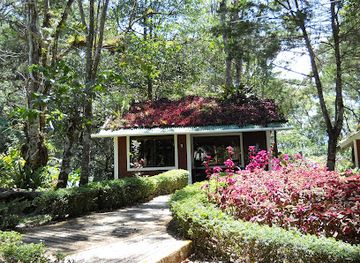
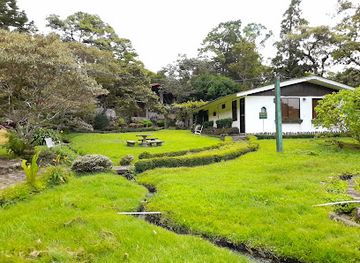
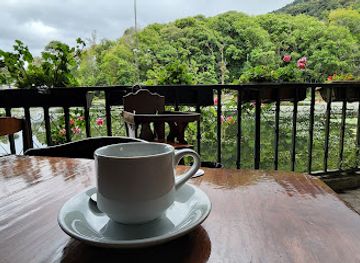
Best bars in Selva Negra Coffee Estate
Selva Negra does not have a conventional nightlife district or nightclub scene. Evenings are centred on the lodge atmosphere, dinner, conversation and the quiet mountain surroundings, with coffee and other drinks providing a more characteristic accompaniment than late-night entertainment. Visitors should not expect a choice of bars within walking distance or regular live performances on the estate. Matagalpa has a broader selection of cafés, restaurants and local drinking venues, but it is a small highland city rather than a major party destination, and transport should be arranged before returning to rural accommodation. After dark, the forested setting is better suited to listening to nocturnal sounds and enjoying the cool air than to wandering away from established areas without guidance.
-
Tourist attraction
Selva Negra Ecolodge
Discover the beauty of Nicaragua at Selva Negra Ecolodge, where nature meets authentic German cuisine in a serene mountain setting.
-
Restaurant
Selva Negra
Experience the rich flavors and sustainable dining at Selva Negra, an exquisite restaurant nestled in the heart of Nicaragua's natural beauty.
-
Restaurant
Selva Negra Restaurante
Experience the rich flavors of Nicaraguan cuisine at Selva Negra Restaurante, a culinary haven amidst breathtaking natural beauty.
-
Cafe
Finca Musica del Bosque
Discover the beauty of Matagalpa at Finca Musica del Bosque, a tranquil cafe and guest house offering homemade vegetarian cuisine and stunning natural surroundings.

Best nightclubs in Selva Negra Coffee Estate
Selva Negra does not have a conventional nightlife district or nightclub scene. Evenings are centred on the lodge atmosphere, dinner, conversation and the quiet mountain surroundings, with coffee and other drinks providing a more characteristic accompaniment than late-night entertainment. Visitors should not expect a choice of bars within walking distance or regular live performances on the estate. Matagalpa has a broader selection of cafés, restaurants and local drinking venues, but it is a small highland city rather than a major party destination, and transport should be arranged before returning to rural accommodation. After dark, the forested setting is better suited to listening to nocturnal sounds and enjoying the cool air than to wandering away from established areas without guidance.
-
Tourist attraction
Selva Negra Ecolodge
Experience the tranquil beauty of Selva Negra Ecolodge, a unique fusion of nature and German culinary delights in the heart of Nicaragua.
-
Restaurant
Selva Negra
Experience the rich flavors of Nicaragua in a stunning natural setting at Selva Negra, where culinary excellence meets the beauty of the outdoors.
Best shops in Selva Negra Coffee Estate
Shopping at Selva Negra is limited and focused on the products of a working coffee estate rather than on a commercial retail district. Coffee is the most meaningful purchase, offering visitors a direct connection with the highland crop they have seen cultivated and processed. Depending on current arrangements, visitors may also encounter estate-produced food or locally made items, but product availability should not be assumed. Matagalpa is the practical place for a broader selection of Nicaraguan coffee, foodstuffs, craft goods and everyday supplies, with small shops and local businesses serving residents as well as travellers. Buying directly from legitimate local producers supports the agricultural economy, while visitors should avoid removing plants, untreated natural materials or objects from the forest and farm environment.
-
Tourist attraction
Selva Negra Ecolodge
Explore the lush landscapes of Selva Negra Ecolodge, where nature meets German culinary traditions in the heart of Nicaragua.
-
Restaurant
Selva Negra
Discover the rich culinary heritage of Nicaragua at Selva Negra, where local flavors meet international cuisine amidst stunning natural beauty.
-
Restaurant
Selva Negra Restaurante
Discover the culinary delights of Selva Negra Restaurante, where local flavors meet stunning natural beauty in the heart of Nicaragua.
-
Hotel
La Hammonia
Experience the tranquility of La Hammonia in Selva Negra, Nicaragua, where lush landscapes and comfort meet for an unforgettable escape.
Get your free copy of our complete guide to Selva Negra Coffee Estate, delivered straight to you.
Everything on this page, from attractions and restaurants to essentials and local phrases, in one PDF you can read offline, print or share.
Already have an account? Sign in
Your Selva Negra Coffee Estate guide is ready.
We'll send it to · Not you? Sign out

Getting your guide ready…
We are putting together a fresh copy of the Selva Negra Coffee Estate guide. This can take up to a minute.
This can take a few moments. If your browser asks, choose Allow so the download can start. You'll find the guide in your Downloads folder.
Nothing happened? Download it again
Sorry, the guide is taking longer than usual. Please try again in a minute, or get it by email instead.
Selva Negra Coffee Estate essentials
Currency and Payment
Safety
Emergency Situations
Do's and Don'ts
Local Tips
From Eve
Local phrases worth knowing
You don't need to get them perfect. A few words go a long way, and locals appreciate the effort.
Basics
| English | Local | Say it |
|---|---|---|
| Hello | Hola | [oh-lah] |
| Goodbye | Adiós | [ah-dee-ohs] |
| Yes | Sí | [see] |
| No | No | [noh] |
| Please/You're welcome | Por favor/De nada | [por fah-vohr/deh nah-dah] |
| Thank you | Gracias | [grah-see-ahs] |
| Excuse me/Sorry | Perdón/Lo siento | [pehr-dohn/loh see-ehn-toh] |
| How are you? | ¿Cómo estás? | [koh-moh ehs-tahs] |
| Fine. And you? | Bien. ¿Y tú? | [byehn. ee too] |
| Do you speak English? | ¿Hablas inglés? | [ah-blahs een-glehs] |
| I don't understand | No entiendo | [noh ehn-tee-ehn-doh] |
Eating & Drinking
| English | Local | Say it |
|---|---|---|
| I'd like to see the menu, please | Me gustaría ver el menú, por favor | [meh goos-tah-ree-ah behr ehl meh-noo, por fah-vohr] |
| I don't eat meat | No como carne | [noh koh-moh kahr-neh] |
| Cheers! | ¡Salud! | [sah-loohd] |
| I would like to pay, please | Me gustaría pagar, por favor | [meh goos-tah-ree-ah pah-gahr, por fah-vohr] |
Emergencies
| English | Local | Say it |
|---|---|---|
| Help! | ¡Ayuda! | [ah-yoo-dah] |
| Go away! | ¡Vete! | [veh-teh] |
| Call the Police! | ¡Llama a la policía! | [yah-mah ah lah po-lee-see-ah] |
| Call a doctor! | ¡Llama a un doctor! | [yah-mah ah oon dohk-tohr] |
| I'm lost | Estoy perdido | [ehs-toy pehr-dee-doh] |
| I'm ill | Estoy enfermo | [ehs-toy ehn-fehr-moh] |
Shopping
| English | Local | Say it |
|---|---|---|
| I'd like to buy... | Me gustaría comprar... | [meh goos-tah-ree-ah kohm-prahr...] |
| I'm just looking | Solo estoy mirando | [soh-loh ehs-toy meer-ahn-doh] |
| How much is it? | ¿Cuánto cuesta? | [kwan-toh kwehs-tah] |
| That's too expensive | Eso es demasiado caro | [eh-soh ehs deh-mah-syah-doh kah-roh] |
| Can you lower the price? | ¿Puedes bajar el precio? | [pweh-dehs bah-hahr ehl pree-syoh] |
Time & Numbers
| English | Local | Say it |
|---|---|---|
| What time is it? | ¿Qué hora es? | [keh oh-rah ehs] |
| It's one o'clock | Es la una | [ehs lah oo-nah] |
| Half past (10) | Media (10) | [meh-dee-ah (dheez)] |
| Morning | Mañana | [mah-nyah-nah] |
| Afternoon | Tarde | [tahr-deh] |
| Evening | Noche | [noh-cheh] |
| Yesterday | Ayer | [ah-yehr] |
| Today | Hoy | [oy] |
| Tomorrow | Mañana | [mah-nyah-nah] |
| 1 | Uno | [oo-noh] |
| 2 | Dos | [dohs] |
| 3 | Tres | [trehs] |
| 4 | Cuatro | [kwah-troh] |
| 5 | Cinco | [seen-koh] |
| 6 | Seis | [sehs] |
| 7 | Siete | [syeh-teh] |
| 8 | Ocho | [oh-choh] |
| 9 | Nueve | [nweh-veh] |
| 10 | Diez | [dyehs] |
Transport & Directions
| English | Local | Say it |
|---|---|---|
| Where's a/the...? | ¿Dónde está...? | [dohn-deh ehs-tah] |
| What's the address? | ¿Cuál es la dirección? | [kwal ehs lah dee-rek-syohn] |
| Can you show me (on the map)? | ¿Puedes mostrarme (en el mapa)? | [pweh-dehs mohs-trar-meh (ehn ehl mah-pah)] |
| When's the next (bus)? | ¿Cuándo es el próximo (autobús)? | [kwan-doh ehs ehl proh-see-moh (ow-toh-boos)] |
| A ticket (to ....) | Un boleto (a ....) | [oon boh-leh-toh (ah)] |
History of Selva Negra Coffee Estate
The Matagalpa Highland Landscape
Selva Negra's setting belongs to the volcanic and upland landscape of northern Nicaragua, where elevated ridges, humid forests and fertile mountain soils have shaped agriculture for generations. The cooler climate around Matagalpa differs markedly from the country's warmer lowlands and has helped establish the region as one of Nicaragua's principal coffee areas. Cloud, rainfall and forest cover are not simply scenic features here: they influence water availability, soil conditions and the cultivation of shade-grown coffee.
Coffee and European Settlement
Coffee became an important commercial crop in Nicaragua during the nineteenth century, and the Matagalpa highlands attracted growers and migrant communities, including families of German origin. Farms expanded through a combination of local knowledge, immigrant enterprise and established agricultural labour, linking mountain production to national and international markets. This history remains visible in the region's coffee estates, processing traditions and rural settlement pattern, although coffee cultivation has also been affected over time by political change, market fluctuations and climatic pressures.
The Kuhl Family Estate
Selva Negra was established in 1975 by Eddy and Mausi Kuhl, whose family background and interest in the highlands shaped the estate's identity. The property developed as a coffee farm and hospitality project, presenting agricultural production alongside accommodation and opportunities to experience the surrounding landscape. Its name, meaning 'Black Forest' in German, reflects the family's heritage and the densely forested mountain environment. The estate's history is therefore connected both to Nicaragua's coffee economy and to the multicultural story of Matagalpa's highland communities.
Organic Agriculture and Eco-Lodge Development
As Selva Negra developed its visitor operation, coffee production became part of a broader model involving forest protection, organic farming, livestock and hospitality. The estate has promoted agricultural methods intended to reduce reliance on synthetic inputs and has integrated food production with its restaurant and accommodation. This approach reflects a wider shift in Nicaragua towards rural tourism and environmentally focused farm enterprises, allowing visitors to see how coffee landscapes, conservation and daily estate work can exist within the same highland property.
A Contemporary Coffee Destination
Today Selva Negra is known as both a working coffee estate and a rural visitor destination near Matagalpa. Its appeal lies in the relationship between production and place: coffee is grown in a mountain environment where forest, farmland and water systems remain closely connected. Guided experiences and hospitality provide an accessible introduction to the region's agricultural heritage, while the estate's emphasis on ecological management reflects current concerns about soil, biodiversity, changing weather and the long-term resilience of Nicaragua's coffee landscapes.
Selva Negra Coffee Estate in Photos
Browse through our photo collection highlighting the charm and character of the destination.
Neighbouring destination travel guides
The closest destinations to Selva Negra Coffee Estate, if you have time for more than one.
-

-

-

-

-


Swipe for more destinations
Explore more

Explore more of Central Region
Discover the Central Region of Nicaragua: a captivating blend of natural beauty, rich culture, and exciting outdoor activities, perfect for every traveler.
Explore Central Region
Explore more of Nicaragua
Discover Nicaragua: Explore breathtaking lakes, active volcanoes, colonial cities, and pristine beaches in a country rich with culture and adventure.
Explore Nicaragua