

Free Diffa Region Travel Guide & Mobile App
Explore Diffa Region with free travel guides. Discover regional history, expert tips, proposed trips, and audio guides on web or mobile app.


Explore Diffa Region in Niger through Lake Chad landscapes, Kanuri heritage, Sahelian markets and carefully arranged responsible travel.
Read more about Diffa Region
When is the best time to visit Diffa Region?
Best: November–January · 28–31°C| Month | High (°C) | Rainfall (mm) |
|---|---|---|
| January (best) | 28 | 0 |
| February | 31 | 1 |
| March | 37 | 1 |
| April | 41 | 3 |
| May | 44 | 5 |
| June | 46 | 10 |
| July | 42 | 20 |
| August | 41 | 25 |
| September | 38 | 10 |
| October | 34 | 2 |
| November (best) | 31 | 1 |
| December (best) | 28 | 0 |
Getting to and around Diffa Region
How to get there
Transportation
Explore Diffa Region on the map
Plan your trip on one map. See where the top cities, national parks and sights are, and book hotels and experiences in a few clicks.
Best hotels in Diffa Region
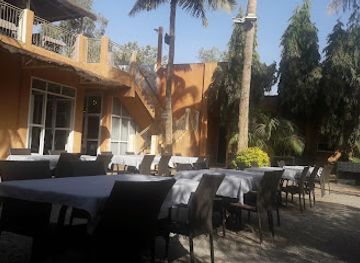
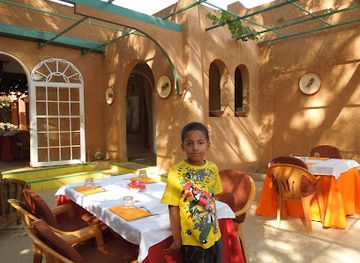
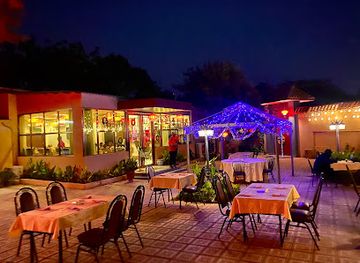
Best restaurants in Diffa Region
Dining in Diffa Region is practical and locally oriented rather than organised around a developed tourist restaurant scene. In Diffa town, visitors may find simple eateries serving staples such as millet, sorghum, rice, beans, sauces, grilled meat and tea, with menus and supplies varying according to security, season and market access. Regional food reflects the wider Sahel and Lake Chad basin: grain-based meals, cowpeas, vegetables where irrigation permits, dates and livestock products are more characteristic than elaborate destination cuisine. Fish may form part of the diet in communities connected with Lake Chad and seasonal waterways, but availability and sourcing vary. Restaurants, guesthouses and organisations serving visitors may operate intermittently, so meals should be arranged in advance when travelling for work or research. Drink bottled or treated water, take food hygiene seriously and avoid assuming that familiar dietary requirements can be met outside the main town. Informal markets offer a better sense of local produce and trading networks than a formal dining circuit.
-
Restaurant
La Cabane
Discover the flavors of Niger at La Cabane - where local meets international cuisine in a cozy setting.
-
Italian
The Pillar Restaurant
Experience authentic Italian cuisine at The Pillar Restaurant in Niamey – where every meal is a celebration of flavor and tradition.
-
Restaurant
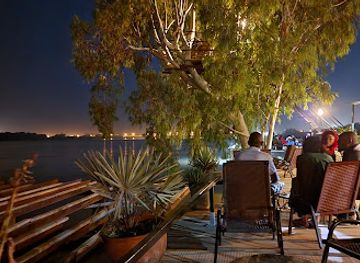
Cap Banga
Discover Cap Banga: A riverside gem in Niamey offering delightful cuisine and stunning views over the Niger River.
-
Restaurant
Restaurant Dragon D'or Niamey
Discover authentic Chinese cuisine at Restaurant Dragon D'or in Niamey – a must-visit culinary experience for every traveler.
Best bars in Diffa Region
Diffa Region does not have a conventional nightlife scene for international visitors. Evening social life in Diffa town is more likely to centre on family visits, tea, conversation, modest cafés and hotel or guesthouse courtyards than on nightclubs or late-opening entertainment venues. Religious and social norms favour a restrained public atmosphere, and alcohol may be unavailable or inappropriate in many settings. Security conditions also mean that movement after dark can be restricted or strongly discouraged, particularly outside protected accommodation. Visitors should not go out in search of nightlife, and should instead follow the arrangements of their host organisation, security adviser or accommodation provider. Any local café or social venue should be approached discreetly, with respect for privacy and local expectations, and should never be photographed without permission.
-
Hotel
Complexe Hôtelier Du 18 Décembre
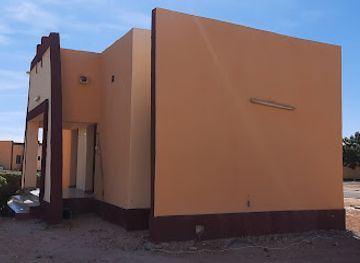
Discover tranquility at Complexe Hôtelier Du 18 Décembre, where comfort meets the beauty of Diffa, Niger.
-
Restaurant
Restorent Bouli
Experience the vibrant flavors of Niger at Restorent Bouli, a charming and affordable restaurant perfect for tourists in Diffa.
-
Restaurant
Restaurant Boula Toura
Experience the authentic flavors of Niger at Restaurant Boula Toura, where local cuisine meets a vibrant atmosphere in the heart of Diffa.
-
Bar
La'vida
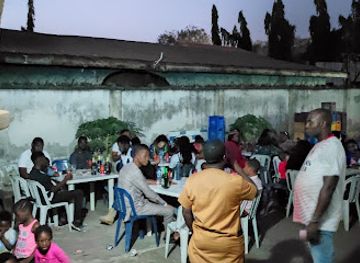
Discover the vibrant nightlife at La'vida, a top bar in Kwamba, Niger, where locals and tourists gather for refreshing drinks and great entertainment.
Best nightclubs in Diffa Region
Diffa Region does not have a conventional nightlife scene for international visitors. Evening social life in Diffa town is more likely to centre on family visits, tea, conversation, modest cafés and hotel or guesthouse courtyards than on nightclubs or late-opening entertainment venues. Religious and social norms favour a restrained public atmosphere, and alcohol may be unavailable or inappropriate in many settings. Security conditions also mean that movement after dark can be restricted or strongly discouraged, particularly outside protected accommodation. Visitors should not go out in search of nightlife, and should instead follow the arrangements of their host organisation, security adviser or accommodation provider. Any local café or social venue should be approached discreetly, with respect for privacy and local expectations, and should never be photographed without permission.
-
Lounge
HAF Lounge
Discover HAF Lounge in Minna, a vibrant lounge offering a perfect mix of local culture, delightful drinks, and a cozy atmosphere for relaxation.
-
Club
DIAM'S NIGHT CLUB
Dive into the electrifying ambiance of DIAM'S NIGHT CLUB, Niamey's hotspot for music, dance, and unforgettable nightlife experiences.
-
Night club
The on1e club
Discover the vibrant nightlife at The on1e Club in Niamey, where dance, music, and local culture come alive in an unforgettable experience.
-
Night club
LEVEL CLUB & LOUNGE
Experience the vibrant nightlife at Level Club & Lounge in Niamey, a stylish hotspot with electrifying music and signature cocktails.


Best shops in Diffa Region
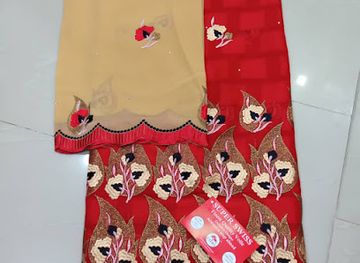
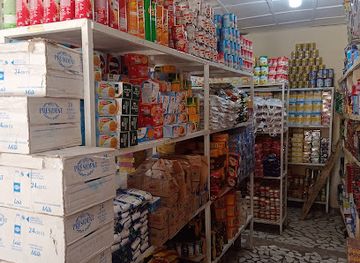
Shopping in Diffa Region is concentrated in local markets and small town shops rather than formal retail centres. Diffa's markets reflect the area's position between Niger, Nigeria and the Lake Chad basin, with grain, livestock products, dates, household goods, clothing and everyday imported merchandise changing hands alongside local produce. Travellers on approved visits may encounter leatherwork, woven materials, simple metal goods or embroidered clothing, but availability varies and purchases should be made through ordinary lawful channels. N'Guigmi and other market settlements have their own local trading rhythms, although access and market activity can be affected by security restrictions. Visitors should avoid photographing traders without permission, bargaining aggressively over small purchases or treating displaced people's belongings as souvenirs. Buy directly from established vendors, check that animal products can legally be taken across borders, and remember that the most appropriate support is often responsible purchasing rather than unsolicited donations.
-
Shopping mall
SNTN
Discover SNTN in Diffa, a vibrant shopping mall offering a unique blend of local and international brands, dining, and community spirit.
-
Shopping mall
N Telecom Diffa
Explore the vibrant N Telecom Diffa shopping mall, where local culture meets contemporary shopping in the heart of Diffa.
-
Supermarket
E.T.S HAIDAR STORE Alimentation Général
Explore E.T.S HAIDAR STORE in Diffa for a unique shopping experience filled with local and international flavors.
-
Shopping mall
Boutique Orange
Explore Boutique Orange in Diffa for a unique shopping experience with local crafts, tasty cuisine, and vibrant culture all under one roof.


Get your free copy of our complete guide to Diffa Region, delivered straight to you.
Everything on this page, from attractions and restaurants to essentials and local phrases, in one PDF you can read offline, print or share.
Already have an account? Sign in
Your Diffa Region guide is ready.
We'll send it to · Not you? Sign out

Getting your guide ready…
We are putting together a fresh copy of the Diffa Region guide. This can take up to a minute.
This can take a few moments. If your browser asks, choose Allow so the download can start. You'll find the guide in your Downloads folder.
Nothing happened? Download it again
Sorry, the guide is taking longer than usual. Please try again in a minute, or get it by email instead.
Diffa Region essentials
Currency and Payment
Safety
Emergency Situations
Do's and Don'ts
Local Tips
From Eve
Local phrases worth knowing
You don't need to get them perfect. A few words go a long way, and locals appreciate the effort.
Basics
| English | Local | Say it |
|---|---|---|
| Hello | Sannu | [Sah-noo] |
| Goodbye | Sai | [Sigh] |
| Yes | Eh | [Eh] |
| No | A'a | [Ah-ah] |
| Please/You're welcome | Don Allah | [Dawn Ah-lah] |
| Thank you | Na gode | [Nah goh-day] |
| Excuse me/Sorry | Yi hakuri | [Yee hah-kur-ee] |
| How are you? | Lafiya lau? | [Lah-fee-yah lah-oo] |
| Fine. And you? | Lafiya. Kai fa? | [Lah-fee-yah. Kye fah?] |
| Do you speak English? | Ka kan yi turanci? | [Kah kahn yee too-ran-chee?] |
| I don't understand | Ban gane ba | [Bahn gah-neh bah] |
Eating & Drinking
| English | Local | Say it |
|---|---|---|
| I'd like to see the menu, please | Zan so in ga menu, don Allah | [Zahn soh een gah meh-noo, dawn Ah-lah] |
| I don't eat meat | Ban ci nama | [Bahn chee nah-mah] |
| Cheers! | Lafiya! | [Lah-fee-yah!] |
| I would like to pay, please | Zan so in biya, don Allah | [Zahn soh een bee-yah, dawn Ah-lah] |
Emergencies
| English | Local | Say it |
|---|---|---|
| Help! | Taimako! | [Tie-mah-koh!] |
| Go away! | Tafi! | [Tah-fee!] |
| Call the Police! | Kira 'yan sanda! | [Kee-rah 'yan sahn-dah!] |
| Call a doctor! | Kira likita! | [Kee-rah lee-kee-tah!] |
| I'm lost | Na bata | [Nah bah-tah] |
| I'm ill | Na ji ciwo | [Nah jee chee-woh] |
Shopping
| English | Local | Say it |
|---|---|---|
| I'd like to buy... | Zan so in sayi... | [Zahn soh een sigh-ee...] |
| I'm just looking | Ni kawai ina duba | [Nee kah-wah-ee ee-nah doo-bah] |
| How much is it? | Nawa ne? | [Nah-wah neh?] |
| That's too expensive | Wannan ya yi tsada | [Wahn-nahn yah yee tsah-dah] |
| Can you lower the price? | Za ka iya rage farashi? | [Zah kah ee-yah rah-geh fah-rah-shee?] |
Time & Numbers
| English | Local | Say it |
|---|---|---|
| What time is it? | Wane lokaci ne? | [Wah-neh loh-kah-chee neh?] |
| It's one o'clock | Karfe daya | [Kar-feh dah-yah] |
| Half past (10) | Rabi bayan (10) | [Rah-bee bye-ahn (10)] |
| Morning | Safiya | [Sah-fee-yah] |
| Afternoon | Yamma | [Yah-mah] |
| Evening | Yamma | [Yah-mah] |
| Yesterday | Jiya | [Jee-yah] |
| Today | Yau | [Yah-oo] |
| Tomorrow | Gobe | [Goh-beh] |
| 1 | Daya | [Dah-yah] |
| 2 | Biyu | [Bee-yoo] |
| 3 | Ukku | [Oo-koo] |
| 4 | Hudu | [Hoo-doo] |
| 5 | Biyar | [Bee-yahr] |
| 6 | Shida | [Shee-dah] |
| 7 | Bakwai | [Bah-kwah-ee] |
| 8 | Takwas | [Tah-kwahs] |
| 9 | Tara | [Tah-rah] |
| 10 | Goma | [Goh-mah] |
Transport & Directions
| English | Local | Say it |
|---|---|---|
| Where's a/the...? | Ina ne ...? | [Ee-nah neh ...?] |
| What's the address? | Menene adireshin? | [Men-eh-neh ah-dee-reh-sheen?] |
| Can you show me (on the map)? | Zaka iya nuna mini (a taswirar)? | [Zah-kah ee-yah noo-nah mee-nee (ah tah-swee-rah)?] |
| When's the next (bus)? | Yaushe za a kawo (bango)? | [Yah-oo-sheh zah ah kah-woh (bahn-goh)?] |
| A ticket (to ....) | Tikit (zuwa ...) | [Tee-kit (zoo-wah ...)] |
History of Diffa Region
Early Lake Chad Basin Settlement
The Lake Chad basin has supported human settlement, fishing, herding and cultivation for millennia. Although much archaeological work is concentrated elsewhere around the lake, the wider basin's changing shorelines and waterways have repeatedly altered patterns of habitation in present-day Diffa Region. Seasonal wetlands along the Komadougou Yobé and the lake's former channels created productive environments within the Sahel, while transhumant pastoral routes connected communities across modern Niger, Nigeria and Chad. This environmental history helps explain why places now separated by international borders have long shared economic and cultural relationships.
Kanem-Bornu and the Central Sahel
From the medieval period into the nineteenth century, the Kanem-Bornu political world became the dominant historical framework around Lake Chad. Its influence reached across areas now belonging to Niger, Nigeria, Chad and Cameroon, supported by Islamic scholarship, taxation, cavalry, agriculture and long-distance commerce. The region around present-day Diffa formed part of this wider sphere rather than an isolated frontier. Kanuri language and cultural traditions, settlement patterns and commercial connections still provide visible reminders of the historical relationship between south-eastern Niger and the Lake Chad basin.
Trans-Saharan and Regional Trade
Trade routes linking the central Sahel with northern markets moved livestock, grain, leather, salt and manufactured goods through the wider Diffa area. Commercial life was not limited to a single trans-Saharan caravan road: local markets and riverine or wetland economies connected pastoralists, farmers, fishers and merchants. The region's position near Nigeria and Chad encouraged exchange across political frontiers, while seasonal movement remained essential in a dry environment. Contemporary markets continue to reflect these older patterns, even though modern borders, security controls and disrupted transport have transformed how goods and people move.
French Colonial Rule and the Creation of Niger
French expansion into the central Sahel during the late nineteenth and early twentieth centuries brought the area into the colonial administration that later became Niger. Colonial rule introduced new administrative divisions, taxation systems, military routes and forms of political control, while existing authorities and commercial networks continued to shape daily life. The territory became part of French West Africa and was administered through institutions that did not correspond neatly to older Lake Chad political and cultural zones. Niger achieved independence in 1960, after which Diffa developed as a regional administrative centre within the new republic.
Drought, Mobility and Environmental Pressure
Repeated droughts in the Sahel, particularly from the 1970s onwards, placed severe pressure on farming, grazing and water supplies across south-eastern Niger. In the Lake Chad basin, fluctuating water levels and climate variability affected fishing, agriculture and pastoral routes, while population growth increased competition for productive land and water. Communities adapted through mobility, changes in cultivation and wider trading networks, but environmental stress also made livelihoods more vulnerable. The modern landscape of Diffa must therefore be understood through both its ecological resilience and the pressures placed on a water-scarce region.
Diffa as a Modern Administrative and Commercial Centre
After independence, Diffa town became the headquarters of the region created in south-eastern Niger, linking settlements along the main east-west road with the Lake Chad basin and the national administration. Public services, markets and transport gave the town a role that was different from older village and pastoral networks. Maine-Soroa and N'Guigmi also retained importance as local centres. Development has been uneven, however, and sparse infrastructure, long distances and difficult environmental conditions continue to shape access to education, healthcare, markets and government services.
Insurgency, Displacement and Humanitarian Response
Since the mid-2010s, armed-group violence connected with the wider Lake Chad conflict has profoundly affected Diffa Region. Attacks, military operations, restrictions on movement and the arrival of displaced people from Niger and neighbouring countries have altered local economies and placed great pressure on host communities. Humanitarian organisations have become significant providers of assistance in many areas, while authorities have introduced security measures that can restrict travel and photography. This recent history is central to understanding why Diffa is not presently a conventional tourism destination and why any visit requires exceptional care, authorisation and current professional advice.
Diffa Region in Photos
Browse through our photo collection highlighting the charm and character of the destination.
Neighbouring regions of Diffa Region
The closest regions to Diffa Region, if you have time for more than one.
-

-

-

-

-


Swipe for more regions
Explore more

Explore more of Niger
Discover the untamed beauty of Niger – a land of desert wonders, rich traditions, and vibrant cultures, nestled in the heart of West Africa.
Explore Niger