
Ténéré Desert, Niger Travel Guide
Discover the mesmerizing beauty and cultural richness of the Ténéré Desert in Niger, where endless sand dunes meet ancient history and star-filled skies.
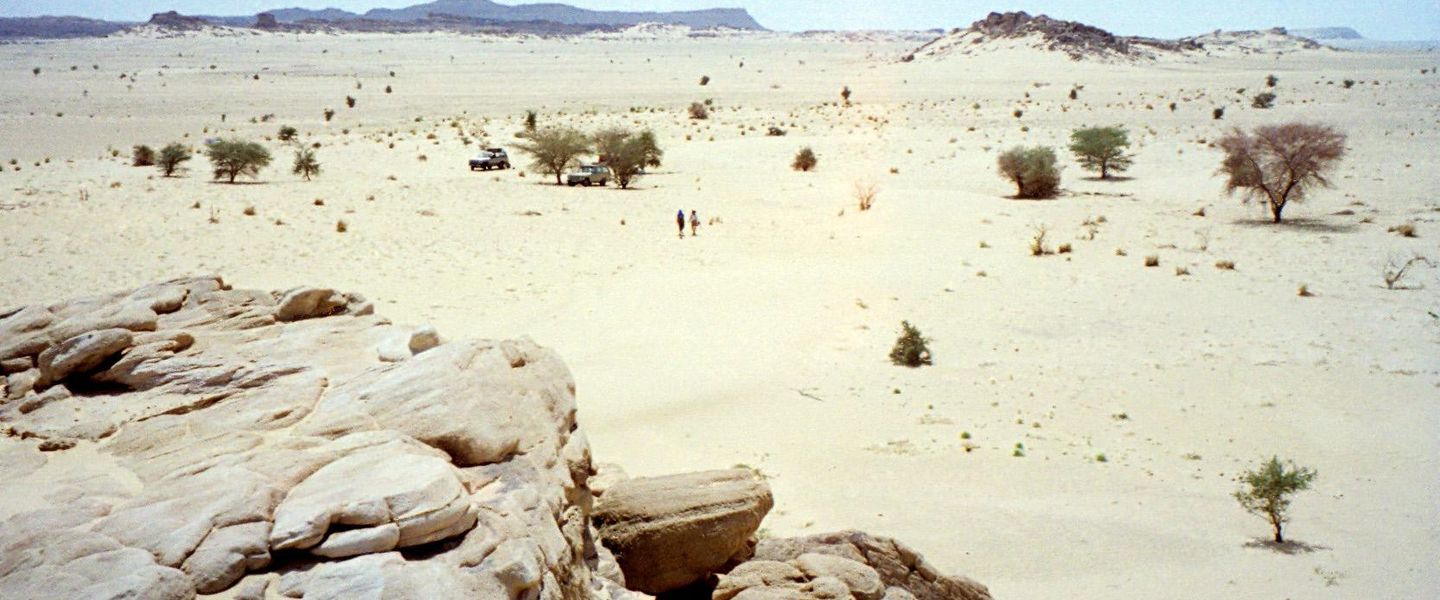
The Ténéré Desert, a vast expanse of sand and solitude, is one of the most breathtaking and remote destinations on Earth. Located in the heart of Niger, this desert offers an unparalleled experience of natural beauty and isolation. The Ténéré is renowned for its endless sand dunes that stretch as far as the eye can see, creating a mesmerizing landscape that feels both timeless and otherworldly. Visitors to the Ténéré Desert can expect to encounter a unique blend of serene silence and stark beauty. This desert is not just barren land; it is home to a variety of plants and animals adapted to the harsh conditions. The region's iconic landmarks, such as the Tree of Ténéré, once considered the most isolated tree on Earth, and the towering dunes of Bilma, add a sense of history and mystique to the experience. The Ténéré Desert is also a place of cultural significance. Historically, it has been a crucial part of the trans-Saharan trade routes, and remnants of ancient caravan paths can still be found. For those seeking adventure, the Ténéré offers opportunities for camel treks and exploration of traditional Tuareg nomadic lifestyles. Nights in the Ténéré are particularly magical, with clear skies offering an unobstructed view of the stars, making it a paradise for stargazers.

Know before you go
Hi, I'm Eve. Here are a few practical things to know before exploring Ténéré Desert.
- Visit during the cooler months of November to February to avoid the extreme heat.
- Hire a local guide to navigate the desert safely and learn about its history and culture.
- Bring plenty of water and sun protection, as the desert environment is harsh and dry.
- Consider a camel trek to fully immerse yourself in the traditional way of desert travel.
- Respect local customs and traditions, especially when interacting with the Tuareg people.
Explore Ténéré Desert: Things to Do, Places to Eat, Hotels & More
Handpicked recommendations for top attractions, local dining, accommodations, and more

Top Attractions & Sightseeing in Ténéré Desert
Top-rated picks
Best Attractions

Désert du Ténéré
Discover the breathtaking beauty of Désert du Ténéré, a UNESCO World Heritage Site, and immerse yourself in the rich culture of Niger's Tuareg people.

Niger Desert
Explore the enchanting Niger Desert, a historical landmark where nature's beauty meets rich cultural heritage and adventure awaits around every sand dune.

Best landmarks in Ténéré Desert
Top-rated picks
Best Landmarks

Tree of Ténéré
Explore the Tree of Ténéré, a symbol of endurance in the Sahara, where nature thrives against all odds and history whispers in the desert winds.

Désert du Ténéré
Discover the enchanting Désert du Ténéré, a mesmerizing desert landscape in Niger, rich in culture, adventure, and breathtaking sunsets.

Niger Desert
Discover the breathtaking Niger Desert, a historical landmark rich in culture and stunning landscapes, perfect for adventurous travelers and history enthusiasts.

Réserve naturelle nationale de Termit et de Tin-Toumma
Discover the breathtaking landscapes and unique wildlife of the Réserve naturelle nationale de Termit et de Tin-Toumma, a true gem of Niger's natural heritage.

Best restaurants in Ténéré Desert
Top-rated picks
Best Restaurants

Amandine
Discover Amandine in Niamey - where local flavors meet international cuisine in an inviting atmosphere.

La Cabane
Discover the rich flavors of Niger at La Cabane, where local cuisine meets international flair in a welcoming atmosphere.

Côté Jardin
Discover Côté Jardin: A delightful restaurant in Niamey blending local flavors with serene garden dining for an unforgettable culinary experience.

The Pillar Restaurant
Experience authentic Italian cuisine at The Pillar Restaurant in Niamey, where every dish tells a story of flavor and tradition.

Best bars in Ténéré Desert
Top-rated picks
Best Bars

La Cabane
Experience the rich flavors of Niger at La Cabane, Niamey's culinary hotspot offering a delightful mix of local and international cuisine.

Le Patio Club
Discover the vibrant atmosphere of Le Patio Club in Niamey, where good drinks and fun games meet for an unforgettable night out.

Cap Banga
Experience the vibrant culture of Niamey at Cap Banga, where delicious cuisine and refreshing drinks come together in a lively atmosphere.

Zaxi Rooftop Lounge & Bar
Experience the breathtaking skyline of Niamey while savoring gourmet dishes at Zaxi Rooftop Lounge & Bar, the city's premier dining destination.

Best nightclubs in Ténéré Desert
Top-rated picks
Best Nightclubs

DIAM'S NIGHT CLUB
Discover the vibrant nightlife at DIAM'S NIGHT CLUB in Niamey, where music, dance, and culture come alive in an unforgettable experience.

LEVEL CLUB & LOUNGE
Discover Niamey's vibrant nightlife at LEVEL CLUB & LOUNGE, where music, fun, and good vibes await until dawn.

The on1e club
Immerse yourself in the lively nightlife of Niamey at The on1e club, where music, dancing, and unforgettable experiences await every night.

Bar Privilege
Experience the vibrant nightlife of Niamey at Bar Privilege, where exceptional drinks and live entertainment await in a welcoming atmosphere.

Best shops in Ténéré Desert
Top-rated picks
Best Shops

Grand Market Niamey
Explore the Grand Market Niamey for an authentic taste of Niger's culture, vibrant crafts, and delicious local cuisine.

N'wala store
Explore the vibrant local culture at N'wala Store in Zinder, where you can shop for authentic Nigerien products and immerse yourself in the local way of life.

Boutique NIGER BEAUTÉ
Explore the best of beauty at Boutique NIGER BEAUTÉ in Zinder, where local heritage meets modern beauty trends.

KENZOLY
Explore KENZOLY in Niamey for a unique blend of traditional and contemporary fashion, perfect for stylish souvenirs.

Explore Ténéré Desert on the Map
A handpicked selection of must-see spots in Ténéré Desert, mapped for you.
Ténéré Desert Essentials
-
The Ténéré Desert is located in northeastern Niger. The nearest major city is Agadez, which has an airport (Mano Dayak International Airport) offering limited flights, primarily from Niamey, the capital of Niger. From Agadez, you can arrange for a guided tour or hire a 4x4 vehicle to travel into the desert. It's advisable to book your travel arrangements in advance due to the remote nature of the area.
-
Within the Ténéré Desert, transportation options are limited due to its harsh environment. Most visitors rely on organized tours that provide 4x4 vehicles, camels, and experienced guides. Self-driving is not recommended unless you are highly experienced in desert navigation and survival. Ensure your vehicle is well-maintained, carry extra fuel, water, and supplies, and have a satellite phone for emergencies.
-
The official currency in Niger is the West African CFA franc (XOF). Credit cards are rarely accepted, especially in remote areas like the Ténéré Desert. It is crucial to carry sufficient cash for your entire trip. ATMs are available in larger cities like Agadez, but it's advisable to withdraw enough cash before venturing into the desert.
-
Safety in the Ténéré Desert can be a concern due to its remote location and harsh conditions. While crime rates in the desert itself are low, the surrounding areas have been known for occasional banditry and conflicts. Always travel with a reputable tour operator who is familiar with the region. Avoid traveling alone and inform someone of your travel plans. Stay updated on current travel advisories from your home country.
-
In case of an emergency in the Ténéré Desert, contact local authorities or your tour operator immediately. It is essential to have a satellite phone as mobile coverage is non-existent in most parts of the desert. For medical emergencies, the nearest facilities are in Agadez, so ensure you have a well-stocked first aid kit. Travel insurance that includes medical evacuation is highly recommended.
-
Fashion: Do wear lightweight, breathable clothing to protect yourself from the sun, and avoid wearing tight or revealing clothes. Religion: Do respect local customs and traditions; avoid public displays of affection. Public Transport: Do use organized tours for safe travel; don't rely on public transportation in the desert. Greetings: Do greet people with a handshake and a friendly 'As-salamu alaykum.' Eating & Drinking: Do try local foods but ensure they are properly cooked. Don't drink tap water; always use bottled or purified water.
-
To experience the Ténéré Desert like a local, engage with Tuareg guides who can share their extensive knowledge of the desert. Visit traditional nomadic camps and learn about their way of life. Attend local markets in Agadez for handmade crafts and jewelry. Try to learn a few phrases in Tamasheq, the Tuareg language, as a sign of respect and interest in the local culture.
When is the best time to visit Ténéré Desert?
Useful Local Phrases for Ténéré Desert
You don't need to speak the language perfectly. Even learning a few simple words can make conversations warmer—and locals usually appreciate the effort.
— Eve

Here are the phrases I use most often in Ténéré Desert. Try a few—you'll be surprised how far they go! 😊
❤️
-
- HelloSannu
[Sah-noo] - GoodbyeSai anjima
[Sigh an-jee-mah] - YesEh
[Eh] - NoA'a
[Ah-ah] - Please/You're welcomeDon Allah
[Dawn Ah-lah] - Thank youNagode
[Nah-go-day] - Excuse me/SorryYi hakuri
[Yee hah-koh-ree] - How are you?Lafiya lau?
[Lah-fee-yah lau] - Fine. And you?Lafiya. Kai fa?
[Lah-fee-yah. Kai fah?] - Do you speak English?Kana jin ingilishi?
[Kah-nah jeen in-glee-shee?] - I don't understandBan gane ba
[Bahn gah-neh bah]
- HelloSannu
-
- I'd like to see the menu, pleaseIna so in ga menu, don Allah
[Ee-nah soh een gah meh-nu, dawn Ah-lah] - I don't eat meatBan ci nama
[Bahn chee nah-mah] - Cheers!Lafiya
[Lah-fee-yah] - I would like to pay, pleaseIna so in biya, don Allah
[Ee-nah soh een bee-yah, dawn Ah-lah]
- I'd like to see the menu, pleaseIna so in ga menu, don Allah
-
- Help!Taimako!
[Tie-mah-koh!] - Go away!Tafi!
[Tah-fee!] - Call the Police!Kira 'yan sanda!
[Kee-rah 'yan sahn-dah!] - Call a doctor!Kira likita!
[Kee-rah lee-kee-tah!] - I'm lostNa bace
[Nah bah-cheh] - I'm illIna da rashin lafiya
[Ee-nah dah rah-sheen lah-fee-yah]
- Help!Taimako!
-
- I'd like to buy...Ina so in sayi...
[Ee-nah soh een sigh-ee...] - I'm just lookingIna duba ne
[Ee-nah doo-bah neh] - How much is it?Nawa ne?
[Nah-wah neh?] - That's too expensiveWannan yana da tsada
[Wahn-nahn yah-nah dah tsah-dah] - Can you lower the price?Za ka iya rage farashin?
[Zah kah ee-yah rah-geh fah-rah-sheen?]
- I'd like to buy...Ina so in sayi...
-
- What time is it?Wani lokaci ne?
[Wah-nee loh-kah-chee neh?] - It's one o'clockKarfe daya
[Kahr-feh dah-yah] - Half past (10)Rabi bayan (10)
[Rah-bee bye-ahn (10)] - MorningSafiya
[Sah-fee-yah] - AfternoonYamma
[Yah-mah] - EveningYamma
[Yah-mah] - YesterdayJiya
[Jee-yah] - TodayYau
[Yah-oo] - TomorrowGobe
[Goh-beh] - 1Daya
[Dah-yah] - 2Biyu
[Bee-yoo] - 3Uku
[Oo-koo] - 4Hudu
[Hoo-doo] - 5Biyar
[Bee-yahr] - 6Shida
[Shee-dah] - 7Bakwai
[Bah-kwhy] - 8Takwas
[Tah-kwahs] - 9Tara
[Tah-rah] - 10Goma
[Goh-mah]
- What time is it?Wani lokaci ne?
-
- Where's a/the...?Ina...?
[Ee-nah...?] - What's the address?Menene adireshin?
[Men-eh-neh ah-dee-reh-sheen?] - Can you show me (on the map)?Za ka iya nuna min (a taswira)?
[Zah kah ee-yah noo-nah meen (ah tahs-wee-rah)?] - When's the next (bus)?Yaushe za a zo (babin)?
[Yow-sheh zah ah zoh (bah-been)?] - A ticket (to ....)Tiket (zuwa ...)
[Tee-ket (zoo-wah ...)]
- Where's a/the...?Ina...?
History of Ténéré Desert
-
The Ténéré Desert, located in Niger, is often referred to as the 'desert within a desert.' This vast and desolate region is a part of the larger Sahara Desert and is known for its extreme climate, stunning sand dunes, and unique cultural significance. The name 'Ténéré' itself means 'desert' in the Tuareg language, highlighting its central role in the lives of the nomadic Tuareg people.
-
For centuries, the Ténéré Desert served as a critical artery in the trans-Saharan trade routes. Caravans laden with salt, gold, ivory, and slaves traversed this harsh terrain, linking sub-Saharan Africa with the Mediterranean and Middle Eastern worlds. The Agadez-Kawar route is one of the most famous, where traders would endure the challenging conditions to transport their precious cargo.
-
Once a famous landmark in the heart of the Ténéré Desert, the Tree of Ténéré was considered one of the most isolated trees on Earth. It was a solitary acacia that stood alone for hundreds of kilometers in every direction, serving as a beacon for caravans navigating the desert. Sadly, it was knocked down by a truck in 1973, but its memory lives on, symbolizing resilience and the harsh beauty of the desert.
-
The Tuareg, a semi-nomadic Berber group, have called the Ténéré Desert home for centuries. Known as the 'Blue People' for their indigo-dyed clothing, the Tuareg have a rich cultural heritage that includes unique music, poetry, and traditional crafts. Their intimate knowledge of the desert landscape has enabled them to survive and thrive in one of the world's most inhospitable environments.
-
During World War II, the Ténéré Desert became strategically significant as Allied and Axis forces vied for control over North Africa. The French Free Forces and the Long Range Desert Group (LRDG) utilized the vast desert for covert operations and reconnaissance missions. The harsh environment tested the limits of men and machines, but it also provided a natural barrier that influenced the course of military campaigns.
-
Today, the Ténéré Desert faces numerous challenges, including climate change, desertification, and political instability. The region's fragile ecosystem is under threat from shifting weather patterns and human activity. Efforts are being made to preserve its unique landscape and cultural heritage, but the future remains uncertain for this iconic desert.
Neighbouring Regions of Ténéré Desert
The closest regions to Ténéré Desert, if you have time for more than one.




Your all‑in‑one travel companion app
Explore expert travel guides, compare and book tours, experiences, hotels, and more—all from the palm of your hand. Download now for seamless trip planning wherever your wanderlust takes you.


Explore More of Niger

Looking beyond Ténéré Desert? Discover Niger for broader travel guides, local hot-spots, and regional highlights.
Explore NigerTénéré Desert in Photos
Browse through our photo collection highlighting the charm and character of the destination.




The Enigmatic Vastness of the Ténéré Desert
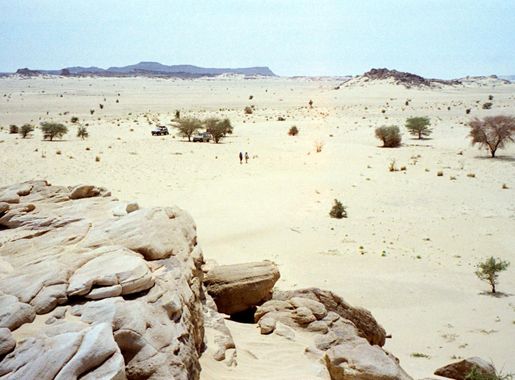
The Ténéré Desert, a vast expanse of sand and solitude, is one of the most breathtaking and remote destinations on Earth. Located in the heart of Niger, this desert offers an unparalleled experience of natural beauty and isolation. The Ténéré is renowned for its endless sand dunes that stretch as far as the eye can see, creating a mesmerizing landscape that feels both timeless and otherworldly. Visitors to the Ténéré Desert can expect to encounter a unique blend of serene silence and stark beauty. This desert is not just barren land; it is home to a variety of plants and animals adapted to the harsh conditions. The region's iconic landmarks, such as the Tree of Ténéré, once considered the most isolated tree on Earth, and the towering dunes of Bilma, add a sense of history and mystique to the experience. The Ténéré Desert is also a place of cultural significance. Historically, it has been a crucial part of the trans-Saharan trade routes, and remnants of ancient caravan paths can still be found. For those seeking adventure, the Ténéré offers opportunities for camel treks and exploration of traditional Tuareg nomadic lifestyles. Nights in the Ténéré are particularly magical, with clear skies offering an unobstructed view of the stars, making it a paradise for stargazers.