

Free Manga Travel Guide & Mobile App
Explore Manga with free travel guides. Discover regional history, expert tips, proposed trips, and audio guides on web or mobile app.


Manga in southeastern Niger brings together Lake Chad landscapes, Sahelian cultures, Kanem-Bornu history and carefully planned regional travel.
Read more about Manga
When is the best time to visit Manga?
Best: March–April, October · 21–26°C| Month | High (°C) | Rainfall (mm) |
|---|---|---|
| January | 13 | 25 |
| February | 15 | 23 |
| March (best) | 21 | 31 |
| April (best) | 26 | 36 |
| May | 30 | 42 |
| June | 35 | 51 |
| July | 38 | 61 |
| August | 37 | 56 |
| September | 32 | 49 |
| October (best) | 26 | 36 |
| November | 18 | 31 |
| December | 13 | 27 |
Getting to and around Manga
How to get there
Transportation
Best attractions in Manga
Manga’s attractions are primarily environmental, historical and cultural rather than built for mass tourism. Around Diffa and the wider Komadugu Yobe basin, seasonal waterways, sandy plains, acacia scrub and cultivated depressions reveal how communities have adapted to a dry climate. The Lake Chad basin is the region’s defining natural setting, although shoreline access is remote, security-sensitive and subject to changing permissions. In authorised areas, visitors may learn about fishing, flood-recession farming, pastoral life and the ecological pressures affecting water and grazing. Diffa provides the most practical setting for understanding regional society, markets and the heritage of the Kanuri-speaking Lake Chad world. Historical interest centres on the wider Kanem-Bornu tradition, cross-border trade routes and the persistence of settlements shaped by water and livestock. There are no dependable assumptions of developed museums, marked trails, visitor centres or recreational facilities, so access should be arranged through local authorities or a reputable organisation. The region’s appeal lies in carefully guided observation and cultural interpretation, not a self-directed attraction circuit.
-
Store
Grand Market Niamey
Explore the vibrant Grand Market Niamey, where local crafts, delicious cuisine, and rich culture converge in the heart of Niger's bustling capital.
-
Tourist attraction
Great Mosque of Niamey
Explore the Great Mosque of Niamey, a stunning architectural marvel and spiritual haven reflecting Niger's rich culture and Islamic traditions.
-
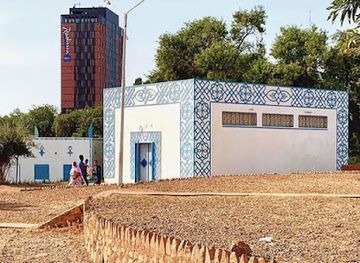
Tourist attraction
Boubou Hama National Museum
Discover the cultural heritage of Niger at Boubou Hama National Museum, where history and art intertwine to tell the story of a vibrant nation.
-
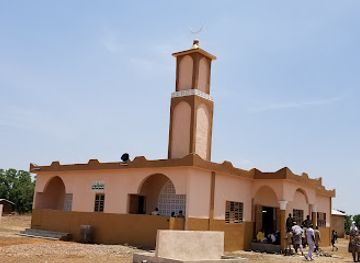
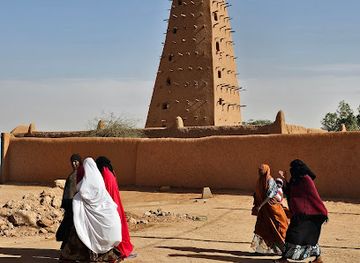
Mosque
Grande Mosquée d'Agadez
Discover the Grande Mosquée d'Agadez, an architectural marvel and cultural landmark that embodies the spirit of Niger's rich history and traditions.

Best landmarks in Manga
The principal landmark of Manga is the Lake Chad basin itself, a broad and shifting geographical system whose open water, marshes, channels and seasonal shorelines have shaped settlement and livelihoods for centuries. Its form changes with rainfall, river flow and longer-term environmental pressure, so it cannot be treated as a fixed beach or waterfront attraction. The Komadugu Yobe is another important natural reference point, linking the region’s agriculture, grazing and wetland ecology, although particular access points may be restricted. Diffa’s urban landscape is a more practical place to observe the region’s contemporary identity, with roads, markets, compounds and public buildings reflecting its role as the main centre of southeastern Niger. The wider area’s historical landmark is less a single surviving monument than the cultural geography of Kanem-Bornu: routes, settlement patterns and Kanuri traditions that connect the Nigerien shorelands with the broader Lake Chad world. Remote sites around Bosso and N’Guigmi may be historically or geographically significant, but visitors should not approach them without current authorisation and security advice.
-
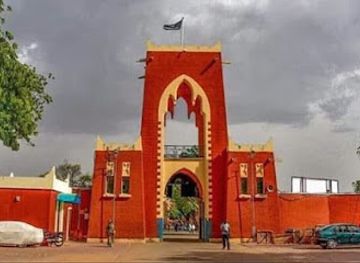
Tourist attraction
Emir's Palace Kano City
Explore the majestic Emir's Palace in Kano City, a cultural treasure showcasing Nigeria's rich history and stunning architecture.
-
 Hotel
HotelHotel Tenere
Discover the heart of Niamey at Hotel Tenere, where comfort meets local culture for an unforgettable stay in Niger's vibrant capital.
-
International airport
Diori Hamani International Airport
Explore the heart of Niger through Diori Hamani International Airport, your first step into a world of adventure and cultural richness.
-
Mosque
Great Mosque of Niamey
Discover the Great Mosque of Niamey, a stunning architectural marvel and a vibrant cultural center in Niger's capital, rich in history and spiritual significance.
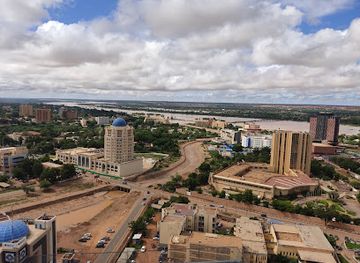
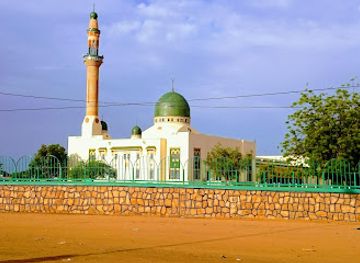
Explore Manga on the map
Plan your trip on one map. See where the top cities, national parks and sights are, and book hotels and experiences in a few clicks.
Best hotels in Manga
Best restaurants in Manga
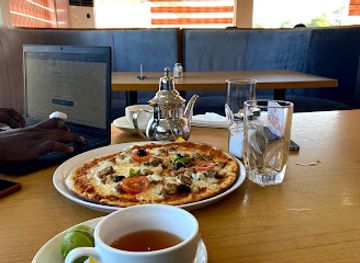
Dining in Manga is modest, local and closely tied to Sahelian staples rather than to a developed restaurant scene. In Diffa, visitors may encounter millet or sorghum preparations, rice, beans, sauces, grilled meat, dairy products and tea, with menus varying according to supply, season and security conditions. Kanuri, Hausa and wider Nigerien food traditions overlap, while Lake Chad and Komadugu communities have historically drawn on fishing where access and local conditions permit. Small eateries and informal food stalls are more likely than specialist restaurants, and standards of refrigeration and water supply can vary considerably. Travellers should eat freshly prepared food from clean premises, use treated or sealed water and carry suitable provisions for journeys beyond town. Markets are important sources of grain, vegetables and livestock products, but availability is not guaranteed. Any visitor hosted by a local family or organisation should follow their guidance about meal times, hand-washing and appropriate hospitality rather than expecting an international menu.
-
Restaurant
Amandine
Experience the flavors of Niger at Amandine in Niamey - where local charm meets culinary excellence.
-
Restaurant
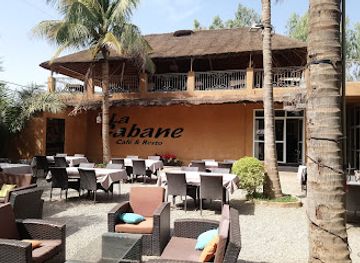
La Cabane
Experience authentic Nigerien cuisine at La Cabane in Niamey—where flavor meets tradition in a cozy setting.
-
Restaurant
Rawda
Experience the rich flavors of Niger at Rawda, a vibrant restaurant in Niamey offering an exquisite blend of local and international cuisines.
-
Restaurant
Côté Jardin
Experience authentic Nigerien flavors at Côté Jardin, Niamey's tranquil dining gem blending local tradition with modern flair.
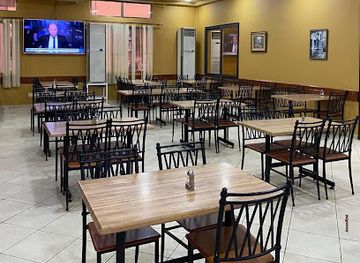

Best bars in Manga
Manga does not have a conventional nightlife circuit, and security restrictions make evening movement particularly sensitive. In Diffa, social life is more likely to centre on family compounds, tea gatherings, modest cafés, restaurants and community occasions than on nightclubs. Visitors should not assume that alcohol is widely available or culturally appropriate in every setting, and should follow the practices of their hosts. Evening activity may also be constrained by local curfews, checkpoints, power supply and security directives. Outside the main town, there are few dependable venues and virtually no basis for spontaneous late-night travel. The most responsible way to experience local evening culture is through an authorised host or organisation, with transport and return arrangements agreed in advance. Live music, ceremonies and celebrations may occur, but they are local events rather than a permanent visitor entertainment programme and should never be photographed or attended without permission.
-
Restaurant
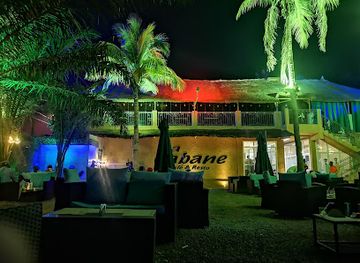
La Cabane
Experience the rich flavors of Niamey at La Cabane, a charming restaurant offering a delightful blend of local and international cuisines.
-
Restaurant
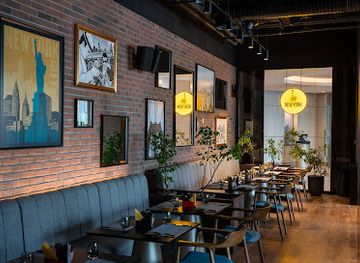
New York Restaurant and Bar
Savor the flavors of Niamey at New York Restaurant and Bar, where local cuisine meets a lively bar experience.
-
Restaurant
Cap Banga
Discover the vibrant culinary scene at Cap Banga, where local flavors meet international cuisine in the heart of Niamey.
-
Bar
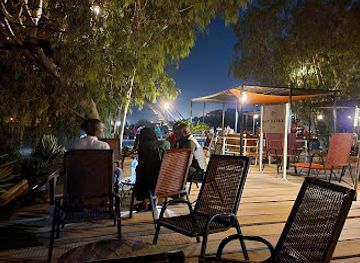
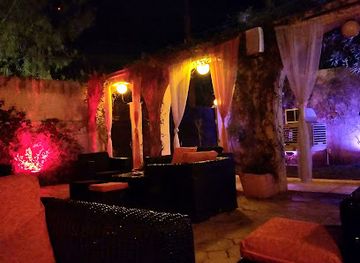
Le Patio Club
Experience the vibrant nightlife at Le Patio Club in Niamey, a welcoming bar for locals and tourists with games, drinks, and a lively atmosphere.

Best nightclubs in Manga
Manga does not have a conventional nightlife circuit, and security restrictions make evening movement particularly sensitive. In Diffa, social life is more likely to centre on family compounds, tea gatherings, modest cafés, restaurants and community occasions than on nightclubs. Visitors should not assume that alcohol is widely available or culturally appropriate in every setting, and should follow the practices of their hosts. Evening activity may also be constrained by local curfews, checkpoints, power supply and security directives. Outside the main town, there are few dependable venues and virtually no basis for spontaneous late-night travel. The most responsible way to experience local evening culture is through an authorised host or organisation, with transport and return arrangements agreed in advance. Live music, ceremonies and celebrations may occur, but they are local events rather than a permanent visitor entertainment programme and should never be photographed or attended without permission.
-
Lounge
Sky Lounge
Experience stunning views and a vibrant atmosphere at Sky Lounge in Niamey, perfect for unwinding with a drink after a day of exploration.
-
Bar
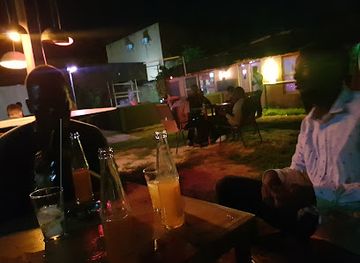
Club Mooky
Experience the vibrant nightlife of Niamey at Club Mooky, a lively bar offering refreshing drinks and a friendly atmosphere.
-
Club
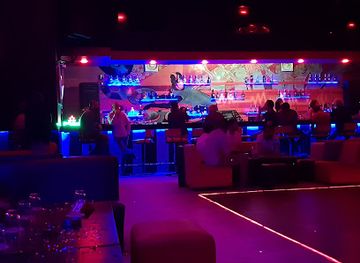
DIAM'S NIGHT CLUB
Discover the pulsating nightlife at DIAM'S NIGHT CLUB in Niamey, where great music and vibrant atmosphere create unforgettable nights.
-
Night club
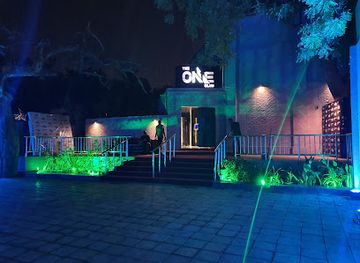
The on1e club
Unleash your night at The on1e Club, Niamey's premier nightlife destination for electrifying music and vibrant energy.
Best shops in Manga
Shopping in Manga is centred on local markets and essential goods rather than on dedicated tourist retail. Diffa is the most practical place to look for food supplies, clothing, household items, livestock products and modest handicrafts, while smaller settlements have more limited market days and stock. Regional commerce reflects the wider Lake Chad economy, with grain, beans, leather goods, woven items, mats and agricultural or pastoral products appearing according to season and security conditions. Visitors may find culturally significant textiles, basketry or leatherwork, but should buy directly and respectfully, avoid bargaining aggressively over small sums and check that products are legally and ethically sourced. Do not purchase archaeological objects, wildlife products or items whose origin is unclear. Markets can be crowded and movement may be monitored, so ask before taking photographs and follow local instructions. Carry sufficient cash, as card payment and reliable cash machines cannot be assumed outside the principal town.
-
Store
Grand Market Niamey
Explore the heart of Niamey at Grand Market, a vibrant hub of local culture, crafts, and cuisine that showcases the essence of Niger.
-
Hotel
Noom Hotel Niamey
Experience unparalleled luxury at Noom Hotel Niamey, where modern comfort meets the rich culture of Niger's capital.
-
Market
Grand Exchange Maradi
Discover the colors, flavors, and culture of Niger at Grand Exchange Maradi, a vibrant market experience that enriches every traveler's journey.
-
Market
Rive Droite
Experience the vibrant atmosphere, rich culture, and local flavors at Rive Droite Market in Niamey, the heart of Niger's commerce.

Get your free copy of our complete guide to Manga, delivered straight to you.
Everything on this page, from attractions and restaurants to essentials and local phrases, in one PDF you can read offline, print or share.
Already have an account? Sign in
Your Manga guide is ready.
We'll send it to · Not you? Sign out

Getting your guide ready…
We are putting together a fresh copy of the Manga guide. This can take up to a minute.
This can take a few moments. If your browser asks, choose Allow so the download can start. You'll find the guide in your Downloads folder.
Nothing happened? Download it again
Sorry, the guide is taking longer than usual. Please try again in a minute, or get it by email instead.
Manga essentials
Currency and Payment
Safety
Emergency Situations
Do's and Don'ts
Local Tips
From Eve
Local phrases worth knowing
You don't need to get them perfect. A few words go a long way, and locals appreciate the effort.
Basics
| English | Local | Say it |
|---|---|---|
| Hello | Salut | [sah-loo] |
| Goodbye | Au revoir | [oh ruh-vwar] |
| Yes | Oui | [wee] |
| No | Non | [noh] |
| Please/You're welcome | S'il vous plaît | [seel voo pleh] |
| Thank you | Merci | [mehr-see] |
| Excuse me/Sorry | Excusez-moi | [ex-kew-zay mwah] |
| How are you? | Comment ça va? | [koh-mahn sah vah] |
| Fine. And you? | Bien. Et vous? | [byehn. eh voo?] |
| Do you speak English? | Parlez-vous anglais? | [par-lay voo ahn-glay?] |
| I don't understand | Je ne comprends pas | [zhuh nuh kohm-prahnd pah] |
Eating & Drinking
| English | Local | Say it |
|---|---|---|
| I'd like to see the menu, please | Je voudrais voir le menu, s'il vous plaît | [zhuh voo-dray vwar luh meh-nu, seel voo pleh] |
| I don't eat meat | Je ne mange pas de viande | [zhuh nuh mahnj pah duh vyahnd] |
| Cheers! | Santé! | [sahn-tay] |
| I would like to pay, please | Je voudrais payer, s'il vous plaît | [zhuh voo-dray pay-ay, seel voo pleh] |
Emergencies
| English | Local | Say it |
|---|---|---|
| Help! | Au secours! | [oh se-kour] |
| Go away! | Allez-vous-en! | [ah-lay voo-zahn] |
| Call the Police! | Appelez la police! | [ah-peh-lay lah poh-lees] |
| Call a doctor! | Appelez un médecin! | [ah-peh-lay uhn may-dsin] |
| I'm lost | Je suis perdu | [zhuh swee pair-doo] |
| I'm ill | Je suis malade | [zhuh swee mah-lahd] |
Shopping
| English | Local | Say it |
|---|---|---|
| I'd like to buy... | Je voudrais acheter... | [zhuh voo-dray ah-she-tay] |
| I'm just looking | Je regarde juste | [zhuh ruh-gard zhoost] |
| How much is it? | C'est combien? | [seh kohm-byen?] |
| That's too expensive | C'est trop cher | [seh troh shair] |
| Can you lower the price? | Pouvez-vous baisser le prix? | [poo-vay voo beh-say luh pree?] |
Time & Numbers
| English | Local | Say it |
|---|---|---|
| What time is it? | Quelle heure est-il? | [kel uhr eh-teel?] |
| It's one o'clock | Il est une heure | [eel eh oon uhr] |
| Half past (10) | Dix heures et demie | [dees uhr eh duh-mee] |
| Morning | Matin | [mah-tan] |
| Afternoon | Après-midi | [ah-pray mee-dee] |
| Evening | Soir | [swahr] |
| Yesterday | Hier | [ee-air] |
| Today | Aujourd'hui | [oh-zhoor-dwee] |
| Tomorrow | Demain | [duh-manh] |
| 1 | Un | [uhn] |
| 2 | Deux | [duhr] |
| 3 | Trois | [trwah] |
| 4 | Quatre | [katr] |
| 5 | Cinq | [sank] |
| 6 | Six | [sees] |
| 7 | Sept | [set] |
| 8 | Huit | [weet] |
| 9 | Neuf | [nurf] |
| 10 | Dix | [dees] |
Transport & Directions
| English | Local | Say it |
|---|---|---|
| Where's a/the...? | Où est un/une...? | [oo eh uhn/oon?] |
| What's the address? | Quelle est l'adresse? | [kel eh luh-dres?] |
| Can you show me (on the map)? | Pouvez-vous me montrer (sur la carte)? | [poo-vay voo muh mon-tray (sur lah kart)?] |
| When's the next (bus)? | Quand est le prochain (bus)? | [kahn eh luh pro-shen (boos)?] |
| A ticket (to ....) | Un billet (pour ....) | [uhn bee-yay (poor ....)] |
History of Manga
Early Lake Chad Basin Settlement
The Manga landscape belongs to the wider Lake Chad basin, where people have long adapted to fluctuating water levels, seasonal floodplains and changing channels. Archaeological evidence from the basin indicates deep histories of fishing, herding, farming and exchange, although many sites are difficult to visit and have not been developed for tourism. The combination of wetlands and dry-season grazing helped sustain settled and mobile communities. In southeastern Niger, the enduring importance of water, livestock and seasonal cultivation reflects this long environmental history.
Kanem and the Formation of a Regional Political World
From the early medieval period, the Kanem state developed east of Lake Chad and established a durable political and commercial tradition across the central Sahel. Its influence, and that of successor states, reached into areas now associated with southeastern Niger. The region’s position between the lake, trans-Sahelian routes and the lands of present-day Nigeria made it part of a broad network linking rulers, scholars, merchants and pastoral communities. Islam, court culture and long-distance trade became important features of the wider Lake Chad world.
Bornu Influence and the Lake Chad Trade
The later Kanem-Bornu political tradition shaped the culture and historical geography of Manga. Bornu’s authority varied over time, but its influence was especially significant among Kanuri-speaking communities around the lake and in the eastern Sahel. Trade moved through routes carrying livestock, leather, grain, salt and other commodities, connecting settlements in present-day Niger, Nigeria, Chad and Cameroon. The region’s cultural links therefore cannot be understood solely within modern national borders, which were established much later.
Nineteenth-Century Transformations
During the nineteenth century, political authority around Lake Chad changed through rivalry among local powers, reform movements, commercial networks and military campaigns. Communities in the Manga zone experienced shifting relationships between settled farmers, pastoral groups and regional rulers. Islamic scholarship and trade remained influential, while competition over productive land and water could intensify during periods of drought or political instability. These transformations formed part of the wider history of the central Sudan rather than an isolated local sequence.
French Conquest and Colonial Administration
French expansion into the central Sahel at the end of the nineteenth and beginning of the twentieth centuries gradually brought the Manga area into colonial Niger. Administration, taxation, military occupation and new transport arrangements altered existing political relationships and trade patterns. Colonial boundaries divided a region whose communities and markets had long interacted across the Lake Chad basin. The modern territorial framework of Niger, including the later organisation of Diffa Region, emerged from this period and from subsequent administrative reforms.
Independence, Drought and Regional Insecurity
Since Niger’s independence in 1960, Manga has faced the pressures affecting much of the Lake Chad basin: variable rainfall, drought, population growth, competition for land and water, and economic vulnerability. The shrinking and fluctuating lake system has changed fishing, farming and pastoral livelihoods. From the 2010s, insurgency linked to the wider Lake Chad conflict caused displacement, restricted movement and serious humanitarian pressures in Diffa Region. Contemporary travel and local life must therefore be understood against both environmental change and continuing security concerns.
Manga in Photos
Browse through our photo collection highlighting the charm and character of the destination.
Neighbouring regions of Manga
The closest regions to Manga, if you have time for more than one.
-

-

-

-

-


Swipe for more regions
Explore more

Explore more of Niger
Discover the untamed beauty of Niger – a land of desert wonders, rich traditions, and vibrant cultures, nestled in the heart of West Africa.
Explore Niger