

Jukun, Nigeria Travel Guide
Discover Jukun, Nigeria's hidden gem of tradition, history, and natural beauty, where ancient culture and breathtaking landscapes meet.
Jukun, nestled in the Taraba State of Nigeria, is a destination teeming with cultural richness and historical significance. This vibrant region is home to the Jukun people, who have preserved their heritage through centuries, offering visitors a unique glimpse into their traditions and way of life. A visit to Jukun is like stepping back in time. The area is dotted with ancient artifacts and historical landmarks that tell the story of its storied past. The Jukun Kingdom, one of the oldest in Nigeria, provides a fascinating backdrop for exploration. Don't miss the opportunity to visit the traditional palaces and interact with the locals who are eager to share their culture and history. Nature enthusiasts will also find Jukun appealing with its lush landscapes and scenic beauty. The region is characterized by rolling hills, flowing rivers, and dense forests, making it perfect for outdoor adventures. Hiking, birdwatching, and exploring the local flora and fauna are just a few of the activities that await. Jukun is also renowned for its vibrant festivals and traditional ceremonies. Time your visit to coincide with one of these events to experience the colorful displays of dance, music, and costumes that are integral to Jukun culture. Each festival is a celebration of life, history, and community, offering an unforgettable experience for any traveler.

Know before you go
Hi, I'm Eve. Here are a few practical things to know before exploring Jukun.
- Visit during the dry season (November to April) for the best weather conditions.
- Engage with local guides to gain deeper insights into the history and culture of the Jukun people.
- Attend a traditional festival for a truly immersive cultural experience.
- Bring sturdy footwear for hiking and exploring the natural terrain.
- Respect local customs and traditions, especially when visiting historical sites and participating in ceremonies.
Top City Travel Guides in Jukun
The cities of Jukun, and the easiest places to base yourself.

Explore Jukun: Things to Do, Places to Eat, Hotels & More
Handpicked recommendations for top attractions, local dining, accommodations, and more

Top Attractions & Sightseeing in Jukun
Top-rated picks
Best Attractions

Ndubuisi Kanu Park
Experience the tranquility and beauty of Ndubuisi Kanu Park in Ikeja, Lagos, a perfect retreat for nature lovers and families alike.

Magic Land
Explore the thrills of Magic Land, an amusement park in Kunkwaba offering a perfect blend of adventure and family fun.

Yankari Game Reserve
Explore the wild beauty of Yankari Game Reserve, Nigeria's premier national park, teeming with wildlife and natural hot springs.

Gurara Waterfalls
Explore the breathtaking beauty of Gurara Waterfalls, a serene and adventurous destination in Niger State, Nigeria, perfect for nature lovers.

Best landmarks in Jukun
Top-rated picks
Best Landmarks

Freedom Park Lagos
Discover Freedom Park Lagos, a national park that blends history, culture, and nature in the heart of Nigeria's vibrant city.
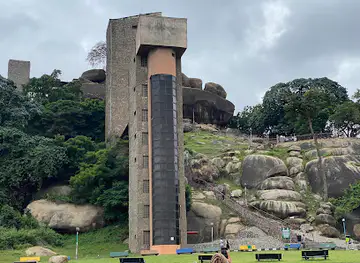
Olumo Rock Tourist Centre
Explore the iconic Olumo Rock Tourist Centre, a historical gem in Abeokuta, Nigeria, offering breathtaking views and rich cultural heritage.

Jaekel House
Explore the architectural beauty and rich history of Jaekel House, a must-visit historical museum in Lagos showcasing Nigeria's colonial past.
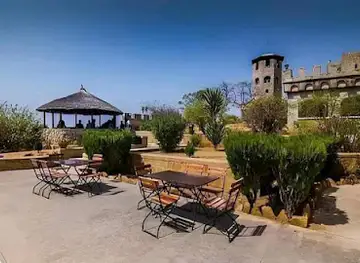
Kajuru Castle
Experience the enchanting beauty and historical grandeur of Kajuru Castle in Kaduna, Nigeria, a perfect getaway for peace and adventure.

Best restaurants in Jukun
Top-rated picks
Best Restaurants

Kitabu Wassunna Restaurant
Experience authentic Nigerian cuisine at Kitabu Wassunna Restaurant in Azare - a perfect blend of flavor and culture.

The HangOut
Experience delicious barbecue and fast food at The HangOut in Jalingo – where flavor meets fun!

Nature's Own Restaurant
Discover delightful breakfast options at Nature's Own Restaurant in Jalingo, where local flavors meet warm hospitality.

Jennifer Restaurant
Discover delicious breakfast options and local delicacies at Jennifer Restaurant in Jalingo – your go-to spot for authentic Nigerian flavors.

Best bars in Jukun
Top-rated picks
Best Bars

Sailors Lounge | Restaurant | Lounge | Bar in Lekki Lagos
Discover the vibrant culinary scene at Sailors Lounge in Lekki Lagos, where exquisite dishes meet lively entertainment in a stunning setting.

Beer Barn Abuja
Discover Beer Barn Abuja: A lively lounge and sports bar perfect for enjoying drinks, live sports, and vibrant nightlife.

W Bar Lounge
Experience the vibrant nightlife at W Bar Lounge in Ikoyi, Lagos, offering exquisite cocktails, lively music, and a stylish atmosphere.

Kryxtal Lounge and Bar
Experience the lively atmosphere and exquisite drinks at Kryxtal Lounge and Bar, the perfect nightlife destination in Abuja, Nigeria.

Best nightclubs in Jukun
Top-rated picks
Best Nightclubs

Avatar Hush Lounge and Nightclub
Discover Abuja's vibrant nightlife at Avatar Hush Lounge and Nightclub, where music, dance, and a lively atmosphere await you.

Ibiza Nite Club
Experience the vibrant nightlife of Abuja at Ibiza Nite Club, where music, dance, and unforgettable moments await you.

Xtacy Lounge
Explore the vibrant nightlife of Abuja at Xtacy Lounge, a lively bar and nightclub perfect for socializing and entertainment.

Magic City
Experience the vibrant nightlife at Magic City, Abuja's premier night club with electrifying music and unforgettable moments.

Best shops in Jukun
Top-rated picks
Best Shops

Yam Market,wukari
Discover the lively Yam Market in Wukari, a vibrant hub of fresh produce and local culture that embodies the spirit of Taraba State.

Yam Market
Experience the vibrant local culture and fresh produce at Yam Market, a must-visit farmers' market in Numan, Taraba.

Attraction Magazine
Explore Enugu's General Store: A Treasure Trove of Local Goods and Authentic Culture in Ogun State.
Fines & Gifts
Discover local crafts and unique souvenirs at Fines & Gifts in Yandev North, a charming general store that captures the essence of Benue's culture.

Explore Jukun on the Map
A handpicked selection of must-see spots in Jukun, mapped for you.
Jukun Essentials
-
Jukun is located in the Taraba State of Nigeria. The nearest major airport is the Nnamdi Azikiwe International Airport in Abuja, approximately 400 kilometers away. From Abuja, you can take a domestic flight to Jalingo Airport, which is closer to Jukun. Alternatively, you can hire a taxi or take a bus from Abuja to Jukun, which typically takes around 7 to 8 hours by road.
-
Within Jukun, local transportation options include taxis, motorcycles (okadas), and tricycles (keke napeps). Taxis are relatively affordable and can be hired for both short trips within the town and longer journeys to nearby areas. Okadas and keke napeps are commonly used for quick and inexpensive transport within the town. Renting a car can also be a convenient option for exploring the surrounding areas at your own pace.
-
The official currency in Nigeria is the Nigerian Naira (NGN). Credit cards are accepted in some hotels, restaurants, and shops, but it is advisable to carry cash, especially in smaller establishments and rural areas. ATMs are available in Jukun, but it is wise to withdraw sufficient cash in larger cities like Abuja or Jalingo before traveling to ensure you have enough funds.
-
Jukun is generally safe for tourists, but it is important to take standard precautions. Avoid walking alone at night in unfamiliar areas and keep an eye on your belongings in crowded places. Some areas may have higher crime rates, so it is best to stay informed about current safety conditions. Always stay vigilant and aware of your surroundings.
-
In case of emergency, dial the Nigerian emergency number 112 for immediate assistance. Local police stations and medical facilities are available in Jukun. It is recommended to have travel insurance that covers medical emergencies. For minor health issues, there are pharmacies in the town where you can purchase over-the-counter medications.
-
Fashion: Do dress modestly, especially when visiting religious or cultural sites. Avoid wearing revealing clothing. Religion: Do respect local customs and traditions. Always remove your shoes before entering places of worship. Public Transport: Do be respectful and give up your seat to elderly passengers. Don't eat or drink on public transport. Greetings: Do greet people with a handshake and a friendly smile. Using the local greeting 'Sannu' is appreciated. Eating & Drinking: Do try local delicacies and accept food offerings graciously. Don't refuse hospitality, as it is considered impolite.
-
To experience Jukun like a local, visit the traditional markets where you can buy fresh produce and handcrafted goods. Engage with locals, as they are often friendly and willing to share stories about the town's history and culture. Don't miss exploring the ancient ruins and historical sites that showcase the rich heritage of the Jukun people. For a unique experience, participate in local festivals and cultural events to immerse yourself in the vibrant traditions of the community.
When is the best time to visit Jukun?
Useful Local Phrases for Jukun
You don't need to speak the language perfectly. Even learning a few simple words can make conversations warmer—and locals usually appreciate the effort.
— Eve

Here are the phrases I use most often in Jukun. Try a few—you'll be surprised how far they go! 😊
❤️
-
- HelloSannu
[Sah-noo] - GoodbyeSai an jima
[Sai an jee-ma] - YesEh
[Eh] - NoA'a
[Ah-ah] - Please/You're welcomeDon Allah
[Dawn Al-lah] - Thank youNagode
[Nah-go-day] - Excuse me/SorryYi hakuri
[Yee ha-kur-ee] - How are you?Lafiya lau?
[Lah-fee-yah la-oo] - Fine. And you?Lafiya. Kai fa?
[Lah-fee-yah. Kye fah?] - Do you speak English?Kuna jin turanci?
[Koo-nah jeen too-ran-chee?] - I don't understandBan gane ba
[Ban gah-neh bah]
- HelloSannu
-
- I'd like to see the menu, pleaseZan so in ga jeren abinci, don Allah
[Zan so in gah jeh-ren ah-bin-chee, dawn Al-lah] - I don't eat meatBan ci nama
[Ban chee nah-mah] - Cheers!Barka!
[Bar-kah!] - I would like to pay, pleaseZan so in biya, don Allah
[Zan so in bee-yah, dawn Al-lah]
- I'd like to see the menu, pleaseZan so in ga jeren abinci, don Allah
-
- Help!Taimako!
[Tie-mah-koh!] - Go away!Tafi!
[Tah-fee!] - Call the Police!Kira 'yan sanda!
[Kee-rah 'yan sahn-dah!] - Call a doctor!Kira likita!
[Kee-rah lee-kee-tah!] - I'm lostNa ɓace
[Nah bah-chay] - I'm illIna ciwo
[Ee-nah chee-woh]
- Help!Taimako!
-
- I'd like to buy...Zan so in sayi...
[Zan so in sigh-ee...] - I'm just lookingIna duba ne
[Ee-nah doo-bah neh] - How much is it?Nawa ne?
[Nah-wah neh?] - That's too expensiveWannan ya yi tsada
[Wahn-nahn yah yee tsah-dah] - Can you lower the price?Za ka iya rage farashi?
[Zah kah ee-yah rah-geh fah-rah-shee?]
- I'd like to buy...Zan so in sayi...
-
- What time is it?Wane lokaci ne?
[Wah-neh loh-kah-chee neh?] - It's one o'clockKarfe daya ne
[Kar-feh dah-yah neh] - Half past (10)Rabi bayan (10)
[Rah-bee bah-yahn (10)] - MorningSafiya
[Sah-fee-yah] - AfternoonYamma
[Yah-mah] - EveningYamma
[Yah-mah] - YesterdayJiya
[Jee-yah] - TodayYau
[Yah-oo] - TomorrowGobe
[Goh-beh] - 1Daya
[Dah-yah] - 2Biyu
[Bee-yoo] - 3Uku
[Oo-koo] - 4Hudu
[Hoo-doo] - 5Biyar
[Bee-yar] - 6Shida
[Shee-dah] - 7Bakwai
[Bah-kwhy] - 8Takwas
[Tah-kwahs] - 9Tara
[Tah-rah] - 10Goma
[Goh-mah]
- What time is it?Wane lokaci ne?
-
- Where's a/the...?Ina ...?
[Ee-nah ...?] - What's the address?Menene adireshin?
[Men-eh-neh ah-dee-reh-sheen?] - Can you show me (on the map)?Za ka iya nuna mini (kan taswirar)?
[Zah kah ee-yah noo-nah mee-nee (kahn tahs-weerah)?] - When's the next (bus)?Yaushe ne na gaba (bas)?
[Yow-sheh neh nah gah-bah (buss)?] - A ticket (to ....)Tikit (zuwa ...)
[Tee-kit (zoo-wah ...)]
- Where's a/the...?Ina ...?
History of Jukun
-
The Jukun people are one of the oldest ethnic groups in Nigeria, with origins tracing back to the Kwararafa Kingdom, which flourished around the 14th century. They are believed to have initially settled in the Benue River Valley, where they developed a complex society characterized by a strong hierarchical structure and rich cultural traditions.
-
The Kwararafa Kingdom was a powerful confederation that dominated the Middle Belt region of Nigeria. It included various ethnic groups, with the Jukun being the dominant tribe. The kingdom was known for its military prowess and successfully resisted invasions from neighboring states like Bornu and the Hausa city-states. At its height, the Kwararafa Kingdom controlled a vast territory from the Benue River to parts of present-day Taraba and Adamawa states.
-
During the late 19th and early 20th centuries, the British colonial administration extended its influence over the Jukun territories. This period saw significant changes in the social and political structures of the Jukun people. Traditional governance systems were replaced or modified to fit the colonial framework, leading to the introduction of new administrative divisions and the imposition of British laws and taxes.
-
After Nigeria gained independence in 1960, the Jukun people faced new challenges, including political marginalization and land disputes with neighboring ethnic groups. Efforts were made to preserve their cultural heritage and promote economic development. The Jukun have continued to play a significant role in the regional politics of Taraba State, advocating for their rights and recognition within the Nigerian federation.
-
The Jukun people are renowned for their rich cultural heritage, which includes traditional music, dance, and festivals. One of the most prominent festivals is the Nwonyo Fishing Festival, held annually at the Nwonyo Lake in Ibi. This festival attracts thousands of visitors and showcases the Jukun's fishing skills, traditional dances, and vibrant costumes. Additionally, the Jukun are known for their intricate pottery, weaving, and mask-making traditions.
-
The Jukun people have a deep spiritual connection to their land and ancestors. Traditional Jukun religion involves the worship of various deities associated with natural elements, such as rivers, forests, and mountains. Rituals and ceremonies are performed to honor these deities and seek their blessings for bountiful harvests and protection from harm. In recent times, the influence of Christianity and Islam has grown among the Jukun, leading to a blend of traditional and modern religious practices.
Neighbouring Regions of Jukun
The closest regions to Jukun, if you have time for more than one.


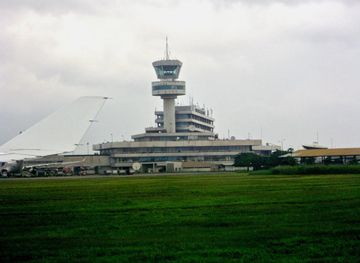


Your all‑in‑one travel companion app
Explore expert travel guides, compare and book tours, experiences, hotels, and more—all from the palm of your hand. Download now for seamless trip planning wherever your wanderlust takes you.


Explore More of Nigeria
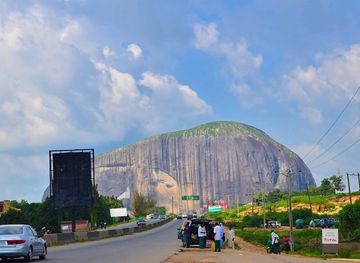
Looking beyond Jukun? Discover Nigeria for broader travel guides, local hot-spots, and regional highlights.
Explore NigeriaJukun in Photos
Browse through our photo collection highlighting the charm and character of the destination.


Jukun: The Heart of Tradition and History in Nigeria
Jukun, nestled in the Taraba State of Nigeria, is a destination teeming with cultural richness and historical significance. This vibrant region is home to the Jukun people, who have preserved their heritage through centuries, offering visitors a unique glimpse into their traditions and way of life. A visit to Jukun is like stepping back in time. The area is dotted with ancient artifacts and historical landmarks that tell the story of its storied past. The Jukun Kingdom, one of the oldest in Nigeria, provides a fascinating backdrop for exploration. Don't miss the opportunity to visit the traditional palaces and interact with the locals who are eager to share their culture and history. Nature enthusiasts will also find Jukun appealing with its lush landscapes and scenic beauty. The region is characterized by rolling hills, flowing rivers, and dense forests, making it perfect for outdoor adventures. Hiking, birdwatching, and exploring the local flora and fauna are just a few of the activities that await. Jukun is also renowned for its vibrant festivals and traditional ceremonies. Time your visit to coincide with one of these events to experience the colorful displays of dance, music, and costumes that are integral to Jukun culture. Each festival is a celebration of life, history, and community, offering an unforgettable experience for any traveler.