

Free Middle Belt Travel Guide & Mobile App
Explore Middle Belt with free travel guides. Discover regional history, expert tips, proposed trips, and audio guides on web or mobile app.


Explore Middle Belt Nigeria for Abuja’s landmarks, Jos’s highlands, river landscapes, historic towns, local food and culturally diverse communities.
Read more about Middle Belt
When is the best time to visit Middle Belt?
Best: November–January · 31–33°C| Month | High (°C) | Rainfall (mm) |
|---|---|---|
| January (best) | 33 | 1 |
| February | 35 | 4 |
| March | 36 | 10 |
| April | 37 | 30 |
| May | 35 | 70 |
| June | 33 | 150 |
| July | 32 | 200 |
| August | 31 | 210 |
| September | 32 | 180 |
| October | 32 | 90 |
| November (best) | 31 | 30 |
| December (best) | 31 | 5 |
Getting to and around Middle Belt
How to get there
Transportation
Top city travel guides in Middle Belt
The cities of Middle Belt, and the easiest places to base yourself.
-

-

-

-

-

-


Swipe for more cities
Destinations in Middle Belt
Resorts, valleys and scenic spots worth a trip of their own.
-

-

-
 Kajuru Castle
 in Nigeria offers medieval-style architecture, hilltop views, Kaduna heritage and a distinctive rural escape near Kaduna city for curious visitors.
Kajuru Castle
Kajuru Castle in Nigeria offers medieval-style architecture, hilltop views, Kaduna heritage and a distinctive rural escape near Kaduna city for curious visitors.
-

-

-


Swipe for more destinations
Best attractions in Middle Belt
The Middle Belt’s attractions range from Abuja’s civic architecture and landscaped parks to highland scenery, river viewpoints, museums and living craft traditions. In the Federal Capital Territory, visitors can explore the area around Aso Rock, Millennium Park and the National Mosque, while nearby hills and reservoirs provide an urban escape without requiring a long expedition. Jos combines museums, cultural collections, craft workshops and the cooler landscapes of the Plateau, with Shere Hills and surrounding granite country offering opportunities for walking and scenic drives. Lokoja’s confluence of the Niger and Benue rivers gives the city a strong geographical focus, while Mount Patti provides an elevated perspective over the river corridors. Niger State contributes Gurara Falls and the broad scenery around the middle Niger, and Nasarawa has rural hills and waterfalls that require careful local planning. Across Benue, Kogi, Kwara and Niger, markets, farm landscapes, palaces, festivals and food traditions are attractions in their own right. Distances are considerable, so the region is better experienced through several linked bases than through a single hurried circuit.
-
Amusement park
Magic Land
Experience the thrill and enchantment of Magic Land in Kunkwaba, an amusement park filled with fun rides and vibrant attractions for all ages.
-
Tourist attraction
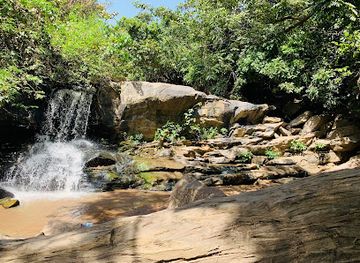
Karu Waterfalls
Explore the breathtaking beauty of Karu Waterfalls, a serene natural attraction in Nigeria's Federal Capital Territory, perfect for nature lovers and adventure seekers.
-
Water park
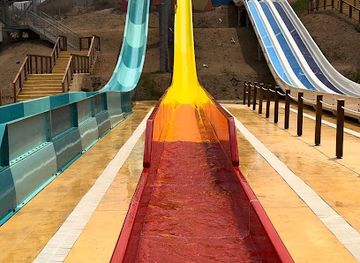
Sunrise WaterPark
Experience the ultimate aquatic adventure at Sunrise WaterPark in Abuja, where thrills and relaxation await in a beautiful park setting.
-
Tourist attraction
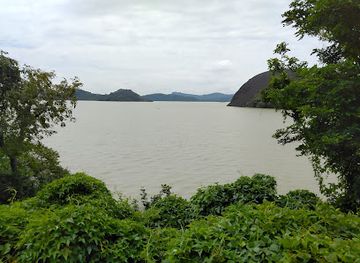
Usuma Lower Dam
Explore Usuma Lower Dam in Abuja for a serene escape into nature, featuring stunning views, outdoor activities, and a tranquil atmosphere perfect for relaxation.

Best landmarks in Middle Belt
Aso Rock is the Middle Belt’s most recognisable natural landmark, rising beside Abuja’s planned civic core and appearing in the city’s national symbolism, although access to some surrounding areas is controlled. Abuja’s National Mosque and National Christian Centre represent the capital’s religious and architectural profile, while the broad avenues and government precincts express its purpose as a purpose-built federal capital. In Lokoja, Mount Patti overlooks the Niger–Benue confluence and helps explain the city’s historical importance as a river junction and colonial centre. The confluence itself is a geographical landmark rather than simply a scenic stop. Jos’s granite outcrops and plateau escarpments define the city’s setting, while the altered hills and mine landscapes around the plateau record the impact of the tin industry. Gurara Falls in Niger State provides one of the region’s notable natural landmarks, particularly in the rainy season, though access conditions can vary. Across the region, traditional palaces, old market quarters and civic buildings are significant because they connect living communities with precolonial, colonial and post-independence histories.
-
Grocery store
Shoprite Abuja Gateway
Discover a diverse shopping experience at Shoprite Abuja Gateway, where convenience meets quality in the heart of Gwarinpa.
-
Supermarket
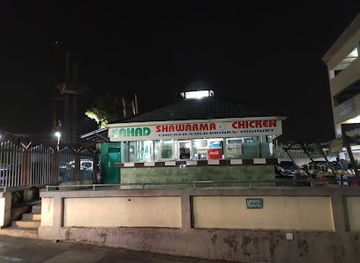
Sahad Stores Head Quarters
Discover Sahad Stores Head Quarters in Abuja: your ultimate destination for groceries and delightful ice cream treats in the heart of Nigeria's capital.
-
Market
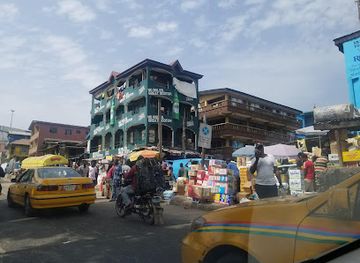
Idumota Market
Explore the bustling Idumota Market in Lagos Island, where vibrant culture, local crafts, and delicious street food await every visitor.
-
Breakfast
Dache foods
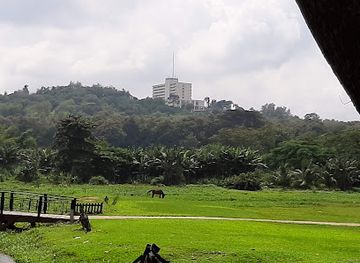
Enjoy a delightful breakfast in the picturesque Agodi Gardens, a serene escape in Ibadan, Nigeria, where nature meets culinary excellence.
Explore Middle Belt on the map
Plan your trip on one map. See where the top cities, national parks and sights are, and book hotels and experiences in a few clicks.
Best hotels in Middle Belt
Best restaurants in Middle Belt
Dining across the Middle Belt reflects Nigeria’s central agricultural zone and its many communities. Abuja has the widest range, from Nigerian restaurants serving soups, rice, grilled meats and yam dishes to international dining in commercial and diplomatic districts. In Jos, Makurdi, Ilorin, Minna and Lokoja, established local restaurants and informal eateries offer preparations such as tuwo, masa, pounded yam, egusi and other vegetable or seed-based soups, alongside beans, rice and grilled chicken or beef. Benue is widely associated with abundant yams and produce, while sesame, guinea corn, maize, peppers and fruit appear throughout central markets; these ingredients are regional products rather than a single uniform cuisine. Roadside food can be rewarding but requires sensible attention to hygiene, water and food turnover. Markets and trusted local hosts are useful for discovering seasonal produce, while hotels and established cafés provide the most predictable settings for visitors unfamiliar with local dishes.
-
Restaurant
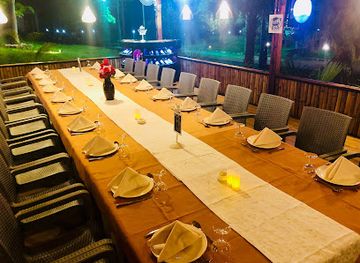
BluCabana Restaurant & Cafe
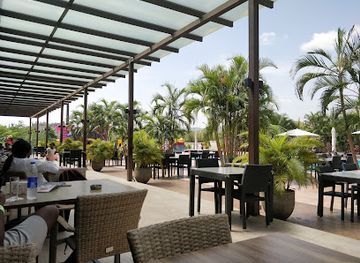
Discover culinary excellence at BluCabana Restaurant & Cafe in Abuja—where diverse flavors meet exceptional dining experiences.
-
Indian
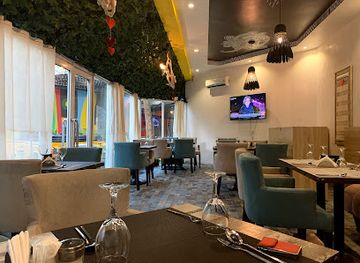
Cilantro Abuja
Experience authentic Indian cuisine at Cilantro Abuja – where rich flavors meet warm hospitality in Nigeria's capital city.
-
Barbecue
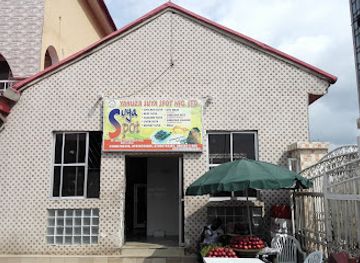
Yahuza Suya Spot Nigeria Limited
Experience authentic Nigerian barbecue at Yahuza Suya Spot in Abuja—where every bite tells a story.
-
Restaurant
Lagos Bistro
Experience authentic Nigerian flavors at Lagos Bistro - where culinary excellence meets vibrant atmosphere in the heart of Abuja.
Best bars in Middle Belt
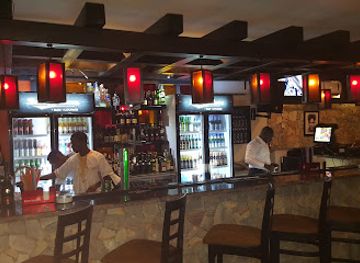
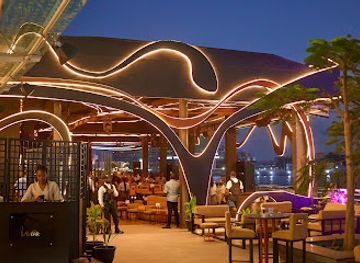
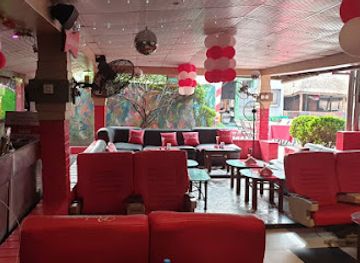
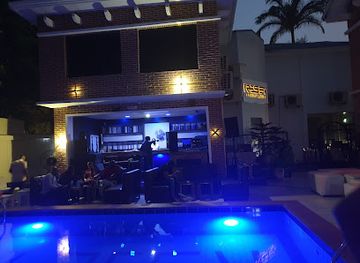
Evening life is most developed in Abuja, where hotel lounges, restaurants, cocktail bars, live-music venues and late-opening entertainment spaces are concentrated in districts such as Wuse, Garki, Maitama and central commercial areas. Jos has a more modest but established scene of restaurants, lounges, music venues and social clubs, while Ilorin, Makurdi, Minna and Lokoja generally combine informal bars, hotel venues and local restaurants rather than a large club circuit. In smaller towns and rural areas, evenings usually centre on family gatherings, food, conversation, religious or cultural events and neighbourhood drinking spots. Venue status, security and closing arrangements can change, so ask accommodation staff or trusted residents for current guidance. Visitors should drink moderately, arrange transport in advance and avoid walking alone late at night, especially in unfamiliar districts.
-
Restaurant
Bamboo Lounge - Collage (Ikeja GRA)
Discover the vibrant atmosphere and delicious culinary offerings at Bamboo Lounge in Ikeja GRA, Lagos, a must-visit for food lovers.
-
Lounge
Beer Barn Abuja
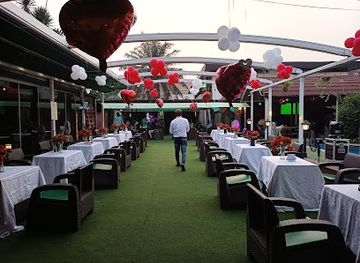
Discover Abuja's lively nightlife at Beer Barn, where delicious drinks and a vibrant atmosphere await in the heart of the city.
-
Bar
W Bar Lounge
Experience the epitome of luxury at W Bar Lounge in Ikoyi, Lagos, where breathtaking views and exquisite cocktails await your arrival.
-
Bar
Captains Bar Ilupeju Lagos
Discover the vibrant nightlife at Captain's Bar Ilupeju, where great drinks and a lively atmosphere come together in the heart of Lagos.
Best nightclubs in Middle Belt
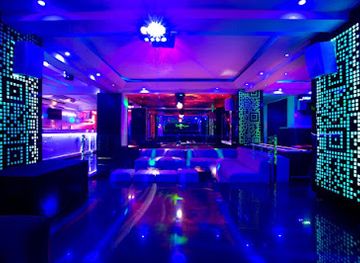
Evening life is most developed in Abuja, where hotel lounges, restaurants, cocktail bars, live-music venues and late-opening entertainment spaces are concentrated in districts such as Wuse, Garki, Maitama and central commercial areas. Jos has a more modest but established scene of restaurants, lounges, music venues and social clubs, while Ilorin, Makurdi, Minna and Lokoja generally combine informal bars, hotel venues and local restaurants rather than a large club circuit. In smaller towns and rural areas, evenings usually centre on family gatherings, food, conversation, religious or cultural events and neighbourhood drinking spots. Venue status, security and closing arrangements can change, so ask accommodation staff or trusted residents for current guidance. Visitors should drink moderately, arrange transport in advance and avoid walking alone late at night, especially in unfamiliar districts.
-
Night club
Tokyo Nightlife Abuja
Immerse yourself in the lively atmosphere of Tokyo Nightlife Abuja, where vibrant nights meet delicious breakfasts.
-
Lounge
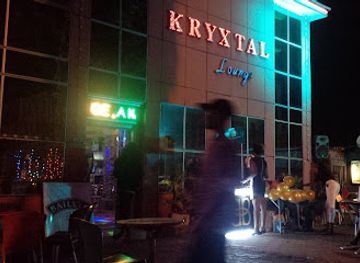
Kryxtal Lounge and Bar
Discover the vibrant nightlife at Kryxtal Lounge and Bar in Abuja, where great drinks and lively music create the perfect escape.
-
Lounge
Tokyo Nightlife
Discover Tokyo Nightlife in Abuja: A perfect blend of a vibrant lounge atmosphere and delightful breakfast offerings.
-
Night club
Moscow Underground
Discover the electrifying nightlife at Moscow Underground, Abuja's premier night club with top DJs and a vibrant atmosphere.

Best shops in Middle Belt
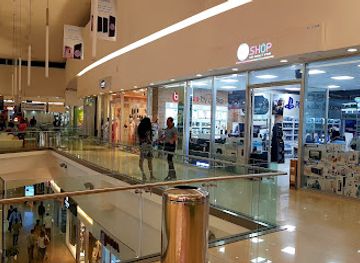
Shopping in the Middle Belt is centred on markets, craft traditions and locally produced food rather than a single regional retail district. Abuja provides modern shopping complexes, supermarkets, galleries and boutiques, with the greatest choice of quality-controlled gifts and packaged Nigerian products. Jos is known for craft activity and offers opportunities to look for pottery, woven goods, carved objects, jewellery and locally made decorative pieces, while Ilorin and Bida are associated with long-established traditions of metalwork, weaving and other artisanal production. Market towns across Benue, Kogi, Nasarawa and Niger sell yams, grains, sesame, dried peppers, fruits and other seasonal produce, though international visitors should check airline and customs restrictions before buying food or animal products. Bargaining is common in many markets but should remain courteous. Ask whether an item is locally made, avoid purchasing antiquities or wildlife products, and support legitimate craftspeople rather than unlicensed sellers.
-
Shopping mall
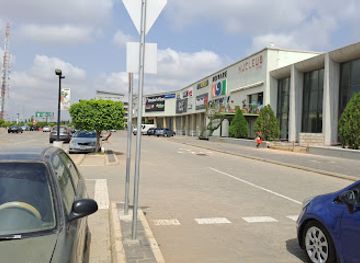
Jabi Lake Mall
Explore Jabi Lake Mall, Abuja's premier shopping destination with luxury brands, diverse dining, and stunning lake views.
-
Department store
Exclusive Stores
Discover the ultimate shopping experience at Exclusive Stores in Abuja, where local charm meets international flair in a vibrant department store.
-
Shopping mall
Banex Plaza wuse
Explore Banex Plaza in Abuja for a vibrant shopping experience with diverse stores, delightful dining options, and a lively atmosphere.
-
Tourist attraction
Jabi African Art And Craft Market
Discover the rich artistry and vibrant culture of Nigeria at the Jabi African Art And Craft Market, a must-visit destination for any traveler.

Get your free copy of our complete guide to Middle Belt, delivered straight to you.
Everything on this page, from attractions and restaurants to essentials and local phrases, in one PDF you can read offline, print or share.
Already have an account? Sign in
Your Middle Belt guide is ready.
We'll send it to · Not you? Sign out

Getting your guide ready…
We are putting together a fresh copy of the Middle Belt guide. This can take up to a minute.
This can take a few moments. If your browser asks, choose Allow so the download can start. You'll find the guide in your Downloads folder.
Nothing happened? Download it again
Sorry, the guide is taking longer than usual. Please try again in a minute, or get it by email instead.
Middle Belt essentials
Currency and Payment
Safety
Emergency Situations
Do's and Don'ts
Local Tips
From Eve
Local phrases worth knowing
You don't need to get them perfect. A few words go a long way, and locals appreciate the effort.
Basics
| English | Local | Say it |
|---|---|---|
| Hello | Sannu | [sah-noo] |
| Goodbye | Sai | [sah-ee] |
| Yes | Eh | [eh] |
| No | A'a | [ah-ah] |
| Please/You're welcome | Don Allah | [dohn ah-lah] |
| Thank you | Nagode | [nah-goh-deh] |
| Excuse me/Sorry | Yi hakuri | [yee hah-koh-ree] |
| How are you? | Lafiya? | [lah-fee-yah] |
| Fine. And you? | Lafiya. Kuma kai? | [lah-fee-yah. koo-mah kai] |
| Do you speak English? | Ka kana Turanci? | [kah kah-nah too-rahn-chee] |
| I don't understand | Ban gane ba | [bahn gah-neh bah] |
Eating & Drinking
| English | Local | Say it |
|---|---|---|
| I'd like to see the menu, please | Zan so in gan menu, don Allah | [zahn so in gahn meh-noo, dohn ah-lah] |
| I don't eat meat | Ban cin nama | [bahn cheen nah-mah] |
| Cheers! | Lafiya! | [lah-fee-yah] |
| I would like to pay, please | Zan so in biya, don Allah | [zahn so in bee-yah, dohn ah-lah] |
Emergencies
| English | Local | Say it |
|---|---|---|
| Help! | Taimako! | [tie-mah-koh] |
| Go away! | Tashi! | [tah-shee] |
| Call the Police! | Kira 'yan sanda! | [kee-rah yan sahn-dah] |
| Call a doctor! | Kira likita! | [kee-rah lee-kee-tah] |
| I'm lost | Na bata hanya | [nah bah-tah hahn-yah] |
| I'm ill | Ina cikin rashin lafiya | [ee-nah chee-keen rah-sheen lah-fee-yah] |
Shopping
| English | Local | Say it |
|---|---|---|
| I'd like to buy... | Zan so in saya... | [zahn so in sah-yah] |
| I'm just looking | Ina duba ne | [ee-nah doo-bah neh] |
| How much is it? | Nawa ne? | [nah-wah neh] |
| That's too expensive | Wannan yana da tsada | [wah-nahn yah-nah dah tsah-dah] |
| Can you lower the price? | Za ka iya rage farashi? | [zah kah ee-yah rah-geh fah-rah-shee] |
Time & Numbers
| English | Local | Say it |
|---|---|---|
| What time is it? | Wane lokaci ne? | [wah-neh loh-kah-chee neh] |
| It's one o'clock | Karfe daya | [kar-feh dah-yah] |
| Half past (10) | Rabi bayan (10) | [rah-bee bah-yahn] |
| Morning | Safiya | [sah-fee-yah] |
| Afternoon | Yamma | [yah-mah] |
| Evening | Yamma | [yah-mah] |
| Yesterday | Jiya | [jee-yah] |
| Today | Yau | [yow] |
| Tomorrow | Gobe | [goh-beh] |
| 1 | Daya | [dah-yah] |
| 2 | Biyu | [bee-yoo] |
| 3 | Uku | [oo-koo] |
| 4 | Hudu | [hoo-doo] |
| 5 | Biyar | [bee-yahr] |
| 6 | Shida | [shee-dah] |
| 7 | Bakwai | [bah-kwah-ee] |
| 8 | Takwas | [tah-kwahs] |
| 9 | Tara | [tah-rah] |
| 10 | Goma | [goh-mah] |
Transport & Directions
| English | Local | Say it |
|---|---|---|
| Where's a/the...? | Ina ...? | [ee-nah ...?] |
| What's the address? | Menene adireshin? | [meh-neh-neh ah-dee-reh-sheen] |
| Can you show me (on the map)? | Za ka iya nuna mini (a taswirar)? | [zah kah ee-yah noo-nah mee-nee (ah tahs-wee-rah)] |
| When's the next (bus)? | Yaushe ne na gaba (baki)? | [yow-sheh neh nah gah-bah] |
| A ticket (to ....) | Tikit (zuwa ....) | [tee-ket (zoo-wah)] |
History of Middle Belt
Nok Culture and Early Ironworking, c. 1500 BCE–500 CE
The Nok culture, identified through terracotta sculpture and evidence of early ironworking, developed across parts of central Nigeria, particularly in areas associated with the modern Kaduna and Plateau hinterlands. Its finely modelled heads and figures are among the most recognisable archaeological works from West Africa, although much about Nok society remains under investigation. The tradition demonstrates that central Nigeria supported technologically skilled communities and long-distance networks well before the formation of later kingdoms and colonial states. Objects associated with Nok archaeology are best encountered through museums and responsible collections rather than through unregulated excavation sites.
Nupe, Igala and Other Precolonial States
Before colonial rule, the Middle Belt contained a mosaic of kingdoms, chiefdoms and acephalous communities rather than a single political unit. The Nupe kingdom developed around the middle Niger and made Bida an important centre of political authority, agriculture and metalworking. The Igala kingdom was based east of the Niger confluence, while other communities, including Tiv, Idoma, Gbagyi, Berom and Jukun groups, maintained their own systems of authority, trade and ritual life. These overlapping histories remain visible in royal institutions, festivals, craft traditions, settlement patterns and the languages spoken across the region.
The Niger and Benue Confluence as a Strategic Centre
Lokoja’s position where the Niger and Benue meet became strategically important during the nineteenth century. The confluence was a route for movement, commerce and political influence, linking inland communities with wider networks along both rivers. Its location later attracted British colonial administration, making Lokoja one of the earliest important colonial centres in the interior. The surrounding landscape still expresses the geographical logic of the site: two major rivers converge beside hills that provide both a natural landmark and a commanding viewpoint over the river corridors.
Colonial Administration, Missions and Railways
British rule reorganised central Nigeria through new administrative boundaries, taxation, schooling, missionary activity and commercial agriculture. Rail and road construction connected emerging centres such as Minna, Ilorin, Jos and Makurdi to wider colonial networks, while tin mining transformed parts of the Jos Plateau and attracted workers from many parts of Nigeria and neighbouring territories. Colonial boundaries brought diverse peoples into shared administrative units without erasing older identities. Churches, schools, mining landscapes and transport corridors remain among the most visible legacies of this period.
Jos Plateau Mining and Urban Growth, Twentieth Century
Commercial tin mining became one of the defining economic forces on the Jos Plateau during the twentieth century. Mining encouraged the growth of Jos as a regional town, introduced new labour and trading communities, and altered the plateau’s terrain through mine workings and spoil heaps. The industry later declined, but its social and environmental effects remain part of the city’s history. Jos also developed a reputation for cooler weather, horticulture, craft production and cultural institutions, giving it a distinctive urban character within central Nigeria.
Abuja and the Creation of a Federal Capital
The decision to move Nigeria’s capital from Lagos to a new site in the centre of the country reflected a desire for a more geographically central federal capital and a setting less associated with one major regional bloc. Abuja was designated in 1976, and government functions moved progressively from the early 1980s. Planned districts, broad avenues, diplomatic compounds and civic monuments reshaped the Federal Capital Territory, while rapid population growth produced surrounding suburbs and settlements. Abuja is now the political centre and principal international gateway for much of the Middle Belt.
Contemporary Diversity and Regional Challenges
Modern Middle Belt history has been shaped by urbanisation, agricultural change, migration, religious diversity and tensions over land, identity and political representation. Some rural areas have experienced serious violence and displacement, while major cities continue to attract students, civil servants, traders and entrepreneurs. These realities complicate any single definition of the region, but they also underline its importance as a meeting zone between Nigeria’s ecological and cultural areas. Visitors should approach local communities with respect and obtain current, place-specific advice before travelling beyond established urban routes.
Middle Belt in Photos
Browse through our photo collection highlighting the charm and character of the destination.
Neighbouring regions of Middle Belt
The closest regions to Middle Belt, if you have time for more than one.
-

-

-

-

-


Swipe for more regions
Explore more
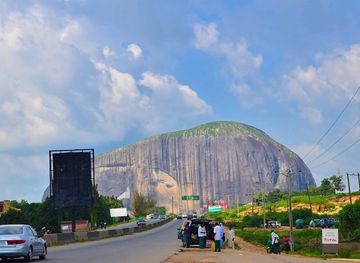
Explore more of Nigeria
Discover Nigeria: A Land of Vibrant Cultures, Stunning Landscapes, and Rich History in the Heart of Africa.
Explore Nigeria