

Free Igbo Travel Guide & Mobile App
Explore Igbo with free travel guides. Discover regional history, expert tips, proposed trips, and audio guides on web or mobile app.


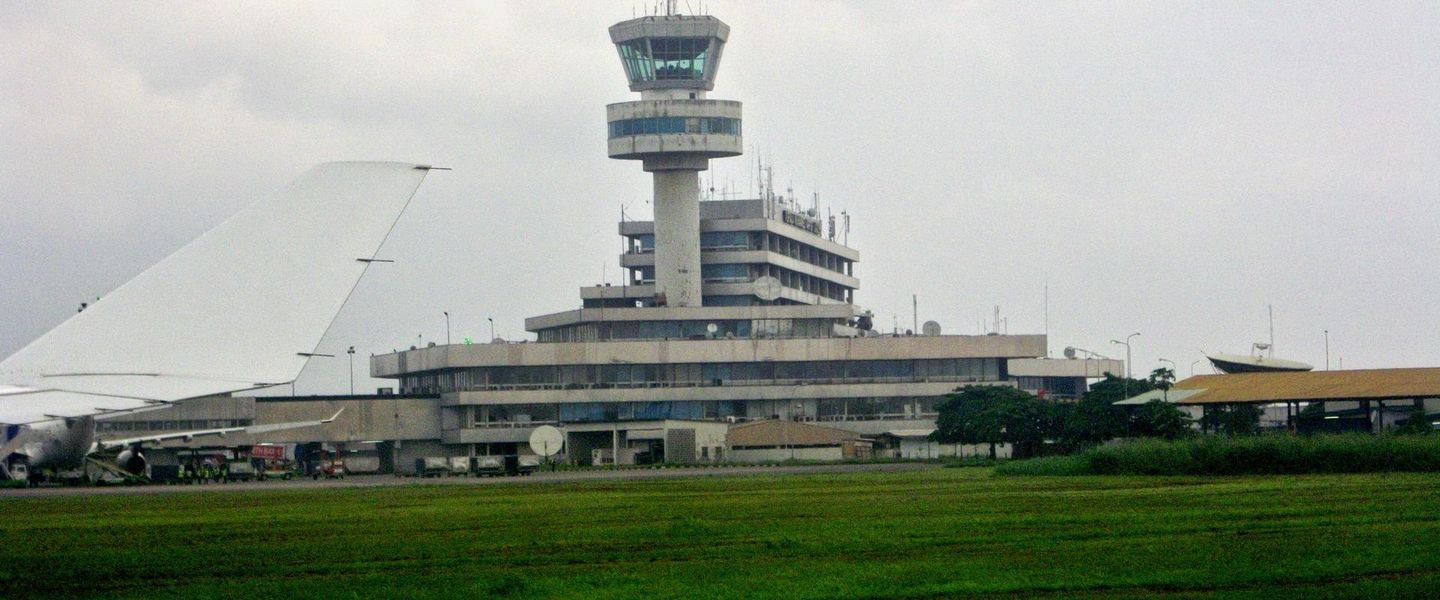


Explore Igbo Nigeria through archaeological treasures, market towns, forested landscapes, Civil War history, distinctive food and living cultural traditions.
Read more about Igbo
When is the best time to visit Igbo?
Best: December–February · 31°C| Month | High (°C) | Rainfall (mm) |
|---|---|---|
| January (best) | 31 | 20 |
| February (best) | 31 | 25 |
| March | 32 | 50 |
| April | 33 | 100 |
| May | 32 | 200 |
| June | 31 | 250 |
| July | 31 | 300 |
| August | 31 | 300 |
| September | 31 | 250 |
| October | 31 | 200 |
| November | 31 | 100 |
| December (best) | 31 | 25 |
Getting to and around Igbo
How to get there
Transportation
Top city travel guides in Igbo
The cities of Igbo, and the easiest places to base yourself.
-

-

-

-

-

-


Swipe for more cities
Destinations in Igbo
Resorts, valleys and scenic spots worth a trip of their own.
-

-


Swipe for more destinations
Best attractions in Igbo
Igbo’s attractions combine archaeology, living culture, natural scenery and twentieth-century history across a broad area of south-eastern Nigeria. The archaeological heritage of Igbo-Ukwu in Anambra provides the region’s most important window onto early metalworking and long-distance exchange, while Nri and nearby communities offer insight into the religious and political traditions that shaped parts of the Igbo world. Arochukwu in Abia is associated with pre-colonial trade networks and the Long Juju tradition. In Enugu, former coal-mining landscapes, the National Museum and nearby walks around Ngwo and Awhum connect industrial history with forest and waterfall scenery. Ogbunike Caves in Anambra provide a memorable geological and cultural setting, although visitors should arrange local guidance. Umuahia’s National War Museum and related sites explain the region’s experience of the Nigerian-Biafran War. Markets, festivals, churches, craft workshops and family compounds add a living dimension, while the Niger and Anambra river landscapes, Ebonyi’s agricultural country and the hills around Nsukka show why travel between states is worthwhile. Facilities, access and opening arrangements vary, so site visits are best planned with local advice rather than treated as self-contained tourist circuits.
-
Tourist attraction
Emir's Palace Kano City
Discover the enchanting Emir's Palace in Kano City, a historic marvel showcasing the rich cultural heritage of Northern Nigeria.
-
Park
Tobix Recreational Park and Garden
Discover the serene oasis of Tobix Recreational Park and Garden in Abuja, a perfect blend of nature, recreation, and local culture for all travelers.
-
Tourist attraction
Cross River National Park
Discover the rich biodiversity and stunning landscapes of Cross River National Park, Nigeria's premier national park for adventure and wildlife enthusiasts.
-
Museum
Gidan Makama Museum
Explore the rich cultural heritage of Kano at Gidan Makama Museum, showcasing artifacts and history from Northern Nigeria's vibrant past.

Best landmarks in Igbo
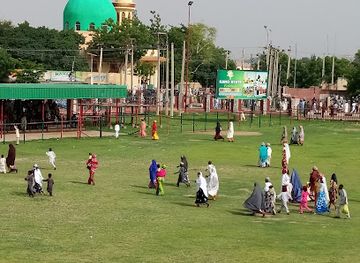
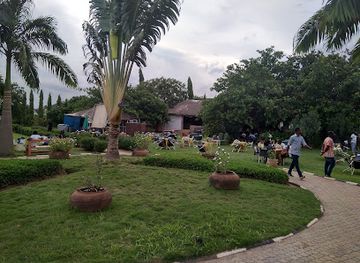
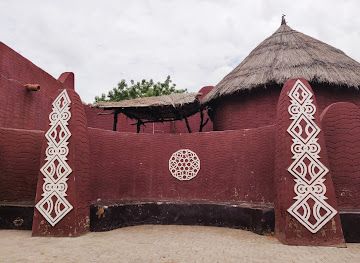
The region’s most recognisable landmarks express archaeology, religious history, industry, war and landscape. The Ogbunike Caves in Anambra descend through a forested setting of chambers and streams and are important both as a natural formation and as a place of local spiritual significance. The archaeological area around Igbo-Ukwu represents one of West Africa’s outstanding early metalworking legacies, even though the excavated objects are encountered primarily through museum and scholarly collections. In Enugu, the old coal-mining landscape and the city’s planned avenues recall the industrial transformation brought by colonial extraction. Arochukwu’s cave and shrine traditions evoke the influence of the Aro commercial and religious network. The National War Museum at Umuahia is a major modern landmark, preserving military equipment and memories of the Biafran conflict. Nri’s historic religious associations and the Niger-facing commercial landscape of Onitsha provide further cultural reference points. Natural landmarks such as Awhum Waterfall and the forested escarpments around Nsukka show the region beyond its cities, but access can be seasonal and should be arranged with local guidance.
-
Mosque
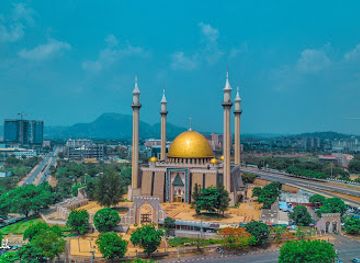
Abuja National Mosque
Discover the breathtaking Abuja National Mosque, a symbol of Nigeria's cultural heritage and a stunning architectural masterpiece in the heart of Abuja.
-
National park
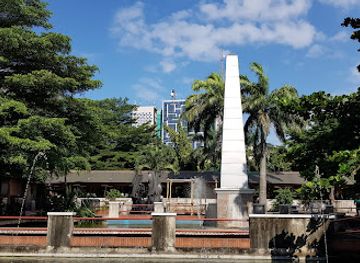
Freedom Park Lagos
Experience the unique blend of history and nature at Freedom Park Lagos, a national park that tells the story of Nigeria's heritage.
-
Tourist attraction
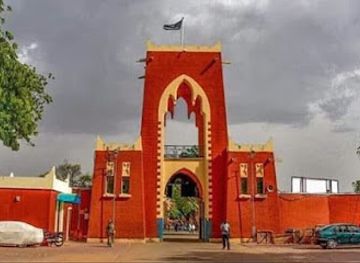
Emir's Palace Kano City
Discover the grandeur of Emir's Palace in Kano City, a mesmerizing blend of culture, history, and stunning architecture that reflects Nigeria's rich heritage.
-
Water park
Erin Ijesha Waterfall
Experience the breathtaking beauty of Erin Ijesha Waterfall, a stunning natural wonder in Osun State, Nigeria, perfect for adventure seekers and nature lovers.
Explore Igbo on the map
Plan your trip on one map. See where the top cities, national parks and sights are, and book hotels and experiences in a few clicks.
Best hotels in Igbo
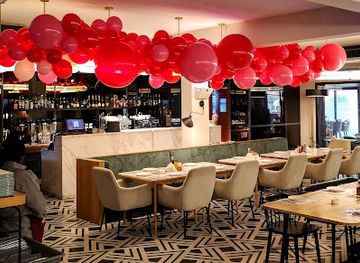
Best restaurants in Igbo
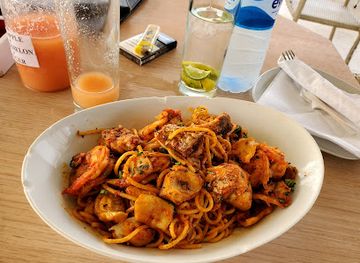
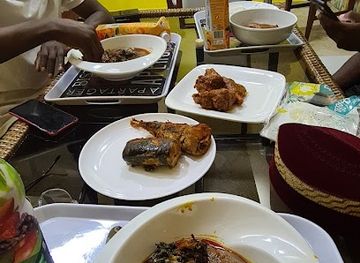
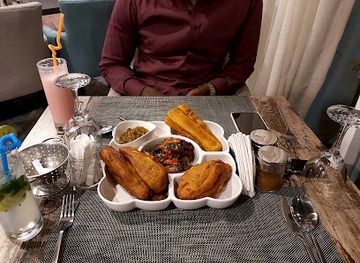
Dining across the Igbo region is based on staples such as yam, cassava, cocoyam, rice, beans, plantain and leafy vegetables, prepared in ways that vary between communities. Soups and stews often feature local greens, okra, palm oil, dried fish, meat or stockfish, while pepper soup, nkwobi and isi ewu are commonly associated with convivial restaurant and beer-garden dining. Abacha, made from cassava flakes, is served with ingredients such as ugba, onions and fish or meat; it is especially associated with south-eastern Nigerian food but is not confined to one town. Ofe onugbu, ukwu, yam dishes and rice preparations appear in many regional kitchens. Larger cities provide hotels, contemporary Nigerian restaurants, cafés and international food, while market towns and roadside kitchens offer simpler local meals. Fresh produce, palm-based ingredients and rice from Ebonyi’s farming areas are important regional products. Hygiene standards differ, so choose busy premises with good turnover, and ask about ingredients if unfamiliar with strong spices or fermented foods.
-
West African
Farmcity Lekki lounge
Experience authentic West African cuisine at Farmcity Lekki Lounge - your gateway to flavorful dishes in Lagos.
-
Restaurant
Cactus Restaurant
Discover delicious bakery delights and hearty breakfasts at Cactus Restaurant in Victoria Island, Lagos - where local flavors meet modern dining.
-
Restaurant
Yakoyo Abula Joint
Discover authentic Nigerian cuisine at Yakoyo Abula Joint in Lekki—affordable meals served in a lively atmosphere.
-
Restaurant
Lagos Bistro
Experience the vibrant flavors of Nigeria at Lagos Bistro - A culinary gem in Abuja offering delightful dishes in a cozy setting.
Best bars in Igbo
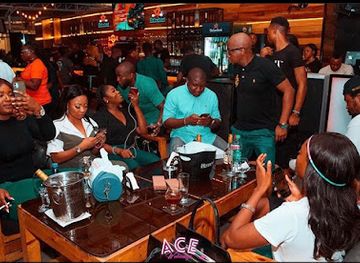
Evening life in the Igbo region is concentrated in larger towns and is more varied than in rural communities. Enugu, Owerri, Aba, Onitsha, Awka and Umuahia have restaurants, lounges, hotel bars, live-music venues and late-night entertainment, while many smaller towns centre their social life on neighbourhood pubs, beer gardens, football viewing and family gatherings. Highlife, gospel, Afrobeats and contemporary Nigerian music are prominent, and live performances may be arranged around weekends or festive periods without a fixed tourist calendar. Owerri and Enugu generally offer the broadest choice of formal nightlife, whereas commercial centres such as Aba and Onitsha combine business activity with informal evening venues. Rural areas become quiet earlier and should not be explored after dark without a clear local arrangement. Dress smartly for hotel lounges, use trusted transport, keep belongings discreet and avoid assuming that every venue accepts cards or operates to predictable hours.
-
Bar
Sailors Lounge | Restaurant | Lounge | Bar in Lekki Lagos
Experience the vibrant atmosphere and stunning views at Sailors Lounge, a premier bar and restaurant in Lekki, Lagos, perfect for dining and nightlife.
-
Bar
Bay Lounge
Discover Bay Lounge in Lekki Phase 1, Lagos: a premier destination for cocktails, cuisine, and vibrant socializing in a chic atmosphere.
-
Bar
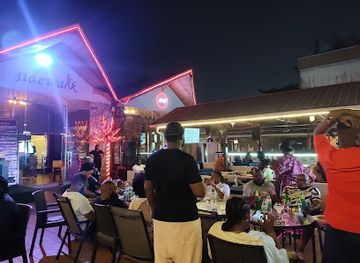
Sidewalk Lounge
Discover the lively charm of Sidewalk Lounge, a top destination in Victoria Island for delicious food and vibrant nightlife experiences.
-
Bar
W Bar Lounge
Discover upscale nightlife at W Bar Lounge in Ikoyi, Lagos – where vibrant cocktails and an electric atmosphere create unforgettable memories.


Best nightclubs in Igbo
Evening life in the Igbo region is concentrated in larger towns and is more varied than in rural communities. Enugu, Owerri, Aba, Onitsha, Awka and Umuahia have restaurants, lounges, hotel bars, live-music venues and late-night entertainment, while many smaller towns centre their social life on neighbourhood pubs, beer gardens, football viewing and family gatherings. Highlife, gospel, Afrobeats and contemporary Nigerian music are prominent, and live performances may be arranged around weekends or festive periods without a fixed tourist calendar. Owerri and Enugu generally offer the broadest choice of formal nightlife, whereas commercial centres such as Aba and Onitsha combine business activity with informal evening venues. Rural areas become quiet earlier and should not be explored after dark without a clear local arrangement. Dress smartly for hotel lounges, use trusted transport, keep belongings discreet and avoid assuming that every venue accepts cards or operates to predictable hours.
-
Disco club
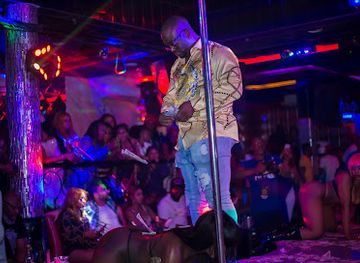
Silverfox - Luxury Adult Entertainment Club
Experience the vibrant nightlife of Lagos at Silverfox, a luxury adult entertainment club with stunning performances and an upscale atmosphere.
-
Night club
Club Quilox
Experience the vibrant nightlife of Lagos at Club Quilox, a premier destination for dancing, dining, and world-class entertainment.
-
Night club
Rumors Night Club
Discover the electrifying nightlife of Rumors Night Club in Ikeja GRA, Lagos, where music, dance, and vibrant energy come together for an unforgettable experience.
-
Bar
Dee Volcano Nightclub
Discover the electrifying nightlife at Dee Volcano Nightclub, where vibrant music and energetic vibes create unforgettable moments in Lagos.


Best shops in Igbo
Shopping in Igbo Nigeria ranges from immense commercial markets to smaller town high streets, craft workshops and community trading days. Onitsha is one of the region’s major trading centres, while Aba is widely associated with locally made shoes, clothing, leather goods and small-scale manufacturing. Markets in Enugu, Owerri, Awka, Umuahia and Abakaliki provide foodstuffs, household goods, fabrics, clothing and locally traded produce, though the size and organisation of markets differ sharply. Look for woven items, carved objects, baskets, contemporary fashion, handmade footwear and regional food products, but buy respectfully and establish prices before informal transactions. Bronze-related souvenirs should be checked carefully, since modern decorative pieces are not necessarily archaeological objects. Farmers’ stalls and specialist food sellers are useful for dried fish, spices, garri, palm products, rice and other durable ingredients. In crowded markets keep phones and wallets secure, use a trusted guide when practical, and remember that transport and packaging can be difficult for bulky purchases.
-
National park
Cross River National Park
Explore Cross River National Park, Nigeria's lush rainforest, home to diverse wildlife and breathtaking landscapes, perfect for adventure seekers and nature lovers.
-
Gift shop
Celebrations
Discover unique gifts and festive items at Celebrations, Abuja's premier gift shop, perfect for all your celebratory needs.
-
Boutique
UniqueMike Boutique - Best male boutique in Abuja NIGERIA
Explore Abuja's UniqueMike Boutique for unparalleled men's fashion, combining style and sophistication in the heart of Nigeria's capital.
-
Souvenir store
Bunu Souvenirs and Gifts
Explore authentic Nigerian treasures at Bunu Souvenirs and Gifts, offering unique artisanal crafts and keepsakes in the heart of Abuja.



Get your free copy of our complete guide to Igbo, delivered straight to you.
Everything on this page, from attractions and restaurants to essentials and local phrases, in one PDF you can read offline, print or share.
Already have an account? Sign in
Your Igbo guide is ready.
We'll send it to · Not you? Sign out

Getting your guide ready…
We are putting together a fresh copy of the Igbo guide. This can take up to a minute.
This can take a few moments. If your browser asks, choose Allow so the download can start. You'll find the guide in your Downloads folder.
Nothing happened? Download it again
Sorry, the guide is taking longer than usual. Please try again in a minute, or get it by email instead.
Igbo essentials
Currency and Payment
Safety
Emergency Situations
Do's and Don'ts
Local Tips
From Eve
Local phrases worth knowing
You don't need to get them perfect. A few words go a long way, and locals appreciate the effort.
Basics
| English | Local | Say it |
|---|---|---|
| Hello | Ndewo | [N-deh-woh] |
| Goodbye | Ka ọ dị | [Kah oh dee] |
| Yes | Ee | [Eh] |
| No | Mba | [Mbah] |
| Please/You're welcome | Biko | [Bee-koh] |
| Thank you | Daalụ | [Dah-loo] |
| Excuse me/Sorry | Ndo | [N-doh] |
| How are you? | Kedu? | [Kay-doo] |
| Fine. And you? | Ọ dị mma. Kedu gị? | [Aw dee mah. Kay-doo gee?] |
| Do you speak English? | Ị na-asụ Bekee? | [Ee nah-ah-soo Beh-keh] |
| I don't understand | Anaghị m aghọta | [Ah-nah-hee m ah-goh-tah] |
Eating & Drinking
| English | Local | Say it |
|---|---|---|
| I'd like to see the menu, please | Achọrọ m ịhụ menu, biko | [Ah-chaw-roh m ee-hoo meh-noo, bee-koh] |
| I don't eat meat | Anaghị m eri anụ | [Ah-nah-hee m eh-ree ah-noo] |
| Cheers! | Nnọọ! | [N-noh] |
| I would like to pay, please | Achọrọ m ịkwụ ụgwọ, biko | [Ah-chaw-roh m ee-kwoo oo-goh, bee-koh] |
Emergencies
| English | Local | Say it |
|---|---|---|
| Help! | Enyemaka! | [Eh-nyah-mah-kah] |
| Go away! | Pụọ! | [Poo-ah] |
| Call the Police! | Akpọrọ ndị uweojii! | [Ah-kpo-roh ee-n-dee oo-weh-oh-gee] |
| Call a doctor! | Akpọrọ dọkịta! | [Ah-kpo-roh doh-kee-tah] |
| I'm lost | A nweghị m ụzọ | [Ah nwe-hee m oo-zoh] |
| I'm ill | A nweghị m mma | [Ah nwe-hee m mah] |
Shopping
| English | Local | Say it |
|---|---|---|
| I'd like to buy... | Achọrọ m ịzụta... | [Ah-chaw-roh m ee-zoo-tah] |
| I'm just looking | Ana m ele anya | [Ah-nah m eh-leh ah-nya] |
| How much is it? | Ogologo ole ka ọ dị? | [Oh-goh-loh-goh oh-leh kah oh dee?] |
| That's too expensive | O buru ihe! | [Oh boo-rah ee-heh] |
| Can you lower the price? | Ị nwere ike belata ọnụahịa? | [Ee nwe-reh ee-keh beh-lah-tah on-oo-ah-hee-ah] |
Time & Numbers
| English | Local | Say it |
|---|---|---|
| What time is it? | Kedu oge nke a? | [Kay-doo oh-geh n-keh ah?] |
| It's one o'clock | Oge bụ nkeji otu | [Oh-geh boo n-keh-ji oh-too] |
| Half past (10) | N'ibo nkeji iri na ise | [N-ee-boh n-keh-ji ee-ree nah ee-seh] |
| Morning | Ụtụtụ | [Oo-too-too] |
| Afternoon | Ehihie | [Eh-ee-hee-eh] |
| Evening | Mgbede | [Mm-beh-deh] |
| Yesterday | N'izu gara aga | [N-ee-zoo gah-rah ah-gah] |
| Today | Taa | [Tah] |
| Tomorrow | Echi | [Eh-chee] |
| 1 | Otu | [Oh-too] |
| 2 | Abụọ | [Ah-boo-ah] |
| 3 | Atọ | [Ah-toh] |
| 4 | Anọ | [Ah-noh] |
| 5 | Ise | [Ee-seh] |
| 6 | Isii | [Ee-see-ee] |
| 7 | Asaa | [Ah-sah-ah] |
| 8 | Asatọ | [Ah-sah-toh] |
| 9 | Itolu | [Ee-toh-loo] |
| 10 | Iri | [Ee-ree] |
Transport & Directions
| English | Local | Say it |
|---|---|---|
| Where's a/the...? | Ebee ka ... dị? | [Eh-beh kah ... dee?] |
| What's the address? | Kedu adreesị? | [Kay-doo ah-dree-see] |
| Can you show me (on the map)? | Ị nwere ike igosi m (na mpempe akwụkwọ)? | [Ee nwe-reh ee-keh ee-goh-see m (nah m-paym-peh ah-kwa)] |
| When's the next (bus)? | Kedu mgbe (bọọs) na-abịa? | [Kay-doo em-bgeh (baw-s) nah-ah-bee-ah?] |
| A ticket (to ....) | Tiketi (na ....) | [Tee-keh-tee (nah ....)] |
History of Igbo
Early Settlement and Igbo-Ukwu Metalworking
The archaeological discoveries at Igbo-Ukwu in present-day Anambra State revealed elaborate bronze, copper-alloy and bead objects associated with a sophisticated society flourishing around the ninth century. Their fine casting, complex decoration and evidence of long-distance exchange changed outside understanding of early West African technology and trade. The finds are connected with ritual and elite contexts rather than a complete picture of everyday life, but they demonstrate that communities in the region possessed advanced artistic and metallurgical skills long before colonial rule. Igbo-Ukwu remains one of the most important archaeological references for understanding the ancient history of south-eastern Nigeria.
Nri Religious and Political Influence
The Nri tradition, centred in the Awka North area of present-day Anambra State, developed a distinctive religious and political influence across parts of the Igbo world. Nri priests and ritual specialists were associated with concepts of purification, sacred authority and the regulation of social relationships, while Nri-linked institutions and lineages spread beyond a single territorial kingdom. Igbo political life was never organised under one permanent central monarchy, and local communities retained considerable autonomy. The Nri legacy is therefore best understood as a network of cultural and religious influence, still recalled through oral histories, title systems and local traditions.
Arochukwu, Trade and Regional Networks
Arochukwu in present-day Abia State became a major centre of trade, diplomacy and religious authority before British conquest. Its influence was connected with the Aro trading network, which linked communities across south-eastern Nigeria and beyond through commerce, movement and political relationships. The Long Juju tradition at Arochukwu formed part of the area’s religious landscape and later became central to colonial narratives about the region. British military action against Aro power in 1901–02 helped impose colonial control and disrupted established networks. Caves, shrines and oral traditions around Arochukwu preserve aspects of this complex pre-colonial and colonial history.
Colonial Commerce, Railways and Coal
British colonial rule reshaped Igbo economic life through taxation, Christian missions, commercial agriculture, transport infrastructure and new administrative towns. Palm oil and palm kernels became important exports, while railway construction connected Enugu’s coalfield with Port Harcourt and other parts of the colonial economy. Coal mining transformed Enugu from a relatively small settlement into a major industrial centre and brought workers, officials and new forms of urban life. Mission schools and churches also expanded rapidly, producing new educated elites. These developments created opportunities and social change, but they were driven by colonial priorities and often accompanied by coercive taxation and the loss of local political autonomy.
The Aba Women's War of 1929
The Aba Women's War, also known as the Women's Market Rebellion, was a major anti-colonial protest in parts of present-day Abia, Imo and Rivers states. Women organised through collective demonstrations, market networks and traditional forms of public pressure against taxation, warrant chiefs and fears that colonial officials intended to impose direct taxes on women. The protests involved attacks on administrative and native authority buildings and were met with lethal force by colonial forces. The movement exposed the limits of British indirect rule and the political importance of women's associations in the region. Its legacy remains central to Nigerian histories of resistance and gendered political action.
Christianity, Education and Social Change
Christian missions expanded across Igbo communities from the late nineteenth century, establishing churches, schools and medical services while challenging some existing religious institutions and social practices. Literacy and formal education contributed to the emergence of teachers, clerks, professionals, traders and nationalist politicians. Conversion was neither uniform nor simply imposed: local communities negotiated, adapted and sometimes resisted missionary ideas, while Christian forms were incorporated into changing family and public life. By the mid-twentieth century, mission education and urban migration had helped produce a highly mobile educated population. Churches, schools and religious music remain prominent features of the region’s contemporary cultural landscape.
The Nigerian-Biafran War, 1967–1970
The Nigerian Civil War, known in Biafran history as the Biafran War, profoundly affected Igbo communities. After political crisis, violence and mass displacement in the mid-1960s, the Eastern Region’s secession as the Republic of Biafra led to a three-year conflict. Enugu was an early Biafran capital, while Umuahia later served as a major wartime administrative and military centre. Blockade, bombing, disease, hunger and displacement caused immense suffering, and the war left enduring political, personal and cultural memories. Museums, memorial sites, family histories and wartime landscapes across the region continue to shape how visitors encounter modern Igbo history.
Post-war Reconstruction and Contemporary Enterprise
After the war ended in 1970, the region underwent reconstruction within a reunited Nigeria. The post-war period saw the rebuilding of towns, roads, markets and public institutions, alongside significant internal and international migration. Igbo commercial networks expanded through trading, manufacturing, transport, construction and professional services, with Aba, Onitsha, Nnewi and other centres becoming especially associated with enterprise. Contemporary Igbo identity reflects village affiliations, Christian institutions, urban ambition, global connections and continuing debates about political representation. This combination of local rootedness and mobility is a defining feature of life in the region today.
Igbo in Photos
Browse through our photo collection highlighting the charm and character of the destination.
Neighbouring regions of Igbo
The closest regions to Igbo, if you have time for more than one.
-

-

-

-

-


Swipe for more regions
Explore more
Explore more of Nigeria
Discover Nigeria: A Land of Vibrant Cultures, Stunning Landscapes, and Rich History in the Heart of Africa.
Explore Nigeria