

Free North Central Travel Guide & Mobile App
Explore North Central with free travel guides. Discover regional history, expert tips, proposed trips, and audio guides on web or mobile app.


Explore North Central Nigeria for Abuja's hills, Jos's plateau landscapes, Lokoja's river confluence, craft traditions and diverse inland foodways.
Read more about North Central
When is the best time to visit North Central?
Best: November–January · 30–32°C| Month | High (°C) | Rainfall (mm) |
|---|---|---|
| January (best) | 32 | 2 |
| February | 34 | 6 |
| March | 37 | 20 |
| April | 37 | 60 |
| May | 36 | 120 |
| June | 33 | 150 |
| July | 31 | 200 |
| August | 31 | 180 |
| September | 31 | 160 |
| October | 32 | 100 |
| November (best) | 31 | 30 |
| December (best) | 30 | 10 |
Getting to and around North Central
How to get there
Transportation
Top city travel guides in North Central
The cities of North Central, and the easiest places to base yourself.
-

-

-

-

-

-


Swipe for more cities
Destinations in North Central
Resorts, valleys and scenic spots worth a trip of their own.
-

-

-
 Kajuru Castle
 in Nigeria offers medieval-style architecture, hilltop views, Kaduna heritage and a distinctive rural escape near Kaduna city for curious visitors.
Kajuru Castle
Kajuru Castle in Nigeria offers medieval-style architecture, hilltop views, Kaduna heritage and a distinctive rural escape near Kaduna city for curious visitors.
-

-

-


Swipe for more destinations
Best attractions in North Central
North Central Nigeria offers a varied collection of urban, cultural and landscape attractions rather than one concentrated sightseeing circuit. Abuja combines civic architecture, galleries, markets and accessible hills, with Aso Rock and the surrounding granite landscape defining the capital's setting. In Niger State, Gurara Falls provides a substantial seasonal waterfall and a popular nature excursion, while Bida is associated with Nupe craft traditions, including glassmaking and metalwork. Lokoja in Kogi State is important for river scenery and the Niger-Benue confluence, and Mount Patti provides a high viewpoint over the town and surrounding waterways. Kwara brings together Ilorin's cultural institutions and Esie Museum's celebrated soapstone figures. Plateau State is known for Jos, its cooler uplands, Shere Hills, Riyom Rock and nearby waterfalls and highland scenery. Nasarawa contributes rural landscapes and Farin Ruwa Falls, while Benue is best experienced through its river valley, agricultural character and cultural events. Access, security and seasonal conditions vary, so individual sites require local checking before departure.
-
Park
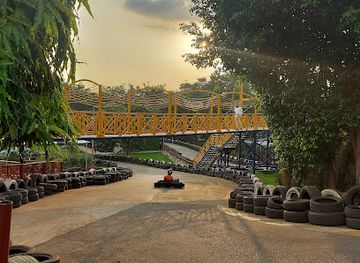
JD Leisure park
Experience the beauty and excitement of JD Leisure Park in Abuja, where families and friends gather for fun, relaxation, and unforgettable memories.
-
Garden
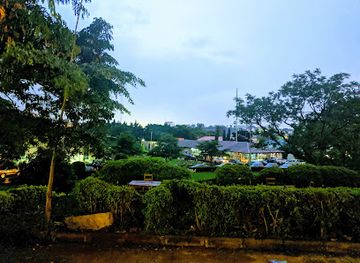
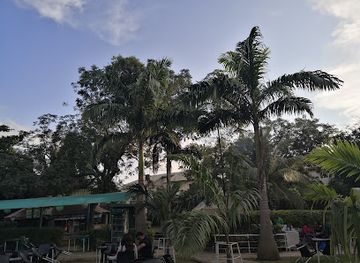
Greenview Garden
Discover the serene beauty of Greenview Garden in Abuja, a perfect blend of nature, delightful dining, and tranquility for every traveler.
-
Park
Central Park
Experience the tranquility of Central Park in Abuja, a perfect blend of nature and recreational activities for all ages.
-
Non-profit organization
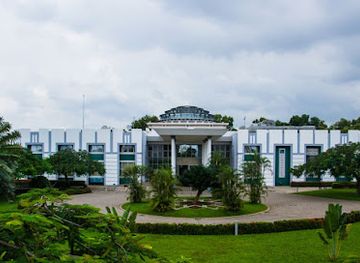
Shehu Musa Yar'Adua Foundation
Explore Nigeria's cultural heritage at the Shehu Musa Yar'Adua Foundation, a vibrant hub for education, events, and community engagement in Abuja.
Best landmarks in North Central
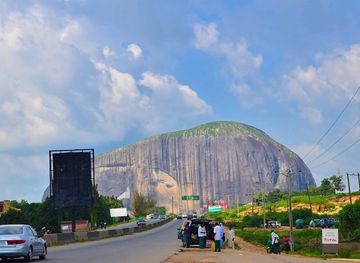
Aso Rock is North Central Nigeria's most recognisable natural landmark, rising beside Abuja's federal precincts and symbolising the capital's carefully planned setting; access around government areas is controlled, so it should be viewed from permitted locations. Abuja's National Mosque and National Christian Centre are prominent civic and religious structures, though visitors should check access and dress requirements. At Lokoja, Mount Patti overlooks the town and the broad Niger-Benue confluence, a landscape central to the area's history. Gurara Falls in Niger State is a major natural landmark whose appearance changes substantially with the seasons. Plateau State has distinctive granite formations at Riyom and Wase, while Shere Hills creates a prominent highland backdrop near Jos. Kwara's Esie Museum is architecturally modest but culturally significant because of its rare collection of soapstone figures. Together these places express the region's defining relationship between rivers, rock landscapes, political history and enduring artistic traditions.
-
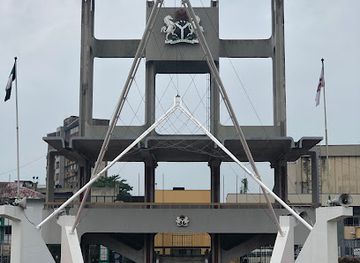
Historical landmark
Dimplediva_scent
Discover the rich history and cultural vibrance of Tafawa Balewa Square, a must-visit landmark in the heart of Lagos Island.
-
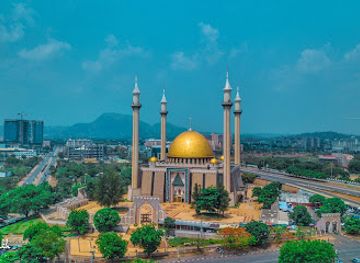
Mosque
Abuja National Mosque
Explore the captivating Abuja National Mosque, a stunning architectural gem and spiritual center, reflecting Nigeria's rich cultural heritage.
-
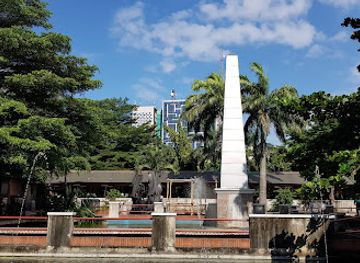
National park
Freedom Park Lagos
Experience the harmony of history and nature at Freedom Park Lagos, a serene national park in the heart of Nigeria's bustling city.
-
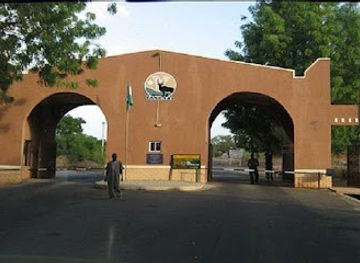
National park
Yankari Game Reserve
Explore Yankari Game Reserve, Nigeria's premier national park, rich in wildlife, stunning landscapes, and rejuvenating hot springs for an unforgettable adventure.
Explore North Central on the map
Plan your trip on one map. See where the top cities, national parks and sights are, and book hotels and experiences in a few clicks.
Best hotels in North Central
Best restaurants in North Central
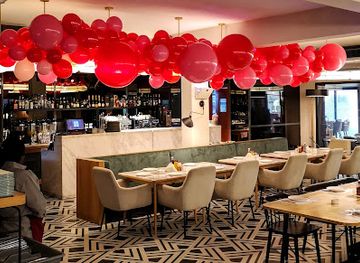
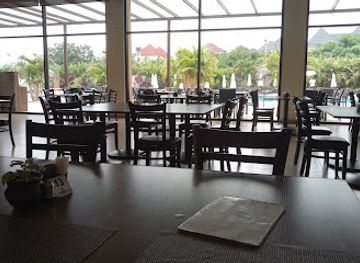
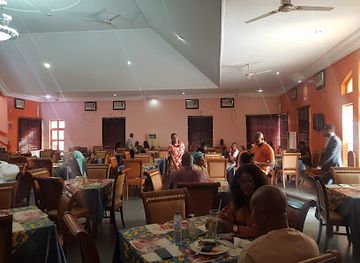
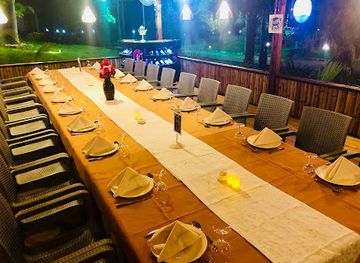
Dining in North Central Nigeria reflects the region's agricultural abundance and its cultural diversity. Abuja has the broadest choice, from Nigerian regional cooking and informal bukas to cafés, international restaurants and contemporary dining rooms. Outside the capital, eating is more closely tied to markets, family-run restaurants, roadside grills, hotels and traditional eateries. Rice, yam, cassava, maize, guinea corn, beans and leafy vegetables are widely important, while fish from the Niger, Benue and other waterways appears in various local preparations. Visitors may encounter soups and stews associated with different communities, including Benue's strong food culture, as well as grilled meat, fried yam, bean dishes and locally made snacks. Ilorin and other historic trading centres show northern and central influences in their cooking, while Plateau produce benefits from the area's cooler uplands. Ask about ingredients and spice levels, use busy food stalls with good turnover, and carry water when travelling between towns.
-
Restaurant
Cactus Restaurant
Discover the flavors of Nigeria at Cactus Restaurant - where delightful breakfasts meet exquisite baked goods in Lagos's Victoria Island.
-
Restaurant
BluCabana Restaurant & Cafe
Experience exquisite Mediterranean and Middle Eastern cuisine at BluCabana Restaurant & Cafe in Abuja—where every meal is a celebration.
-
West African
Jevinik Restaurant
Discover the essence of West African cuisine at Jevinik Restaurant in Abuja – where every meal tells a story.
-
Indian
Cilantro Abuja
Discover the rich flavors of India at Cilantro Abuja, where every meal is a culinary journey through authentic spices and vibrant dishes.
Best bars in North Central
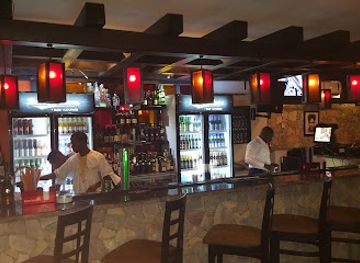
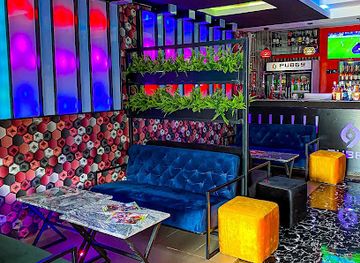
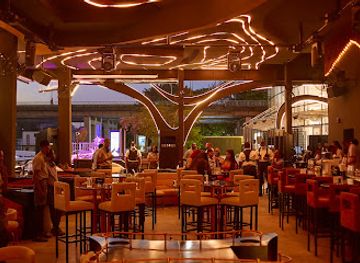
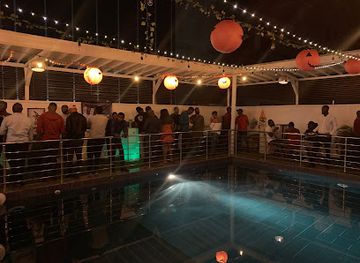
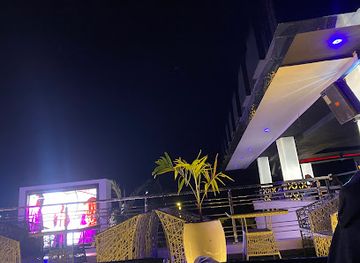
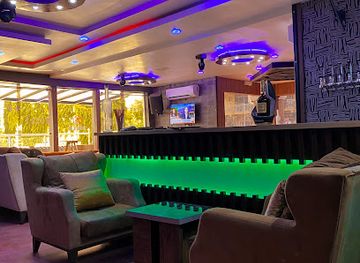
Evening life differs sharply between Abuja and the rest of North Central Nigeria. The capital has the region's largest selection of restaurants, hotel lounges, cocktail bars, live-music venues and clubs, particularly around busy commercial and entertainment districts, although venues and operating arrangements change frequently. Jos has a smaller but established evening scene shaped by restaurants, cafés, live music and student and creative communities. In Ilorin, Lokoja, Makurdi, Minna and other state capitals, nightlife generally centres on hotel bars, neighbourhood pubs, restaurants, local music and social gatherings rather than a large club circuit. Smaller towns often become quiet early, and rural areas are more suited to evening meals or community events than late-night entertainment. Dress and entry expectations vary, so visitors should choose well-regarded venues, arrange a trusted ride and avoid walking unfamiliar streets late at night.
-
Lounge
Beer Barn Abuja
Discover the lively ambiance and extensive drink selection at Beer Barn Abuja, the go-to lounge for locals and tourists alike in Nigeria's capital.
-
Lounge
Pub69 Lounge
Immerse yourself in the lively ambiance of Pub69 Lounge, Abuja's go-to spot for cocktails, cuisine, and entertainment.
-
Bar
W Bar Lounge
Experience the vibrant nightlife of Lagos at W Bar Lounge, a luxurious waterfront bar known for its crafted cocktails and stunning views.
-
Cocktail bar
Piper Lounge & Bar
Experience Abuja's nightlife at Piper Lounge & Bar, a stylish cocktail bar offering exquisite drinks and a vibrant atmosphere for every occasion.
Best nightclubs in North Central
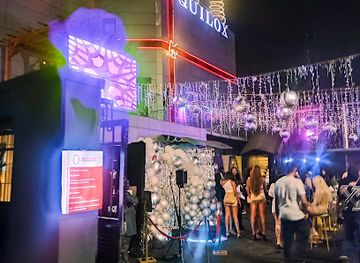
Evening life differs sharply between Abuja and the rest of North Central Nigeria. The capital has the region's largest selection of restaurants, hotel lounges, cocktail bars, live-music venues and clubs, particularly around busy commercial and entertainment districts, although venues and operating arrangements change frequently. Jos has a smaller but established evening scene shaped by restaurants, cafés, live music and student and creative communities. In Ilorin, Lokoja, Makurdi, Minna and other state capitals, nightlife generally centres on hotel bars, neighbourhood pubs, restaurants, local music and social gatherings rather than a large club circuit. Smaller towns often become quiet early, and rural areas are more suited to evening meals or community events than late-night entertainment. Dress and entry expectations vary, so visitors should choose well-regarded venues, arrange a trusted ride and avoid walking unfamiliar streets late at night.
-
Lounge
Varlaine Lounge
Experience the vibrant nightlife of Jos at Varlaine Lounge, a stylish retreat for relaxation and socializing with exceptional drinks and live music.
-
Night club
Tokyo Nightlife Abuja
Dive into the vibrant nightlife and delightful breakfast offerings at Tokyo Nightlife Abuja, where fun meets flavor in the heart of Nigeria's capital.
-
Night club
Avatar Hush Lounge and Nightclub
Discover the vibrant nightlife of Abuja at Avatar Hush Lounge and Nightclub, where unforgettable entertainment meets a lively atmosphere.
-
Night club
Club Quilox
Discover the ultimate nightlife experience at Club Quilox, a premier nightclub in Victoria Island, Lagos, offering luxury, music, and unforgettable moments.

Best shops in North Central
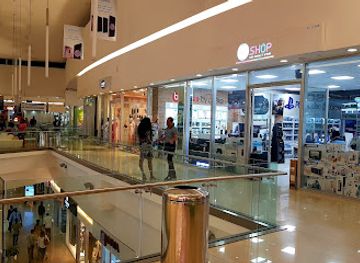
Shopping in North Central Nigeria is strongest in traditional markets, craft centres and the busy commercial districts of major towns. Abuja offers modern malls, supermarkets, bookshops, galleries and boutiques alongside markets selling clothing, fabrics, food and household goods. In Bida, visitors can look for Nupe-influenced craftwork, including decorative glass and metal items, provided purchases are made through legitimate sellers. Ilorin is associated with pottery, weaving and other craft traditions, while Jos has markets and shops dealing in regional produce, textiles, artworks and practical goods. Lokoja, Makurdi, Minna and Lafia are useful for local food products, fabrics and everyday market shopping rather than luxury retail. Farmers' and produce markets may offer grains, tubers, spices, dried fish and seasonal fruit, but packaging and transport should be considered before buying perishables. Bargain courteously where appropriate, inspect workmanship, and ask about provenance before purchasing antiques or objects claimed to be archaeological.
-
Shopping mall
Jabi Lake Mall
Experience shopping, dining, and entertainment at Jabi Lake Mall, Abuja's premier destination with stunning views and vibrant atmosphere.
-
Shopping mall
Novare Apo Mall
Explore Novare Apo Mall in Abuja for a unique shopping experience featuring diverse shops, restaurants, and exciting entertainment options.
-
Shopping mall
Dunes Center
Experience Abuja's premier shopping destination at Dunes Center, where fashion, food, and fun come together in perfect harmony.
-
Department store
Exclusive Stores
Discover the ultimate shopping experience in Abuja at Exclusive Stores, where quality meets variety in a vibrant atmosphere.

Get your free copy of our complete guide to North Central, delivered straight to you.
Everything on this page, from attractions and restaurants to essentials and local phrases, in one PDF you can read offline, print or share.
Already have an account? Sign in
Your North Central guide is ready.
We'll send it to · Not you? Sign out

Getting your guide ready…
We are putting together a fresh copy of the North Central guide. This can take up to a minute.
This can take a few moments. If your browser asks, choose Allow so the download can start. You'll find the guide in your Downloads folder.
Nothing happened? Download it again
Sorry, the guide is taking longer than usual. Please try again in a minute, or get it by email instead.
North Central essentials
Currency and Payment
Safety
Emergency Situations
Do's and Don'ts
Local Tips
From Eve
Local phrases worth knowing
You don't need to get them perfect. A few words go a long way, and locals appreciate the effort.
Basics
| English | Local | Say it |
|---|---|---|
| Hello | Sannu | [sahn-noo] |
| Goodbye | Sai an jima | [sigh an jee-mah] |
| Yes | I | [ee] |
| No | A'a | [ah-ah] |
| Please/You're welcome | Don Allah | [dawn ah-lah] |
| Thank you | Na gode | [nah goh-deh] |
| Excuse me/Sorry | Yi hakuri | [yee hah-kur-ee] |
| How are you? | Lafiya lau? | [lah-fee-yah lah-oo] |
| Fine. And you? | Lafiya. Kai fa? | [lah-fee-yah. kye fah?] |
| Do you speak English? | Ka na jin Turanci? | [kah nah jeen too-rahn-chee?] |
| I don't understand | Ba na fahimta | [bah nah fah-heem-tah] |
Eating & Drinking
| English | Local | Say it |
|---|---|---|
| I'd like to see the menu, please | Zan so in ga menu, don Allah | [zahn soh een gah meh-noo, dawn ah-lah] |
| I don't eat meat | Ba na ci nama | [bah nah chee nah-mah] |
| Cheers! | Nayi lafiya! | [nah-yee lah-fee-yah!] |
| I would like to pay, please | Zan so in biya, don Allah | [zahn soh een bee-yah, dawn ah-lah] |
Emergencies
| English | Local | Say it |
|---|---|---|
| Help! | Taimako! | [tie-mah-koh!] |
| Go away! | Tafi! | [tah-fee!] |
| Call the Police! | Kira 'yan sanda! | [kee-rah 'yan sahn-dah!] |
| Call a doctor! | Kira likita! | [kee-rah lee-kee-tah!] |
| I'm lost | Na bata hanya | [nah bah-tah hahn-yah] |
| I'm ill | Na yi rashin lafiya | [nah yee rah-sheen lah-fee-yah] |
Shopping
| English | Local | Say it |
|---|---|---|
| I'd like to buy... | Zan so in sayi... | [zahn soh een sigh-ee...] |
| I'm just looking | Ni ina kallo | [nee ee-nah kah-loh] |
| How much is it? | Nawa ne? | [nah-wah neh?] |
| That's too expensive | Wannan yana da tsada | [wahn-nahn yah-nah dah tsah-dah] |
| Can you lower the price? | Za ka rage farashi? | [zah kah rah-geh fah-rah-shee?] |
Time & Numbers
| English | Local | Say it |
|---|---|---|
| What time is it? | Wane lokaci ne? | [wah-neh loh-kah-chee neh?] |
| It's one o'clock | Karfe daya | [kar-feh dah-yah] |
| Half past (10) | Rabi bayan (10) | [rah-bee bah-yahn (10)] |
| Morning | Safiya | [sah-fee-yah] |
| Afternoon | Yamma | [yah-mah] |
| Evening | Yamma | [yah-mah] |
| Yesterday | Jiya | [jee-yah] |
| Today | Yau | [yah-oo] |
| Tomorrow | Gobe | [goh-beh] |
| 1 | Daya | [dah-yah] |
| 2 | Biyu | [bee-yoo] |
| 3 | Uku | [oo-koo] |
| 4 | Hudu | [hoo-doo] |
| 5 | Biyar | [bee-yahr] |
| 6 | Shida | [shee-dah] |
| 7 | Bakwai | [bah-kwai] |
| 8 | Takwas | [tah-kwahs] |
| 9 | Tara | [tah-rah] |
| 10 | Goma | [goh-mah] |
Transport & Directions
| English | Local | Say it |
|---|---|---|
| Where's a/the...? | Ina ...? | [ee-nah ...?] |
| What's the address? | Menene adireshin? | [meh-neh-neh ah-dee-reh-sheen?] |
| Can you show me (on the map)? | Za ka nuna mini (a taswira)? | [zah kah noo-nah mee-nee (ah tahs-we-ra)?] |
| When's the next (bus)? | Yaushe ne na gaba (bas)? | [yah-oo-sheh neh nah gah-bah (bahs)?] |
| A ticket (to ....) | Tikit (zuwa ...) | [tee-kit (zoo-wah ...)] |
History of North Central
Early Settlements and Nok Heritage
The central Nigerian country has a long archaeological record, most famously associated with Nok culture, which flourished across parts of the central region during the first millennium BCE and the early centuries CE. Nok communities are known for terracotta sculpture and evidence of early ironworking, although the culture's social organisation and precise extent remain subjects of archaeological study. Finds from the wider Plateau and Kaduna-Niger transition demonstrate that the region was an important zone of technological and artistic development long before the formation of modern states.
River Trade and Precolonial States
The Niger and Benue rivers helped link communities across the interior with wider commercial networks. Towns and polities in the region developed through farming, craft production, long-distance trade and relations with neighbouring emirates and kingdoms. Ilorin became an important Islamic centre and emirate, while Bida was associated with the Nupe kingdom and refined craft traditions. Lokoja's position near the Niger-Benue confluence later gave it particular strategic importance for river transport and political administration.
The Sokoto Caliphate and Nineteenth-Century Change
During the nineteenth century, reform movements connected with the Sokoto Caliphate reshaped political authority across parts of northern and central Nigeria. Ilorin became closely linked to the emirate system, while Nupe and neighbouring territories experienced changing alliances, warfare and commercial relationships. These developments did not erase the region's ethnic and political diversity; instead, they created overlapping systems of authority that continued to influence religion, settlement and trade.
Colonial Conquest and Lokoja
British expansion into the Niger-Benue interior accelerated during the late nineteenth century. Lokoja became an early colonial administrative and military centre because of its location at the river confluence, and it was associated with the Royal Niger Company before the consolidation of British rule. Colonial administration redrew political boundaries, introduced new transport and taxation systems, and connected inland production more closely to export-oriented commerce. The legacy can still be seen in historic administrative sites and the region's transport geography.
Railways, Tin Mining and Jos
The development of railways and tin mining transformed the Plateau during the twentieth century. Jos grew as a mining and administrative town, attracting workers and traders from different parts of Nigeria and beyond. Tin extraction altered the landscape and created new commercial networks, while the town's elevated setting contributed to a cooler climate and a distinctive urban identity. The mining economy later declined, but its transformation of Jos and the surrounding plateau remains central to the region's modern history.
Independence, Federal Capital and Regional Reorganisation
Nigeria's independence in 1960 was followed by repeated changes to state boundaries and systems of local government. In 1991, Abuja became the federal capital, replacing Lagos as the seat of government and bringing major infrastructure development to the centre of the country. The Federal Capital Territory is administratively distinct from the surrounding states, but its location has strengthened North Central Nigeria's role as a national crossroads. Abuja's growth has also brought rapid urban expansion and pressure on surrounding hills, waterways and communities.
Contemporary Cultural and Agricultural Region
Today, North Central Nigeria combines government, commerce, farming, mining legacies, education and cultural production. The Benue valley is an important agricultural zone, while Plateau, Nasarawa, Niger, Kwara and Kogi contain varied farming and craft economies. Urban centres have expanded rapidly, yet festivals, markets, religious institutions, traditional authorities and local languages remain significant. The region's contemporary identity is therefore shaped both by national institutions centred in Abuja and by older communities whose histories predate the modern Nigerian state.
North Central in Photos
Browse through our photo collection highlighting the charm and character of the destination.
Neighbouring regions of North Central
The closest regions to North Central, if you have time for more than one.
-

-

-

-

-


Swipe for more regions
Explore more
Explore more of Nigeria
Discover Nigeria: A Land of Vibrant Cultures, Stunning Landscapes, and Rich History in the Heart of Africa.
Explore Nigeria