

Free Tiv Travel Guide & Mobile App
Explore Tiv with free travel guides. Discover regional history, expert tips, proposed trips, and audio guides on web or mobile app.


Explore Tiv culture in Nigeria through Benue’s river landscapes, yam-growing countryside, markets, woven arts and living traditions.
Read more about Tiv
When is the best time to visit Tiv?
Best: December–February · 31–32°C| Month | High (°C) | Rainfall (mm) |
|---|---|---|
| January (best) | 31 | 15 |
| February (best) | 32 | 20 |
| March | 34 | 40 |
| April | 35 | 80 |
| May | 36 | 120 |
| June | 35 | 160 |
| July | 35 | 200 |
| August | 34 | 160 |
| September | 33 | 120 |
| October | 33 | 80 |
| November | 31 | 40 |
| December (best) | 31 | 20 |
Getting to and around Tiv
How to get there
Transportation
Top city travel guides in Tiv
The cities of Tiv, and the easiest places to base yourself.

Swipe for more cities
Destinations in Tiv
Resorts, valleys and scenic spots worth a trip of their own.

Swipe for more destinations
Best attractions in Tiv
Attractions across the Tiv region are primarily cultural, landscape-based and community-led. Makurdi provides the most accessible introduction, with the Benue River, urban markets, museums and civic institutions offering context for the wider state and its peoples. Gboko and Gbajimba are important for understanding Tiv political identity, while Katsina-Ala and Vandeikya provide gateways to agricultural communities and the rolling countryside. The Tor Tiv’s palace at Gbajimba is best approached as a functioning traditional institution rather than a conventional museum, so visits should be arranged respectfully and in advance. In the east, the Ikyogen hills offer a different landscape from the lowland farming areas, although facilities for independent tourism are limited. Local cultural performances, weaving demonstrations, food experiences and community festivals can be more revealing than a formal sightseeing circuit, but they depend on timing and invitation. The region’s rivers, farms and village roads also reward guided excursions, with particular care required during the rainy season. Visitors should not expect the concentration of ticketed attractions found in Nigeria’s biggest cities; the strength of Tivland lies in its living traditions, agricultural setting and the opportunity to learn through informed local contact.
-
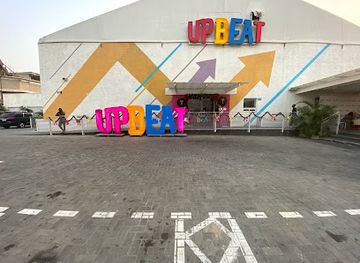
Recreation center
Upbeat Recreation Centre
Experience endless fun at Upbeat Recreation Centre in Lagos, Nigeria, with exciting activities for the whole family.
-
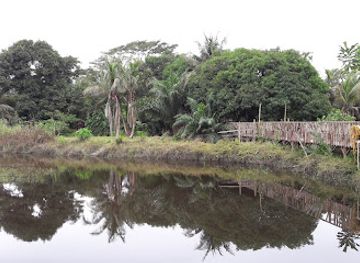
Tourist attraction
LUFASI Nature Park Lagos
Experience the natural beauty and tranquility of LUFASI Nature Park, a nature preserve in the heart of Lagos, perfect for families and nature lovers.
-
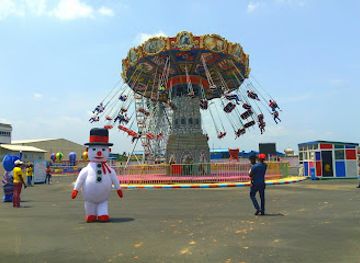
Tourist attraction
Hi-Impact Planet Amusement Park
Discover endless fun and excitement at Hi-Impact Planet Amusement Park in Ogun State, Nigeria, where adventure awaits for the whole family.
-
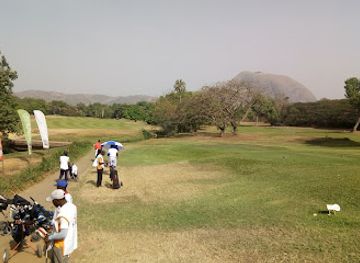
Tourist attraction
IBB International Golf & Country Club
Discover tranquility and sport at IBB International Golf & Country Club, Abuja's premier destination for golf and leisure.
Best landmarks in Tiv
The Benue River at Makurdi is the region’s defining geographical landmark, shaping the capital’s setting, transport history and sense of place. The historic railway bridge across the river is an important piece of colonial-era infrastructure and a visible reminder of the transport networks that linked the Benue valley with the wider Nigerian railway system. At Gbajimba, the Tor Tiv’s palace represents the continuing public role of traditional authority in Tiv society; it is a working institution rather than a monument open for unrestricted sightseeing. The Ikyogen hills in eastern Benue provide a marked contrast to the broad lowlands, with rocky uplands and rural views that are best explored with local guidance. The market landscapes of Gboko, Katsina-Ala and Makurdi are also significant in practical rather than monumental terms, revealing the importance of farming, trade and regional exchange. Together these places express the region’s identity more clearly than a collection of isolated historic buildings.
-
National park
Freedom Park Lagos
Discover the rich history and natural beauty of Freedom Park Lagos, a serene national park that blends culture, art, and lush landscapes in the heart of the city.
-
Historical landmark
Olumo Rock Tourist Centre
Explore Olumo Rock Tourist Centre, a historic landmark in Abeokuta, Nigeria, offering breathtaking views, rich culture, and adventure atop ancient cliffs.
-
Museum
Gidan Makama Museum
Explore the treasures of Kano's past at Gidan Makama Museum, where history, culture, and art intertwine in a magnificent setting.
-
Historical place museum
Jaekel House
Explore the captivating history of Lagos at Jaekel House, a beautifully preserved colonial museum showcasing Nigeria's rich cultural heritage.
Explore Tiv on the map
Plan your trip on one map. See where the top cities, national parks and sights are, and book hotels and experiences in a few clicks.
Best hotels in Tiv
Best restaurants in Tiv
Dining in Tiv areas reflects the agricultural character of Benue, widely associated with yam, cassava, grains, vegetables and other farm produce. In Makurdi, Gboko and the larger towns, restaurants and informal food stalls serve familiar Nigerian dishes such as rice, beans, soups, stews, fried plantain and pounded yam, with preparation varying by cook and community. Yam is especially significant in Tiv food culture, both as a staple and as a crop connected to seasonal farming life. Fresh fish and river-region ingredients may appear on menus, though availability is local and seasonal rather than guaranteed. Restaurants in smaller towns are generally simpler, while hotels and established urban eateries offer a broader range of Nigerian and continental dishes. Markets are useful for seeing the region’s produce, but visitors should choose busy, well-regarded food stalls and drink treated or bottled water. Local hosts are often the best source for identifying traditional meals or home-cooked dishes that are not consistently listed on restaurant menus.
-
West African
Jevinik Restaurant
Experience the rich flavors of West African cuisine at Jevinik Restaurant in Abuja - where tradition meets taste.
-
New American
RSVP restaurant
Experience contemporary New American cuisine at RSVP Restaurant on Victoria Island, where vibrant flavors meet a lively bar atmosphere.
-
Restaurant
Lagos Bistro
Discover Lagos Bistro in Abuja: where local flavors meet international cuisine in an inviting atmosphere.
-
Fusion restaurant
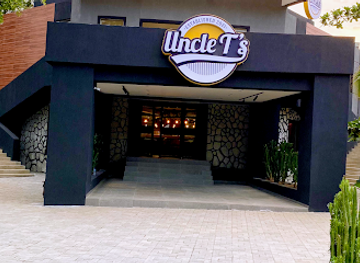
Uncle T’s
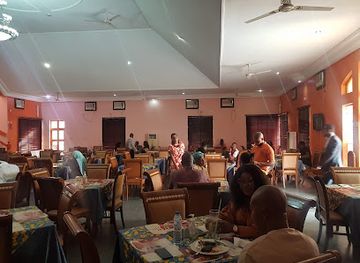
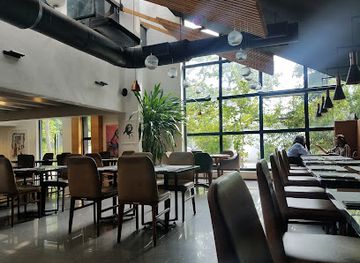
Experience an exquisite fusion of local and international cuisine at Uncle T’s in Abuja - where every meal tells a story.

Best bars in Tiv
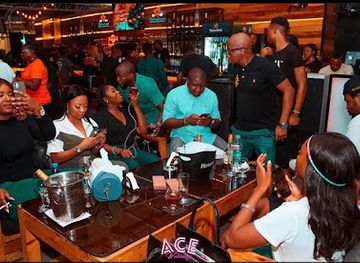
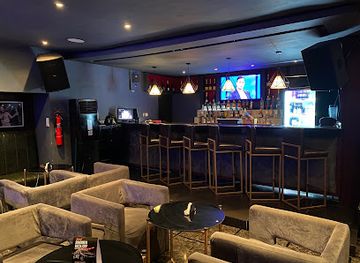
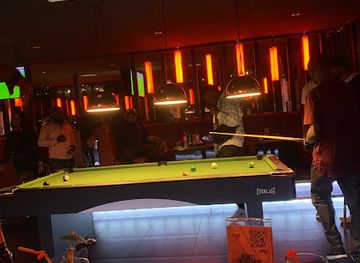
Evening life in the Tiv region is concentrated in Makurdi and the larger towns rather than spread through rural districts. Makurdi has the broadest selection of hotel bars, informal drinking spots, restaurants with evening service and venues where contemporary Nigerian music is played. Gboko and Katsina-Ala offer a smaller local scene centred on pubs, lounges, restaurants and social gatherings, while village evenings are more likely to revolve around family, community or church activities than nightclubs. Live music, football viewing and seasonal celebrations may be more significant than a formal club circuit. Visitors should ask accommodation staff about current venues, as businesses and opening arrangements change frequently. Drink responsibly, use reliable transport after dark and avoid walking unfamiliar roads at night, particularly outside the main urban centres.
-
Lounge
Beer Barn Abuja
Experience the lively ambiance at Beer Barn Abuja, where refreshing drinks and sports come together in the heart of Nigeria's capital.
-
Bar
W Bar Lounge
Experience the vibrant nightlife of Lagos at W Bar Lounge, where luxury meets entertainment in an upscale setting.
-
Lounge
Xovar
Discover the lively atmosphere of Xovar, a premier lounge in Lekki offering exquisite grilled dishes and a vibrant bar scene for an unforgettable dining experience.
-
Cocktail bar
Cue Bar
Experience the vibrant nightlife of Abuja at Cue Bar, where exquisite cocktails and lively music create the ultimate social atmosphere.

Best nightclubs in Tiv
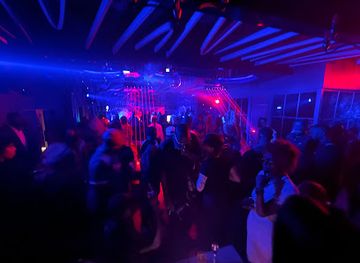
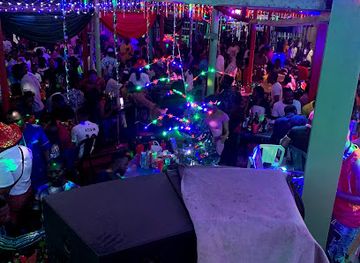
Evening life in the Tiv region is concentrated in Makurdi and the larger towns rather than spread through rural districts. Makurdi has the broadest selection of hotel bars, informal drinking spots, restaurants with evening service and venues where contemporary Nigerian music is played. Gboko and Katsina-Ala offer a smaller local scene centred on pubs, lounges, restaurants and social gatherings, while village evenings are more likely to revolve around family, community or church activities than nightclubs. Live music, football viewing and seasonal celebrations may be more significant than a formal club circuit. Visitors should ask accommodation staff about current venues, as businesses and opening arrangements change frequently. Drink responsibly, use reliable transport after dark and avoid walking unfamiliar roads at night, particularly outside the main urban centres.
-
Disco club
Silverfox - Luxury Adult Entertainment Club
Discover the ultimate fusion of luxury and nightlife at Silverfox, Lagos' premier adult entertainment destination.
-
Night club
Tokyo Nightlife Abuja
Discover the vibrant Tokyo Nightlife Abuja, where exquisite Japanese-inspired cuisine meets an electrifying nightlife experience in Nigeria's capital.
-
Lounge
Club Envy
Discover the exhilarating nightlife of Lagos at Club Envy, where vibrant music, delicious cuisine, and unforgettable memories come together.
-
Disco club
Kuala Lounge and Bar
Discover Kuala Lounge and Bar, a vibrant disco club in Ota, Ogun State, where live music and nightlife come together for an unforgettable experience.


Best shops in Tiv
Shopping in Tiv areas is strongest in the markets and high streets of Makurdi, Gboko, Katsina-Ala and other larger settlements. Visitors can find yams, grains, vegetables, spices and other Benue produce, as well as household goods, clothing and everyday Nigerian merchandise. The most distinctive cultural purchase is often anger cloth, the black-and-white striped textile associated with Tiv identity, although quality, design and provenance vary; buy through a reputable textile seller or craft contact when possible. Woven items, carved objects, calabashes and locally made accessories may also be available, but not every item sold in a market is produced in the region. Makurdi offers the broadest choice of supermarkets, pharmacies and modern retail, while smaller-town markets provide a more direct view of local commerce. Bargain politely, carry naira for market transactions and pack fragile textiles or crafts carefully for onward travel.
-
Department store
Exclusive Stores
Discover a world of shopping at Exclusive Stores in Abuja, where luxury meets everyday essentials in a vibrant atmosphere.
-
Shopping mall
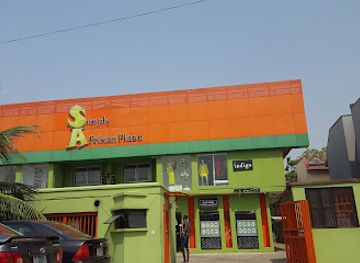
Simply Afrikan Limited
Experience the best of African culture and crafts at Simply Afrikan Limited, a vibrant shopping destination in Lekki Phase 1, Lagos.
-
Tourist attraction
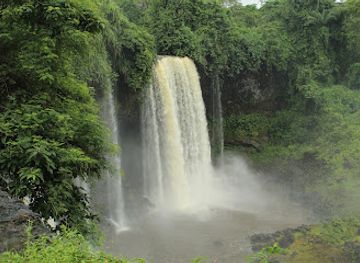
Agbokim Waterfalls, Nigeria
Experience the breathtaking beauty and tranquility of Agbokim Waterfalls, a stunning natural attraction in Cross River, Nigeria.
-
Shopping mall
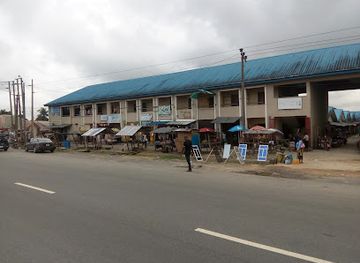
Ultra Modern Market Nonwa
Discover the vibrant culture and shopping experience at Ultra Modern Market Nonwa in Nonwa Udume, Nigeria.

Get your free copy of our complete guide to Tiv, delivered straight to you.
Everything on this page, from attractions and restaurants to essentials and local phrases, in one PDF you can read offline, print or share.
Already have an account? Sign in
Your Tiv guide is ready.
We'll send it to · Not you? Sign out

Getting your guide ready…
We are putting together a fresh copy of the Tiv guide. This can take up to a minute.
This can take a few moments. If your browser asks, choose Allow so the download can start. You'll find the guide in your Downloads folder.
Nothing happened? Download it again
Sorry, the guide is taking longer than usual. Please try again in a minute, or get it by email instead.
Tiv essentials
Currency and Payment
Safety
Emergency Situations
Do's and Don'ts
Local Tips
From Eve
Local phrases worth knowing
You don't need to get them perfect. A few words go a long way, and locals appreciate the effort.
Basics
| English | Local | Say it |
|---|---|---|
| Hello | Mbakaa | [m-bah-kah] |
| Goodbye | Ior | [ee-or] |
| Yes | Ee | [eh] |
| No | Haa | [hah] |
| Please/You're welcome | Nghnangir | [n-gah-nah-geer] |
| Thank you | Ityo | [ee-tyoh] |
| Excuse me/Sorry | Mba na | [m-bah nah] |
| How are you? | Ior nyi? | [ee-or nee] |
| Fine. And you? | Mba. Ior nyin? | [m-bah ee-or nee] |
| Do you speak English? | I ma hia English? | [ee mah hee-ah en-glish] |
| I don't understand | A hia mba | [ah hee-ah m-bah] |
Eating & Drinking
| English | Local | Say it |
|---|---|---|
| I'd like to see the menu, please | Ior a kwagh ga menu, nghnangir | [ee-or ah kwahg gah men-oo, n-gah-nah-geer] |
| I don't eat meat | A hia mba nyam | [ah hee-ah m-bah nyam] |
| Cheers! | Ityo! | [ee-tyoh] |
| I would like to pay, please | Ior a kpai, nghnangir | [ee-or ah kpah-ee, n-gah-nah-geer] |
Emergencies
| English | Local | Say it |
|---|---|---|
| Help! | Ior! | [ee-or] |
| Go away! | Ior gbakaa! | [ee-or g-bah-kah] |
| Call the Police! | Ior gbo Police! | [ee-or g-bo po-lease] |
| Call a doctor! | Ior gbo doctor! | [ee-or g-bo doc-tor] |
| I'm lost | A gboor | [ah g-boor] |
| I'm ill | A hia | [ah hee-ah] |
Shopping
| English | Local | Say it |
|---|---|---|
| I'd like to buy... | Ior a sɔr ... | [ee-or ah sawr ...] |
| I'm just looking | Mba a kpa | [m-bah ah kpah] |
| How much is it? | Ior nin na? | [ee-or neen nah] |
| That's too expensive | Ityo kpa a hia | [ee-tyoh kpah ah hee-ah] |
| Can you lower the price? | I ma hia a kwagh price? | [ee mah hee-ah ah kwahg prah-eece] |
Time & Numbers
| English | Local | Say it |
|---|---|---|
| What time is it? | Ior nyi ti? | [ee-or nee tee] |
| It's one o'clock | Ityo a eugh | [ee-tyoh ah eh-ugh] |
| Half past (10) | Ngbakaa (10) | [n-gbah-kah (ten)] |
| Morning | Mbakaa | [m-bah-kah] |
| Afternoon | Ior kpa | [ee-or kpah] |
| Evening | Ior kpa uhe | [ee-or kpah oo-heh] |
| Yesterday | Ior nyi a u | [ee-or nee ah oo] |
| Today | Ior nyi | [ee-or nee] |
| Tomorrow | Ior nyi a u gbakaa | [ee-or nee ah oo g-bah-kah] |
| 1 | Kpa | [kpah] |
| 2 | Ityo | [ee-tyoh] |
| 3 | Ityo a hia | [ee-tyoh ah hee-ah] |
| 4 | Ityo a kpa | [ee-tyoh ah kpah] |
| 5 | Ityo a gbakaa | [ee-tyoh ah g-bah-kah] |
| 6 | Ityo a gi | [ee-tyoh ah gee] |
| 7 | Ityo a gbo | [ee-tyoh ah g-bo] |
| 8 | Ityo a gbenda | [ee-tyoh ah g-ben-dah] |
| 9 | Ityo a kpa a hia | [ee-tyoh ah kpah ah hee-ah] |
| 10 | Ityo a kpa a gbakaa | [ee-tyoh ah kpah ah g-bah-kah] |
Transport & Directions
| English | Local | Say it |
|---|---|---|
| Where's a/the...? | Ior nyi a ...? | [ee-or nee ah ...?] |
| What's the address? | Ior nyi a address? | [ee-or nee ah ad-dress?] |
| Can you show me (on the map)? | I ma hia a i i kwagh? | [ee mah hee-ah ah ee ee kwahg?] |
| When's the next (bus)? | Nyi a gbo (bus)? | [nee ah g-bo (bus)?] |
| A ticket (to ....) | A ticket (to ...) | [ah ti-ket (to ...)] |
History of Tiv
Early Tiv settlement and oral traditions
Tiv historical knowledge is preserved through oral traditions, genealogies and accounts of migration, settlement and relations with neighbouring peoples. Over several centuries, Tiv-speaking communities established themselves across the fertile valleys and uplands of what is now central Benue, later extending into adjoining parts of Taraba and Nasarawa. These traditions should not be reduced to a single migration narrative: different lineages preserve distinct accounts, while archaeological evidence for the region remains less widely documented for visitors than its living cultural history. Farming, kinship and settlement patterns became fundamental to Tiv social life.
Pre-colonial relations and regional politics
Before colonial rule, Tiv communities governed themselves through lineage, household and community structures rather than through a single centralised kingdom. Relations with neighbouring Idoma, Jukun, Hausa and other peoples included trade, intermarriage, negotiation and periods of conflict. The Benue valley connected communities to wider regional networks, while the cultivation of yams and other crops supported local exchange. The absence of a single monarch did not mean an absence of political organisation; authority was distributed among elders, lineage heads and influential community leaders.
Colonial incorporation in the early twentieth century
British expansion into the Benue region during the early twentieth century brought Tiv communities into the colonial system. Officials attempted to administer a largely decentralised society through forms of indirect rule, taxation, courts and appointed authorities. These arrangements often fitted poorly with existing Tiv political structures and generated resistance. Colonial boundaries also separated communities that had long maintained social and economic relationships across what later became different local government areas and states. The period laid foundations for many of the administrative boundaries and political debates that still shape the region.
The Tiv disturbances, 1946–1949
The Tiv disturbances of the late 1940s were among the most important episodes of anti-colonial resistance in Nigeria. Opposition grew around taxation, the authority of colonial-appointed structures and wider disputes over political control. Demonstrations and unrest spread through parts of the Tiv area, prompting a forceful colonial response and major administrative reassessment. The disturbances demonstrated the limits of imposing unfamiliar systems of authority and became an important part of Tiv political memory. They also contributed to the later development of more representative forms of local and regional politics.
Independence and the changing Benue region
At Nigerian independence in 1960, Tiv communities became part of a rapidly changing federal and regional political system. The creation of Benue-Plateau State in 1967, followed by the establishment of Benue State in 1976, gave the Tiv homeland a clearer administrative centre while leaving significant communities beyond the state’s borders. Makurdi grew in importance as a governmental, educational and transport centre. The post-independence decades also brought expanded schooling, Christianity, professional migration and new political institutions alongside continuing strength in farming and local cultural life.
Contemporary Tiv cultural renewal
Modern Tiv identity combines rural livelihoods, urban mobility and cultural creativity. Anger weaving, music, dance, oral performance and kwagh-hir puppetry remain important expressions of community memory, although their settings and audiences have changed. Universities, churches, civic groups and cultural organisations have helped document language and traditions, while festivals and public ceremonies provide opportunities for performance and transmission. At the same time, agricultural pressures, displacement and periodic insecurity have affected many communities. Contemporary Tiv history is therefore both a story of cultural continuity and of adaptation to economic, political and environmental change.
Tiv in Photos
Browse through our photo collection highlighting the charm and character of the destination.
Neighbouring regions of Tiv
The closest regions to Tiv, if you have time for more than one.
-

-

-

-

-


Swipe for more regions
Explore more
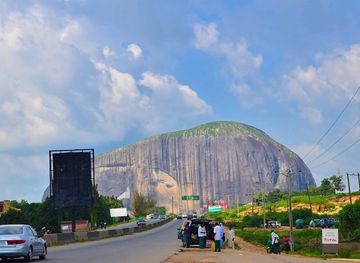
Explore more of Nigeria
Discover Nigeria: A Land of Vibrant Cultures, Stunning Landscapes, and Rich History in the Heart of Africa.
Explore Nigeria