

Free Nupe Travel Guide & Mobile App
Explore Nupe with free travel guides. Discover regional history, expert tips, proposed trips, and audio guides on web or mobile app.


Discover Nupe: A Cultural Gem in Nigeria, Renowned for Its Rich Heritage, Traditional Crafts, and Warm Hospitality.
Read more about Nupe
When is the best time to visit Nupe?
Best: December–February · 30–33°C| Month | High (°C) | Rainfall (mm) |
|---|---|---|
| January (best) | 31 | 1 |
| February (best) | 33 | 2 |
| March | 35 | 30 |
| April | 36 | 80 |
| May | 34 | 120 |
| June | 32 | 160 |
| July | 31 | 170 |
| August | 31 | 170 |
| September | 31 | 130 |
| October | 31 | 80 |
| November | 31 | 30 |
| December (best) | 30 | 1 |
Getting to and around Nupe
How to get there
Transportation
Best attractions in Nupe
Nestled in the heart of Nigeria, Nupe offers an enchanting blend of rich history and vibrant culture that beckons adventurous travelers. Visitors can explore the captivating Bida Emirate Palace, where the echoes of ancient royalty still resonate, and marvel at the intricate craftsmanship of the local glass bead industry, a tradition passed down through generations. The serene natural beauty of the River Niger provides a tranquil escape, perfect for picturesque boat rides and contemplative moments by the water. For those intrigued by local customs, the annual Durbar festival is a must-see, featuring exhilarating horse races, colorful parades, and traditional music that brings the community together in joyous celebration. Nupe's bustling markets, filled with handcrafted goods and local delicacies, offer an authentic taste of this unique region, making it a treasure trove of experiences waiting to be discovered.
-
Historical landmark
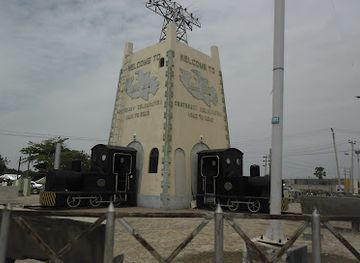
Kpakungu Roundabout Minna
Explore the vibrant culture and history at Kpakungu Roundabout, a bustling landmark in the heart of Minna, Niger.
-
Tourist attraction
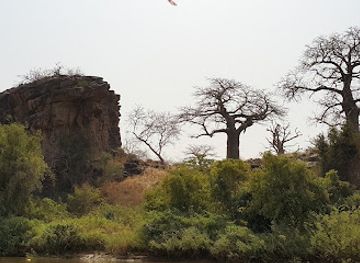
W National Park Benin
Explore the rich biodiversity and stunning landscapes of W National Park in Benin, a true gem for nature enthusiasts and adventure seekers.
-
Historical place
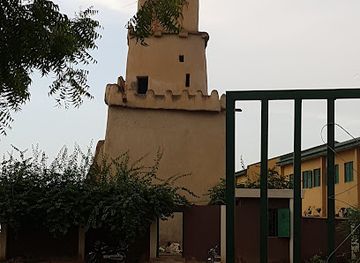
Gobarau
Explore the enchanting Gobarau in Katsina, Nigeria, a historical site that reveals the rich heritage and culture of the region.
Best landmarks in Nupe
Nupe, a region rich in history and culture in Nigeria, offers visitors a captivating journey through its landmarks. The Bida Emirate Palace stands as an architectural marvel, showcasing the grandeur of Nupe royalty with its intricate designs and vibrant colors. The Gani Festival, held annually, is a cultural spectacle where traditional music, dance, and colorful masquerades bring the history of the Nupe people to life. For nature enthusiasts, the Kainji National Park, partly located in Nupe, boasts diverse wildlife and serene landscapes ideal for safari adventures. The Jebba Bridge, a historical landmark over the River Niger, offers picturesque views and a glimpse into the colonial history of the region. Meanwhile, the Nupe Museum in Bida houses fascinating artifacts that tell the story of Nupe’s rich heritage and craftsmanship, particularly their renowned glass bead-making. Nupe's local markets are a treasure trove of handmade crafts, vibrant textiles, and traditional foods, offering a sensory delight and a chance to take home a piece of Nupe culture.
-
National park
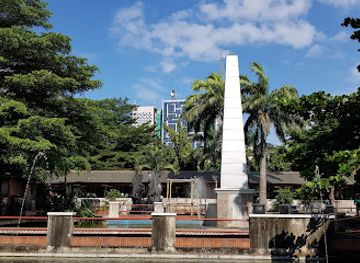
Freedom Park Lagos
Explore the lush tranquility of Freedom Park Lagos, a historic site transformed into a vibrant cultural oasis in the heart of the city.
-
Tourist attraction
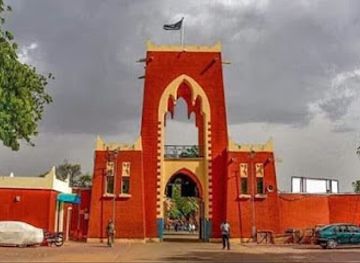
Emir's Palace Kano City
Explore the rich heritage and captivating architecture of Emir's Palace in Kano City, a must-see attraction for every traveler in Nigeria.
-
Historical landmark
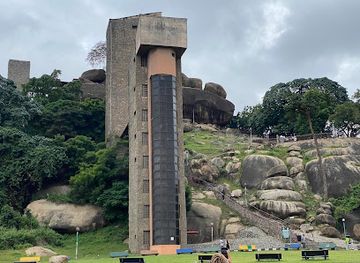
Olumo Rock Tourist Centre
Experience the breathtaking views and rich cultural heritage at Olumo Rock Tourist Centre, a stunning historical landmark in Abeokuta, Nigeria.
-
Historical place museum
Jaekel House
Discover the rich colonial history of Nigeria at Jaekel House, a beautifully preserved historical museum in Lagos, offering insights and captivating exhibits.

Explore Nupe on the map
Plan your trip on one map. See where the top cities, national parks and sights are, and book hotels and experiences in a few clicks.
Best hotels in Nupe
Best restaurants in Nupe
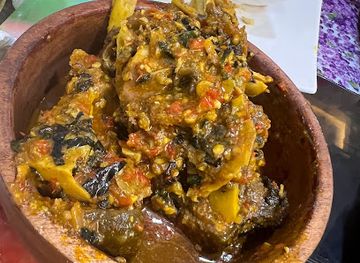
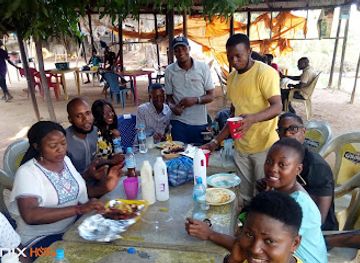
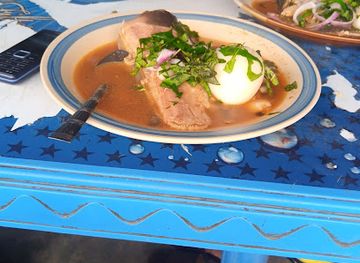
Nupe's dining scene offers an exhilarating culinary adventure for visitors, with a rich tapestry of flavors and aromas that reflect the region's vibrant cultural heritage. Expect to savor traditional dishes such as Pounded Yam with Egusi Soup, a hearty combination of ground melon seeds and leafy greens, and Tuwon Shinkafa, a rice pudding often paired with spicy, tangy stews. Street food enthusiasts will be thrilled by the array of local snacks like Akara, deep-fried bean cakes, and Masa, a fermented rice cake, all bursting with unique tastes. The local markets and bustling food stalls provide an authentic glimpse into the daily lives of the Nupe people, offering everything from freshly caught fish to exotic fruits and spices. Dining in Nupe is not just about the food; it's an immersive experience that connects you to the heart and soul of this fascinating region.
-
African
Ibile Foods & Lounge Ilupeju | Best Restaurants in Lagos Nigeria
Experience authentic African flavors at Ibile Foods & Lounge in Ilupeju – where tradition meets modern dining in Lagos.
-
Restaurant
Niger Delta Restaurant
Experience authentic Niger Delta cuisine in Abuja at this vibrant restaurant offering traditional dishes in a welcoming atmosphere.
-
Western
Le’Goshen African Dishes Restaurant
Experience authentic African cuisine at Le’Goshen Restaurant in Uyo - A culinary journey through rich flavors and vibrant culture.
-
Restaurant
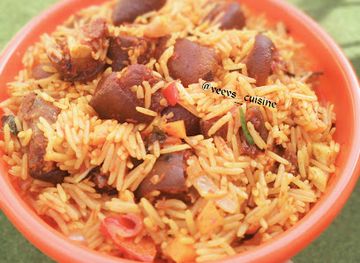
Veevs Cuisine
Experience authentic Nigerian flavors blended with international cuisine at Veevs Cuisine in Abuja—your culinary adventure awaits!


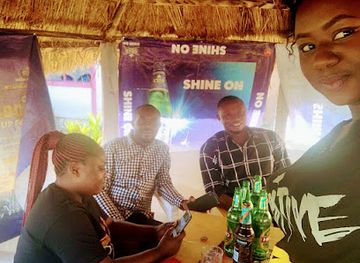
Best bars in Nupe
-
Bar
Zimbabwe Bush Bars
Discover the lively charm of Zimbabwe Bush Bars in Uke, where fresh palm wine and vibrant conversations come alive in a welcoming atmosphere.
-
Bar
Vai Su Shi Bar
Experience the vibrant nightlife of Bukuru at Vai Su Shi Bar, where local flavors and a welcoming atmosphere await.
-
Bar
Ene Bar
Discover the vibrant ambiance of Ene Bar in New Karu, where delightful drinks meet local culture for an unforgettable experience.
-
Grill
St Ejix Bush Bar
Experience the vibrant flavors of St Ejix Bush Bar in Tudun Wada, where delicious grilled dishes and refreshing drinks come together in a lively atmosphere.

Best nightclubs in Nupe
-
Night club
Tokyo Nightlife Abuja
Dive into the vibrant nightlife of Abuja at Tokyo Nightlife, where great food meets exhilarating entertainment in a lively atmosphere.
-
Night club
Avatar Hush Lounge and Nightclub
Discover Abuja's nightlife at Avatar Hush Lounge and Nightclub, where vibrant energy meets exquisite cocktails and unforgettable entertainment.
-
Night club
Club Quilox
Discover Lagos' iconic nightlife at Club Quilox, where electrifying parties, exquisite drinks, and top DJs create unforgettable experiences.
-
Night club
Rumors Night Club
Dive into the electrifying nightlife at Rumors Night Club, Ikeja's premier destination for dancing, drinks, and unforgettable experiences.




Best shops in Nupe
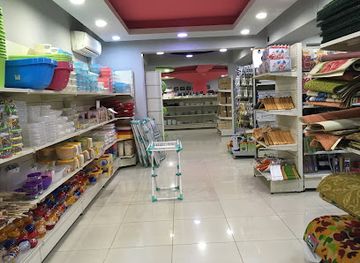
Nupe's shopping scene is a vibrant tapestry of culture and tradition that offers visitors an unforgettable experience. The bustling markets, such as the Bida Central Market, are a sensory feast where you can find intricately handcrafted glass beads, the famous Bida brass works, and beautifully woven textiles. These markets are not just places to shop but also hubs of social interaction, where the air is filled with the lively chatter of traders and the rich aroma of local spices and delicacies. Alongside these traditional items, you can also find fresh produce, local snacks, and unique souvenirs that reflect the rich heritage of the Nupe people. Walking through the stalls, you'll be immersed in the colorful and dynamic atmosphere, making it a must-visit for anyone looking to experience the authentic essence of Nupe.
-
Shopping mall
Dunes Center
Explore the Dunes Center in Abuja, a vibrant shopping mall featuring diverse retail, delicious dining options, and a unique cultural experience.
-
Souvenir store
Bunu Souvenirs and Gifts
Discover the heart of Nigerian craftsmanship at Bunu Souvenirs and Gifts, your go-to spot for authentic local treasures in Abuja.
-
Department store
Unique Merchandize
Explore the vibrant selection at Unique Merchandise in Langtang North, where authentic Nigerian crafts and souvenirs await every traveler.
-
Gift shop
Oludidit
Explore Oludidit in Abuja for unique African crafts, handcrafted souvenirs, and a taste of Nigerian culture in every purchase.

Get your free copy of our complete guide to Nupe, delivered straight to you.
Everything on this page, from attractions and restaurants to essentials and local phrases, in one PDF you can read offline, print or share.
Already have an account? Sign in
Your Nupe guide is ready.
We'll send it to · Not you? Sign out

Getting your guide ready…
We are putting together a fresh copy of the Nupe guide. This can take up to a minute.
This can take a few moments. If your browser asks, choose Allow so the download can start. You'll find the guide in your Downloads folder.
Nothing happened? Download it again
Sorry, the guide is taking longer than usual. Please try again in a minute, or get it by email instead.
Nupe essentials
Currency and Payment
Safety
Emergency Situations
Do's and Don'ts
Local Tips
From Eve
Local phrases worth knowing
You don't need to get them perfect. A few words go a long way, and locals appreciate the effort.
Basics
| English | Local | Say it |
|---|---|---|
| Hello | Sannu | [Sahn-noo] |
| Goodbye | Sai | [Sah-ee] |
| Yes | Eh | [Eh] |
| No | A'a | [Ah-ah] |
| Please/You're welcome | Don Allah | [Dohn Ah-lah] |
| Thank you | Nagode | [Nah-goh-day] |
| Excuse me/Sorry | Yi hakuri | [Yee hah-koor-ee] |
| How are you? | Lafiya lau? | [Lah-fee-yah lah-oo] |
| Fine. And you? | Lafiya. Kuma ke? | [Lah-fee-yah. Koo-mah keh?] |
| Do you speak English? | Shin kuna magana da Ingilishi? | [Sheen koo-nah mah-gah-nah dah Een-glee-shee?] |
| I don't understand | Ban gane ba | [Bahn gah-neh bah] |
Eating & Drinking
| English | Local | Say it |
|---|---|---|
| I'd like to see the menu, please | Zan so in ga menu, don Allah | [Zahn soh in gah meh-noo, dohn Ah-lah] |
| I don't eat meat | Ban ci nama | [Bahn chee nah-mah] |
| Cheers! | Khadija! | [Kah-dee-jah] |
| I would like to pay, please | Zan so in biya, don Allah | [Zahn soh in bee-yah, dohn Ah-lah] |
Emergencies
| English | Local | Say it |
|---|---|---|
| Help! | Taimako! | [Tie-mah-koh] |
| Go away! | Tafi! | [Tah-fee] |
| Call the Police! | Kira 'yan sanda! | [Kee-rah yan sahn-dah] |
| Call a doctor! | Kira likita! | [Kee-rah lee-kee-tah] |
| I'm lost | Na bata | [Nah bah-tah] |
| I'm ill | Ina ciwo | [Ee-nah chee-woh] |
Shopping
| English | Local | Say it |
|---|---|---|
| I'd like to buy... | Zan so in sayi... | [Zahn soh in sigh-ee...] |
| I'm just looking | Ina kallon | [Ee-nah kah-lon] |
| How much is it? | Nawa ne? | [Nah-wah neh?] |
| That's too expensive | Wannan yana da tsada | [Wah-nahn yah-nah dah tsah-dah] |
| Can you lower the price? | Za ka iya rage farashi? | [Zah kah ee-yah rah-geh fah-rah-shee?] |
Time & Numbers
| English | Local | Say it |
|---|---|---|
| What time is it? | Wane lokaci ne? | [Wah-neh loh-kah-chee neh?] |
| It's one o'clock | Karfe daya | [Kahr-feh dah-yah] |
| Half past (10) | Rabi bayan (10) | [Rah-bee bah-yahn (10)] |
| Morning | Safiya | [Sah-fee-yah] |
| Afternoon | Yammaci | [Yahm-mah-chee] |
| Evening | Yamma | [Yah-mah] |
| Yesterday | Jiya | [Jee-yah] |
| Today | Yau | [Yow] |
| Tomorrow | Gobe | [Goh-beh] |
| 1 | Daya | [Dah-yah] |
| 2 | Biyu | [Bee-yoo] |
| 3 | Uku | [Oo-koo] |
| 4 | Hudu | [Hoo-doo] |
| 5 | Biyar | [Bee-yahr] |
| 6 | Shida | [Shee-dah] |
| 7 | Bakwai | [Bah-kwah-ee] |
| 8 | Takwas | [Tah-kwahs] |
| 9 | Tara | [Tah-rah] |
| 10 | Goma | [Goh-mah] |
Transport & Directions
| English | Local | Say it |
|---|---|---|
| Where's a/the...? | Ina ...? | [Ee-nah ...?] |
| What's the address? | Menene adireshin? | [Meh-neh-neh ah-dee-reh-sheen?] |
| Can you show me (on the map)? | Za ka iya nuna mini (a taswirar)? | [Zah kah ee-yah noo-nah mee-nee (ah tahs-wee-rah)?] |
| When's the next (bus)? | Yaushe ne na gaba (bas)? | [Yow-sheh neh nah gah-bah (bahs)?] |
| A ticket (to ....) | Tiket (zuwa ....) | [Tee-ket (zoo-wah ....)] |
History of Nupe
The Origins of the Nupe People
The Nupe people, also known as the Tapa by the neighboring Yoruba, are an ethnic group located primarily in the central part of Nigeria. Their roots trace back many centuries, believed to be around the 15th century, when they established themselves in the region now known as Niger State. The Nupe society was organized into a series of independent states, each governed by a king or Etsu.
The Rise of the Nupe Kingdom
The Nupe Kingdom reached its zenith in the 19th century under the leadership of Etsu Masaba, a prominent ruler who expanded the kingdom's influence through both diplomacy and military conquests. Masaba's reign saw the flourishing of Nupe culture, trade, and crafts, particularly in weaving and glassmaking. His policies aimed at unifying the different Nupe states under a centralized authority.
Nupe and the Fulani Jihad
The early 19th century brought significant changes to the Nupe region with the Fulani Jihad led by Usman dan Fodio. The Jihad aimed to spread Islam and establish Fulani dominance over the Hausa states and beyond. The Nupe Kingdom, under Etsu Masaba, initially resisted but eventually succumbed to Fulani control. The integration of Islamic principles into Nupe governance and culture was a lasting impact of this period.
Colonial Era and British Influence
The late 19th and early 20th centuries marked the arrival of British colonial rule in Nigeria, including the Nupe region. The British established a system of indirect rule, maintaining the traditional authority of the Etsu while exerting control over broader administrative and economic matters. This period saw significant changes in the Nupe social structure, economy, and interactions with other ethnic groups.
Post-Independence and Modern Nupe
Following Nigeria's independence in 1960, the Nupe people continued to play a vital role in the nation's political and cultural landscape. Modern Nupe society is characterized by a blend of traditional customs and contemporary influences. Today, the Nupe are known for their rich cultural heritage, including vibrant festivals, intricate beadwork, and traditional music and dances, which continue to attract visitors and scholars alike.
Cultural Heritage and Nupe Arts
Nupe culture is renowned for its artistic expressions, particularly in the fields of weaving, pottery, and glassmaking. Traditional Nupe weaving produces beautifully patterned textiles, often used in ceremonial attire. Nupe pottery includes a variety of functional and decorative items, while their unique glass beads are highly prized. These crafts are often showcased during cultural festivals and serve as a testament to the Nupe's enduring artistic legacy.
The Nupe Language and Oral Traditions
The Nupe language, also called Nupeci, is part of the Niger-Congo language family. It is rich in proverbs, folklore, and oral traditions that have been passed down through generations. Storytelling is an important cultural practice, with tales often featuring moral lessons, historical narratives, and mythological themes. These oral traditions play a crucial role in preserving the Nupe identity and heritage.
Nupe Festivals and Celebrations
Nupe festivals are vibrant events that celebrate various aspects of their culture and history. One of the most prominent is the Gani Festival, which marks the end of the harvesting season and is characterized by elaborate dances, music, and masquerades. These festivals provide an opportunity for the Nupe people to showcase their cultural pride and for visitors to experience the richness of Nupe traditions.
Nupe in Photos
Browse through our photo collection highlighting the charm and character of the destination.
Neighbouring regions of Nupe
The closest regions to Nupe, if you have time for more than one.
-

-

-

-

-


Swipe for more regions
Explore more

Explore more of Nigeria
Discover Nigeria: A Land of Vibrant Cultures, Stunning Landscapes, and Rich History in the Heart of Africa.
Explore Nigeria