

Free Hausa-Fulani Travel Guide & Mobile App
Explore Hausa-Fulani with free travel guides. Discover regional history, expert tips, proposed trips, and audio guides on web or mobile app.


Explore Hausa-Fulani Nigeria through Kano's markets, Sokoto's Islamic heritage, emirate cities, northern cuisine and savannah landscapes.
Read more about Hausa-Fulani
When is the best time to visit Hausa-Fulani?
Best: November–January · 31–33°C| Month | High (°C) | Rainfall (mm) |
|---|---|---|
| January (best) | 31 | 0 |
| February | 34 | 0 |
| March | 39 | 1 |
| April | 40 | 4 |
| May | 39 | 13 |
| June | 37 | 31 |
| July | 33 | 60 |
| August | 32 | 90 |
| September | 34 | 80 |
| October | 34 | 40 |
| November (best) | 33 | 10 |
| December (best) | 32 | 0 |
Getting to and around Hausa-Fulani
How to get there
Transportation
Top city travel guides in Hausa-Fulani
The cities of Hausa-Fulani, and the easiest places to base yourself.
-

-

-

-

-

-


Swipe for more cities
Destinations in Hausa-Fulani
Resorts, valleys and scenic spots worth a trip of their own.
-

-

-
 Kajuru Castle
 in Nigeria offers medieval-style architecture, hilltop views, Kaduna heritage and a distinctive rural escape near Kaduna city for curious visitors.
Kajuru Castle
Kajuru Castle in Nigeria offers medieval-style architecture, hilltop views, Kaduna heritage and a distinctive rural escape near Kaduna city for curious visitors.
-

-

-


Swipe for more destinations
Best attractions in Hausa-Fulani
The region's attractions are primarily cultural and historical, with its greatest concentration in long-established cities. Kano offers historic urban quarters, traditional craft districts, dye pits, markets and museums that illuminate the city's commercial past. In Zaria, the old city and surviving walls evoke the history of Zazzau, while Katsina has important connections with Hausa scholarship and the wider emirate tradition. Sokoto provides access to institutions and monuments associated with the Sokoto Caliphate and contemporary Islamic leadership. Beyond the cities, seasonal savannah, farming landscapes and livestock markets reveal the environmental basis of regional life. Selected areas of Bauchi and the northern edge of the Jos Plateau provide opportunities for nature and landscape excursions, although these are geographically varied and require separate planning. Visitors interested in craft traditions can seek out leatherwork, woven cloth, embroidery, indigo dyeing and metalwork, preferably through responsible local guides. Museums, royal compounds and historic neighbourhoods may have controlled access, and security or religious observances can affect visits. The strongest experience comes from combining one major city with a smaller centre rather than treating the vast cultural region as a single compact sightseeing circuit.
-
Breakfast
Dache foods
Experience the perfect blend of nature and breakfast delights at Dache Foods in Agodi Gardens, Ibadan.
-
Performing arts theater
New Afrika Shrine
Discover the heartbeat of Lagos at the New Afrika Shrine, a performing arts theater celebrating Afrobeat music and the legacy of Fela Kuti.
-
Tourist attraction
National Museum Lagos
Explore the National Museum Lagos, a treasure trove of Nigeria's rich history, culture, and art through its magnificent collection of artifacts.
-
Tourist attraction
Kofar Doka
Discover the rich history and vibrant culture at Kofar Doka, Zaria's iconic entrance gate and a must-visit landmark for every traveler.
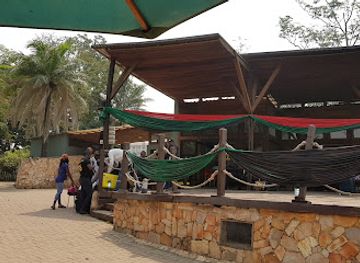

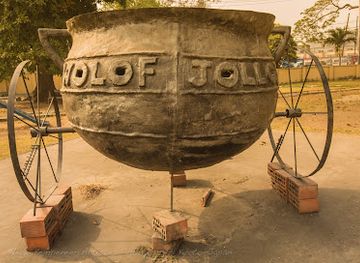
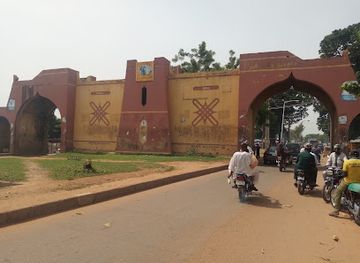
Best landmarks in Hausa-Fulani
Kano's ancient city walls, traditionally associated with the historic expansion of Kano, remain among the most recognisable physical reminders of the city's past, although substantial sections have been altered or lost through urban growth. The Gidan Rumfa, commonly known as the Emir's Palace, represents the continuing importance of emirate institutions and should be approached with respect and according to access rules. Dala Hill is closely linked with Kano's early history and provides a geographical reference point within the modern city. In Katsina, the Gobarau Minaret is an important surviving monument of Hausa Islamic architecture and scholarship. Zaria's old walls and historic city quarters reflect the former power of Zazzau, while Sokoto's Sultan's Palace and associated religious institutions embody the legacy of the Sokoto Caliphate. The architecture of mosques, market gateways, palace compounds and densely settled old quarters is often more significant as a connected urban landscape than as isolated buildings. Access, conservation and photography rules vary, so visitors should use local guides and avoid presenting royal or religious sites as ordinary commercial attractions.
-
National park
Freedom Park Lagos
Explore the historic and lush landscapes of Freedom Park Lagos, a captivating national park that blends culture, nature, and history in the heart of Nigeria's vibrant city.
-
Convention center
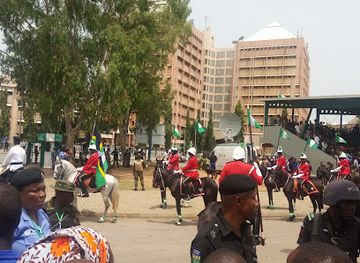
Eagle Square
Experience the vibrant culture of Abuja at Eagle Square, the iconic convention center that hosts Nigeria's most significant events.
-
Tourist attraction
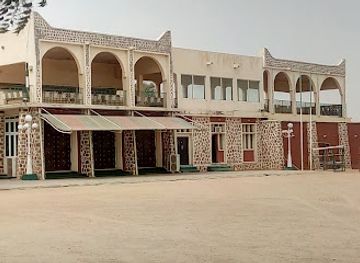
Emir's Palace Kano City
Explore Emir's Palace in Kano City, a stunning cultural landmark showcasing Nigeria's rich heritage and royal traditions.
-
Water park
Erin Ijesha Waterfall
Experience the breathtaking beauty of Erin Ijesha Waterfall, a stunning natural oasis in Nigeria perfect for adventure and relaxation amidst nature.
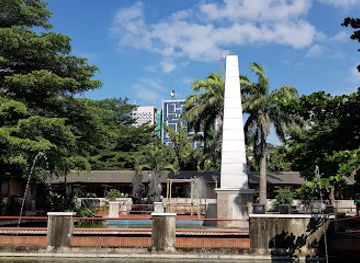
Explore Hausa-Fulani on the map
Plan your trip on one map. See where the top cities, national parks and sights are, and book hotels and experiences in a few clicks.
Best hotels in Hausa-Fulani
Best restaurants in Hausa-Fulani
Food across Hausa-Fulani Nigeria is based on grains, legumes, meat, vegetables and dairy, with regional variation between cities and pastoral communities. Millet and sorghum appear in porridges and traditional drinks, while rice, beans and maize are common everyday staples. Suya, grilled meat seasoned with ground spices, is widely enjoyed across Nigeria but has a strong presence in northern street-food culture; visitors should choose busy, hygienic vendors and eat food served hot. Tuwo, a thick grain-based accompaniment, is commonly served with soups, while masa, a fermented rice or millet cake, is popular as a snack or breakfast food. Fura da nono, a millet-and-milk preparation associated with Fulani pastoral traditions, can be found in some northern settings. Kano, Kaduna, Katsina and Sokoto offer the broadest choice of restaurants, cafés, tea stalls and hotel dining rooms, while rural areas rely more on local eateries and market food. Alcohol may be unavailable or socially inappropriate in many establishments, and halal preparation is prevalent in predominantly Muslim communities.
-
Restaurant
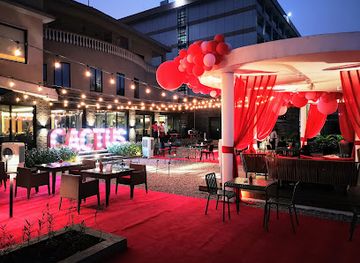
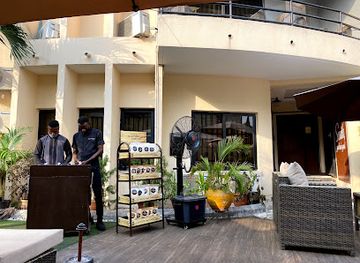
Cactus Restaurant
Discover culinary delights at Cactus Restaurant in Victoria Island - where local flavors meet global cuisine!
-
Restaurant
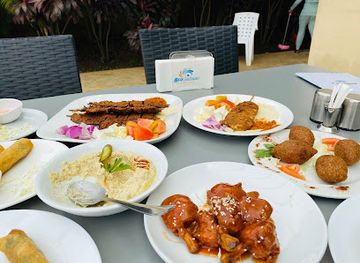
BluCabana Restaurant & Cafe
Experience culinary excellence at BluCabana Restaurant & Cafe in Abuja - where diverse flavors meet exceptional service.
-
West African
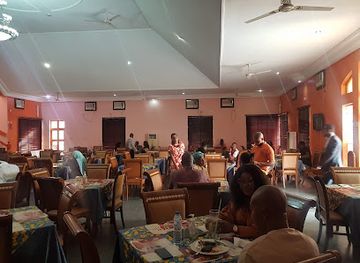
Jevinik Restaurant
Discover authentic West African flavors at Jevinik Restaurant in Abuja – a culinary haven for food lovers.
-
Restaurant
THE HOUSE Lagos
Discover the vibrant culinary scene at The House Lagos—where exquisite flavors meet lively nightlife in Victoria Island.
Best bars in Hausa-Fulani
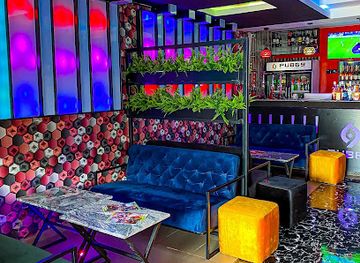
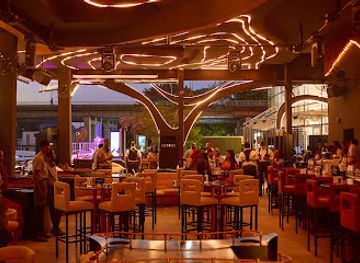
Evening life is shaped more by cafés, tea stalls, restaurants, family gatherings, live performance and traditional social spaces than by a dense nightclub circuit. Kano, Kaduna and some larger university or commercial centres have the widest selection of modern restaurants, hotel lounges and occasional live-music venues, while smaller towns generally close earlier and centre their social life around food, conversation and local markets. In predominantly Muslim communities, alcohol is restricted or absent in many venues, and visitors should never assume that a bar culture operates as it does in southern Nigerian cities. Contemporary Hausa-language film, music and comedy are important parts of urban entertainment, although programmes and venues change frequently. Dress conservatively, use reputable transport after dark and follow local advice about which areas and establishments are appropriate to visit.
-
Restaurant
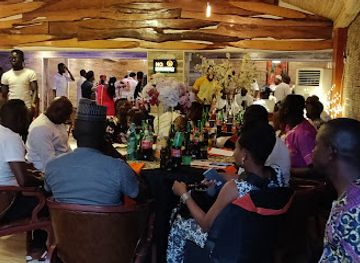
Bamboo Lounge - Collage (Ikeja GRA)
Discover the vibrant Bamboo Lounge in Ikeja GRA, where culinary delights and live music create an unforgettable dining experience.
-
Lounge
Pub69 Lounge
Discover Abuja's vibrant nightlife at Pub69 Lounge, where delicious food, refreshing drinks, and a lively atmosphere come together for an unforgettable experience.
-
Bar
W Bar Lounge
Discover the elegance of W Bar Lounge, Lagos's premier bar by the lagoon, offering exquisite drinks and vibrant nightlife.
-
Cocktail bar
Piper Lounge & Bar
Experience Abuja's vibrant nightlife at Piper Lounge & Bar, where exquisite cocktails meet a lively atmosphere and unforgettable events.
Best nightclubs in Hausa-Fulani
Evening life is shaped more by cafés, tea stalls, restaurants, family gatherings, live performance and traditional social spaces than by a dense nightclub circuit. Kano, Kaduna and some larger university or commercial centres have the widest selection of modern restaurants, hotel lounges and occasional live-music venues, while smaller towns generally close earlier and centre their social life around food, conversation and local markets. In predominantly Muslim communities, alcohol is restricted or absent in many venues, and visitors should never assume that a bar culture operates as it does in southern Nigerian cities. Contemporary Hausa-language film, music and comedy are important parts of urban entertainment, although programmes and venues change frequently. Dress conservatively, use reputable transport after dark and follow local advice about which areas and establishments are appropriate to visit.
-
Night club
Tokyo Nightlife Abuja
Discover the ultimate nightlife experience at Tokyo Nightlife Abuja, where vibrant energy meets delectable cuisine in a stylish atmosphere.
-
Night club
Avatar Hush Lounge and Nightclub
Discover the electrifying atmosphere at Avatar Hush Lounge, Abuja's premier nightclub with top DJs and vibrant nightlife.
-
Night club
Club Quilox
Discover the ultimate nightlife experience at Club Quilox, where electrifying music and luxurious vibes await in the heart of Lagos.
-
Night club
Rumors Night Club
Discover the ultimate nightlife experience at Rumors Night Club in Ikeja GRA, where vibrant music meets luxurious surroundings.



Best shops in Hausa-Fulani
Shopping is central to the region's urban life, with Kano's large markets and craft districts offering textiles, leather goods, woven materials, embroidery, household wares and locally traded food products. Kurmi Market in Kano is historically associated with the city's commercial importance, though visitors should expect a busy working market rather than a curated tourist quarter. Zaria, Katsina, Kaduna and Sokoto also have market areas where clothing, spices, leatherwork and household goods reflect local demand and regional trade. Indigo-dyed cloth, embroidered garments, sandals, bags, carved items and woven baskets can make thoughtful purchases when their origin and workmanship are clear. Bargaining is common in informal markets but should remain courteous, while fixed-price shops and supermarkets provide a simpler alternative. Choose products responsibly, avoid antiquities or unverified archaeological objects, and carry small naira notes for modest purchases. Shopping conditions differ significantly between major cities and rural towns, where the emphasis is on produce, grain, livestock and practical household goods rather than souvenirs.
-
Department store
Exclusive Stores
Explore Exclusive Stores in Abuja for a luxurious shopping experience featuring local and international brands.
-
Boutique
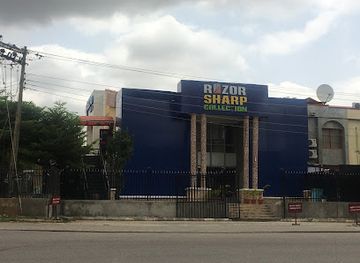
Razor Sharp Collection
Explore the vibrant fashion scene at Razor Sharp Collection, Abuja's premier boutique for stylish and unique apparel reflecting Nigerian culture.
-
 Fashion accessories store
NaijaStore
Explore NaijaStore for unique fashion accessories that embody the vibrant culture of Nigeria, perfect for tourists and fashion enthusiasts alike.
-
Shopping mall
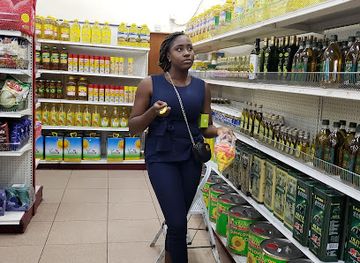
Femi's Provision Shop
Discover local flavors and everyday essentials at Femi's Provision Shop, a vibrant shopping destination in Jos, Plateau, Nigeria.
Get your free copy of our complete guide to Hausa-Fulani, delivered straight to you.
Everything on this page, from attractions and restaurants to essentials and local phrases, in one PDF you can read offline, print or share.
Already have an account? Sign in
Your Hausa-Fulani guide is ready.
We'll send it to · Not you? Sign out

Getting your guide ready…
We are putting together a fresh copy of the Hausa-Fulani guide. This can take up to a minute.
This can take a few moments. If your browser asks, choose Allow so the download can start. You'll find the guide in your Downloads folder.
Nothing happened? Download it again
Sorry, the guide is taking longer than usual. Please try again in a minute, or get it by email instead.
Hausa-Fulani essentials
Currency and Payment
Safety
Emergency Situations
Do's and Don'ts
Local Tips
From Eve
Local phrases worth knowing
You don't need to get them perfect. A few words go a long way, and locals appreciate the effort.
Basics
| English | Local | Say it |
|---|---|---|
| Hello | Sannu | [Sah-noo] |
| Goodbye | Sai an jima | [Sigh ahn jee-mah] |
| Yes | Eh | [Eh] |
| No | A'a | [Ah-ah] |
| Please/You're welcome | Don Allah | [Dawn Ah-lah] |
| Thank you | Nagode | [Nah-goh-day] |
| Excuse me/Sorry | Yi hakuri | [Yee hah-koo-ree] |
| How are you? | Lafiya lau? | [Lah-fee-yah lah-oo?] |
| Fine. And you? | Lafiya, kai fa? | [Lah-fee-yah, kai fah?] |
| Do you speak English? | Kana jin Turanci? | [Kah-nah jeen Too-rah-nchee?] |
| I don't understand | Ban gane ba | [Bahn gah-neh bah] |
Eating & Drinking
| English | Local | Say it |
|---|---|---|
| I'd like to see the menu, please | Zan so in ga menu, don Allah | [Zahn soh een gah meh-noo, dawn Ah-lah] |
| I don't eat meat | Ban ci nama | [Bahn chee nah-mah] |
| Cheers! | Lafiya | [Lah-fee-yah] |
| I would like to pay, please | Zan so in biya, don Allah | [Zahn soh een bee-yah, dawn Ah-lah] |
Emergencies
| English | Local | Say it |
|---|---|---|
| Help! | Taimako! | [Tie-mah-koh!] |
| Go away! | Ka tafi! | [Kah tah-fee!] |
| Call the Police! | Kira 'Yan sanda! | [Kee-rah 'Yahn sahn-dah!] |
| Call a doctor! | Kira likita! | [Kee-rah lee-kee-tah!] |
| I'm lost | Na bata hanya | [Nah bah-tah hahn-yah] |
| I'm ill | Ina jin zafi | [Ee-nah jeen zah-fee] |
Shopping
| English | Local | Say it |
|---|---|---|
| I'd like to buy... | Zan so in sayi... | [Zahn soh een sigh-ee...] |
| I'm just looking | Ina duba ne kawai | [Ee-nah doo-bah neh kah-wai] |
| How much is it? | Nawa ne? | [Nah-wah neh?] |
| That's too expensive | Wannan yana da tsada | [Wahn-nahn yah-nah dah tsah-dah] |
| Can you lower the price? | Za ka iya rage farashi? | [Zah kah ee-yah rah-geh fah-rah-shee?] |
Time & Numbers
| English | Local | Say it |
|---|---|---|
| What time is it? | Wane lokaci ne? | [Wah-neh loh-kah-chee neh?] |
| It's one o'clock | Daya karfe | [Dah-yah kar-feh] |
| Half past (10) | Rabi (10) | [Rah-bee (10)] |
| Morning | Safiya | [Sah-fee-yah] |
| Afternoon | Dare | [Dah-reh] |
| Evening | Yamma | [Yahm-mah] |
| Yesterday | Jiya | [Jee-yah] |
| Today | Yau | [Yah-oo] |
| Tomorrow | Gobe | [Goh-beh] |
| 1 | Daya | [Dah-yah] |
| 2 | Biyu | [Bee-yoo] |
| 3 | Ukku | [Oo-koo] |
| 4 | Hudu | [Hoo-doo] |
| 5 | Biyar | [Bee-yahr] |
| 6 | Shida | [Shee-dah] |
| 7 | Bakwai | [Bah-kwhy] |
| 8 | Takwas | [Tahk-wahs] |
| 9 | Tara | [Tah-rah] |
| 10 | Goma | [Goh-mah] |
Transport & Directions
| English | Local | Say it |
|---|---|---|
| Where's a/the...? | Ina ...? | [Ee-nah ...?] |
| What's the address? | Menene adireshin? | [Meh-neh-neh ah-dee-reh-sheen?] |
| Can you show me (on the map)? | Za ka iya nuna mini (a taswirar)? | [Zah kah ee-yah noo-nah mee-nee (ah tah-swee-rah)?] |
| When's the next (bus)? | Yaushe ne na gaba (bus)? | [Yah-oo-sheh neh nah gah-bah (bus)?] |
| A ticket (to ....) | Tikit (zuwa ...) | [Tee-kit (zoo-wah ...)] |
History of Hausa-Fulani
Early Hausa City-States and Trans-Sahelian Trade
From the medieval period, Hausa-speaking city-states including Kano, Katsina, Zazzau, Gobir and Daura developed across the savannah belt. Their prosperity rested on farming, leatherwork, textile production and long-distance commerce linking the central Sudan with North Africa and forest regions farther south. Kano became especially important for cloth, leather and trade. Archaeological evidence and surviving urban traditions show that these polities were sophisticated centres of craft production, scholarship and political authority long before the formation of modern Nigeria.
Islamic Scholarship and the Formation of Emirate Institutions
Islam reached northern Hausa states gradually through merchants, clerics and trans-Saharan connections, becoming deeply established among ruling and commercial groups over several centuries. Mosques, Qur'anic schools and scholarly networks shaped law, literacy and public life. The emirate system that later became associated with northern Nigeria grew from these political and religious institutions, though its forms varied from one city and dynasty to another. Kano, Katsina, Zaria and other centres retained distinctive histories rather than forming a single unified state.
The Fulani Jihad and the Sokoto Caliphate, 1804–1903
In 1804, the Fulani scholar and reformer Usman dan Fodio began a movement that challenged rulers he considered unjust and sought to establish governments based on Islamic principles. The movement created the Sokoto Caliphate, a large federation of emirates extending across much of present-day northern Nigeria and beyond. Its influence reached centres including Sokoto, Kano, Katsina and Zaria, although local political circumstances differed widely. The caliphate left a lasting legacy in Islamic scholarship, emirate authority and northern political culture.
British Conquest and Indirect Rule
British forces conquered or subordinated the Sokoto Caliphate and neighbouring emirates between 1903 and the early twentieth century. Colonial authorities retained many emirs and governed through them, a policy commonly known as indirect rule. This preserved elements of existing administration while placing them under British control and reshaping taxation, courts and land management. Railways, roads and administrative stations connected northern markets to the colonial economy, but development remained uneven and the political consequences of indirect rule continued into independent Nigeria.
Kano's Commerce, Industry and Urban Expansion
Kano remained one of West Africa's major commercial cities during the colonial and postcolonial periods. Its traditional industries included leatherworking, weaving, dyeing and grain trading, while rail connections and modern road transport widened its links with southern Nigeria and neighbouring countries. Industrial estates and large markets later expanded the city's economic role, even as population growth transformed its edges. The contrast between historic quarters, royal institutions, craft districts and modern urban development is central to understanding contemporary northern Nigeria.
Independence, Northern Politics and Contemporary Change
Since Nigerian independence in 1960, Hausa and Fulani communities have participated in national political movements, military governments, democratic parties, universities, media and commercial networks. Northern cities have experienced rapid population growth, educational expansion and changing patterns of migration, while rural livelihoods continue to depend on farming and livestock. Security pressures, economic inequality, climate variability and urban congestion have also affected the region. Alongside these challenges, cultural production, entrepreneurship, fashion, scholarship and religious institutions remain influential in Nigeria's public life.
Hausa-Fulani in Photos
Browse through our photo collection highlighting the charm and character of the destination.
Neighbouring regions of Hausa-Fulani
The closest regions to Hausa-Fulani, if you have time for more than one.
-

-

-

-

-


Swipe for more regions
Explore more
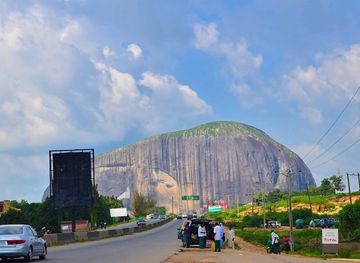
Explore more of Nigeria
Discover Nigeria: A Land of Vibrant Cultures, Stunning Landscapes, and Rich History in the Heart of Africa.
Explore Nigeria