

Free Gwari Travel Guide & Mobile App
Explore Gwari with free travel guides. Discover regional history, expert tips, proposed trips, and audio guides on web or mobile app.


Explore Gwari in Nigeria through Gbagyi heritage, rocky savannah landscapes, pottery traditions, rural communities and the cultural setting around Abuja.
Read more about Gwari
When is the best time to visit Gwari?
Best: December–February · 30–32°C| Month | High (°C) | Rainfall (mm) |
|---|---|---|
| January (best) | 30 | 1 |
| February (best) | 32 | 2 |
| March | 34 | 7 |
| April | 35 | 30 |
| May | 34 | 60 |
| June | 33 | 90 |
| July | 32 | 130 |
| August | 32 | 150 |
| September | 33 | 110 |
| October | 33 | 60 |
| November | 32 | 20 |
| December (best) | 31 | 5 |
Getting to and around Gwari
How to get there
Transportation
Top city travel guides in Gwari
The cities of Gwari, and the easiest places to base yourself.
-

-


Swipe for more cities
Destinations in Gwari
Resorts, valleys and scenic spots worth a trip of their own.
-
 Kajuru Castle
 in Nigeria offers medieval-style architecture, hilltop views, Kaduna heritage and a distinctive rural escape near Kaduna city for curious visitors.
Kajuru Castle
Kajuru Castle in Nigeria offers medieval-style architecture, hilltop views, Kaduna heritage and a distinctive rural escape near Kaduna city for curious visitors.
-

-


Swipe for more destinations
Best attractions in Gwari
Gwari's attractions are primarily cultural, landscape-based and community-oriented rather than concentrated in a single historic centre. The hills and granite outcrops around the Federal Capital Territory provide the setting for walks, viewpoints and photography, while Bwari and the western approaches to Abuja offer a closer look at the transition between expanding suburbs and older farming country. Pottery, basketry and other Gbagyi crafts are best experienced through respectful, pre-arranged visits rather than unannounced drop-ins. Zuma Rock, near Suleja in neighbouring Niger State, is a major landmark associated with the wider Gbagyi cultural landscape, although it lies outside the Federal Capital Territory. Abuja's museums, galleries and cultural venues are useful for national context, but visitors should distinguish the capital's formal institutions from community heritage in the surrounding countryside. Rural markets, seasonal farmland and traditional settlement patterns add depth to an itinerary, provided access and photography are arranged locally. Outdoor excursions require transport planning, water, sun protection and attention to weather because many sites lack formal visitor facilities.
-
National park
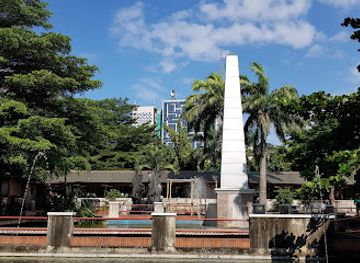
Freedom Park Lagos
Discover the historical and natural beauty of Freedom Park Lagos – a serene escape in the heart of the bustling city.
-
Zoo
National Childrens Park & Zoo Abuja
Explore the National Children's Park & Zoo in Abuja, where adventure meets education in a lush, family-friendly environment filled with diverse wildlife.
-
Park
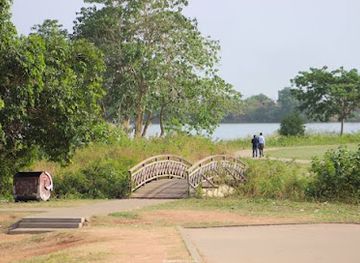
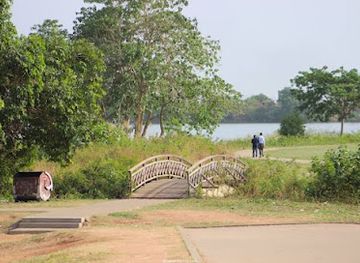
Jabi Park
Explore Jabi Park: Abuja’s Urban Oasis for Relaxation, Recreation, and Natural Beauty in the Heart of Nigeria’s Capital.
-
Historical landmark
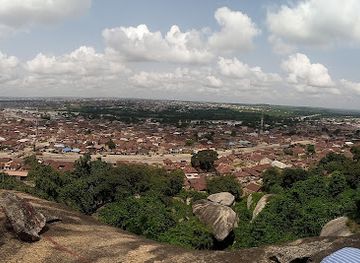
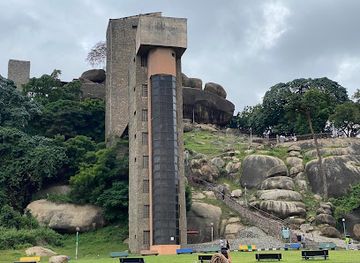
Olumo Rock Tourist Centre
Explore the historic Olumo Rock, a breathtaking landmark in Abeokuta, offering stunning views and a glimpse into Nigeria's rich cultural heritage.


Best landmarks in Gwari
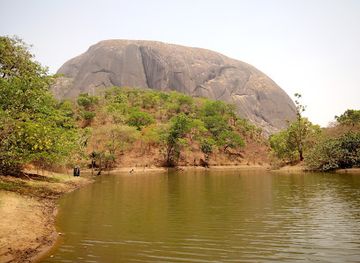
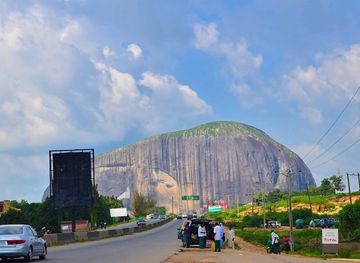
The most recognisable landmark associated with the wider Gwari landscape is Zuma Rock, a massive granite monolith near Suleja in Niger State and outside the Federal Capital Territory. Its isolated form has made it a national symbol and a visual marker on the approach to Abuja from the west, although the rock should not be described as being inside Abuja itself. Within the FCT, the surrounding granite hills and inselbergs are important geographical landmarks, particularly around Bwari and the western and northern edges of the capital, where exposed rock contrasts with wooded savannah and cultivated valleys. Older Gbagyi settlements, earthen compounds and village landscapes are culturally significant but do not always have formal monument status. Abuja's planned civic architecture belongs to the modern history of Nigeria's capital rather than to Gwari heritage alone. The most meaningful landmarks therefore combine geology, settlement and the continuing presence of communities whose ancestral landscape has been reshaped by the capital's expansion.
-
National park
Freedom Park Lagos
Explore Freedom Park Lagos, a historic national park blending rich heritage with serene landscapes, perfect for relaxation and cultural experiences.
-
Zoo
National Childrens Park & Zoo Abuja
Explore the National Children's Park & Zoo Abuja, a captivating fusion of wildlife encounters and recreational fun in Nigeria's vibrant capital.
-
Park
Jabi Park
Discover the beauty of nature at Jabi Park, Abuja's favorite urban retreat with stunning landscapes and a peaceful atmosphere.
-
Historical landmark
Olumo Rock Tourist Centre
Experience the breathtaking views and rich history at Olumo Rock Tourist Centre, a must-visit landmark in Abeokuta, Ogun State.
Explore Gwari on the map
Plan your trip on one map. See where the top cities, national parks and sights are, and book hotels and experiences in a few clicks.
Best hotels in Gwari
Best restaurants in Gwari
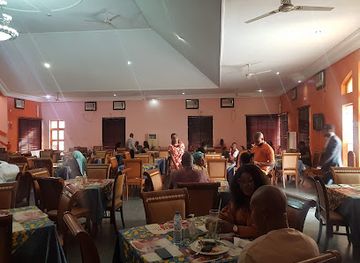
The wider Gwari area shares the hearty food traditions of central Nigeria, with meals built around grains, beans, tubers, vegetables, peppers and grilled or stewed meat. In and around Abuja, visitors will find Nigerian restaurants serving regional staples alongside international cuisine, while smaller settlements tend to rely on informal eateries, roadside vendors and market cooking. Tuwo, rice dishes, bean preparations, yam, cassava, leafy vegetable soups and grilled meat are common points of reference across the region, though recipes vary between households and communities. Gbagyi food traditions are more readily encountered in homes, community settings and local markets than in a clearly branded regional restaurant scene. Abuja's farmers' markets and food shops provide opportunities to see produce from the surrounding savannah, including grains, pulses, vegetables and seasonal fruit. Ask about ingredients and spice levels, and carry drinking water when travelling beyond the capital, where dining choices and food-safety infrastructure may be more limited.
-
Restaurant
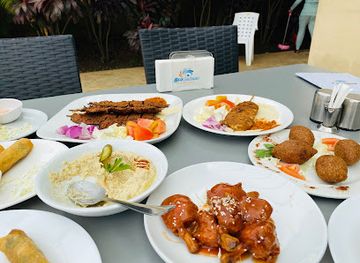
BluCabana Restaurant & Cafe
Experience an exquisite blend of barbecue, Mediterranean, Mexican, and Middle Eastern cuisine at BluCabana Restaurant & Cafe in Abuja.
-
West African
Jevinik Restaurant
Discover authentic West African cuisine at Jevinik Restaurant in Abuja - a culinary journey filled with vibrant flavors and rich traditions.
-
Restaurant
City View Restaurant
Experience exquisite dining with breathtaking views at City View Restaurant in Abuja – where culinary excellence meets local charm.
-
Barbecue
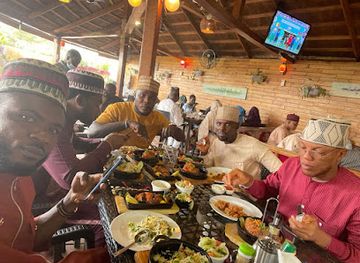
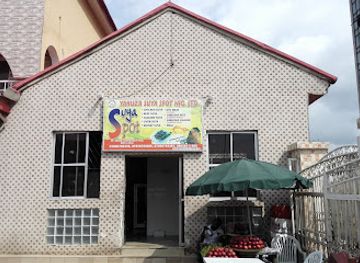
Yahuza Suya Spot Nigeria Limited
Experience authentic Nigerian barbecue at Yahuza Suya Spot - a must-visit destination for food lovers in Abuja.
Best bars in Gwari
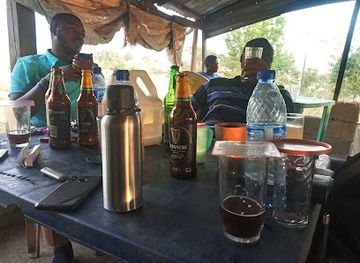
Nightlife in the Gwari cultural area is concentrated mainly in Abuja and, to a lesser extent, larger towns such as Suleja rather than in rural communities. Abuja offers hotel bars, restaurants, lounges, live-music venues and clubs with a broad Nigerian and international clientele, while evening life in smaller settlements is more likely to centre on neighbourhood drinking spots, food vendors, social visits and occasional community events. The experience changes markedly outside the capital: distances, road conditions and limited public transport make late rural travel impractical. Visitors should choose established venues, arrange the return journey in advance and avoid displaying valuables. Traditional music and dance may be encountered at cultural or community occasions, but these should not be treated as nightly tourist entertainment or photographed without permission.
-
Lounge
Beer Barn Abuja
Discover Abuja's nightlife at Beer Barn, a trendy lounge and sports bar with a vibrant atmosphere and a diverse drink menu.
-
Cocktail bar
Piper Lounge & Bar
Experience the best cocktails in Abuja at Piper Lounge & Bar, a vibrant venue for relaxation and celebration with exquisite drinks and a lively atmosphere.
-
Cocktail bar
Cue Bar
Experience the vibrant nightlife at Cue Bar, Abuja’s premier cocktail bar featuring expertly crafted drinks in a stylish atmosphere.
-
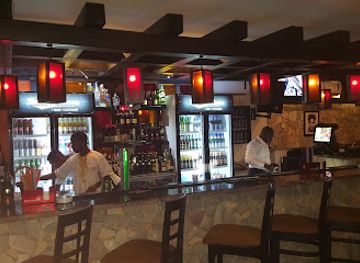
Bar
Zimbabwe Bush Bars
Discover the vibrant atmosphere of Zimbabwe Bush Bars, where fresh palm wine and local culture meet for an unforgettable experience.

Best nightclubs in Gwari
Nightlife in the Gwari cultural area is concentrated mainly in Abuja and, to a lesser extent, larger towns such as Suleja rather than in rural communities. Abuja offers hotel bars, restaurants, lounges, live-music venues and clubs with a broad Nigerian and international clientele, while evening life in smaller settlements is more likely to centre on neighbourhood drinking spots, food vendors, social visits and occasional community events. The experience changes markedly outside the capital: distances, road conditions and limited public transport make late rural travel impractical. Visitors should choose established venues, arrange the return journey in advance and avoid displaying valuables. Traditional music and dance may be encountered at cultural or community occasions, but these should not be treated as nightly tourist entertainment or photographed without permission.
-
Night club
Tokyo Nightlife Abuja
Discover the vibrant fusion of culture and nightlife at Tokyo Nightlife Abuja, where unforgettable experiences await.
-
Lounge
Play Imperial Lounge
Experience the vibrant nightlife of Abuja at Play Imperial Lounge, where cocktails and music create the perfect evening atmosphere.
-
Night club
Avatar Hush Lounge and Nightclub
Discover the heart of Abuja's nightlife at Avatar Hush Lounge and Nightclub, where vibrant beats and great drinks await you.
-
Night club
Club Quilox
Discover Lagos nightlife at Club Quilox, where luxury meets vibrant entertainment in the heart of Victoria Island.




Best shops in Gwari
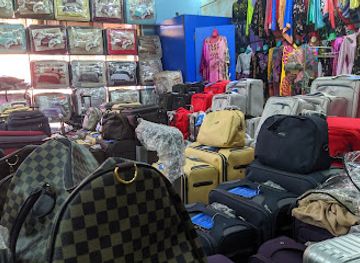
Shopping in the wider Gwari area is strongest in Abuja's markets, neighbourhood centres and craft outlets, with smaller market towns offering a more local and practical experience. Visitors can look for pottery, woven items, baskets, carved objects, textiles and other crafts associated with central Nigerian traditions, but should ask about provenance rather than assuming every item is specifically Gbagyi. Fresh produce markets provide grains, beans, peppers, vegetables, fruit and other ingredients from the surrounding farming belt, while Abuja's established shops offer books, art, clothing and food products from across Nigeria. Suleja and roadside markets can be useful for observing regional commerce, although facilities and opening patterns vary. Buy directly from makers where possible, bargain courteously and avoid purchasing antiquities or objects that may have been removed from archaeological sites. Rural craft visits are often arranged through community contacts rather than through permanent tourist shopping centres.
-
Tourist attraction
Gurara Waterfalls
Discover the breathtaking beauty of Gurara Waterfalls in Niger State, Nigeria, a scenic paradise perfect for hiking and nature enthusiasts.
-
Shopping mall
Dutsen Kura Shopping Complex
Discover a vibrant shopping experience at Dutsen Kura Shopping Complex in Minna, where local culture meets modern retail.
-
Market
Market
Explore the vibrant Kakuri Market, a lively destination where local culture, fresh produce, and unique crafts come together in an unforgettable shopping experience.
-
Clothing store
Algazaru ventures
Explore unique fashion at Algazaru Ventures, Kaduna's boutique for elegant dresses and modern abayas, perfect for every occasion.


Get your free copy of our complete guide to Gwari, delivered straight to you.
Everything on this page, from attractions and restaurants to essentials and local phrases, in one PDF you can read offline, print or share.
Already have an account? Sign in
Your Gwari guide is ready.
We'll send it to · Not you? Sign out

Getting your guide ready…
We are putting together a fresh copy of the Gwari guide. This can take up to a minute.
This can take a few moments. If your browser asks, choose Allow so the download can start. You'll find the guide in your Downloads folder.
Nothing happened? Download it again
Sorry, the guide is taking longer than usual. Please try again in a minute, or get it by email instead.
Gwari essentials
Currency and Payment
Safety
Emergency Situations
Do's and Don'ts
Local Tips
From Eve
Local phrases worth knowing
You don't need to get them perfect. A few words go a long way, and locals appreciate the effort.
Basics
| English | Local | Say it |
|---|---|---|
| Hello | Sannu | [sah-noo] |
| Goodbye | Sai an jima | [sah-ee ahn jee-mah] |
| Yes | Eh | [eh] |
| No | A'a | [ah-ah] |
| Please/You’re welcome | Don Allah | [dohn ah-lah] |
| Thank you | Na gode | [nah goh-day] |
| Excuse me/Sorry | Yi hakuri | [yee hah-koo-ree] |
| How are you? | Lafiya lau? | [lah-fee-yah lah-oo] |
| Fine. And you? | Lafiya. Kai fa? | [lah-fee-yah. kah-ee fah] |
| Do you speak English? | Kana jin Ingilishi? | [kah-nah jeen een-gee-lee-shee] |
| I don't understand | Ban gane ba | [bahn gah-neh bah] |
Eating & Drinking
| English | Local | Say it |
|---|---|---|
| I’d like to see the menu, please | Zan so in ga menu, don Allah | [zahn soh een gah meh-noo, dohn ah-lah] |
| I don’t eat meat | Ban ci nama | [bahn chee nah-mah] |
| Cheers! | Barka da zuwa! | [bahr-kah dah zoo-wah] |
| I would like to pay, please | Zan so in biya, don Allah | [zahn soh een bee-yah, dohn ah-lah] |
Emergencies
| English | Local | Say it |
|---|---|---|
| Help! | Taimako! | [tie-mah-koh] |
| Go away! | Tafi! | [tah-fee] |
| Call the Police! | Kira 'yan sanda! | [kee-rah yan sahn-dah] |
| Call a doctor! | Kira likita! | [kee-rah lee-kee-tah] |
| I’m lost | Na bace | [nah bah-cheh] |
| I’m ill | Ina da ciwo | [ee-nah dah chee-wah] |
Shopping
| English | Local | Say it |
|---|---|---|
| I’d like to buy... | Zan so in saye... | [zahn soh een sah-yeh] |
| I’m just looking | Ina kallon ne | [ee-nah kah-lon neh] |
| How much is it? | Nawa ne? | [nah-wah neh] |
| That’s too expensive | Wannan ya yi tsada | [wahn-nahn yah yee tsah-dah] |
| Can you lower the price? | Za ka iya rage farashin? | [zah kah ee-yah rah-geh fah-rah-sheen] |
Time & Numbers
| English | Local | Say it |
|---|---|---|
| What time is it? | Wane lokaci ne? | [wah-neh loh-kah-cheh neh] |
| It’s one o'clock | Karfe daya | [kar-feh dah-yah] |
| Half past (10) | Rabi (10) | [rah-bee (ten)] |
| Morning | Safiya | [sah-fee-yah] |
| Afternoon | Yamma | [yah-mah] |
| Evening | Dare | [dah-reh] |
| Yesterday | Jiya | [jee-yah] |
| Today | Yau | [yah-oo] |
| Tomorrow | Gobe | [goh-beh] |
| 1 | Daya | [dah-yah] |
| 2 | Biyu | [bee-yoo] |
| 3 | Ukku | [oo-koo] |
| 4 | Hudu | [hoo-doo] |
| 5 | Biyar | [bee-yar] |
| 6 | Shida | [shee-dah] |
| 7 | Bakwai | [bah-kwah-ee] |
| 8 | Takwas | [tah-kwahs] |
| 9 | Tara | [tah-rah] |
| 10 | Goma | [goh-mah] |
Transport & Directions
| English | Local | Say it |
|---|---|---|
| Where's a/the...? | Ina ...? | [ee-nah ...?] |
| What’s the address? | Menene adireshin? | [meh-neh-neh ah-dee-reh-sheen] |
| Can you show me (on the map)? | Za ka iya nuna mini (a taswirar)? | [zah kah ee-yah noo-nah mee-nee (ah tahs-wee-rah)?] |
| When's the next (bus)? | Yaushe ne (bas) na gaba? | [yah-oo-sheh neh (bahs) nah gah-bah?] |
| A ticket (to ....) | Tikit (zuwa ...) | [tee-kit (zoo-wah ...)] |
History of Gwari
Early farming communities and the wider Nok landscape
The hills and savannah around present-day central Nigeria formed part of a long-established zone of farming, ironworking and settlement. Archaeological research on the wider Nok cultural area, especially across parts of Kaduna and central Nigeria, has revealed early iron production and terracotta traditions, although Nok sites should not automatically be identified as Gbagyi settlements. The evidence nevertheless places the broader region within one of West Africa's important early centres of technological and artistic development. Later communities developed their own languages, political structures and agricultural practices across the same broad environment.
Gbagyi communities before colonial rule
Before colonial administration, Gbagyi-speaking communities lived in dispersed settlements linked by farming, exchange, kinship and local political institutions. Their economy relied heavily on crops suited to the savannah, including grains, legumes and root crops, supplemented by craft production and regional trade. Authority was generally organised through communities and lineage relationships rather than through a single centralised Gbagyi kingdom. This decentralised pattern helps explain why Gwari is a cultural landscape spanning several modern administrative boundaries rather than a historic state with one fixed capital.
Regional powers and changing frontiers
Gbagyi communities interacted with larger political and commercial systems in the central Nigerian region, including Hausa and Nupe spheres of influence and the emirates that expanded or consolidated power around them. These relationships involved trade, tribute, migration, conflict and cultural exchange, and their exact character varied from place to place. The wider area was also affected by the nineteenth-century upheavals that reshaped northern Nigeria. It is more accurate to describe Gbagyi history as interaction with neighbouring powers than as a simple extension of any one kingdom.
Colonial administration and the Niger–Kaduna corridor
British rule brought new administrative boundaries, taxation, transport routes and forms of labour into the region. The emergence of roads and rail connections around the Niger valley and the growth of nearby administrative centres altered older patterns of movement and exchange. Missionary and government schooling also introduced new institutions, while colonial mapping divided communities that had previously maintained close local connections. Many boundaries created during this period continued to shape the states and local government areas of modern Nigeria.
The creation of Abuja and major displacement
In 1976 Nigeria designated a new federal capital in the centre of the country, and Abuja gradually developed within a landscape long inhabited and farmed by Gbagyi communities. The construction of roads, government districts, housing estates and utilities brought employment and investment but also displaced households, farms and villages. The capital's growth transformed land values and settlement patterns across the Federal Capital Territory. Contemporary discussions of Abuja therefore include not only national development but also questions of land, compensation, cultural visibility and the rights of indigenous communities.
Gbagyi cultural renewal in contemporary Nigeria
Today, Gbagyi communities are connected to Nigeria's urban economy while continuing to maintain language, family traditions, farming knowledge, pottery, music and ceremonial practices. Abuja's expansion has made Gbagyi identity more visible nationally, even as urbanisation places pressure on land and customary spaces. Cultural organisations, local artists, craft workers and community leaders contribute to efforts to preserve heritage and represent Gbagyi history on their own terms. The result is a region where older rural practices and a rapidly changing capital landscape exist side by side.
Gwari in Photos
Browse through our photo collection highlighting the charm and character of the destination.
Neighbouring regions of Gwari
The closest regions to Gwari, if you have time for more than one.
-

-

-

-

-


Swipe for more regions
Explore more
Explore more of Nigeria
Discover Nigeria: A Land of Vibrant Cultures, Stunning Landscapes, and Rich History in the Heart of Africa.
Explore Nigeria