

Free Selwyn Reserve Travel Guide & Mobile App
Explore Selwyn Reserve with free travel guides. Discover regional history, expert tips, proposed trips, and audio guides on web or mobile app.




Selwyn Reserve offers a quiet Kingston setting for exploring Norfolk Island’s convict heritage, coastal scenery and historic landscape.
Read more about Selwyn Reserve
When is the best time to visit Selwyn Reserve?
Best: February–March, December · 23°C| Month | High (°C) | Rainfall (mm) |
|---|---|---|
| January | 24 | 100 |
| February (best) | 23 | 95 |
| March (best) | 23 | 85 |
| April | 21 | 80 |
| May | 19 | 75 |
| June | 17 | 70 |
| July | 17 | 65 |
| August | 17 | 70 |
| September | 19 | 75 |
| October | 20 | 80 |
| November | 22 | 85 |
| December (best) | 23 | 90 |
Getting to and around Selwyn Reserve
How to get there
Transportation
Best attractions in Selwyn Reserve
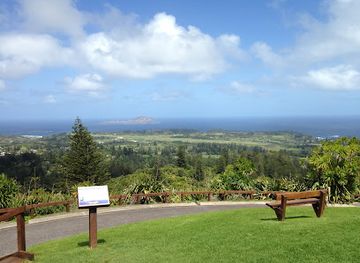
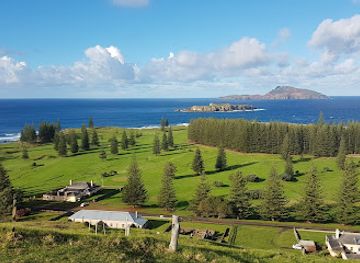
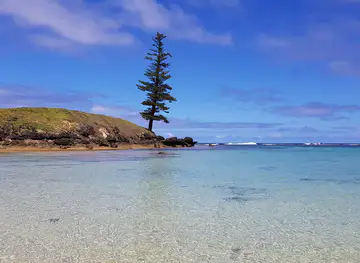
Selwyn Reserve’s main attraction is its setting within the Kingston heritage landscape rather than a collection of facilities or ticketed exhibits. The reserve provides open space for a short rest, a picnic-style pause and views towards the historic and coastal surroundings. From here, visitors can build a self-guided itinerary around Kingston’s surviving penal-settlement ruins, old roads, cemetery, churches and archaeological areas, while remembering that these lie across the wider precinct and are not all part of the reserve itself. The nearby coastal environment, including the shoreline around Emily Bay, adds a natural counterpoint to the colonial remains, with Norfolk Island pines, changing light and birdlife providing interest between historic stops. Visitors who want more context can join a locally operated heritage or island tour, subject to current availability, or use official interpretation at the sites. The reserve is particularly suitable for travellers who value quiet places, landscape observation and a slower approach to history. It is not an adventure centre or a large formal park, and expectations should remain proportionate to its small scale. Its strength is the way it places an ordinary green space within one of Norfolk Island’s most historically concentrated areas.
-
Tourist information center
Visitor Information Centre
Uncover Norfolk Island’s treasures at the Visitor Information Centre, your essential resource for an unforgettable journey.
-
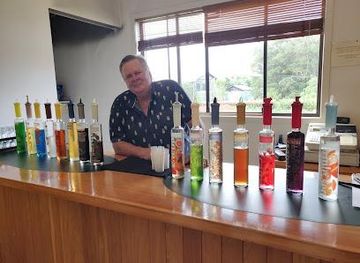
Bottle Shop and Liquor Store
Norfolk Island Liquor Bond Store
Explore a diverse selection of local and imported spirits at Norfolk Island's premier liquor destination, perfect for every visitor's palate.
-
Alcoholic beverage wholesaler
Norfolk Island Liquors
Explore Norfolk Island Liquors for unique local spirits and beverages, showcasing the island's rich culture and flavors.


Best landmarks in Selwyn Reserve
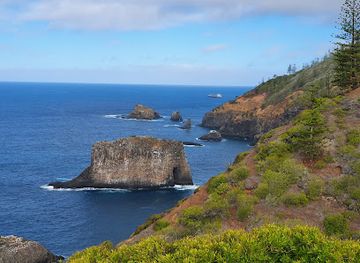
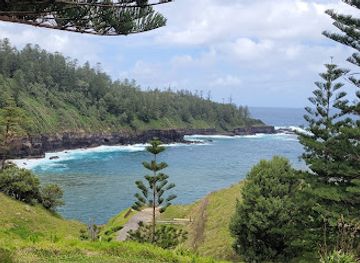
Selwyn Reserve is significant chiefly as a landscape landmark within the Kingston area, where open ground, Norfolk Island pines and historic remains sit close together. The wider Kingston and Arthur’s Vale Historic Area contains some of the most important physical evidence of Norfolk Island’s convict settlements, including ruins, roads, walls and government buildings from the nineteenth century. The remains of the New Gaol, the old stone structures around Quality Row and Kingston’s historic churches and cemetery reveal different aspects of penal administration, religion and later community life; they should be treated as nearby elements of the wider precinct rather than assumed to be inside Selwyn Reserve itself. The coastal setting around Emily Bay is another defining feature, contrasting calm water and vegetation with the severe history of the penal settlement. Together, these landmarks give Kingston its distinctive visual character: a broad, open heritage landscape rather than a compact town of continuous historic façades. Selwyn Reserve contributes to that visual continuity by providing a quiet place from which the relationship between nature, settlement and preserved history can be appreciated.
-
Vista point
Captain Cook Lookout
Experience unparalleled views and rich history at Captain Cook Lookout, a must-see vista point on the stunning Norfolk Island.
-
Park
Mount Pitt Lookout
Experience the stunning panoramic views of Norfolk Island from Mount Pitt Lookout, a serene park destination perfect for nature lovers and photographers.
-
Vista point
Queen Elizabeth Lookout
Discover breathtaking views at Queen Elizabeth Lookout, a scenic vista point in Norfolk Island offering panoramic landscapes and rich historical insights.
-
Nature preserve
Hundred Acres Reserve
Discover the serenity and stunning landscapes of Hundred Acres Reserve, a must-visit nature preserve on Norfolk Island, perfect for all nature enthusiasts.

Explore Selwyn Reserve on the map
Plan your trip on one map. See where the top cities, national parks and sights are, and book hotels and experiences in a few clicks.
Best hotels in Selwyn Reserve
Best restaurants in Selwyn Reserve
Selwyn Reserve has no distinct restaurant quarter, so dining is found in Kingston, Burnt Pine and elsewhere on Norfolk Island rather than within the reserve itself. Visitors can combine a reserve walk with a café stop, pub meal or restaurant booking, but should remember that the island’s dining market is small and supply can be seasonal. Norfolk Island produce, including locally grown fruit and vegetables, fish, eggs and agricultural products, may appear on menus alongside familiar Australian dishes. Picnics are practical for a daytime visit, provided food is carried responsibly and nothing is left behind. Local shops and markets can be useful for provisions, although availability varies and advance planning is sensible outside the main settlement. Dining in Kingston often works best as part of a heritage outing, while Burnt Pine offers the broadest concentration of everyday cafés and restaurants. Menus change, and visitors should confirm opening arrangements directly rather than assuming mainland-style late service.
-
Restaurant
The Olive
Experience the taste of Norfolk Island at The Olive - where fresh ingredients meet exquisite flavors in a charming setting.
-
Restaurant
Hilli Restaurant & Cafe
Experience exquisite local flavors at Hilli Restaurant & Cafe on beautiful Norfolk Island – where every meal tells a story.
-
Restaurant
The Bowlo Bistro
Experience the best of Norfolk Island's culinary scene at The Bowlo Bistro, where local flavors meet a warm and inviting atmosphere.
-
Western
Bounty Bar & Grill
Experience the best of Western cuisine at Bounty Bar & Grill on Norfolk Island – where every meal is a celebration of flavor.


Best bars in Selwyn Reserve
Selwyn Reserve is a daytime open space and has no nightlife of its own. Evening entertainment on Norfolk Island is generally low-key, centred on pubs, restaurants, hotel lounges, community events and occasional live music rather than a large nightclub scene. Kingston can provide a quiet setting for an early evening meal or heritage-themed tour, while Burnt Pine is the island’s main service centre and is more likely to offer the widest choice of places open after dark. Because the population and visitor market are small, opening days and entertainment programmes can change with the season; confirm arrangements locally and book ahead where necessary. The island’s dark skies and rural surroundings also make a calm evening outdoors appealing, but visitors should use safe roads, carry a torch where appropriate and avoid entering protected ruins after dark.
-
Restaurant
The Olive
Experience a unique blend of local and international flavors at The Olive, a must-visit restaurant on Norfolk Island offering delightful dishes in a cozy setting.
-
Restaurant
Hilli Restaurant & Cafe
Indulge in a culinary adventure at Hilli Restaurant & Cafe, where Norfolk Island's finest flavors meet exceptional service in a stunning setting.
-
Resort hotel
Governor's Lodge
Experience the perfect blend of comfort, nature, and history at Governor's Lodge, your serene resort hotel on Norfolk Island.
-
Western
Bounty Bar & Grill
Indulge in exquisite Western cuisine amidst stunning views at Bounty Bar & Grill, the culinary gem of Norfolk Island.



Best nightclubs in Selwyn Reserve
Selwyn Reserve is a daytime open space and has no nightlife of its own. Evening entertainment on Norfolk Island is generally low-key, centred on pubs, restaurants, hotel lounges, community events and occasional live music rather than a large nightclub scene. Kingston can provide a quiet setting for an early evening meal or heritage-themed tour, while Burnt Pine is the island’s main service centre and is more likely to offer the widest choice of places open after dark. Because the population and visitor market are small, opening days and entertainment programmes can change with the season; confirm arrangements locally and book ahead where necessary. The island’s dark skies and rural surroundings also make a calm evening outdoors appealing, but visitors should use safe roads, carry a torch where appropriate and avoid entering protected ruins after dark.
-
Club
Norfolk Island RSL Memorial Club
Experience Norfolk Island's culture at the RSL Memorial Club, a community hub for food, entertainment, and local camaraderie.
-
Club
Norfolk Island Leagues Club
Discover the vibrant community spirit at Norfolk Island Leagues Club, a hub for entertainment, sports, and local culture on the beautiful Norfolk Island.
-
Bar
Black Anchor Bar
Discover the lively ambiance of Black Anchor Bar on Norfolk Island, where exceptional cocktails and friendly company make for an unforgettable night out.
-
Bar
Wunna Bar & Lounge
Discover the relaxed charm of Wunna Bar & Lounge on Norfolk Island, where local flavors and a friendly atmosphere await every visitor.

Best shops in Selwyn Reserve
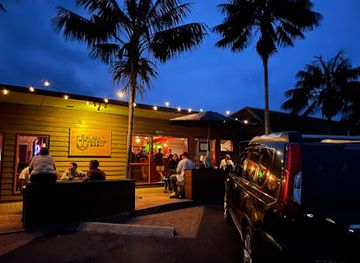
Selwyn Reserve is not a shopping destination, and there are no retail facilities within the reserve. Visitors can buy provisions, locally made goods and practical items in Burnt Pine, Norfolk Island’s principal commercial centre, with additional small-scale shopping available in other island settlements. Products associated with Norfolk Island may include locally produced food, crafts, artwork, books, textiles and souvenirs relating to the island’s convict, Bounty and Pacific histories. Availability can be seasonal, and smaller businesses may keep limited hours, so purchase essentials before travelling to Kingston for a day of sightseeing. Shopping is generally independent and personal in scale rather than centred on large malls or designer outlets. Consider choosing durable locally made items and checking whether food, plants or other goods can legally be taken to mainland Australia, as Australian biosecurity rules apply. A visit to Selwyn Reserve is therefore best paired with heritage exploration and local food shopping elsewhere on the island, not with expectations of an extensive retail district.
-
General store
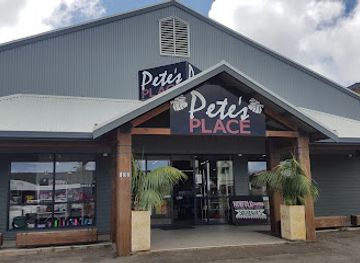
Pete's Place
Experience the warmth and charm of Norfolk Island at Pete's Place, your go-to general store for local goods and authentic island treats.
-
Coffee store
Prinke Eco Store
Experience the best of Norfolk Island's coffee culture at the eco-friendly Prinke Eco Store, where sustainability meets delicious flavors.
-
Grocery store
P & R Groceries
Discover local flavors and essentials at P & R Groceries, a beloved grocery store in Burnt Pine, Norfolk Island.
-
Souvenir store
Bounty Centre
Explore the Bounty Centre for unique Norfolk Island souvenirs, crafted by local artisans, and discover the essence of island culture in every purchase.


Get your free copy of our complete guide to Selwyn Reserve, delivered straight to you.
Everything on this page, from attractions and restaurants to essentials and local phrases, in one PDF you can read offline, print or share.
Already have an account? Sign in
Your Selwyn Reserve guide is ready.
We'll send it to · Not you? Sign out

Getting your guide ready…
We are putting together a fresh copy of the Selwyn Reserve guide. This can take up to a minute.
This can take a few moments. If your browser asks, choose Allow so the download can start. You'll find the guide in your Downloads folder.
Nothing happened? Download it again
Sorry, the guide is taking longer than usual. Please try again in a minute, or get it by email instead.
Selwyn Reserve essentials
Currency and Payment
Safety
Emergency Situations
Do's and Don'ts
Local Tips
From Eve
Local phrases worth knowing
You don't need to get them perfect. A few words go a long way, and locals appreciate the effort.
Basics
| English | Local | Say it |
|---|---|---|
| Hello | G'day | [g'day] |
| Goodbye | See ya | [see ya] |
| Yes | Yeah | [yeah] |
| No | Nah | [nah] |
| Please/You're welcome | No worries | [no worries] |
| Thank you | Thanks mate | [thanks mate] |
| Excuse me/Sorry | Sorry mate | [sorry mate] |
| How are you? | How ya goin'? | [how ya goin'?] |
| Fine. And you? | Good. And you? | [good. And you?] |
| Do you speak English? | You speak English? | [you speak English?] |
| I don't understand | I don’t get it | [I don’t get it] |
Eating & Drinking
| English | Local | Say it |
|---|---|---|
| I'd like to see the menu, please | Can I see the menu? | [can I see the menu?] |
| I don't eat meat | I’m a vegetarian | [I’m a vegetarian] |
| Cheers! | Cheers! | [cheers!] |
| I would like to pay, please | Can I get the bill? | [can I get the bill?] |
Emergencies
| English | Local | Say it |
|---|---|---|
| Help! | Help! | [help!] |
| Go away! | Leave me alone! | [leave me alone!] |
| Call the Police! | Ring the cops! | [ring the cops!] |
| Call a doctor! | Get a doctor! | [get a doctor!] |
| I'm lost | I’m lost | [I’m lost] |
| I'm ill | I’m feeling crook | [I’m feeling crook] |
Shopping
| English | Local | Say it |
|---|---|---|
| I'd like to buy... | I want to buy... | [I want to buy...] |
| I'm just looking | Just browsing | [just browsing] |
| How much is it? | What’s the price? | [what’s the price?] |
| That's too expensive | That’s too pricey | [that’s too pricey] |
| Can you lower the price? | Can you make it cheaper? | [can you make it cheaper?] |
Time & Numbers
| English | Local | Say it |
|---|---|---|
| What time is it? | What’s the time? | [what’s the time?] |
| It's one o'clock | It’s one | [it’s one] |
| Half past (10) | Half past ten | [half past ten] |
| Morning | Morning | [morning] |
| Afternoon | Arvo | [arvo] |
| Evening | Evening | [evening] |
| Yesterday | Yesterday | [yesterday] |
| Today | Today | [today] |
| Tomorrow | Tomorrow | [tomorrow] |
| 1 | One | [one] |
| 2 | Two | [two] |
| 3 | Three | [three] |
| 4 | Four | [four] |
| 5 | Five | [five] |
| 6 | Six | [six] |
| 7 | Seven | [seven] |
| 8 | Eight | [eight] |
| 9 | Nine | [nine] |
| 10 | Ten | [ten] |
Transport & Directions
| English | Local | Say it |
|---|---|---|
| Where's a/the...? | Where’s the...? | [where’s the...?] |
| What's the address? | What’s the address? | [what’s the address?] |
| Can you show me (on the map)? | Can you show me on the map? | [can you show me on the map?] |
| When's the next (bus)? | When’s the next bus? | [when’s the next bus?] |
| A ticket (to ....) | A ticket to... | [a ticket to...] |
History of Selwyn Reserve
Polynesian Settlement Before European Contact
Norfolk Island was settled by Polynesian voyagers centuries before European exploration. Archaeological evidence, particularly around the Kingston and Emily Bay area, shows that the island formed part of a wider Pacific network rather than being uninhabited before British arrival. The settlement was later abandoned, but its remains are an important reminder that Norfolk Island’s history began with Indigenous Pacific movement and adaptation to an isolated environment. Visitors should understand the Kingston landscape as layered heritage, not solely as a colonial story.
European Discovery and the First British Settlement
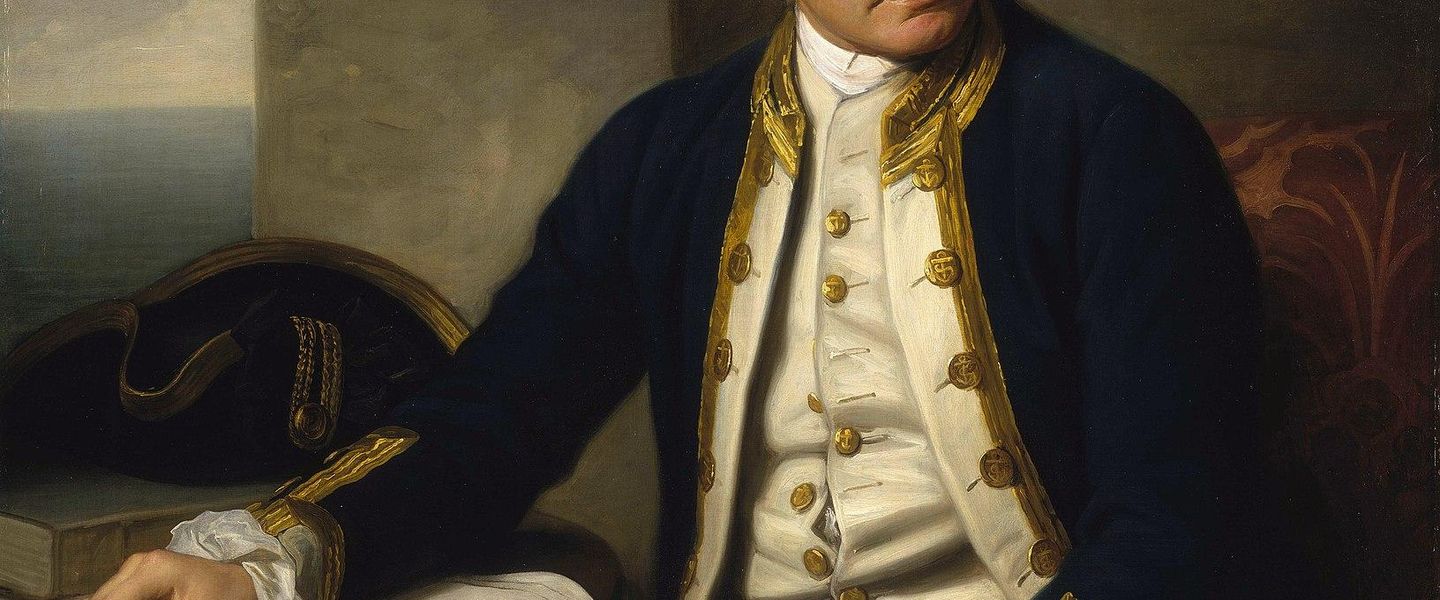
Captain James Cook sighted Norfolk Island in 1774 during his second Pacific voyage, reporting its tall pines and flax. Britain established a settlement there in 1788, soon after the foundation of New South Wales, partly to secure a source of timber and flax and to create another location for transporting convicts. Kingston and Arthur’s Vale became the centre of this early colonial experiment. The surviving landscape reflects the practical pressures of supporting a remote settlement with limited supplies and difficult communications.
The First Convict Settlement, 1788–1814
Norfolk Island’s first penal settlement operated from 1788 until 1814. Convict labour supported farming, construction and government administration, while the settlement struggled with isolation, shortages and changing imperial priorities. Much of the original built environment disappeared or was altered, but Kingston’s layout, earthworks and archaeological remains preserve evidence of the period. Selwyn Reserve’s significance comes partly from its position within this wider historic setting, where ordinary open space sits alongside the physical traces of an early British penal colony.
The Second Penal Settlement, 1825–1855
Britain re-established a penal settlement at Kingston in 1825, this time as a place for prisoners considered especially difficult to control. The regime became notorious for severe discipline, and substantial buildings, roads and infrastructure were constructed during the settlement’s later decades. Many of the ruins associated with Kingston date from this phase. The settlement closed in 1855, leaving a powerful but difficult heritage that is interpreted through ruins, archaeological evidence and surviving structures rather than through a single intact historic town.
The Pitcairn Island Settlement of 1856
In 1856, the descendants of the Bounty mutineers and their Polynesian ancestors were moved from Pitcairn Island to Norfolk Island. Their arrival transformed the island’s social and cultural history. Although many families later returned to Pitcairn, the community that remained shaped Norfolk Island’s identity, religious life, language and traditions. Kingston’s churches, cemetery and historic landscape are closely associated with this continuing settlement story. The legacy is living rather than purely archaeological, and visitors should approach it with respect for a community whose history remains part of island life.
From Colonial Dependency to Contemporary Norfolk Island
Norfolk Island’s political and administrative arrangements changed repeatedly after the convict era, including periods under New South Wales and later the Commonwealth of Australia. Its economy developed through agriculture, whaling-related activity, tourism and local services, while Kingston became a protected heritage landscape as well as a community setting. Today, Norfolk Island is an Australian external territory with its own distinctive historical identity. Selwyn Reserve belongs to this contemporary layer: a modest public space within a landscape where conservation, local life and tourism meet.
Selwyn Reserve in Photos
Browse through our photo collection highlighting the charm and character of the destination.
Neighbouring regions of Selwyn Reserve
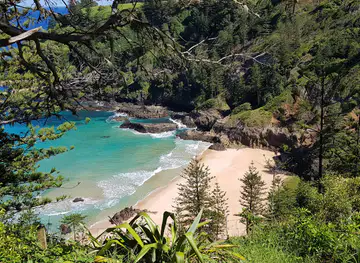
The closest regions to Selwyn Reserve, if you have time for more than one.
-
-

-

-
-


Swipe for more regions
Explore more

Explore more of Norfolk Island
Discover Norfolk Island, a serene and historic gem in the South Pacific, known for its stunning landscapes, rich cultural heritage, and abundant natural beauty.
Explore Norfolk Island