

Free Point Hunter Travel Guide & Mobile App
Explore Point Hunter with free travel guides. Discover regional history, expert tips, proposed trips, and audio guides on web or mobile app.


Point Hunter on Norfolk Island combines UNESCO-listed convict heritage, ocean views, Kingston’s historic foreshore and quiet southern-coast walks.
Read more about Point Hunter
When is the best time to visit Point Hunter?
Best: April, November–December · 24–26°C| Month | High (°C) | Rainfall (mm) |
|---|---|---|
| January | 26 | 80 |
| February | 27 | 85 |
| March | 26 | 90 |
| April (best) | 24 | 70 |
| May | 22 | 60 |
| June | 20 | 50 |
| July | 20 | 45 |
| August | 20 | 50 |
| September | 22 | 55 |
| October | 23 | 70 |
| November (best) | 25 | 75 |
| December (best) | 26 | 80 |
Getting to and around Point Hunter
How to get there
Transportation
Top city travel guides in Point Hunter
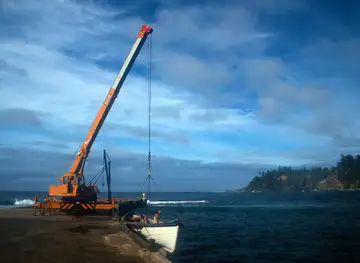
The cities of Point Hunter, and the easiest places to base yourself.
-
-

-


Swipe for more cities
Destinations in Point Hunter
Resorts, valleys and scenic spots worth a trip of their own.
-

-

-

-

-

-


Swipe for more destinations
Best attractions in Point Hunter
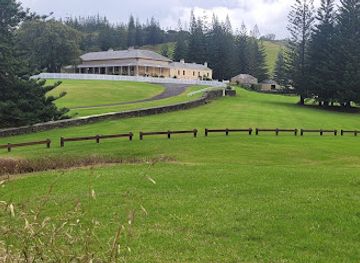
Point Hunter’s principal attraction is its setting within the Kingston and Arthur’s Vale Historic Area, where convict-era ruins, restored buildings, burial grounds, roads and coastal landing places form a broad open-air heritage landscape. The area is part of the Australian Convict Sites World Heritage property and is best explored slowly, with attention to how the penal settlement was organised around the shore. Kingston Pier and the surrounding foreshore help explain the island’s dependence on maritime supply and communication. Nearby Emily Bay and Slaughter Bay provide a contrasting experience, with sheltered coastal scenery, beach walks and opportunities for swimming when conditions are suitable. Historic churches, cemeteries and community sites add later layers connected with the Pitcairn Island descendants who arrived in 1856. Point Hunter itself is not a large entertainment centre: its appeal lies in combining landscape, archaeology and historical interpretation. Visitors should allow for uneven ground, changing weather and dispersed sites, and should not climb on ruins or enter restricted areas.
-
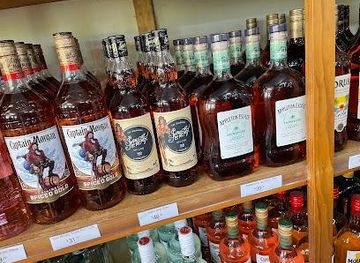
Bottle Shop and Liquor Store
Norfolk Island Liquor Bond Store
Discover a taste of Norfolk Island at the Liquor Bond Store, where local spirits and friendly service await every traveler.
-
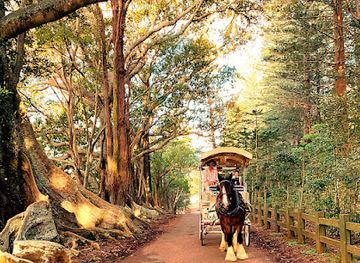
Carriage ride service
Tea Shire Drive
Discover the idyllic landscapes of Norfolk Island with a charming carriage ride through the scenic Tea Shire Drive, combining adventure and tranquility.
Best landmarks in Point Hunter
The most significant landmark associated with Point Hunter is the coastal heritage landscape of Kingston and Arthur’s Vale, where the remains of the British penal settlements occupy an unusually extensive setting beside the sea. Kingston Pier is an important physical reminder of the island’s maritime dependence, linking the settlement’s history with the difficult business of landing people, food and materials on an exposed Pacific island. The convict-era ruins and restored administrative buildings around Kingston are significant for their association with the Australian Convict Sites World Heritage property. Historic cemeteries and church buildings add another layer, recording the transition from penal colony to the community established by Pitcairn Islanders in 1856. Emily Bay and Slaughter Bay are natural landmarks nearby, defined by their contrasting coastal forms and by the way they frame views across the southern shore. Point Hunter’s importance therefore comes less from one monumental structure than from the relationship between headland, harbour, ruins, burial grounds and open landscape.
-
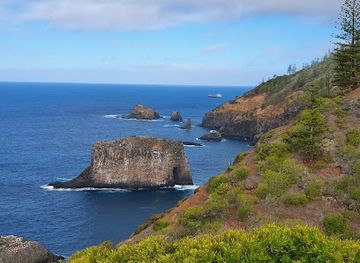
Vista point
Captain Cook Lookout
Experience breathtaking vistas and rich history at Captain Cook Lookout on Norfolk Island, a must-visit for nature lovers and explorers.
-
Holiday apartment rental
Channers On Norfolk - Norfolk Island Holiday Packages, Tours, Accommodation | Travel to Norfolk Island
Experience the beauty of Norfolk Island at Channers On Norfolk, offering self-catering holiday apartment rentals surrounded by nature and rich history.
-
National park
Norfolk Island National Park
Discover the stunning landscapes and rich biodiversity of Norfolk Island National Park - a natural paradise waiting to be explored.
-
Museum
Bounty Museum
Explore the Bounty Museum, where Norfolk Island's maritime history comes alive through captivating exhibits and intriguing stories.
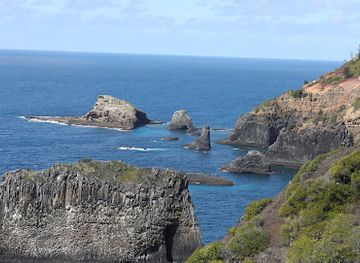
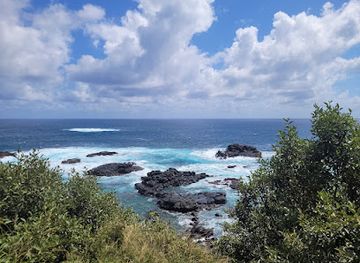

Explore Point Hunter on the map
Plan your trip on one map. See where the top cities, national parks and sights are, and book hotels and experiences in a few clicks.
Best hotels in Point Hunter
Best restaurants in Point Hunter
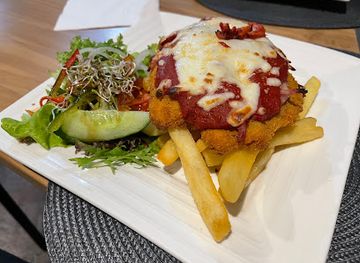
Dining around Point Hunter is closely tied to the wider Kingston and Norfolk Island food scene rather than to a dedicated restaurant quarter. Visitors can find cafés, restaurants, takeaway options and country-style establishments elsewhere on the island, while accommodation providers may offer meals or local produce subject to booking and seasonal arrangements. Norfolk Island’s cooking reflects its small-scale agricultural setting, with garden produce, fish, meat, eggs and locally made preserves appearing alongside familiar Australian dishes. Island-grown vegetables and seasonal ingredients are particularly relevant, while seafood is a natural part of a destination surrounded by the Pacific, although availability varies. Markets and farm-gate purchases can provide a more direct connection with local produce when operating. Visitors should reserve meals in advance where possible, especially outside peak periods when opening patterns are limited, and should not assume that every establishment serves food every day. The most satisfying food experiences usually involve combining a practical meal with an appreciation of the island’s agricultural and maritime context.
-
Restaurant
The Olive
Discover the taste of Norfolk Island at The Olive - where fresh local ingredients meet exceptional culinary creativity.
-
Restaurant
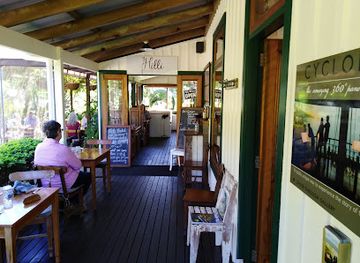
Hilli Restaurant & Cafe
Discover Hilli Restaurant & Cafe on Norfolk Island – where exquisite local cuisine meets stunning natural beauty for an unforgettable dining experience.
-
Restaurant
The Bowlo Bistro
Discover authentic local cuisine at The Bowlo Bistro in Norfolk Island - where culinary delights meet charming hospitality.
-
Western
Bounty Bar & Grill
Experience delicious Western cuisine at Bounty Bar & Grill in Burnt Pine, Norfolk Island—where local flavors meet exceptional service.
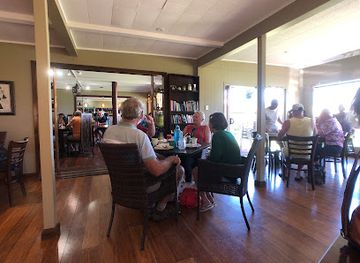

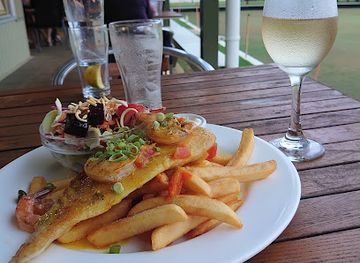
Best bars in Point Hunter
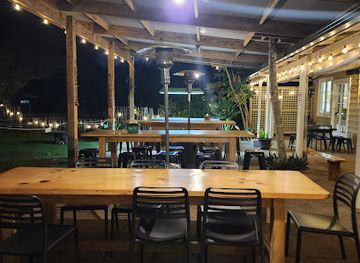
Point Hunter does not have a separate nightlife district or a substantial nightclub scene. Evening activities centre on the wider Kingston area and other established visitor settlements, where pubs, hotel bars, restaurants and occasional live entertainment provide a relaxed alternative to late-night clubbing. Historic settings and community venues may host organised talks, performances or themed evening events, but these are seasonal or programme-dependent and should be checked locally rather than assumed. The island’s small population and remote location mean that bars may close earlier and options can be limited outside busier travel periods. Evening walks near the coast require care because lighting is limited, while the exposed shoreline can become uncomfortable after dark. A meal, a local drink or a heritage-focused event is generally more representative of Point Hunter’s evening character than a major club night.
-
Restaurant
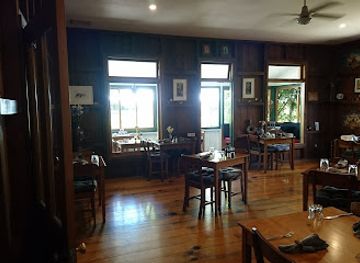
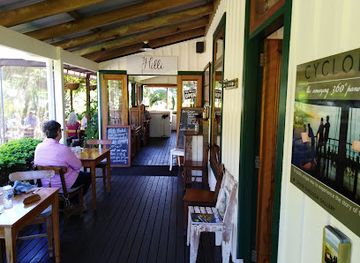
Hilli Restaurant & Cafe
Experience the flavors of Norfolk Island at Hilli Restaurant & Cafe, where fresh ingredients meet a warm, inviting atmosphere.
-
Western
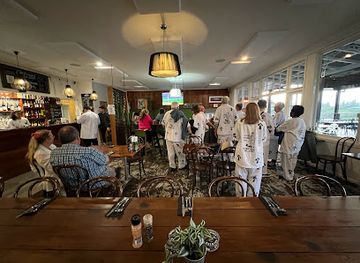
Bounty Bar & Grill
Discover the flavors of Western cuisine at Bounty Bar & Grill, a charming restaurant in the heart of Norfolk Island, perfect for every food lover.
-
 Resort hotel
Castaway Norfolk Island & Norfolk Island Brewing
Experience the ultimate blend of relaxation and craft brewing at Castaway Norfolk Island, where stunning views meet local flavors.
-
Brewpub
Norfolk Island Brewing
Discover Norfolk Island Brewing: A unique brewpub offering locally crafted beers in a cozy atmosphere, perfect for travelers seeking authentic island experiences.
Best nightclubs in Point Hunter
Point Hunter does not have a separate nightlife district or a substantial nightclub scene. Evening activities centre on the wider Kingston area and other established visitor settlements, where pubs, hotel bars, restaurants and occasional live entertainment provide a relaxed alternative to late-night clubbing. Historic settings and community venues may host organised talks, performances or themed evening events, but these are seasonal or programme-dependent and should be checked locally rather than assumed. The island’s small population and remote location mean that bars may close earlier and options can be limited outside busier travel periods. Evening walks near the coast require care because lighting is limited, while the exposed shoreline can become uncomfortable after dark. A meal, a local drink or a heritage-focused event is generally more representative of Point Hunter’s evening character than a major club night.
-
Resort hotel
Castaway Norfolk Island & Norfolk Island Brewing
Discover the ultimate blend of relaxation and local craft brewing at Castaway Norfolk Island, where paradise awaits with every sip.
-
Club
Norfolk Island RSL Memorial Club
Discover Norfolk Island's vibrant culture at the RSL Memorial Club, where locals and tourists unite for food, drinks, and entertainment.
-
Club
Norfolk Island Leagues Club
Discover the lively atmosphere of Norfolk Island Leagues Club, where sports, local culture, and community come together for an unforgettable experience.
-
Family-friendly
Salty Beer Garden
Experience the best of family-friendly dining at Salty Beer Garden, where delicious food and drinks meet a vibrant atmosphere in Norfolk Island.
Best shops in Point Hunter
Shopping at Point Hunter itself is limited and is best understood as part of the wider Norfolk Island visitor economy. Kingston and the island’s other small settlements provide opportunities to buy local food products, preserves, crafts, books, artwork and souvenirs connected with Norfolk Island’s history and natural environment. Farm stalls and markets, when operating, may offer seasonal produce, while galleries and independent shops are more useful for locally made gifts than for extensive fashion or luxury retail. Books about the Bounty, Pitcairn descendants, convict history and Norfolk Island ecology make particularly relevant purchases for visitors who have explored the Kingston heritage landscape. Retail hours and market schedules can vary, so plan essential shopping rather than expecting late-opening stores near Point Hunter. Australian currency is used, and carrying a payment alternative is sensible on an isolated island where stock, delivery and electronic payment arrangements may occasionally be affected by transport conditions.
-
Museum
Bounty Museum
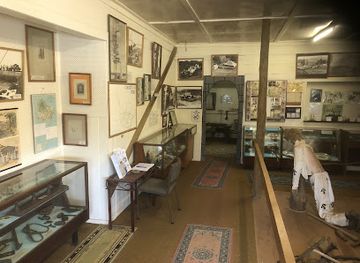
Discover the captivating maritime history of Norfolk Island at the Bounty Museum, home to artifacts from the legendary HMS Bounty mutiny.
-
Bottle Shop and Liquor Store
Norfolk Island Liquor Bond Store
Explore a wide selection of local and international beverages at Norfolk Island Liquor Bond Store, your go-to destination for unique flavors.
-
General store
Pete's Place
Experience the heart of Norfolk Island at Pete's Place, your go-to general store for local goods and unique souvenirs.
-
Coffee store
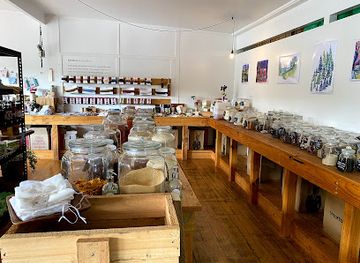
Prinke Eco Store
Prinke Eco Store: Experience the best of organic coffee and sustainable living on Norfolk Island.


Get your free copy of our complete guide to Point Hunter, delivered straight to you.
Everything on this page, from attractions and restaurants to essentials and local phrases, in one PDF you can read offline, print or share.
Already have an account? Sign in
Your Point Hunter guide is ready.
We'll send it to · Not you? Sign out

Getting your guide ready…
We are putting together a fresh copy of the Point Hunter guide. This can take up to a minute.
This can take a few moments. If your browser asks, choose Allow so the download can start. You'll find the guide in your Downloads folder.
Nothing happened? Download it again
Sorry, the guide is taking longer than usual. Please try again in a minute, or get it by email instead.
Point Hunter essentials
Currency and Payment
Safety
Emergency Situations
Do's and Don'ts
Local Tips
From Eve
Local phrases worth knowing
You don't need to get them perfect. A few words go a long way, and locals appreciate the effort.
Basics
| English | Local | Say it |
|---|---|---|
| Hello | G'day | [g'day] |
| Goodbye | See ya | [see ya] |
| Yes | Yep | [yep] |
| No | Nah | [nah] |
| Please/You're welcome | No worries | [no worries] |
| Thank you | Cheers | [cheers] |
| Excuse me/Sorry | Sorry | [sorry] |
| How are you? | How's it going? | [how's it going?] |
| Fine. And you? | Good, you? | [good, you?] |
| Do you speak English? | You speak English? | [you speak English?] |
| I don't understand | I don’t get it | [I don’t get it] |
Eating & Drinking
| English | Local | Say it |
|---|---|---|
| I'd like to see the menu, please | Can I see the menu? | [can I see the menu?] |
| I don't eat meat | I'm a vegetarian | [I'm a vegetarian] |
| Cheers! | Cheers! | [cheers!] |
| I would like to pay, please | Can I get the bill? | [can I get the bill?] |
Emergencies
| English | Local | Say it |
|---|---|---|
| Help! | Help! | [help!] |
| Go away! | Leave me alone! | [leave me alone!] |
| Call the Police! | Call the cops! | [call the cops!] |
| Call a doctor! | Get a doctor! | [get a doctor!] |
| I'm lost | I'm lost | [I'm lost] |
| I'm ill | I'm sick | [I'm sick] |
Shopping
| English | Local | Say it |
|---|---|---|
| I'd like to buy... | I want to buy... | [I want to buy...] |
| I'm just looking | Just browsing | [just browsing] |
| How much is it? | What’s the price? | [what’s the price?] |
| That's too expensive | That's pricey | [that's pricey] |
| Can you lower the price? | Can you reduce the price? | [can you reduce the price?] |
Time & Numbers
| English | Local | Say it |
|---|---|---|
| What time is it? | What’s the time? | [what’s the time?] |
| It's one o'clock | It's one o'clock | [it's one o'clock] |
| Half past (10) | Half past 10 | [half past 10] |
| Morning | Morning | [morning] |
| Afternoon | Afternoon | [afternoon] |
| Evening | Evening | [evening] |
| Yesterday | Yesterday | [yesterday] |
| Today | Today | [today] |
| Tomorrow | Tomorrow | [tomorrow] |
| 1 | One | [one] |
| 2 | Two | [two] |
| 3 | Three | [three] |
| 4 | Four | [four] |
| 5 | Five | [five] |
| 6 | Six | [six] |
| 7 | Seven | [seven] |
| 8 | Eight | [eight] |
| 9 | Nine | [nine] |
| 10 | Ten | [ten] |
Transport & Directions
| English | Local | Say it |
|---|---|---|
| Where's a/the...? | Where's the...? | [where's the...?] |
| What's the address? | What’s the address? | [what’s the address?] |
| Can you show me (on the map)? | Can you point it out? | [can you point it out?] |
| When's the next (bus)? | When’s the next bus? | [when’s the next bus?] |
| A ticket (to ...) | A ticket to... | [a ticket to...] |
History of Point Hunter
Polynesian occupation before European settlement
Norfolk Island was visited and settled by Polynesian voyagers centuries before British colonisation. Archaeological evidence, including material associated with settlement near Emily Bay, shows that the island formed part of wider Pacific voyaging networks. The settlement was not continuous into the modern period, but it remains an important reminder that Norfolk Island’s history began long before the penal colonies. Around Point Hunter and Kingston, the coastal setting helps explain why sheltered bays and accessible shorelines were valuable to maritime communities.
The first British settlement, 1788–1814
Soon after the First Fleet reached New South Wales, the British established a settlement on Norfolk Island to secure its stands of native flax and the island’s timber resources. The first settlement developed around Kingston and Arthur’s Vale, using convict labour for farming, construction and public works. Accounts of this period include food shortages, strict discipline and the practical difficulties of maintaining a community on an isolated island. The surviving landscape around Point Hunter reflects the settlement’s dependence on the sea for communication and supply.
The second penal settlement, 1825–1855
After the island was reoccupied in 1825, Norfolk Island became a particularly severe penal station for male convicts who had committed further offences in the Australian colonies. Kingston and Arthur’s Vale acquired barracks, workshops, administrative buildings, roads and maritime facilities, many of whose ruins survive within the heritage area. The settlement was closed in 1855 after reforming attitudes towards transportation and the end of convict transportation to eastern Australia. Point Hunter’s coastal position formed part of the wider setting in which prisoners, officials, supplies and vessels were strictly controlled.
The Pitcairn Island community arrives, 1856
In 1856, the population of Pitcairn Island, descended largely from the Bounty mutineers and Polynesian women, was transferred to Norfolk Island. They brought their own Christian traditions, family histories and community practices, creating a major new chapter after the penal era. Although some families later returned to Pitcairn, many remained and their descendants continue to shape Norfolk Island’s cultural identity. The historic buildings and church landscapes around Kingston are therefore connected not only with convict history but also with the community that inherited and adapted the former settlement.
From colonial dependency to Australian territory
Norfolk Island passed through changing forms of administration after the Pitcairn settlement, including periods under New South Wales and later the Commonwealth of Australia. In 1914 it became an Australian territory. Government, transport, communications and public services gradually altered the island’s relationship with the mainland, while Kingston remained the principal historic centre. The construction and use of infrastructure elsewhere on the island did not erase the older coastal settlement, whose ruins around Point Hunter continued to serve as a visible record of earlier colonial phases.
War, aviation and modern heritage recognition
The twentieth century brought new strategic and transport roles to Norfolk Island, including wartime activity and improved air connections with Australia and the wider Pacific. Tourism increasingly developed around the island’s convict buildings, landscapes and Pitcairn heritage. In 2010, Kingston and Arthur’s Vale became part of the Australian Convict Sites World Heritage property, recognising the area as an important surviving example of the global convict transportation system. Point Hunter is consequently experienced today within a heritage landscape of international significance, not simply as an isolated coastal viewpoint.
Point Hunter in Photos
Browse through our photo collection highlighting the charm and character of the destination.
Neighbouring regions of Point Hunter
The closest regions to Point Hunter, if you have time for more than one.
-

-

-

-

-


Swipe for more regions
Explore more

Explore more of Norfolk Island
Discover Norfolk Island, a serene and historic gem in the South Pacific, known for its stunning landscapes, rich cultural heritage, and abundant natural beauty.
Explore Norfolk Island