

Free Emily Bay Travel Guide & Mobile App
Explore Emily Bay with free travel guides. Discover regional history, expert tips, proposed trips, and audio guides on web or mobile app.


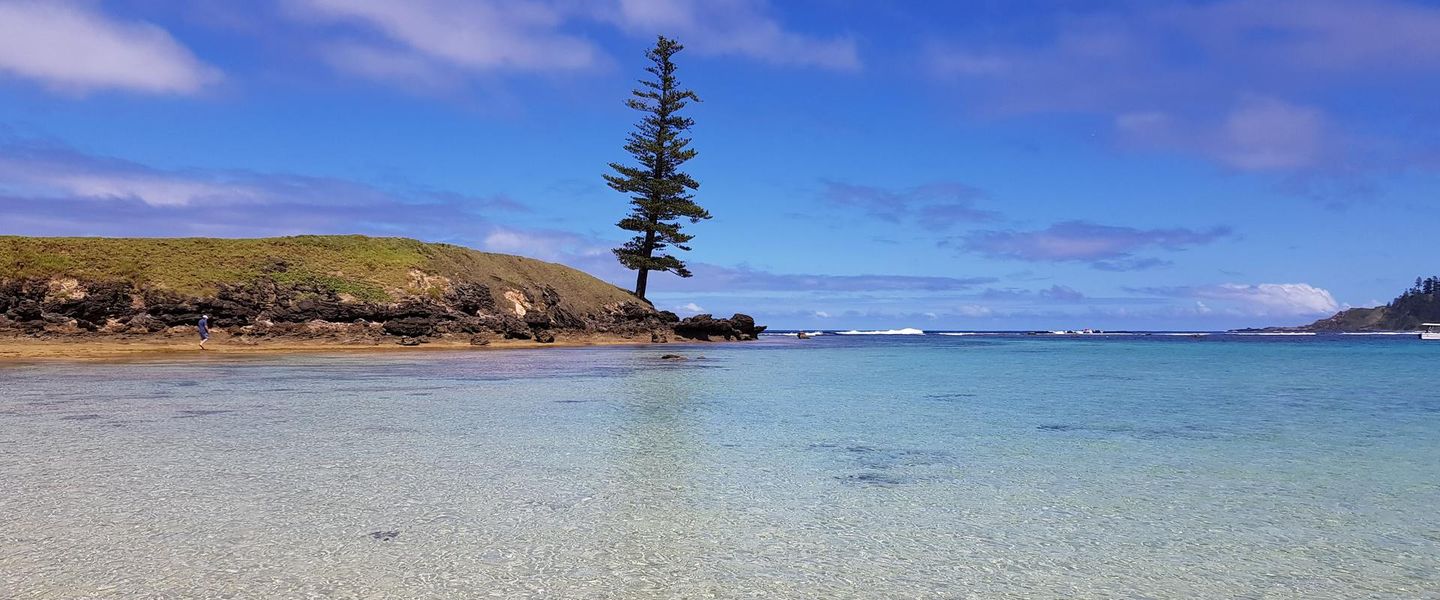


Emily Bay combines sheltered swimming, coral-rich shallows and Norfolk Island’s convict and Pitcairn heritage around historic Kingston.
Read more about Emily Bay
When is the best time to visit Emily Bay?
Best: January–March · 25–26°C| Month | High (°C) | Rainfall (mm) |
|---|---|---|
| January (best) | 25 | 100 |
| February (best) | 26 | 95 |
| March (best) | 25 | 90 |
| April | 23 | 85 |
| May | 21 | 80 |
| June | 19 | 75 |
| July | 19 | 70 |
| August | 19 | 75 |
| September | 20 | 80 |
| October | 22 | 85 |
| November | 24 | 90 |
| December | 25 | 95 |
Getting to and around Emily Bay
How to get there
Transportation
Top city travel guides in Emily Bay
The cities of Emily Bay, and the easiest places to base yourself.
-
-

-


Swipe for more cities
Destinations in Emily Bay
Resorts, valleys and scenic spots worth a trip of their own.
-

-

-

-

-

-


Swipe for more destinations
Best attractions in Emily Bay
Emily Bay’s principal attraction is the combination of a sheltered beach, shallow reef-fringed water and a major historic setting. In suitable conditions, visitors can swim, paddle or snorkel in the bay, while the shore and nearby coastal ground offer opportunities for quiet observation of Norfolk Island’s marine environment. The bay forms part of the Kingston and Arthur’s Vale Historic Area, where roads, grassy clearings, ruins and surviving colonial buildings reveal the structure of the former penal settlement. Nearby Kingston attractions include the remains associated with HMS Sirius, the old cemetery, the pier and other convict-era structures. The area is best explored as a connected cultural landscape rather than as a collection of isolated monuments. Visitors interested in archaeology can consider the evidence of earlier Polynesian occupation around Emily Bay, while those focused on living history may learn about the Pitcairn-descended community that settled Norfolk Island in 1856. Beyond the immediate precinct, the rest of Norfolk Island provides walking, birdwatching, coastal scenery and subtropical vegetation, but these require transport and should not be assumed to lie within Emily Bay itself.
-
Bottle Shop and Liquor Store
Norfolk Island Liquor Bond Store
Explore the Norfolk Island Liquor Bond Store for an exquisite selection of local and imported spirits, perfect for any occasion or souvenir.
-
Tourist attraction
Strawberry Fields & Hedge Maze
Explore the enchanting Strawberry Fields & Hedge Maze on Norfolk Island, where adventure meets nature in a delightful maze of greenery and strawberries.
-
Alcoholic beverage wholesaler
Norfolk Island Liquors
Experience the unique flavors of Norfolk Island at Norfolk Island Liquors, your go-to destination for local spirits and exceptional beverages.

Best landmarks in Emily Bay
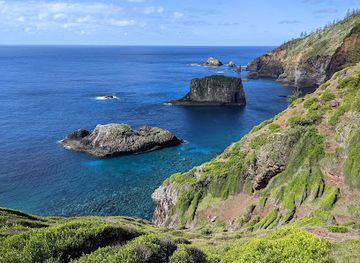
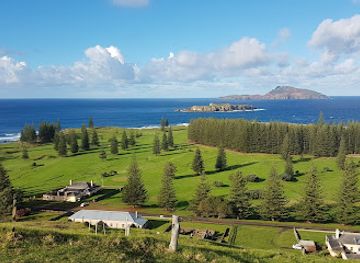
Emily Bay is itself a recognisable natural landmark, defined by its curved sandy shore, reef-protected water and views towards Nepean Island. Its setting is historically significant because it forms part of the Kingston and Arthur’s Vale Historic Area, one of the best-preserved landscapes associated with Australia’s convict sites. Around the adjoining Kingston precinct, the cemetery, Kingston Pier and the remains of the colonial settlement give physical shape to the island’s penal history. The Kingston Pier was central to the settlement’s connection with shipping, while the waters near the reef preserve the archaeological remains of HMS Sirius, wrecked there in 1790. The courthouse and other surviving Georgian-style buildings, together with scattered ruins and walls, show how government, labour and control were organised in the penal colony. The surrounding Norfolk Island pines and open pasture are also important to the visual identity of the place, creating a setting in which natural and historical landmarks are closely interwoven. These sites should be viewed from authorised areas, as the landscape contains fragile archaeological evidence as well as living cultural significance.
-
Vista point
Captain Cook Lookout
Explore Captain Cook Lookout: A historic vista point on Norfolk Island with stunning views and rich maritime history.
-
Park
Mount Pitt Lookout
Discover the stunning 360-degree views of Norfolk Island at Mount Pitt Lookout, a serene park perfect for nature lovers and photographers alike.
-
Vista point
Queen Elizabeth Lookout
Discover breathtaking views at Queen Elizabeth Lookout, a serene vista point on Norfolk Island, perfect for nature lovers and photographers.
-
Museum
No 10 Quality Row House Museum
Explore the rich history of Norfolk Island at the No 10 Quality Row House Museum, an essential destination for culture enthusiasts and history buffs alike.
Explore Emily Bay on the map
Plan your trip on one map. See where the top cities, national parks and sights are, and book hotels and experiences in a few clicks.
Best hotels in Emily Bay
Best restaurants in Emily Bay
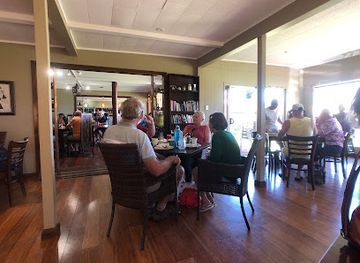
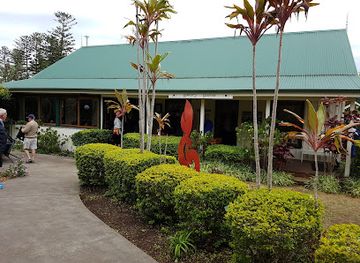
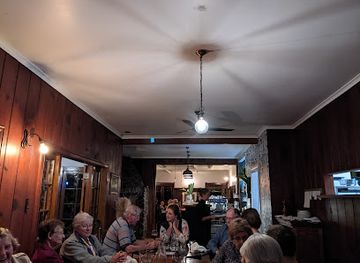
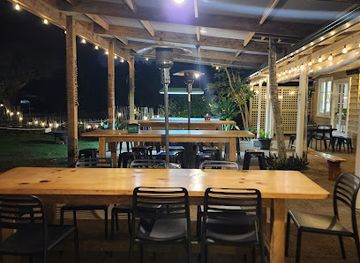
Emily Bay itself is a beach and heritage area rather than a dining district, so visitors normally eat elsewhere on Norfolk Island and combine the shore with a wider day’s itinerary. Food choices across the island include cafés, pubs, casual restaurants and accommodation-based dining, with menus influenced by Australian produce, seafood and the island’s agricultural setting. Local products may include fresh fish, locally grown fruit and vegetables, and seasonal specialities rather than a single dish that defines Emily Bay. Picnic supplies are useful for a daytime visit, particularly because facilities directly beside the beach are limited. In Kingston and other settled areas, ask about current service times and book ahead when tour groups or seasonal demand affect the small local dining market. Norfolk Island’s Pitcairn heritage is more evident in community history and cultural interpretation than in a standardised restaurant cuisine, so food experiences are best approached as part of the island’s broader local life.
-
Restaurant
The Olive
Discover The Olive in Norfolk Island: A cozy restaurant serving fresh local cuisine in an inviting atmosphere perfect for any occasion.
-
Restaurant
Hilli Restaurant & Cafe
Discover delicious local cuisine at Hilli Restaurant & Cafe on Norfolk Island - where every meal is an unforgettable experience.
-
Western
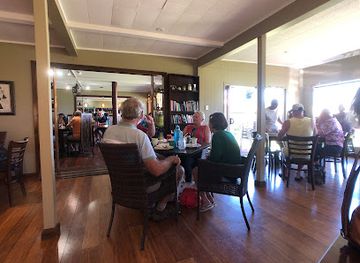
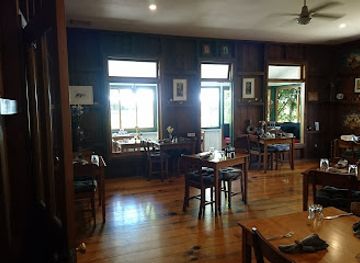
The Homestead Restaurant
Discover the culinary delights at The Homestead Restaurant on Norfolk Island - where local flavors meet Western cuisine in a charming setting.
-
Family-friendly
Salty Beer Garden
Experience family-friendly dining at Salty Beer Garden on Norfolk Island, where delightful food meets stunning natural beauty.
Best bars in Emily Bay
Emily Bay has no substantial nightlife scene and becomes quiet after the day’s visitors have left. Evening options on Norfolk Island are concentrated in scattered restaurants, pubs, hotel bars and occasional community or live-music events rather than a dense strip of clubs. Kingston can be atmospheric at dusk, but the heritage precinct is not an entertainment district and visitors should respect nearby residences and protected sites. Because distances, staffing and opening arrangements are different from those in a mainland city, check evening transport and dining availability in advance, especially outside peak periods. A drink at a local pub or hotel, an organised cultural evening or a relaxed meal is more representative of the area’s night-time character than late-night clubbing. Alcohol should be enjoyed responsibly, with a planned way back to accommodation and no driving after drinking.
-
Restaurant
The Olive
Discover the authentic flavors of Norfolk Island at The Olive, a restaurant offering fresh, local ingredients in a warm and inviting atmosphere.
-
Restaurant
Hilli Restaurant & Cafe
Experience the best of Norfolk Island's cuisine at Hilli Restaurant & Cafe, where local flavors meet warm hospitality in a stunning setting.
-
Restaurant
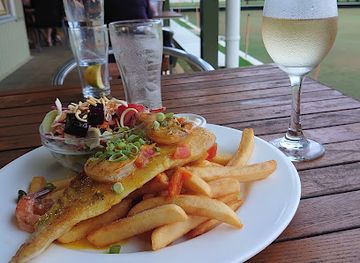
The Bowlo Bistro
Experience delightful dining at The Bowlo Bistro on Norfolk Island, where fresh flavors meet a vibrant atmosphere for an unforgettable meal.
-
Resort hotel
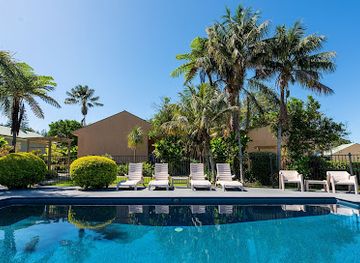
Governor's Lodge
Explore the tranquil beauty and rich heritage of Norfolk Island at Governor's Lodge, the perfect resort hotel getaway.
Best nightclubs in Emily Bay
Emily Bay has no substantial nightlife scene and becomes quiet after the day’s visitors have left. Evening options on Norfolk Island are concentrated in scattered restaurants, pubs, hotel bars and occasional community or live-music events rather than a dense strip of clubs. Kingston can be atmospheric at dusk, but the heritage precinct is not an entertainment district and visitors should respect nearby residences and protected sites. Because distances, staffing and opening arrangements are different from those in a mainland city, check evening transport and dining availability in advance, especially outside peak periods. A drink at a local pub or hotel, an organised cultural evening or a relaxed meal is more representative of the area’s night-time character than late-night clubbing. Alcohol should be enjoyed responsibly, with a planned way back to accommodation and no driving after drinking.
-
Bar
Norfolk Island Transit Lounge
Discover the charm of Norfolk Island Transit Lounge, a cozy bar offering refreshing drinks and light bites amidst stunning island views.
Best shops in Emily Bay
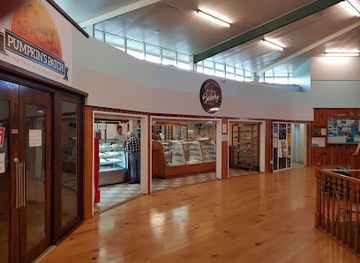
Emily Bay has no dedicated shopping centre or retail street. Shopping associated with a visit is centred on other settled parts of Norfolk Island, where small general stores, galleries, craft outlets and independent retailers serve residents and visitors. Purchases may include locally made crafts, artworks, books about the island, Norfolk Island pine products, preserves and other regional food items, subject to current availability and biosecurity rules. Kingston’s heritage setting is more suited to interpretation and sightseeing than browsing, while larger practical purchases are generally made near the island’s main commercial areas. Visitors should not remove natural material, archaeological fragments or historic objects from Emily Bay or the World Heritage precinct. Because Norfolk Island is remote and retail stock is limited compared with mainland Australia, buy essentials before heading to the beach and confirm opening arrangements if shopping is important to the itinerary.
-
Supermarket
Foodland Supermarket
Explore local flavors and essentials at Foodland Supermarket in Burnt Pine, your one-stop shop for a taste of Norfolk Island.
-
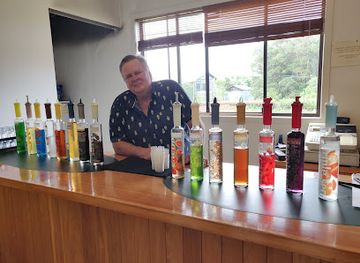
Bottle Shop and Liquor Store
Norfolk Island Liquor Bond Store
Explore the Norfolk Island Liquor Bond Store for an unforgettable selection of local and international beverages, perfect for any occasion.
-
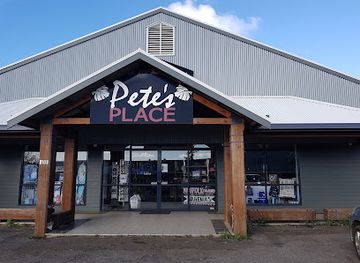
General store
Pete's Place
Explore the eclectic charm of Pete's Place, a unique general store offering local crafts and delightful finds on Norfolk Island.
-
Coffee store
Prinke Eco Store
Discover fresh produce and organic delights at Prinke Eco Store, the sustainable shopping gem of Norfolk Island.

Get your free copy of our complete guide to Emily Bay, delivered straight to you.
Everything on this page, from attractions and restaurants to essentials and local phrases, in one PDF you can read offline, print or share.
Already have an account? Sign in
Your Emily Bay guide is ready.
We'll send it to · Not you? Sign out

Getting your guide ready…
We are putting together a fresh copy of the Emily Bay guide. This can take up to a minute.
This can take a few moments. If your browser asks, choose Allow so the download can start. You'll find the guide in your Downloads folder.
Nothing happened? Download it again
Sorry, the guide is taking longer than usual. Please try again in a minute, or get it by email instead.
Emily Bay essentials
Currency and Payment
Safety
Emergency Situations
Do's and Don'ts
Local Tips
From Eve
Local phrases worth knowing
You don't need to get them perfect. A few words go a long way, and locals appreciate the effort.
Basics
| English | Local | Say it |
|---|---|---|
| Hello | G'day | [G'day] |
| Goodbye | See ya | [See ya] |
| Yes | Yep | [Yep] |
| No | Nah | [Nah] |
| Please/You're welcome | Please | [Please] |
| Thank you | Thanks | [Thanks] |
| Excuse me/Sorry | Sorry | [Sorry] |
| How are you? | How's it going? | [How's it going?] |
| Fine. And you? | Good. You? | [Good. You?] |
| Do you speak English? | You speak English? | [You speak English?] |
| I don't understand | I don't get it | [I don't get it] |
Eating & Drinking
| English | Local | Say it |
|---|---|---|
| I'd like to see the menu, please | Can I see the menu, please? | [Can I see the menu, please?] |
| I don't eat meat | I don't eat meat | [I don't eat meat] |
| Cheers! | Cheers! | [Cheers!] |
| I would like to pay, please | Can I pay, please? | [Can I pay, please?] |
Emergencies
| English | Local | Say it |
|---|---|---|
| Help! | Help! | [Help!] |
| Go away! | Go away! | [Go away!] |
| Call the Police! | Call the coppers! | [Call the coppers!] |
| Call a doctor! | Get a doctor! | [Get a doctor!] |
| I'm lost | I'm lost | [I'm lost] |
| I'm ill | I'm not well | [I'm not well] |
Shopping
| English | Local | Say it |
|---|---|---|
| I'd like to buy... | I want to buy... | [I want to buy...] |
| I'm just looking | Just browsing | [Just browsing] |
| How much is it? | How much? | [How much?] |
| That's too expensive | That's too pricey | [That's too pricey] |
| Can you lower the price? | Can you make it cheaper? | [Can you make it cheaper?] |
Time & Numbers
| English | Local | Say it |
|---|---|---|
| What time is it? | What’s the time? | [What’s the time?] |
| It's one o'clock | It's 1 o'clock | [It's 1 o'clock] |
| Half past (10) | Half past 10 | [Half past 10] |
| Morning | Morning | [Morning] |
| Afternoon | Arvo | [Arvo] |
| Evening | Evening | [Evening] |
| Yesterday | Yesterday | [Yesterday] |
| Today | Today | [Today] |
| Tomorrow | Tomorrow | [Tomorrow] |
| 1 | One | [One] |
| 2 | Two | [Two] |
| 3 | Three | [Three] |
| 4 | Four | [Four] |
| 5 | Five | [Five] |
| 6 | Six | [Six] |
| 7 | Seven | [Seven] |
| 8 | Eight | [Eight] |
| 9 | Nine | [Nine] |
| 10 | Ten | [Ten] |
Transport & Directions
| English | Local | Say it |
|---|---|---|
| Where's a/the...? | Where's the...? | [Where's the...?] |
| What's the address? | What’s the address? | [What’s the address?] |
| Can you show me (on the map)? | Can you show me on the map? | [Can you show me on the map?] |
| When's the next (bus)? | When's the next bus? | [When's the next bus?] |
| A ticket (to ....) | One ticket to... | [One ticket to...] |
History of Emily Bay
Polynesian Settlement before European Arrival
Norfolk Island was reached by Polynesian voyagers, probably from eastern Polynesia, several centuries before European contact. Archaeological evidence records settlement, agriculture and movement through the Kingston area, including the vicinity of Emily Bay. The small community eventually disappeared before the island’s later European colonisation, but its presence remains an essential part of Norfolk Island’s history. Sites around Emily Bay and nearby Kingston have provided evidence of habitation, tools and food practices, demonstrating that the island was not an unoccupied wilderness when British settlement began.
European Recognition and the First British Settlement, 1774–1788
James Cook sighted Norfolk Island in 1774 and reported its fertile land and flax plants, helping to draw British attention to the island. In 1788, shortly after the establishment of the colony at Sydney Cove, Britain founded a settlement on Norfolk Island. Kingston and Arthur’s Vale were chosen for their access to land and water, beginning a period in which the island served both agricultural and strategic purposes for the early Australian colonies.
The First Penal Settlement and HMS Sirius, 1788–1814
Norfolk Island’s first British period depended heavily on convict labour and food production. Buildings, roads, seawalls and agricultural works were developed around Kingston, while the settlement faced isolation, shortages and difficult relations between officials, soldiers and convicts. In 1790, HMS Sirius, flagship of the First Fleet, was wrecked on the reef at Kingston while attempting to land supplies. Its remains are among the most important maritime archaeological evidence associated with Australia’s early colonial history. The first settlement was abandoned in 1814.
The Second Penal Settlement, 1825–1855
Britain re-established Norfolk Island as a penal settlement in 1825, using Kingston and Arthur’s Vale for a much harsher system intended for repeat offenders. Convicts carried out heavy labour in quarrying, construction, farming and maritime work. The surviving buildings and ruins around Kingston, including the courthouse, commissariat structures, gaol remains and pier, reflect this period. The settlement was closed in 1855, leaving a heavily modified landscape that later became part of the Kingston and Arthur’s Vale Historic Area.
Pitcairn Islanders and a New Community, 1856
In 1856, descendants of the Bounty mutineers and their Polynesian companions moved from overcrowded Pitcairn Island to Norfolk Island. They settled in former penal buildings around Kingston and established a community whose history remains central to the island’s identity. Their arrival transformed the social and cultural story of the area: the former convict settlement became home to families with a distinctive Pitcairn heritage, maritime traditions and Christian observances. Many current residents trace ancestry to these settlers, although Norfolk Island life has also been shaped by later migration.
Modern Heritage Protection and Tourism
During the twentieth and twenty-first centuries, Norfolk Island’s convict remains, maritime archaeology and landscape around Kingston became increasingly important for conservation and interpretation. The Kingston and Arthur’s Vale Historic Area was inscribed in 2010 as part of the Australian Convict Sites World Heritage property. Emily Bay is therefore not only a recreational beach but part of a protected cultural landscape in which archaeological evidence, historic buildings, coastal ecology and living community connections are considered together.
Emily Bay in Photos
Browse through our photo collection highlighting the charm and character of the destination.
Neighbouring regions of Emily Bay
The closest regions to Emily Bay, if you have time for more than one.
-

-

-

-

-


Swipe for more regions
Explore more

Explore more of Norfolk Island
Discover Norfolk Island, a serene and historic gem in the South Pacific, known for its stunning landscapes, rich cultural heritage, and abundant natural beauty.
Explore Norfolk Island