

Charlotte Area Travel Guide - Free Web & App
Your ultimate guide to Charlotte Area. Discover top landmarks, proposed trips, and local tips. Free on the web or via the Evendo companion app.


Charlotte Area travel blends Uptown museums, NASCAR heritage, Carolina food, lively neighbourhoods, Catawba River parks and nearby Piedmont escapes.
City, River and Region
Charlotte Area combines a fast-growing southern city with the wooded waterways, historic communities and open landscapes of the Carolina Piedmont. Uptown Charlotte forms the metropolitan centre, its skyline rising above the junction of major business, cultural and sporting districts, while neighbourhoods such as NoDa, Plaza Midwood, South End and Elizabeth offer distinct architectural character, galleries, breweries, restaurants and independent shops. Beyond the central city, the wider area extends towards Lake Norman, the Catawba River, the U.S. National Whitewater Center and the communities of Davidson, Huntersville, Matthews, Pineville, Fort Mill and Belmont.Read more about Charlotte Area
Culture, Sport and Local History
Outdoor Charlotte
When is the best time to visit Charlotte Area?
Best: April–May, October · 22–26°C| Month | High (°C) | Rainfall (mm) |
|---|---|---|
| January | 12 | 85 |
| February | 13 | 85 |
| March | 18 | 100 |
| April (best) | 22 | 90 |
| May (best) | 26 | 100 |
| June | 31 | 110 |
| July | 33 | 120 |
| August | 32 | 115 |
| September | 29 | 100 |
| October (best) | 23 | 80 |
| November | 17 | 85 |
| December | 12 | 90 |
Getting to and around Charlotte Area
How to get there
Transportation
Best attractions in Charlotte Area
Charlotte's principal attractions are concentrated in and around Uptown, where Discovery Place Science offers interactive exhibits, the NASCAR Hall of Fame explores stock-car racing, and the Mint Museum presents American, European and contemporary art across its Charlotte locations. The Levine Museum of the New South interprets the region's social and economic history, while the Bechtler Museum of Modern Art adds a strong modern-art collection to the cultural district. Neighbourhoods such as NoDa, Plaza Midwood and South End combine galleries, restaurants, breweries and independent businesses with distinctive local character. Beyond central Charlotte, the U.S. National Whitewater Center provides river-focused recreation and outdoor trails, while Freedom Park offers a substantial urban green space. Lake Norman, Crowders Mountain State Park and Daniel Stowe Conservancy are nearby regional excursions, not attractions within Charlotte's central area, and each reveals a different side of the Piedmont landscape.
-
Tourist attraction
U.S. National Whitewater Center
Experience outdoor adventure at the U.S. National Whitewater Center, where thrilling water sports meet stunning natural beauty in Charlotte, North Carolina.
-
Tourist attraction
Freedom Park
Explore Freedom Park in Charlotte, NC – a tranquil urban escape filled with lush landscapes, recreational activities, and vibrant community events.
-
Tourist attraction
NASCAR Hall of Fame
Discover the thrilling history of NASCAR at the Hall of Fame in Charlotte, showcasing legendary drivers, iconic cars, and interactive experiences.
-
Tourist attraction
Romare Bearden Park
Explore the artistic beauty and serene landscapes of Romare Bearden Park in Charlotte, NC, where art and nature come together in harmony.


Best landmarks in Charlotte Area
The Charlotte skyline, centred on Uptown and marked by Bank of America Corporate Center, is the area's most recognisable urban landmark, while Truist Field and the Spectrum Center reflect the city's sporting identity. The historic Fourth Ward preserves nineteenth-century houses and a residential streetscape within the modern centre. Charlotte Douglas International Airport and its aviation history are important to the region's commercial development, although the airport is a transport landmark rather than a visitor attraction in itself. Outside the city, the Catawba River is the defining natural corridor, linking Charlotte with wooded Piedmont landscapes and the U.S. National Whitewater Center. Crowders Mountain's rocky ridges and Lake Norman's broad reservoir landscape provide contrasting geographic landmarks, while Reed Gold Mine, east of Charlotte, connects the modern metropolitan area with North Carolina's nineteenth-century gold-mining history.
-
Museum
NASCAR Hall of Fame
Explore the thrill of NASCAR at the Hall of Fame, where racing history and interactive fun come together in the heart of Charlotte, North Carolina.
-
Park
Romare Bearden Park
Explore the vibrant blend of art and nature at Romare Bearden Park, a serene urban oasis in the heart of Charlotte, NC.
-
Science museum
Discovery Place Science
Discover the exciting world of science at Discovery Place Science, Charlotte's premier museum featuring interactive exhibits, an aquarium, and a planetarium.
-
Historical place museum
Latta Place Historic Site
Explore the fascinating history of North Carolina at Latta Place Historic Site, a preserved 19th-century plantation museum with engaging exhibits and scenic trails.


Explore Charlotte Area on the map
Plan your trip on one map. See where the top attractions, landmarks, restaurants and hotels are, and book hotels and experiences in a few clicks.
Best hotels in Charlotte Area
Best restaurants in Charlotte Area
Charlotte's dining culture reflects both the wider American South and the area's international population. Barbecue, fried chicken, biscuits, pimento cheese and other southern staples appear alongside restaurants shaped by the Carolinas' agricultural traditions, while the region's proximity to the coast brings seafood into many menus. Uptown offers dining around museums, offices, sports venues and hotels; South End, NoDa, Plaza Midwood, Elizabeth and Camp North End provide concentrations of independent restaurants, cafés, breweries and food halls. The wider area includes long-established family businesses, contemporary chef-led kitchens, bakeries and international cooking from across Asia, Latin America, the Middle East and beyond. Visitors staying near Lake Norman, Ballantyne, Matthews or Fort Mill will find further suburban dining, although options become more dispersed around parks and outdoor attractions. Carolina barbecue is often served with regional variations, so local menus may differ in sauce, meat and accompanying sides.
-
American
Fahrenheit Charlotte
Experience exquisite American cuisine with breathtaking views at Fahrenheit Charlotte – where fine dining meets stunning cityscapes.
-
Soul
Mert's Heart And Soul
Discover the heart of Southern cuisine at Mert's Heart And Soul—Charlotte's premier destination for soulful comfort food.
-
Cajun
Cajun Queen
Experience authentic Cajun flavors and lively music at Cajun Queen in Charlotte—where every meal is a celebration of Southern cuisine.
-
American
Haberdish
Discover authentic Southern cuisine at Haberdish in North Charlotte - where comfort food meets contemporary flair.


Best bars in Charlotte Area
Charlotte's evening scene is concentrated in Uptown and the surrounding inner neighbourhoods rather than across the entire metropolitan area. South End is known for breweries, taprooms, casual bars and patios, while NoDa and Plaza Midwood offer an alternative mix of bars, live-music settings and late-evening restaurants. Uptown becomes particularly active around professional sports fixtures, concerts, theatre performances and major conventions, although the atmosphere varies considerably by event and day of the week. The area also has a strong craft-beer culture, with breweries and taprooms spread beyond the centre. Outside Charlotte, Lake Norman communities and suburban towns provide local pubs and restaurant bars rather than a dense nightclub district. Visitors should check current arrangements before relying on a particular performance or venue, as businesses and event programming change.
-
Irish pub
The Workman’s Friend
Experience the charm of an authentic Irish pub at The Workman’s Friend, where delightful cuisine and a friendly atmosphere await in Plaza Midwood.
-
Restaurant
Whiskey Warehouse
Experience the vibrant atmosphere and extensive whiskey selection at Whiskey Warehouse, a top American restaurant and bar in Charlotte, NC.
-
Bar
Thomas Street Tavern
Experience the vibrant atmosphere of Thomas Street Tavern in Charlotte, NC, where great food and drinks meet local culture and community spirit.
-
Restaurant
The Cellar at Duckworth's
Experience the finest cuisine and vibrant nightlife at The Cellar at Duckworth's in Charlotte, where every meal is a celebration of taste and style.


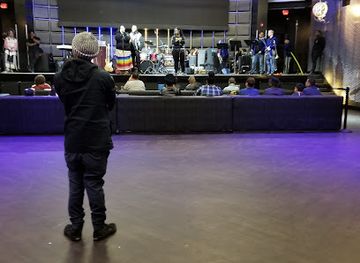
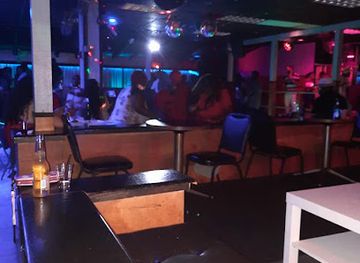
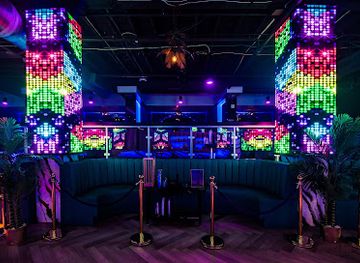
Best nightclubs in Charlotte Area
Charlotte's evening scene is concentrated in Uptown and the surrounding inner neighbourhoods rather than across the entire metropolitan area. South End is known for breweries, taprooms, casual bars and patios, while NoDa and Plaza Midwood offer an alternative mix of bars, live-music settings and late-evening restaurants. Uptown becomes particularly active around professional sports fixtures, concerts, theatre performances and major conventions, although the atmosphere varies considerably by event and day of the week. The area also has a strong craft-beer culture, with breweries and taprooms spread beyond the centre. Outside Charlotte, Lake Norman communities and suburban towns provide local pubs and restaurant bars rather than a dense nightclub district. Visitors should check current arrangements before relying on a particular performance or venue, as businesses and event programming change.
-
Event venue
World
Discover the pulse of Charlotte's nightlife at World Nightclub, where electrifying music and vibrant entertainment collide for an unforgettable experience.
-
Night club
Club Royale.one
Discover the heart of Charlotte's nightlife at Club Royale.one, a lively night club and bar offering great music, delicious drinks, and unforgettable experiences.
-
Night club
Tequila House Nightclub
Experience the vibrant nightlife at Tequila House Nightclub, Charlotte's top destination for music, dancing, and unforgettable moments.
-
Night club
Encore Nightclub Charlotte
Discover the electrifying atmosphere of Encore Nightclub Charlotte, where unforgettable nights filled with music and cocktails await you.

Best shops in Charlotte Area
Shopping in the Charlotte Area ranges from central retail and department stores to independent neighbourhood businesses, specialist food shops and regional craft outlets. Uptown has shops associated with museums, sports and office districts, while South End, NoDa, Plaza Midwood and Camp North End are better known for independent retailers, galleries, design businesses, vintage goods and locally oriented products. Larger suburban destinations provide malls, shopping centres and outdoor retail, with SouthPark among the area's established high-end shopping locations. Visitors interested in North Carolina produce can look for farmers' markets, farm shops and speciality food retailers, though markets may be seasonal and products vary. Craft beer, regional foods, artwork, pottery, textiles and locally designed goods make more meaningful souvenirs than generic merchandise. Around parks and lake communities, retail is practical and dispersed, so supplies for outdoor excursions are best obtained before reaching a trailhead or river facility.
-
Antique furniture store
Sleepy Poet Antique Mall
Explore a treasure trove of vintage finds at Sleepy Poet Antique Mall in Charlotte, NC—your go-to spot for unique antiques and collectibles.
-
Gift shop
Paper Skyscraper
Experience the unique charm of Paper Skyscraper, Charlotte's beloved gift shop featuring books, greeting cards, and local treasures.
-
Shopping mall
Specialty Shops SouthPark
Experience upscale shopping and dining at Specialty Shops SouthPark, the heart of Charlotte's retail elegance.
-
Vintage clothing store
OldNews Vintage
Explore the charm of vintage fashion at OldNews Vintage, a unique clothing store in North Charlotte, where every piece has a story.


Get your free copy of our complete guide to Charlotte Area, delivered straight to you.
Everything on this page, from attractions and restaurants to essentials and local phrases, in one PDF you can read offline, print or share.
Already have an account? Sign in
Your Charlotte Area guide is ready.
We'll send it to · Not you? Sign out

Getting your guide ready…
We are putting together a fresh copy of the Charlotte Area guide. This can take up to a minute.
This can take a few moments. If your browser asks, choose Allow so the download can start. You'll find the guide in your Downloads folder.
Nothing happened? Download it again
Sorry, the guide is taking longer than usual. Please try again in a minute, or get it by email instead.
Charlotte Area essentials
Currency and Payment
Safety
Emergency Situations
Do's and Don'ts
Local Tips
From Eve
Local phrases worth knowing
You don't need to get them perfect. A few words go a long way, and locals appreciate the effort.
Basics
| English | Local | Say it |
|---|---|---|
| Hello | Hey y'all | [Hey y'all] |
| Goodbye | See y'all later | [See y'all later] |
| Yes | Yessir | [Yessir] |
| No | Nah | [Nah] |
| Please/You're welcome | Please/You're welcome | [Please/You're welcome] |
| Thank you | Thank ya | [Thank ya] |
| Excuse me/Sorry | Pardon me/My bad | [Pardon me/My bad] |
| How are you? | How y'all doin'? | [How y'all doin'?] |
| Fine. And you? | Fine. How 'bout you? | [Fine. How 'bout you?] |
| Do you speak English? | Y'all speak English? | [Y'all speak English?] |
| I don't understand | I don't git it | [I don't git it] |
Eating & Drinking
| English | Local | Say it |
|---|---|---|
| I'd like to see the menu, please | Can I see the menu, please | [Can I see the menu, please] |
| I don't eat meat | I don't eat meat | [I don't eat meat] |
| Cheers! | Cheers! | [Cheers!] |
| I would like to pay, please | I'd like to settle up, please | [I'd like to settle up, please] |
Emergencies
| English | Local | Say it |
|---|---|---|
| Help! | Help! | [Help!] |
| Go away! | Get lost! | [Get lost!] |
| Call the Police! | Call the Police! | [Call the Police!] |
| Call a doctor! | Call a doc! | [Call a doc!] |
| I'm lost | I'm turned around | [I'm turned around] |
| I'm ill | I'm feelin' bad | [I'm feelin' bad] |
Shopping
| English | Local | Say it |
|---|---|---|
| I'd like to buy... | I wanna buy... | [I wanna buy...] |
| I'm just looking | I'm just lookin' | [I'm just lookin'] |
| How much is it? | How much does it cost? | [How much does it cost?] |
| That's too expensive | That's too pricey | [That's too pricey] |
| Can you lower the price? | Can you knock the price down? | [Can you knock the price down?] |
Time & Numbers
| English | Local | Say it |
|---|---|---|
| What time is it? | What time is it? | [What time is it?] |
| It's one o'clock | It's one o'clock | [It's one o'clock] |
| Half past (10) | Half past (10) | [Half past (10)] |
| Morning | Mornin' | [Mornin'] |
| Afternoon | Afternoon | [Afternoon] |
| Evening | Evenin' | [Evenin'] |
| Yesterday | Yesterday | [Yesterday] |
| Today | Today | [Today] |
| Tomorrow | Tomorrow | [Tomorrow] |
| 1 | One | [One] |
| 2 | Two | [Two] |
| 3 | Three | [Three] |
| 4 | Four | [Four] |
| 5 | Five | [Five] |
| 6 | Six | [Six] |
| 7 | Seven | [Seven] |
| 8 | Eight | [Eight] |
| 9 | Nine | [Nine] |
| 10 | Ten | [Ten] |
Transport & Directions
| English | Local | Say it |
|---|---|---|
| Where's a/the...? | Where's a/the...? | [Where's a/the...?] |
| What's the address? | What's the address? | [What's the address?] |
| Can you show me (on the map)? | Can you show me (on the map)? | [Can you show me (on the map)?] |
| When's the next (bus)? | When's the next (bus)? | [When's the next (bus)?] |
| A ticket (to ....) | A ticket (to ....) | [A ticket (to ....)] |
History of Charlotte Area
Piedmont Foundations and Catawba Heritage
The Charlotte area lies in the Carolina Piedmont, a long-settled landscape shaped by rolling terrain, streams and woodland rather than by a single compact historic centre. The Catawba Indian Nation has enduring connections with the Catawba River valley and remains based in the region. European American settlement expanded during the eighteenth century along inland routes, and Charlotte was established in 1768 in Mecklenburg County. Its name honoured Queen Charlotte, consort of George III, while the county recalled the German duchy of Mecklenburg-Strelitz. These layers of Indigenous and colonial history remain essential to understanding the area's place names, waterways and regional identity.
Trading Town and Gold Country
Charlotte developed as an inland market town at the meeting of routes through the Piedmont, gaining further importance after the discovery of gold in the region during the early nineteenth century. The nearby Reed Gold Mine, east of Charlotte, preserves the story of North Carolina's gold rush and is a state historic site. Although the gold boom was relatively brief, mining and trade helped connect the area to wider commercial networks. Charlotte's position between the agricultural interior and larger Atlantic markets continued to support its growth, while the surrounding countryside remained characterised by farms, mills and small settlements.
Railways, Textiles and Industrial Growth
Rail connections in the nineteenth century strengthened Charlotte's role as a distribution and manufacturing centre. The city became closely associated with the textile industry that developed across the Carolinas, with cotton processing, mills and related commerce transforming the regional economy. Many mill communities have since changed in use or disappeared, but the industrial past survives in historic buildings, neighbourhood patterns and museum collections. The arrival of the region's first airport in the early twentieth century further reinforced Charlotte's links with national commerce, helping prepare the city for its later importance as an aviation and business hub.
Civil Rights and a Changing City
Charlotte's twentieth-century history includes major changes in education, housing, industry and civil rights. The 1957 desegregation of Charlotte's Harding High School became an important local milestone, and the city later received national attention for its school desegregation and busing debates. African American communities, churches and businesses made lasting contributions to the city's cultural and civic life, themes explored by local historical institutions and heritage sites. Urban renewal and redevelopment also altered long-established neighbourhoods, making questions of preservation, representation and access part of the area's continuing historical conversation.
Banking, Sport and Metropolitan Expansion
From the late twentieth century, Charlotte grew into a major United States banking and corporate centre, with Uptown's skyline becoming the most visible expression of that transformation. Charlotte Douglas International Airport expanded into a principal aviation hub, while suburban development spread towards Mecklenburg County's surrounding towns and into neighbouring counties in both Carolinas. Professional sport, motorsport and convention tourism became increasingly prominent, alongside new cultural and performance venues. The contemporary Charlotte area is therefore a metropolitan landscape rather than a single historic town, combining rapid development with efforts to preserve greenways, waterways, neighbourhood character and regional heritage.
Charlotte Area in Photos
Browse through our photo collection highlighting the charm and character of the destination.
Cities in Charlotte Area
The towns and cities of Charlotte Area, and the easiest places to base yourself.
-

-


Swipe for more cities
Neighbouring destination travel guides
The closest destinations to Charlotte Area, if you have time for more than one.
-

-

-

-
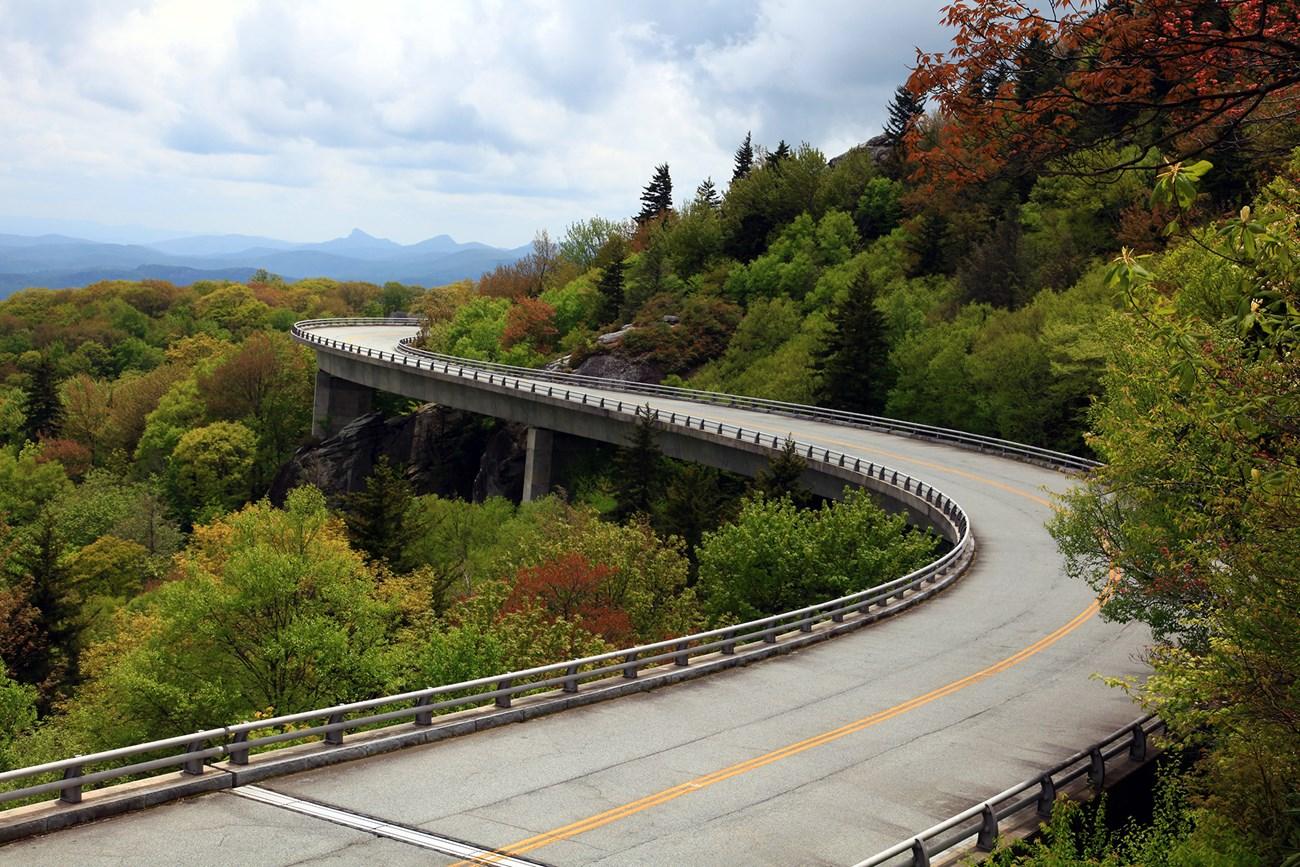 Blue Ridge Mountains
, North Carolina, offer scenic parkway drives, Appalachian trails, waterfalls, high peaks, Cherokee culture and mountain towns.
-


Swipe for more destinations
Explore more

Explore more of Charlotte Metro
Charlotte Metro blends museums, motorsport, greenways, lake recreation, Southern food and lively neighbourhoods across North Carolina’s Piedmont.
Explore Charlotte Metro
Explore more of North Carolina
Discover North Carolina's blend of natural beauty, vibrant cities, and rich history. From the Outer Banks to the Blue Ridge Mountains, experience diverse landscapes and cultures.
Explore North Carolina