

Free Charlotte Travel Guide & Mobile App
Plan your Charlotte trip with Evendo. Get free guides to top attractions, restaurants, hotels, and bars. Web access or download the mobile app.


Charlotte, North Carolina blends Uptown museums, NASCAR heritage, Southern food, greenways and lively neighbourhoods with easy access to the Carolinas.
Uptown and the Carolina Story
Charlotte rises from the rolling Piedmont of North Carolina, a city whose compact central district is known locally as Uptown rather than downtown. Glass towers, public art and sports venues stand around Trade and Tryon streets, the crossroads traditionally regarded as the centre of the city, while traces of an older courthouse town survive among the high-rises. Charlotte's name honours Charlotte of Mecklenburg-Strelitz, the German-born queen consort of George III, and the surrounding county retains the same historical connection.Read more about Charlotte
Museums, Neighbourhoods and Green Space
Sport, Food and the Wider Piedmont
When is the best time to visit Charlotte?
Best: April–May, October · 22–27°C| Month | High (°C) | Rainfall (mm) |
|---|---|---|
| January | 10 | 97 |
| February | 13 | 99 |
| March | 17 | 119 |
| April (best) | 22 | 89 |
| May (best) | 27 | 96 |
| June | 30 | 99 |
| July | 33 | 109 |
| August | 32 | 109 |
| September | 28 | 96 |
| October (best) | 22 | 87 |
| November | 16 | 87 |
| December | 12 | 91 |
Getting to and around Charlotte
How to get there
Transportation
Best attractions in Charlotte
Charlotte's principal attractions cluster in and around Uptown, where the NASCAR Hall of Fame explains the engineering, personalities and regional roots of stock-car racing through interactive displays, and Discovery Place Science offers hands-on exhibits for families and curious adults. The Mint Museum Uptown presents American, European and contemporary art, while the Bechtler Museum of Modern Art focuses on a distinguished twentieth-century collection in a striking cultural complex. The Levine Museum of the New South places Charlotte's rapid growth within the wider story of the post-Civil War South. Nearby Romare Bearden Park offers views towards the skyline, and the neighbourhoods of NoDa and South End add galleries, murals, breweries, music and converted industrial spaces. Freedom Park provides a broad green setting near Dilworth, while the U.S. National Whitewater Center, west of the city, extends sightseeing into organised outdoor recreation beside the Catawba River.
-
Park
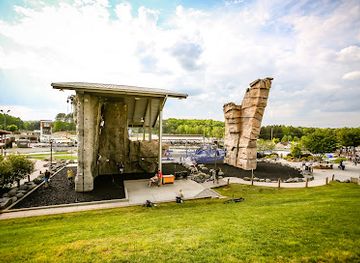
U.S. National Whitewater Center
Discover thrilling outdoor adventures and breathtaking scenery at the U.S. National Whitewater Center in Charlotte, NC, where excitement meets nature.
36 min drive · 16 km from city centre
-
Car racing track
Charlotte Motor Speedway
Experience adrenaline-pumping action at Charlotte Motor Speedway, the heart of NASCAR racing in North Carolina.
40 min drive · 20 km from city centre
-
Stadium
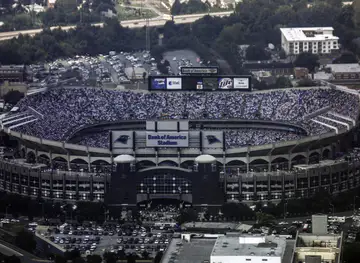
Bank of America Stadium
Experience the thrill of NFL games and vibrant events at Bank of America Stadium, the cornerstone of Charlotte's sports culture.
11 min walk · 0.9 km from city centre
-
Park
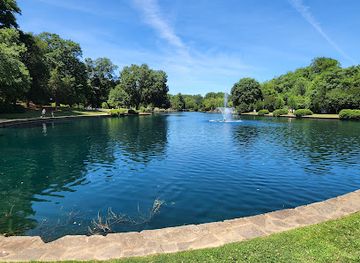
Freedom Park
Explore Freedom Park, Charlotte's lush urban oasis perfect for picnics, walks, and cultural events amidst stunning landscapes.
12 min drive · 4.0 km from city centre


Best landmarks in Charlotte
Trade and Tryon streets meet at the historic centre of Charlotte, where Independence Square commemorates the city's colonial and Revolutionary-era civic identity. St Peter's Episcopal Church, established in the nineteenth century, is one of the notable historic buildings in the Uptown area, while the Fourth Ward Historic District preserves Victorian-era houses that survived the central city's later redevelopment. The Charlotte City Hall complex and the modern skyline express the city's twentieth-century transformation into a banking centre, with the Bank of America Corporate Center serving as a defining high-rise landmark. The 1876 Mecklenburg Investment Company Building, commonly known as the Latta Arcade, retains an important commercial link with the older city centre. Further south, the Billy Graham Library reflects the international influence of the Charlotte-born evangelist and forms a distinct cultural landmark within the grounds of the Billy Graham Evangelistic Association.
-
Park
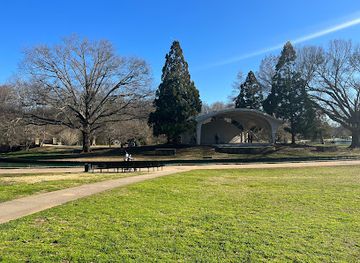
Freedom Park
Explore the beauty and tranquility of Freedom Park in Charlotte, NC, a perfect spot for relaxation, recreation, and family fun amidst nature.
12 min drive · 4.0 km from city centre
-
Park
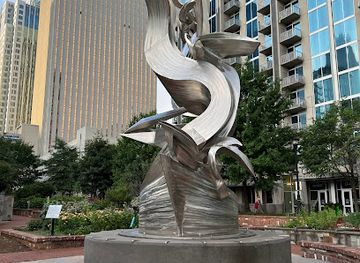
Romare Bearden Park
Explore Romare Bearden Park, a serene urban oasis in Charlotte featuring lush landscapes, public art, and vibrant community events.
5 min walk · 0.4 km from city centre
-
Stadium
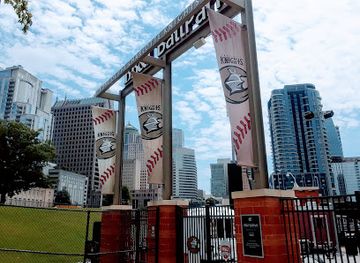
Truist Field
Discover the excitement of Truist Field, a premier baseball stadium in Charlotte, offering thrilling games, stunning skyline views, and a vibrant atmosphere for all.
7 min walk · 0.5 km from city centre
-
Business park
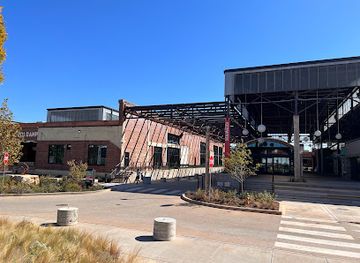
Camp North End
Explore the vibrant Camp North End in Charlotte, NC - a hub of history, culture, and culinary delights waiting to be discovered.
7 min drive · 2.4 km from city centre
Explore Charlotte on the map
Plan your Charlotte trip on one map. See where the top attractions, landmarks, restaurants, bars and hotels are, find what's near where you're staying, and book hotels and experiences in a few clicks.
Neighbourhoods in Charlotte
-

-

-


Swipe for more neighbourhoods
Best hotels in Charlotte
Best restaurants in Charlotte
Charlotte's food culture reflects North Carolina's Piedmont setting and its growing international population. Barbecue remains central, with Lexington-style pork traditionally associated with a lighter vinegar-based sauce and Eastern-style barbecue using the whole hog and a sharper vinegar-and-pepper profile. Diners will also encounter fried chicken, hush puppies, biscuits, collard greens and other Southern staples, alongside contemporary interpretations of regional produce. Uptown, South End, NoDa, Plaza Midwood and Elizabeth contain a broad mix of restaurants, cafés, bakeries and bars, while local food halls and neighbourhood markets bring together independent vendors. Charlotte's South Asian, Latin American, African and Southeast Asian communities have broadened the city's culinary vocabulary, and craft breweries have helped establish casual taproom dining as part of the local scene. Menus and restaurant styles vary widely, from traditional family-run cooking to chef-led modern Southern cuisine.
-
Spanish
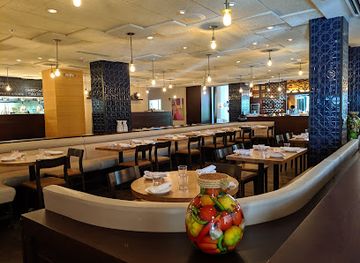
Bulla Gastrobar
Discover the essence of Spain at Bulla Gastrobar in Charlotte with exceptional tapas and craft cocktails in a lively atmosphere.
25 min drive · 8.4 km from city centre
-
Pan Asian
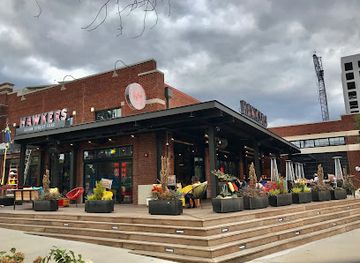
Hawkers Asian Street Food
Experience the vibrant flavors of Asia at Hawkers Asian Street Food in Charlotte, where authentic street cuisine meets modern flair.
7 min drive · 2.4 km from city centre
-
American
Fahrenheit Charlotte
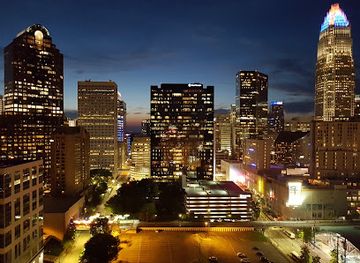
Discover the perfect blend of breathtaking views and exquisite American cuisine at Fahrenheit Charlotte's rooftop dining experience.
7 min walk · 0.5 km from city centre
-
Barbecue
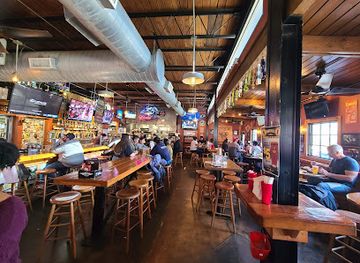
Mac's Speed Shop
Experience authentic Southern barbecue at Mac's Speed Shop in Charlotte – where flavor meets fun in a lively sports bar atmosphere.
10 min drive · 3.3 km from city centre
Best bars in Charlotte
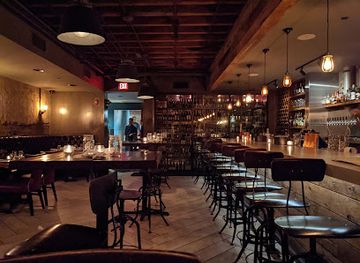
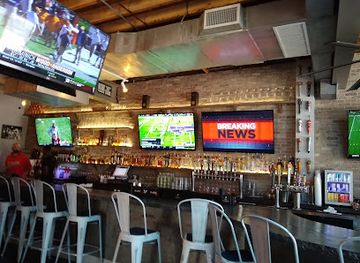
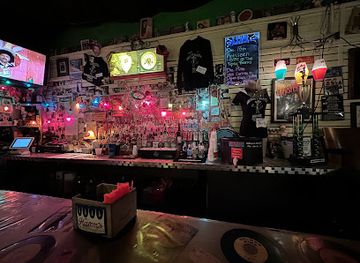
Charlotte's evening life is concentrated in Uptown, South End, NoDa and Plaza Midwood, with each area offering a different rhythm. South End's former industrial buildings contain breweries, cocktail bars and relaxed gathering places close to the LYNX Blue Line, while NoDa is associated with live music, independent venues and a more alternative arts atmosphere. Uptown adds hotel bars, sports bars, concert events and performances at venues such as the Blumenthal Arts theatres, including Belk Theater and the Knight Theater. Plaza Midwood has a mixed collection of bars, music venues and late-evening restaurants. The city is strongly associated with craft beer, but evenings need not centre on alcohol: theatre, comedy, concerts, galleries and major sporting events are important parts of the programme. Activity changes considerably according to the sports and cultural calendar.
-
Bar
Whiskey Warehouse
Experience the essence of American hospitality at Whiskey Warehouse, Charlotte's premier whiskey bar and restaurant with delicious food and vibrant atmosphere.
9 min drive · 3.0 km from city centre
-
Restaurant
The Cellar at Duckworth's
Experience the elegance of The Cellar at Duckworth's, where exquisite cuisine meets an impressive selection of wines in the heart of Charlotte.
5 min walk · 0.4 km from city centre
-
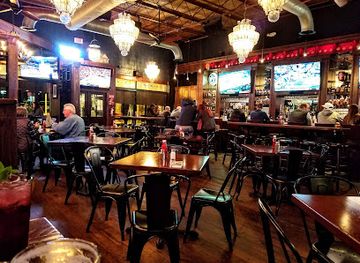
Bar
Graham St. Pub & Patio
Experience the vibrant atmosphere and delicious gastropub fare at Graham St. Pub & Patio in Charlotte, where every visit is a flavorful adventure.
8 min walk · 0.7 km from city centre
-
Bar
Thirsty Beaver Saloon
Discover the charm of Thirsty Beaver Saloon, a local favorite in Charlotte's Plaza Midwood, where craft beers and good vibes await.
7 min drive · 2.4 km from city centre
Best nightclubs in Charlotte
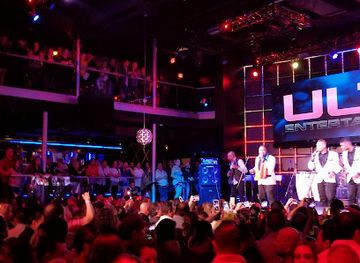
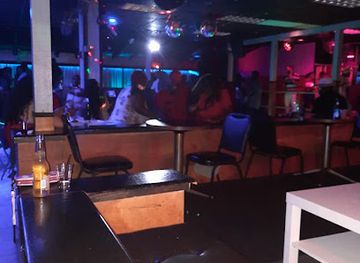
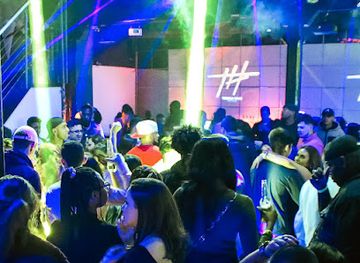
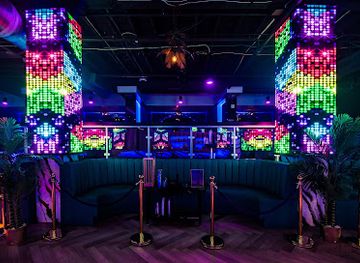
Charlotte's evening life is concentrated in Uptown, South End, NoDa and Plaza Midwood, with each area offering a different rhythm. South End's former industrial buildings contain breweries, cocktail bars and relaxed gathering places close to the LYNX Blue Line, while NoDa is associated with live music, independent venues and a more alternative arts atmosphere. Uptown adds hotel bars, sports bars, concert events and performances at venues such as the Blumenthal Arts theatres, including Belk Theater and the Knight Theater. Plaza Midwood has a mixed collection of bars, music venues and late-evening restaurants. The city is strongly associated with craft beer, but evenings need not centre on alcohol: theatre, comedy, concerts, galleries and major sporting events are important parts of the programme. Activity changes considerably according to the sports and cultural calendar.
-
Night club
World
Discover the electrifying nightlife at World Nightclub in Charlotte, where every night is filled with music, dancing, and unforgettable performances.
17 min walk · 1.4 km from city centre
-
Night club
Club Royale.one
Dive into Charlotte's nightlife at Club Royale.one, a lively night club and bar, where unforgettable nights are made with music and dancing.
16 min drive · 5.4 km from city centre
-
Night club
Tequila House Nightclub
Dive into the vibrant nightlife at Tequila House Nightclub, where electrifying music, exquisite drinks, and an unforgettable atmosphere await in Charlotte.
2 min walk · 0.2 km from city centre
-
Night club
Encore Nightclub Charlotte
Experience the vibrant nightlife of Charlotte at Encore Nightclub, where electrifying music and expertly crafted cocktails create unforgettable nights.
5 min walk · 0.4 km from city centre
Best shops in Charlotte
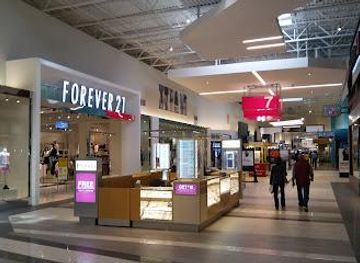
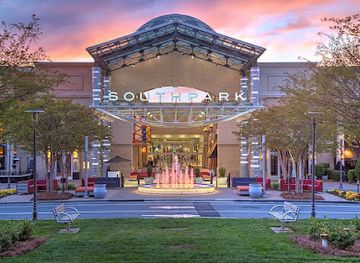
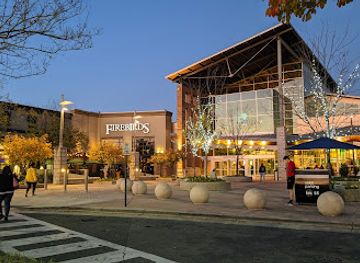
Charlotte's shopping is spread across urban districts, suburban centres and specialist retail areas rather than concentrated in one historic market quarter. Uptown offers shops within the central business and cultural districts, while South End and NoDa are better suited to browsing independent boutiques, design-led businesses, galleries and locally made goods. Plaza Midwood has a more eclectic mix of vintage shops, gift stores and small retailers, and nearby Elizabeth adds locally oriented businesses in a quieter neighbourhood setting. SouthPark is the region's major enclosed shopping destination, with a substantial selection of national and international brands. Visitors looking for Carolina-related products can find regional foodstuffs, craft beer merchandise, art, pottery and textiles through independent retailers and museum shops. The practical character of Charlotte shopping is distinctly metropolitan, but local makers and neighbourhood businesses provide alternatives to large commercial centres.
-
Shopping mall
Concord Mills
Explore Concord Mills - North Carolina's ultimate shopping destination with over 200 stores, diverse dining, and exciting entertainment options.
39 min drive · 19 km from city centre
-
Shopping mall
SouthPark
Explore the ultimate shopping experience at SouthPark, Charlotte's premier destination for luxury retail, dining, and entertainment.
25 min drive · 8.4 km from city centre
-
Outlet mall
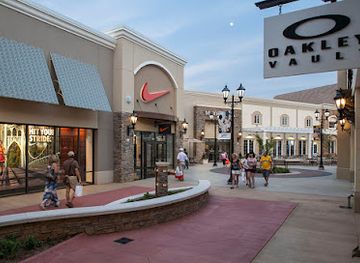
Charlotte Premium Outlets
Discover unbeatable deals on top brands at Charlotte Premium Outlets, your ultimate shopping destination in North Carolina.
33 min drive · 13 km from city centre
-
Shopping mall
Northlake Mall
Explore Northlake Mall: Your Ultimate Shopping and Dining Destination in Charlotte, NC
34 min drive · 14 km from city centre
Get your free copy of our complete guide to Charlotte, delivered straight to you.
Everything on this page, from attractions and restaurants to essentials and local phrases, in one PDF you can read offline, print or share.
Already have an account? Sign in
Your Charlotte guide is ready.
We'll send it to · Not you? Sign out

Getting your guide ready…
We are putting together a fresh copy of the Charlotte guide. This can take up to a minute.
This can take a few moments. If your browser asks, choose Allow so the download can start. You'll find the guide in your Downloads folder.
Nothing happened? Download it again
Sorry, the guide is taking longer than usual. Please try again in a minute, or get it by email instead.
Charlotte essentials
Currency and Payment
Safety
Emergency Situations
Do's and Don'ts
Local Tips
From Eve
Local phrases worth knowing
You don't need to get them perfect. A few words go a long way, and locals appreciate the effort.
Basics
| English | Local | Say it |
|---|---|---|
| Hello | Hey y'all | [Hey y'all] |
| Goodbye | See y'all later | [See y'all later] |
| Yes | Yeah | [Yeah] |
| No | Nah | [Nah] |
| Please/You're welcome | Please/You're welcome | [Please/You're welcome] |
| Thank you | Thank y'all | [Thank y'all] |
| Excuse me/Sorry | Excuse me/Sorry | [Excuse me/Sorry] |
| How are you? | How y'all doin'? | [How y'all doin'?] |
| Fine. And you? | Fine. And you? | [Fine. And you?] |
| Do you speak English? | Y'all speak English? | [Y'all speak English?] |
| I don't understand | I don't get it | [I don't get it] |
Eating & Drinking
| English | Local | Say it |
|---|---|---|
| I'd like to see the menu, please | I'd like to see the menu, please | [I'd like to see the menu, please] |
| I don't eat meat | I don't eat meat | [I don't eat meat] |
| Cheers! | Cheers! | [Cheers!] |
| I would like to pay, please | I would like to pay, please | [I would like to pay, please] |
Emergencies
| English | Local | Say it |
|---|---|---|
| Help! | Help! | [Help!] |
| Go away! | Go away! | [Go away!] |
| Call the Police! | Call the Police! | [Call the Police!] |
| Call a doctor! | Call a doctor! | [Call a doctor!] |
| I'm lost | I'm lost | [I'm lost] |
| I'm ill | I'm ill | [I'm ill] |
Shopping
| English | Local | Say it |
|---|---|---|
| I'd like to buy... | I'd like to buy... | [I'd like to buy...] |
| I'm just looking | I'm just looking | [I'm just looking] |
| How much is it? | How much is it? | [How much is it?] |
| That's too expensive | That's too expensive | [That's too expensive] |
| Can you lower the price? | Can you lower the price? | [Can you lower the price?] |
Time & Numbers
| English | Local | Say it |
|---|---|---|
| What time is it? | What time is it? | [What time is it?] |
| It's one o'clock | It's one o'clock | [It's one o'clock] |
| Half past (10) | Half past (10) | [Half past (10)] |
| Morning | Morning | [Morning] |
| Afternoon | Afternoon | [Afternoon] |
| Evening | Evening | [Evening] |
| Yesterday | Yesterday | [Yesterday] |
| Today | Today | [Today] |
| Tomorrow | Tomorrow | [Tomorrow] |
| 1 | 1 | [1] |
| 2 | 2 | [2] |
| 3 | 3 | [3] |
| 4 | 4 | [4] |
| 5 | 5 | [5] |
| 6 | 6 | [6] |
| 7 | 7 | [7] |
| 8 | 8 | [8] |
| 9 | 9 | [9] |
| 10 | 10 | [10] |
Transport & Directions
| English | Local | Say it |
|---|---|---|
| Where's a/the...? | Where's a/the...? | [Where's a/the...?] |
| What's the address? | What's the address? | [What's the address?] |
| Can you show me (on the map)? | Can you show me (on the map)? | [Can you show me (on the map)?] |
| When's the next (bus)? | When's the next (bus)? | [When's the next (bus)?] |
| A ticket (to ....) | A ticket (to ....) | [A ticket (to ....)] |
History of Charlotte
Catawba Country and Colonial Settlement
The Charlotte area lies within the historic homeland and continuing cultural sphere of the Catawba Indian Nation, whose people have long lived in the Carolina Piedmont. European settlement expanded during the eighteenth century as farmers and traders moved into the interior, occupying land shaped by established Indigenous networks. Mecklenburg County was created in 1762, and the settlement that became Charlotte developed around the intersection of two important trading routes. Its position between the Yadkin and Catawba river regions helped it grow as a local market centre, even though the surrounding landscape remained predominantly rural.
A County Seat Named for a Queen
Charlotte was incorporated in 1768 and named for Charlotte of Mecklenburg-Strelitz, queen consort of George III. The crossroads at Trade and Tryon streets became the town's civic and commercial core, later known as Independence Square. Charlotte's Revolutionary-era story includes the celebrated Mecklenburg Declaration of Independence, said to have been adopted in 1775, although historians have long debated the document's wording and relationship to the better-documented Mecklenburg Resolves. The tradition nevertheless shaped the city's patriotic identity, while the courthouse and surrounding market activity established Charlotte as a regional administrative centre.
Gold, Railways and Commercial Growth
The discovery of gold in the Carolina Piedmont after 1799 stimulated mining, trade and financial activity around Charlotte. The Charlotte Mint, established in 1837, was the first branch of the United States Mint, although its coining operations ended during the Civil War; the building later became part of the Mint Museum's history. Rail connections arriving in the nineteenth century strengthened Charlotte's position as a distribution centre and linked local farms and businesses to wider markets. By the late nineteenth and early twentieth centuries, cotton trading and textile manufacturing had become central to the region's economy.
Civil War, Reconstruction and Textiles
Charlotte was not a major battlefield during the American Civil War, but the conflict and its aftermath transformed the region's political and economic life. The city became a Confederate supply and communications centre, and President Jefferson Davis stopped there during the Confederacy's final collapse in 1865. Reconstruction brought profound social and political change, while the growth of cotton mills across the Carolinas connected Charlotte to an industrial system dependent on agriculture, labour and trade. Warehouses, rail lines and mill communities helped shift the city from a small county seat towards the commercial capital of the southern Piedmont.
Civil Rights and Urban Change
Charlotte's twentieth-century history includes the expansion of public education, industry and suburban development, alongside the struggle against racial segregation. In 1960, students from Johnson C. Smith University and other local institutions participated in sit-ins at segregated lunch counters, contributing to the wider American civil-rights movement. The city also became known for the Swann v. Charlotte-Mecklenburg Board of Education case, in which court-ordered busing was used to address school segregation. These events remain important to understanding the civic, demographic and institutional changes that shaped modern Charlotte.
Banking, Sport and the Contemporary City
From the late twentieth century, Charlotte developed into one of the United States' principal banking centres, with a rapidly expanding skyline and a growing regional influence. Corporate consolidation, finance and new infrastructure brought population growth and extensive redevelopment, while former industrial districts were adapted for housing, galleries, restaurants and entertainment. Professional football, basketball and motorsport became significant parts of the city's public culture, represented by venues such as Bank of America Stadium, Spectrum Center and the NASCAR Hall of Fame. Contemporary Charlotte therefore combines a historic Piedmont crossroads with a dense business district and a metropolitan landscape still undergoing change.
Charlotte in Photos
Browse through our photo collection highlighting the charm and character of the destination.
Cities near Charlotte
The closest cities to Charlotte, if you have time for more than one stop.
-

-

-

-

-


Swipe for more cities
Explore more

Explore more of North Carolina
Discover North Carolina's blend of natural beauty, vibrant cities, and rich history. From the Outer Banks to the Blue Ridge Mountains, experience diverse landscapes and cultures.
Explore North Carolina