

Free Charlotte Metro Travel Guide & Mobile App
Explore Charlotte Metro with free travel guides. Discover regional history, expert tips, proposed trips, and audio guides on web or mobile app.


Charlotte Metro blends museums, motorsport, greenways, lake recreation, Southern food and lively neighbourhoods across North Carolina’s Piedmont.
Read more about Charlotte Metro
When is the best time to visit Charlotte Metro?
Best: April, September–October · 23–27°C| Month | High (°C) | Rainfall (mm) |
|---|---|---|
| January | 11 | 89 |
| February | 13 | 94 |
| March | 18 | 109 |
| April (best) | 23 | 87 |
| May | 27 | 102 |
| June | 31 | 99 |
| July | 32 | 113 |
| August | 32 | 110 |
| September (best) | 27 | 95 |
| October (best) | 23 | 85 |
| November | 16 | 88 |
| December | 12 | 89 |
Getting to and around Charlotte Metro
How to get there
Transportation
Top city travel guides in Charlotte Metro
The cities of Charlotte Metro, and the easiest places to base yourself.
-

-

-

-

-


Swipe for more cities
Destinations in Charlotte Metro
Resorts, valleys and scenic spots worth a trip of their own.
-

-


Swipe for more destinations
Best attractions in Charlotte Metro
Charlotte Metro’s attractions range from Uptown museums and performing-arts venues to outdoor facilities and historic communities beyond the central business district. The Mint Museum and Bechtler Museum of Modern Art provide contrasting introductions to visual art, while the NASCAR Hall of Fame explains the engineering, personalities and regional roots of stock-car racing. Families and sports enthusiasts can add major professional and collegiate venues, subject to event schedules. West of Charlotte, the U.S. National Whitewater Center combines rafting, kayaking, climbing, mountain biking and extensive trails in a large riverside setting. North of the city, Lake Norman supports boating, fishing and lakeside recreation, while parks and greenways offer quieter walking and cycling. Concord’s motorsport connections, Kannapolis’s redeveloped centre and Gastonia’s museums and nearby natural areas broaden the itinerary beyond Charlotte itself. Historic districts, former mill sites, local galleries and seasonal farmers’ markets add smaller-scale experiences, while nearby Reed Gold Mine, outside the immediate Charlotte urban core but within the metropolitan travel area, interprets the gold rush that helped shape the Piedmont.
-
Park
U.S. National Whitewater Center
Experience thrilling whitewater rafting, rock climbing, and scenic trails at the U.S. National Whitewater Center in Charlotte, NC.
-
Car racing track
Charlotte Motor Speedway
Experience the adrenaline rush at Charlotte Motor Speedway, the heart of NASCAR racing in North Carolina with thrilling events and unforgettable experiences.
-
Stadium
Bank of America Stadium
Discover the excitement of live sports and entertainment at Bank of America Stadium, home of the Carolina Panthers in the heart of Charlotte, NC.
-
Park
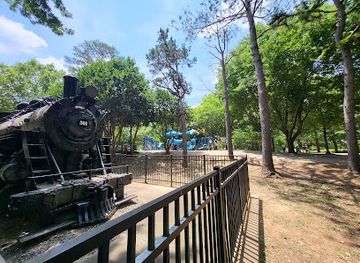
Freedom Park
Discover the beauty of Freedom Park in Charlotte, NC, an urban oasis perfect for relaxation, recreation, and family fun amidst serene landscapes.


Best landmarks in Charlotte Metro
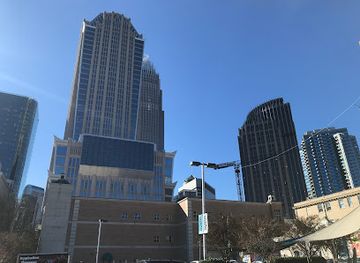
Charlotte’s skyline, formed by Uptown towers and centred on the distinctive Bank of America Corporate Center, is the metropolitan area’s most recognisable modern landmark ensemble. The nearby Levine Avenue of the Arts connects museums and cultural institutions, while Fourth Ward preserves a concentration of nineteenth-century houses that predates the city’s current high-rise profile. The NASCAR Hall of Fame is a prominent contemporary landmark whose design and exhibits reflect the importance of motorsport to the Carolinas. The historic courthouse squares and commercial buildings of Concord and Gastonia give those former trading and textile centres distinct civic identities, while Kannapolis’s renovated downtown recalls the footprint of the Cannon Mills era. Outside the built-up centre, Lake Norman and the Catawba River reservoirs are defining geographical landmarks, their broad waters contrasting with the Piedmont’s rolling wooded terrain. The engineered rapids and bridges of the U.S. National Whitewater Center form a more recent recreational landmark west of Charlotte. Reed Gold Mine, east of the principal urban area, is an important regional historic site, though it should be treated as a longer excursion rather than a central Charlotte attraction.
-
Museum
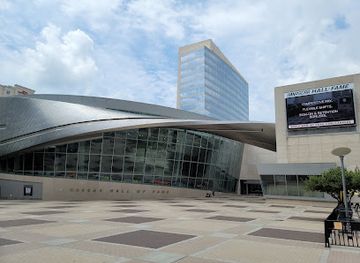
NASCAR Hall of Fame
Explore the NASCAR Hall of Fame in Charlotte, NC, where the legacy of racing comes to life through engaging exhibits and thrilling experiences.
-
Historical place museum
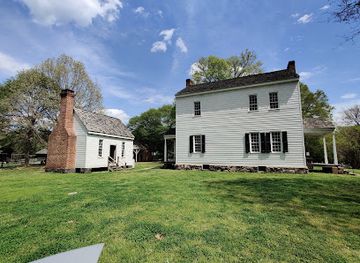
Latta Place Historic Site
Explore the Latta Place Historic Site in North Carolina, a beautifully preserved museum showcasing rich local history and the plantation lifestyle of early settlers.
-
History museum
Levine Museum of the New South
Discover the rich and diverse history of the American South at the Levine Museum, an engaging journey through time in Charlotte, NC.
-
Museum
Fort Dobbs State Historic Site
Explore the historic Fort Dobbs in Statesville, NC, where the past comes alive through immersive exhibits and engaging historical reenactments.

Explore Charlotte Metro on the map
Plan your trip on one map. See where the top cities, national parks and sights are, and book hotels and experiences in a few clicks.
Best hotels in Charlotte Metro
Best restaurants in Charlotte Metro
Charlotte Metro’s dining scene combines North Carolina traditions with the varied tastes of a rapidly expanding international population. Barbecue, fried chicken, biscuits, pimento cheese, hush puppies and sweet tea remain familiar regional reference points, while menus across Charlotte and its surrounding towns also draw on Southern produce, global cooking and contemporary American techniques. Uptown, South End, NoDa and Plaza Midwood have particularly broad selections, with independent restaurants, cafés, breweries and food halls alongside established dining rooms. In suburban communities and historic mill towns, look for local-style barbecue, bakeries, family restaurants and casual places serving Carolina comfort food. Farmers’ markets and farm shops provide seasonal fruit, vegetables, eggs, honey and prepared goods from the surrounding Piedmont. Craft beer is prominent, and the wider region also supports cider, spirits and a growing interest in locally sourced menus. Dining customs follow those of the United States: portions can be generous, tax is added to displayed prices and gratuities are normally expected for table service.
-
Restaurant
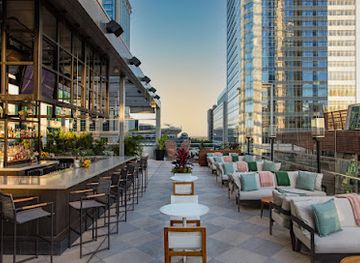
Aura Rooftop
Discover Aura Rooftop in Charlotte: where breathtaking views meet exquisite cuisine for an unforgettable dining experience.
-
Barbecue
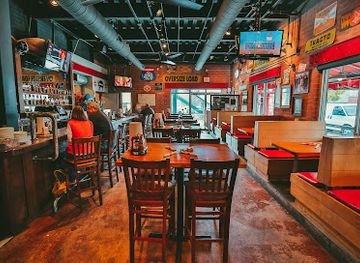
Midwood Smokehouse
Experience authentic Southern barbecue at Midwood Smokehouse in Charlotte – where every bite tells a story of flavor and tradition.
-
Steak
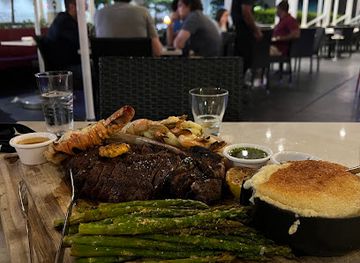
STK Steakhouse
Experience culinary excellence at STK Steakhouse – where modern steakhouse meets vibrant nightlife in Charlotte.
-
American
Fahrenheit Charlotte
Discover modern American cuisine with stunning skyline views at Fahrenheit Charlotte – a must-visit for food lovers.

Best bars in Charlotte Metro
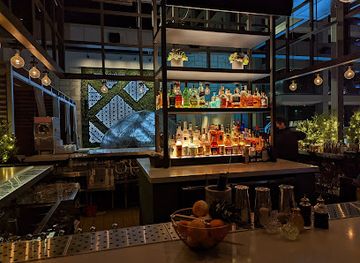
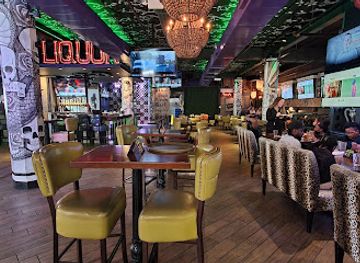
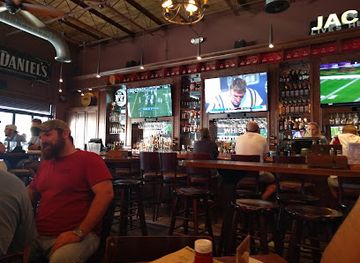
Nightlife is concentrated in Charlotte’s central neighbourhoods rather than spread evenly across the metropolitan area. Uptown offers hotel bars, sports bars, live entertainment and venues associated with major stadiums and arenas, while South End is known for breweries, cocktail bars and restaurants within walking distance of the LYNX Blue Line. NoDa and Plaza Midwood provide live music, independent bars and a more neighbourhood-oriented evening atmosphere. The city’s large event calendar can make particular districts busy on game and concert nights, so transport and parking should be planned in advance. Outside Charlotte, evening life is generally more relaxed, centring on breweries, restaurants, pubs and occasional live music in Concord, Gastonia, Kannapolis and lake communities. Nightclubs exist but are not the defining feature of the region; many visitors experience the local evening culture through food, conversation, music and craft beverages rather than late-night venues.
-
Bar
Aura Rooftop
Enjoy breathtaking views and a lively atmosphere at Aura Rooftop, Charlotte's premier bar and lounge for unforgettable evenings.
-
Bar
Ink N Ivy
Discover the perfect blend of American cuisine and vibrant nightlife at Ink N Ivy in Charlotte, NC - a must-visit for food and music lovers.
-
Restaurant
Rí Rá Irish Pub
Discover the charm of Ireland at Rí Rá Irish Pub in Charlotte, offering authentic cuisine, a vibrant atmosphere, and live entertainment.
-
Bar
Whiskey Warehouse
Experience the best of Charlotte's nightlife at Whiskey Warehouse, a top bar and American restaurant known for its extensive whiskey selection.

Best nightclubs in Charlotte Metro
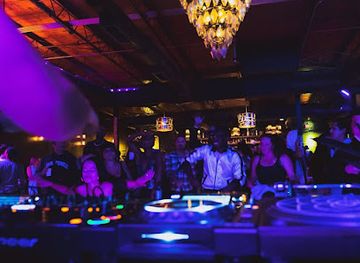
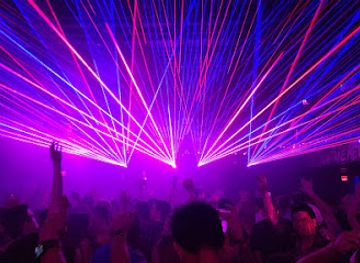
Nightlife is concentrated in Charlotte’s central neighbourhoods rather than spread evenly across the metropolitan area. Uptown offers hotel bars, sports bars, live entertainment and venues associated with major stadiums and arenas, while South End is known for breweries, cocktail bars and restaurants within walking distance of the LYNX Blue Line. NoDa and Plaza Midwood provide live music, independent bars and a more neighbourhood-oriented evening atmosphere. The city’s large event calendar can make particular districts busy on game and concert nights, so transport and parking should be planned in advance. Outside Charlotte, evening life is generally more relaxed, centring on breweries, restaurants, pubs and occasional live music in Concord, Gastonia, Kannapolis and lake communities. Nightclubs exist but are not the defining feature of the region; many visitors experience the local evening culture through food, conversation, music and craft beverages rather than late-night venues.
-
Lounge
Infinity Live
Discover the electrifying nightlife at Infinity Live, Charlotte's premier lounge for unforgettable music and vibrant atmosphere.
-
Adult entertainment club
Club Onyx Charlotte
Dive into the exciting nightlife at Club Onyx Charlotte, where unforgettable entertainment meets culinary delights in a vibrant atmosphere.
-
Night club
QC Social Lounge
Dive into Charlotte's nightlife at QC Social Lounge, a vibrant night club and event venue perfect for dancing and unforgettable memories.
-
Night club
Trio
Discover Charlotte's nightlife at Trio, where vibrant music and energetic atmosphere create unforgettable evenings in the heart of the city.


Best shops in Charlotte Metro
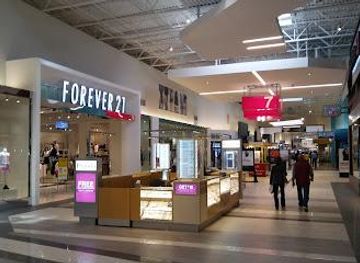
Shopping in Charlotte Metro ranges from urban boutiques and design-led stores to suburban centres, independent high streets and farmers’ markets. Uptown is convenient for museum shops, sports merchandise, books, gifts and selected specialist retailers, while South End, NoDa and Plaza Midwood feature independent clothing, homeware, records, art and locally made goods mixed with cafés and restaurants. Larger shopping complexes and retail corridors are concentrated outside the centre, particularly around major suburban roads, but a car is often useful for reaching them. Concord and Gastonia retain traditional downtown shops, antiques, galleries and locally oriented businesses, while Kannapolis combines a compact redeveloped centre with everyday retail. Good regional purchases include North Carolina food products, craft beer, hot sauces, preserves, pottery, textiles, artwork and motorsport memorabilia. Farmers’ markets are useful for seasonal produce and small-scale foods, though their days, locations and vendor line-ups vary. For a more distinctive souvenir, choose work by a local artist or producer rather than an item carrying only a generic Charlotte logo.
-
Shopping mall
Concord Mills
Experience shopping like never before at Concord Mills, North Carolina's largest outlet mall with unbeatable deals and thrilling entertainment options.
-
Shopping mall
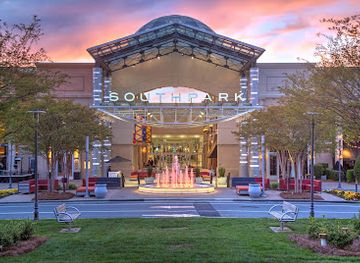
SouthPark
Discover the luxurious shopping and dining experience at SouthPark, Charlotte's premier destination for fashion and entertainment.
-
Outlet mall
Charlotte Premium Outlets
Explore diverse shopping options at Charlotte Premium Outlets, where fashion meets fantastic deals in a vibrant setting.
-
Shopping mall
Northlake Mall
Shop, dine, and explore at Northlake Mall, Charlotte's premier shopping destination with over 150 stores and diverse dining options.

Get your free copy of our complete guide to Charlotte Metro, delivered straight to you.
Everything on this page, from attractions and restaurants to essentials and local phrases, in one PDF you can read offline, print or share.
Already have an account? Sign in
Your Charlotte Metro guide is ready.
We'll send it to · Not you? Sign out

Getting your guide ready…
We are putting together a fresh copy of the Charlotte Metro guide. This can take up to a minute.
This can take a few moments. If your browser asks, choose Allow so the download can start. You'll find the guide in your Downloads folder.
Nothing happened? Download it again
Sorry, the guide is taking longer than usual. Please try again in a minute, or get it by email instead.
Charlotte Metro essentials
Currency and Payment
Safety
Emergency Situations
Do's and Don'ts
Local Tips
From Eve
Local phrases worth knowing
You don't need to get them perfect. A few words go a long way, and locals appreciate the effort.
Basics
| English | Local | Say it |
|---|---|---|
| Hello | Hey | [hey] |
| Goodbye | See ya | [see yah] |
| Yes | Yep | [yehp] |
| No | Nah | [nah] |
| Please/You're welcome | Please/No problem | [pleez/no prob] |
| Thank you | Thanks | [thangs] |
| Excuse me/Sorry | Excuse me/Sorry 'bout that | [excuse me/saw-ree bout that] |
| How are you? | How ya doin'? | [how yah doin'?] |
| Fine. And you? | Good. And you? | [gud. and you?] |
| Do you speak English? | Do ya speak English? | [do yah speak ing-glish?] |
| I don't understand | I don’t get it | [I don't get it] |
Eating & Drinking
| English | Local | Say it |
|---|---|---|
| I'd like to see the menu, please | Can I see the menu, please? | [can I see the menu, pleez?] |
| I don't eat meat | I’m a vegetarian | [I'm a veh-juh-ter-ee-an] |
| Cheers! | Cheers! | [cheers] |
| I would like to pay, please | Can I get the check, please? | [can I get the check, pleez?] |
Emergencies
| English | Local | Say it |
|---|---|---|
| Help! | Help! | [help] |
| Go away! | Leave me alone! | [leave me alone!] |
| Call the Police! | Call the cops! | [call the cops] |
| Call a doctor! | Get a doctor! | [get a doc-tor] |
| I'm lost | I’m lost | [I'm lost] |
| I'm ill | I’m sick | [I'm sick] |
Shopping
| English | Local | Say it |
|---|---|---|
| I'd like to buy... | I wanna buy... | [I wanna buy...] |
| I'm just looking | Just browsing | [just browsing] |
| How much is it? | How much is this? | [how much is this?] |
| That's too expensive | That's too pricey | [that's too pricey] |
| Can you lower the price? | Can ya bring the price down? | [can ya bring the price down?] |
Time & Numbers
| English | Local | Say it |
|---|---|---|
| What time is it? | What time is it? | [what time is it?] |
| It's one o'clock | It's one o'clock | [it's one o'clock] |
| Half past (10) | Half past ten | [half past ten] |
| Morning | Morning | [morning] |
| Afternoon | Afternoon | [afternoon] |
| Evening | Evening | [evening] |
| Yesterday | Yesterday | [yesterday] |
| Today | Today | [today] |
| Tomorrow | Tomorrow | [tomorrow] |
| 1 | One | [one] |
| 2 | Two | [two] |
| 3 | Three | [three] |
| 4 | Four | [four] |
| 5 | Five | [five] |
| 6 | Six | [six] |
| 7 | Seven | [seven] |
| 8 | Eight | [eight] |
| 9 | Nine | [nine] |
| 10 | Ten | [ten] |
Transport & Directions
| English | Local | Say it |
|---|---|---|
| Where's a/the...? | Where’s the ...? | [where's the ...?] |
| What's the address? | What's the address? | [what's the address?] |
| Can you show me (on the map)? | Can you show me on the map? | [can you show me on the map?] |
| When's the next (bus)? | When's the next bus? | [when's the next bus?] |
| A ticket (to ....) | A ticket to ... | [a ticket to ...] |
History of Charlotte Metro
Catawba Country and Indigenous Heritage
The Charlotte region lies within the historic homeland of the Catawba people, whose community remains centred in neighbouring South Carolina. The Catawba River and its tributaries supported settlement, movement and trade long before European colonisation. Indigenous place-names and the continuing presence of the Catawba Nation are important reminders that the metropolitan area’s history did not begin with Charlotte’s foundation. European settlement, land dispossession and later economic expansion transformed the region, but Catawba cultural identity and artistic traditions remain part of the wider Piedmont story.
Gold Mining and the Birth of Charlotte
The discovery of gold in the Carolina Piedmont in the early nineteenth century helped establish Charlotte as a commercial and administrative centre. The Charlotte Mint, opened in 1837, processed locally mined gold until the Civil War and gave the young city national economic significance. The principal goldfields lay across the surrounding Piedmont rather than within every part of today’s metropolitan area, but mining encouraged roads, trade and investment that shaped Charlotte’s early growth. Reed Gold Mine, east of the metro in Cabarrus County, preserves the story of this wider regional development.
Railways, Cotton and the Rise of Mill Towns
Rail connections in the nineteenth century linked Charlotte with markets across the Carolinas and helped turn it into a major trading centre. Cotton became the region’s dominant commercial crop, while textile mills expanded in communities including Gastonia, Concord and Kannapolis. These towns developed around factories, company housing and tightly connected local economies. Rail transport also enabled Charlotte to become a distribution point between the agricultural interior and larger markets. Former mills, historic downtowns and surviving street patterns still reveal the influence of this industrial era.
The Textile South and Kannapolis
Kannapolis grew around the large Cannon Mills complex, which became one of the most important textile operations in the American South. The mill shaped employment, housing, retail and civic life for generations, attracting workers and their families to the town. Textile employment declined sharply in the late twentieth century as production moved overseas and manufacturing changed, bringing factory closures and economic uncertainty. Kannapolis has since pursued a new urban and research identity, but its renovated downtown and local museums continue to interpret the social history of a company town and the wider Carolina textile industry.
Civil War and Reconstruction in the Piedmont
The Charlotte area was not the scene of the war’s best-known battles, yet the conflict and its aftermath profoundly affected the region. Charlotte became increasingly important to the Confederacy late in the Civil War, and Confederate President Jefferson Davis passed through the city in 1865 after Richmond fell. Reconstruction brought political conflict, emancipation and major changes to labour and land ownership. The region’s later industrial expansion depended on Black and white workers, merchants and entrepreneurs, although segregation and unequal access to education, housing and economic opportunity shaped daily life well into the twentieth century.
Banking, Highways and the Modern Metropolis
Charlotte’s economic profile broadened during the twentieth century as manufacturing was joined by banking, distribution, aviation and professional services. The growth of Interstate highways and Charlotte Douglas International Airport accelerated suburban development and connected the region to national markets. Bank mergers in the late twentieth and early twenty-first centuries strengthened Charlotte’s position as one of the United States’ principal banking centres. Rapid population growth followed, extending development into Mecklenburg County and surrounding communities while creating continuing debates about transport, housing, historic preservation and environmental pressure.
NASCAR and Contemporary Regional Identity
Stock-car racing has deep roots in the Carolinas, where early drivers and mechanics emerged from a culture of vehicle modification, short-track competition and road-based commerce. Charlotte became a major centre for NASCAR teams, suppliers, media and events, particularly in the communities north of the city and around Concord. The NASCAR Hall of Fame in Uptown presents the sport’s history and technical culture, while Charlotte Motor Speedway in Concord hosts major races and other events. Motorsport is now one of several industries contributing to the region’s recognisable contemporary identity.
Charlotte Metro in Photos
Browse through our photo collection highlighting the charm and character of the destination.
Neighbouring regions of Charlotte Metro
The closest regions to Charlotte Metro, if you have time for more than one.
-

-

-
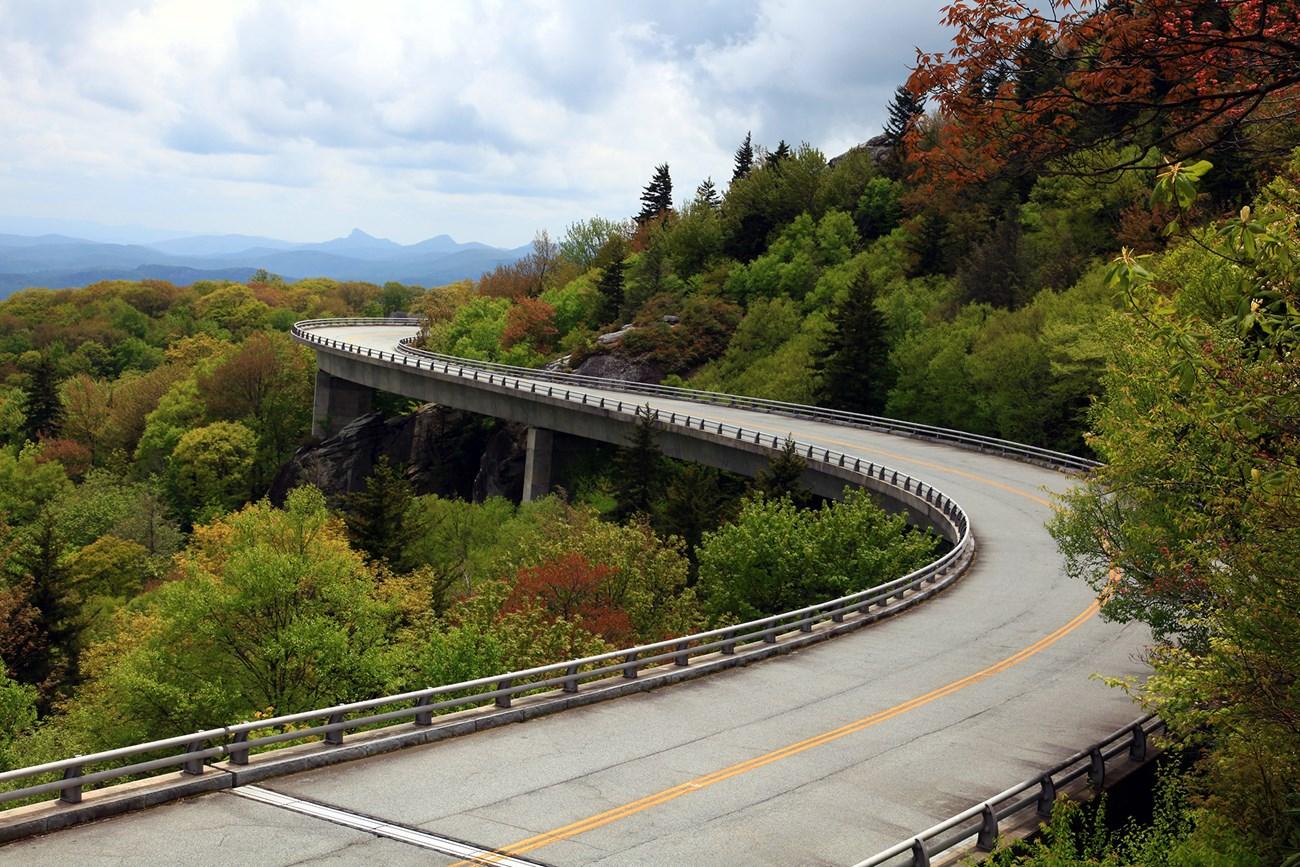 Foothills
Explore North Carolina’s Foothills for forested ridges, mountain lakes, craft towns, outdoor trails, furniture heritage and distinctive Southern food.
-

-


Swipe for more regions
Explore more

Explore more of North Carolina
Discover North Carolina's blend of natural beauty, vibrant cities, and rich history. From the Outer Banks to the Blue Ridge Mountains, experience diverse landscapes and cultures.
Explore North Carolina