

Free Greenville Travel Guide & Mobile App
Plan your Greenville trip with Evendo. Get free guides to top attractions, restaurants, hotels, and bars. Web access or download the mobile app.


Greenville, North Carolina blends Tar River walks, East Carolina University culture, Eastern Carolina barbecue, local art and lively Uptown discoveries.
A River City in Eastern North Carolina
Greenville lies in the coastal plain of eastern North Carolina, where the Tar River curves through a landscape of broad farmland, pine woods and level horizons. The river remains central to the city's identity: the Town Common and South Tar River Greenway provide places for walking, cycling, fishing and quiet observation, while River Park North offers a closer look at the area's wetlands and wildlife. Greenville is also the commercial and cultural centre of Pitt County, giving it a more substantial urban rhythm than its modest size might suggest.Read more about Greenville
University Energy and Local Culture
Outdoor Life and Eastern Flavours
When is the best time to visit Greenville?
Best: April–May, October · 23–27°C| Month | High (°C) | Rainfall (mm) |
|---|---|---|
| January | 11 | 80 |
| February | 14 | 81 |
| March | 18 | 98 |
| April (best) | 23 | 83 |
| May (best) | 27 | 92 |
| June | 31 | 106 |
| July | 32 | 141 |
| August | 32 | 145 |
| September | 29 | 113 |
| October (best) | 23 | 85 |
| November | 17 | 76 |
| December | 13 | 82 |
Getting to and around Greenville
How to get there
Transportation
Best attractions in Greenville
Greenville's principal attractions combine riverfront recreation, university culture and regional art. The Town Common is the city's central outdoor gathering space, with lawns, river views and access to paths along the Tar River, while the South Tar River Greenway extends the opportunity for walking and cycling beyond the immediate centre. At River Park North, wooded trails, wetlands and educational exhibits reveal the natural character of the coastal plain. The Greenville Museum of Art presents changing exhibitions and a collection focused on North Carolina artists, making it a useful introduction to the state's visual culture. East Carolina University's campus adds public performances, galleries and seasonal sporting events, and Uptown Greenville brings independent shops, restaurants and civic programming into a walkable district. Nearby parks such as Alice F. Keene Park offer additional open space, especially for visitors travelling with families.
-
Tourist attraction
Town Common
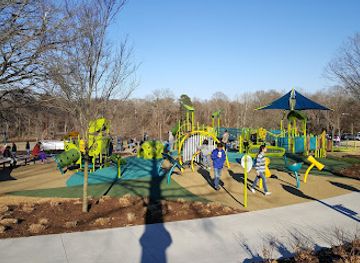
Discover the serene beauty of Town Common, Greenville's urban park with lush greenery, scenic views, and recreational activities for all ages.
5 min walk · 0.4 km from city centre
-
Tourist attraction
Sawyer’s Fun Park
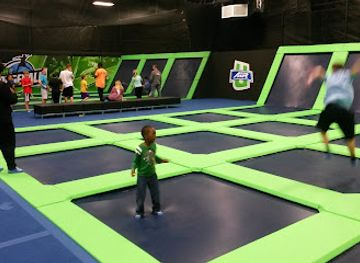
Experience the thrill of adventure at Sawyer's Fun Park in Winterville, NC, featuring laser tag, arcade games, and delicious dining options for the whole family.
26 min drive · 8.7 km from city centre
-
Tourist attraction
River Park North
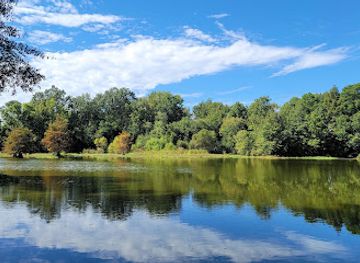
Explore River Park North in Greenville, NC – a serene park offering trails, fishing, and family-friendly amenities amid stunning natural scenery.
5 min drive · 1.8 km from city centre
-
Tourist attraction
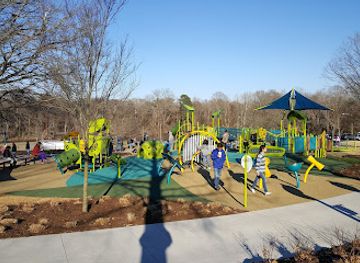
Alice F. Keene District Park
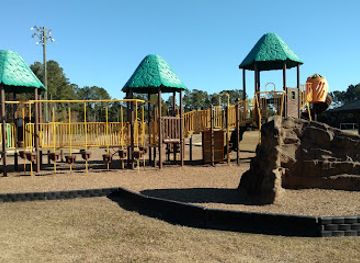
Experience the tranquility and natural beauty of Alice F. Keene District Park in Greenville, NC, a perfect destination for relaxation and outdoor activities.
22 min drive · 7.3 km from city centre
Best landmarks in Greenville
The Town Common and its riverfront spaces are among Greenville's most recognisable civic landmarks, expressing the city's long relationship with the Tar River while providing a setting for public gatherings. East Carolina University's campus is another defining presence, particularly its historic academic core and the later buildings and cultural institutions that reflect the university's growth from a teacher-training school into a major regional university. The Greenville Museum of Art is significant not only as a gallery but also as a public institution devoted to North Carolina's artistic heritage. Within the wider city, historic homes, churches and surviving commercial buildings offer reminders of Greenville's nineteenth- and early twentieth-century development as a county seat and agricultural market. The river, university and Uptown public realm together form a distinctive civic landscape shaped by education, trade and eastern North Carolina's coastal-plain environment.
-
Shopping mall
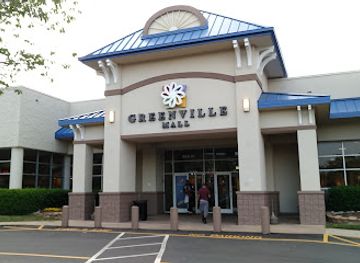
Greenville Mall
Discover a vibrant shopping experience at Greenville Mall, featuring diverse retailers, dining, and family-friendly amenities in the heart of North Carolina.
9 min drive · 3.0 km from city centre
-
Park
Town Common
Explore the natural beauty and community spirit of Town Common, a stunning park in Greenville, NC, perfect for relaxation and local events.
5 min walk · 0.4 km from city centre
-
Pizza
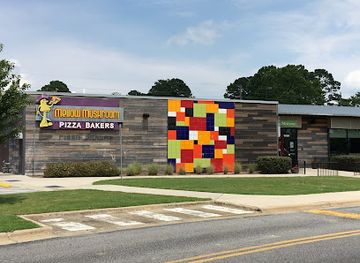
Mellow Mushroom Greenville
Discover Mellow Mushroom in Greenville - a vibrant pizza destination offering delicious gourmet pies, gluten-free options, and a unique dining atmosphere that caters to all.
9 min drive · 2.8 km from city centre
-
Hamburger
Jack Brown's Beer & Burger Joint Greenville NC
Experience the best of Greenville dining at Jack Brown's Beer & Burger Joint, where gourmet burgers meet craft beer in a vibrant atmosphere.
13 min walk · 1.1 km from city centre
Explore Greenville on the map
Plan your Greenville trip on one map. See where the top attractions, landmarks, restaurants, bars and hotels are, find what's near where you're staying, and book hotels and experiences in a few clicks.
Best hotels in Greenville
Best restaurants in Greenville
Greenville's food culture is grounded in eastern North Carolina, where barbecue is traditionally prepared with pork and served with a sharp vinegar-and-pepper sauce rather than a thick, sweet glaze. Seafood, fried fish, hush puppies, collard greens, cornbread and other Southern staples reflect the city's position between the agricultural coastal plain and the waters of eastern North Carolina. Long-established barbecue restaurants and casual family eateries sit alongside cafés, breweries and contemporary restaurants in and around Uptown Greenville, while the university population supports a broad range of international food. Independent dining is particularly concentrated around the central district and university area, where meals can shift from quick counter service to relaxed evening dining. The result is a scene that retains regional habits without being limited to traditional Southern cooking.
-
American
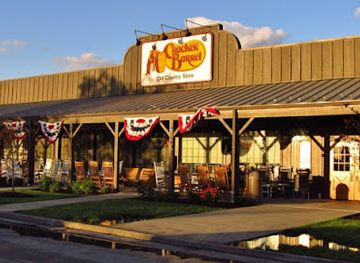
Cracker Barrel Old Country Store
Experience Southern charm at Cracker Barrel Old Country Store in Greenville - where delicious comfort food meets nostalgic shopping.
16 min drive · 5.5 km from city centre
-
Italian
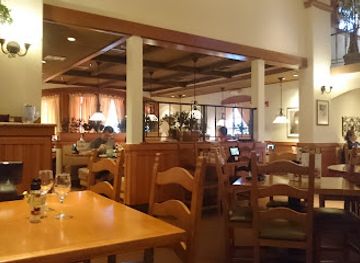
Olive Garden Italian Restaurant
Experience authentic Italian flavors at Olive Garden in Greenville - perfect for families and food lovers alike!
10 min drive · 3.3 km from city centre
-
Breakfast
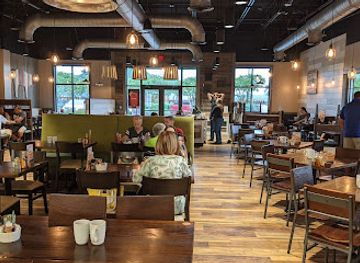
First Watch
Discover First Watch in Greenville - A premier destination for delicious breakfasts and health-focused brunch options made from fresh ingredients.
10 min drive · 3.2 km from city centre
-
Traditional American
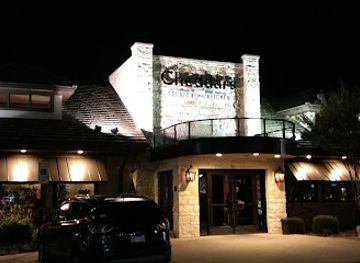
Cheddar's Scratch Kitchen
Experience the heart of Southern hospitality at Cheddar's Scratch Kitchen in Greenville, NC—where traditional American comfort food comes alive.
19 min drive · 6.3 km from city centre
Best bars in Greenville
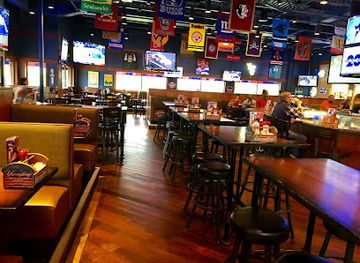
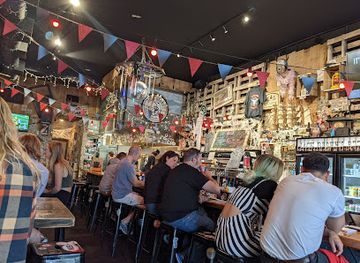
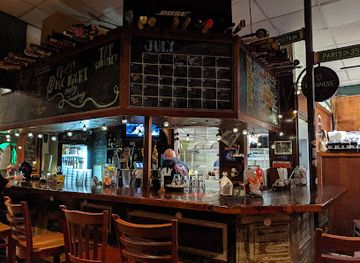
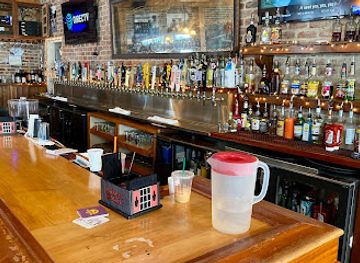
Greenville's evening life is shaped by East Carolina University and is most concentrated in Uptown and around the university area. Bars and breweries provide informal places for local beer, conversation and televised sport, while restaurants often form part of the evening social circuit. The city also has live music, comedy, theatre and university performances, so after-dark entertainment is not limited to clubs or drinking. Activity can be noticeably busier during the academic term and around ECU sporting events, while quieter periods feel more like a small regional city than a major nightlife destination. Visitors should expect venues to vary by night and season, and should use taxis, app-based rides or a designated driver when moving between districts.
-
Grill
Kickback Jack’s
Discover Kickback Jack's in Greenville, NC - a family-friendly grill and sports bar with delicious American cuisine and an inviting atmosphere.
11 min drive · 3.5 km from city centre
-
Bar
Jack Brown's Beer & Burger Joint Greenville NC
Discover the ultimate burger experience at Jack Brown's Beer & Burger Joint in Greenville, NC, where great taste meets a lively atmosphere.
13 min walk · 1.1 km from city centre
-
Bar
Christy's Euro Pub
Discover the vibrant culture and European flavors at Christy's Euro Pub, a top bar and restaurant in Greenville, NC, perfect for any occasion.
2 min walk · 0.1 km from city centre
-
Grill
5th Street Hardware Restaurant and Taproom
Discover 5th Street Hardware, where grill favorites meet gastropub innovation in a cozy Uptown atmosphere.
9 min walk · 0.7 km from city centre
Best nightclubs in Greenville
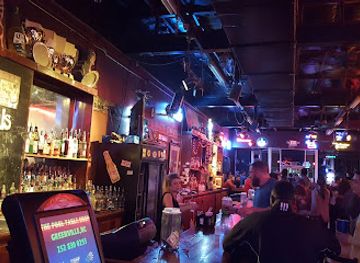
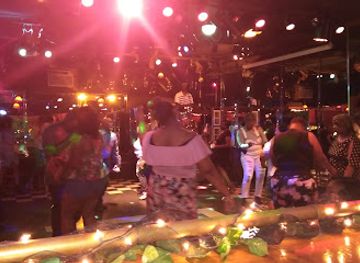
Greenville's evening life is shaped by East Carolina University and is most concentrated in Uptown and around the university area. Bars and breweries provide informal places for local beer, conversation and televised sport, while restaurants often form part of the evening social circuit. The city also has live music, comedy, theatre and university performances, so after-dark entertainment is not limited to clubs or drinking. Activity can be noticeably busier during the academic term and around ECU sporting events, while quieter periods feel more like a small regional city than a major nightlife destination. Visitors should expect venues to vary by night and season, and should use taxis, app-based rides or a designated driver when moving between districts.
-
Lounge
Smoke Out
Experience the vibrant nightlife of Greenville at Smoke Out, a cozy lounge offering craft cocktails, live music, and a lively atmosphere.
7 min walk · 0.5 km from city centre
-
Night club
Stilllife Greenville
Explore the lively atmosphere of Stilllife Greenville, a premier night club in North Carolina, offering music, dance, and unforgettable nightlife experiences.
7 min walk · 0.6 km from city centre
-
Night club
Club 519
Experience the vibrant nightlife at Club 519, Greenville's top destination for music, dance, and unforgettable memories.
7 min walk · 0.6 km from city centre
-
Night club
Club Faiz
Discover the vibrant nightlife at Club Faiz in Greenville, NC, where electrifying music and lively ambiance create unforgettable experiences.
6 min drive · 2.0 km from city centre

Best shops in Greenville
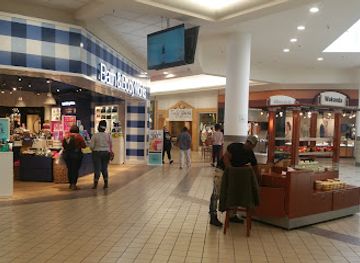
Shopping in Greenville is divided between the independent businesses and restaurants of Uptown Greenville, larger commercial corridors and the retail areas serving East Carolina University and the wider Pitt County population. Uptown is the most rewarding district for browsing locally oriented shops, gifts, books, clothing and small creative businesses, with public events sometimes extending the shopping experience into the surrounding streets. Supermarkets and specialist food retailers provide access to regional products, while seasonal markets and community events may offer handmade goods, produce and prepared food when operating. Visitors looking for souvenirs can focus on North Carolina-made crafts, university merchandise and locally produced foods rather than expecting a large traditional market quarter. The city's retail character is practical and regional, blending everyday shopping with a modest independent scene in the central district.
-
Shopping mall
Greenville Mall
Explore the diverse shopping, dining, and entertainment options at Greenville Mall, North Carolina's vibrant shopping destination.
9 min drive · 3.0 km from city centre
-
Shopping mall
University Commons - Greenville
Discover a shopping paradise at University Commons in Greenville, NC, where local charm meets national brands for an unforgettable experience.
12 min drive · 4.1 km from city centre
-
Shopping mall
Rivergate Shopping Center
Explore Rivergate Shopping Center: Your go-to destination for shopping, dining, and entertainment in Greenville, NC.
10 min drive · 3.3 km from city centre
-
Gift shop
Blue Ox Games
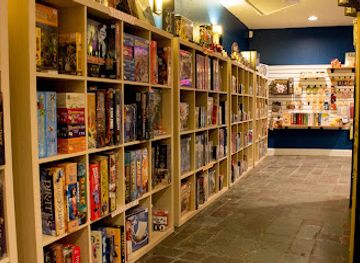
Explore Blue Ox Games in Greenville, NC - your ultimate destination for comics, games, miniatures, and collectibles in a vibrant community setting.
7 min drive · 2.3 km from city centre
Get your free copy of our complete guide to Greenville, delivered straight to you.
Everything on this page, from attractions and restaurants to essentials and local phrases, in one PDF you can read offline, print or share.
Already have an account? Sign in
Your Greenville guide is ready.
We'll send it to · Not you? Sign out

Getting your guide ready…
We are putting together a fresh copy of the Greenville guide. This can take up to a minute.
This can take a few moments. If your browser asks, choose Allow so the download can start. You'll find the guide in your Downloads folder.
Nothing happened? Download it again
Sorry, the guide is taking longer than usual. Please try again in a minute, or get it by email instead.
Greenville essentials
Currency and Payment
Safety
Emergency Situations
Do's and Don'ts
Local Tips
From Eve
Local phrases worth knowing
You don't need to get them perfect. A few words go a long way, and locals appreciate the effort.
Basics
| English | Local | Say it |
|---|---|---|
| Hello | Hey y'all | [Hey y'all] |
| Goodbye | See ya later | [See ya later] |
| Yes | Yeah | [Yeah] |
| No | Nah | [Nah] |
| Please/You're welcome | Please/No problem | [Please/No problem] |
| Thank you | Thank y'all | [Thank y'all] |
| Excuse me/Sorry | Excuse me/Sorry | [Excuse me/Sorry] |
| How are you? | How y'all doin'? | [How y'all doin'?] |
| Fine. And you? | Fine. How 'bout you? | [Fine. How 'bout you?] |
| Do you speak English? | Ya speak English? | [Ya speak English?] |
| I don't understand | I don't get it | [I don't get it] |
Eating & Drinking
| English | Local | Say it |
|---|---|---|
| I'd like to see the menu, please | Can I see the menu, please | [Can I see the menu, please] |
| I don't eat meat | I don't eat meat | [I don't eat meat] |
| Cheers! | Cheers! | [Cheers!] |
| I would like to pay, please | I'd like to pay, please | [I'd like to pay, please] |
Emergencies
| English | Local | Say it |
|---|---|---|
| Help! | Help! | [Help!] |
| Go away! | Git outta here! | [Git outta here!] |
| Call the Police! | Call the Po-lice! | [Call the Po-lice!] |
| Call a doctor! | Call a doc! | [Call a doc!] |
| I'm lost | I'm lost | [I'm lost] |
| I'm ill | I'm sick | [I'm sick] |
Shopping
| English | Local | Say it |
|---|---|---|
| I'd like to buy... | I wanna buy... | [I wanna buy...] |
| I'm just looking | I'm just lookin' | [I'm just lookin'] |
| How much is it? | How much is that? | [How much is that?] |
| That's too expensive | That's too pricy | [That's too pricy] |
| Can you lower the price? | Can ya bring it down? | [Can ya bring it down?] |
Time & Numbers
| English | Local | Say it |
|---|---|---|
| What time is it? | What time is it? | [What time is it?] |
| It's one o'clock | It's one o'clock | [It's one o'clock] |
| Half past (10) | Half past ten | [Half past ten] |
| Morning | Mornin' | [Mornin'] |
| Afternoon | Afternoon | [Afternoon] |
| Evening | Evenin' | [Evenin'] |
| Yesterday | Yestiddy | [Yestiddy] |
| Today | Today | [Today] |
| Tomorrow | Tomorrer | [Tomorrer] |
| 1 | One | [One] |
| 2 | Two | [Two] |
| 3 | Three | [Three] |
| 4 | Four | [Four] |
| 5 | Five | [Five] |
| 6 | Six | [Six] |
| 7 | Seven | [Seven] |
| 8 | Eight | [Eight] |
| 9 | Nine | [Nine] |
| 10 | Ten | [Ten] |
Transport & Directions
| English | Local | Say it |
|---|---|---|
| Where's a/the...? | Where's a/the...? | [Where's a/the...?] |
| What's the address? | What's the address? | [What's the address?] |
| Can you show me (on the map)? | Can you show me (on the map)? | [Can you show me (on the map)?] |
| When's the next (bus)? | When's the next (bus)? | [When's the next (bus)?] |
| A ticket (to ....) | A ticket (to ....) | [A ticket (to ....)] |
History of Greenville
Tuscarora Homeland and Coastal Plain Setting
The land around present-day Greenville was part of the homeland of the Tuscarora, an Indigenous people whose communities occupied large areas of eastern North Carolina before and during early European colonisation. The Tar River provided a route through the coastal plain and supported fishing, farming and movement across the region. Colonial settlement brought increasing pressure on Indigenous lands, and the Tuscarora War of 1711–1715 caused profound disruption, displacement and loss for Tuscarora communities. Although Greenville's formal town history began later, this earlier Indigenous geography shaped the river corridor and the settlement patterns that followed.
Martinsborough and Pitt County Foundations
Pitt County was created in 1760, and the settlement that became Greenville was founded as Martinsborough in 1771. Its position near the Tar River made it a natural administrative and trading point for surrounding farms and small communities. In 1786 the town was renamed Greenville, generally understood to honour General Nathanael Greene, the Continental Army commander associated with the American Revolutionary War in the southern colonies. The name reflected the patriotic language of the early United States, while the town's practical importance continued to come from its county institutions and river-connected agricultural hinterland.
River Trade and Agricultural Growth
During the nineteenth century, Greenville developed as a market town serving the farms of eastern North Carolina. The Tar River carried agricultural products and supplies, although navigation was affected by seasonal conditions and changing river channels. Cotton, corn, timber and later tobacco all contributed to the local economy. Roads, warehouses and commercial buildings reinforced the town's role as a regional centre, while the arrival of rail connections improved access to larger markets. The pattern established in this period—an administrative centre linked to agriculture, transport and trade—remains important to understanding Greenville's modern economic identity.
Tobacco, Railways and a Larger Regional Role
In the late nineteenth and early twentieth centuries, tobacco became especially influential across eastern North Carolina. Greenville's rail links and commercial institutions helped connect growers and merchants with markets beyond Pitt County, and tobacco warehouses became part of the town's working landscape. The crop shaped employment, business and civic development, while the surrounding rural economy also continued to depend on cotton, corn and livestock. As Greenville expanded, the town increasingly served as a centre for banking, education, healthcare and government as well as agriculture, giving it a regional role that exceeded its population.
The Founding of East Carolina
East Carolina University began in 1907 as East Carolina Teachers Training School, established to prepare teachers for the rapidly developing communities of eastern North Carolina. It later became East Carolina Teachers College, East Carolina College and finally East Carolina University in 1967. The institution transformed Greenville's cultural and economic life by attracting students, educators, researchers and medical professionals. Its growth also broadened the city's identity beyond farming and trade. Today, the university's campus, arts programmes, health sciences and athletics are central to the city's public life and regional influence.
Modern Greenville and the Tar River
Twentieth-century Greenville grew through education, healthcare, retail, manufacturing and public administration, while agriculture remained an important influence in the surrounding county. Flooding and changing patterns of river use encouraged greater attention to the Tar River's environmental and recreational value. Parks, greenways and the Town Common have helped reconnect daily urban life with the waterway. At the same time, Uptown Greenville has developed as a civic and commercial focus, supporting independent businesses, public events and cultural activity. The contemporary city therefore combines a university-led economy with the older river, agricultural and regional traditions that shaped its formation.
Greenville in Photos
Browse through our photo collection highlighting the charm and character of the destination.
Cities near Greenville
The closest cities to Greenville, if you have time for more than one stop.
-

-

-

-

-


Swipe for more cities
Explore more

Explore more of North Carolina
Discover North Carolina's blend of natural beauty, vibrant cities, and rich history. From the Outer Banks to the Blue Ridge Mountains, experience diverse landscapes and cultures.
Explore North Carolina