

Free Chapel Hill Travel Guide & Mobile App
Plan your Chapel Hill trip with Evendo. Get free guides to top attractions, restaurants, hotels, and bars. Web access or download the mobile app.


Chapel Hill, North Carolina, pairs UNC history, Franklin Street culture, botanical gardens, museums, Southern food and easy access to the wider Triangle.
University Town and Southern Setting
Chapel Hill rises gently through the wooded landscape of North Carolina's Piedmont, its identity closely tied to the University of North Carolina at Chapel Hill, the oldest public university in the United States. The campus gives the town an intellectual energy, while Franklin Street brings together independent bookshops, cafés, restaurants, bars and long-established local businesses. Red-brick academic buildings, mature trees and quiet residential streets create a more intimate setting than nearby Raleigh or Durham, yet the wider Research Triangle is close at hand.Read more about Chapel Hill
Campus, Culture and Community
Gardens and Piedmont Landscapes
When is the best time to visit Chapel Hill?
Best: April–May, October · 22–26°C| Month | High (°C) | Rainfall (mm) |
|---|---|---|
| January | 11 | 90 |
| February | 13 | 90 |
| March | 18 | 100 |
| April (best) | 22 | 90 |
| May (best) | 26 | 100 |
| June | 31 | 110 |
| July | 33 | 120 |
| August | 32 | 110 |
| September | 28 | 100 |
| October (best) | 22 | 90 |
| November | 17 | 90 |
| December | 12 | 90 |
Getting to and around Chapel Hill
How to get there
Transportation
Best attractions in Chapel Hill
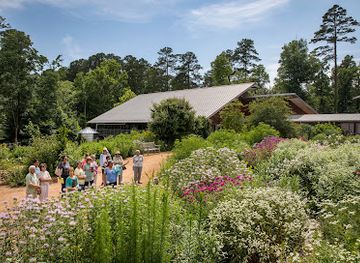
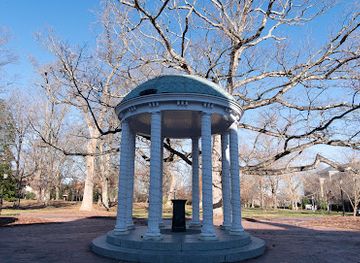
Chapel Hill's principal attractions cluster around the University of North Carolina campus and its surrounding streets. The Old Well and the landscaped spaces of Polk Place and McCorkle Place provide a graceful introduction to the university's history, while the Ackland Art Museum presents collections ranging from European works to Asian, African and American art. Morehead Planetarium and Science Center brings astronomy and science to the campus, and the Carolina Basketball Museum explores one of the state's most influential sporting traditions. Coker Arboretum offers a compact botanical retreat among mature plantings, whereas the North Carolina Botanical Garden, south of the central campus, presents native habitats, cultivated gardens and conservation work. Franklin Street adds a more contemporary form of sightseeing, with independent shops, cafés, murals and long-established businesses that reveal Chapel Hill's everyday character beyond institutional landmarks.
-
Tourist attraction
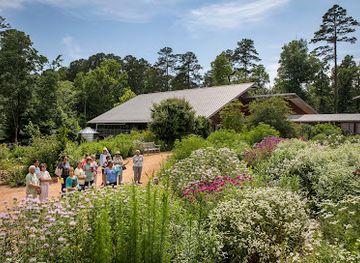
North Carolina Botanical Garden
Experience the natural beauty and tranquility of the North Carolina Botanical Garden, a top tourist attraction in Chapel Hill, North Carolina.
8 min drive · 2.5 km from city centre
-
Public university
University of North Carolina at Chapel Hill
Experience the rich history and vibrant campus life at the University of North Carolina at Chapel Hill, a premier destination for education and culture.
15 min walk · 1.2 km from city centre
-
Tourist attraction
Old Well
Discover the Old Well, a historic landmark in Chapel Hill, NC, symbolizing the University of North Carolina with stunning architecture and serene beauty.
5 min walk · 0.4 km from city centre
-
Tourist attraction
Carolina Basketball Museum
Discover the legacy of Carolina basketball at the Carolina Basketball Museum, where sports history meets interactive experiences for all ages.
6 min drive · 1.9 km from city centre
Best landmarks in Chapel Hill
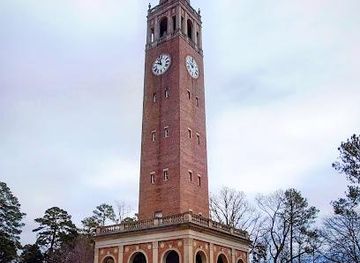
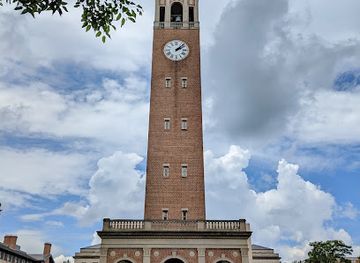
The Old Well is Chapel Hill's best-known symbol, a nineteenth-century neoclassical-style campus structure that marks the ceremonial centre of the University of North Carolina. Nearby Old East and Old West form part of the university's early architectural history, while the Morehead-Patterson Bell Tower provides a prominent visual reference across the campus. Playmakers Theatre, originally built as a debating hall, reflects the university's long association with performance and public culture. Franklin Street functions as a civic landmark in its own right, linking the campus to the town's commercial life. The Carolina Inn, opened in the 1920s and associated with the university, represents the town's tradition of collegiate hospitality. Together these buildings and spaces show how Chapel Hill developed around an academic institution while maintaining a distinct civic centre and local street life.
-
Hotel
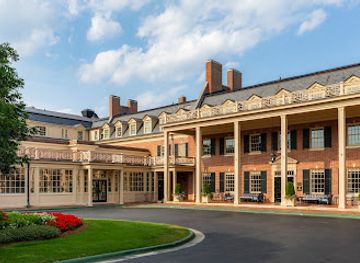
The Carolina Inn - Destination by Hyatt
Experience Southern charm and luxury at The Carolina Inn, a historic hotel in Chapel Hill, perfect for travelers seeking relaxation and culture.
5 min walk · 0.4 km from city centre
-
Botanical garden
North Carolina Botanical Garden
Discover the beauty and tranquility of the North Carolina Botanical Garden, a must-see destination for nature lovers and tourists in Chapel Hill.
8 min drive · 2.5 km from city centre
-
Public university
University of North Carolina at Chapel Hill
Explore the University of North Carolina at Chapel Hill, a historic public university with stunning architecture, lush gardens, and vibrant student life.
15 min walk · 1.2 km from city centre
-
Brewery
Top of the Hill Restaurant & Brewery - Chapel Hill
Discover the vibrant flavors of American cuisine and craft beer at Top of the Hill Restaurant & Brewery in Chapel Hill, NC, where every meal is a celebration.
1 min walk · 0.1 km from city centre
Explore Chapel Hill on the map
Plan your Chapel Hill trip on one map. See where the top attractions, landmarks, restaurants, bars and hotels are, find what's near where you're staying, and book hotels and experiences in a few clicks.
Best hotels in Chapel Hill
Best restaurants in Chapel Hill
Chapel Hill's dining culture reflects North Carolina's Piedmont setting, university population and internationally connected community. Regional traditions include pulled-pork barbecue with vinegar-based sauce, fried chicken, biscuits, sweet tea and seasonal produce, while restaurants around Franklin Street, West Franklin and the campus serve food influenced by East Asian, South Asian, Latin American, Mediterranean and other culinary traditions. Casual cafés, bakeries and student-oriented eateries sit alongside more polished dining rooms, and local favourites include breakfast counters, pizza rooms and places specialising in Southern cooking. The neighbouring Carrboro area adds a strong independent-food identity, with cafés, breweries and farmers' market culture closely linked to Chapel Hill's dining scene. The Carrboro Farmers' Market, held in the nearby town, is a useful regional reference point for North Carolina produce and small food producers.
-
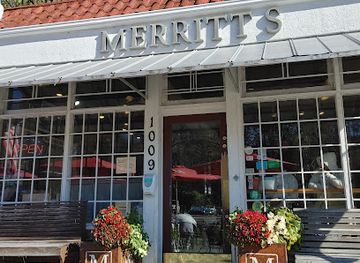
Grill
Merritt's Grill
Discover authentic Southern flavors at Merritt's Grill in Chapel Hill – where delicious meets delightful.
6 min drive · 1.9 km from city centre
-
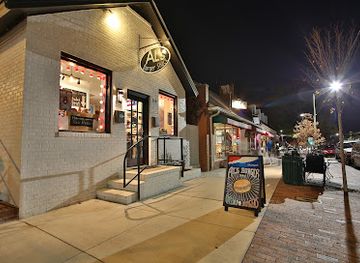
Restaurant
Al's Burger Shack
Discover Al's Burger Shack in Chapel Hill - where mouthwatering burgers meet a vibrant atmosphere at unbeatable prices!
10 min walk · 0.8 km from city centre
-
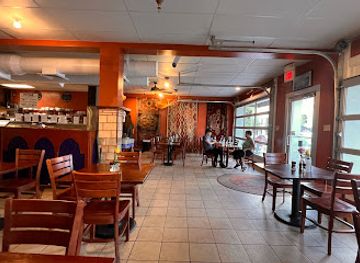
Mediterranean
Mediterranean Deli, Bakery, and Catering
Experience authentic Mediterranean flavors at this delightful deli and bakery in Chapel Hill - perfect for food lovers seeking quality meals.
8 min walk · 0.7 km from city centre
-
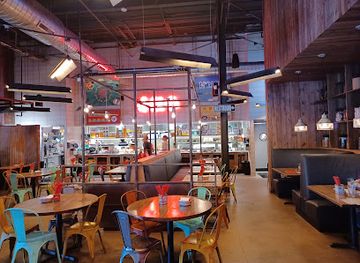
Asian
Hawkers Asian Street Food
Experience authentic Asian street food in Chapel Hill with a vibrant atmosphere and diverse menu perfect for sharing delicious meals.
9 min drive · 3.0 km from city centre
Best bars in Chapel Hill
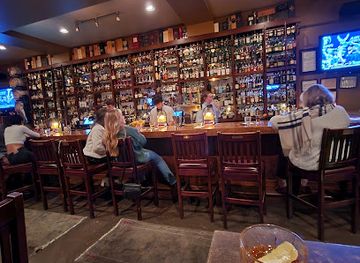
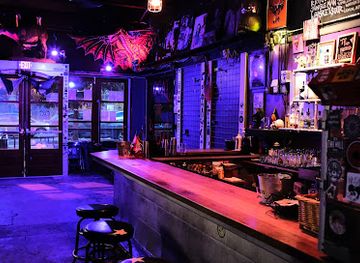
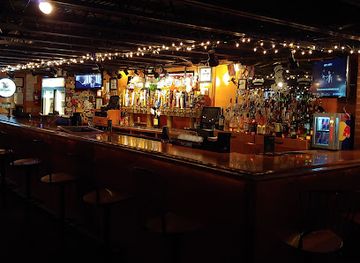
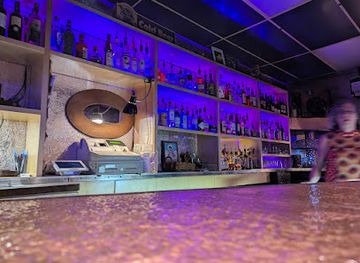
Nightlife in Chapel Hill is concentrated around Franklin Street, West Franklin and nearby campus areas, with a character shaped by students, university staff, local residents and live music. The evening range includes pub-style bars, craft beer rooms, cocktail spots, cafés that host performances and venues associated with the Triangle's long music tradition. Larger university events can make the central streets particularly busy, while Carrboro's downtown provides additional bars, breweries and performance spaces a short distance away. Chapel Hill is not a major late-night clubbing centre, and the scene is generally more social and music-led than dominated by large nightclubs. Visitors should carry valid identification, follow United States alcohol laws and use a taxi, rideshare or public transport plan when moving between Chapel Hill, Carrboro and Durham after dark.
-
Brewery
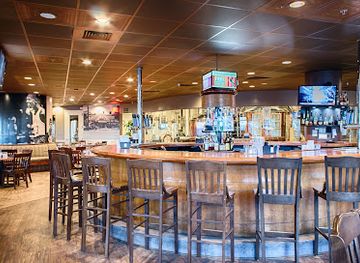
Top of the Hill Restaurant & Brewery - Chapel Hill
Discover the best of American cuisine and craft beer at Top of the Hill Restaurant & Brewery in Chapel Hill, North Carolina.
1 min walk · 0.1 km from city centre
-
Brewpub
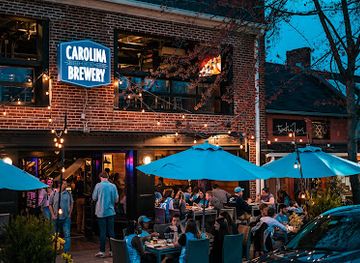
Carolina Brewery
Discover the best craft beer and American cuisine at Carolina Brewery in Chapel Hill, where local flavors and vibrant atmosphere unite.
9 min walk · 0.7 km from city centre
-
Grill
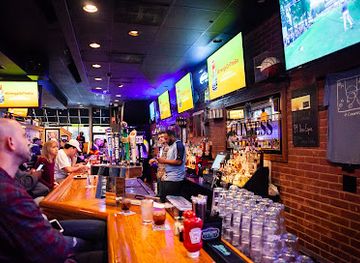
Four Corners
Experience the vibrant atmosphere and diverse menu at Four Corners Grille in Chapel Hill, where great food meets sports excitement.
3 min walk · 0.3 km from city centre
-
Grill
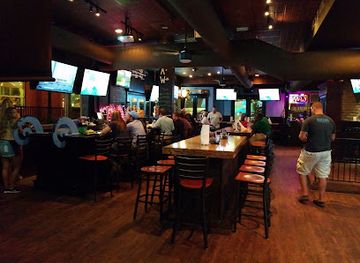
Might As Well Bar & Grill
Discover the vibrant flavors of Might As Well Bar & Grill in Chapel Hill, offering American classics, sports viewing, and a welcoming atmosphere.
4 min walk · 0.3 km from city centre
Best nightclubs in Chapel Hill
Nightlife in Chapel Hill is concentrated around Franklin Street, West Franklin and nearby campus areas, with a character shaped by students, university staff, local residents and live music. The evening range includes pub-style bars, craft beer rooms, cocktail spots, cafés that host performances and venues associated with the Triangle's long music tradition. Larger university events can make the central streets particularly busy, while Carrboro's downtown provides additional bars, breweries and performance spaces a short distance away. Chapel Hill is not a major late-night clubbing centre, and the scene is generally more social and music-led than dominated by large nightclubs. Visitors should carry valid identification, follow United States alcohol laws and use a taxi, rideshare or public transport plan when moving between Chapel Hill, Carrboro and Durham after dark.
-
Cocktail bar
The Crunkleton
Experience the vibrant nightlife of Chapel Hill at The Crunkleton, a cocktail bar renowned for its expertly crafted drinks and lively atmosphere.
6 min walk · 0.5 km from city centre
-
Night club
Local 506
Discover the heart of Chapel Hill's nightlife at Local 506, a lively club and live music venue offering unforgettable performances and drinks.
10 min walk · 0.8 km from city centre
-
Bar
Goodfellows
Experience the vibrant nightlife at Goodfellows, Chapel Hill's top bar with great drinks and a lively atmosphere.
2 min walk · 0.2 km from city centre
-
Club
Orange County Social Club
Discover the electric nightlife of Carrboro at Orange County Social Club, where drinks, music, and friends come together for an unforgettable experience.
18 min walk · 1.4 km from city centre
Best shops in Chapel Hill
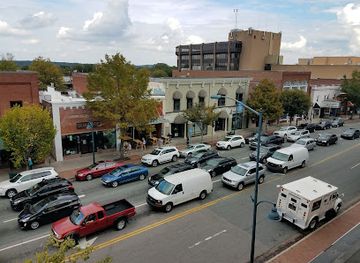
Shopping in Chapel Hill centres on Franklin Street, West Franklin and the nearby streets around the UNC campus, where independent bookshops, clothing stores, galleries, gift shops, cafés and student-focused retailers occupy a walkable commercial corridor. The selection reflects the town's university population, with books, stationery, Carolina-themed goods, art prints and practical everyday items prominent among visitor purchases. Local food products, North Carolina craft beverages and handmade work can also be found through independent retailers and regional markets, while Carrboro offers additional boutiques, galleries and artisan-oriented businesses close to Chapel Hill. Larger shopping areas lie outside the historic core and are easier to reach by car or bus. The shopping experience is less about a single enclosed retail complex than about browsing a network of small businesses shaped by university life and the broader creative culture of the Triangle.
-
Shopping mall
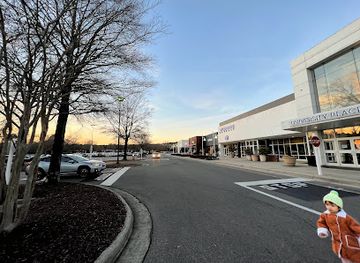
University Place
Explore University Place in Chapel Hill: A vibrant shopping mall offering a mix of local charm, diverse dining, and exciting events for every visitor.
9 min drive · 3.1 km from city centre
-
Shopping mall
Eastgate
Explore Eastgate in Chapel Hill - a vibrant shopping mall with diverse retail, dining, and entertainment options for an unforgettable experience.
11 min drive · 3.7 km from city centre
-
Shopping mall
Village Plaza
Explore the vibrant Village Plaza, a shopping mall in Chapel Hill featuring diverse stores, delicious dining options, and community events for all ages.
11 min drive · 3.5 km from city centre
-
Book store
UNC Student Stores
Explore the heart of Chapel Hill at UNC Student Stores, a vibrant bookstore offering a unique blend of literature and university spirit.
10 min walk · 0.8 km from city centre

Get your free copy of our complete guide to Chapel Hill, delivered straight to you.
Everything on this page, from attractions and restaurants to essentials and local phrases, in one PDF you can read offline, print or share.
Already have an account? Sign in
Your Chapel Hill guide is ready.
We'll send it to · Not you? Sign out

Getting your guide ready…
We are putting together a fresh copy of the Chapel Hill guide. This can take up to a minute.
This can take a few moments. If your browser asks, choose Allow so the download can start. You'll find the guide in your Downloads folder.
Nothing happened? Download it again
Sorry, the guide is taking longer than usual. Please try again in a minute, or get it by email instead.
Chapel Hill essentials
Currency and Payment
Safety
Emergency Situations
Do's and Don'ts
Local Tips
From Eve
Local phrases worth knowing
You don't need to get them perfect. A few words go a long way, and locals appreciate the effort.
Basics
| English | Local | Say it |
|---|---|---|
| Hello | Hey y'all | [hey yall] |
| Goodbye | See ya later | [see ya later] |
| Yes | Yep | [yep] |
| No | Nah | [nah] |
| Please/You're welcome | Please/No problem | [please/no problem] |
| Thank you | Thank ya | [thank ya] |
| Excuse me/Sorry | Excuse me/My bad | [excuse me/my bad] |
| How are you? | How y'all doin'? | [how yall doin] |
| Fine. And you? | Good. And you? | [good and you] |
| Do you speak English? | Ya speak English? | [ya speak english] |
| I don't understand | I ain't catchin' on | [i aint catchin on] |
Eating & Drinking
| English | Local | Say it |
|---|---|---|
| I'd like to see the menu, please | Can I see the menu, please | [can i see the menu please] |
| I don't eat meat | I don't eat meat | [i dont eat meat] |
| Cheers! | Cheers! | [cheers] |
| I would like to pay, please | I'd like to settle up, please | [id like to settle up please] |
Emergencies
| English | Local | Say it |
|---|---|---|
| Help! | Help! | [help] |
| Go away! | Get lost! | [get lost] |
| Call the Police! | Call the cops! | [call the cops] |
| Call a doctor! | Get a doc! | [get a doc] |
| I'm lost | I'm turned around | [im turned around] |
| I'm ill | I'm feelin' poorly | [im feelin poorly] |
Shopping
| English | Local | Say it |
|---|---|---|
| I'd like to buy... | I wanna buy... | [i wanna buy] |
| I'm just looking | Just browsing | [just browsing] |
| How much is it? | How much? | [how much] |
| That's too expensive | Too steep | [too steep] |
| Can you lower the price? | Can ya do better on the price? | [can ya do better on the price] |
Time & Numbers
| English | Local | Say it |
|---|---|---|
| What time is it? | What's the time? | [whats the time] |
| It's one o'clock | It's one | [its one] |
| Half past (10) | Half past ten | [half past ten] |
| Morning | Mornin' | [mornin] |
| Afternoon | Afternoon | [afternoon] |
| Evening | Evenin' | [evenin] |
| Yesterday | Yesterday | [yesterday] |
| Today | Today | [today] |
| Tomorrow | Tomorrow | [tomorrow] |
| 1 | One | [one] |
| 2 | Two | [two] |
| 3 | Three | [three] |
| 4 | Four | [four] |
| 5 | Five | [five] |
| 6 | Six | [six] |
| 7 | Seven | [seven] |
| 8 | Eight | [eight] |
| 9 | Nine | [nine] |
| 10 | Ten | [ten] |
Transport & Directions
| English | Local | Say it |
|---|---|---|
| Where's a/the...? | Where's the...? | [wheres the] |
| What's the address? | What's the address? | [whats the address] |
| Can you show me (on the map)? | Can you show me (on the map)? | [can you show me on the map] |
| When's the next (bus)? | When's the next (bus)? | [whens the next bus] |
| A ticket (to ....) | A ticket (to ....) | [a ticket to] |
History of Chapel Hill
Indigenous Piedmont Landscapes
Long before Chapel Hill was established, the central North Carolina Piedmont was home to Indigenous peoples, including communities associated with the Eno and Occaneechi. Their presence shaped the region's paths, ecology and patterns of settlement, even though later colonial and university histories often overlooked those foundations. European colonisation brought farms, roads and changing land ownership to the area. Chapel Hill's name refers to New Hope Chapel, an Anglican place of worship that stood on a hill along an early route between Hillsborough and Pittsboro. The surrounding landscape of rolling woodland and streams helped determine the town's eventual form and remains visible in its mature trees, gardens and green spaces.
Founding the University
The University of North Carolina was chartered by the state in 1789, and the cornerstone of its first building, now known as the Old East building, was laid in 1793. Instruction began in 1795, making the Chapel Hill institution the first public university in the United States to admit students and graduate a class. The university became the town's defining institution, drawing scholars, students and staff to a previously rural setting. Its early campus, centred on buildings such as Old East and Old West, established the architectural and civic core around which Chapel Hill developed.
A Town Around the Campus
Chapel Hill was incorporated in 1819, and its growth remained closely connected to the university and to regional roads linking the town with Hillsborough, Raleigh and other Piedmont communities. Franklin Street emerged as the principal commercial corridor, providing shops, services and places for university and town residents to meet. During the nineteenth century, the campus expanded and the town acquired a more settled civic identity, while the surrounding area continued to reflect North Carolina's agricultural economy. The arrival of railways elsewhere in the region and later improvements in road transport gradually strengthened Chapel Hill's links with Durham and Raleigh.
Civil Rights and Social Change
Chapel Hill's history is marked by the contradictions of a public university town in the segregated South. Black residents built businesses, churches and civic institutions while facing exclusion from many public facilities and commercial spaces. In 1960, demonstrations and sit-ins challenged segregation in Chapel Hill businesses, including the Colonial Drug Store on Franklin Street. The town and university also experienced the wider struggle over racial integration in higher education; UNC admitted its first Black undergraduate students in 1955. These changes reshaped public life and contributed to Chapel Hill's later reputation as a centre of progressive civic and academic culture, while the legacy of segregation remains an important part of local historical interpretation.
The Research Triangle Era
After the Second World War, Chapel Hill became increasingly connected to the expanding network of universities, hospitals, technology companies and research institutions across the Triangle. UNC developed into a major centre for medicine, public health, the arts and the sciences, while improved roads and suburban growth linked the town more closely with Durham and Raleigh. The university campus and Franklin Street retained their historic relationship, but new neighbourhoods, shopping areas and cultural institutions extended the town beyond its nineteenth-century core. Chapel Hill today reflects this layered development: a university community with deep local traditions situated within one of the most research-intensive regions of the American South.
Chapel Hill in Photos
Browse through our photo collection highlighting the charm and character of the destination.
Cities near Chapel Hill
The closest cities to Chapel Hill, if you have time for more than one stop.
-

-

-

-

-


Swipe for more cities
Explore more

Explore more of North Carolina
Discover North Carolina's blend of natural beauty, vibrant cities, and rich history. From the Outer Banks to the Blue Ridge Mountains, experience diverse landscapes and cultures.
Explore North Carolina