

Free Hickory Travel Guide & Mobile App
Plan your Hickory trip with Evendo. Get free guides to top attractions, restaurants, hotels, and bars. Web access or download the mobile app.


Hickory, North Carolina, blends furniture heritage, Appalachian foothill scenery, museums, local food and a walkable downtown into a rewarding cultural escape.
Furniture Heritage and Foothill Character
Hickory lies in western North Carolina, where the Piedmont rises towards the Blue Ridge Mountains and the Catawba River shapes the wider landscape. The city is best known for a furniture industry that developed around its rail connections and skilled woodworking traditions, but its identity extends well beyond manufacturing. Downtown Hickory brings together historic commercial buildings, independent shops, restaurants, galleries and public spaces around Union Square, while the surrounding districts combine established neighbourhoods with the practical energy of a regional centre.Read more about Hickory
Museums, Music and Local Life
Exploring the Wider Setting
When is the best time to visit Hickory?
Best: May, September–October · 22–29°C| Month | High (°C) | Rainfall (mm) |
|---|---|---|
| January | 9 | 94 |
| February | 11 | 94 |
| March | 16 | 102 |
| April | 21 | 93 |
| May (best) | 26 | 106 |
| June | 30 | 108 |
| July | 33 | 120 |
| August | 32 | 101 |
| September (best) | 29 | 94 |
| October (best) | 22 | 87 |
| November | 16 | 87 |
| December | 10 | 90 |
Getting to and around Hickory
How to get there
Transportation
Best attractions in Hickory
Hickory’s attractions combine cultural institutions, sports and the practical legacy of its furniture industry. The SALT Block is the city’s main cultural cluster, bringing together the Hickory Museum of Art, Catawba Science Center and Hickory Public Library in a walkable setting near downtown. The art museum presents American art with particular relevance to regional makers and collections, while the science centre offers hands-on experiences suited to families. At Hickory Regional Airport, the Hickory Aviation Museum explores aviation history through aircraft and related displays. The Hickory Furniture Mart and surrounding showrooms reveal why the city became a major furniture marketplace, offering a very different kind of cultural encounter. Outdoor-minded visitors can use local greenways and explore the Catawba River setting, while baseball fans may find seasonal entertainment at the Hickory Crawdads’ stadium.
-
Tourist attraction
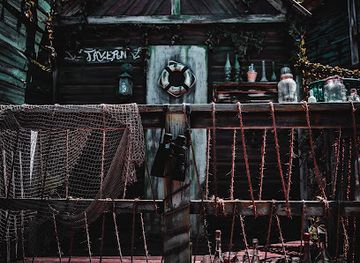
Lake Hickory Haunts
Discover the spine-chilling excitement of Lake Hickory Haunts, where thrilling attractions and eerie experiences await every adventurous tourist.
27 min drive · 9.1 km from city centre
-
Tourist attraction
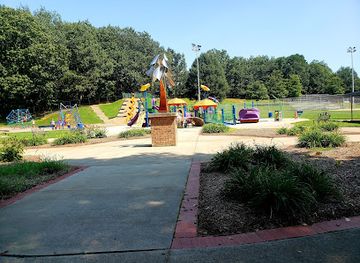
Kiwanis Park
Experience the beauty and tranquility of Kiwanis Park in Hickory, NC, where nature meets recreation in a picturesque setting.
7 min drive · 2.4 km from city centre
-
Tourist attraction
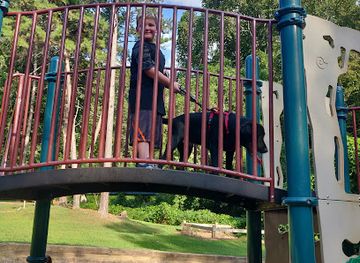
Glenn C. Hilton, Jr. Memorial Park
Discover the natural beauty and recreational delights of Glenn C. Hilton, Jr. Memorial Park in Hickory, North Carolina, a perfect spot for families and nature lovers.
10 min drive · 3.2 km from city centre
-
Tourist attraction
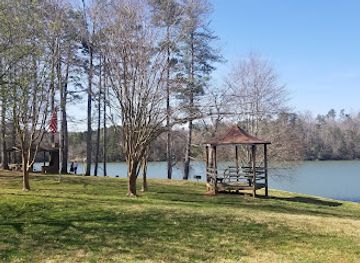
Geitner Park
Explore the serene beauty of Geitner Park in Hickory, NC, a perfect destination for nature lovers and outdoor enthusiasts seeking relaxation and recreation.
12 min drive · 4.1 km from city centre
Best landmarks in Hickory
Hickory’s most meaningful landmarks express its development as a railway town, manufacturing centre and regional cultural hub. Union Square forms the historic heart of downtown, where the street plan and commercial buildings recall the city’s growth around trade and transport. The SALT Block is a contemporary civic landmark, bringing together major cultural institutions in a former industrial area and symbolising the city’s investment in education and public life. Lenoir-Rhyne University provides another important architectural and institutional presence, with a campus history reaching back to its foundation in 1891. Hickory Regional Airport’s aviation museum preserves a different strand of local identity through historic aircraft and interpretation. The broader furniture district, including Hickory Furniture Mart, is significant not for one monument but for the concentration of commerce that keeps the city’s manufacturing heritage visible.
-
Convention center
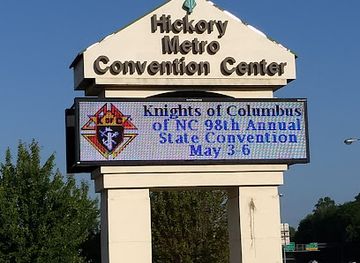
Hickory Metro Convention Center & Visitors Bureau
Experience the vibrant atmosphere of Hickory Metro Convention Center, where culture, business, and community come together in North Carolina.
14 min drive · 4.6 km from city centre
-
Museum
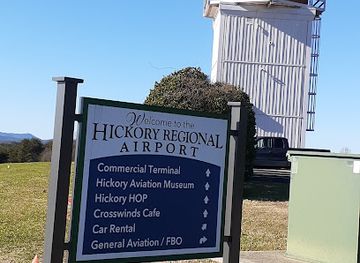
Hickory Aviation Museum
Discover the fascinating world of aviation at Hickory Aviation Museum, where history meets technology in an inspiring setting.
12 min drive · 4.2 km from city centre
-
Antique store
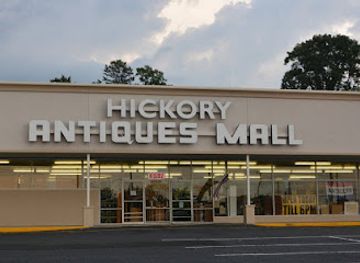
Hickory Antiques Mall Inc.
Explore Hickory Antiques Mall for an unforgettable journey through time with unique vintage treasures, collectibles, and nostalgic finds in North Carolina.
5 min drive · 1.7 km from city centre
-
Art museum
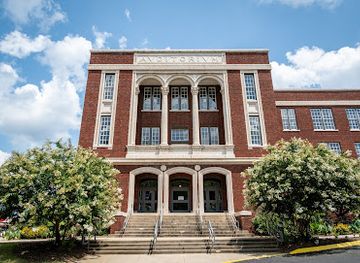
Hickory Museum of Art
Explore the Hickory Museum of Art, where creativity meets community in North Carolina's vibrant cultural landscape.
12 min walk · 1.0 km from city centre
Explore Hickory on the map
Plan your Hickory trip on one map. See where the top attractions, landmarks, restaurants, bars and hotels are, find what's near where you're staying, and book hotels and experiences in a few clicks.
Best hotels in Hickory
Best restaurants in Hickory
Hickory’s food culture reflects western North Carolina’s long-standing barbecue tradition, with pork, wood smoke, vinegar-based sauces and familiar Southern side dishes prominent in local dining. Barbecue restaurants sit alongside independent cafés, burger spots, pizzerias, bakeries and contemporary kitchens, particularly in and around the downtown area. The city’s furniture-industry history and regional business role have also supported a broad restaurant scene rather than a single narrow cuisine. Local farmers’ markets and seasonal vendors provide access to North Carolina produce, while nearby foothill farms influence menus when ingredients are available. Visitors will find casual family dining as well as more polished restaurants, with craft beer and locally minded menus appearing in the central district. Dining customs follow wider American practice, including counter service in casual venues and tipping for full table service.
-
Steak
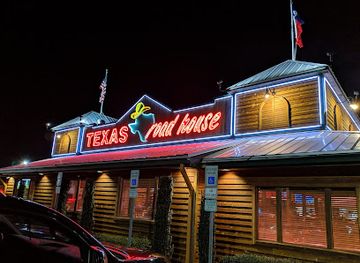
Texas Roadhouse
Savor mouthwatering steaks and classic American dishes at Texas Roadhouse in Hickory—your destination for hearty meals and Southern hospitality.
9 min drive · 2.9 km from city centre
-
Italian
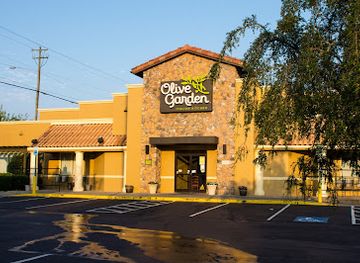
Olive Garden Italian Restaurant
Discover authentic Italian cuisine at Olive Garden in Hickory—perfect for families with gluten-free options and Mediterranean delights.
17 min drive · 5.6 km from city centre
-
American
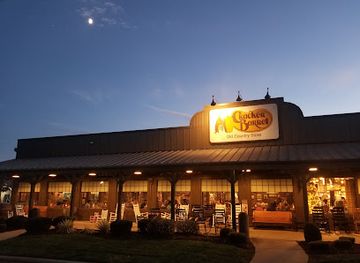
Cracker Barrel Old Country Store
Experience authentic Southern cuisine at Cracker Barrel Old Country Store in Hickory—where comfort food meets charming shopping.
10 min drive · 3.5 km from city centre
-
Steak
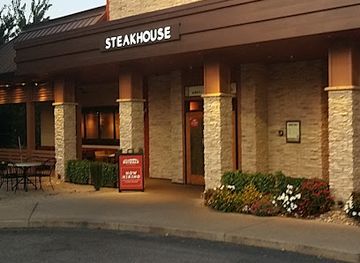
Outback Steakhouse
Experience the vibrant flavors of Australia at Outback Steakhouse in Hickory – where hearty meals meet warm hospitality.
12 min drive · 3.9 km from city centre
Best bars in Hickory
Hickory’s nightlife is more small-city and social than club-centred, with evening activity concentrated around downtown restaurants, breweries, bars and live-music spaces. Union Square and nearby streets are useful starting points for a relaxed night out, while local venues periodically host touring performers, regional bands, comedy and community events. The city’s arts institutions and concert programming broaden the evening options beyond drinking, and the Hickory Crawdads bring seasonal night games and outdoor entertainment. Students and staff associated with Lenoir-Rhyne University contribute to parts of the evening scene, although activity varies with the academic calendar. Visitors should expect distances between districts and arrange a ride when moving beyond the central area, particularly if sampling venues in separate commercial corridors.
-
American
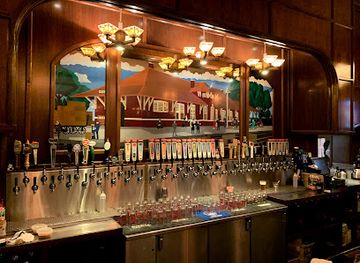
Olde Hickory Station
Discover Olde Hickory Station, where American cuisine meets Southern charm in Hickory, NC.
6 min walk · 0.5 km from city centre
-
American
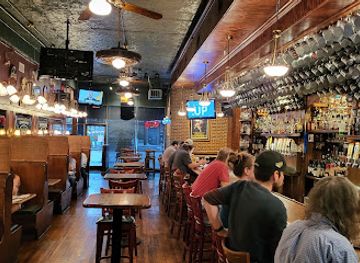
Olde Hickory Tap Room
Experience the best of American cuisine and craft beer at Olde Hickory Tap Room, Hickory, NC's vibrant culinary hotspot.
5 min walk · 0.4 km from city centre
-
Grill
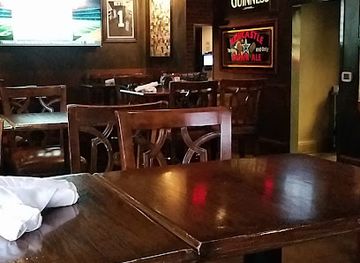
Backstreets Bar & Grill
Experience the unique flavors of Hickory at Backstreets Bar & Grill, where delicious grilled dishes and a welcoming vibe come together for an unforgettable dining experience.
6 min drive · 2.0 km from city centre
-
Grill
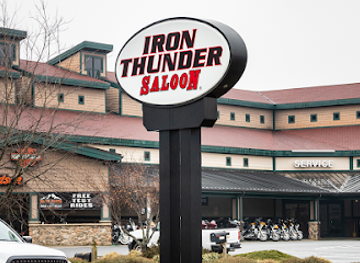
Iron Thunder Saloon & Grill - Hickory
Experience Southern hospitality at Iron Thunder Saloon & Grill, Hickory's go-to destination for delicious food and vibrant atmosphere.
14 min drive · 4.8 km from city centre
Best nightclubs in Hickory
Hickory’s nightlife is more small-city and social than club-centred, with evening activity concentrated around downtown restaurants, breweries, bars and live-music spaces. Union Square and nearby streets are useful starting points for a relaxed night out, while local venues periodically host touring performers, regional bands, comedy and community events. The city’s arts institutions and concert programming broaden the evening options beyond drinking, and the Hickory Crawdads bring seasonal night games and outdoor entertainment. Students and staff associated with Lenoir-Rhyne University contribute to parts of the evening scene, although activity varies with the academic calendar. Visitors should expect distances between districts and arrange a ride when moving beyond the central area, particularly if sampling venues in separate commercial corridors.
-
Sports bar
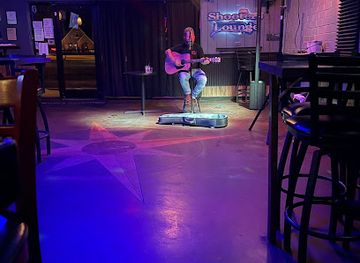
Shooters Lounge
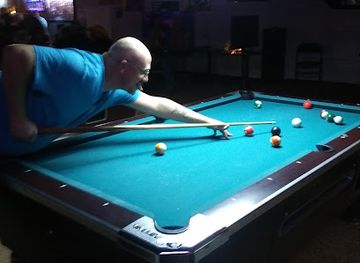
Experience thrilling sports action and vibrant nightlife at Shooters Lounge, Hickory's premier sports bar and lounge.
9 min drive · 3.1 km from city centre
-
Bar
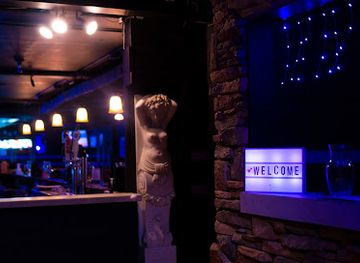
Neon Waves
Experience the vibrant nightlife of Hickory at Neon Waves, a lively bar and nightclub where music, dancing, and fun come together.
8 min walk · 0.6 km from city centre
-
Adult entertainment club
The Treasure Club Hickory, NC
Discover the excitement of nightlife at The Treasure Club in Hickory, NC, where entertainment and vibrant performances come alive.
9 min drive · 2.9 km from city centre
-
Bar
Son Of The South Saloon
Delve into southern hospitality at Son Of The South Saloon, a vibrant bar in Hickory, NC, offering craft drinks and live music for an unforgettable night.
12 min drive · 4.1 km from city centre
Best shops in Hickory
Shopping in Hickory is closely connected to furniture, design and the city’s downtown revival. Hickory Furniture Mart is the best-known retail destination, joined by nearby showrooms where visitors can browse North Carolina-made and nationally sourced furnishings, décor and interior pieces. In the centre, Union Square and surrounding streets offer independent boutiques, gifts, clothing, art and locally oriented small businesses, rather than the scale of a major metropolitan shopping district. Antique and specialist shops appear across the wider commercial area, while farmers’ markets provide seasonal produce, baked goods and handmade items when operating. Purchases that reflect Hickory’s identity include furniture, crafted homewares, regional food products and locally produced art. Availability and market schedules vary, so visitors should check individual venues before making a dedicated shopping trip.
-
Shopping mall
Valley Hills Mall
Experience the best of shopping and dining at Valley Hills Mall, Hickory, NC, where variety meets convenience for every visitor's delight.
15 min drive · 5.0 km from city centre
-
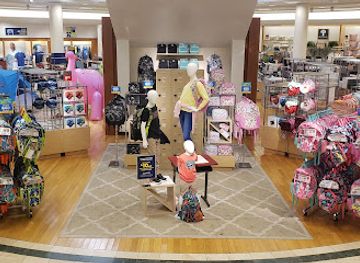
Department store
Belk
Discover fashion, home goods, and accessories for the whole family at Belk in Hickory, NC – your ultimate shopping destination.
15 min drive · 5.0 km from city centre
-
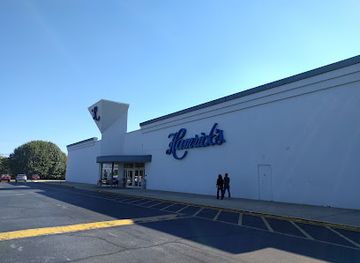
Department store
Hamrick's of Hickory, NC
Discover unbeatable deals on fashion for the whole family at Hamrick's of Hickory, NC – a must-visit discount department store!
14 min drive · 4.7 km from city centre
-
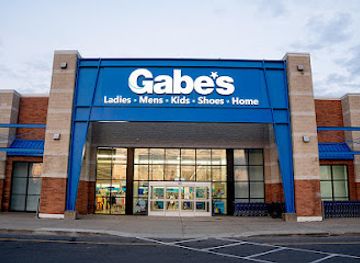
Discount store
Gabe's
Explore Gabe's in Hickory, NC for unbeatable discounts on clothing, shoes, and more for the entire family, all under one roof.
14 min drive · 4.6 km from city centre

Get your free copy of our complete guide to Hickory, delivered straight to you.
Everything on this page, from attractions and restaurants to essentials and local phrases, in one PDF you can read offline, print or share.
Already have an account? Sign in
Your Hickory guide is ready.
We'll send it to · Not you? Sign out

Getting your guide ready…
We are putting together a fresh copy of the Hickory guide. This can take up to a minute.
This can take a few moments. If your browser asks, choose Allow so the download can start. You'll find the guide in your Downloads folder.
Nothing happened? Download it again
Sorry, the guide is taking longer than usual. Please try again in a minute, or get it by email instead.
Hickory essentials
Currency and Payment
Safety
Emergency Situations
Do's and Don'ts
Local Tips
From Eve
Local phrases worth knowing
You don't need to get them perfect. A few words go a long way, and locals appreciate the effort.
Basics
| English | Local | Say it |
|---|---|---|
| Hello | Hey y'all | [hey yawl] |
| Goodbye | See y'all later | [see yawl lay-ter] |
| Yes | Yep | [yep] |
| No | Nah | [nah] |
| Please/You're welcome | Please/You're welcome | [Please/You're welcome] |
| Thank you | Thank ya | [thank yuh] |
| Excuse me/Sorry | Pardon me/Sorry | [pahr-dun me/sorry] |
| How are you? | How y'all doin'? | [how yawl doin'] |
| Fine. And you? | Fine. How 'bout you? | [fine. how 'bout yuh?] |
| Do you speak English? | Ya speak English? | [ya speak english?] |
| I don't understand | I don't git it | [I don't git it] |
Eating & Drinking
| English | Local | Say it |
|---|---|---|
| I'd like to see the menu, please | I'd like to see the menu, please | [I'd like to see the menu, please] |
| I don't eat meat | I don't eat meat | [I don't eat meat] |
| Cheers! | Cheers! | [cheers!] |
| I would like to pay, please | I'd like to pay, please | [I'd like to pay, please] |
Emergencies
| English | Local | Say it |
|---|---|---|
| Help! | Help! | [Help!] |
| Go away! | Git away! | [Git away!] |
| Call the Police! | Call the Po-lice! | [Call the Po-lice!] |
| Call a doctor! | Call a doc! | [Call a doc!] |
| I'm lost | I'm lost | [I'm lost] |
| I'm ill | I'm feelin' bad | [I'm feelin' bad] |
Shopping
| English | Local | Say it |
|---|---|---|
| I'd like to buy... | I'd like to buy... | [I'd like to buy...] |
| I'm just looking | I'm just lookin' | [I'm just lookin'] |
| How much is it? | How much is it? | [How much is it?] |
| That's too expensive | That's too pricey | [That's too pricey] |
| Can you lower the price? | Can ya lower the price? | [Can ya lower the price?] |
Time & Numbers
| English | Local | Say it |
|---|---|---|
| What time is it? | What time is it? | [What time is it?] |
| It's one o'clock | It's one o'clock | [It's one o'clock] |
| Half past (10) | Half past ten | [Half past ten] |
| Morning | Mornin' | [Mornin'] |
| Afternoon | Afternoon | [Afternoon] |
| Evening | Evenin' | [Evenin'] |
| Yesterday | Yest'day | [Yest'day] |
| Today | Today | [Today] |
| Tomorrow | Tomorrah | [Tomorrah] |
| 1 | One | [One] |
| 2 | Two | [Two] |
| 3 | Three | [Three] |
| 4 | Four | [Four] |
| 5 | Five | [Five] |
| 6 | Six | [Six] |
| 7 | Seven | [Seven] |
| 8 | Eight | [Eight] |
| 9 | Nine | [Nine] |
| 10 | Ten | [Ten] |
Transport & Directions
| English | Local | Say it |
|---|---|---|
| Where's a/the...? | Where's a/the...? | [Where's a/the...?] |
| What's the address? | What's the address? | [What's the address?] |
| Can you show me (on the map)? | Can ya show me (on the map)? | [Can ya show me (on the map)?] |
| When's the next (bus)? | When's the next (bus)? | [When's the next (bus)?] |
| A ticket (to ....) | A ticket (to ....) | [A ticket (to ....)] |
History of Hickory
Catawba Homelands and Early Settlement
The Hickory area lies within the traditional homeland of the Catawba Indian Nation, whose communities have long been associated with the Catawba River and the surrounding Piedmont. European American settlement expanded in the nineteenth century as farms, roads and small commercial centres developed across western North Carolina. The area that became Hickory was initially part of Catawba County, formed in 1842, and its growth was tied to the movement of people and goods through the foothills. This earlier landscape of river, woodland and agricultural settlement remains important to understanding the city’s regional setting, even though much of the visible built environment dates from the railway era and later industrial expansion.
The Railway Creates Hickory
Hickory emerged as a town in the 1850s around the Western North Carolina Railroad, which reached the area in 1858. The settlement was first associated with Hickory Tavern, a name linked to a large hickory tree near an established stopping place, before incorporation as the Town of Hickory in 1863. The railway connected local farmers and merchants with markets beyond the foothills and encouraged warehouses, stores and new residential streets. Rail access also gave Hickory a durable commercial advantage, helping it grow from a rural settlement into a regional centre. The central business district and older neighbourhood patterns reflect this nineteenth-century transition.
Civil War and Reconstruction
The Civil War and its aftermath affected Hickory through disruption to transport, trade and agricultural life rather than through a major battle within the town. As North Carolina rebuilt during Reconstruction, rail connections helped western communities restore commerce and strengthen links with larger markets. Hickory’s location made it a useful point between the Piedmont and mountain districts, and its population and business activity increased during the late nineteenth century. Churches, schools, shops and civic organisations expanded alongside the town, establishing institutions that helped shape a more settled urban identity after the conflict.
Industry and Furniture-Making
Hickory’s defining industrial transformation gathered pace in the late nineteenth and early twentieth centuries, when local entrepreneurs developed furniture factories and related woodworking businesses. Abundant surrounding timber, railway access and a growing workforce supported production, while regional craftsmanship became a foundation for the city’s reputation. The industry eventually extended beyond factory floors into showrooms, wholesalers and design businesses, making Hickory a recognised furniture marketplace. Manufacturing also changed the city’s social geography, creating employment, attracting new residents and encouraging civic investment. The furniture tradition remains central to Hickory’s public identity and is expressed through its trade centres, museums and design-oriented commerce.
Education and Civic Development
Educational institutions became important to Hickory’s modern development. Lenoir-Rhyne University, founded in 1891 as a Lutheran college, grew into a significant institution in the city and helped broaden Hickory’s cultural and intellectual life. During the twentieth century, schools, hospitals, libraries and civic organisations expanded as the city became a service centre for the surrounding counties. Improvements in roads and later interstate connections complemented the railway, linking Hickory more closely with Charlotte, Asheville and other parts of North Carolina. This combination of education, manufacturing and regional services gave the city a diversified role in the foothills.
A Contemporary Foothills Centre
Late twentieth- and early twenty-first-century Hickory brought both continuity and change. Furniture remains an important part of the local economy and cultural reputation, while the city has developed museums, science education, public art, sports and revitalised downtown spaces. The SALT Block has concentrated several cultural institutions in the centre, and projects such as the City Walk have strengthened connections between civic destinations. Hickory continues to serve as a regional hub for Catawba County and the surrounding foothills, balancing an industrial heritage with healthcare, education, small business and outdoor recreation. Its present character is therefore rooted in the railway and furniture eras but not limited to them.
Hickory in Photos
Browse through our photo collection highlighting the charm and character of the destination.
Cities near Hickory
The closest cities to Hickory, if you have time for more than one stop.
-

-

-

-

-



Swipe for more cities
Explore more

Explore more of North Carolina
Discover North Carolina's blend of natural beauty, vibrant cities, and rich history. From the Outer Banks to the Blue Ridge Mountains, experience diverse landscapes and cultures.
Explore North Carolina