

Free Hendersonville Travel Guide & Mobile App
Plan your Hendersonville trip with Evendo. Get free guides to top attractions, restaurants, hotels, and bars. Web access or download the mobile app.





Hendersonville, North Carolina, pairs a walkable historic Main Street with mountain scenery, orchards, arts, museums and easy Blue Ridge adventures.
A Mountain Town with a Distinctive Centre
Hendersonville stands on a plateau in the Blue Ridge Mountains of western North Carolina, between Asheville and the South Carolina border. Its compact downtown is defined by Main Street, where broad pavements, mature trees, independent shops and carefully preserved early twentieth-century buildings create an inviting setting for exploring on foot. The city’s historic commercial core is especially known for its colourful seasonal displays, including the large apple sculptures that reflect Henderson County’s long association with orchard farming.Read more about Hendersonville
Heritage, Museums and Local Character
Orchards and the Blue Ridge Landscape
When is the best time to visit Hendersonville?
Best: May, September–October · 19–26°C| Month | High (°C) | Rainfall (mm) |
|---|---|---|
| January | 7 | 100 |
| February | 9 | 100 |
| March | 15 | 125 |
| April | 19 | 125 |
| May (best) | 24 | 125 |
| June | 28 | 125 |
| July | 29 | 150 |
| August | 29 | 150 |
| September (best) | 26 | 125 |
| October (best) | 19 | 100 |
| November | 13 | 100 |
| December | 9 | 100 |
Getting to and around Hendersonville
How to get there
Transportation
Best attractions in Hendersonville
Hendersonville’s principal attractions are concentrated around its walkable downtown and the countryside beyond it. Main Street provides the central sightseeing experience, with historic commercial buildings, public art, independent galleries and the seasonal apple sculptures that celebrate Henderson County’s agricultural identity. The Henderson County Heritage Museum, housed in the historic courthouse, explores local settlement and community life, while the Mineral and Lapidary Museum presents the geology and fossils of the region in an accessible setting. Families and natural-history enthusiasts can also visit Team ECCO Aquarium and Shark Lab, a small educational aquarium in downtown Hendersonville. Outside the centre, orchard visits and scenic drives reveal the area’s farming traditions and Blue Ridge setting. The Carl Sandburg Home National Historic Site in nearby Flat Rock offers a separate experience centred on the poet’s former home, gardens and farm, rather than an attraction within Hendersonville proper.
-
Rock shop
Elijah Mountain Gem Mine And Crystal Store
Experience the thrill of digging for gems and explore a vast selection of crystals and treasures at Elijah Mountain Gem Mine in Hendersonville, NC.
13 min drive · 4.4 km from city centre
-
Museum
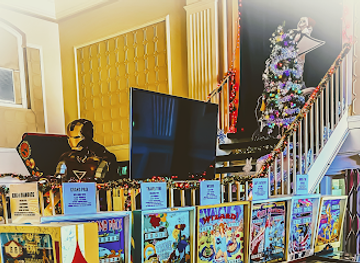
Appalachian Pinball Museum
Discover nostalgia at the Appalachian Pinball Museum in Hendersonville, NC, where classic pinball and arcade games come to life!
10 min walk · 0.8 km from city centre
-
Tourist attraction
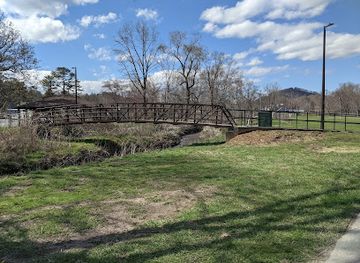
Patton Park
Explore Patton Park in Hendersonville, NC, a vibrant park featuring playgrounds, sports facilities, and serene walking paths for families and outdoor lovers.
5 min drive · 1.5 km from city centre
-
Tourist attraction
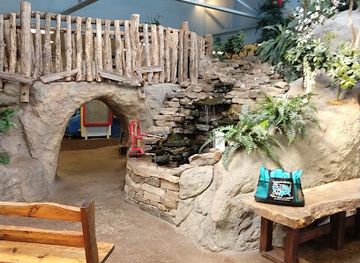
Hands On! Children's Museum
Discover endless fun and learning at Hands On! Children's Museum in Hendersonville, NC, where creativity and curiosity come to life for children of all ages.
12 min walk · 1.0 km from city centre
Best landmarks in Hendersonville
Hendersonville’s most recognisable landmarks express its role as a mountain county seat and agricultural service centre. The historic Henderson County Courthouse anchors the civic centre of town and now houses the Henderson County Heritage Museum, linking public architecture with local history. The Hendersonville Train Depot recalls the railway era that opened the town to wider trade and seasonal visitors, while Main Street preserves a substantial collection of early twentieth-century commercial façades and remains the clearest architectural expression of the historic town centre. Churches and civic buildings in the central area add to this older streetscape, although Hendersonville is defined more by its coherent small-town ensemble than by a single monumental structure. In nearby Flat Rock, the Carl Sandburg Home National Historic Site carries literary and agricultural significance through Connemara, the poet’s former home and working farm.
-
Bar
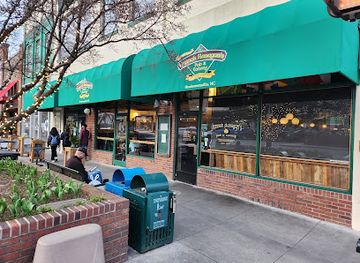
Hannah Flanagan's Pub & Eatery
Discover the heart of Hendersonville at Hannah Flanagan's Pub & Eatery, where American and Irish flavors come together in a vibrant atmosphere.
12 min walk · 1.0 km from city centre
-
German
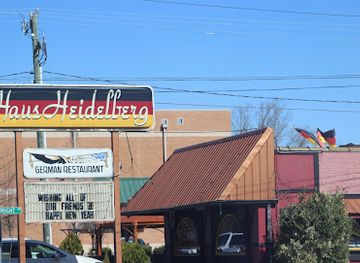
Haus Heidelberg German Restaurant
Savor authentic German flavors at Haus Heidelberg, Hendersonville's premier destination for delightful cuisine and a warm atmosphere.
6 min drive · 2.0 km from city centre
-
General store
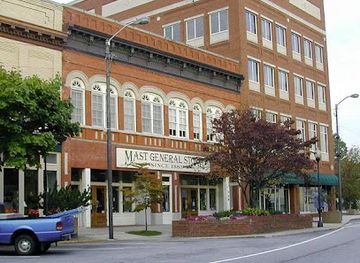
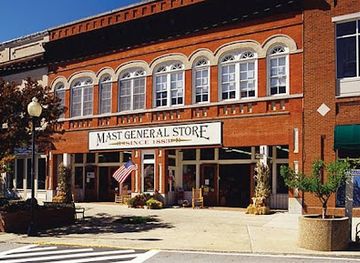
Mast General Store Hendersonville
Discover the heart and soul of Hendersonville at Mast General Store, where outdoor adventure meets nostalgic shopping in a charming atmosphere.
10 min walk · 0.8 km from city centre
-
Rock shop
Elijah Mountain Gem Mine And Crystal Store
Explore the enchanting Elijah Mountain Gem Mine and Crystal Store, where gem panning, unique crystals, and family fun await in Hendersonville, NC.
13 min drive · 4.4 km from city centre
Explore Hendersonville on the map
Plan your Hendersonville trip on one map. See where the top attractions, landmarks, restaurants, bars and hotels are, find what's near where you're staying, and book hotels and experiences in a few clicks.
Best hotels in Hendersonville
Best restaurants in Hendersonville
Hendersonville’s food culture reflects the meeting of Appalachian, Southern and farm-based traditions. Independent restaurants and cafés around Main Street serve familiar regional cooking alongside contemporary American menus, while bakeries, coffee shops and casual eateries make the centre easy to explore throughout the day. Apples are central to the county’s identity and appear in farm-market goods, desserts, cider and seasonal produce, although local dining extends well beyond fruit-growing. Nearby orchards, farm stands and growers’ markets provide opportunities to buy apples, berries, vegetables, preserves and other products from the surrounding countryside. Dining ranges from relaxed family restaurants to more polished establishments, with local ingredients often providing the strongest sense of place. Visitors travelling outside the city may encounter rural cafés, brewery taprooms and vineyard settings, but these are dispersed rather than concentrated in one large food quarter.
-
Steak
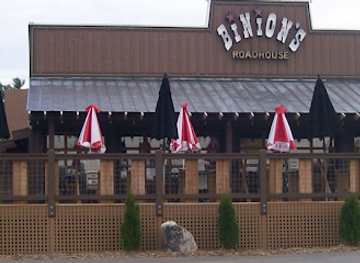
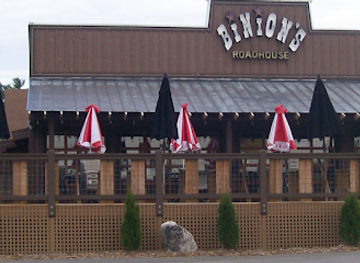
Binion's Roadhouse
Discover the ultimate steakhouse experience at Binion's Roadhouse in Hendersonville, NC—where flavor meets hospitality.
14 min walk · 1.1 km from city centre
-
American
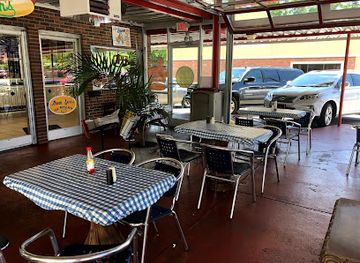
Hot Dog World
Experience the ultimate hot dog haven at Hot Dog World in Hendersonville—where taste meets tradition in every bite.
5 min drive · 1.6 km from city centre
-
Steak
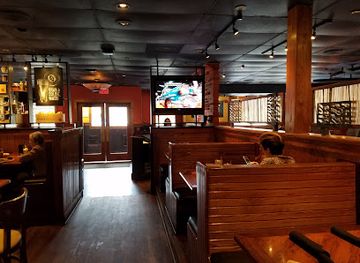
Outback Steakhouse
Experience authentic Australian cuisine at Outback Steakhouse in Hendersonville – where hearty meals meet friendly service.
7 min drive · 2.2 km from city centre
-
Bar
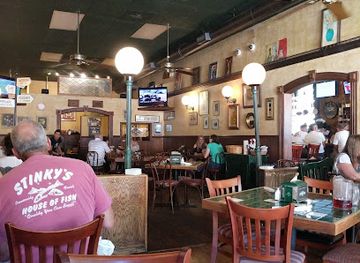
Hannah Flanagan's Pub & Eatery
Experience authentic Irish hospitality at Hannah Flanagan's Pub & Eatery in Hendersonville, offering delicious American and European dishes.
12 min walk · 1.0 km from city centre
Best bars in Hendersonville
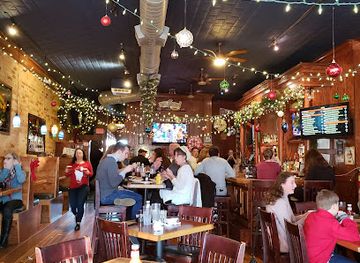
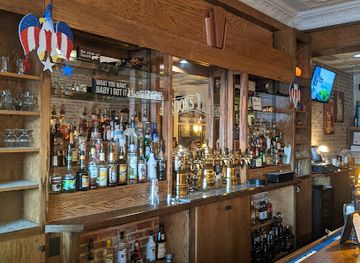
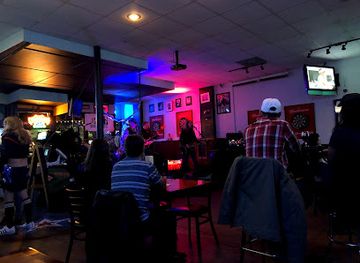
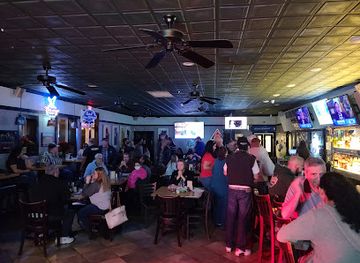
Hendersonville’s evening scene is relaxed and small-scale, centred mainly on Main Street and nearby downtown blocks rather than a dedicated nightclub district. Visitors can find craft-beer taprooms, wine-focused venues, cocktail bars and restaurants where the evening develops gradually over food and conversation. Live music and community performances appear at selected venues and during seasonal events, while the nearby Flat Rock Playhouse provides established theatre programming in Flat Rock, outside Hendersonville. The city is better suited to an unhurried evening than to late-night clubbing, and entertainment patterns can vary by day and season. Downtown streets are generally the most convenient area for moving between venues, while a designated driver or pre-arranged ride is sensible for visitors staying outside the centre or exploring rural breweries and vineyards.
-
Steak
Binion's Roadhouse
Experience the best steaks in Hendersonville at Binion's Roadhouse, where quality meets a warm, inviting atmosphere.
14 min walk · 1.1 km from city centre
-
Bar
Hannah Flanagan's Pub & Eatery
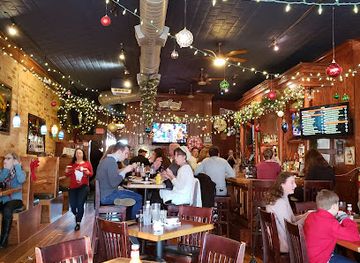
Discover the heart of Hendersonville at Hannah Flanagan's Pub & Eatery, where American and European flavors meet in a cozy pub atmosphere.
12 min walk · 1.0 km from city centre
-
Italian
Mezzaluna
Experience the authentic taste of Italy in Hendersonville at Mezzaluna, where every dish is a celebration of culinary tradition.
13 min walk · 1.0 km from city centre
-
Grill
Tequilas Bar & Grill
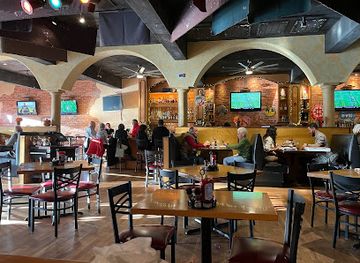
Experience vibrant Mexican cuisine and a lively atmosphere at Tequilas Bar & Grill in Hendersonville, NC, perfect for tourists craving authentic flavors.
5 min drive · 1.7 km from city centre
Best nightclubs in Hendersonville
Hendersonville’s evening scene is relaxed and small-scale, centred mainly on Main Street and nearby downtown blocks rather than a dedicated nightclub district. Visitors can find craft-beer taprooms, wine-focused venues, cocktail bars and restaurants where the evening develops gradually over food and conversation. Live music and community performances appear at selected venues and during seasonal events, while the nearby Flat Rock Playhouse provides established theatre programming in Flat Rock, outside Hendersonville. The city is better suited to an unhurried evening than to late-night clubbing, and entertainment patterns can vary by day and season. Downtown streets are generally the most convenient area for moving between venues, while a designated driver or pre-arranged ride is sensible for visitors staying outside the centre or exploring rural breweries and vineyards.
-
Bar
Hannah Flanagan's Pub & Eatery
Discover Hannah Flanagan's Pub & Eatery, where traditional Irish charm meets a diverse menu of American and European delights in Hendersonville, NC.
12 min walk · 1.0 km from city centre
-
Restaurant
Brooks Tavern
Discover the vibrant flavors and warm ambiance of Brooks Tavern, a culinary gem in Hendersonville, NC, perfect for food lovers and casual diners alike.
14 min walk · 1.1 km from city centre
-
American
The Dugout Sports Bar and Taphouse
Discover the vibrant atmosphere and delicious American cuisine at The Dugout Sports Bar and Taphouse in Hendersonville, NC.
11 min walk · 0.9 km from city centre
-
Restaurant
South Rock Sports Grill
Discover the vibrant atmosphere and delicious offerings at South Rock Sports Grill, the perfect spot for food and sports lovers in Hendersonville.
7 min drive · 2.4 km from city centre
Best shops in Hendersonville
Shopping in Hendersonville focuses on the historic Main Street district, where independent retailers, galleries, bookshops, clothing stores, cafés and gift shops occupy restored commercial buildings. The Mast General Store brings a long-established Appalachian outdoor and general-store tradition to the centre, while specialist shops and art galleries reflect the area’s community of makers and visual artists. Seasonal produce is an important part of the local shopping experience: apples, cider, preserves, honey and other farm products can be found at orchards, roadside stands and agricultural markets around Henderson County. Visitors may also encounter locally made pottery, jewellery, woodwork and artwork, though individual offerings vary. The shopping experience is more personal and regional than centred on large malls, with Main Street providing the most convenient concentration and the countryside supplying the strongest connection to the area’s farming identity.
-
General store
Mast General Store Hendersonville
Explore the iconic Mast General Store in Hendersonville, a treasure trove of unique products, local candy, and outdoor gear, perfect for every adventurer.
10 min walk · 0.8 km from city centre
-
Shopping mall
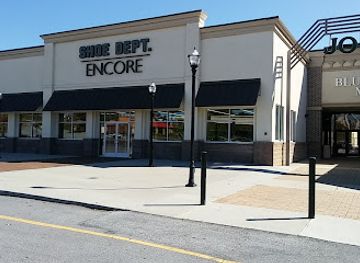
Blue Ridge Mall
Explore Blue Ridge Mall in Hendersonville, NC - your ultimate shopping destination with a blend of unique stores and popular brands.
17 min walk · 1.4 km from city centre
-
Antique store
Needful Things II
Discover unique antiques and collectibles at Needful Things II in Hendersonville, NC, a must-visit for every vintage lover.
9 min drive · 2.9 km from city centre
-
Gift shop
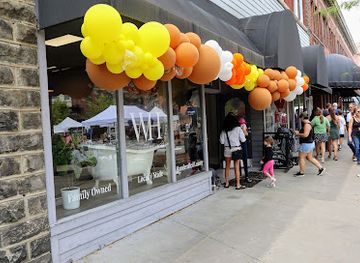
Willow Hill Soap Company
Explore the artisanal charm of Willow Hill Soap Company in Hendersonville, where handcrafted soaps and unique gifts await every visitor.
11 min walk · 0.9 km from city centre

Get your free copy of our complete guide to Hendersonville, delivered straight to you.
Everything on this page, from attractions and restaurants to essentials and local phrases, in one PDF you can read offline, print or share.
Already have an account? Sign in
Your Hendersonville guide is ready.
We'll send it to · Not you? Sign out

Getting your guide ready…
We are putting together a fresh copy of the Hendersonville guide. This can take up to a minute.
This can take a few moments. If your browser asks, choose Allow so the download can start. You'll find the guide in your Downloads folder.
Nothing happened? Download it again
Sorry, the guide is taking longer than usual. Please try again in a minute, or get it by email instead.
Hendersonville essentials
Currency and Payment
Safety
Emergency Situations
Do's and Don'ts
Local Tips
From Eve
Local phrases worth knowing
You don't need to get them perfect. A few words go a long way, and locals appreciate the effort.
Basics
| English | Local | Say it |
|---|---|---|
| Hello | Howdy | [haw-dee] |
| Goodbye | See ya | [see yuh] |
| Yes | Yup | [yuhp] |
| No | Nah | [nuh] |
| Please/You're welcome | Please/You're welcome | [pleez/yur welcome] |
| Thank you | Thank ya | [thank yuh] |
| Excuse me/Sorry | Excuse me/Sorry | [ex-kyoos me/saw-ree] |
| How are you? | How y'all doin'? | [haw yawl doin] |
| Fine. And you? | Fine. And y'all? | [fahyn. and yawl] |
| Do you speak English? | Ya speak English? | [yuh speak ing-glish] |
| I don't understand | I don't reckon | [ah dunt reck-un] |
Eating & Drinking
| English | Local | Say it |
|---|---|---|
| I'd like to see the menu, please | I'd like to see the menu, please | [ahd lahk tuh see the menu, pleez] |
| I don't eat meat | I don't eat meat | [ah dunt eat meet] |
| Cheers! | Cheers! | [cheers] |
| I would like to pay, please | I would like to pay, please | [ah wood lahk tuh pay, pleez] |
Emergencies
| English | Local | Say it |
|---|---|---|
| Help! | Help! | [help] |
| Go away! | Git! | [git] |
| Call the Police! | Call the Po-leece! | [call the po-leece] |
| Call a doctor! | Call a doc! | [call a doc] |
| I'm lost | I'm lost | [ahm lost] |
| I'm ill | I'm sick | [ahm sick] |
Shopping
| English | Local | Say it |
|---|---|---|
| I'd like to buy... | I'd like to buy... | [ahd lahk tuh bahy] |
| I'm just looking | I'm just lookin' | [ahm just look-in] |
| How much is it? | How much is it? | [how much is it] |
| That's too expensive | That's too pricey | [thats too prah-see] |
| Can you lower the price? | Can ya cut the price? | [can yuh kut the prahs] |
Time & Numbers
| English | Local | Say it |
|---|---|---|
| What time is it? | What time is it? | [what time is it] |
| It's one o'clock | It's one o'clock | [its one o-clock] |
| Half past (10) | Half past (10) | [haff past ten] |
| Morning | Mornin' | [morn-in] |
| Afternoon | Afternoon | [afternoon] |
| Evening | Evenin' | [even-in] |
| Yesterday | Yest'day | [yest-duh] |
| Today | Today | [tuh-day] |
| Tomorrow | Tomorrer | [tom-or-er] |
| 1 | One | [wun] |
| 2 | Two | [too] |
| 3 | Three | [three] |
| 4 | Four | [four] |
| 5 | Five | [five] |
| 6 | Six | [six] |
| 7 | Seven | [seven] |
| 8 | Eight | [eight] |
| 9 | Nine | [nine] |
| 10 | Ten | [ten] |
Transport & Directions
| English | Local | Say it |
|---|---|---|
| Where's a/the...? | Where's a/the...? | [wheres a/the] |
| What's the address? | What's the address? | [whats the address] |
| Can you show me (on the map)? | Can you show me (on the map)? | [can yuh show me on the map] |
| When's the next (bus)? | When's the next (bus)? | [whens the next bus] |
| A ticket (to ....) | A ticket (to ....) | [a ticket to] |
History of Hendersonville
Cherokee Homelands and Early Settlement
The Hendersonville area lies within the wider ancestral homeland of the Cherokee, whose communities used the mountains and valleys of what is now western North Carolina long before European-American settlement. After the American Revolution, settlers moved into the region, and the valley developed through small farms, timbering and local trade. The town takes its name from Leonard Henderson, a North Carolina jurist and political figure, while the surrounding county was created in 1838 from parts of Buncombe County. This period established the agricultural and commercial foundations that later shaped Hendersonville, although the region’s earlier Indigenous history remains an essential part of its historical context.
The Founding of Hendersonville
Hendersonville was laid out in the 1830s and incorporated as a town in 1847. Its position on a relatively level plateau made it a practical county seat and trading centre, with Main Street developing around the courthouse and civic functions. Small-scale farming, livestock, milling and commerce connected the settlement with other communities across the southern Appalachians. The town grew gradually rather than as a planned industrial centre, and its early street pattern still helps explain the compact arrangement of the modern downtown. County government, churches, shops and professional offices gave Hendersonville a civic identity that endured as transport links improved.
Railways and Mountain Tourism
A railway connection reached Hendersonville in the late nineteenth century, linking the town more directly with regional markets and the larger cities of the Carolinas. The arrival of rail travel encouraged the movement of farm produce and made the mountain climate more accessible to visitors seeking summer relief. Hotels, boarding houses and retail businesses expanded as Hendersonville became both a service centre and a seasonal resort town. The historic Hendersonville Train Depot reflects this transition, while the surviving commercial buildings along Main Street preserve the architectural character created during the town’s late nineteenth- and early twentieth-century growth.
Orchards and the Apple Economy
Agriculture became increasingly important to Henderson County during the twentieth century, particularly the cultivation and marketing of apples. The area’s elevation, climate and fertile valleys supported commercial orchards, and apple production became closely associated with local identity and seasonal life. Packing houses, farm markets and roadside stands connected rural growers with consumers across the region. Hendersonville’s apple sculptures and autumn events continue to express that agricultural heritage, while orchards outside the city remain part of the surrounding landscape. The industry has faced changing markets and development pressures, but apples still provide one of the clearest links between the city and its countryside.
Preserving a Small-City Heritage
Hendersonville’s historic centre retained much of its early twentieth-century commercial fabric as the city expanded beyond Main Street. Brick shopfronts, civic buildings, churches and the former depot now form a tangible record of the community’s development from county seat to mountain destination. Museums such as the Henderson County Heritage Museum and the Mineral and Lapidary Museum broaden that story by presenting local social history, geology and the region’s natural resources. In the surrounding area, conservation at places including the Carl Sandburg Home National Historic Site has added further layers of literary, agricultural and cultural history to Hendersonville’s modern visitor identity.
Hendersonville in Photos
Browse through our photo collection highlighting the charm and character of the destination.
Cities near Hendersonville
The closest cities to Hendersonville, if you have time for more than one stop.
-

-

-

-

-


Swipe for more cities
Explore more

Explore more of North Carolina
Discover North Carolina's blend of natural beauty, vibrant cities, and rich history. From the Outer Banks to the Blue Ridge Mountains, experience diverse landscapes and cultures.
Explore North Carolina