

Uwharrie Mountains, North Carolina Travel Guide
Discover the Uwharrie Mountains, North Carolina's ancient hills offering hiking, camping, and boating amidst stunning natural beauty and rich Native American history.
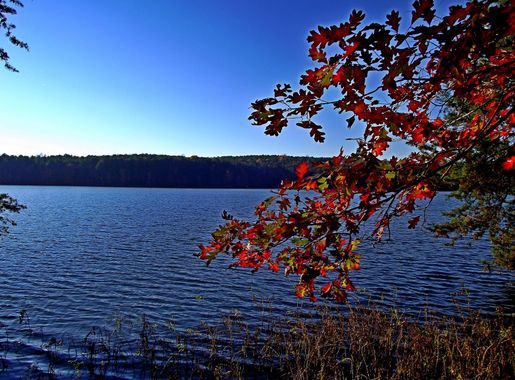
Nestled in central North Carolina, the Uwharrie Mountains are a haven for nature lovers and adventure seekers alike. These ancient hills, which are among the oldest in North America, offer a range of outdoor activities amidst their serene landscapes. From hiking and mountain biking to fishing and camping, there is something for every type of traveler. The Uwharrie National Forest, a key feature of the region, is a sprawling expanse of lush greenery and rich wildlife. Trails like the Uwharrie National Recreation Trail provide stunning views and a chance to immerse yourself in the tranquility of nature. For those interested in history, the region is steeped in Native American heritage, with several archaeological sites that offer a glimpse into the past. Water enthusiasts will enjoy Badin Lake, a popular spot for boating, kayaking, and fishing. The lake's clear waters and scenic surroundings make it an ideal place to relax and unwind. In the fall, the Uwharries come alive with vibrant autumn colors, making it a perfect destination for leaf-peeping and photography. Whether you're looking for a peaceful retreat or an adventurous escapade, the Uwharrie Mountains promise an unforgettable experience.

Know before you go
Hi, I'm Eve. Here are a few practical things to know before exploring Uwharrie Mountains.
- Visit in the fall for the best foliage views and cooler hiking weather.
- Bring bug spray and sun protection, especially if you plan to hike or camp.
- Check local guides for trail conditions and wildlife sightings.
- Plan a visit to Badin Lake for water activities and picturesque views.
- Explore the region's historical sites to learn about its Native American heritage.
Destinations in Uwharrie Mountains
Resorts, valleys and scenic spots worth a trip of their own.

Explore Uwharrie Mountains: Things to Do, Places to Eat, Hotels & More
Handpicked recommendations for top attractions, local dining, accommodations, and more

Top Attractions & Sightseeing in Uwharrie Mountains
Top-rated picks
Best Attractions

Uwharrie National Forest
Explore the breathtaking Uwharrie National Forest, a haven of outdoor adventure and serene natural beauty in North Carolina.

Town Creek Indian Mound State Historic Site
Explore the rich Native American heritage and ancient earthworks at Town Creek Indian Mound State Historic Site in North Carolina.

King's Mountain Point
Explore King's Mountain Point: A serene park in North Carolina offering breathtaking views, hiking trails, and a peaceful escape into nature.

Pee Dee National Wildlife Refuge
Explore the serene beauty and rich biodiversity at Pee Dee National Wildlife Refuge, your gateway to nature in North Carolina.

Best landmarks in Uwharrie Mountains
Top-rated picks
Best Landmarks

Town Creek Indian Mound State Historic Site
Discover the ancient Native American heritage at Town Creek Indian Mound State Historic Site, a serene tourist attraction in North Carolina.

Old Stone House
Explore the Old Stone House in Salisbury, NC - a historical landmark and museum showcasing the region's rich heritage and architectural beauty.

Lewis - Thornburg House
Experience the charm of the Lewis - Thornburg House, a historical landmark in Asheboro, NC, where history and nature beautifully intertwine.

Hardaway Site NCHHM
Explore the ancient heritage of the Hardaway Site in Badin, NC, where history and archaeology come alive through immersive experiences.

Best restaurants in Uwharrie Mountains
Top-rated picks
Best Restaurants

Jalapeños Méxican Restaurant
Experience the vibrant flavors of Mexico at Jalapeños Mexican Restaurant - where every dish tells a story.

Log Cabin Bar BQue
Discover authentic Southern barbecue at Log Cabin Bar BQue in Albemarle, NC - a delightful blend of flavor and hospitality awaits you.

Scallywag's Bar & Grill
Discover Scallywag's Bar & Grill: where delightful flavors meet vibrant atmosphere in New London, NC.

Palermos
Experience authentic Italian cuisine at Palermos in Albemarle - home of gourmet pizzas and traditional pasta dishes crafted with fresh ingredients.

Best bars in Uwharrie Mountains
Top-rated picks
Best Bars

Blue Bay
Discover Blue Bay, a seafood restaurant in Albemarle, NC, serving fresh and flavorful dishes in a cozy, inviting atmosphere.

Five Points Public House
Experience the heart of American comfort food at Five Points Public House in Albemarle, NC, where great flavors meet warm hospitality.

Coach's Neighborhood Grill Asheboro
Experience a taste of Americana at Coach's Neighborhood Grill Asheboro, where delicious burgers and a friendly atmosphere await you.

Michael Waltrip's Taphouse
Experience the ultimate sports dining at Michael Waltrip's Taphouse in Concord, where great food, drinks, and games come together.


Best shops in Uwharrie Mountains
Top-rated picks
Best Shops

Uwharrie National Forest
Discover the breathtaking landscapes and diverse recreational activities at Uwharrie National Forest, North Carolina's outdoor paradise.

Morrow Mountain State Park
Discover the beauty of Morrow Mountain State Park, a serene escape in North Carolina offering hiking, boating, and camping adventures.

Asheboro Mall
Discover a vibrant shopping experience at Asheboro Mall, where retail therapy meets delightful dining in North Carolina.

The Depot at Gibson Mill
Discover The Depot at Gibson Mill - a unique antique store in Concord, NC, filled with vintage treasures and a charming eatery.

Explore Uwharrie Mountains on the Map
A handpicked selection of must-see spots in Uwharrie Mountains, mapped for you.
Uwharrie Mountains Essentials
-
The Uwharrie Mountains are located in central North Carolina, USA. The nearest major airport is Charlotte Douglas International Airport (CLT), about 60 miles southwest. You can also fly into Raleigh-Durham International Airport (RDU), which is roughly 90 miles northeast. From either airport, you can rent a car or use shuttle services to reach the Uwharrie National Forest. Driving is the most convenient way to explore the area, as public transportation options are limited.
-
While the Uwharrie Mountains are best explored by car, local options include hiking trails and bike paths for getting around within the forest. Car rentals are available at major airports and cities. For those interested in off-road adventures, the Uwharrie National Forest offers designated OHV trails for ATVs and dirt bikes. There are no public buses or trains that go directly into the forest area, so planning ahead for private transportation is essential.
-
The official currency is the US Dollar (USD). Credit and debit cards are widely accepted, but it's advisable to carry some cash, especially for smaller establishments and remote areas within the forest. ATMs are available in nearby towns like Troy and Asheboro. Make sure to have sufficient funds before heading deep into the forest, as ATMs and card facilities are scarce.
-
The Uwharrie Mountains are generally safe for tourists. However, standard safety precautions should be taken. Avoid hiking alone, especially late in the day, and always inform someone of your plans. The towns around the Uwharrie National Forest are low in crime, but it's still advisable to be cautious with your belongings. There are no specific high-crime areas targeting tourists, but staying vigilant is always a good practice.
-
In case of emergency, dial 911 for immediate assistance. The nearest medical facilities are located in towns like Troy and Asheboro. It's advisable to carry a basic first-aid kit when hiking or exploring remote areas. Ensure you have travel insurance that covers medical emergencies and outdoor activities. For minor injuries or ailments, local pharmacies in nearby towns can provide over-the-counter medications.
-
Fashion: Do wear comfortable and appropriate outdoor clothing, including sturdy hiking boots. Avoid wearing flip-flops or sandals on trails. Religion: The area is not known for religious restrictions, but always respect any local customs you may encounter. Public Transport: Do not rely on public transport within the forest. Renting a car is essential for mobility. Greetings: A friendly 'hello' or a nod is common. Locals are generally friendly and will appreciate polite interactions. Eating & Drinking: Do try local eateries in nearby towns. Don't leave trash behind; always follow the 'Leave No Trace' principle in natural settings.
-
To experience the Uwharrie Mountains like a local, visit the Uwharrie National Forest Visitor Center for maps and insider tips. Engage with local rangers and residents who can share lesser-known trails and spots. Don't miss the Uwharrie Trail, a 20-mile stretch offering picturesque views. For a unique experience, try panning for gold in the streams, a nod to the area's gold rush history. Attend local events like the Uwharrie Mountain Run or off-road vehicle competitions to get a sense of the community.
When is the best time to visit Uwharrie Mountains?
Useful Local Phrases for Uwharrie Mountains
You don't need to speak the language perfectly. Even learning a few simple words can make conversations warmer—and locals usually appreciate the effort.
— Eve

Here are the phrases I use most often in Uwharrie Mountains. Try a few—you'll be surprised how far they go! 😊
❤️
-
- HelloHowdy
[How-dee] - GoodbyeSee ya
[See yah] - YesYup
[Yup] - NoNope
[Nope] - Please/You're welcomePlease
[Pleez] - Thank youThanks
[Thangs] - Excuse me/SorryExcuse me
[Ex-kyoos mee] - How are you?How ya doin'?
[How yah doin'?] - Fine. And you?Good. You?
[Goo-ood. You?] - Do you speak English?Do ya talk English?
[Doo yah talk Ing-lish?] - I don't understandI ain't gettin' it
[I ain't gettin' it]
- HelloHowdy
-
- I'd like to see the menu, pleaseCan I see the menu, please?
[Can I see the men-yoo, pleez?] - I don't eat meatI don’t eat meat
[I don’t eat meet] - Cheers!Cheers!
[Cheers!] - I would like to pay, pleaseCan I pay, please?
[Can I pay, pleez?]
- I'd like to see the menu, pleaseCan I see the menu, please?
-
- Help!Help!
[Help!] - Go away!Get on outta here!
[Get on outta here!] - Call the Police!Call the cops!
[Call the cops!] - Call a doctor!Get a doctor!
[Get a doctor!] - I'm lostI’m lost
[I’m lost] - I'm illI’m sick
[I’m sick]
- Help!Help!
-
- I'd like to buy...I wanna buy...
[I wanna buy...] - I'm just lookingJust lookin'
[Just lookin'] - How much is it?How much is it?
[How much is it?] - That's too expensiveThat's too high priced
[That's too high priced] - Can you lower the price?Can ya bring down the price?
[Can yah bring down the price?]
- I'd like to buy...I wanna buy...
-
- What time is it?What time is it?
[What time is it?] - It's one o'clockIt's one o'clock
[It's one o'clock] - Half past (10)Half past ten
[Half past ten] - MorningMornin'
[Mornin'] - AfternoonAfternoon
[Afternoon] - EveningEvenin'
[Evenin'] - YesterdayYesterday
[Yesterday] - TodayToday
[Today] - TomorrowTomorrow
[Tomorrow] - 1One
[One] - 2Two
[Two] - 3Three
[Three] - 4Four
[Four] - 5Five
[Five] - 6Six
[Six] - 7Seven
[Seven] - 8Eight
[Eight] - 9Nine
[Nine] - 10Ten
[Ten]
- What time is it?What time is it?
-
- Where's a/the...?Where's a...?
[Where's a...?] - What's the address?What's the address?
[What's the address?] - Can you show me (on the map)?Can ya show me on the map?
[Can yah show me on the map?] - When's the next (bus)?When's the next bus?
[When's the next bus?] - A ticket (to ....)A ticket to...
[A ticket to...]
- Where's a/the...?Where's a...?
History of Uwharrie Mountains
-
The Uwharrie Mountains have been inhabited by Native American tribes for thousands of years. Archaeological evidence suggests that the region was home to the Pee Dee and Yadkin tribes, among others. These tribes utilized the rich natural resources for hunting, fishing, and farming, leaving behind artifacts such as pottery, arrowheads, and ancient tools.
-
In the 16th and 17th centuries, European explorers, including the Spanish and later the English, began to venture into the Uwharrie region. By the 18th century, European settlers established small farms and communities. The rugged terrain and dense forests made settlement challenging, but the fertile valleys and abundant wildlife provided ample resources for those who persevered.
-
The discovery of gold in the Uwharrie Mountains in the early 19th century sparked a mini gold rush. The Reed Gold Mine, located nearby, was the first documented gold find in the United States in 1799. Prospectors flocked to the area, and small mining operations sprang up throughout the mountains. The gold rush significantly influenced the local economy and population growth during this period.
-
During the American Civil War, the Uwharrie Mountains' remote and rugged terrain provided a strategic advantage for both Union and Confederate forces. Small skirmishes and guerrilla warfare took place in the region. The mountains also served as a refuge for deserters and escaped slaves seeking sanctuary from the conflict.
-
In 1961, President John F. Kennedy established the Uwharrie National Forest, preserving over 50,000 acres of the region. This designation helped protect the area's natural beauty and biodiversity, while also promoting outdoor recreation. Today, the forest is a popular destination for hiking, camping, fishing, and other outdoor activities.
-
The Uwharrie Mountains are rich with cultural heritage and folklore. Stories of hidden treasures, ghostly apparitions, and mysterious creatures have been passed down through generations. Local festivals and events celebrate the region's history, including traditional music, crafts, and cuisine, providing a glimpse into the vibrant cultural tapestry of the Uwharrie Mountains.
Neighbouring Regions of Uwharrie Mountains
The closest regions to Uwharrie Mountains, if you have time for more than one.





Your all‑in‑one travel companion app
Explore expert travel guides, compare and book tours, experiences, hotels, and more—all from the palm of your hand. Download now for seamless trip planning wherever your wanderlust takes you.


Explore More of North Carolina

Looking beyond Uwharrie Mountains? Discover North Carolina for broader travel guides, local hot-spots, and regional highlights.
Explore North CarolinaUwharrie Mountains in Photos
Browse through our photo collection highlighting the charm and character of the destination.




The Enchanting Uwharrie Mountains: Nature's Hidden Gem in North Carolina
Nestled in central North Carolina, the Uwharrie Mountains are a haven for nature lovers and adventure seekers alike. These ancient hills, which are among the oldest in North America, offer a range of outdoor activities amidst their serene landscapes. From hiking and mountain biking to fishing and camping, there is something for every type of traveler. The Uwharrie National Forest, a key feature of the region, is a sprawling expanse of lush greenery and rich wildlife. Trails like the Uwharrie National Recreation Trail provide stunning views and a chance to immerse yourself in the tranquility of nature. For those interested in history, the region is steeped in Native American heritage, with several archaeological sites that offer a glimpse into the past. Water enthusiasts will enjoy Badin Lake, a popular spot for boating, kayaking, and fishing. The lake's clear waters and scenic surroundings make it an ideal place to relax and unwind. In the fall, the Uwharries come alive with vibrant autumn colors, making it a perfect destination for leaf-peeping and photography. Whether you're looking for a peaceful retreat or an adventurous escapade, the Uwharrie Mountains promise an unforgettable experience.