

Free Bismarck Travel Guide & Mobile App
Plan your Bismarck trip with Evendo. Get free guides to top attractions, restaurants, hotels, and bars. Web access or download the mobile app.


Bismarck, North Dakota, pairs Missouri River scenery with state history, Native heritage, prairie landscapes, museums and approachable Midwestern culture.
River, Prairie and Capital
Bismarck stands on the east bank of the Missouri River in central North Dakota, where broad prairie horizons meet a working state capital. The city combines government buildings, river parks, museums and a modest but personable downtown, with the surrounding landscape remaining close at hand. Its setting is central to its identity: the Missouri is both a scenic presence and a reminder of the region's long Indigenous, trading and exploratory history.Read more about Bismarck
History in the Cityscape
Culture and Outdoor Life
When is the best time to visit Bismarck?
Best: June–August · 25–27°C| Month | High (°C) | Rainfall (mm) |
|---|---|---|
| January | -5 | 15 |
| February | -2 | 13 |
| March | 6 | 20 |
| April | 13 | 33 |
| May | 19 | 53 |
| June (best) | 25 | 76 |
| July (best) | 27 | 71 |
| August (best) | 26 | 64 |
| September | 20 | 51 |
| October | 13 | 31 |
| November | 3 | 20 |
| December | -5 | 15 |
Getting to and around Bismarck
How to get there
Transportation
Best attractions in Bismarck
Bismarck's attractions combine state history, river scenery and accessible family outings. The North Dakota Heritage Center & State Museum beside the Capitol presents the state's geology, Indigenous histories, archaeology and later settlement through substantial galleries. The North Dakota State Capitol grounds offer an arboretum trail and broad views of the capital complex, while the Dakota Zoo occupies a wooded, river-facing site with animals from North America and beyond. Sertoma Park provides open lawns, river access and paths beside the Missouri, and nearby Fort Abraham Lincoln State Park in Mandan adds reconstructed historic and Indigenous sites outside the city. Downtown Bismarck is suited to a slower exploration of early commercial streets, independent shops and civic buildings, while the Missouri River offers seasonal opportunities for walking, paddling, wildlife watching and scenic photography.
-
Event venue
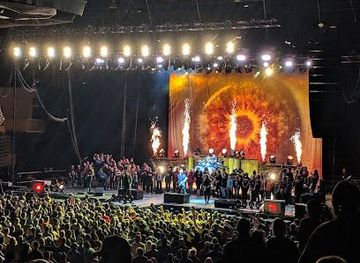
Bismarck Event Center
Discover the Bismarck Event Center, a premier venue for entertainment and cultural events in North Dakota, perfect for tourists seeking vibrant experiences.
18 min walk · 1.4 km from city centre
-
Park
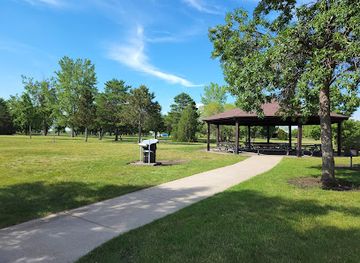
McDowell Dam Recreation Area
Experience the tranquility and adventure at McDowell Dam Recreation Area in Bismarck, North Dakota, with its stunning lake and diverse outdoor activities.
30 min drive · 10 km from city centre
-
Auditorium
Belle Mehus Auditorium
Discover the Belle Mehus Auditorium, Bismarck's cultural hub for live performances, concerts, and community events, rich with history and entertainment.
14 min walk · 1.1 km from city centre
-
Tourist attraction
North Dakota State Capitol
Discover the architectural beauty and historical significance of North Dakota's State Capitol in Bismarck, a must-see for every tourist.
17 min walk · 1.4 km from city centre


Best landmarks in Bismarck
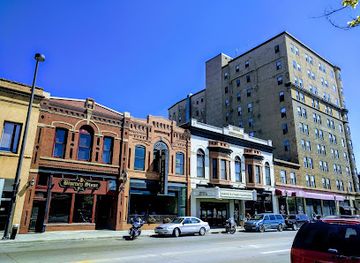
The North Dakota State Capitol is Bismarck's defining landmark, a 19-storey Art Deco tower whose height and stepped form earned it the nickname Skyscraper on the Prairie. The surrounding Capitol grounds include memorials, government buildings and the Governor's Residence, showing how the city developed as a state capital. The Cathedral of the Holy Spirit, completed in 1945, is a notable example of modern church architecture, with a distinctive curved form and interior designed for the Roman Catholic community. Camp Hancock State Historic Site preserves one of Bismarck's oldest surviving buildings, an 1872 military headquarters later associated with the Northern Pacific Railway and local civic history. The Former Governors' Mansion, a restored nineteenth-century residence, offers a more domestic view of capital life, while downtown's older commercial buildings mark the railway town that preceded the modern administrative centre.
-
Shopping mall
Kirkwood Mall
Discover the ultimate shopping experience at Kirkwood Mall in Bismarck, ND, with diverse stores, delicious dining, and exciting events for all ages.
6 min drive · 2.0 km from city centre
-
Pub
Blarney Stone Pub - Bismarck
Discover the vibrant atmosphere of Blarney Stone Pub in Bismarck, where local culture meets delicious pub fare and a fantastic selection of drinks.
17 min walk · 1.4 km from city centre
-
Zoo
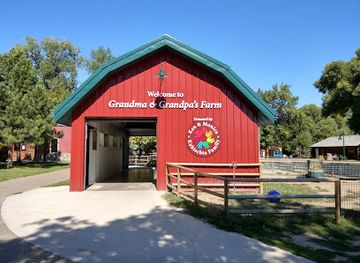
Dakota Zoo
Explore Dakota Zoo: A Family-Friendly Destination in Bismarck, North Dakota, Home to Diverse Wildlife and Engaging Activities.
9 min drive · 3.1 km from city centre
-
Barbecue
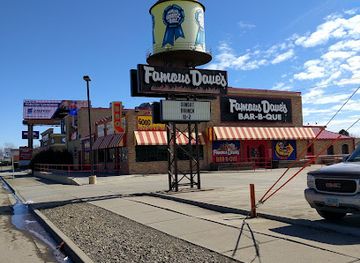
Famous Dave's Bar-B-Que
Experience delicious barbecue at Famous Dave's Bar-B-Que in Bismarck, where traditional American flavors meet a lively atmosphere for all.
7 min drive · 2.3 km from city centre
Explore Bismarck on the map
Plan your Bismarck trip on one map. See where the top attractions, landmarks, restaurants, bars and hotels are, find what's near where you're staying, and book hotels and experiences in a few clicks.
Best hotels in Bismarck
Best restaurants in Bismarck
Bismarck's dining scene reflects northern Plains agriculture, river access and the culinary traditions brought by Scandinavian, German-Russian and other immigrant communities. Menus commonly include beef, bison, walleye and other regional ingredients, while chokecherry products and hearty baked goods offer local flavour beyond restaurant dining. Indian tacos and fry bread, associated with Native foodways and powwow or community settings, should be approached with cultural respect rather than treated as a novelty. Downtown restaurants and cafés provide the most concentrated choice of independent dining, while shopping and hotel corridors add casual chains, grills and familiar American fare. Farmers' markets and seasonal events can bring local produce, preserves and prepared food into the public realm. North Dakota's wide distances and agricultural surroundings also mean that portions and menus often favour practical, filling cooking over elaborate culinary theatre.
-
American
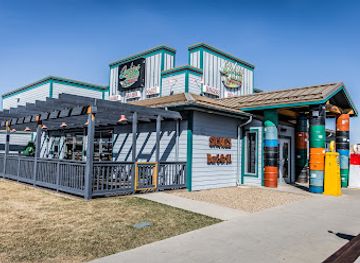
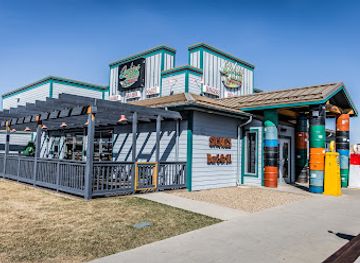
Sickies Garage Burgers & Brews
Discover gourmet burgers and craft brews at Sickies Garage Burgers & Brews in Bismarck – where flavor meets fun!
10 min drive · 3.2 km from city centre
-
Steak
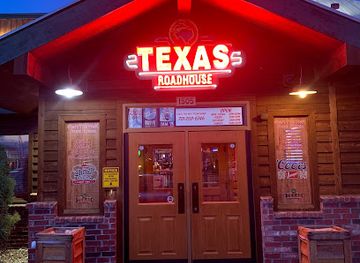
Texas Roadhouse
Experience the best steak dining at Texas Roadhouse in Bismarck - where flavor meets fun in every bite!
12 min drive · 4.0 km from city centre
-
American
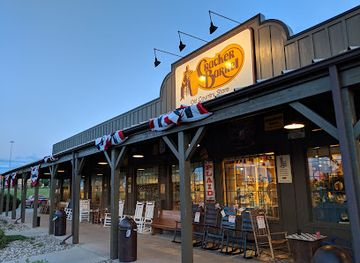
Cracker Barrel Old Country Store
Discover authentic Southern cuisine at Cracker Barrel Old Country Store in Bismarck - where comfort food meets warm hospitality.
12 min drive · 4.1 km from city centre
-
Grill
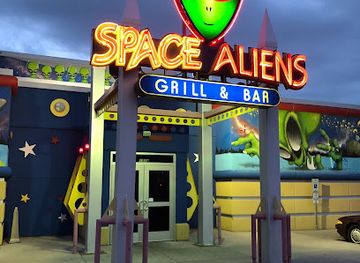
Space Aliens Grill & Bar
Experience unique extraterrestrial-themed dining at Space Aliens Grill & Bar in Bismarck – where great food meets cosmic fun!
9 min drive · 3.0 km from city centre
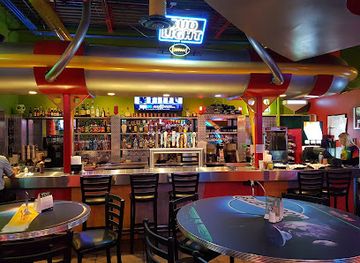
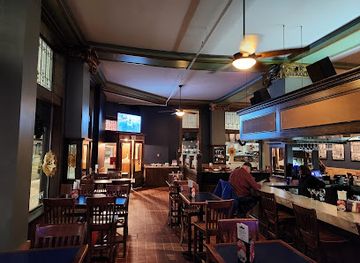
Best bars in Bismarck
Bismarck's evening scene is modest and locally oriented rather than built around large nightclubs. Downtown and Main Avenue contain bars, brewpubs and casual venues where residents gather for conversation, regional beer and occasional live music. Craft brewing has added a contemporary layer to the city's social life, while established American bars provide televised sport and late-evening conviviality. The Bismarck Event Center, Belle Mehus Auditorium and other performance spaces broaden the choice with concerts, touring entertainment, theatre and community events, subject to seasonal programming. Evenings can also centre on restaurants, riverfront walks or organised cultural events rather than drinking. Visitors should expect a spread-out city, drive or arrange a ride between districts, and check current event details because opening patterns and performances vary more than they would in a major entertainment capital.
-
American
Sickies Garage Burgers & Brews
Experience the ultimate American dining at Sickies Garage Burgers & Brews in Bismarck, where burgers meet craft beers in a vibrant atmosphere.
10 min drive · 3.2 km from city centre
-
Pub
Blarney Stone Pub - Bismarck
Discover the vibrant atmosphere of Blarney Stone Pub in Bismarck, where Irish charm meets North Dakota hospitality.
17 min walk · 1.4 km from city centre
-
Grill
Space Aliens Grill & Bar
Discover the cosmic culinary delights of Space Aliens Grill & Bar, where intergalactic fun meets delicious dining in Bismarck, North Dakota.
9 min drive · 3.0 km from city centre
-
American
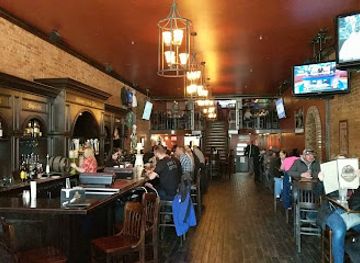
Peacock Alley
Discover the vibrant atmosphere and delicious American cuisine at Peacock Alley, a premier dining destination in Bismarck, North Dakota.
17 min walk · 1.3 km from city centre
Best nightclubs in Bismarck
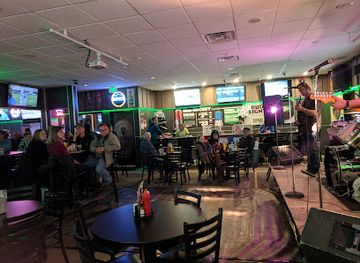
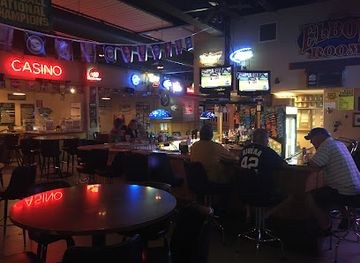
Bismarck's evening scene is modest and locally oriented rather than built around large nightclubs. Downtown and Main Avenue contain bars, brewpubs and casual venues where residents gather for conversation, regional beer and occasional live music. Craft brewing has added a contemporary layer to the city's social life, while established American bars provide televised sport and late-evening conviviality. The Bismarck Event Center, Belle Mehus Auditorium and other performance spaces broaden the choice with concerts, touring entertainment, theatre and community events, subject to seasonal programming. Evenings can also centre on restaurants, riverfront walks or organised cultural events rather than drinking. Visitors should expect a spread-out city, drive or arrange a ride between districts, and check current event details because opening patterns and performances vary more than they would in a major entertainment capital.
-
Bar
Lucky's Bar
Discover the vibrant nightlife at Lucky's Bar, Bismarck's premier destination for craft cocktails, local brews, and a lively atmosphere.
12 min walk · 1.0 km from city centre
-
Sports bar
The Elbow Room
Discover The Elbow Room in Bismarck: a lively sports bar and casino offering great food, drinks, and a thrilling atmosphere for all visitors.
17 min walk · 1.3 km from city centre
-
Sports bar
Pub 21
Discover Pub 21 in Bismarck, ND - a vibrant sports bar offering delicious food, refreshing drinks, and a lively atmosphere for every visitor.
6 min drive · 2.0 km from city centre
-
Bar
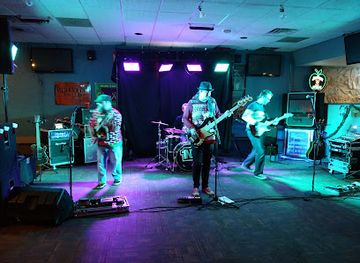
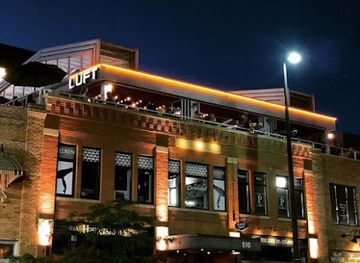
LÜFT Rooftop Bar
Discover the vibrant ambiance and stunning views at LÜFT Rooftop Bar in Bismarck, ND, where craft cocktails meet unforgettable sunsets.
16 min walk · 1.3 km from city centre
Best shops in Bismarck
Shopping in Bismarck ranges from independent downtown businesses to the larger retail concentration around Kirkwood Mall and the city's commercial corridors. Main Avenue and neighbouring central streets are the most atmospheric places to browse local boutiques, galleries, gifts and small specialist shops, while larger centres provide national retailers and practical everyday goods. North Dakota-themed purchases often include locally produced food, books about the region, Native-inspired or Native-made arts where provenance is clear, prairie photography, clothing and handmade crafts. Farmers' markets and seasonal fairs may add preserves, baked goods, vegetables and artisan work, although their schedules change through the year. Shopping is generally functional and regional rather than luxury-focused, and the broad layout means that visitors without a car may find downtown the simplest area for browsing on foot.
-
Women's clothing store
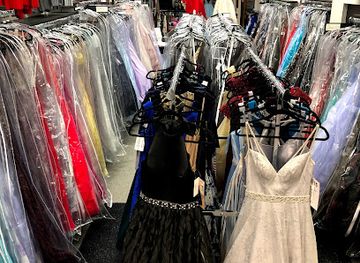
KooKoo's Nest
Explore the latest women's fashion trends at KooKoo's Nest, the boutique in Bismarck offering dresses, accessories, and personalized styling.
7 min drive · 2.3 km from city centre
-
Store
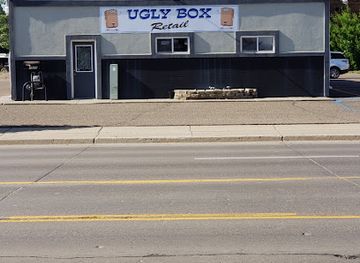
Ugly Box Retail
Explore Ugly Box Retail in Bismarck, ND for discounted treasures and unique finds that make your shopping experience unforgettable.
10 min walk · 0.8 km from city centre
-
Antique store
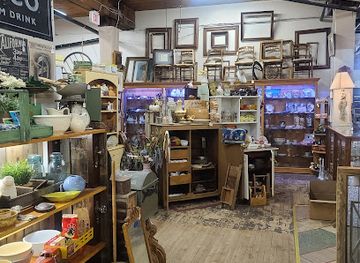
Bismarck Antique Mall
Explore Bismarck Antique Mall: A Vintage Wonderland of Unique Finds and Timeless Treasures in North Dakota.
6 min drive · 1.9 km from city centre
-
Women's clothing store
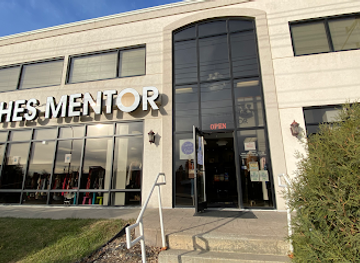
Clothes Mentor
Discover stylish women's clothing at Clothes Mentor in Bismarck, ND - where affordability meets fashion in a sustainable shopping experience.
5 min drive · 1.8 km from city centre
Get your free copy of our complete guide to Bismarck, delivered straight to you.
Everything on this page, from attractions and restaurants to essentials and local phrases, in one PDF you can read offline, print or share.
Already have an account? Sign in
Your Bismarck guide is ready.
We'll send it to · Not you? Sign out

Getting your guide ready…
We are putting together a fresh copy of the Bismarck guide. This can take up to a minute.
This can take a few moments. If your browser asks, choose Allow so the download can start. You'll find the guide in your Downloads folder.
Nothing happened? Download it again
Sorry, the guide is taking longer than usual. Please try again in a minute, or get it by email instead.
Bismarck essentials
Currency and Payment
Safety
Emergency Situations
Do's and Don'ts
Local Tips
From Eve
Local phrases worth knowing
You don't need to get them perfect. A few words go a long way, and locals appreciate the effort.
Basics
| English | Local | Say it |
|---|---|---|
| Hello | Howdy | [hah-dee] |
| Goodbye | See ya | [see yah] |
| Yes | Yah | [yah] |
| No | Nah | [nah] |
| Please/You're welcome | Please/You're welcome | [pleez/yur welcome] |
| Thank you | Thanks | [thanks] |
| Excuse me/Sorry | Pardon me | [par-dun me] |
| How are you? | How's it goin'? | [hows it go-in] |
| Fine. And you? | Good. You? | [good. yoo] |
| Do you speak English? | Ya speak English? | [yah speak ing-lish] |
| I don't understand | I dunno | [i dun-no] |
Eating & Drinking
| English | Local | Say it |
|---|---|---|
| I'd like to see the menu, please | Can I check out the menu? | [kan eye chek out the menu] |
| I don't eat meat | I don't do meat | [i dun do meat] |
| Cheers! | Cheers! | [cheers] |
| I would like to pay, please | I'll pay now, thanks | [i'll pay now thanks] |
Emergencies
| English | Local | Say it |
|---|---|---|
| Help! | Help! | [help] |
| Go away! | Get lost! | [get lost] |
| Call the Police! | Call the cops! | [call the cops] |
| Call a doctor! | Get a doc! | [get a doc] |
| I'm lost | I'm disoriented | [i'm disoriented] |
| I'm ill | I'm sick | [i'm sick] |
Shopping
| English | Local | Say it |
|---|---|---|
| I'd like to buy... | I wanna buy... | [i wanna buy] |
| I'm just looking | Just browsing | [just brow-zing] |
| How much is it? | How much does it cost? | [how much duz it cost] |
| That's too expensive | That's steep | [thats steep] |
| Can you lower the price? | Can ya drop the price? | [kan ya drop the price] |
Time & Numbers
| English | Local | Say it |
|---|---|---|
| What time is it? | What's the time? | [whats the time] |
| It's one o'clock | It's one | [its one] |
| Half past (10) | Half past (10) | [half past ten] |
| Morning | Morning | [morning] |
| Afternoon | Afternoon | [afternoon] |
| Evening | Evening | [evening] |
| Yesterday | Yesterday | [yesterday] |
| Today | Today | [today] |
| Tomorrow | Tomorrow | [tomorrow] |
| 1 | One | [wun] |
| 2 | Two | [too] |
| 3 | Three | [three] |
| 4 | Four | [four] |
| 5 | Five | [five] |
| 6 | Six | [six] |
| 7 | Seven | [seven] |
| 8 | Eight | [ate] |
| 9 | Nine | [nine] |
| 10 | Ten | [ten] |
Transport & Directions
| English | Local | Say it |
|---|---|---|
| Where's a/the...? | Where's the...? | [wheres the] |
| What's the address? | What's the address? | [whats the address] |
| Can you show me (on the map)? | Can you show me (on the map)? | [kan yoo show me on the map] |
| When's the next (bus)? | When's the next (bus)? | [whens the next bus] |
| A ticket (to ....) | A ticket (to ....) | [a ticket to] |
History of Bismarck
Indigenous Missouri River Homeland
Long before Bismarck was founded, the Missouri River valley was home to Native nations whose communities, trade networks and seasonal movements shaped the region. The Mandan, Hidatsa and Arikara peoples maintained agricultural villages and extensive commercial and diplomatic relationships along the river, while the Dakota and Lakota also held deep connections to the wider northern Plains. The river corridor supported food production, travel and cultural exchange, and its importance continued after European and American exploration. Bismarck's modern location should therefore be understood within a much older Indigenous landscape rather than as an isolated nineteenth-century settlement.
Exploration and River Commerce
The Lewis and Clark Expedition passed through the Missouri River region in 1804 and 1806, documenting landscapes and meeting Indigenous communities, although the expedition's principal winter camp in the area was at Fort Mandan near present-day Washburn, north of Bismarck. During the nineteenth century, steamboats, fur traders, missionaries and government expeditions used the river corridor. Fort Abraham Lincoln, established across the river at present-day Mandan in 1871, became an important military post and later served as the headquarters of Lieutenant Colonel George A. Custer before the 1876 campaign. These developments increased the strategic and commercial importance of the river valley.
Railway Town of Edwinton
The settlement that became Bismarck was established in 1872 as Edwinton by the Northern Pacific Railway, which was building westward across the northern Plains. The railway chose the Missouri River crossing as a crucial link in its transcontinental route, drawing workers, merchants and land seekers to the new town. In 1873 the community was renamed Bismarck, after German chancellor Otto von Bismarck, in an effort to attract German investment and immigration. Camp Hancock, preserved today near downtown, reflects the military and transport infrastructure associated with the town's early development.
State Capital and Urban Growth
North Dakota entered the Union in 1889, and Bismarck became the new state's capital. Government employment and administration gave the young railway town a lasting civic role, while agriculture, river transport and regional commerce supported its expansion. The Capitol complex developed as institutions, schools, churches and commercial buildings were added. A fire destroyed the original State Capitol in 1930, prompting construction of the present tower and connected complex in the early 1930s. Its vertical form and Art Deco design reflected the confidence of a state rebuilding during the difficult years of the Great Depression.
Modern Capital of the Missouri Valley
During the twentieth century Bismarck grew from a railway settlement into a regional centre for government, healthcare, education, retail and services. Roads and bridges strengthened links with Mandan and communities throughout central North Dakota, while the Missouri remained a defining environmental and recreational feature. The completion of Garrison Dam upstream in 1953 created Lake Sakakawea and altered water management throughout the region. Contemporary Bismarck continues to express several layers of history: Indigenous presence, river commerce, railway expansion, state government and the changing economy of the northern Great Plains.
Bismarck in Photos
Browse through our photo collection highlighting the charm and character of the destination.
Cities near Bismarck
The closest cities to Bismarck, if you have time for more than one stop.
-
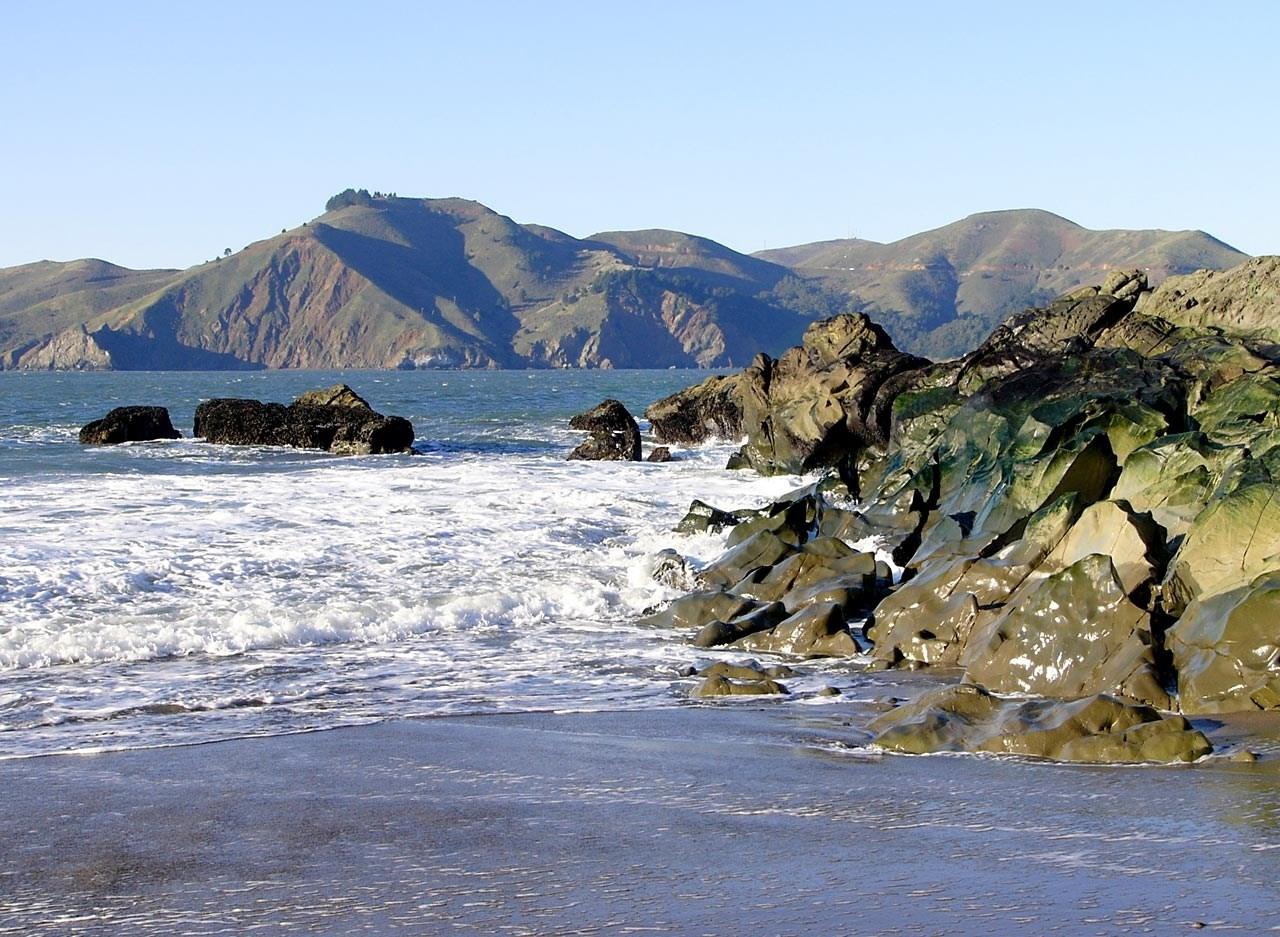 Mandan
, North Dakota, pairs Missouri River history with Fort Abraham Lincoln, Native heritage, railroad stories, rodeo tradition and wide-open prairie landscapes.
28 min drive · 9.2 km from city centre
Mandan
Mandan, North Dakota, pairs Missouri River history with Fort Abraham Lincoln, Native heritage, railroad stories, rodeo tradition and wide-open prairie landscapes.
28 min drive · 9.2 km from city centre
-

-

-
-
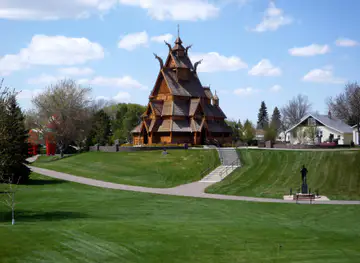
 Devils Lake
, North Dakota, combines walleye fishing, prairie scenery, Dakota heritage, Fort Totten history and relaxed small-town sightseeing.
3 h 44 min drive · 204 km from city centre
Devils Lake
Devils Lake, North Dakota, combines walleye fishing, prairie scenery, Dakota heritage, Fort Totten history and relaxed small-town sightseeing.
3 h 44 min drive · 204 km from city centre


Swipe for more cities
Explore more
Explore more of North Dakota
Discover the rugged beauty, rich history, and warm hospitality of North Dakota, the untamed frontier of the United States.
Explore North Dakota