

Jamestown Reservoir Travel Guide - Free Web & App
Your ultimate guide to Jamestown Reservoir. Discover top landmarks, proposed trips, and local tips. Free on the web or via the Evendo companion app.


Explore the serene waters and scenic landscapes of Jamestown Reservoir in North Dakota, a perfect spot for fishing, boating, hiking, and camping adventures.
Read more about Jamestown Reservoir
When is the best time to visit Jamestown Reservoir?
Best: June–August · 22–25°C| Month | High (°C) | Rainfall (mm) |
|---|---|---|
| January | -9 | 14 |
| February | -6 | 12 |
| March | 1 | 19 |
| April | 10 | 29 |
| May | 17 | 52 |
| June (best) | 22 | 72 |
| July (best) | 25 | 75 |
| August (best) | 23 | 65 |
| September | 18 | 44 |
| October | 10 | 28 |
| November | 2 | 22 |
| December | -6 | 16 |
Getting to and around Jamestown Reservoir
How to get there
Transportation
Best attractions in Jamestown Reservoir
Jamestown Reservoir in North Dakota offers visitors a unique blend of outdoor activities and historical significance. From fishing and boating on the pristine waters to exploring the nearby Jamestown Dam and its scenic overlook, there is something for everyone to enjoy. History buffs will appreciate the nearby Frontier Village, a replica of a 1880s pioneer town, and the National Buffalo Museum, home to a herd of live bison and fascinating exhibits on the Great Plains. With its stunning natural beauty and rich history, Jamestown Reservoir is a must-visit destination for any traveler looking for a one-of-a-kind experience.
-
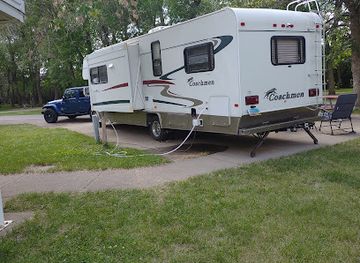
Campground
Lakeside Campground
Discover the serenity of Lakeside Campground in Jamestown, ND, where nature meets adventure for an unforgettable outdoor experience.
-
Tourist attraction
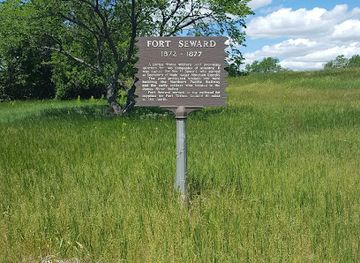
Fort Seward
Discover the historical significance of Fort Seward in Jamestown, North Dakota, a fascinating site that encapsulates American frontier history.
-
Tourist attraction
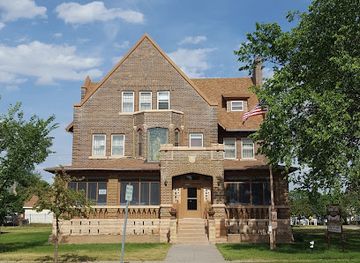
Stutsman County Memorial Museum
Discover the fascinating local history and culture at the Stutsman County Memorial Museum in Jamestown, North Dakota, a must-visit for all travelers.
-
Park
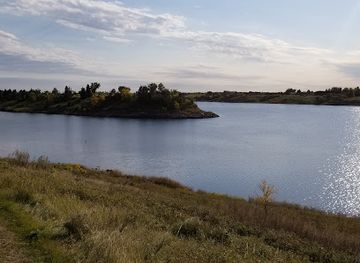
Jamestown Reservoir Beach
Discover the serene beauty of Jamestown Reservoir Beach, a perfect retreat for families and outdoor lovers in North Dakota.
Explore Jamestown Reservoir on the map
Plan your trip on one map. See where the top attractions, landmarks, restaurants and hotels are, and book hotels and experiences in a few clicks.
Best hotels in Jamestown Reservoir
Best restaurants in Jamestown Reservoir
The dining scene at Jamestown Reservoir offers a unique blend of local flavors and classic American cuisine, perfect for fueling up after a day of exploring the area. From cozy diners serving up hearty breakfasts to waterfront restaurants with stunning views, visitors can expect a variety of dining options to suit every taste. Freshly caught fish and locally sourced ingredients are often featured on menus, providing a true taste of North Dakota's culinary scene. Whether you're looking for a quick bite or a leisurely meal, the dining scene at Jamestown Reservoir is sure to satisfy your cravings and leave you wanting more.
-
American
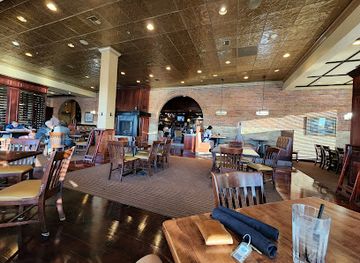
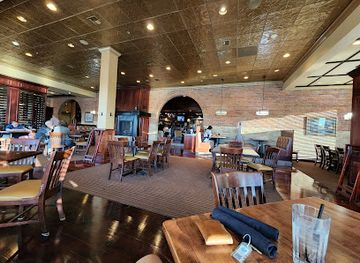
Buffalo Grill
Discover Buffalo Grill in Jamestown - where hearty American cuisine meets warm hospitality for an unforgettable dining experience.
Best bars in Jamestown Reservoir
The nightlife scene at Jamestown Reservoir offers a unique blend of local charm and entertainment. Visitors can enjoy cozy bars with friendly locals, live music venues showcasing talented musicians, and exciting nightclubs for those looking to dance the night away. Whether you prefer a laid-back evening sipping craft cocktails or a lively night out on the town, Jamestown Reservoir has something for everyone to enjoy after the sun sets.
-
Pizza
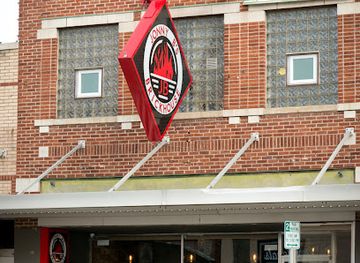
Jonny B's Brickhouse
Discover Jonny B's Brickhouse: A pizza haven and vibrant bar in Jamestown, ND, perfect for food lovers and social gatherings.
-
Cafe
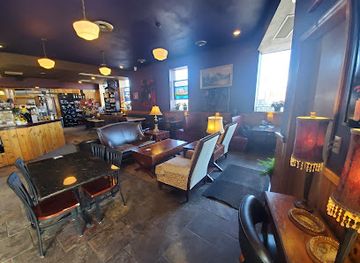
Babb's Coffee House
Discover Babb's Coffee House in Jamestown, a delightful café offering delicious American fare, exceptional coffee, and a cozy atmosphere.
-
American
Buffalo Grill
Experience the best of American cuisine at Buffalo Grill in Jamestown, where every meal is a celebration of flavor and hospitality.
-
American
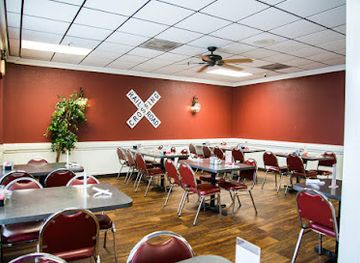
The Depot Cafe
Experience the charm of American dining at The Depot Cafe in Jamestown, ND, where delicious food and a cozy atmosphere await.
Best nightclubs in Jamestown Reservoir
The nightlife scene at Jamestown Reservoir offers a unique blend of local charm and entertainment. Visitors can enjoy cozy bars with friendly locals, live music venues showcasing talented musicians, and exciting nightclubs for those looking to dance the night away. Whether you prefer a laid-back evening sipping craft cocktails or a lively night out on the town, Jamestown Reservoir has something for everyone to enjoy after the sun sets.
-
Bar
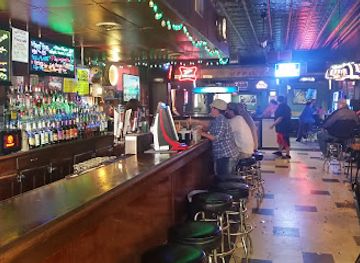
Office Bar & Lounge
Discover the lively charm of Office Bar & Lounge in Jamestown, ND - a perfect blend of bar, lounge, and casino experiences.
Best shops in Jamestown Reservoir
When visiting Jamestown Reservoir, visitors can expect a unique shopping scene that offers a mix of local artisan crafts, outdoor gear, and souvenirs. From handcrafted pottery and jewelry to outdoor apparel and equipment, the shopping options cater to both nature enthusiasts and history buffs. Be sure to explore the quaint shops and boutiques scattered throughout the area, where you can find one-of-a-kind treasures to remember your trip by.
-
Thrift store
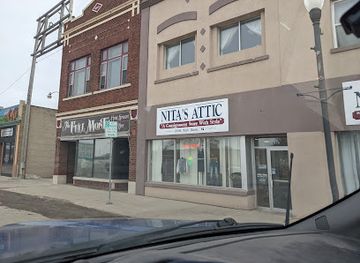
Nita's Attic
Discover unique treasures and vintage finds at Nita's Attic, Jamestown's charming thrift store and consignment shop.
-
Bait shop
Pioneer bait shop
Explore the best fishing supplies at Pioneer Bait Shop in Jamestown, your local destination for tackle and expert advice in North Dakota.
-
Liquor store
Bottles & Jugs
Discover the best selection of liquors, wines, and craft beers at Bottles & Jugs in Jamestown, ND, perfect for any occasion.
-
Gift shop
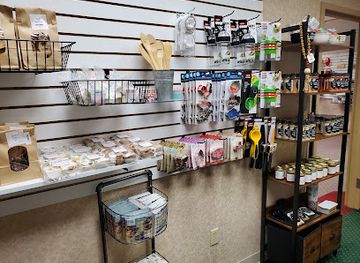
The Melted Crayon Gift Shop LLC
Discover a vibrant blend of gifts and local artistry at The Melted Crayon Gift Shop in Jamestown, ND – a must-visit for colorful souvenirs.

Get your free copy of our complete guide to Jamestown Reservoir, delivered straight to you.
Everything on this page, from attractions and restaurants to essentials and local phrases, in one PDF you can read offline, print or share.
Already have an account? Sign in
Your Jamestown Reservoir guide is ready.
We'll send it to · Not you? Sign out

Getting your guide ready…
We are putting together a fresh copy of the Jamestown Reservoir guide. This can take up to a minute.
This can take a few moments. If your browser asks, choose Allow so the download can start. You'll find the guide in your Downloads folder.
Nothing happened? Download it again
Sorry, the guide is taking longer than usual. Please try again in a minute, or get it by email instead.
Jamestown Reservoir essentials
Currency and Payment
Safety
Emergency Situations
Do's and Don'ts
Local Tips
From Eve
Local phrases worth knowing
You don't need to get them perfect. A few words go a long way, and locals appreciate the effort.
Basics
| English | Local | Say it |
|---|---|---|
| Hello | Howdy | [hah-dee] |
| Goodbye | See ya | [see yah] |
| Yes | Yup | [yuhp] |
| No | Nah | [nuh] |
| Please/You're welcome | Please/You're welcome | [pleez/yur welcome] |
| Thank you | Thanks | [thaynks] |
| Excuse me/Sorry | Pardon/Sorry | [pahr-dn/saw-ree] |
| How are you? | Howdy | [hah-dee] |
| Fine. And you? | Fine. And you? | [fahyn. and yuh] |
| Do you speak English? | Ya speak English? | [yah speak ing-glish] |
| I don't understand | I don't git it | [ah dohnt git it] |
Eating & Drinking
| English | Local | Say it |
|---|---|---|
| I'd like to see the menu, please | I'd like to see the menu, please | [ahd lahyk tuh see thuh men-yoo, pleez] |
| I don't eat meat | I don't eat meat | [ah dohnt eet meet] |
| Cheers! | Cheers! | [cheers] |
| I would like to pay, please | I would like to pay, please | [ah wood lahyk tuh pay, pleez] |
Emergencies
| English | Local | Say it |
|---|---|---|
| Help! | Help! | [help] |
| Go away! | Git! | [git] |
| Call the Police! | Call the Sheriff! | [kawl thuh sher-iff] |
| Call a doctor! | Call a doc! | [kawl a dahk] |
| I'm lost | I'm lost | [ahm lost] |
| I'm ill | I'm feelin' poorly | [ahm feel-in poor-lee] |
Shopping
| English | Local | Say it |
|---|---|---|
| I'd like to buy... | I'd like to buy... | [ahd lahyk tuh bahy...] |
| I'm just looking | I'm just lookin' | [ahm juhst look-in] |
| How much is it? | How much is it? | [how much iz it] |
| That's too expensive | That's too spendy | [thats too spend-ee] |
| Can you lower the price? | Can ya knock the price down? | [kan yah nahk thuh price doun] |
Time & Numbers
| English | Local | Say it |
|---|---|---|
| What time is it? | What time is it? | [wut tahym iz it] |
| It's one o'clock | It's one o'clock | [its wun oh-clok] |
| Half past (10) | Half past (10) | [haff past (10)] |
| Morning | Mornin' | [morn-in] |
| Afternoon | Afternoon | [aft-er-noon] |
| Evening | Evenin' | [ev-en-in] |
| Yesterday | Yest'day | [yes-t-day] |
| Today | Today | [toh-day] |
| Tomorrow | Tomorrow | [tom-or-row] |
| 1 | 1 | [wun] |
| 2 | 2 | [too] |
| 3 | 3 | [three] |
| 4 | 4 | [for] |
| 5 | 5 | [fahv] |
| 6 | 6 | [six] |
| 7 | 7 | [sev-en] |
| 8 | 8 | [ate] |
| 9 | 9 | [nine] |
| 10 | 10 | [ten] |
Transport & Directions
| English | Local | Say it |
|---|---|---|
| Where's a/the...? | Where's a/the...? | [wheres a/the] |
| What's the address? | What's the address? | [whats thuh ad-dress] |
| Can you show me (on the map)? | Can ya show me (on the map)? | [kan yah show me (on thuh map)] |
| When's the next (bus)? | When's the next (bus)? | [whens thuh nekst bus] |
| A ticket (to ....) | A ticket (to ....) | [ah tik-it (to)] |
History of Jamestown Reservoir
Creation of Jamestown Reservoir
Jamestown Reservoir was created in 1953 with the construction of the Jamestown Dam on the James River. The dam was built as part of a federal flood control program and to provide a stable water supply for the region. The project was managed by the U.S. Army Corps of Engineers and marked a significant development in the area’s infrastructure.
Jamestown Dam Construction
The construction of Jamestown Dam began in 1952 and was completed in 1953. The dam is an earth-fill embankment dam, standing 110 feet high and 1,418 feet long. Its completion not only provided flood control and water supply but also created recreational opportunities, transforming the local landscape.
The Role of the Civilian Conservation Corps
During the Great Depression, the Civilian Conservation Corps (CCC) played a pivotal role in developing the infrastructure around Jamestown. They were instrumental in building access roads, planting trees, and constructing park facilities. Their work laid the groundwork for the future Jamestown Reservoir and its surrounding recreational areas.
Cultural Impact on Local Tribes
The creation of the Jamestown Reservoir had significant impacts on the local Native American tribes, particularly the Dakota Sioux. The reservoir submerged lands that were historically significant to these communities. Efforts have been made to preserve and recognize the cultural heritage of the Native American tribes in the area.
Recreational Development
Since its creation, Jamestown Reservoir has become a hub for recreational activities. In the 1960s and 1970s, new amenities such as campgrounds, picnic areas, and boat ramps were developed. Today, the reservoir is a popular destination for fishing, boating, and wildlife observation, attracting visitors from across the state and beyond.
Environmental Conservation Efforts
In recent decades, there has been a strong focus on environmental conservation at Jamestown Reservoir. Local and federal initiatives have aimed at preserving the natural habitats around the reservoir, ensuring the protection of wildlife and promoting sustainable use of the water resources. These efforts have helped maintain the ecological balance and beauty of the area.
Annual Events and Festivals
Jamestown Reservoir hosts various annual events and festivals that celebrate the culture and history of the region. Events such as the Jamestown Reservoir Water Festival and local fishing tournaments draw crowds and foster a sense of community. These events highlight the reservoir's importance as a cultural and recreational hub.
Historical Artifacts and Exhibits
The Stutsman County Memorial Museum in nearby Jamestown offers exhibits and artifacts related to the history of the reservoir and the surrounding area. Visitors can explore displays that detail the construction of the dam, the impact on local communities, and the evolution of the reservoir as a recreational space.
Jamestown Reservoir in Photos
Browse through our photo collection highlighting the charm and character of the destination.
Cities in Jamestown Reservoir
The towns and cities of Jamestown Reservoir, and the easiest places to base yourself.

Swipe for more cities
Neighbouring destination travel guides
The closest destinations to Jamestown Reservoir, if you have time for more than one.
-

-

-
-

-


Swipe for more destinations
Explore more

Explore more of Drift Prairie
Explore North Dakota’s Drift Prairie for glacial lakes, open farmland, Indigenous heritage, small-town museums, wildlife and wide prairie horizons.
Explore Drift Prairie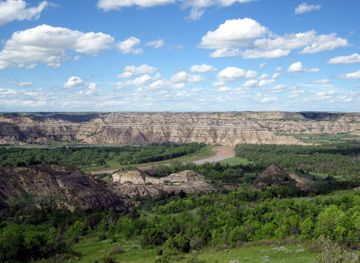
Explore more of North Dakota
Discover the rugged beauty, rich history, and warm hospitality of North Dakota, the untamed frontier of the United States.
Explore North Dakota