

Free Pierre Travel Guide & Mobile App
Plan your Pierre trip with Evendo. Get free guides to top attractions, restaurants, hotels, and bars. Web access or download the mobile app.


Pierre, South Dakota, pairs Missouri River landscapes with frontier history, Capitol architecture, museums, wildlife and outdoor adventures around Lake Oahe.
A Capital on the Missouri
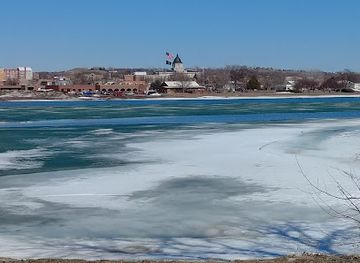
Pierre occupies a broad terrace above the Missouri River in central South Dakota, where cottonwood-lined banks, open prairie and the immense waters of Lake Oahe shape the city’s outlook. As the state capital, it is compact and easy to explore, with government buildings, museums and civic spaces gathered close to the riverfront and central streets. Across the water, the separate community of Fort Pierre preserves a closely connected frontier history, while the surrounding landscape opens into wide horizons used for boating, fishing, hiking and wildlife watching.Read more about Pierre
History in the Landscape
Open Country and River Life
When is the best time to visit Pierre?
Best: May–June, September · 23–28°C| Month | High (°C) | Rainfall (mm) |
|---|---|---|
| January | 0 | 11 |
| February | 2 | 10 |
| March | 9 | 17 |
| April | 16 | 28 |
| May (best) | 23 | 58 |
| June (best) | 28 | 74 |
| July | 32 | 58 |
| August | 31 | 48 |
| September (best) | 24 | 39 |
| October | 16 | 26 |
| November | 5 | 15 |
| December | 0 | 12 |
Getting to and around Pierre
How to get there
Transportation
Best attractions in Pierre
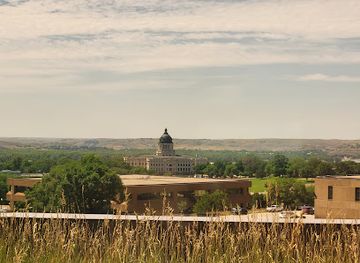
Pierre’s main attractions cluster around its role as state capital and its position on the Missouri River. The South Dakota State Capitol offers guided and self-guided insight into the building’s civic symbolism, decorative interior and landscaped grounds. At the Cultural Heritage Center, exhibits trace the state’s Indigenous histories, territorial period and political development through objects, photographs and interpretation. The South Dakota Discovery Center presents science and the natural world in an accessible, hands-on setting. For outdoor exploration, La Framboise Island Nature Area provides trails and river scenery close to town, while the Oahe Dam and Lake Oahe open into a much larger landscape of fishing, boating and birdwatching. Across the river, Fort Pierre adds museums and western heritage to the area’s sightseeing range, although it is a separate community rather than a Pierre neighbourhood.
-
Tourist attraction
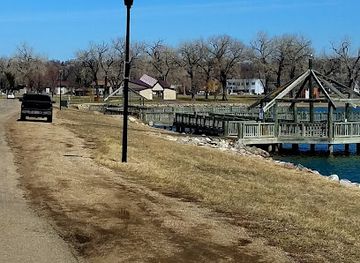
Steamboat Park
Discover the serene beauty and recreational charm of Steamboat Park in Pierre, South Dakota, an oasis for relaxation and outdoor fun.
13 min walk · 1.0 km from city centre
-
Tourist attraction
South Dakota State Historical Society
Explore the rich cultural heritage of South Dakota at the State Historical Society, where history comes alive through engaging exhibits and artifacts.
14 min walk · 1.2 km from city centre
-
Tourist attraction
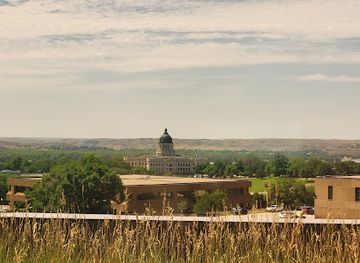
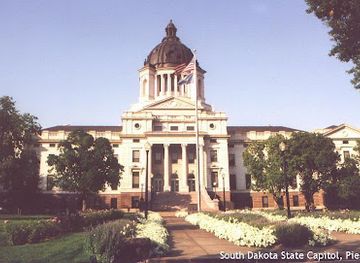
South Dakota State Capitol
Explore the South Dakota State Capitol, a stunning architectural masterpiece filled with history, art, and lush gardens in Pierre.
5 min walk · 0.4 km from city centre
-
Tourist attraction
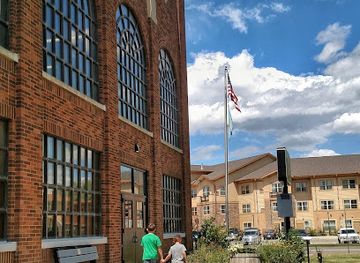
South Dakota Discovery Center
Discover science and nature at the South Dakota Discovery Center - an interactive museum for all ages in Pierre, South Dakota.
13 min walk · 1.0 km from city centre
Best landmarks in Pierre
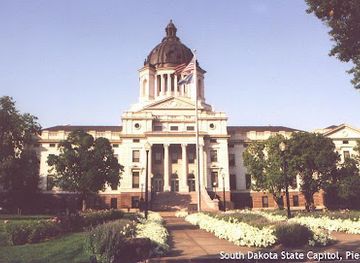
The South Dakota State Capitol is Pierre’s defining civic landmark, its domed Beaux-Arts form and marble interior embodying the state’s early twentieth-century ambitions. Among the grounds’ memorials and artworks, the Governors’ Gallery and Capitol symbolism connect the building to South Dakota’s political history. The Flaming Fountain, associated with the Capitol grounds, commemorates South Dakota’s connection with the mineral springs and natural resources that inspired its name. Along the Missouri, the river itself is a geographical landmark, while the Oahe Dam north of the city represents the enormous engineering and environmental changes brought by twentieth-century dam building. The nearby historic associations of Fort Pierre Chouteau, across the river in Fort Pierre, recall the fur trade and Indigenous diplomacy that preceded modern Pierre’s establishment.
-
Park
Steamboat Park
Experience nature's beauty at Steamboat Park in Pierre, SD, where outdoor adventures and scenic views await every traveler.
13 min walk · 1.0 km from city centre
-
History museum
South Dakota State Historical Society
Explore South Dakota's past at the State Historical Society in Pierre, where history comes alive through engaging exhibits and rich archival collections.
14 min walk · 1.2 km from city centre
-
State government office
South Dakota State Capitol
Explore the splendid South Dakota State Capitol, a historical gem in Pierre showcasing stunning architecture, rich history, and beautiful gardens.
5 min walk · 0.4 km from city centre
-
Science museum
South Dakota Discovery Center
Discover the wonders of science and interactive learning at the South Dakota Discovery Center, a family-friendly museum in Pierre, South Dakota.
13 min walk · 1.0 km from city centre
Explore Pierre on the map
Plan your Pierre trip on one map. See where the top attractions, landmarks, restaurants, bars and hotels are, find what's near where you're staying, and book hotels and experiences in a few clicks.
Best hotels in Pierre
Best restaurants in Pierre
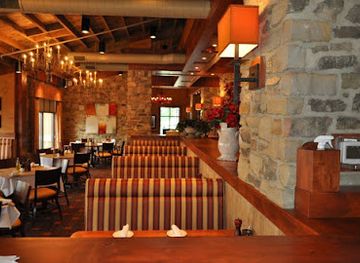
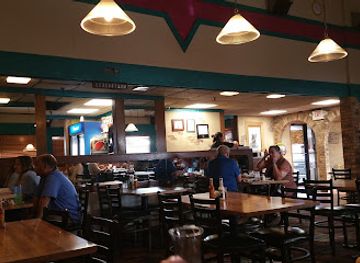
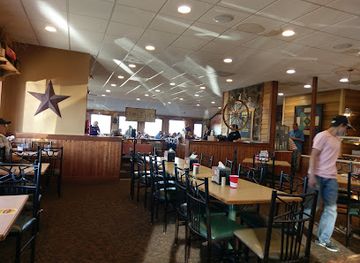
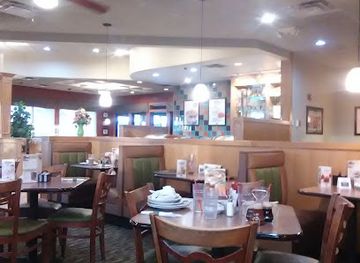
Pierre’s dining scene reflects its role as a working capital and outdoor gateway rather than a large culinary destination. Downtown and central commercial areas provide familiar American cooking, cafés, grills and locally oriented restaurants, with menus often shaped by the region’s ranching, hunting and freshwater landscape. South Dakota specialities such as chislic—seasoned cubes of grilled meat—may appear alongside beef, bison, walleye and other Great Plains influences, while bakeries and coffee shops provide informal daytime stops. In season, anglers and visitors around Lake Oahe contribute to a practical culture of fish suppers and picnic cooking. The city’s restaurant selection is modest, and dining hours can be more limited than in metropolitan centres, particularly outside the main commercial area, so checking current service times is sensible.
-
Italian
RedRossa Italian Grille
Experience authentic Italian flavors in Pierre at RedRossa Italian Grille – where delicious food meets warm hospitality.
12 min walk · 0.9 km from city centre
-
Mexican
Guadalajara Mexican Restaurant
Experience the rich flavors of Mexico at Guadalajara Mexican Restaurant in Pierre - perfect for families seeking delicious Latin American cuisine.
5 min walk · 0.4 km from city centre
-
Buffet
Pizza Ranch
Savor the flavors of Fort Pierre at Pizza Ranch – where delicious pizza meets mouthwatering fried chicken in a family-friendly buffet setting.
5 min drive · 1.7 km from city centre
-
Restaurant
Perkins Restaurant & Bakery
Experience hearty American meals and irresistible baked goods at Perkins Restaurant & Bakery in Fort Pierre – perfect for family dining and breakfast lovers.
6 min drive · 1.9 km from city centre
Best bars in Pierre
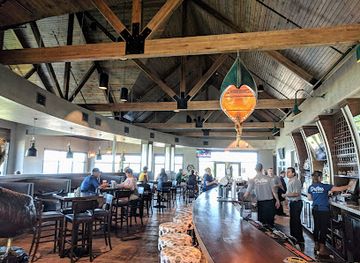
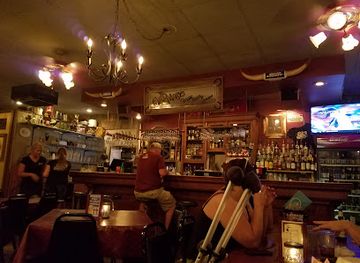
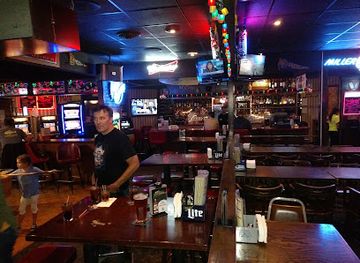
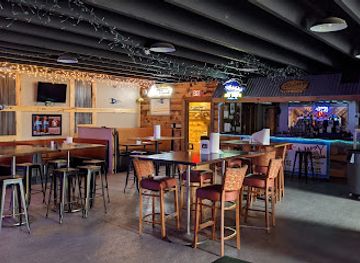
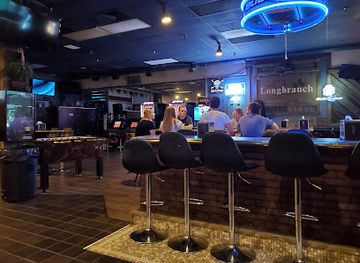
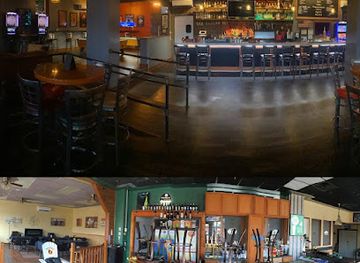
Pierre’s evening scene is relaxed and small-scale, centred on neighbourhood bars, restaurant lounges and social spaces rather than a concentrated nightclub district. Local venues typically bring together state workers, residents, anglers and visitors over drinks, conversation and televised sport, while occasional live music or community entertainment adds variety. The central streets are the most convenient area for moving between dinner and an evening drink, although the city’s spread-out commercial areas are better approached by car or taxi. Cultural evenings may include performances and public events connected with civic life, museums or seasonal festivals. Nightlife is generally quieter than in South Dakota’s larger cities, and visitors should check current venue information rather than expect late-night entertainment every day.
-
Bar
Drifters Bar & Grille
Experience the charm of Fort Pierre at Drifters Bar & Grille, where delicious food and a lively atmosphere await every visitor.
5 min drive · 1.7 km from city centre
-
Steak
Mad Mary's Steakhouse & Saloon
Discover Mad Mary's Steakhouse & Saloon in Pierre, SD, where exceptional steaks and a warm saloon ambiance create a memorable dining experience.
5 min walk · 0.4 km from city centre
-
Grill
Jake's Good Times Place
Discover the vibrant flavors and lively atmosphere at Jake's Good Times Place, the ultimate grill and cocktail destination in Pierre, South Dakota.
10 min drive · 3.2 km from city centre
-
Bar
Richie Z's Brickhouse BBQ & Grill
Experience the authentic taste of barbecue at Richie Z's Brickhouse BBQ & Grill in Pierre, South Dakota, where flavor and fun come together.
7 min walk · 0.6 km from city centre
Best nightclubs in Pierre
Pierre’s evening scene is relaxed and small-scale, centred on neighbourhood bars, restaurant lounges and social spaces rather than a concentrated nightclub district. Local venues typically bring together state workers, residents, anglers and visitors over drinks, conversation and televised sport, while occasional live music or community entertainment adds variety. The central streets are the most convenient area for moving between dinner and an evening drink, although the city’s spread-out commercial areas are better approached by car or taxi. Cultural evenings may include performances and public events connected with civic life, museums or seasonal festivals. Nightlife is generally quieter than in South Dakota’s larger cities, and visitors should check current venue information rather than expect late-night entertainment every day.
-
American
The LB - Longbranch
Experience the essence of American dining at The LB - Longbranch in Pierre, where flavorful dishes and a vibrant bar scene await.
5 min walk · 0.4 km from city centre
-
Bar
The Fieldhouse Sports & Spirits
Experience the ultimate sports bar atmosphere at The Fieldhouse Sports & Spirits in Pierre, South Dakota, where great food and live games come together.
10 min drive · 3.5 km from city centre
-
Lounge
Bob's Lounge
Experience the vibrant nightlife at Bob's Lounge in Pierre, South Dakota, where friendly locals and delicious drinks await your arrival.
6 min walk · 0.4 km from city centre
-
Bar
St Charles Lounge
Experience the vibrant nightlife of Pierre, SD at St Charles Lounge, where exceptional drinks and a welcoming atmosphere await you.
2 min walk · 0.1 km from city centre


Best shops in Pierre
Shopping in Pierre is practical and locally rooted, with central streets and commercial areas offering everyday services, independent retailers, gifts and outdoor equipment rather than a major metropolitan fashion scene. Visitors may find South Dakota-themed books, artwork, Native-made products, regional foodstuffs and western-inspired goods, although authenticity and provenance vary and should be considered carefully. Local galleries and museum shops are useful places to look for work connected with the state’s landscapes, artists and history. The city’s shops serve residents as much as visitors, so retail areas are spread across downtown and larger commercial zones rather than concentrated in one extensive market quarter. Outdoor retailers are particularly relevant for travellers planning fishing, boating, hunting or hiking around the Missouri River and Lake Oahe.
-
Department store
Walmart Supercenter
Discover Walmart Supercenter in Pierre, SD - your affordable destination for groceries, clothing, electronics, and much more, all under one roof.
10 min drive · 3.4 km from city centre
-
General store
Runnings
Discover Runnings in Pierre, SD - your go-to general store for outdoor gear, clothing, pet supplies, and more, all in a welcoming atmosphere.
8 min drive · 2.7 km from city centre
-
Craft store
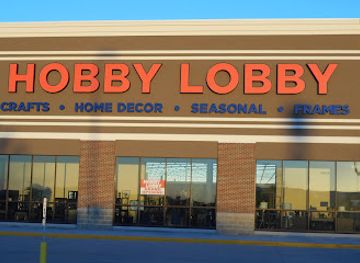
Hobby Lobby
Discover Hobby Lobby in Pierre, SD – Your ultimate destination for crafts, fabrics, home décor, and creative inspiration.
9 min drive · 2.8 km from city centre
-
Gift shop
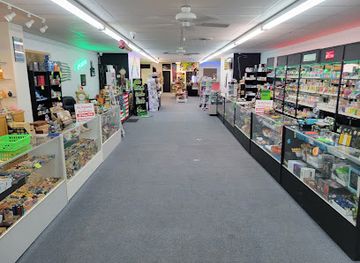
Hempquarters605
Explore Hempquarters605, the hidden gem of Pierre, SD, offering a unique selection of gifts, candles, vaporizers, and more in an inviting atmosphere.
4 min walk · 0.3 km from city centre


Get your free copy of our complete guide to Pierre, delivered straight to you.
Everything on this page, from attractions and restaurants to essentials and local phrases, in one PDF you can read offline, print or share.
Already have an account? Sign in
Your Pierre guide is ready.
We'll send it to · Not you? Sign out

Getting your guide ready…
We are putting together a fresh copy of the Pierre guide. This can take up to a minute.
This can take a few moments. If your browser asks, choose Allow so the download can start. You'll find the guide in your Downloads folder.
Nothing happened? Download it again
Sorry, the guide is taking longer than usual. Please try again in a minute, or get it by email instead.
Pierre essentials
Currency and Payment
Safety
Emergency Situations
Do's and Don'ts
Local Tips
From Eve
Local phrases worth knowing
You don't need to get them perfect. A few words go a long way, and locals appreciate the effort.
Basics
| English | Local | Say it |
|---|---|---|
| Hello | Howdy | [haw-dee] |
| Goodbye | See ya | [see yuh] |
| Yes | Yep | [yep] |
| No | Nope | [nohp] |
| Please/You're welcome | Please/You're welcome | [pleez/yur welcome] |
| Thank you | Thanks | [thanks] |
| Excuse me/Sorry | Pardon me | [par-dn me] |
| How are you? | How ya doin'? | [how yuh doin] |
| Fine. And you? | Good. You? | [good. yuh] |
| Do you speak English? | Ya speak English? | [ya speak ing-lish] |
| I don't understand | I don't get it | [I don't get it] |
Eating & Drinking
| English | Local | Say it |
|---|---|---|
| I'd like to see the menu, please | Can I see the menu, please | [can eye see the menu, please] |
| I don't eat meat | I don't eat meat | [I don't eat meat] |
| Cheers! | Cheers! | [cheers] |
| I would like to pay, please | I need to pay | [I need to pay] |
Emergencies
| English | Local | Say it |
|---|---|---|
| Help! | Help! | [help] |
| Go away! | Get lost! | [get lost] |
| Call the Police! | Call the cops! | [call the cops] |
| Call a doctor! | Get a doc! | [get a doc] |
| I'm lost | I'm lost | [I'm lost] |
| I'm ill | I'm sick | [I'm sick] |
Shopping
| English | Local | Say it |
|---|---|---|
| I'd like to buy... | I wanna buy... | [I wanna buy] |
| I'm just looking | Just lookin' | [just lookin] |
| How much is it? | How much does it cost? | [how much does it cost] |
| That's too expensive | That's pricey | [thats prahy-see] |
| Can you lower the price? | Can ya knock the price down? | [can ya knock the price down] |
Time & Numbers
| English | Local | Say it |
|---|---|---|
| What time is it? | What time is it? | [what time is it] |
| It's one o'clock | It's one | [its one] |
| Half past (10) | Half past ten | [half past ten] |
| Morning | Morning | [morning] |
| Afternoon | Afternoon | [afternoon] |
| Evening | Evening | [evening] |
| Yesterday | Yesterday | [yester-day] |
| Today | Today | [to-day] |
| Tomorrow | Tomorrow | [to-mor-row] |
| 1 | One | [wuhn] |
| 2 | Two | [too] |
| 3 | Three | [three] |
| 4 | Four | [four] |
| 5 | Five | [five] |
| 6 | Six | [six] |
| 7 | Seven | [seven] |
| 8 | Eight | [eight] |
| 9 | Nine | [nine] |
| 10 | Ten | [ten] |
Transport & Directions
| English | Local | Say it |
|---|---|---|
| Where's a/the...? | Where's the...? | [wheres the] |
| What's the address? | What's the address? | [whats the address] |
| Can you show me (on the map)? | Can ya show me (on the map)? | [can ya show me (on the map)] |
| When's the next (bus)? | When's the next (bus)? | [whens the next (bus)] |
| A ticket (to ....) | A ticket (to ....) | [a ticket (to)] |
History of Pierre
Indigenous Homelands and River Trade
The Missouri River corridor around present-day Pierre has long been inhabited and used by Indigenous peoples, including the Arikara and Lakota. The river supplied water, transport and fertile bottomlands, while established routes linked communities across the northern Great Plains. Pierre’s later development took place within this older cultural landscape rather than on unoccupied frontier. Archaeological sites and the collections interpreted by South Dakota’s museums reflect the depth of Indigenous history in the region, although many cultural traditions and historical relationships extend well beyond the boundaries of the modern city.
Exploration and the Fur Trade
The Lewis and Clark Expedition travelled along the Missouri River in 1804, recording a landscape already shaped by Indigenous settlement and exchange. In the decades that followed, the fur trade intensified the river’s commercial importance. Pierre Chouteau Jr established Fort Pierre Chouteau in 1832 on the west side of the river, in the community now known as Fort Pierre. The post became an important centre for trade with regional Indigenous nations and for the movement of furs and supplies, helping to establish the area’s enduring association with river commerce and the western frontier.
Railroad Settlement and Naming
The modern town of Pierre emerged in the late nineteenth century as rail expansion and land speculation reshaped central South Dakota. The Chicago and North Western Railway reached the Missouri River in the 1880s, carrying settlers, goods and political influence into the territory. The town was named Pierre after Pierre Chouteau Jr, although the historic trading post across the river carried the more direct Fort Pierre name. Railroad access helped turn the river crossing into a permanent service centre and connected the settlement with the wider economic networks of the Great Plains.
Statehood and the Capital
South Dakota entered the Union in 1889, and Pierre was selected as the state capital because of its central position and established transportation links. The choice was not without controversy, as rival communities challenged Pierre’s suitability and the location of the capital. State government gradually gave the town a civic identity distinct from its earlier commercial role. The South Dakota State Capitol, built between 1905 and 1910, expressed that identity in a formal Beaux-Arts design, with a prominent dome, marble interiors and decorative work reflecting the young state’s aspirations.
Water, Recreation and Modern Pierre
The Missouri River became still more important to Pierre in the twentieth century as large-scale dam construction transformed its natural flow and created Lake Oahe, one of the major reservoirs of the Missouri River system. The Oahe Dam, completed north of Pierre in 1962, brought changes to transport, irrigation, power generation, fisheries and recreation. The reservoir now supports boating and angling, while the riverfront and nearby nature areas contribute to the city’s outdoor identity. Pierre remains a small administrative capital, but its modern character is inseparable from the water and prairie surrounding it.
Pierre in Photos
Browse through our photo collection highlighting the charm and character of the destination.
Cities near Pierre
The closest cities to Pierre, if you have time for more than one stop.
-

-

-

-

-


Swipe for more cities
Explore more

Explore more of South Dakota
Discover South Dakota: From the iconic Mount Rushmore and Crazy Horse Memorial to the stunning Badlands and charming small towns, it's a land of history and natural beauty.
Explore South Dakota