

Oppdal, Norway Travel Guide
Discover Oppdal, Norway's hidden gem, where stunning natural landscapes and thrilling outdoor activities meet rich cultural experiences.
Nestled in the heart of Norway, Oppdal is a destination that offers a unique blend of natural beauty and outdoor adventure. Surrounded by majestic mountains and lush valleys, this charming town is perfect for those looking to escape the hustle and bustle of city life and immerse themselves in nature. Whether you're an avid skier or a hiking enthusiast, Oppdal has something for everyone. The winter season transforms the town into a snowy paradise, with well-groomed slopes and cross-country trails that cater to all skill levels. In the summer, the landscape becomes a haven for hikers, with numerous trails leading to breathtaking viewpoints and serene lakes. Apart from outdoor activities, Oppdal also boasts rich cultural experiences. Visit the local museums to learn about the region's history and heritage, or explore the quaint shops and cafes in the town center. The warm and welcoming locals add to the charm, making your visit to Oppdal truly memorable.

Know before you go
Hi, I'm Eve. Here are a few practical things to know before exploring Oppdal.
- Visit during the winter months for the best skiing and snowboarding experiences.
- Don't miss the Dovrefjell-Sunndalsfjella National Park for a chance to see wild musk oxen.
- Try the local delicacies, especially the traditional Norwegian waffles.
- Plan a hike to the top of Snøhetta for panoramic views of the surrounding area.
- Check the local event calendar for traditional festivals and cultural events.
Explore Oppdal: Things to Do, Places to Eat, Hotels & More
Handpicked recommendations for top attractions, local dining, accommodations, and more

Best attractions in Oppdal
Top-rated picks
Best Attractions

Dovrefjell–Sunndalsfjella National Park
Explore the breathtaking Dovrefjell–Sunndalsfjella National Park, a haven for nature lovers and wildlife enthusiasts in Norway.

Oppdal Ski Center
Experience the exhilarating slopes and stunning views at Oppdal Ski Center, Norway's premier ski destination, perfect for all winter sports enthusiasts.

Mågålaupet
Explore Mågålaupet, a breathtaking gorge in Oppdal, Norway, where stunning landscapes meet rich history in an unforgettable outdoor adventure.

Tronfjellet mountain
Explore the breathtaking beauty of Tronfjellet Mountain in Alvdal, Norway, where nature's splendor meets cultural heritage for an unforgettable adventure.

Best landmarks in Oppdal
Top-rated picks
Best Landmarks
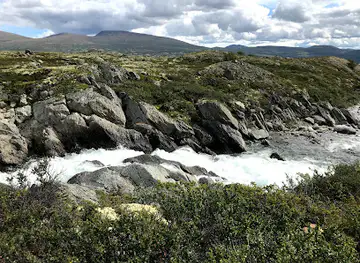
Oppdal Safari
Explore the breathtaking wilderness of Oppdal Safari, where adventure meets the majestic musk ox in Norway's stunning landscapes.

Oppdalsmuseet
Explore the heart of Oppdal's cultural heritage at Oppdalsmuseet, a local history museum showcasing the unique stories and artifacts of the region.

Gravfeltet Vang
Discover the ancient Viking burial grounds at Gravfeltet Vang in Oppdal, Norway, where history and nature intertwine in a serene setting.
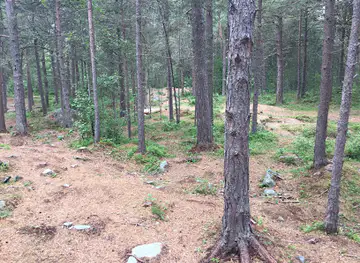
Minnesmerke for krigsfangene i Oppdal
Explore the Oppdal War Memorial, a poignant tribute to resilience amidst stunning Norwegian landscapes, evoking reflection and peace.

Best restaurants in Oppdal
Top-rated picks
Best Restaurants

Quality Hotel Skifer
Discover the perfect blend of comfort and gourmet dining at Quality Hotel Skifer in scenic Oppdal.

Møllen Restaurant og Pizzeria
Discover delicious dining at Møllen Restaurant og Pizzeria in Oppdal – where Norwegian flavors meet Italian classics.

Bakeriet SPRØ
Discover the charming Bakeriet SPRØ in Oppdal – where delightful pastries meet cozy ambiance for an unforgettable culinary experience.
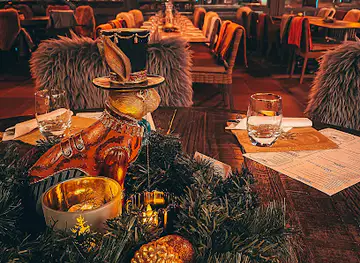
Spisbar
Discover the flavors of Norway at Spisbar in Oppdal – where traditional meets contemporary in every delicious dish.

Best bars in Oppdal
Top-rated picks
Best Bars

Quality Hotel Skifer
Experience the perfect fusion of comfort and culinary excellence at Quality Hotel Skifer in Oppdal, Norway.
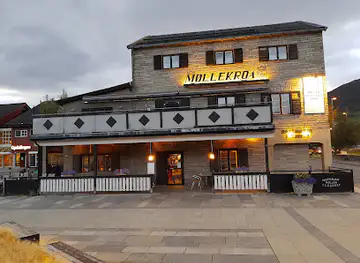
Møllen Restaurant og Pizzeria
Experience the flavors of authentic Italian cuisine at Møllen Restaurant og Pizzeria amidst the scenic beauty of Oppdal, Norway.

Bakeriet SPRØ
Discover the delightful flavors of Bakeriet SPRØ, a cozy café in Oppdal offering exquisite pastries, artisan breads, and exceptional coffee in a charming setting.

Spisbar
Experience the rich flavors of Nordic cuisine at Spisbar, a top restaurant in Oppdal, Norway, offering seasonal dishes made from local ingredients.

Best nightclubs in Oppdal
Top-rated picks
Best Nightclubs

Oppdal Ski Center
Experience the ultimate winter adventure at Oppdal Ski Center, Norway's top destination for skiing and family fun amidst breathtaking mountain scenery.

Coop Mega Oppdal
Discover the flavors of Norway at Coop Mega Oppdal, your go-to supermarket for fresh produce, local delicacies, and essential supplies in Oppdal.

Opplev Oppdal
Discover the ultimate outdoor adventure in Norway at Opplev Oppdal, where thrilling activities like rafting and canyoning await amidst stunning landscapes.

Oppdal Safari
Discover the beauty of Norway's wilderness and spot majestic moose at Oppdal Safari, a premier outdoor adventure destination.

Best shops in Oppdal
Top-rated picks
Best Shops

Domus
Explore Domus in Oppdal for a shopping experience filled with local treasures, delightful dining, and a vibrant atmosphere that resonates with Norwegian charm.

KIWI Oppdal
Discover local flavors and unique Norwegian products at KIWI Oppdal, your go-to grocery store in the heart of Oppdal.

Aunasenteret
Discover a shopping haven at Aunasenteret in Oppdal, Norway, where local charm meets modern retail in a vibrant community atmosphere.

Vertical Playground (vpg.no)
Discover quality sporting goods and expert advice at Vertical Playground in Oppdal, your ultimate destination for outdoor adventures.

Explore Oppdal on the Map
A handpicked selection of must-see spots in Oppdal, mapped for you.
Oppdal Essentials
-
Oppdal is easily accessible from several major cities in Norway. The nearest airport is Trondheim Airport (TRD), located about 150 kilometers away. From Trondheim, you can take a direct train to Oppdal; the journey typically takes around 1.5 to 2 hours. Alternatively, buses and rental cars are available for a scenic drive through the Norwegian countryside.
-
Once in Oppdal, getting around is straightforward. The local bus system connects most parts of the town, but many attractions are within walking distance. Taxis are available but can be expensive. Renting a bike is a popular option during the summer months, and car rentals are available for those who wish to explore the surrounding areas at their own pace.
-
The official currency in Norway is the Norwegian Krone (NOK). Credit and debit cards are widely accepted in Oppdal, including in restaurants, shops, and hotels. ATMs are available throughout the town, but it is advisable to carry some cash for smaller establishments and markets. Mobile payment options like Vipps are also commonly used.
-
Oppdal is generally a very safe destination for tourists. Crime rates are low, and violent crime is rare. However, it is always wise to take standard precautions, such as not leaving your belongings unattended and being cautious in crowded areas. There are no specific high-crime areas targeting tourists in Oppdal.
-
In case of an emergency, dial 112 for immediate assistance. This number connects you to police, fire, and medical services. The local medical center in Oppdal can handle most health issues, and there is a pharmacy in town for over-the-counter medications. It is recommended to have travel insurance that covers medical emergencies.
-
Fashion: Do dress in layers and wear comfortable walking shoes. Don't wear overly revealing clothing. Religion: Do respect local customs, especially when visiting churches. Don't speak loudly or use your phone inside religious sites. Public Transport: Do be courteous and offer your seat to elderly passengers. Don't eat or drink on public transport. Greetings: Do greet people with a firm handshake. Norwegians value personal space, so avoid hugging strangers. Eating & Drinking: Do try local dishes and accept food offerings graciously. Don't leave food on your plate; it is considered wasteful.
-
To experience Oppdal like a local, visit the local markets where you can buy fresh produce and traditional Norwegian goods. Take part in outdoor activities like hiking, skiing, or fishing, depending on the season. Engage with locals, who are often friendly and willing to share stories about the area. Don't miss visiting the Oppdal Church and the nearby scenic viewpoints for breathtaking views of the Norwegian landscape.
When is the best time to visit Oppdal?
Useful Local Phrases for Oppdal
You don't need to speak the language perfectly. Even learning a few simple words can make conversations warmer—and locals usually appreciate the effort.
— Eve

Here are the phrases I use most often in Oppdal. Try a few—you'll be surprised how far they go! 😊
❤️
-
- HelloHei
[hay] - GoodbyeHa det bra
[ha de bra] - YesJa
[ya] - NoNei
[nay] - Please/You're welcomeVær så god
[ver so go] - Thank youTakk
[tahk] - Excuse me/SorryUnnskyld
[oonskeeld] - How are you?Hvordan har du det?
[vor-dan har doo deh] - Fine. And you?Bra. Og du?
[bra oh doo] - Do you speak English?Snakker du engelsk?
[snak-ker doo eng-elsk] - I don't understandJeg forstår ikke
[yay for-stor ee-keh]
- HelloHei
-
- I'd like to see the menu, pleaseJeg vil gjerne se menyen, takk
[yay vil yer-neh seh men-yen tahk] - I don't eat meatJeg spiser ikke kjøtt
[yay spee-ser ee-keh shøt] - Cheers!Skål!
[skohl] - I would like to pay, pleaseJeg vil gjerne betale, takk
[yay vil yer-neh beh-tah-leh tahk]
- I'd like to see the menu, pleaseJeg vil gjerne se menyen, takk
-
- Help!Hjelp!
[yelp] - Go away!Gå vekk!
[go vek] - Call the Police!Ring politiet!
[ring pol-ee-tee-et] - Call a doctor!Ring en lege!
[ring en lay-geh] - I'm lostJeg er lost
[yay er lost] - I'm illJeg er syk
[yay er sook]
- Help!Hjelp!
-
- I'd like to buy...Jeg vil kjøpe...
[yay vil shø-peh] - I'm just lookingJeg bare ser
[yay bare seh] - How much is it?Hvor mye koster det?
[vor myeh kost-er deh] - That's too expensiveDet er for dyrt
[deh er for deert] - Can you lower the price?Kan du senke prisen?
[kan doo sen-keh pree-sen]
- I'd like to buy...Jeg vil kjøpe...
-
- What time is it?Hva er klokka?
[vah er klok-ah] - It's one o'clockKlokka er ett
[klok-ah er et] - Half past (10)Halv ti
[halv tee] - MorningMorgen
[mor-gen] - AfternoonEttermiddag
[et-ter-me-dag] - EveningKveld
[kveld] - YesterdayI går
[ee gohr] - TodayI dag
[ee dahg] - TomorrowI morgen
[ee mor-gen] - 1En
[en] - 2To
[too] - 3Tre
[treh] - 4Fire
[feer-eh] - 5Fem
[fem] - 6Seks
[sehks] - 7Syv
[siv] - 8Åtte
[oh-teh] - 9Ni
[nee] - 10Ti
[tee]
- What time is it?Hva er klokka?
-
- Where's a/the...?Hvor er en/et...?
[vor er en/et] - What's the address?Hva er adressen?
[vah er ad-ress-en] - Can you show me (on the map)?Kan du vise meg (på kartet)?
[kan doo vee-seh may (poh kar-teh)] - When's the next (bus)?Når går neste (buss)?
[nahr gor nes-teh (boos)] - A ticket (to ....)En billett (til ....)
[en bee-let (teel)]
- Where's a/the...?Hvor er en/et...?
History of Oppdal
-
Oppdal's history dates back to the Stone Age, with archaeological evidence of human settlements as far back as 4000 BCE. The area is rich in burial mounds and ancient artifacts, showcasing its significance during the Iron Age and Viking era. Excavations have revealed various weapons, tools, and jewelry, offering a glimpse into the lives of the early Norwegians who inhabited the region.
-
During the medieval period, Oppdal became an important center for trade and agriculture. Its strategic location along major trade routes facilitated the exchange of goods and culture between different parts of Norway. The fertile valleys were ideal for farming, and the region became known for its high-quality dairy and meat products. The construction of St. Michael's Church in the 12th century is a testament to the area's growing prosperity and spiritual significance.
-
In the early 1600s, Oppdal was the site of a significant conflict known as the Battle of Oppdal. The battle was part of the larger conflict between the Norwegian farmers and the Swedish troops during the Kalmar War. Local legends speak of the bravery of the Oppdal villagers who resisted the Swedish forces, and the battle is commemorated in local folklore and annual reenactments.
-
In the 20th century, Oppdal underwent significant modernization. The development of roads and railways improved accessibility, turning Oppdal into a popular destination for tourists. The establishment of the Oppdal Ski Resort in the 1950s marked the beginning of the area's reputation as a premier winter sports destination. Today, Oppdal attracts visitors year-round with its stunning natural landscapes, outdoor activities, and rich cultural heritage.
-
Oppdal is renowned for its vibrant cultural festivals and traditions. The annual Oppdal Market, which dates back to the 18th century, is a major event that draws visitors from across the region. The market features traditional crafts, local cuisine, and various entertainment activities. Additionally, the St. Olaf's Day celebration, held every July, honors Norway's patron saint with processions, music, and historical reenactments, showcasing the deep-rooted cultural heritage of Oppdal.
Neighbouring destination travel guides
Browse our curated selection of top destinations, scenic points, and must-visit spots in the area.


Your all‑in‑one travel companion app
Explore expert travel guides, compare and book tours, experiences, hotels, and more—all from the palm of your hand. Download now for seamless trip planning wherever your wanderlust takes you.


Explore More of Sør-Trøndelag
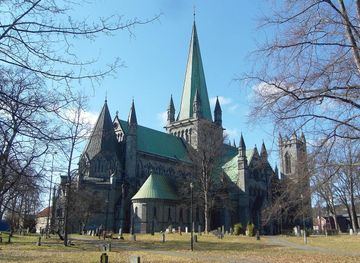
Looking beyond Oppdal? Discover Sør-Trøndelag for broader travel guides, local hot-spots, and regional highlights.
Explore Sør-TrøndelagExplore More of Norway

Looking beyond Oppdal? Discover Norway for broader travel guides, local hot-spots, and regional highlights.
Explore NorwayOppdal in Photos
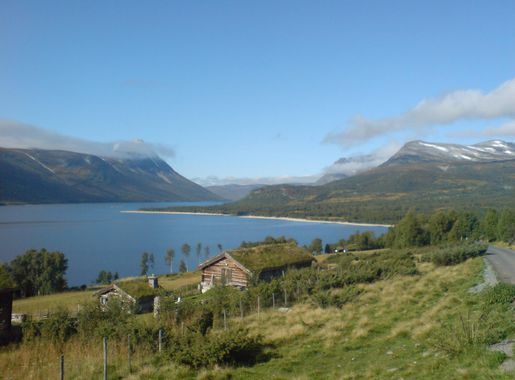
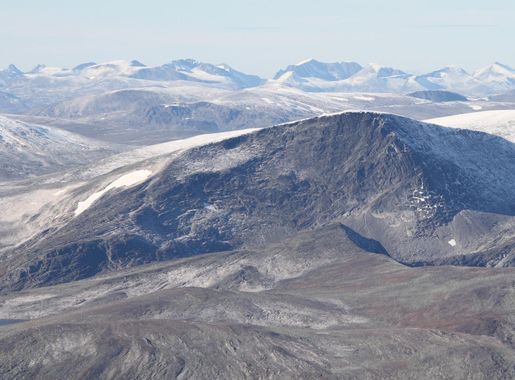
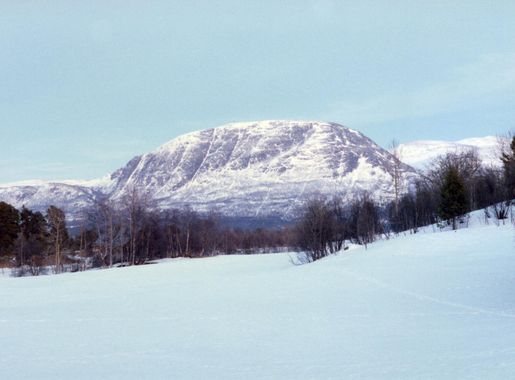
Browse through our photo collection highlighting the charm and character of the destination.





Oppdal: The Hidden Gem of Norway
Nestled in the heart of Norway, Oppdal is a destination that offers a unique blend of natural beauty and outdoor adventure. Surrounded by majestic mountains and lush valleys, this charming town is perfect for those looking to escape the hustle and bustle of city life and immerse themselves in nature. Whether you're an avid skier or a hiking enthusiast, Oppdal has something for everyone. The winter season transforms the town into a snowy paradise, with well-groomed slopes and cross-country trails that cater to all skill levels. In the summer, the landscape becomes a haven for hikers, with numerous trails leading to breathtaking viewpoints and serene lakes. Apart from outdoor activities, Oppdal also boasts rich cultural experiences. Visit the local museums to learn about the region's history and heritage, or explore the quaint shops and cafes in the town center. The warm and welcoming locals add to the charm, making your visit to Oppdal truly memorable.