

Free Western Reserve Travel Guide & Mobile App
Explore Western Reserve with free travel guides. Discover regional history, expert tips, proposed trips, and audio guides on web or mobile app.


Explore Western Reserve history through Cleveland culture, Lake Erie ports, wooded parks, canal trails and the industrial heritage of northeast Ohio.
Read more about Western Reserve
Getting to and around Western Reserve
How to get there
Transportation
Top city travel guides in Western Reserve
The cities of Western Reserve, and the easiest places to base yourself.
-

-

-

-

-

-


Swipe for more cities
Destinations in Western Reserve
Resorts, valleys and scenic spots worth a trip of their own.
-

-

-

-

-

-


Swipe for more destinations
Best attractions in Western Reserve
The Western Reserve offers an unusually broad mix of urban culture, industrial history and accessible nature. Cleveland anchors the metropolitan experience with the Cleveland Museum of Art, the Cleveland Museum of Natural History, Severance Music Center, the West Side Market and the Rock and Roll Hall of Fame. South of the city, Cuyahoga Valley National Park protects forested hills, waterfalls, wetlands and the Ohio and Erie Canalway, with hiking and cycling routes linking historic sites and scenic overlooks. Akron adds museums, gardens and rubber-industry history, while Stan Hywet Hall & Gardens and Hale Farm & Village present different aspects of the area’s early twentieth-century wealth and rural past. Lake Erie communities provide beaches, marinas, lighthouses and working-harbour heritage, particularly around Ashtabula and Fairport Harbor. Inland, Holden Arboretum, Nelson-Kennedy Ledges and the farms and covered bridges of Geauga County suit visitors seeking woodland walks and agricultural landscapes. The east and south also contain museums and heritage sites connected with steel, railways, aviation and presidential history, making the attraction landscape as much about the region’s transformation as its scenery.
-
Tourist attraction
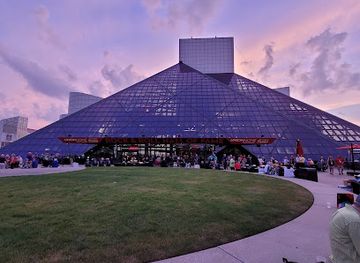
Rock & Roll Hall of Fame
Discover the legacy of rock music at the Rock & Roll Hall of Fame in Cleveland, where history, culture, and iconic sounds converge.
-
Tourist attraction
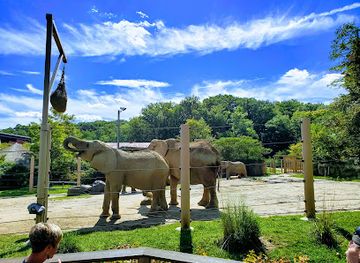
Cleveland Metroparks Zoo
Explore the Cleveland Metroparks Zoo, a family-friendly destination brimming with diverse wildlife exhibits and engaging conservation programs.
-
Park
Hocking Hills State Park
Explore Hocking Hills State Park: A stunning outdoor paradise in Ohio with breathtaking trails, waterfalls, and diverse wildlife.
-
Tourist attraction
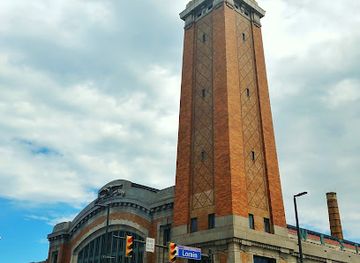
West Side Market
Explore the historic West Side Market in Cleveland for fresh produce, local delicacies, and a vibrant atmosphere that embodies the city's culinary spirit.

Best landmarks in Western Reserve
The Western Reserve’s most recognisable landmarks range from urban institutions to canal structures and lakefront works. Cleveland’s Terminal Tower remains a defining presence on the downtown skyline, while the West Side Market’s historic market hall reflects the city’s immigrant and commercial history. The Rock and Roll Hall of Fame marks the region’s connection with American popular music, though its cultural significance extends beyond local history. In the Cuyahoga Valley, the Ohio and Erie Canal locks, the Towpath Trail and historic Hale Farm landscapes preserve the infrastructure and rural setting of the canal era. Stan Hywet Hall in Akron is a major example of early twentieth-century country-house architecture and landscaped design. Along Lake Erie, Ashtabula’s harbour, Fairport Harbor’s lighthouse heritage and the industrial port landscapes of the lakeshore express the region’s relationship with shipping. Inland landmarks include the covered bridges and historic town centres of the eastern counties, while Holden Arboretum and the wooded ledges of Portage County provide natural landmarks shaped by glacial geology and the Allegheny Plateau.
-
Tourist attraction
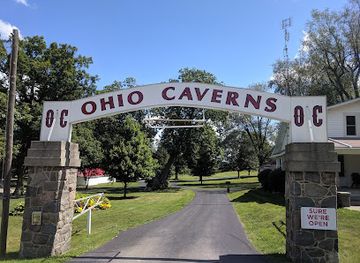
Ohio Caverns
Explore the enchanting underground beauty of Ohio Caverns, a premier tourist attraction perfect for families and nature lovers, located in West Liberty, Ohio.
-
Historical landmark
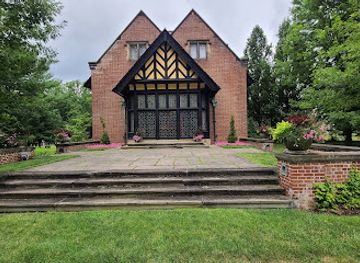
Stan Hywet Hall & Gardens
Experience the grandeur of Stan Hywet Hall & Gardens, a historical landmark in Akron, Ohio, surrounded by stunning gardens and rich heritage.
-
City park
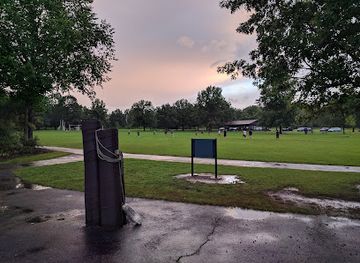
Sharon Woods
Explore the natural beauty and recreational activities at Sharon Woods, a picturesque city park in Westerville, Ohio, perfect for outdoor enthusiasts.
-
Memorial park
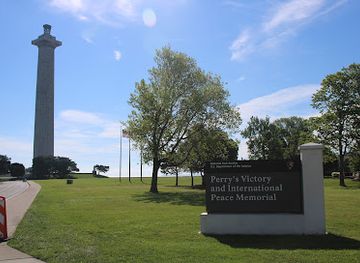
Perry's Victory & International Peace Memorial
Discover the historical significance and breathtaking views at Perry's Victory & International Peace Memorial, a tribute to peace in Put-In-Bay, Ohio.
Explore Western Reserve on the map
Plan your trip on one map. See where the top cities, national parks and sights are, and book hotels and experiences in a few clicks.
Best hotels in Western Reserve
Best restaurants in Western Reserve
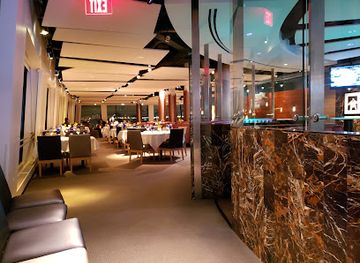
Dining across the Western Reserve reflects migration, industry and nearby farmland rather than a single regional menu. Cleveland is known for Eastern European baking and savoury traditions, Italian-American food, Jewish delicatessen culture, contemporary chef-led restaurants and the produce-rich West Side Market. The lakefront supports restaurants serving freshwater fish and other Great Lakes-influenced dishes, while inland towns offer family restaurants, cafés, breweries, farm-to-table cooking and traditional American diners. Akron, Youngstown, Canton and smaller communities have their own Italian, Slavic and immigrant-influenced food traditions, with bakeries and independent grocers often providing the clearest local connection. Geauga County contributes maple products, apples, dairy goods and farm produce, including foods sold through markets and roadside stands. Visitors will also find Ohio-made beer, wine and spirits, although local availability varies. Tipping for table service is customary, and menus, portions and service styles range from informal counter dining to polished urban restaurants.
-
Seafood
Pier W
Discover Pier W: A top-tier seafood restaurant with breathtaking lake views and exquisite dishes in Lakewood, Ohio.
-
Cajun
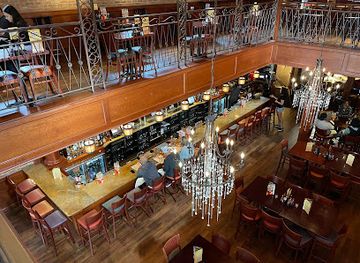
The Bourbon Street Barrel Room
Experience authentic Cajun and Creole cuisine at The Bourbon Street Barrel Room in Tremont, Cleveland—where every bite is a taste of New Orleans.
-
Barbecue
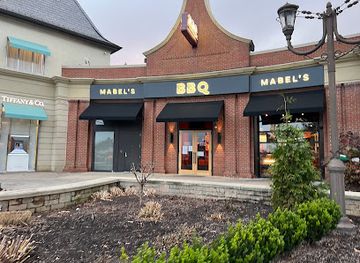
Mabel's BBQ
Experience authentic barbecue at Mabel's BBQ in downtown Cleveland – where smoky flavors meet vibrant dining.
-
American
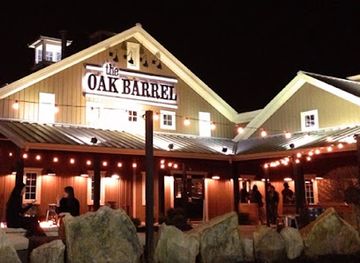
The Oak Barrel
Discover The Oak Barrel: Where American cuisine meets gastropub vibes in Valley View – a must-visit for food enthusiasts.
Best bars in Western Reserve
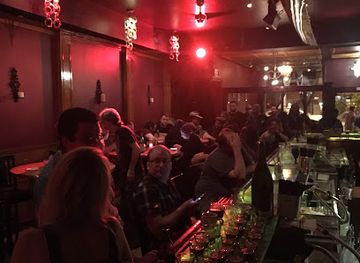
Nightlife is concentrated in Cleveland and its inner suburbs, where visitors can choose from neighbourhood pubs, cocktail bars, breweries, live-music rooms, sports bars and venues surrounding the city’s theatre and entertainment districts. The Flats, Ohio City, Tremont and other established Cleveland areas offer different evening atmospheres, although individual venues and operating arrangements change over time. Akron has a smaller but active selection of bars, breweries, music venues and restaurants, while Youngstown and Canton provide more localised evening scenes. Outside the larger cities, nightlife generally centres on traditional taverns, brewpubs, restaurants and occasional live music rather than large clubs. Lake Erie port towns can become busier in summer, with waterfront dining and seasonal entertainment. Visitors should arrange transport carefully in rural areas, where taxis and rideshare availability may be limited, and should not assume that a scenic countryside destination has late-night services.
-
Bar
Old North Arcade Bar
Experience the perfect blend of nostalgic gaming and creative cocktails at Old North Arcade Bar in Columbus, a unique social hub for all ages.
-
Bar
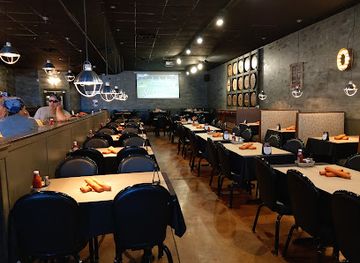
Brown Barn Tavern
Discover the rustic elegance and culinary delights at Brown Barn Tavern in Chardon, Ohio - a must-visit for food and drink enthusiasts.
-
Grill
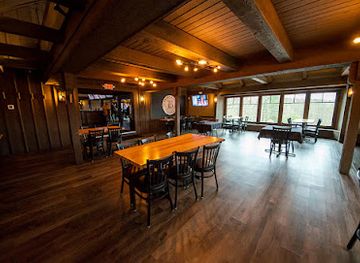
Oak and Embers Tavern
Discover Oak and Embers Tavern, a grill haven in Chesterland, Ohio, serving up delicious meals and a cozy atmosphere perfect for every occasion.
-
Cocktail bar
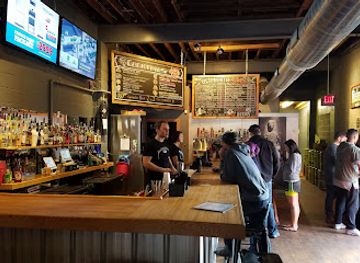
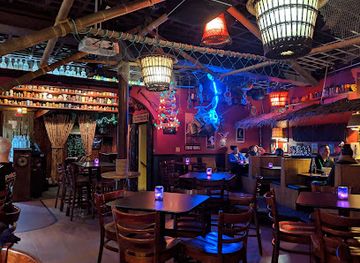
Porco Lounge & Tiki Room
Experience the vibrant atmosphere and creative cocktails of Porco Lounge & Tiki Room, a tropical oasis in the heart of Cleveland's Tremont neighborhood.
Best nightclubs in Western Reserve
Nightlife is concentrated in Cleveland and its inner suburbs, where visitors can choose from neighbourhood pubs, cocktail bars, breweries, live-music rooms, sports bars and venues surrounding the city’s theatre and entertainment districts. The Flats, Ohio City, Tremont and other established Cleveland areas offer different evening atmospheres, although individual venues and operating arrangements change over time. Akron has a smaller but active selection of bars, breweries, music venues and restaurants, while Youngstown and Canton provide more localised evening scenes. Outside the larger cities, nightlife generally centres on traditional taverns, brewpubs, restaurants and occasional live music rather than large clubs. Lake Erie port towns can become busier in summer, with waterfront dining and seasonal entertainment. Visitors should arrange transport carefully in rural areas, where taxis and rideshare availability may be limited, and should not assume that a scenic countryside destination has late-night services.
-
Bar
Parkview Nite Club
Experience the vibrant nightlife at Parkview Nite Club in Cleveland, a bar known for its lively atmosphere and friendly community.
-
Barbecue
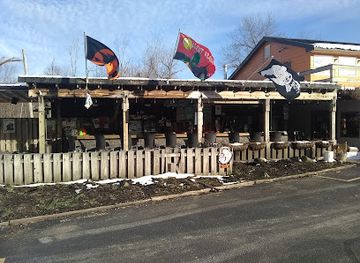
World Famous Iron Horse Saloon
Experience the best of barbecue, live music, and motorcycle culture at the World Famous Iron Horse Saloon in Burton, Ohio.
-
American
Touch Supper Club
Discover a unique dining experience at Touch Supper Club, where American cuisine meets vibrant nightlife in the heart of Cleveland's Ohio City.
-
Night club
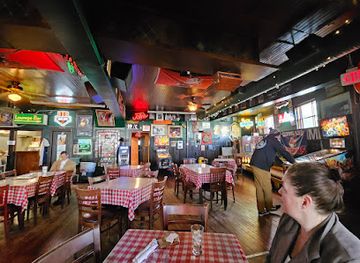
The IVY
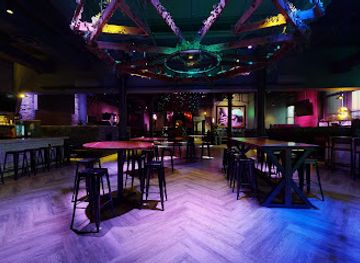
Experience the vibrant nightlife at The IVY, Cleveland's premier night club, cocktail bar, and restaurant offering exquisite drinks and unforgettable ambiance.
Best shops in Western Reserve
Shopping in the Western Reserve ranges from urban markets and independent neighbourhoods to farm stands and specialist craft shops. Cleveland’s West Side Market is the region’s best-known food market, offering produce, meat, baked goods and prepared foods in a historic setting; current stall arrangements should be checked before travelling. Downtown and neighbourhood districts provide books, design goods, vintage clothing, galleries and locally made products, while Legacy Village and other suburban centres offer more conventional retail. Akron, Hudson, Chagrin Falls, Oberlin, Canton and Youngstown have distinct concentrations of independent shops, antiques, gifts and art, though their scale varies. In Geauga and Ashtabula counties, visitors can look for maple syrup, orchard produce, preserves, cheeses, baked goods, pottery and farm-made products at seasonal markets and roadside outlets. Regional souvenirs are often more meaningful when connected to local food, industrial design, music, arts or Ohio-made beverages than to generic merchandise. Rural opening days and payment options can vary, so cash remains useful outside major shopping areas.
-
Gift shop
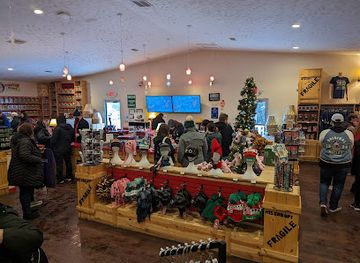
House from A Christmas Story
Discover the enchanting House from A Christmas Story in Cleveland, where nostalgia and holiday magic come to life in a historic setting.
-
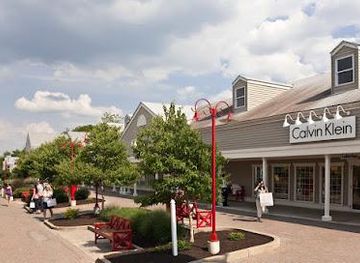
Outlet mall
Aurora Farms Premium Outlets
Uncover unbeatable deals and enjoy a delightful shopping experience at Aurora Farms Premium Outlets in Ohio, where brands meet savings.
-
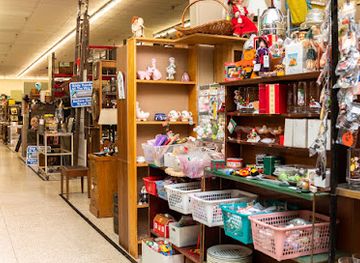
Antique store
Antiques & Uniques
Explore Antiques & Uniques in Wickliffe, Ohio - a treasure trove of vintage finds and unique pieces that bring history to life.
-
Grocery store
Heinen's Grocery Store
Discover Heinen's Grocery Store in Downtown Cleveland for a delightful array of gourmet foods, fresh produce, and local specialties.

Get your free copy of our complete guide to Western Reserve, delivered straight to you.
Everything on this page, from attractions and restaurants to essentials and local phrases, in one PDF you can read offline, print or share.
Already have an account? Sign in
Your Western Reserve guide is ready.
We'll send it to · Not you? Sign out

Getting your guide ready…
We are putting together a fresh copy of the Western Reserve guide. This can take up to a minute.
This can take a few moments. If your browser asks, choose Allow so the download can start. You'll find the guide in your Downloads folder.
Nothing happened? Download it again
Sorry, the guide is taking longer than usual. Please try again in a minute, or get it by email instead.
Western Reserve essentials
Currency and Payment
Safety
Emergency Situations
Do's and Don'ts
Local Tips
From Eve
Local phrases worth knowing
You don't need to get them perfect. A few words go a long way, and locals appreciate the effort.
Basics
| English | Local | Say it |
|---|---|---|
| Hello | Howdy | [haʊdi] |
| Goodbye | See ya | [si jə] |
| Yes | Yep | [jɛp] |
| No | Nope | [noʊp] |
| Please/You're welcome | No problem | [noʊ ˈprɒbləm] |
| Thank you | Thanks | [θæŋks] |
| Excuse me/Sorry | Sorry 'bout that | [ˈsɔːri baʊt ðæt] |
| How are you? | How's it goin'? | [haʊz ɪt ˈɡoʊɪn] |
| Fine. And you? | I’m good. You? | [aɪm ɡʊd ju] |
| Do you speak English? | You speakin' English? | [ju ˈspiːkɪn ˈɪŋɡlɪʃ] |
| I don't understand | I don’t get it | [aɪ doʊnt ɡɛt ɪt] |
Eating & Drinking
| English | Local | Say it |
|---|---|---|
| I’d like to see the menu, please | Can I see the menu? | [kæn aɪ si ðə ˈmɛnju] |
| I don't eat meat | I ain't eatin' meat | [aɪ eɪnt ˈiːtɪn miːt] |
| Cheers! | Cheers! | [ʧɪrz] |
| I would like to pay, please | Can I get the check? | [kæn aɪ ɡɛt ðə ʧɛk] |
Emergencies
| English | Local | Say it |
|---|---|---|
| Help! | Help! | [hɛlp] |
| Go away! | Get lost! | [ɡɛt lɔst] |
| Call the Police! | Call the cops! | [kɔl ðə kɑps] |
| Call a doctor! | Get a doctor! | [ɡɛt ə ˈdɑktər] |
| I’m lost | I’m lost | [aɪm lɔst] |
| I’m ill | I’m not feelin' good | [aɪm nɑt ˈfiːlɪn ɡʊd] |
Shopping
| English | Local | Say it |
|---|---|---|
| I’d like to buy... | I wanna buy... | [aɪ ˈwɑːnə baɪ] |
| I’m just looking | Just browsin' | [dʒʌst ˈbraʊzɪn] |
| How much is it? | What’s the price? | [wʌts ðə praɪs] |
| That’s too expensive | That’s way too high | [ðæts weɪ tu haɪ] |
| Can you lower the price? | Can you bring it down? | [kæn ju brɪŋ ɪt daʊn] |
Time & Numbers
| English | Local | Say it |
|---|---|---|
| What time is it? | What time we got? | [wʌt taɪm wi ɡɑt] |
| It’s one o'clock | It’s one | [ɪts wʌn] |
| Half past (10) | Half past ten | [hæf pæst tɛn] |
| Morning | Mornin' | [ˈmɔrnɪn] |
| Afternoon | Afternoon | [ˌæftərˈnun] |
| Evening | Evenin' | [ˈivnɪn] |
| Yesterday | Yesterday | [ˈjɛstərdeɪ] |
| Today | Today | [təˈdeɪ] |
| Tomorrow | Tomorrow | [təˈmɔroʊ] |
| 1 | One | [wʌn] |
| 2 | Two | [tu] |
| 3 | Three | [θri] |
| 4 | Four | [fɔr] |
| 5 | Five | [faɪv] |
| 6 | Six | [sɪks] |
| 7 | Seven | [ˈsɛvən] |
| 8 | Eight | [eɪt] |
| 9 | Nine | [naɪn] |
| 10 | Ten | [tɛn] |
Transport & Directions
| English | Local | Say it |
|---|---|---|
| Where's a/the...? | Where’s a...? | [wɛrz ə] |
| What’s the address? | What’s the address? | [wʌts ði əˈdrɛs] |
| Can you show me (on the map)? | Can you point it out? | [kæn ju pɔɪnt ɪt aʊt] |
| When's the next (bus)? | When’s the next bus? | [wɛnʔs ðə nɛkst bʌs] |
| A ticket (to ....) | A ticket to... | [ə ˈtɪkɪt tu] |
History of Western Reserve
The Connecticut Western Reserve, 1786–1800
After American independence, Connecticut retained a claim to a large tract of land in what became northeast Ohio. The state sold much of this Connecticut Western Reserve to the Connecticut Land Company in 1795, and surveyors divided the territory into townships. New England settlers subsequently established communities whose street plans, town greens, congregational traditions and architectural styles left a lasting imprint. Connecticut surrendered its remaining claim to the federal government in 1800, helping formalise the land’s incorporation into the expanding United States and, ultimately, the state of Ohio.
Indigenous Homelands and Early Settlement
The Western Reserve was not an empty frontier. Indigenous peoples, including communities connected with the Wyandot, Ottawa, Delaware, Seneca and others, lived in and moved through the wider Ohio Country before and during the arrival of American settlers. Treaties, warfare, displacement and federal policies transformed Indigenous control of the landscape. Early settler towns grew around surveyed roads, rivers and lake access, while trading routes and portages linked the interior with Lake Erie. The region’s later historic sites should therefore be understood within a much longer Indigenous history.
Lake Erie Ports and the Erie Canal Era
Water transport accelerated the region’s development during the nineteenth century. Lake Erie connected emerging ports such as Cleveland, Ashtabula and Fairport Harbor with the Great Lakes system, while the Ohio and Erie Canal linked Cleveland to the Ohio River through Akron and the Cuyahoga Valley. Canal construction encouraged settlement, grain trading, milling and manufacturing, and helped Cleveland become a major commercial centre. Remnants of canal locks, towpaths and village infrastructure remain among the clearest physical reminders of the period before railways and highways dominated inland transport.
Industrialisation, Railways and Steel
Railways, coal, iron ore and navigable waterways transformed the Western Reserve from an agricultural frontier into one of the industrial powerhouses of the interior United States. Cleveland expanded as a lake port and manufacturing city, Akron became internationally associated with rubber and tyres, and Youngstown, Warren and nearby Mahoning Valley communities developed around iron and steel. Immigrants from many parts of Europe supplied labour and created enduring neighbourhoods, churches, businesses and food traditions. Industrial decline in the late twentieth century left a complex legacy of economic loss, civic reinvention and preserved industrial heritage.
The Progressive Era and Civic Reform
The region played an important role in the reform movements of the late nineteenth and early twentieth centuries. Cleveland’s municipal politics, settlement houses, public-health campaigns and civic institutions reflected national debates about corruption, urban poverty and social responsibility. Nearby leaders and institutions also contributed to the broader Progressive movement, while the region’s universities, libraries, museums and philanthropic foundations expanded public access to education and culture. Many grand civic buildings, public parks and cultural organisations established during this period continue to shape the identity of northeast Ohio.
Migration, Industry and Cultural Pluralism
Industrial employment drew successive waves of migrants and immigrants to the cities and towns of the Western Reserve. African American workers arrived in significant numbers during the Great Migration, while Polish, Czech, Slovak, Slovenian, Italian, Hungarian, Irish, Jewish and other communities built religious, social and commercial institutions. Their influence remains visible in neighbourhood architecture, festivals, music, restaurants, bakeries and places of worship. The region’s present cultural landscape is therefore closely connected to the labour history of factories, railways, ports and mines, as well as to later suburbanisation.
Environmental Recovery and Regional Renewal
Decades of industrial activity severely affected rivers, air and urban land, but late twentieth-century conservation and restoration projects began to change the region’s environmental outlook. The Cuyahoga River’s recovery became a national symbol of stronger pollution controls, while parks, canal corridors, lakefront improvements and brownfield redevelopment reclaimed former industrial spaces. Cuyahoga Valley National Park, established in stages and designated a national park in 2000, illustrates the region’s continuing shift towards protecting forests, waterways, heritage landscapes and outdoor recreation alongside its industrial past.
Western Reserve in Photos
Browse through our photo collection highlighting the charm and character of the destination.
Neighbouring regions of Western Reserve
The closest regions to Western Reserve, if you have time for more than one.
-

-

-

-

-


Swipe for more regions
Explore more

Explore more of Ohio
Explore Ohio's vibrant cities, rich history, and stunning natural landscapes. From bustling urban centers to serene state parks, Ohio offers diverse attractions for every traveler.
Explore Ohio