

Free Eastern Ohio Travel Guide & Mobile App
Explore Eastern Ohio with free travel guides. Discover regional history, expert tips, proposed trips, and audio guides on web or mobile app.


Explore Eastern Ohio for Appalachian forests, Ohio River towns, Indigenous earthworks, industrial heritage, Amish country and outdoor recreation.
Read more about Eastern Ohio
Getting to and around Eastern Ohio
How to get there
Transportation
Top city travel guides in Eastern Ohio
The cities of Eastern Ohio, and the easiest places to base yourself.
-

-
-
-

-

-


Swipe for more cities
Destinations in Eastern Ohio
Resorts, valleys and scenic spots worth a trip of their own.
-

-

-


Swipe for more destinations
Best attractions in Eastern Ohio
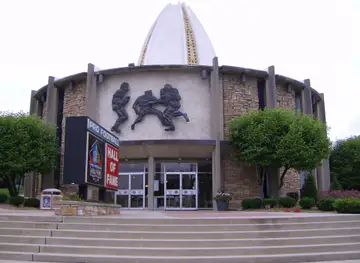
Eastern Ohio's attractions range from major museums and sports heritage to ancient earthworks, historic settlements and large areas of public countryside. Canton is home to the Pro Football Hall of Fame, while the McKinley Presidential Library and Museum and the National First Ladies Library help explain the city's national political and cultural connections. Youngstown offers the Butler Institute of American Art, the Youngstown Historical Center of Industry and Labor and the Arms Family Museum. In the east-central districts, the Newark Earthworks and the historic village of Zoar provide very different perspectives on Ohio's past. Roscoe Village near Coshocton interprets canal-era life, and the John and Annie Glenn Museum in New Concord explores the life of the Ohio-born astronaut and senator. Salt Fork State Park, the largest state park in Ohio, offers boating, hiking and woodland scenery, while Wayne National Forest extends across much of the south-east with trails, paddling and wildlife habitats. The Wilds, near Cumberland, is a large conservation centre outside the main urban corridor, known for open landscapes and managed wildlife habitats.
-
Zoo
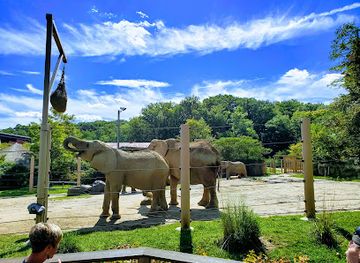
Cleveland Metroparks Zoo
Discover the Cleveland Metroparks Zoo, where wildlife encounters and conservation education come together in a beautiful natural setting.
-
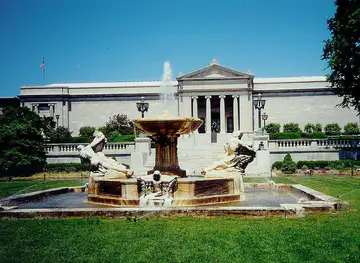
Art museum
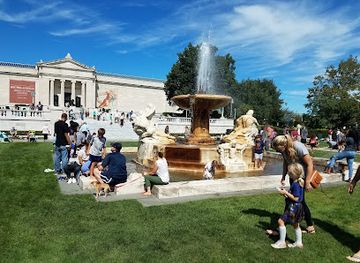
The Cleveland Museum of Art
Explore the Cleveland Museum of Art, where timeless masterpieces and innovative exhibitions unite in a stunning architectural setting.
-
Botanical garden
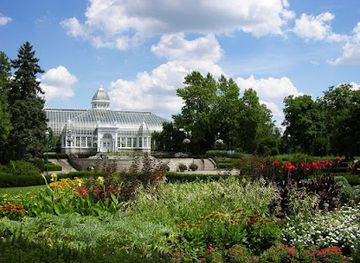
Franklin Park Conservatory and Botanical Gardens
Explore the beauty of nature at Franklin Park Conservatory and Botanical Gardens, a top tourist attraction in Columbus, Ohio, offering lush gardens and stunning floral displays.
-
Zoo
Akron Zoo
Experience the wonders of wildlife at Akron Zoo, where education meets fun in a beautiful natural setting.
Best landmarks in Eastern Ohio
The Newark Earthworks are Eastern Ohio's most important ancient landmarks: the Great Circle and Octagon Earthworks preserve monumental geometric forms built by Indigenous peoples and linked to the wider Hopewell ceremonial landscape. In the north, Canton’s Pro Football Hall of Fame is a distinctive modern landmark, while Youngstown's historic industrial landscape and the Butler Institute of American Art represent different aspects of the Mahoning Valley's civic identity. Marietta's Campus Martius Museum, Mound Cemetery and nearby ancient earthworks mark the town's role in the early settlement of the Northwest Territory, and the Ohio River gives its riverfront a defining geographical setting. Schoenbrunn Village near New Philadelphia recalls an eighteenth-century Moravian settlement, while Zoar's surviving communal buildings express the history of a nineteenth-century German religious society. Farther south, the wooded ridges, reservoirs and valleys of Wayne National Forest form a broad natural landmark rather than a single monument, revealing the Appalachian character of the region.
-
History museum
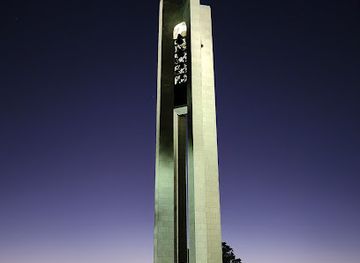
Carillon Historical Park
Immerse yourself in the captivating history of Dayton at Carillon Historical Park, where innovation and heritage come together in a beautiful park setting.
-
Performing arts theater
Ohio Theatre
Discover the Ohio Theatre in Columbus, a stunning historical landmark that offers an exceptional performing arts experience for every visitor.
-
Historical landmark
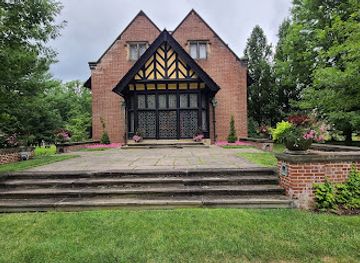
Stan Hywet Hall & Gardens
Explore the stunning Stan Hywet Hall & Gardens, a historical landmark in Akron, Ohio, where architecture and nature blend seamlessly.
-
Museum
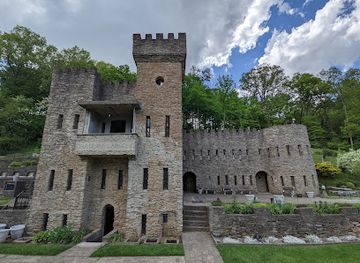
Loveland Castle Museum
Experience the enchanting Loveland Castle Museum, a unique blend of history, architecture, and scenic beauty in Loveland, Ohio.

Explore Eastern Ohio on the map
Plan your trip on one map. See where the top cities, national parks and sights are, and book hotels and experiences in a few clicks.
Best hotels in Eastern Ohio
Best restaurants in Eastern Ohio
Dining in Eastern Ohio reflects the meeting of Midwestern, Appalachian, German-American and immigrant industrial traditions. In the Ohio River and Appalachian districts, menus commonly draw on comfort foods, seasonal produce, freshwater fish and hearty soups, while rural bakeries and farm shops offer pies, breads, preserves and other locally made goods. The Amish communities of Holmes County and surrounding areas are associated with farm-produced foods, bulk goods, baked items and family-style cooking, though individual establishments and traditions vary. Canton, Youngstown, Athens and Marietta provide the broadest choice of independent restaurants, cafés, breweries and international cuisines. Youngstown's Italian-American heritage remains visible in local baking and restaurant culture, while German-influenced foodways appear in parts of the Tuscarawas Valley. Farmers' markets, roadside stands and orchard businesses are most useful in season, and visitors should expect opening days and menus to vary considerably in rural districts.
-
American
Mike's Place
Discover Mike's Place in Kent, Ohio - where eclectic decor meets delicious American cuisine in a vibrant setting.
-
Traditional American
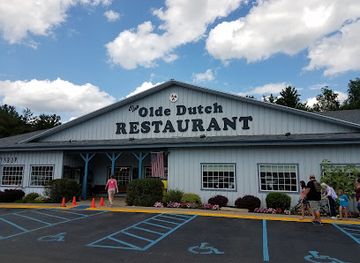
Olde Dutch
Experience authentic traditional American cuisine at Olde Dutch Restaurant in Logan, Ohio - where hearty meals meet warm hospitality.
-
Restaurant
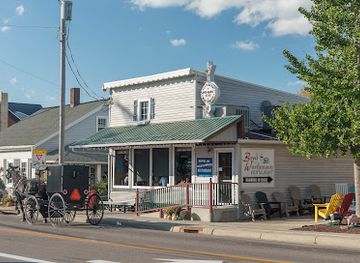
Boyd & Wurthmann Restaurant
Discover authentic American cuisine at Boyd & Wurthmann Restaurant in Berlin, Ohio - where comfort food meets local charm.
-
Restaurant
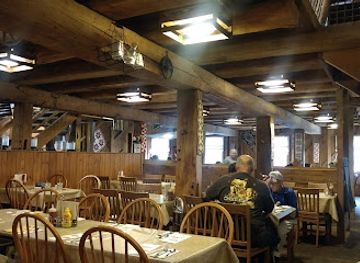
The Barn Restaurant
Discover down-to-earth cuisine at The Barn Restaurant in Smithville, Ohio – where rustic charm meets delightful dining experiences.

Best bars in Eastern Ohio
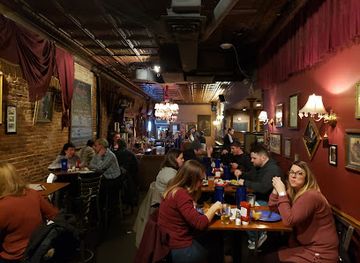
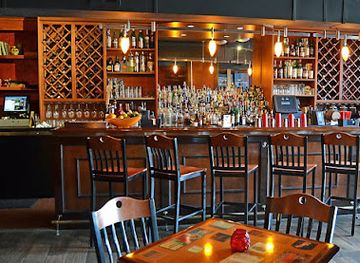
Nightlife is concentrated in the larger towns and university centres rather than spread evenly across Eastern Ohio. Athens has the most pronounced student-oriented evening scene, with pubs, live music and small venues connected to Ohio University. Canton, Youngstown, Marietta and Dover offer a broader mixture of neighbourhood bars, breweries, restaurants, theatres and occasional live performances, while Cambridge and other smaller towns tend towards traditional pubs and locally focused evening gatherings. Along the Ohio River, historic inns and taverns provide a quieter alternative to late-night entertainment. Rural communities generally close earlier, and the region does not have one dominant club district comparable with a major American city. Check current arrangements before travelling to a particular venue, especially outside the university calendar or during winter.
-
Bar
Tip Top Kitchen & Cocktails
Discover the perfect blend of American cuisine and vibrant nightlife at Tip Top Kitchen & Cocktails in Downtown Columbus.
-
Cocktail bar
Porco Lounge & Tiki Room
Discover the tropical escape of Porco Lounge & Tiki Room, where creative cocktails meet a vibrant atmosphere in Cleveland’s Tremont neighborhood.
-
American
Bags Sports Pub Sugarcreek
Discover Bags Sports Pub in Sugarcreek, where American flavors and a lively bar atmosphere create the perfect dining experience for every traveler.
-
Bar
The Fairmount Cocktail Bar
Discover Cleveland's vibrant nightlife at The Fairmount Cocktail Bar, where unique cocktails and a lively atmosphere await you.


Best nightclubs in Eastern Ohio
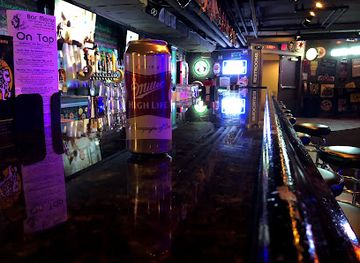
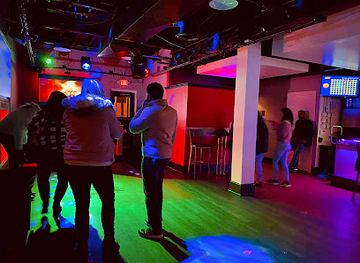
Nightlife is concentrated in the larger towns and university centres rather than spread evenly across Eastern Ohio. Athens has the most pronounced student-oriented evening scene, with pubs, live music and small venues connected to Ohio University. Canton, Youngstown, Marietta and Dover offer a broader mixture of neighbourhood bars, breweries, restaurants, theatres and occasional live performances, while Cambridge and other smaller towns tend towards traditional pubs and locally focused evening gatherings. Along the Ohio River, historic inns and taverns provide a quieter alternative to late-night entertainment. Rural communities generally close earlier, and the region does not have one dominant club district comparable with a major American city. Check current arrangements before travelling to a particular venue, especially outside the university calendar or during winter.
-
Live Music
The Auricle - Venue & Bar
Experience the vibrant nightlife at The Auricle - Canton’s premier venue and bar for live music and memorable events.
-
Night club
Square Nightclub
Discover the electrifying atmosphere of Square Nightclub in Akron, where live music, dancing, and unforgettable nights await.
-
Night club
Interbelt Nite Club
Experience the electrifying nightlife of Akron at Interbelt Nite Club, where music, drinks, and unforgettable memories await!
-
Night club
Cove Niteclub
Experience the vibrant nightlife of Geneva at Cove Niteclub, where music, dance, and celebration come together for an unforgettable evening.


Best shops in Eastern Ohio
Shopping varies sharply between Eastern Ohio's cities, historic towns and rural districts. Canton, Youngstown and Athens have the largest selections of independent retailers, booksellers, galleries, vintage shops and everyday stores, while Marietta's historic centre combines locally owned shops with antiques, crafts and Ohio River heritage. Amish communities in Holmes County and nearby areas are known for furniture, quilts, woodworking, baskets, baked goods and farm products; visitors should buy from established businesses and respect private property. Cambridge has a long association with glassmaking, and specialist shops and museums provide context for that tradition, although product availability changes. Farmers' markets and roadside stands are most rewarding during the growing season, when apples, pumpkins, sweet corn, preserves and baked goods are common. Regional food products, locally made craft items and books about Ohio history make more meaningful souvenirs than generic memorabilia.
-
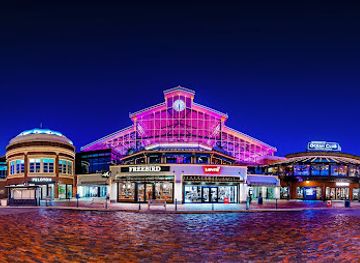
Shopping mall
Easton Town Center
Discover Easton Town Center, a premier shopping and entertainment hub in Columbus, Ohio, blending retail, dining, and leisure in a beautiful open-air setting.
-
Shopping mall
Polaris Fashion Place
Discover Polaris Fashion Place, Columbus' ultimate shopping center featuring top brands, diverse dining, and family-friendly entertainment options.
-
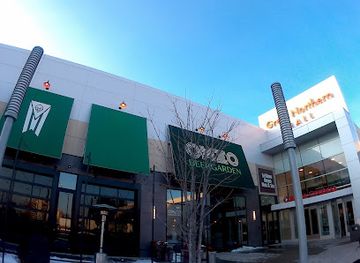
Shopping mall
Great Northern Mall
Explore the Great Northern Mall, Ohio's premier shopping and dining destination with diverse stores, eateries, and family-friendly fun.
-
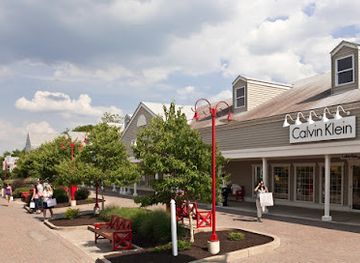
Outlet mall
Aurora Farms Premium Outlets
Discover unbeatable deals and a diverse selection of top brands at Aurora Farms Premium Outlets, Ohio's premier shopping destination.

Get your free copy of our complete guide to Eastern Ohio, delivered straight to you.
Everything on this page, from attractions and restaurants to essentials and local phrases, in one PDF you can read offline, print or share.
Already have an account? Sign in
Your Eastern Ohio guide is ready.
We'll send it to · Not you? Sign out

Getting your guide ready…
We are putting together a fresh copy of the Eastern Ohio guide. This can take up to a minute.
This can take a few moments. If your browser asks, choose Allow so the download can start. You'll find the guide in your Downloads folder.
Nothing happened? Download it again
Sorry, the guide is taking longer than usual. Please try again in a minute, or get it by email instead.
Eastern Ohio essentials
Currency and Payment
Safety
Emergency Situations
Do's and Don'ts
Local Tips
From Eve
Local phrases worth knowing
You don't need to get them perfect. A few words go a long way, and locals appreciate the effort.
Basics
| English | Local | Say it |
|---|---|---|
| Hello | Hi | [Hai] |
| Goodbye | See ya | [See yah] |
| Yes | Yep | [Yep] |
| No | Nah | [Nah] |
| Please/You're welcome | No problem | [No prob-lum] |
| Thank you | Thanks | [Thangs] |
| Excuse me/Sorry | Sorry 'bout that | [Sorry 'bout that] |
| How are you? | How ya doin'? | [How ya doin'?] |
| Fine. And you? | Good. You? | [Good. You?] |
| Do you speak English? | Can ya speak English? | [Can ya speak English?] |
| I don't understand | I ain't gettin' it | [I ain't gettin' it] |
Eating & Drinking
| English | Local | Say it |
|---|---|---|
| I'd like to see the menu, please | Can I see the menu? | [Can I see the menu?] |
| I don't eat meat | I don't eat meat | [I don't eat meat] |
| Cheers! | Cheers! | [Cheers!] |
| I would like to pay, please | Can I get the check? | [Can I get the check?] |
Emergencies
| English | Local | Say it |
|---|---|---|
| Help! | Help! | [Help!] |
| Go away! | Get lost! | [Get lost!] |
| Call the Police! | Call the cops! | [Call the cops!] |
| Call a doctor! | Get a doctor! | [Get a doctor!] |
| I'm lost | I'm lost | [I'm lost] |
| I'm ill | I'm not feelin' well | [I'm not feelin' well] |
Shopping
| English | Local | Say it |
|---|---|---|
| I'd like to buy... | I wanna buy... | [I wanna buy...] |
| I'm just looking | Just lookin' | [Just lookin'] |
| How much is it? | How much is this? | [How much is this?] |
| That's too expensive | That's way too much | [That's way too much] |
| Can you lower the price? | Can ya bring it down? | [Can ya bring it down?] |
Time & Numbers
| English | Local | Say it |
|---|---|---|
| What time is it? | What time is it? | [What time is it?] |
| It's one o'clock | It's one | [It's one] |
| Half past (10) | Half past ten | [Half past ten] |
| Morning | Morning | [Morning] |
| Afternoon | Afternoon | [Afternoon] |
| Evening | Evenin' | [Evenin'] |
| Yesterday | Yesterday | [Yesterday] |
| Today | Today | [Today] |
| Tomorrow | Tomorrow | [Tomorrow] |
| 1 | One | [One] |
| 2 | Two | [Two] |
| 3 | Three | [Three] |
| 4 | Four | [Four] |
| 5 | Five | [Five] |
| 6 | Six | [Six] |
| 7 | Seven | [Seven] |
| 8 | Eight | [Eight] |
| 9 | Nine | [Nine] |
| 10 | Ten | [Ten] |
Transport & Directions
| English | Local | Say it |
|---|---|---|
| Where's a/the...? | Where's the...? | [Where's the...?] |
| What's the address? | What's the address? | [What's the address?] |
| Can you show me (on the map)? | Can ya show me on the map? | [Can ya show me on the map?] |
| When's the next (bus)? | When's the next bus? | [When's the next bus?] |
| A ticket (to ....) | A ticket to... | [A ticket to...] |
History of Eastern Ohio
Hopewell Ceremonial Earthworks, c. 1–400 CE
The Newark Earthworks in east-central Ohio are among the largest and most sophisticated geometric earthworks created by Indigenous societies in North America. Built by communities now generally associated with the Hopewell cultural tradition, the embankments and large enclosures were used for ceremonial and social purposes and align with significant solar events. Their scale reveals extensive cooperation and detailed knowledge of landscape and astronomy. Although later settlement damaged or obscured parts of the complex, surviving features at Newark, including the Great Circle and Octagon Earthworks, remain central to understanding Ohio's ancient Indigenous heritage and form part of the UNESCO-listed Hopewell Ceremonial Earthworks.
Moravian Missions and Indigenous Diplomacy, eighteenth century
Schoenbrunn Village near New Philadelphia preserves the site of a Moravian missionary settlement founded in 1772 among members of the Delaware nation. The community included Indigenous converts and Moravian missionaries, and its history reflects both attempts at religious and diplomatic engagement and the intense pressures placed on Native peoples during colonial expansion. The settlement was abandoned during the violence surrounding the American Revolution. Nearby historic landscapes in the Tuscarawas Valley also recall the movement of German-speaking religious communities and the contested cultural geography of the Ohio Country.
Marietta and Settlement of the Northwest Territory, 1788
Marietta, at the confluence of the Muskingum and Ohio rivers, was founded in 1788 by settlers connected with the Ohio Company. It became the first permanent American settlement in the Northwest Territory and an early centre of territorial government. Campus Martius, the Mound Cemetery and nearby earthworks preserve aspects of this formative period, while the town's river position helped it develop as a centre of trade and transport. The settlement also belongs to a more complicated history involving Indigenous displacement and the transformation of lands already inhabited and used by Native communities.
Canals, Rivers and Nineteenth-Century Commerce
Eastern Ohio's rivers and canals connected farms, furnaces and market towns to the wider American economy. The Ohio and Erie Canal linked the Ohio River with Lake Erie through the Tuscarawas Valley, encouraging the growth of communities such as Zoar and helping move agricultural goods and manufactured products. The Muskingum River also became an important navigable route after the development of locks and dams. Although railways later displaced much canal traffic, surviving canal features, river ports and historic town centres reveal how water transport shaped settlement and economic development.
The Underground Railroad and the Ohio River Borderland
Because the Ohio River formed the boundary between free and slave states before the American Civil War, towns such as Marietta, Steubenville and parts of the eastern river corridor became associated with anti-slavery activism and assistance to freedom seekers. Local participation varied and could be dangerous; the Underground Railroad was a network of people and routes rather than a formal railway. Churches, homes, river crossings and abolitionist communities contributed to this history, which is interpreted today through historic sites and museums across the Ohio Valley.
Coal, Steel and Industrial Ohio
From the nineteenth century into the twentieth, coalfields and iron-producing districts transformed eastern Ohio. Youngstown, Warren, Canton and other communities developed around steelmaking, metalworking, railways and related industries. These industries attracted workers from many parts of Europe and later from the American South, creating diverse working communities and powerful labour organisations. The collapse of much of the steel industry in the late twentieth century brought extensive economic and social change. Museums, former industrial sites, workers' neighbourhoods and civic institutions continue to document this industrial era.
Appalachian Migration and Regional Renewal
The hills and river valleys of south-eastern Ohio form part of the broader Appalachian region, where farming, timber, clay, coal and small-scale manufacturing shaped local economies. During the twentieth century, many Appalachian families moved to industrial cities in northern and midwestern states, while cultural traditions travelled with them. As heavy industry declined, communities increasingly combined heritage work, higher education, outdoor recreation, tourism and environmental restoration. Wayne National Forest and reclaimed lands around former extractive industries illustrate the region's continuing transition from resource production towards mixed rural economies.
Eastern Ohio in Photos
Browse through our photo collection highlighting the charm and character of the destination.
Neighbouring regions of Eastern Ohio
The closest regions to Eastern Ohio, if you have time for more than one.
-

-

-
-

-


Swipe for more regions
Explore more

Explore more of Ohio
Explore Ohio's vibrant cities, rich history, and stunning natural landscapes. From bustling urban centers to serene state parks, Ohio offers diverse attractions for every traveler.
Explore Ohio