

Free Sur Travel Guide & Mobile App
Plan your Sur trip with Evendo. Get free guides to top attractions, restaurants, hotels, and bars. Web access or download the mobile app.


Sur, Oman pairs dhow-building heritage, coastal forts and Arabian Sea scenery with seafood, nearby turtle beaches and evocative maritime history.
Maritime Heritage
Sur lies on Oman’s northeastern coast, where sheltered lagoons, rocky headlands and the open Arabian Sea have shaped the city’s identity for centuries. Once an important port linking Oman with East Africa, India and the wider Indian Ocean, Sur remains closely associated with the construction of wooden dhows, the traditional sailing vessels that carried merchants, fishermen and cargo across the region. At the city’s shipyards, the craft of assembling these boats by hand is a living expression of its seafaring past.Read more about Sur
Fortified Coast and Old Quarters
Coastal Landscapes and Turtle Country
When is the best time to visit Sur?
Best: December–February · 29–30°C| Month | High (°C) | Rainfall (mm) |
|---|---|---|
| January (best) | 29 | 5 |
| February (best) | 30 | 5 |
| March | 32 | 7 |
| April | 35 | 10 |
| May | 38 | 14 |
| June | 40 | 16 |
| July | 39 | 20 |
| August | 39 | 20 |
| September | 37 | 18 |
| October | 34 | 13 |
| November | 31 | 9 |
| December (best) | 29 | 6 |
Getting to and around Sur
How to get there
Transportation
Best attractions in Sur
Sur’s attractions reveal a coastal town shaped by the Indian Ocean rather than a dense concentration of monumental sights. The dhow yards are its most distinctive living attraction, where traditional wooden vessels are still assembled and repaired, subject to access and the rhythm of working activity. Across the inlet, Al Ayjah offers a quieter historic quarter of whitewashed buildings, defensive remnants and the prominent Al Ayjah Lighthouse overlooking the harbour entrance. The Sur Maritime Museum provides further context for the city’s trading and boatbuilding history, while Sunaysilah Fort presents a more formal encounter with Omani defensive architecture. The waterfront and creek are rewarding for unhurried walks, especially in cooler weather. Ras al Jinz, outside Sur, is an important nearby excursion for visitors interested in green turtles, although it is a conservation destination with its own regulations rather than a city attraction. Coastal roads also lead towards beaches, coves and dramatic stretches of open sea.
-
Historical place
Al-Ayjah Lighthouse | منارة العيجة
Explore the stunning Al-Ayjah Lighthouse in Sur, Oman, a historic site offering breathtaking views and a glimpse into the region's maritime heritage.
14 min walk · 1.1 km from city centre
-
Tourist attraction
Sur Traditional Souq سوق صور التقليدي
Explore the vibrant Sur Traditional Souq, a cultural gem in Oman filled with exquisite handicrafts, spices, and authentic Omani experiences.
6 min walk · 0.5 km from city centre
-
Archaeological site
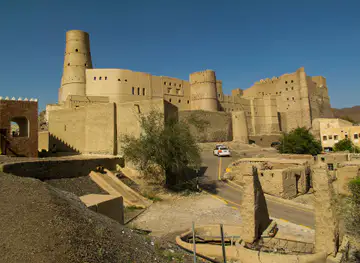
Bilad Sur Castle | حصن بلاد صور
Discover the historical grandeur of Bilad Sur Castle, an archaeological gem in Oman, perfect for history enthusiasts and cultural explorers.
13 min drive · 4.4 km from city centre
-
Castle
Sunaysilah Fort
Experience the rich history and breathtaking views at Sunaysilah Fort, a magnificent castle in Sur, Oman, perfect for history enthusiasts and travelers alike.
9 min drive · 2.9 km from city centre


Best landmarks in Sur
Sur’s landmarks are closely tied to defence, navigation and the sea. Al Ayjah Lighthouse stands near the harbour entrance and is one of the city’s most recognisable visual markers, reflecting the importance of guiding vessels into the sheltered waters. The Al Ayjah quarter preserves the setting of an older maritime community, where defensive towers and traditional houses relate directly to the port’s history. Inland, Sunaysilah Fort is a substantial Omani stronghold associated with the protection of Sur and its approaches, while Bilad Sur Castle, in the historic settlement of Bilad Sur, illustrates the defensive architecture of the surrounding region. The dhow yards are landmarks of a different kind: working cultural sites that embody Sur’s seafaring identity rather than monumental power. Together, these places connect navigation, trade, local authority and craftsmanship across the city’s coastal landscape.
-
Historical place
Al-Ayjah Lighthouse | منارة العيجة
Discover the historic Al-Ayjah Lighthouse in Sur, Oman, a scenic landmark that embodies the rich maritime heritage and natural beauty of the region.
14 min walk · 1.1 km from city centre
-
Museum
Dhow Factory
Explore the Dhow Factory in Sur, Oman - a living museum of traditional shipbuilding and maritime heritage.
12 min walk · 1.0 km from city centre
-
Tourist attraction
Sur Traditional Souq سوق صور التقليدي
Explore the Sur Traditional Souq, a vibrant marketplace in Oman, where rich culture, exquisite crafts, and local flavors come together in a unique experience.
6 min walk · 0.5 km from city centre
-
Archaeological site
Bilad Sur Castle | حصن بلاد صور
Explore the historic Bilad Sur Castle, an archaeological treasure in Oman offering stunning views and rich cultural heritage.
13 min drive · 4.4 km from city centre


Explore Sur on the map
Plan your Sur trip on one map. See where the top attractions, landmarks, restaurants, bars and hotels are, find what's near where you're staying, and book hotels and experiences in a few clicks.
Best hotels in Sur
Best restaurants in Sur
Sur’s dining culture reflects its fishing harbour and eastern Omani setting, with seafood forming a natural part of local meals. Grilled or fried fish, prawns and other daily catches appear alongside rice dishes such as majboos, while shuwa, slow-cooked meat traditionally prepared for special occasions, represents a broader Omani culinary heritage. Harees, breads, dates and fragrant cardamom tea are also part of the country’s food culture, and Omani halwa is commonly served with coffee on hospitable occasions. In Sur, casual cafés and small local restaurants are often more representative than formal dining rooms, with the greatest concentration of everyday choices around commercial streets and the waterfront. South Asian culinary influences are also present, reflecting Oman’s long maritime links and diverse expatriate communities. Seafood restaurants may be simple in appearance, so menus, opening times and payment options are best confirmed locally.
-
Hot Pot
Zaki Restaurant
Experience authentic Omani flavors at Zaki Restaurant in Sur - where every meal is a celebration of fresh ingredients and vibrant culture.
16 min walk · 1.3 km from city centre
-
Restaurant
Al Hawash Restaurant
Experience authentic Omani cuisine at Al Hawash Restaurant in Sur - where every meal tells a story of tradition and flavor.
11 min walk · 0.9 km from city centre
-
Restaurant
Vaidyans Fish and Grill Restaurant
Experience exquisite seafood dining at Vaidyans Fish and Grill in Sur, Oman – where fresh flavors meet warm hospitality.
10 min drive · 3.3 km from city centre
-
Restaurant
Barbeque Nation Sur
Experience an unforgettable dining adventure at Barbeque Nation Sur, where delicious barbecues meet a vibrant atmosphere in Oman.
9 min drive · 3.1 km from city centre


Best bars in Sur
Sur has a restrained evening scene shaped by Omani social customs and its relatively small-town character, rather than a nightlife district of bars and clubs. Alcohol is not part of ordinary public life, and visitors should not expect the late-night entertainment found in larger international resort cities. After sunset, residents and visitors tend to gather in cafés, restaurants and waterfront areas for tea, coffee, meals and conversation. The creek, Al Ayjah and the coastal road can be atmospheric for evening walks, though lighting and pedestrian facilities vary beyond the central areas. Hotels may provide the most familiar hospitality setting for international travellers, subject to their current licensing and policies. Cultural evenings, local festivals and heritage events can occasionally add music or performances, but schedules are variable. Respectful dress, moderate behaviour and sensitivity to local customs are especially important after dark.
-
Hot Pot
Zaki Restaurant
Experience authentic hot pot dining at Zaki Restaurant in Sur, where fresh ingredients and flavorful broths create unforgettable culinary moments.
16 min walk · 1.3 km from city centre
-
Restaurant
Al Hawash Restaurant
Experience authentic Omani cuisine at Al Hawash Restaurant, a culinary delight in Sur, offering fresh seafood and traditional dishes.
11 min walk · 0.9 km from city centre
-
Restaurant
Vaidyans Fish and Grill Restaurant
Discover the authentic taste of Omani seafood at Vaidyans Fish and Grill, a top-rated restaurant in Sur, Oman, specializing in fresh grilled fish and local flavors.
10 min drive · 3.3 km from city centre
-
Pizza
Pizza Hut
Discover delicious pizzas and a cozy atmosphere at Pizza Hut in Sur, ideal for a family meal or quick delivery.
9 min drive · 2.9 km from city centre


Best shops in Sur
Shopping in Sur is practical and locally focused, with small commercial streets, neighbourhood shops and souq-style businesses providing a closer view of everyday Omani life than a large modern mall. Visitors can look for dates, spices, coffee, cardamom, frankincense and packaged regional foods, as well as Omani halwa and modest household goods. Silver jewellery, khanjars and textiles are associated with Oman’s craft traditions, though shoppers should distinguish genuinely local workmanship from mass-produced souvenirs and ask about materials and provenance. The city’s most distinctive purchase may be connected to its maritime identity: miniature dhows, carved wooden pieces and other boat-related crafts appear in local retail settings. Sur is not primarily a luxury-shopping destination, and independent shops usually offer a more grounded experience than brand-led retail. Opening hours can vary, particularly around prayer times and religious holidays, so flexibility is useful.
-
Hypermarket
Carrefour
Discover Carrefour in Sur: Your go-to hypermarket for an extensive selection of products, quality service, and a local shopping experience.
7 min drive · 2.4 km from city centre
-
Shopping mall
My City Centre Sur
Explore My City Centre Sur, a vibrant shopping mall in Oman offering diverse retail, dining, and entertainment experiences for every visitor.
7 min drive · 2.3 km from city centre
-
Shopping mall
Sur Gift Market
Explore the Sur Gift Market: A vibrant shopping mall brimming with local crafts, delicious cuisine, and unique souvenirs in the heart of Oman.
6 min drive · 2.1 km from city centre
-
Clothing store
REDTAG
Explore a world of fashion and affordability at REDTAG in Sur, where every shopper finds their perfect style.
9 min drive · 3.0 km from city centre


Get your free copy of our complete guide to Sur, delivered straight to you.
Everything on this page, from attractions and restaurants to essentials and local phrases, in one PDF you can read offline, print or share.
Already have an account? Sign in
Your Sur guide is ready.
We'll send it to · Not you? Sign out

Getting your guide ready…
We are putting together a fresh copy of the Sur guide. This can take up to a minute.
This can take a few moments. If your browser asks, choose Allow so the download can start. You'll find the guide in your Downloads folder.
Nothing happened? Download it again
Sorry, the guide is taking longer than usual. Please try again in a minute, or get it by email instead.
Sur essentials
Currency and Payment
Safety
Emergency Situations
Do's and Don'ts
Local Tips
From Eve
Local phrases worth knowing
You don't need to get them perfect. A few words go a long way, and locals appreciate the effort.
Basics
| English | Local | Say it |
|---|---|---|
| Hello | مرحبا | [marhaba] |
| Goodbye | وداعا | [wadaea] |
| Yes | نعم | [naam] |
| No | لا | [laa] |
| Please/You're welcome | من فضلك/على الرحب والسعة | [min fadlik/ala alrahb wasaah] |
| Thank you | شكرا | [shukran] |
| Excuse me/Sorry | عذرا | [athara] |
| How are you? | كيف حالك؟ | [kayf halik?] |
| Fine. And you? | بخير. وأنت؟ | [bikhair. wa ant?] |
| Do you speak English? | هل تتكلم الإنجليزية؟ | [hal tatakallam al'inglizia?] |
| I don't understand | أنا لا أفهم | [ana la afham] |
Eating & Drinking
| English | Local | Say it |
|---|---|---|
| I'd like to see the menu, please | أريد أن أرى القائمة، من فضلك | [urid an ara alqaima, min fadlik] |
| I don't eat meat | أنا لا آكل اللحوم | [ana la akl allahom] |
| Cheers! | في صحتك! | [fi sahtak!] |
| I would like to pay, please | أريد أن أدفع، من فضلك | [urid an adfa, min fadlik] |
Emergencies
| English | Local | Say it |
|---|---|---|
| Help! | النجدة! | [alnajda!] |
| Go away! | ارحل! | [irhal!] |
| Call the Police! | اتصل بالشرطة! | [atsil bilshurta!] |
| Call a doctor! | اتصل بطبيب! | [atsil bitabib!] |
| I'm lost | لقد ضللت | [laqad dalalt] |
| I'm ill | أنا مريض | [ana mareed] |
Shopping
| English | Local | Say it |
|---|---|---|
| I'd like to buy... | أريد أن أشتري... | [urid an ashtari...] |
| I'm just looking | أنا فقط أتفرج | [ana faqat atfarij] |
| How much is it? | بكم هذا؟ | [bikam hatha?] |
| That's too expensive | هذا غالي جدا | [hatha ghali jiddan] |
| Can you lower the price? | هل يمكنك خفض السعر؟ | [hal yumkinuk kaff alsaer?] |
Time & Numbers
| English | Local | Say it |
|---|---|---|
| What time is it? | كم الساعة؟ | [kam alsaata?] |
| It's one o'clock | الساعة الواحدة | [alsaata alwahida] |
| Half past (10) | العاشر والنصف | [al'ashir wanisf] |
| Morning | الصباح | [alsabah] |
| Afternoon | الظهر | [aldhuhur] |
| Evening | المساء | [almasa] |
| Yesterday | البارحة | [albariha] |
| Today | اليوم | [alyawm] |
| Tomorrow | غدا | [ghadan] |
| 1 | واحد | [wahid] |
| 2 | اثنان | [ithnayn] |
| 3 | ثلاثة | [thalatha] |
| 4 | أربعة | [arbaa] |
| 5 | خمسة | [khamsa] |
| 6 | ستة | [sitta] |
| 7 | سبعة | [sabaa] |
| 8 | ثمانية | [thamaneya] |
| 9 | تسعة | [tisaa] |
| 10 | عشرة | [ashara] |
Transport & Directions
| English | Local | Say it |
|---|---|---|
| Where's a/the...? | أين ال... | [ayn al...] |
| What's the address? | ما هو العنوان؟ | [ma huwa al'unnwan?] |
| Can you show me (on the map)? | هل يمكنك أن تريني (على الخريطة)؟ | [hal yumkinuk an tureeni (ala alkhareeta)?] |
| When's the next (bus)? | متى يصل الحافلة التالية؟ | [mata yusal alhafla altaliya?] |
| A ticket (to ....) | تذكرة (إلى ...) | [tathkira (ila ...)] |
History of Sur
An Indian Ocean Port
Sur developed around a naturally protected coastal inlet and became one of Oman’s important maritime settlements. Its position on the Arabian Sea connected the town with trading networks reaching the Swahili Coast, India and other ports of the Indian Ocean. Dates for the earliest settlement are not always recorded consistently, but the city’s long association with seafaring is clear from its harbour geography and enduring boatbuilding traditions. Merchants transported goods such as dates, frankincense and fish, while returning vessels brought textiles, timber and other products. This commercial exchange also connected coastal Oman with communities beyond the peninsula, helping to shape Sur’s cosmopolitan maritime character.
Dhows and Coastal Commerce
For generations, Sur’s economy relied on sailing vessels built from imported timber and assembled by skilled craftsmen without modern industrial methods. Traditional dhows carried cargo and passengers between Oman, East Africa and South Asia, and Sur became particularly associated with the construction and repair of these wooden boats. The port’s fortunes were affected by changing trade routes, steam navigation and the eventual dominance of motor transport, yet boatbuilding survived as an important cultural practice. The shipyards visible today are therefore more than a tourist curiosity: they represent the technical knowledge and commercial relationships that sustained the city before modern transport transformed regional trade.
Fortifications and Local Rule
Sur’s coastal position brought prosperity but also made defence essential. Forts, watchtowers and fortified settlements were established around the harbour and inland approaches, including Al Ayjah’s defensive structures, Sunaysilah Fort and Bilad Sur Castle. These buildings formed part of Oman’s wider network of local strongholds, where control of water, farmland and trade routes was closely connected. Their thick walls, elevated positions and restricted entrances reflect the political uncertainty of earlier centuries, when authority was exercised through regional settlements as well as central rulers. The surviving structures provide a tangible record of how Sur’s communities protected both the port and the routes leading into the interior.
The Sultanate and Modernisation
During the twentieth century, Oman underwent major political and economic change as state institutions expanded and infrastructure improved. Roads, public services, schools and modern communications gradually reduced Sur’s dependence on maritime trade and connected it more closely with Muscat and the interior. The city’s traditional quarters and forts remained important reminders of an older order, while newer neighbourhoods developed around them. The shift from sail to engines and from regional shipping to road transport altered the working waterfront, but the skills of dhow construction continued to be valued as part of Sur’s local identity.
A Maritime Heritage Today
Contemporary Sur combines the functions of a regional Omani town with a strong historical identity rooted in the sea. Boatbuilding, fishing and coastal commerce remain associated with the city, while tourism has brought greater attention to its forts, shipyards and links with turtle conservation at nearby Ras al Jinz. Museums and heritage displays help interpret the city’s relationship with the Indian Ocean, although the most persuasive historical evidence is often found in the landscape itself: the harbour, Al Ayjah’s old quarter, defensive towers and the coastline beyond. Sur’s modern character is consequently shaped by continuity rather than reconstruction, with maritime traditions still visible in everyday life.
Sur in Photos
Browse through our photo collection highlighting the charm and character of the destination.
Cities near Sur
The closest cities to Sur, if you have time for more than one stop.
-

-

-
-

-


Swipe for more cities
Explore more
Explore more of Oman
Discover Oman: A land of ancient forts, golden deserts, and warm hospitality, offering a perfect blend of adventure and tranquility.
Explore Oman