

Free Hood River County Travel Guide & Mobile App
Explore Hood River County with free travel guides. Discover regional history, expert tips, proposed trips, and audio guides on web or mobile app.




Hood River County combines Columbia Gorge scenery, orchard roads, mountain trails, wind sports and Oregon farm-to-table culture.
Read more about Hood River County
Getting to and around Hood River County
How to get there
Transportation
Top city travel guides in Hood River County
The cities of Hood River County, and the easiest places to base yourself.
-

-


Swipe for more cities
Destinations in Hood River County
Resorts, valleys and scenic spots worth a trip of their own.
-

-


Swipe for more destinations
Best attractions in Hood River County
Hood River County's attractions are organised around three contrasting environments: the Columbia River waterfront, the cultivated Hood River Valley and the forested slopes of Mount Hood. In Hood River, visitors can combine a walk along the river with the Hood River County History Museum, the Western Antique Aeroplane & Automobile Museum and the town's historic commercial streets. The Mount Hood Railroad offers a slower perspective on the valley and its former freight connections. South of town, the Hood River Fruit Loop passes orchards, farm stands, cideries, wineries and seasonal produce outlets, with changing views towards the mountain. The Mount Hood National Forest supplies the county's wildest experiences, including hiking to Tamanawas Falls, visiting Lost Lake, camping, fishing and snow-season recreation where conditions permit. Water sports on the Columbia are a defining feature, especially windsurfing, kiteboarding and wing-foiling, while cyclists use roads and trails through the gorge and valley. Because attractions are spread across working countryside and mountain terrain, their character changes markedly with season, weather and road access.
-
Hiking area
Columbia River Gorge National Scenic Area
Explore the stunning Columbia River Gorge National Scenic Area, a breathtaking blend of natural beauty, adventure, and tranquility in Oregon.
-
 Hotel
Timberline Lodge
Discover the enchanting Timberline Lodge, a historic alpine retreat offering skiing, dining, and breathtaking views of Mount Hood in Oregon.
-
Tourist attraction
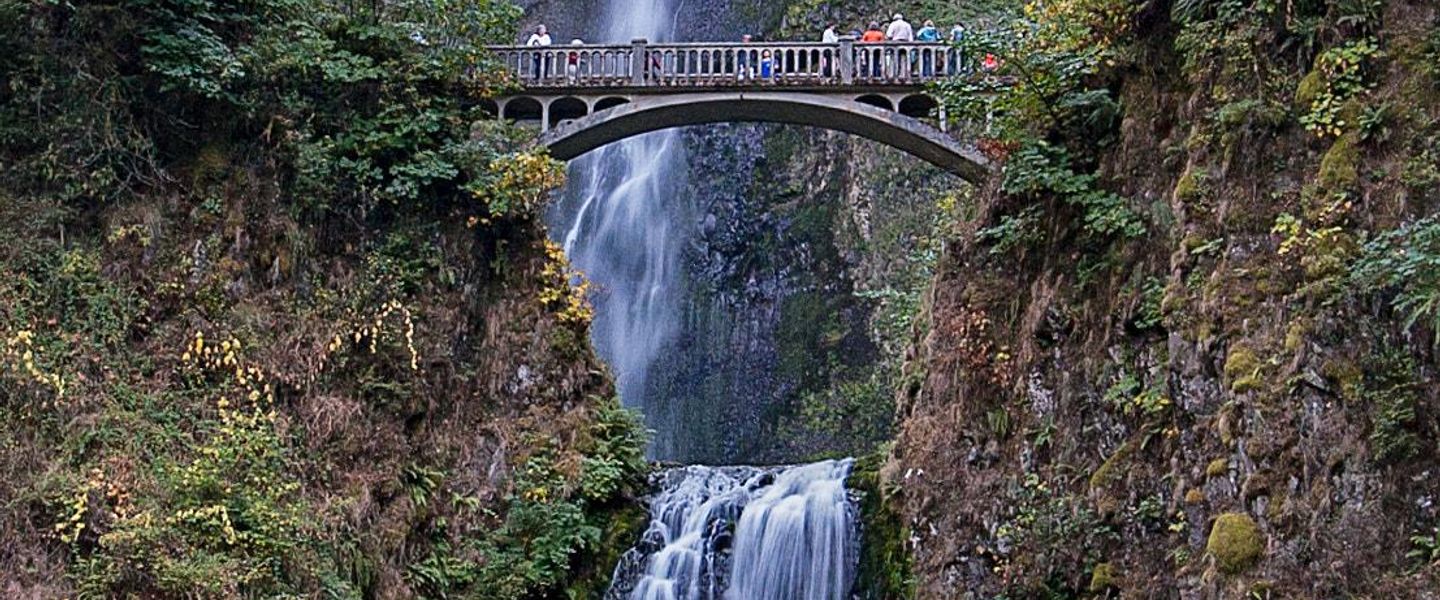
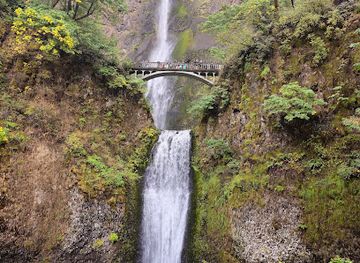
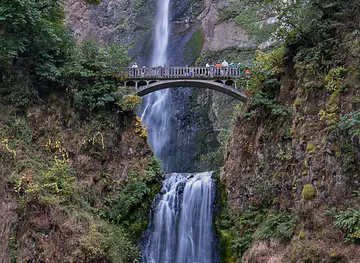
Multnomah Falls
Discover the breathtaking beauty of Multnomah Falls, a stunning natural wonder in Oregon's Columbia River Gorge, perfect for adventure and photography.
-
Historical landmark
Vista House at Crown Point
Discover the breathtaking views and rich history at Vista House, a historical landmark in the heart of the Columbia River Gorge, Oregon.
Best landmarks in Hood River County
The Columbia River is Hood River County's defining natural landmark, forming a broad northern boundary and shaping the county's climate, transport history and recreation culture. The Hood River waterfront and the Hood River–White Salmon Bridge provide commanding views across the river to Washington, although White Salmon itself lies outside the county. In town, the historic commercial district and older civic buildings express Hood River's development as a river port and agricultural centre. The Mount Hood Railroad is an important surviving transport landmark, linking the town with the valley's orchard history. Southwards, Mount Hood dominates views from roads and orchards, while Tamanawas Falls is a notable forest landmark created by a dramatic basalt setting and seasonal water flow. Lost Lake, with its mountain-facing waterscape, represents the county's quieter high-country character. These places are significant not simply for appearance but for the relationships they reveal between river navigation, railways, agriculture, forests and recreation.
-
Hiking area
Columbia River Gorge National Scenic Area
Discover the breathtaking Columbia River Gorge National Scenic Area, a perfect blend of adventure, stunning landscapes, and rich biodiversity in Oregon.
-
Hotel
Timberline Lodge
Discover Timberline Lodge, a historic ski resort in the Cascade Mountains, where adventure meets luxury and breathtaking views await every visitor.
-
Tourist attraction
Multnomah Falls
Experience the breathtaking beauty of Multnomah Falls, Oregon's tallest waterfall, surrounded by lush forests and stunning hiking trails.
-
Historical landmark
Vista House at Crown Point
Discover the stunning views and historical significance of Vista House at Crown Point, a must-visit landmark in the breathtaking Columbia River Gorge.


Explore Hood River County on the map
Plan your trip on one map. See where the top cities, national parks and sights are, and book hotels and experiences in a few clicks.
Best hotels in Hood River County
Best restaurants in Hood River County
Dining in Hood River County reflects the meeting of orchard agriculture, Columbia River recreation and Pacific Northwest produce. Hood River has the broadest choice of restaurants, cafés, bakeries, breweries and casual waterfront dining, while the valley offers farm-focused stops, tasting rooms and rural settings. Pears, apples, cherries, berries, hops and grapes are important local products, and cider is particularly associated with the orchard landscape. Menus may also feature regional vegetables, locally raised meat, trout and other Northwest ingredients, though not every dish served locally is exclusive to the county. Farm stands and seasonal markets are useful for fruit, preserves, baked goods and picnic supplies. Outside Hood River, opening arrangements can be seasonal and distances between establishments are greater, so designated-driver planning matters when visiting cideries or wineries. The local food culture is strongest when experienced as a connection between working orchards, producers and small-town hospitality rather than as a concentration of formal dining.
-
Pizza
Solstice Wood Fire Pizza - Cafe & Bar
Discover exceptional wood-fired pizzas and local brews at Solstice Wood Fire Pizza - Cafe & Bar in scenic Hood River.
-
Cafe
Egg River Café
Experience delightful breakfasts at Egg River Café in Hood River - where local flavors meet cozy ambiance for an unforgettable dining experience.
-
American
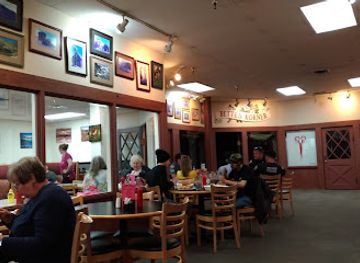
Bette's Place
Experience the charm of Bette's Place in Hood River - where delightful American breakfasts meet warm hospitality.
-
New American
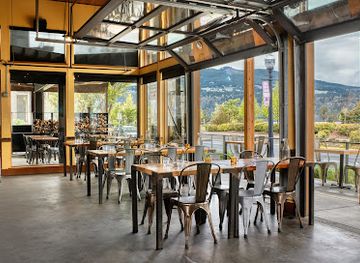
KickStand Coffee & Kitchen
Discover KickStand Coffee & Kitchen: where New American flavors meet cozy vibes in beautiful Hood River.
Best bars in Hood River County
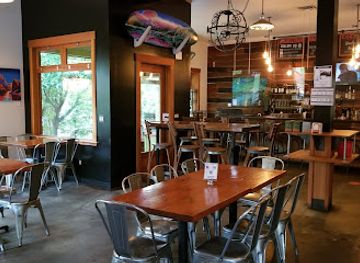
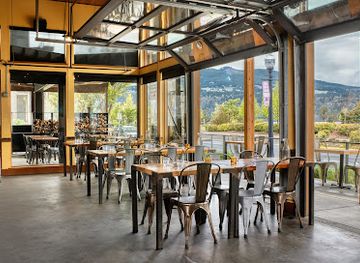
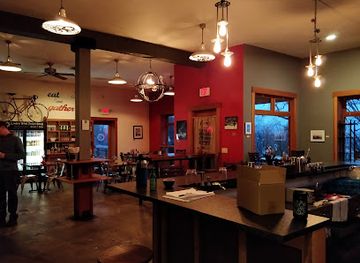
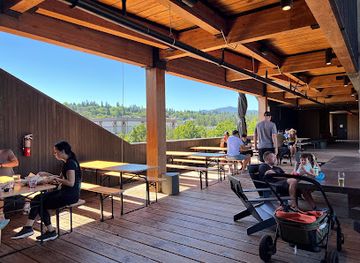
Evenings in Hood River County centre on pubs, breweries, cider houses, wine-tasting rooms, restaurants and small live-music settings rather than a large nightclub district. Hood River has the county's most concentrated evening scene, with venues around the central streets and waterfront offering locally produced beer, cider and wine alongside food. The atmosphere is shaped by outdoor visitors and residents, but alcohol is not the only focus: cafés, restaurants and occasional cultural programming provide alternatives. In the Hood River Valley, evenings are quieter and often tied to tasting rooms or seasonal farm events, while mountain communities have a more limited choice of late-night services. Transport between dispersed producers should be planned in advance, particularly after tastings. Opening patterns and entertainment schedules vary considerably by season, so current checks are sensible before relying on a particular venue.
-
Pizza
Solstice Wood Fire Pizza - Cafe & Bar
Experience the best wood-fired pizza and local flavors at Solstice Cafe & Bar in Hood River, a culinary delight for every traveler.
-
Bar
KickStand Coffee & Kitchen
Experience the best of Hood River at KickStand Coffee & Kitchen, where exceptional coffee meets creative cuisine in a lively atmosphere.
-
Brewpub
Ferment Brewing Company
Discover the unique craft beer and culinary delights at Ferment Brewing Company in Hood River, Oregon, where local flavors meet a vibrant atmosphere.
-
Brewery
pFriem Family Brewers
Experience the flavors of Oregon at pFriem Family Brewers, a premier brewery in Hood River known for its artisanal craft beers and scenic views.
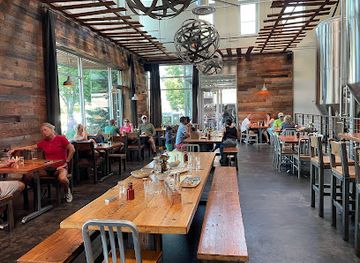
Best nightclubs in Hood River County
Evenings in Hood River County centre on pubs, breweries, cider houses, wine-tasting rooms, restaurants and small live-music settings rather than a large nightclub district. Hood River has the county's most concentrated evening scene, with venues around the central streets and waterfront offering locally produced beer, cider and wine alongside food. The atmosphere is shaped by outdoor visitors and residents, but alcohol is not the only focus: cafés, restaurants and occasional cultural programming provide alternatives. In the Hood River Valley, evenings are quieter and often tied to tasting rooms or seasonal farm events, while mountain communities have a more limited choice of late-night services. Transport between dispersed producers should be planned in advance, particularly after tastings. Opening patterns and entertainment schedules vary considerably by season, so current checks are sensible before relying on a particular venue.
-
Brewpub
Ferment Brewing Company
Discover the best of craft brewing and food at Ferment Brewing Company in picturesque Hood River, Oregon.
-
Brewery
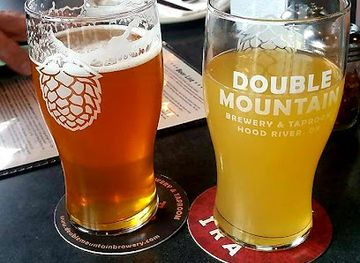
Double Mountain Brewery
Experience the best of craft brewing and delicious pizza at Double Mountain Brewery in Hood River, a community hub for food and beer lovers.
-
Brewpub
Full Sail Brewing Company
Experience the best of Oregon's craft brewing at Full Sail Brewing Company, where great beer meets stunning views in Hood River.
-
Grill
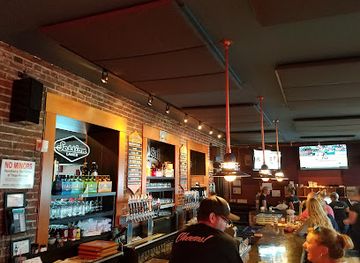
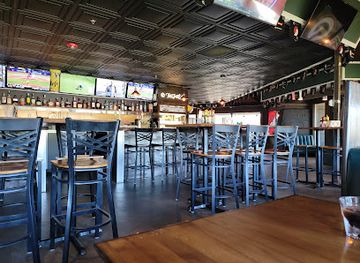
Tilly Jane's Sports Bar & Grill
Discover Tilly Jane's Sports Bar & Grill in Hood River, Oregon, a perfect blend of hearty meals and sports excitement in a welcoming atmosphere.
Best shops in Hood River County
-
Hiking area
Columbia River Gorge National Scenic Area
Explore the Columbia River Gorge National Scenic Area, a breathtaking blend of waterfalls, hiking trails, and stunning vistas in Oregon's natural paradise.
-
National forest
Mount Hood National Forest
Explore the breathtaking landscapes and outdoor adventures in Mount Hood National Forest, Oregon's premier destination for nature enthusiasts.
-
Shopping mall
Columbia Gorge Outlets
Discover unbeatable deals and a memorable shopping experience at Columbia Gorge Outlets, surrounded by stunning Oregon scenery.
-
Department store
Walmart
Discover Walmart in Hood River for a wide range of products from groceries to clothing at affordable prices, perfect for every traveler.


Get your free copy of our complete guide to Hood River County, delivered straight to you.
Everything on this page, from attractions and restaurants to essentials and local phrases, in one PDF you can read offline, print or share.
Already have an account? Sign in
Your Hood River County guide is ready.
We'll send it to · Not you? Sign out

Getting your guide ready…
We are putting together a fresh copy of the Hood River County guide. This can take up to a minute.
This can take a few moments. If your browser asks, choose Allow so the download can start. You'll find the guide in your Downloads folder.
Nothing happened? Download it again
Sorry, the guide is taking longer than usual. Please try again in a minute, or get it by email instead.
Hood River County essentials
Currency and Payment
Safety
Emergency Situations
Do's and Don'ts
Local Tips
From Eve
Local phrases worth knowing
You don't need to get them perfect. A few words go a long way, and locals appreciate the effort.
Basics
| English | Local | Say it |
|---|---|---|
| Hello | Hey there | [Hey thair] |
| Goodbye | See ya later | [See ya lay-ter] |
| Yes | Yep | [Yep] |
| No | Nah | [Nah] |
| Please/You're welcome | No problem | [No probl-em] |
| Thank you | Thanks a bunch | [Thanks a bunch] |
| Excuse me/Sorry | Oops, my bad | [Oops, my bad] |
| How are you? | How's it going? | [How's it goin'?] |
| Fine. And you? | Good. And you? | [Good. And you?] |
| Do you speak English? | You speak English? | [You speak English?] |
| I don't understand | I don’t get it | [I don’t get it] |
Eating & Drinking
| English | Local | Say it |
|---|---|---|
| I'd like to see the menu, please | Can I see the menu? | [Can I see the men-you?] |
| I don't eat meat | I’m vegetarian | [I’m vege-tarian] |
| Cheers! | Cheers! | [Cheers!] |
| I would like to pay, please | Can I get the check? | [Can I get the check?] |
Emergencies
| English | Local | Say it |
|---|---|---|
| Help! | Help! | [Help!] |
| Go away! | Leave me alone! | [Leave me alone!] |
| Call the Police! | Call the cops! | [Call the cops!] |
| Call a doctor! | Need a doctor! | [Need a doctor!] |
| I'm lost | I’m a bit lost | [I’m a bit lost] |
| I'm ill | I’m not feeling well | [I’m not feelin' well] |
Shopping
| English | Local | Say it |
|---|---|---|
| I'd like to buy... | I wanna buy... | [I wanna buy...] |
| I'm just looking | Just browsing | [Just brows-ing] |
| How much is it? | What’s the price? | [What’s the price?] |
| That's too expensive | That’s a bit steep | [That’s a bit steep] |
| Can you lower the price? | Can you give me a deal? | [Can you give me a deal?] |
Time & Numbers
| English | Local | Say it |
|---|---|---|
| What time is it? | What’s the time? | [What’s the time?] |
| It's one o'clock | It’s one o’clock | [It’s one o’clock] |
| Half past (10) | Half past ten | [Half past ten] |
| Morning | Morning | [Mornin'] |
| Afternoon | Afternoon | [Afternoon] |
| Evening | Evening | [Evening] |
| Yesterday | Yesterday | [Yesterd-ay] |
| Today | Today | [Today] |
| Tomorrow | Tomorrow | [Tomor-row] |
| 1 | One | [One] |
| 2 | Two | [Two] |
| 3 | Three | [Three] |
| 4 | Four | [Four] |
| 5 | Five | [Five] |
| 6 | Six | [Six] |
| 7 | Seven | [Seven] |
| 8 | Eight | [Eight] |
| 9 | Nine | [Nine] |
| 10 | Ten | [Ten] |
Transport & Directions
| English | Local | Say it |
|---|---|---|
| Where's a/the...? | Where’s a...? | [Where’s a...?] |
| What's the address? | What’s the address? | [What’s the address?] |
| Can you show me (on the map)? | Can you point it out? | [Can you point it out?] |
| When's the next (bus)? | When’s the next bus? | [When’s the next bus?] |
| A ticket (to ....) | Ticket to... | [Ticket to...] |
History of Hood River County
Indigenous Columbia River and Mountain Homelands
Long before Euro-American settlement, the Columbia River corridor and the valleys south of it were used and managed by Indigenous peoples, including communities associated with the Wasco and other Columbia River peoples. The river supported fishing, travel and trade, while upland forests and meadows provided seasonal resources. Indigenous knowledge shaped the landscape through movement, harvesting and fire management. The region later became part of the complex history of treaty-making, displacement and continuing Native sovereignty in the Pacific Northwest. Visitors should understand that the county's scenic and agricultural landscapes exist within older cultural geographies that remain important today.
Exploration and the Fur Trade
The Columbia River became a major route for exploration and commercial movement during the early nineteenth century. The Lewis and Clark Expedition travelled through the broader Columbia Gorge in 1805 and 1806, followed by fur traders and missionaries. The Hudson's Bay Company operated across the Pacific Northwest, and the river connected interior communities with an expanding maritime economy. Although the modern county did not yet exist, these movements increased outside knowledge and pressure on the Columbia corridor, setting the stage for later settlement and transport development.
Settlement and the Formation of Hood River County
Euro-American settlement increased during the nineteenth century, encouraged by river access, fertile valley soils and improving transport links. Hood River developed as a trading and shipping centre, while farms spread through the valley. The county was created in 1908 from Wasco County, reflecting the area's growing population and distinct economic interests. Early communities depended on agriculture, timber, river traffic and the ability to move products to Portland and other markets. Historic buildings and the street pattern of Hood River retain traces of this formative period.
Railways, Roads and the Columbia Gorge
Railways along the Columbia River transformed Hood River's commercial prospects in the late nineteenth and early twentieth centuries, making it easier to ship fruit, timber and other goods. The Columbia River also remained a major navigation route. Later, the Columbia River Highway and improved roads opened the gorge to motorists and helped establish scenic tourism. The Mount Hood Railroad, which began as a freight connection into the valley, is a surviving reminder of the transport infrastructure that linked orchards and mountain communities with the river port.
Irrigation and the Orchard Economy
The modern Hood River Valley orchard economy depended on irrigation, improved roads, packing facilities and access to distant markets. Pears became especially associated with the area, alongside apples, cherries and other crops. Agricultural development altered the valley from a largely wooded and pastoral landscape into an intensively cultivated one, while seasonal labour became an important part of the local economy. The Fruit Loop and the county's farm shops now present this productive landscape to visitors, but the orchards remain working businesses rather than simple tourist scenery.
Timber, Forest Recreation and Mount Hood
Forestry and timber employment shaped communities around the mountain and in the county's upland districts, complementing the river and orchard economies. Much of the higher country lies within the Mount Hood National Forest, where roads, trails, campgrounds and winter recreation developed alongside resource industries. The forest is now valued for hiking, fishing, wildlife habitat and snow activities as well as timber. This overlapping history helps explain why Hood River County contains both highly cultivated valley floors and extensive public mountain landscapes.
The Modern Outdoor and Craft-Produce Economy
From the later twentieth century, Hood River gained an international reputation for windsurfing because of reliable summer winds on the Columbia. Related activities, including kiteboarding, wing-foiling, cycling and mountain recreation, broadened the visitor economy. At the same time, orchards and vineyards supported cideries, wineries, farm shops and restaurants. The county's current identity therefore combines established agriculture and transport history with outdoor sport, craft beverages and scenic tourism, while continuing to depend on the river, forests and productive valley land.
Hood River County in Photos
Browse through our photo collection highlighting the charm and character of the destination.
Neighbouring regions of Hood River County
The closest regions to Hood River County, if you have time for more than one.
-

-
 Wasco County
Discover Wasco County, Oregon: A blend of natural beauty, rich history, and vibrant communities, perfect for outdoor adventures, cultural experiences, and wine tasting.
-
-

-


Swipe for more regions
Explore more

Explore more of Oregon
Discover Oregon's diverse landscapes, vibrant cities, and rich culture. From stunning coastlines to lush forests, this Pacific Northwest gem offers endless adventures.
Explore Oregon