

Free Mt. Hood Territory Travel Guide & Mobile App
Explore Mt. Hood Territory with free travel guides. Discover regional history, expert tips, proposed trips, and audio guides on web or mobile app.


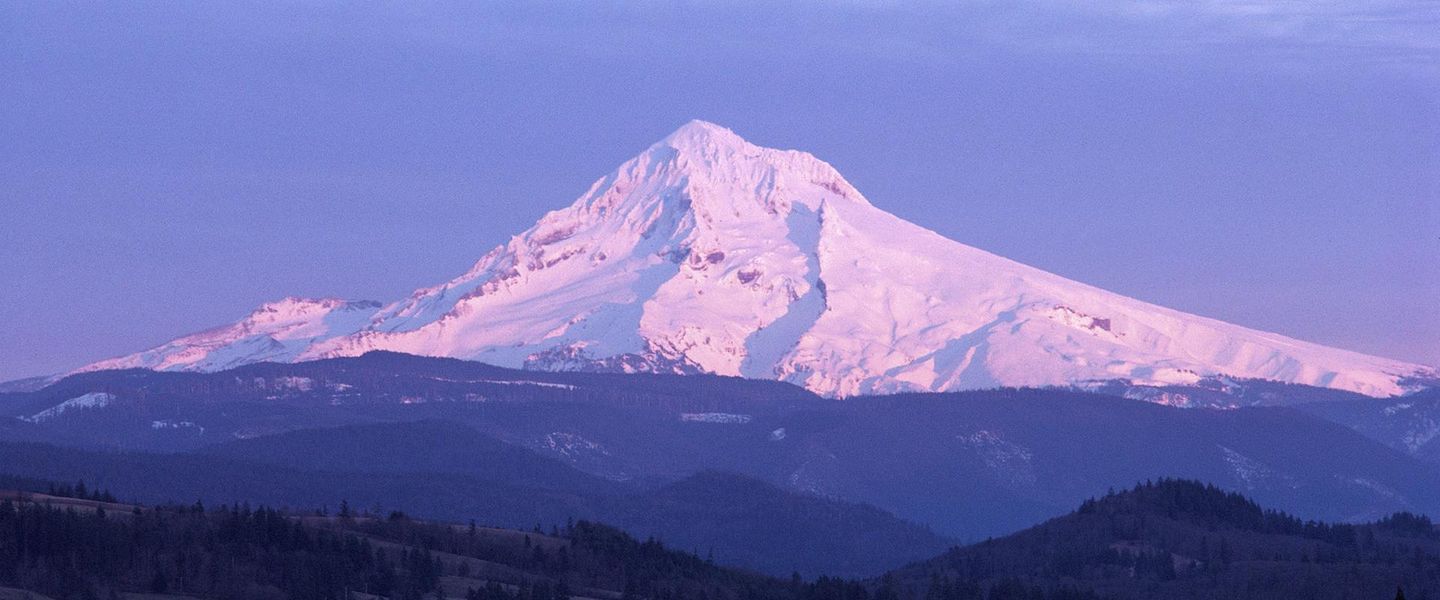


Mt. Hood Territory pairs Oregon Trail history, river valleys, forest adventures and year-round alpine recreation within reach of Portland.
Read more about Mt. Hood Territory
Getting to and around Mt. Hood Territory
How to get there
Transportation
Destinations in Mt. Hood Territory
Resorts, valleys and scenic spots worth a trip of their own.
-

-

-


Swipe for more destinations
Best attractions in Mt. Hood Territory
Mt. Hood Territory offers a broad progression of attractions from historic valley communities to alpine recreation. Oregon City's End of the Oregon Trail interpretation helps explain the westward migration era, while the Willamette Falls area reveals the region's industrial and river heritage. Valley farms, orchards, wineries and seasonal produce stands add a slower agricultural dimension, particularly around Canby, Wilsonville and the lower Clackamas country. East of the settled valley, Estacada and Sandy provide access to forest roads, river recreation and trails in the foothills. The Mt. Hood National Forest supplies the region's largest outdoor stage, with hiking, camping, fishing, boating and wildlife observation in warmer months. Around Government Camp and Timberline, volcanic landscapes support skiing, snowboarding, snowshoeing and high-country walking, although conditions vary sharply by season and elevation. Water-based activities on the Clackamas and Sandy rivers range from quiet riverside outings to guided white-water trips, and should be approached with respect for cold, fast-moving water. The attraction landscape is therefore defined less by a dense collection of formal sights than by the changing relationship between working valley, river corridor, managed forest and snow-covered mountain.
-
Hiking area
Columbia River Gorge National Scenic Area
Discover the stunning Columbia River Gorge National Scenic Area, a breathtaking haven of waterfalls, hiking trails, and rich biodiversity in Oregon.
-
National forest
Mount Hood National Forest
Explore Mount Hood National Forest, a stunning Oregon destination offering breathtaking views, year-round outdoor adventures, and diverse wildlife experiences.
-
 Hotel
Timberline Lodge
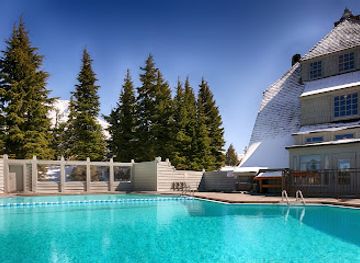
Discover Timberline Lodge: A historic mountain lodge offering year-round adventures, stunning views, and a unique blend of rustic charm and modern amenities.
-
Ski resort
Mt. Hood Skibowl
Experience the thrill of skiing and outdoor adventure at Mt. Hood Skibowl, a premier ski resort with year-round excitement in the stunning Cascade Mountains.
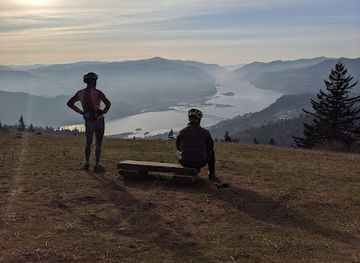

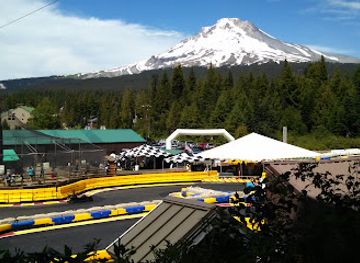
Best landmarks in Mt. Hood Territory
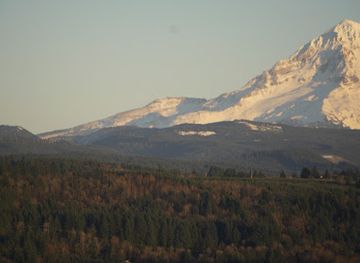
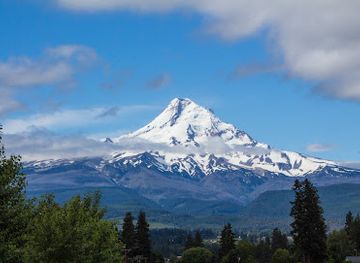
Mount Hood is the defining natural landmark of the territory, its glaciated volcanic profile visible from valley roads and urban viewpoints on clear days. Timberline Lodge, on the mountain's south side, is an important New Deal-era building whose stonework, timber construction and mountain setting give it particular architectural and cultural significance. Government Camp, below the timberline, preserves the character of a historic mountain settlement shaped by travel, skiing and climbing. In the lower territory, Willamette Falls is a powerful natural and industrial landmark on the Willamette River, associated with Indigenous use, nineteenth-century settlement, mills and hydroelectric development. Oregon City's historic elevated streets and river-facing setting reflect its role as an early territorial centre, while bridges, old civic buildings and remnants of transport infrastructure help explain the valley's growth. The Clackamas River corridor provides a different kind of landmark: not a single monument, but a sequence of forested watercourses, rocky banks and mountain views that express the territory's connection between river and high country. Access to all these places can be seasonal, and the falls and mountain environments should be viewed from designated, safe locations.
-
National forest
Mount Hood National Forest
Discover the breathtaking beauty of Mount Hood National Forest, a paradise for outdoor enthusiasts and nature lovers in Oregon, offering unforgettable adventures.
-
Hotel
Timberline Lodge
Discover Timberline Lodge: a historic ski resort and hotel nestled on Mount Hood, offering breathtaking views and endless outdoor adventures.
-
Tourist attraction
Mount Hood Railroad
Discover the enchanting beauty and rich history of Oregon aboard the scenic Mount Hood Railroad, a must-visit attraction for every traveler.
-
Scenic spot
Jonsrud Viewpoint
Experience unparalleled views of Mount Hood and the serene beauty of Oregon at Jonsrud Viewpoint, a scenic gem for every traveler.

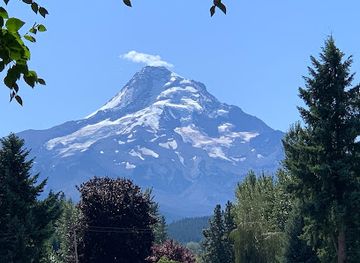
Explore Mt. Hood Territory on the map
Plan your trip on one map. See where the top cities, national parks and sights are, and book hotels and experiences in a few clicks.
Best hotels in Mt. Hood Territory
Best restaurants in Mt. Hood Territory
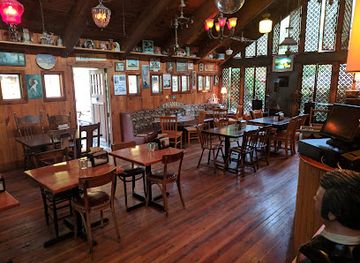
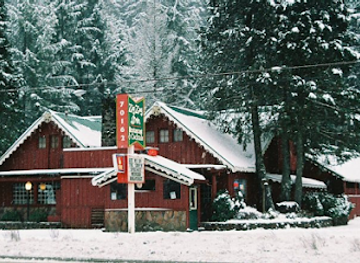
Dining in Mt. Hood Territory reflects the contrast between fertile valley and mountain road. Oregon City, Sandy, Estacada and the communities along the mountain approaches provide cafés, bakeries, pubs and family restaurants, while Government Camp is oriented towards filling food suited to skiers, hikers and cold-weather visitors. Valley menus may feature berries, orchard fruit, vegetables, hazelnuts, wine and other products associated with north-west Oregon agriculture; farm stands and seasonal markets are often the best places to buy produce directly. Craft beer, cider and regional wines are widely encountered, though the concentration of wineries is greater in the lower country than at high elevation. Rural inns and roadside establishments tend to emphasise practical, generous meals, while contemporary restaurants in the more urban western part of the territory draw on the wider Portland-area food culture. Check seasonal opening arrangements before relying on a remote dining stop, particularly outside summer and ski periods.
-
Hotel
Timberline Lodge
Experience breathtaking views and outdoor adventures at Timberline Lodge, a historic gem nestled on Mount Hood's southern slopes.
-
Grill
Skyway Bar & Grill
Discover delicious American cuisine and vibrant live music at Skyway Bar & Grill in scenic Zigzag, Oregon - a perfect spot for food lovers.
-
Restaurant
Mt. Hood Brewing Co.
Discover Mt. Hood Brewing Co.: A Craft Beer Haven Offering Delicious Food Amidst Stunning Mountain Views.
-
Pizza
ZigZag Inn
Discover delicious pizzas and family-friendly dining at ZigZag Inn in Welches, Oregon – your perfect post-adventure stop!
Best bars in Mt. Hood Territory
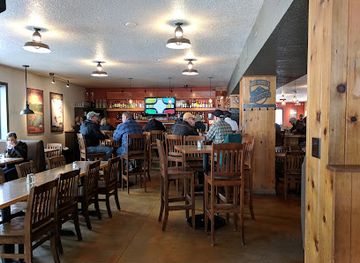
Evening life is strongest in Oregon City and the larger communities at the western edge of Mt. Hood Territory, where pubs, breweries, bars, cafés and occasional live-music venues provide a local night out. Sandy and Estacada have a more modest scene centred on neighbourhood restaurants, taverns and community events rather than large clubs. In Government Camp, après-ski drinking, lodge bars and casual restaurants are more significant than late-night entertainment, and activity can be highly seasonal. The territory does not have one dominant nightclub district; many visitors spend evenings around a fire, at a brewery or in accommodation after outdoor activities. Designated drivers, taxis and accommodation transport should be planned in advance in rural areas, where distances are considerable and public transport is limited. Alcohol is not central to every evening, with local restaurants, cafés, arts events and quiet riverside settings offering alternatives.
-
National forest
Mount Hood National Forest
Discover the breathtaking beauty and outdoor adventures at Mount Hood National Forest, a premier destination for nature lovers in Oregon.
-
Hotel
Timberline Lodge
Discover Timberline Lodge, where adventure meets relaxation in the heart of Oregon's majestic mountains, perfect for skiing and summer escapes.
-
Grill
Skyway Bar & Grill
Experience the vibrant flavors and lively atmosphere at Skyway Bar & Grill in Zigzag, Oregon, where American cuisine meets live music.
-
Restaurant
Mt. Hood Brewing Co.
Experience the best of local craft brewing and delicious cuisine at Mt. Hood Brewing Co. in the heart of Oregon's stunning wilderness.
Best nightclubs in Mt. Hood Territory
Evening life is strongest in Oregon City and the larger communities at the western edge of Mt. Hood Territory, where pubs, breweries, bars, cafés and occasional live-music venues provide a local night out. Sandy and Estacada have a more modest scene centred on neighbourhood restaurants, taverns and community events rather than large clubs. In Government Camp, après-ski drinking, lodge bars and casual restaurants are more significant than late-night entertainment, and activity can be highly seasonal. The territory does not have one dominant nightclub district; many visitors spend evenings around a fire, at a brewery or in accommodation after outdoor activities. Designated drivers, taxis and accommodation transport should be planned in advance in rural areas, where distances are considerable and public transport is limited. Alcohol is not central to every evening, with local restaurants, cafés, arts events and quiet riverside settings offering alternatives.
-
Hotel
Best Western Mt. Hood Inn
Discover comfort and adventure at Best Western Mt. Hood Inn, your perfect base for exploring the breathtaking Mt. Hood region and its outdoor wonders.
-
Bar
Vertical Restaurant & Sports Bar at Mt. Hood Meadows
Experience stunning mountain views and delicious dining at Vertical Restaurant & Sports Bar, the perfect retreat in Mt. Hood Meadows.

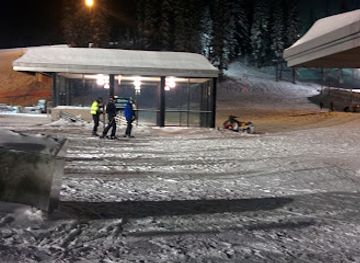
Best shops in Mt. Hood Territory
Shopping in Mt. Hood Territory is shaped by market towns, farm country and outdoor recreation rather than by a single major retail district. Oregon City's historic centre has independent shops, cafés, antiques and locally oriented businesses, while larger suburban areas near Wilsonville and Clackamas provide mainstream retail and services. Valley farm stands and seasonal markets are useful for berries, orchard fruit, vegetables, preserves, wine and other Oregon products, with availability changing through the agricultural year. Around Sandy, Estacada and Government Camp, visitors will find practical outdoor equipment, snow-sport supplies, gifts and small locally focused shops rather than extensive department-store shopping. Galleries, makers' goods, books, food products and regional craft items can make more meaningful souvenirs than generic mountain merchandise. Because rural retail hours and market schedules vary, it is sensible to check directly before making a special journey, and to keep purchases securely stored when travelling between trailheads.
-
Campground
Mt Hood Village Campground
Experience the beauty of Oregon at Mt Hood Village Campground, where outdoor adventures meet family-friendly fun amidst stunning mountain landscapes.
-
Shopping mall
Hoodland Shopping Center
Discover the Hoodland Shopping Center, your one-stop destination for shopping, dining, and local charm in Welches, Oregon, near the breathtaking Mt. Hood.
-
Clothing store
Los Andes Shop
Discover unique clothing, gifts, and home goods at Los Andes Shop in Welches, Oregon – your boutique destination for quality and charm.
-
Gift shop
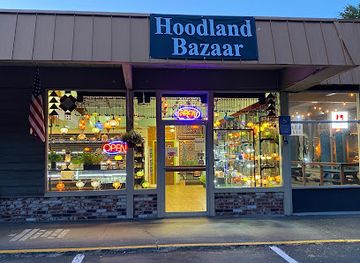
Hoodland Bazaar
Explore Hoodland Bazaar in Welches, Oregon - your destination for unique gifts, jewelry, and local artistry in a charming atmosphere.
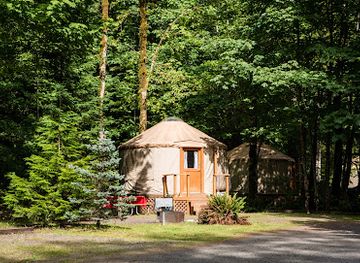
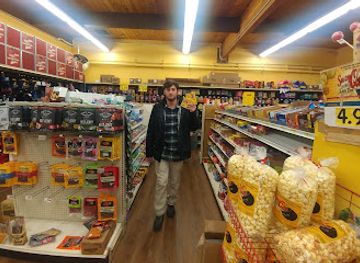
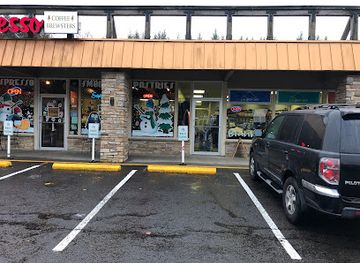
Get your free copy of our complete guide to Mt. Hood Territory, delivered straight to you.
Everything on this page, from attractions and restaurants to essentials and local phrases, in one PDF you can read offline, print or share.
Already have an account? Sign in
Your Mt. Hood Territory guide is ready.
We'll send it to · Not you? Sign out

Getting your guide ready…
We are putting together a fresh copy of the Mt. Hood Territory guide. This can take up to a minute.
This can take a few moments. If your browser asks, choose Allow so the download can start. You'll find the guide in your Downloads folder.
Nothing happened? Download it again
Sorry, the guide is taking longer than usual. Please try again in a minute, or get it by email instead.
Mt. Hood Territory essentials
Currency and Payment
Safety
Emergency Situations
Do's and Don'ts
Local Tips
From Eve
Local phrases worth knowing
You don't need to get them perfect. A few words go a long way, and locals appreciate the effort.
Basics
| English | Local | Say it |
|---|---|---|
| Hello | Howdy | [haʊdi] |
| Goodbye | See ya later | [si jə ˈleɪtər] |
| Yes | Yup | [jʌp] |
| No | Nah | [nɑ] |
| Please/You're welcome | Sure thing | [ʃʊr θɪŋ] |
| Thank you | Thanks a lot | [θæŋks ə lɑt] |
| Excuse me/Sorry | Pardon me | [ˈpɑrdən mi] |
| How are you? | How’s it going? | [haʊz ɪt ˈɡoʊɪŋ] |
| Fine. And you? | Good, you? | [ɡʊd, ju] |
| Do you speak English? | Do ya speak English? | [du jə spiːk ˈɪŋɡlɪʃ] |
| I don't understand | I don’t get it | [aɪ doʊnt ɡɛt ɪt] |
Eating & Drinking
| English | Local | Say it |
|---|---|---|
| I'd like to see the menu, please | Can I take a look at the menu? | [kæn aɪ teɪk ə lʊk æt ðə ˈmɛnju] |
| I don't eat meat | I’m a vegetarian | [aɪm ə ˌvɛdʒəˈtɛriən] |
| Cheers! | Cheers! | [tʃɪrz] |
| I would like to pay, please | Can I get the check, please? | [kæn aɪ ɡɛt ðə tʃɛk, pliz] |
Emergencies
| English | Local | Say it |
|---|---|---|
| Help! | Help! | [hɛlp] |
| Go away! | Leave me alone! | [liv mi əˈloʊn] |
| Call the Police! | Call 911! | [kɔl naɪn wʌn wʌn] |
| Call a doctor! | Get a doctor! | [ɡɛt ə ˈdɑktər] |
| I'm lost | I’m lost | [aɪm lɔst] |
| I'm ill | I’m not feeling well | [aɪm nɑt ˈfiːlɪŋ wɛl] |
Shopping
| English | Local | Say it |
|---|---|---|
| I'd like to buy... | I want to buy... | [aɪ wɑnt tə baɪ] |
| I'm just looking | Just browsing | [dʒʌst ˈbraʊzɪŋ] |
| How much is it? | What’s the price? | [wʌts ðə praɪs] |
| That's too expensive | That’s a bit pricey | [ðæts ə bɪt ˈpraɪsi] |
| Can you lower the price? | Can you make it cheaper? | [kæn jə meɪk ɪt ˈtʃipər] |
Time & Numbers
| English | Local | Say it |
|---|---|---|
| What time is it? | What time is it? | [wʌt taɪm ɪz ɪt] |
| It's one o'clock | It's one | [ɪts wʌn] |
| Half past (10) | Half past ten | [hæf pæst tɛn] |
| Morning | Morning | [ˈmɔrnɪŋ] |
| Afternoon | Afternoon | [ˌæftərˈnun] |
| Evening | Evening | [ˈivnɪŋ] |
| Yesterday | Yesterday | [ˈjɛstərdeɪ] |
| Today | Today | [təˈdeɪ] |
| Tomorrow | Tomorrow | [təˈmɔroʊ] |
| 1 | One | [wʌn] |
| 2 | Two | [tu] |
| 3 | Three | [θri] |
| 4 | Four | [fɔr] |
| 5 | Five | [faɪv] |
| 6 | Six | [sɪks] |
| 7 | Seven | [ˈsɛvən] |
| 8 | Eight | [eɪt] |
| 9 | Nine | [naɪn] |
| 10 | Ten | [tɛn] |
Transport & Directions
| English | Local | Say it |
|---|---|---|
| Where's a/the...? | Where's the...? | [wɛrz ðə] |
| What's the address? | What’s the address? | [wʌts ði əˈdrɛs] |
| Can you show me (on the map)? | Can you point it out? | [kæn jə pɔɪnt ɪt aʊt] |
| When's the next (bus)? | When’s the next bus? | [wɛn z ðə nɛkst bʌs] |
| A ticket (to ....) | A ticket to... | [ə ˈtɪkɪt tə] |
History of Mt. Hood Territory
Indigenous Homelands and Mount Hood
The mountain, rivers and forests of Mt. Hood Territory have long been part of the homelands and travel routes of Indigenous peoples, including communities associated with the Confederated Tribes of the Warm Springs and other peoples of the Columbia River and north-west Oregon region. Mount Hood is known as Wy'east in many Indigenous accounts, although names and traditions vary between communities. Rivers supplied fish, plants and transport routes, while the mountain formed a prominent cultural and geographical landmark. Contemporary visitors should understand that the national forest is not an untouched wilderness separate from human history, but a landscape shaped by enduring Indigenous presence.
Oregon Trail Migration and Oregon City
Oregon City became an important terminus for emigrants travelling west along the Oregon Trail in the mid-nineteenth century. Its position at the Willamette Falls and at the head of navigation on the Willamette River made it a significant settlement and commercial centre. The territorial government also established itself there before Oregon achieved statehood in 1859. The End of the Oregon Trail site and historic parts of the city interpret the difficult journeys of emigrant families, while also prompting consideration of the Indigenous dispossession and unequal power relationships that accompanied American expansion.
Timber, Rivers and Settlement
The forests and rivers east of the Willamette Valley supported logging, milling, farming and transport as settlements expanded during the late nineteenth and twentieth centuries. Towns such as Estacada and Sandy developed in relation to timber and agricultural economies, while roads and later highways opened the mountain approaches. River systems were also increasingly engineered for water supply and electricity. Timber remains part of the regional economy, although recreation, conservation, farming and services now play a larger role in the visitor-facing landscape.
Hydroelectric Development at Willamette Falls
Willamette Falls, on the boundary between Oregon City and West Linn, has been a source of fishing, transport and industrial power for centuries. In the nineteenth and twentieth centuries, mills and hydroelectric infrastructure made the falls one of the region's major industrial sites. The surrounding industrial landscape helped shape Oregon City and the lower Willamette Valley, even as pollution and habitat damage affected the river. Current restoration and redevelopment efforts reflect a broader shift towards recognising the ecological and cultural importance of the falls alongside its industrial legacy.
Mount Hood as a Recreation Landscape
Mount Hood's accessibility from Portland encouraged organised climbing, hiking and winter recreation from the late nineteenth century onwards. Timberline Lodge, completed during the New Deal era in the 1930s, became a major architectural and recreational landmark on the mountain's south side. Ski areas and mountain roads later made snow sports available to a much wider public. This development created an enduring outdoor identity for the territory, while also bringing pressures from traffic, fragile alpine environments, changing snow conditions and the need to balance recreation with conservation.
Conservation and the Modern Outdoor Economy
Large parts of the mountain and foothill landscape are protected within the Mt. Hood National Forest and designated wilderness areas, including the Salmon-Huckleberry Wilderness east of the Portland metropolitan area. Conservation has sought to protect old-growth forest, watersheds, wildlife habitat and scenic values while retaining carefully managed public access. Today the territory's economy combines agriculture, tourism, forestry, outdoor instruction, hospitality and communities serving commuters. Its contemporary identity is therefore shaped by both working landscapes and the growing importance of responsible recreation.
Mt. Hood Territory in Photos
Browse through our photo collection highlighting the charm and character of the destination.
Neighbouring regions of Mt. Hood Territory
The closest regions to Mt. Hood Territory, if you have time for more than one.
-

-

-
-

-


Swipe for more regions
Explore more

Explore more of Oregon
Discover Oregon's diverse landscapes, vibrant cities, and rich culture. From stunning coastlines to lush forests, this Pacific Northwest gem offers endless adventures.
Explore Oregon