

Free Hood River Travel Guide & Mobile App
Plan your Hood River trip with Evendo. Get free guides to top attractions, restaurants, hotels, and bars. Web access or download the mobile app.


Hood River, Oregon blends Columbia River scenery, orchard country, windsurfing, craft cider, historic streets and outdoor adventure near Mount Hood.
River, Gorge and Mountain
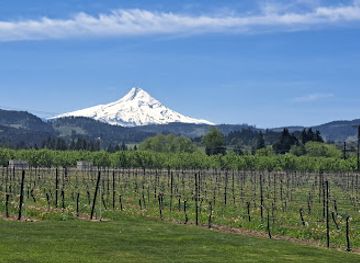
Hood River occupies a dramatic position in northern Oregon, where the Columbia River cuts through the Cascade Range and the valley opens towards Mount Hood. The city sits within the Columbia River Gorge National Scenic Area, a landscape of basalt cliffs, waterfalls, forested slopes and broad water views. Its waterfront is shaped by powerful summer winds, while the surrounding hills support orchards, vineyards and fields that give the local countryside a distinctly agricultural character.Read more about Hood River
A Small City with a Strong Outdoor Culture
Orchards, Cider and the Gorge
When is the best time to visit Hood River?
Best: June, August–September · 24–29°C| Month | High (°C) | Rainfall (mm) |
|---|---|---|
| January | 6 | 114 |
| February | 8 | 84 |
| March | 13 | 99 |
| April | 16 | 66 |
| May | 20 | 51 |
| June (best) | 24 | 36 |
| July | 29 | 10 |
| August (best) | 29 | 13 |
| September (best) | 25 | 31 |
| October | 18 | 66 |
| November | 11 | 102 |
| December | 7 | 119 |
Getting to and around Hood River
How to get there
Transportation
Best attractions in Hood River
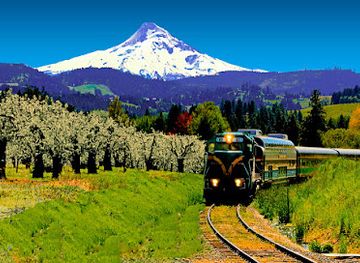
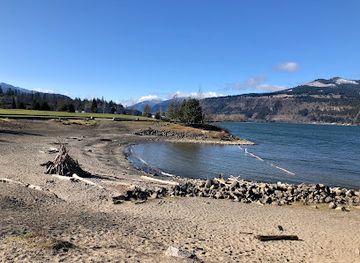
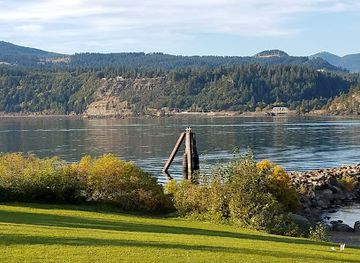
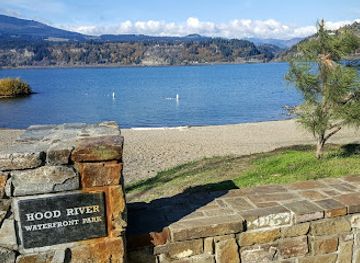
Hood River’s attractions bring together river scenery, local history and the outdoor culture of the Columbia Gorge. Hood River Waterfront Park and the Event Site offer broad views across the Columbia and a close look at windsurfers and kiteboarders when conditions are favourable. In town, the Hood River History Museum interprets Indigenous, maritime, agricultural and community stories, while the Western Antique Aeroplane & Automobile Museum presents an extensive collection of historic aircraft, cars and related machinery at the city’s airport. The Mount Hood Railroad provides a heritage-style excursion through the valley, with views that change from town and orchards to foothills. Beyond the centre, the Fruit Loop leads through farm country where seasonal produce, cider and wine reflect the valley’s working landscape. Hikers and cyclists can also use Hood River as a base for exploring the wider Columbia River Gorge, although many waterfalls, trailheads and viewpoints lie outside the city itself.
-
Tourist attraction
Mount Hood Railroad
Explore the stunning landscapes of Oregon aboard the Mount Hood Railroad, a scenic journey through the Columbia River Gorge and historic charm.
18 min walk · 1.4 km from city centre
-
City park
Hood River Waterfront Park
Discover the beauty and recreational opportunities at Hood River Waterfront Park, a gem of the Columbia River Gorge in Oregon.
16 min walk · 1.3 km from city centre
-
Tourist attraction
Hood River Event Site
Discover the Hood River Event Site, a premier destination for outdoor adventure, stunning landscapes, and vibrant community events in Oregon's beautiful Columbia River Gorge.
5 min drive · 1.6 km from city centre
-
Tourist attraction
Children's Park
Discover the joy of play and community at Children's Park, a perfect family retreat in Hood River, Oregon.
10 min walk · 0.8 km from city centre

Best landmarks in Hood River
Hood River’s landmarks express its development as a Columbia River port, agricultural centre and outdoor town. The Hood River Hotel, a historic downtown building, reflects the commercial importance the city gained through railway and river connections. The Hood River County Courthouse and neighbouring historic streets provide a sense of the civic scale and early twentieth-century architecture that shaped the centre. The Columbia River itself is the city’s defining geographic landmark, with the Hood River Bridge linking Oregon and Washington and carrying traffic across one of the gorge’s broadest stretches. The Columbia Gorge Hotel, on the city’s western side, is another notable historic property associated with early automobile tourism in the gorge. Around these structures, preserved shopfronts and residential buildings show how a fruit-growing community developed a distinct urban identity without losing its connection to orchards, mountains and the river.
-
Pizza
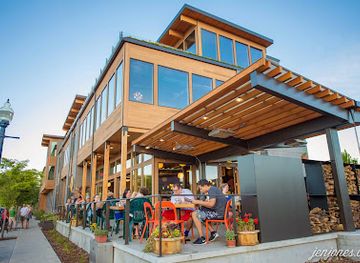
Solstice Wood Fire Pizza - Cafe & Bar
Experience the best wood-fired pizza in Hood River at Solstice Wood Fire Pizza - Cafe & Bar, where quality ingredients meet a cozy atmosphere.
17 min walk · 1.3 km from city centre
-
Tourist attraction
Mount Hood Railroad
Discover the breathtaking beauty of Oregon aboard Mount Hood Railroad, where scenic journeys through the Columbia River Gorge come alive.
18 min walk · 1.4 km from city centre
-
City park
Hood River Waterfront Park
Discover the natural beauty and recreational wonders of Hood River Waterfront Park, a serene escape along the Columbia River in Oregon.
16 min walk · 1.3 km from city centre
-
Brewpub
Ferment Brewing Company
Experience the best of craft beer and local cuisine at Ferment Brewing Company, nestled in scenic Hood River, Oregon.
18 min walk · 1.4 km from city centre
Explore Hood River on the map
Plan your Hood River trip on one map. See where the top attractions, landmarks, restaurants, bars and hotels are, find what's near where you're staying, and book hotels and experiences in a few clicks.
Best hotels in Hood River
Best restaurants in Hood River
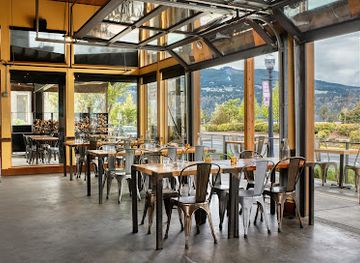
Hood River’s food scene is closely tied to the fertile valley surrounding it. Apples, pears, cherries, berries and other orchard produce appear in seasonal menus, baked goods, preserves and drinks, while local cideries and wineries give the area a strong beverage identity. Downtown restaurants range from casual cafés and bakeries to independent dining rooms, breweries and pizzerias, with menus often shaped by Pacific Northwest ingredients and the region’s outdoor-oriented clientele. Farm stands and seasonal businesses along the Fruit Loop provide another way to sample the agricultural landscape, particularly during harvest periods. Craft beer and hard cider are especially characteristic, while coffee shops serve as informal meeting places for residents, cyclists and river-sport visitors. Availability and opening patterns vary in the countryside, so rural food and drink stops should be treated as part of a planned valley outing rather than assumed to operate like city-centre restaurants.
-
Pizza
Solstice Wood Fire Pizza - Cafe & Bar
Experience unique wood-fired pizzas made with fresh local ingredients in Hood River's stunning Columbia River Gorge.
17 min walk · 1.3 km from city centre
-
Cafe
Egg River Café
Experience the best breakfast in Hood River at Egg River Café, where fresh ingredients meet cozy ambiance.
4 min walk · 0.4 km from city centre
-
American
Bette's Place
Discover Bette's Place in Hood River: A beloved American breakfast spot known for its delicious dishes and welcoming atmosphere.
14 min walk · 1.1 km from city centre
-
New American
KickStand Coffee & Kitchen
Discover the vibrant flavors of New American cuisine at KickStand Coffee & Kitchen in Hood River—where every bite tells a story.
5 min walk · 0.4 km from city centre
Best bars in Hood River
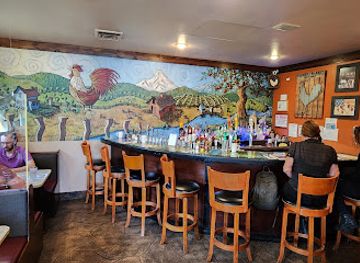
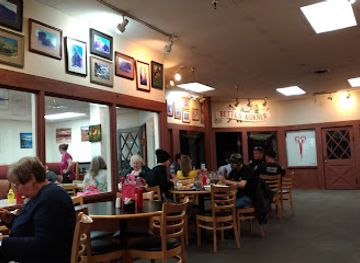
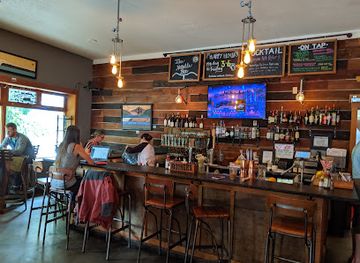
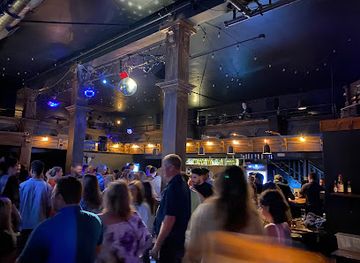
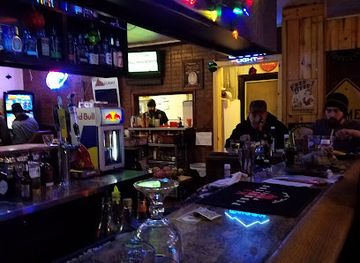
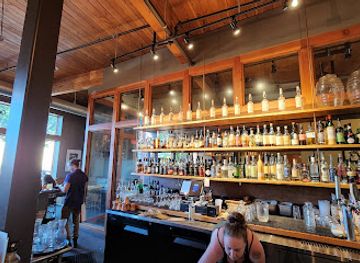
Evenings in Hood River are generally social and relaxed rather than centred on large nightclubs. Downtown pubs, breweries, cider-focused venues, wine bars and restaurants provide places to meet after a day on the river or in the gorge, and live music or community events may add to the programme at particular times of year. The town’s beverage culture reflects its orchard and farming economy, with hard cider and regional wine complementing locally produced beer. The waterfront and downtown can feel lively during summer weekends and wind-sport events, but the city remains a small destination with an early-rising outdoor culture rather than a late-night entertainment capital. Evening walks are pleasant in central areas, while rural tasting rooms and valley venues require designated transport and careful attention to road conditions.
-
Pizza
Solstice Wood Fire Pizza - Cafe & Bar
Experience the best wood-fired pizzas in Hood River at Solstice Wood Fire Pizza, where local flavors meet a cozy atmosphere in a scenic setting.
17 min walk · 1.3 km from city centre
-
Bar
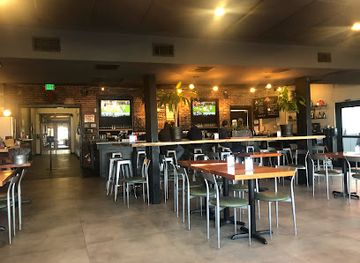
Riverside
Experience the charm of Riverside in Hood River, where scenic views meet delicious food and drink.
7 min drive · 2.5 km from city centre
-
Brewery
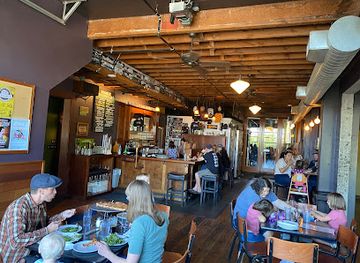
Double Mountain Brewery
Explore the flavors of craft beer and artisan pizza at Double Mountain Brewery, a must-visit spot in Hood River, Oregon.
15 min walk · 1.2 km from city centre
-
Brewpub
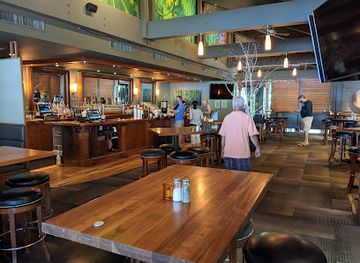
Full Sail Brewing Company
Discover the essence of craft brewing at Full Sail Brewing Company in Hood River, Oregon, where great beer meets delicious food.
14 min walk · 1.1 km from city centre
Best nightclubs in Hood River
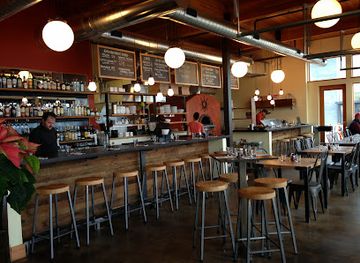
Evenings in Hood River are generally social and relaxed rather than centred on large nightclubs. Downtown pubs, breweries, cider-focused venues, wine bars and restaurants provide places to meet after a day on the river or in the gorge, and live music or community events may add to the programme at particular times of year. The town’s beverage culture reflects its orchard and farming economy, with hard cider and regional wine complementing locally produced beer. The waterfront and downtown can feel lively during summer weekends and wind-sport events, but the city remains a small destination with an early-rising outdoor culture rather than a late-night entertainment capital. Evening walks are pleasant in central areas, while rural tasting rooms and valley venues require designated transport and careful attention to road conditions.
-
Grill
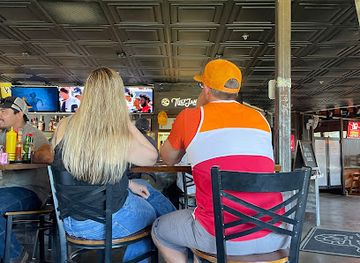
Tilly Jane's Sports Bar & Grill
Experience the vibrant flavors and lively atmosphere at Tilly Jane's Sports Bar & Grill in Hood River, where every meal is a celebration of good food and great company.
18 min walk · 1.4 km from city centre
-
Cocktail bar
Whiskey Tango
Experience the vibrant nightlife of Hood River at Whiskey Tango, where innovative cocktails and a welcoming atmosphere await you.
17 min walk · 1.4 km from city centre
-
Bar
Red Carpet Inn
Discover the lively ambiance of Red Carpet Inn in Hood River, where local charm meets vibrant nightlife in a welcoming bar setting.
5 min drive · 1.5 km from city centre
-
Bar
Camp 1805 Distillery & Bar
Discover the art of craft distilling at Camp 1805 Distillery & Bar in Hood River, Oregon, where every sip tells a story of local flavors.
17 min walk · 1.3 km from city centre
Best shops in Hood River
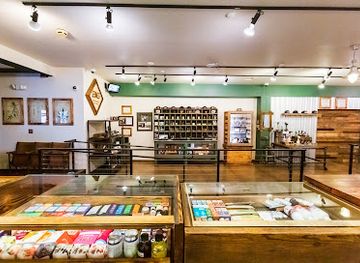
Shopping in Hood River is concentrated around the historic downtown streets, where independent clothing shops, outdoor retailers, galleries, bookshops, gift stores and cafés serve both residents and visitors. Outdoor equipment reflects the city’s relationship with windsurfing, kiteboarding, cycling, hiking and skiing, while local galleries and craft shops often feature work from artists living in the Columbia Gorge. Seasonal markets and farm stands offer a more direct connection with the valley’s agricultural economy, including apples, pears, cherries, preserves, honey and other regional products when available. The Fruit Loop adds rural shops and tasting-room sales to the shopping landscape, although individual businesses may be seasonal. Souvenirs connected with the gorge, Mount Hood and local outdoor culture are common, but the most distinctive purchases are often edible or agricultural rather than mass-produced.
-
Cannabis store
Gorge Greenery All Things Cannabis- Marijuana Dispensary Hood River
Discover the best of cannabis culture at Gorge Greenery, Hood River's premier destination for quality products and expert advice on all things cannabis.
18 min walk · 1.5 km from city centre
-
Grocery store
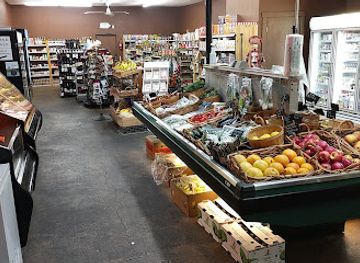
Farm Stand in the Gorge
Explore the charm of Farm Stand in the Gorge, where fresh local produce meets organic dining in the heart of Hood River, Oregon.
9 min walk · 0.7 km from city centre
-
Hobby store
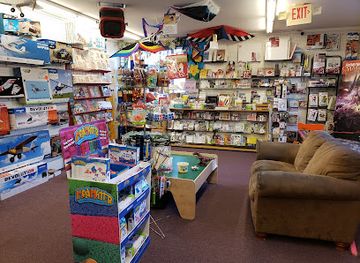
Hood River Hobbies, LLC
Discover a world of creativity and fun at Hood River Hobbies - your go-to destination for arts, crafts, games, and more in Oregon's scenic Hood River.
15 min walk · 1.2 km from city centre
-
Organic food store
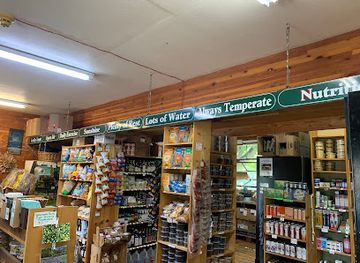
Treebird Market
Explore Treebird Market in Hood River, a premier destination for organic and locally-sourced food, perfect for food lovers and sustainability advocates.
6 min drive · 1.9 km from city centre
Get your free copy of our complete guide to Hood River, delivered straight to you.
Everything on this page, from attractions and restaurants to essentials and local phrases, in one PDF you can read offline, print or share.
Already have an account? Sign in
Your Hood River guide is ready.
We'll send it to · Not you? Sign out

Getting your guide ready…
We are putting together a fresh copy of the Hood River guide. This can take up to a minute.
This can take a few moments. If your browser asks, choose Allow so the download can start. You'll find the guide in your Downloads folder.
Nothing happened? Download it again
Sorry, the guide is taking longer than usual. Please try again in a minute, or get it by email instead.
Hood River essentials
Currency and Payment
Safety
Emergency Situations
Do's and Don'ts
Local Tips
From Eve
Local phrases worth knowing
You don't need to get them perfect. A few words go a long way, and locals appreciate the effort.
Basics
| English | Local | Say it |
|---|---|---|
| Hello | Hey | [hey] |
| Goodbye | Later | [lay-ter] |
| Yes | Yep | [yep] |
| No | Nah | [nah] |
| Please/You're welcome | Please/You're welcome | [please/yer welcome] |
| Thank you | Thanks | [thanks] |
| Excuse me/Sorry | Excuse me/Sorry | [excuse me/sorry] |
| How are you? | How are you? | [how are you?] |
| Fine. And you? | Good. And you? | [good. and you?] |
| Do you speak English? | Do you speak English? | [do you speak english?] |
| I don't understand | I don't get it | [i don't get it] |
Eating & Drinking
| English | Local | Say it |
|---|---|---|
| I'd like to see the menu, please | Can I see the menu, please | [can eye see the menu, please] |
| I don't eat meat | I don't eat meat | [i don't eat meat] |
| Cheers! | Cheers! | [cheers!] |
| I would like to pay, please | I'll pay now, please | [i'll pay now, please] |
Emergencies
| English | Local | Say it |
|---|---|---|
| Help! | Help! | [help!] |
| Go away! | Get outta here! | [get outta here!] |
| Call the Police! | Call the cops! | [call the cops!] |
| Call a doctor! | Get a doctor! | [get a doctor!] |
| I'm lost | I'm lost | [i'm lost] |
| I'm ill | I'm sick | [i'm sick] |
Shopping
| English | Local | Say it |
|---|---|---|
| I'd like to buy... | I wanna buy... | [i wanna buy...] |
| I'm just looking | I'm just looking | [i'm just looking] |
| How much is it? | How much does it cost? | [how much does it cost?] |
| That's too expensive | That's too much | [that's too much] |
| Can you lower the price? | Can you make it cheaper? | [can you make it cheaper?] |
Time & Numbers
| English | Local | Say it |
|---|---|---|
| What time is it? | What time is it? | [what time is it?] |
| It's one o'clock | It's one o'clock | [it's one o'clock] |
| Half past (10) | Half past ten | [half past ten] |
| Morning | Morning | [morning] |
| Afternoon | Afternoon | [afternoon] |
| Evening | Evening | [evening] |
| Yesterday | Yesterday | [yesterday] |
| Today | Today | [today] |
| Tomorrow | Tomorrow | [tomorrow] |
| 1 | One | [one] |
| 2 | Two | [two] |
| 3 | Three | [three] |
| 4 | Four | [four] |
| 5 | Five | [five] |
| 6 | Six | [six] |
| 7 | Seven | [seven] |
| 8 | Eight | [eight] |
| 9 | Nine | [nine] |
| 10 | Ten | [ten] |
Transport & Directions
| English | Local | Say it |
|---|---|---|
| Where's a/the...? | Where's the...? | [where's the...?] |
| What's the address? | What's the address? | [what's the address?] |
| Can you show me (on the map)? | Can you show me (on the map)? | [can you show me (on the map)?] |
| When's the next (bus)? | When's the next (bus)? | [when's the next (bus)?] |
| A ticket (to ....) | A ticket to ... | [a ticket to ...] |
History of Hood River
Indigenous Columbia River Homelands
The Hood River valley lies within the traditional homelands of Columbia River peoples, including Wasco communities whose lives were closely connected with fishing, trade, gathering and travel along the river. The Columbia was a major cultural and commercial corridor long before the arrival of American settlers, linking communities on both sides of the Cascades. Indigenous presence continues in the region, although nineteenth-century colonisation, disease, dispossession and treaty-era changes profoundly disrupted established lifeways. The river, fishing sites and mountain landscapes remain central to understanding the area’s history, and visitors should view Hood River’s later development within this much older cultural geography.
Exploration and the Hood River Name
The Columbia River became increasingly familiar to European and American explorers and traders during the late eighteenth and early nineteenth centuries. British navigator George Vancouver recorded the name Hood River in 1792, probably honouring Admiral Samuel Hood. The Lewis and Clark Expedition travelled through the wider Columbia corridor in 1805 and 1806, although the later town of Hood River had not yet developed. Fur trading, missionary activity and river commerce expanded the region’s connections with the outside world, while growing American settlement brought profound changes to Indigenous communities and land ownership.
Settlement and the First Town
Permanent American settlement increased during the nineteenth century, supported by the Columbia River’s transport possibilities and the valley’s fertile soils. The community was first known as Dog River before the name Hood River became established; the town was incorporated in 1895. River traffic and the arrival of rail connections helped move timber, agricultural goods and passengers through the gorge. Commercial buildings, homes and civic institutions followed, forming the historic urban core that still gives downtown its scale and architectural character.
Orchards, Timber and Irrigation
Hood River’s modern economy was shaped by a combination of timber, transport and intensive fruit growing. Apples, pears and cherries proved well suited to the valley, and irrigation helped make commercial orchards more productive. Cooperative packing and shipping connected local growers with markets beyond Oregon, while the river and railway supported the movement of crops and lumber. The agricultural landscape visible around the city today is therefore not incidental scenery but the result of decades of horticultural investment, changing farming practices and communities built around seasonal work and fruit production.
A New Outdoor Identity
During the twentieth century, Hood River retained its agricultural base while developing a powerful recreational identity. The Columbia River’s reliable summer winds attracted windsurfers and later kiteboarders, making the city an important centre for wind sports. Improved roads and regional tourism also brought visitors interested in the Columbia River Gorge, Mount Hood, hiking, cycling, wine and craft beverages. The result is a city where orchard agriculture, historic commerce and outdoor recreation coexist, with the waterfront and surrounding countryside both playing central roles in contemporary identity.
Hood River in Photos
Browse through our photo collection highlighting the charm and character of the destination.
Cities near Hood River
The closest cities to Hood River, if you have time for more than one stop.
-

-

-

-
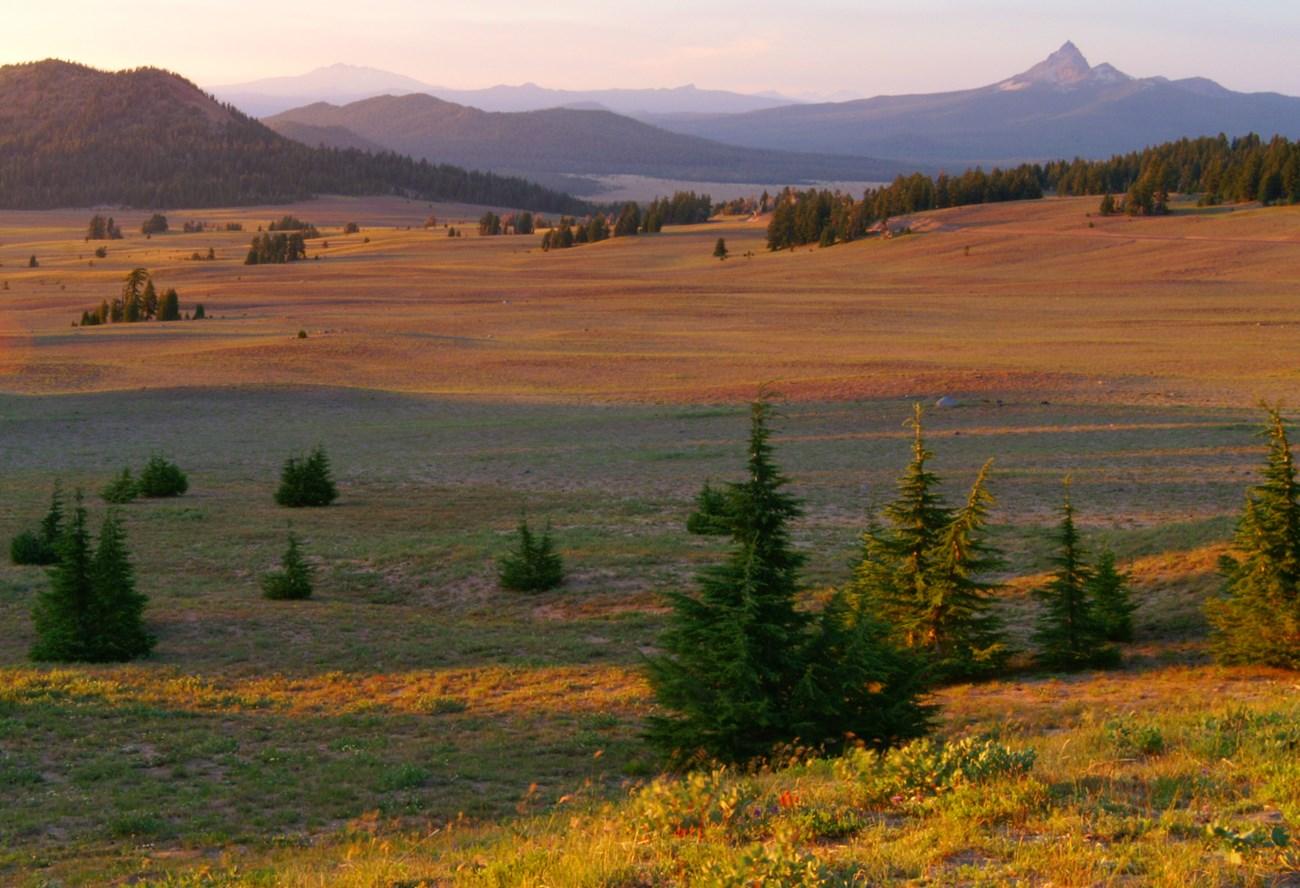 Klamath Falls
 blends high-desert scenery, Native heritage, wildlife refuges, outdoor adventure and small-city culture in southern Oregon, near Crater Lake.
6 h 48 min drive · 388 km from city centre
Klamath Falls
Klamath Falls blends high-desert scenery, Native heritage, wildlife refuges, outdoor adventure and small-city culture in southern Oregon, near Crater Lake.
6 h 48 min drive · 388 km from city centre


Swipe for more cities
Explore more

Explore more of Oregon
Discover Oregon's diverse landscapes, vibrant cities, and rich culture. From stunning coastlines to lush forests, this Pacific Northwest gem offers endless adventures.
Explore Oregon