

Free The Dalles Travel Guide & Mobile App
Plan your The Dalles trip with Evendo. Get free guides to top attractions, restaurants, hotels, and bars. Web access or download the mobile app.


The Dalles, Oregon, pairs Columbia River scenery with frontier history, local museums, scenic drives, vineyards, breweries and high-desert culture.
River, Plateau and Living Heritage
The Dalles occupies a broad terrace on the Oregon bank of the Columbia River, where the wetter landscapes of the western Gorge begin to give way to open grassland, basalt cliffs and the dry, luminous country of north-central Oregon. The city’s position at a natural passage through the Cascade Range has shaped its identity for thousands of years. Wasco and Wishram peoples used the river corridor for fishing, trade and travel long before Euro-American settlement, while later wagon roads, military expeditions and river commerce made The Dalles an important meeting point between coast and interior.Read more about The Dalles
Historic Streets and Cultural Collections
Orchards, Water and Open Country
When is the best time to visit The Dalles?
Best: May–June, September · 22–26°C| Month | High (°C) | Rainfall (mm) |
|---|---|---|
| January | 7 | 70 |
| February | 9 | 60 |
| March | 14 | 50 |
| April | 17 | 40 |
| May (best) | 22 | 30 |
| June (best) | 26 | 15 |
| July | 31 | 10 |
| August | 30 | 10 |
| September (best) | 26 | 15 |
| October | 19 | 40 |
| November | 11 | 50 |
| December | 6 | 60 |
Getting to and around The Dalles
How to get there
Transportation
Best attractions in The Dalles
The Dalles’ attractions bring together river scenery, regional history and the distinctive geology of the Columbia Gorge. At the Columbia Gorge Discovery Center and Museum, exhibits interpret Ice Age floods, Indigenous cultures, wildlife and the forces that shaped the surrounding cliffs and plateaux. The Fort Dalles Museum occupies the former Surgeon’s Quarters and examines the nineteenth-century military post and settlement that followed. Downtown, the National Neon Sign Museum offers an unusual collection of illuminated commercial signs, while The Dalles Art Center presents changing exhibitions in a historic setting. For open-air sightseeing, the Riverfront Trail follows the Columbia and links waterfront views with parks and industrial heritage, and Sorosis Park provides a high vantage point across the city and river. The Dalles Dam and the nearby eastern Gorge add further opportunities to understand the modern Columbia, though access and conditions can vary seasonally.
-
Tourist attraction
Sorosis Park
Experience the breathtaking views and serene landscapes of Sorosis Park in The Dalles, Oregon, a perfect retreat for nature lovers and outdoor explorers.
15 min walk · 1.2 km from city centre
-
Tourist attraction
Lewis & Clark Festival Park
Explore the scenic beauty and historical significance of Lewis & Clark Festival Park, a serene retreat along the Columbia River in The Dalles, Oregon.
12 min walk · 1.0 km from city centre
-
Tourist attraction
National Neon Sign Museum
Explore the vibrant history of neon signage at the National Neon Sign Museum in The Dalles, Oregon—where art meets nostalgia.
10 min walk · 0.8 km from city centre
-
Tourist attraction
Fort Dalles Museum and Anderson Homestead
Experience the captivating history of The Dalles through engaging exhibits at Fort Dalles Museum and Anderson Homestead, a must-visit tourist attraction.
18 min walk · 1.5 km from city centre
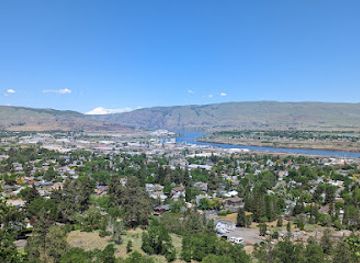


Best landmarks in The Dalles
The Dalles’ most meaningful landmarks are tied to the Columbia River, military expansion and the city’s commercial growth. The Fort Dalles Museum’s former Surgeon’s Quarters is a surviving nineteenth-century military building and one of the clearest physical reminders of the post that helped establish the settlement’s strategic role. Downtown’s historic commercial blocks preserve brick façades, upper-storey windows and civic architecture from the era when river shipping, railways and regional agriculture generated prosperity. The Dalles Dam, completed in 1957, represents the twentieth-century transformation of the Columbia for hydroelectricity and navigation, while also standing in the shadow of the flooded Celilo Falls and their enduring Indigenous significance. The Riverfront’s industrial and transport landscapes show how closely the city developed alongside the waterway, and Sorosis Park offers a broad view of the city’s terrace, river and surrounding basalt country.
-
Hotel
Cousins' Country Inn
Experience the charm of Cousins' Country Inn, your cozy retreat in The Dalles, Oregon, blending comfort with delicious dining and local adventures.
9 min drive · 3.1 km from city centre
-
Park
Sorosis Park
Discover the serene allure of Sorosis Park in The Dalles, Oregon, featuring stunning mountain views and lush landscapes for a perfect outdoor escape.
15 min walk · 1.2 km from city centre
-
Museum
National Neon Sign Museum
Explore the vibrant history of neon signage at the National Neon Sign Museum in The Dalles, Oregon, where art meets nostalgia in a dazzling display.
10 min walk · 0.8 km from city centre
-
History museum
Fort Dalles Museum and Anderson Homestead
Discover the captivating history of The Dalles at Fort Dalles Museum and Anderson Homestead, a treasure trove of artifacts and stories from the past.
18 min walk · 1.5 km from city centre


Explore The Dalles on the map
Plan your The Dalles trip on one map. See where the top attractions, landmarks, restaurants, bars and hotels are, find what's near where you're staying, and book hotels and experiences in a few clicks.
Best hotels in The Dalles
Best restaurants in The Dalles
The Dalles’ food culture reflects the productive landscape around the Columbia River, where orchards, vineyards, wheat country and ranches supply seasonal ingredients to a modest but varied local dining scene. Cherries, pears, apples and other orchard fruits are especially associated with the surrounding area, while Columbia River salmon and other Northwest ingredients appear in regional cooking when responsibly sourced. Downtown offers cafés, bakeries, casual restaurants and independent places serving American and Pacific Northwest fare, with breweries and taprooms adding locally made beer to the mix. Farmers’ markets and direct-from-producer stands, when operating seasonally, provide a way to encounter fruit, preserves, baked goods and other regional products. Dining is generally more relaxed and dispersed than in Portland, with much of the city’s food activity concentrated around the historic centre and main commercial roads.
-
Traditional American
Cousins' Restaurant & Saloon
Experience the charm of traditional American dining at Cousins' Restaurant & Saloon in The Dalles - where family-friendly meets flavor.
9 min drive · 3.1 km from city centre
-
Hamburger
Big Jim's Drive In Restaurant
Experience the best of classic American fast food at Big Jim's Drive In Restaurant in The Dalles - burgers, fries & ice cream await!
9 min drive · 2.9 km from city centre
-
Pizza
Spooky's Pizza
Discover Spooky's Pizza in The Dalles for delicious pizzas, fresh salads, and hearty sandwiches served in a cozy atmosphere.
12 min drive · 4.1 km from city centre
-
Hamburger
Burgerville
Savor the flavors of Oregon at Burgerville – where fresh ingredients meet delicious burgers in a charming atmosphere.
12 min walk · 1.0 km from city centre


Best bars in The Dalles
The Dalles has a compact, low-key evening scene rather than a large club district. Downtown and the main commercial streets contain pubs, breweries, taprooms and casual bars where residents gather over locally produced beer, conversation and food. Wine from the wider Columbia Gorge also features in the region’s evening culture, with tasting rooms and wine-focused venues found in the surrounding countryside rather than concentrated solely in the city centre. Live music, community performances, gallery events and seasonal festivals can provide alternatives to drinking, although programming changes throughout the year. Evenings generally become quieter once restaurants and cultural venues close, and visitors should expect a relaxed regional atmosphere rather than late-night entertainment on the scale of Portland.
-
Bar
Cousins' Restaurant & Saloon
Experience the rich flavors of traditional American cuisine at Cousins' Restaurant & Saloon in The Dalles, Oregon, where comfort meets charm.
9 min drive · 3.1 km from city centre
-
Pub
Rivertap Restaurant and Pub
Experience the best of Oregon's culinary scene at Rivertap Restaurant and Pub, where delicious food meets live music in a family-friendly atmosphere.
6 min walk · 0.5 km from city centre
-
Brunch
Petite Provence Boulangerie & Patisserie
Experience the charm of a French bakery at Petite Provence Boulangerie & Patisserie in The Dalles, Oregon, featuring exquisite pastries and brunch delights.
8 min walk · 0.7 km from city centre
-
Grill
Zim's Sports Bar and Grill
Experience the vibrant flavors and lively atmosphere at Zim's Sports Bar and Grill in The Dalles, Oregon, a top destination for food and fun.
7 min walk · 0.5 km from city centre


Best nightclubs in The Dalles
The Dalles has a compact, low-key evening scene rather than a large club district. Downtown and the main commercial streets contain pubs, breweries, taprooms and casual bars where residents gather over locally produced beer, conversation and food. Wine from the wider Columbia Gorge also features in the region’s evening culture, with tasting rooms and wine-focused venues found in the surrounding countryside rather than concentrated solely in the city centre. Live music, community performances, gallery events and seasonal festivals can provide alternatives to drinking, although programming changes throughout the year. Evenings generally become quieter once restaurants and cultural venues close, and visitors should expect a relaxed regional atmosphere rather than late-night entertainment on the scale of Portland.
-
Traditional American
Cousins' Restaurant & Saloon
Experience the essence of traditional American dining at Cousins' Restaurant & Saloon, a family-friendly gem in The Dalles, Oregon.
9 min drive · 3.1 km from city centre
-
Pub
Rivertap Restaurant and Pub
Discover Rivertap Restaurant and Pub, where great food meets live music in the heart of The Dalles, Oregon.
6 min walk · 0.5 km from city centre
-
Grill
Zim's Sports Bar and Grill
Discover the vibrant atmosphere and delicious offerings at Zim's Sports Bar and Grill in The Dalles, where every meal is a celebration of flavor.
7 min walk · 0.5 km from city centre
-
Restaurant
Bargeway Pub
Experience the best of The Dalles at Bargeway Pub, where delicious meals and a welcoming atmosphere await every visitor.
8 min drive · 2.6 km from city centre


Best shops in The Dalles
Shopping in The Dalles centres on the historic downtown and its independent businesses rather than a large metropolitan retail district. Visitors can browse antique and vintage shops, galleries, locally made art, gifts, books and practical outdoor goods among the older commercial buildings, while the wider shopping area provides everyday services and larger retailers. The Dalles Art Center is a useful reference point for the local creative scene, with exhibitions that reflect artists working in the Columbia Gorge and high-desert environment. Seasonal farmers’ markets and farm stands bring orchard fruit, preserves, baked goods, flowers and other regional produce into the city, while nearby wineries and producers offer Gorge-grown food and drink. Good purchases are often connected to place: Northwest art, regional produce, locally made craft goods and objects inspired by the river landscape.
-
Shopping mall
Cascade Square
Discover the vibrant shopping experience at Cascade Square, The Dalles' premier shopping mall featuring diverse stores and dining options.
7 min drive · 2.3 km from city centre
-
Grocery store
Fred Meyer
Explore Fred Meyer in The Dalles for a complete grocery shopping experience, from fresh produce to propane supplies, all under one roof.
6 min drive · 2.1 km from city centre
-
Book store
Klindt's Booksellers & Stationers
Explore a treasure trove of books and stationery at Klindt's Booksellers & Stationers in The Dalles, Oregon, where literary adventures await.
9 min walk · 0.8 km from city centre
-
Shopping mall
Columbia River Center
Explore the Columbia River Center, your ultimate shopping destination in The Dalles, Oregon, surrounded by stunning natural beauty.
5 min drive · 1.7 km from city centre


Get your free copy of our complete guide to The Dalles, delivered straight to you.
Everything on this page, from attractions and restaurants to essentials and local phrases, in one PDF you can read offline, print or share.
Already have an account? Sign in
Your The Dalles guide is ready.
We'll send it to · Not you? Sign out

Getting your guide ready…
We are putting together a fresh copy of the The Dalles guide. This can take up to a minute.
This can take a few moments. If your browser asks, choose Allow so the download can start. You'll find the guide in your Downloads folder.
Nothing happened? Download it again
Sorry, the guide is taking longer than usual. Please try again in a minute, or get it by email instead.
The Dalles essentials
Currency and Payment
Safety
Emergency Situations
Do's and Don'ts
Local Tips
From Eve
Local phrases worth knowing
You don't need to get them perfect. A few words go a long way, and locals appreciate the effort.
Basics
| English | Local | Say it |
|---|---|---|
| Hello | Howdy | [haw-dee] |
| Goodbye | See ya | [see yuh] |
| Yes | Yep | [yep] |
| No | Nah | [nah] |
| Please/You're welcome | Please/You're welcome | [please/yur welcome] |
| Thank you | Thanks | [thanks] |
| Excuse me/Sorry | Pardon me | [par-dun me] |
| How are you? | How's it goin'? | [hows it go-in] |
| Fine. And you? | Good. You? | [good. yuh] |
| Do you speak English? | Ya speak English? | [ya speak ing-lish] |
| I don't understand | I ain't gettin' ya | [I aint get-tin yuh] |
Eating & Drinking
| English | Local | Say it |
|---|---|---|
| I'd like to see the menu, please | Can I check out the menu? | [ken I chek out the men-yoo] |
| I don't eat meat | I don't do meat | [I don't do meat] |
| Cheers! | Cheers! | [cheers] |
| I would like to pay, please | I'm ready to settle up | [I'm rea-dy to set-tle up] |
Emergencies
| English | Local | Say it |
|---|---|---|
| Help! | Help! | [help] |
| Go away! | Git! | [git] |
| Call the Police! | Ring the cops! | [ring the cops] |
| Call a doctor! | Get a doc! | [get a doc] |
| I'm lost | I'm turned around | [I'm turned around] |
| I'm ill | I'm feelin' rough | [I'm feel-in ruf] |
Shopping
| English | Local | Say it |
|---|---|---|
| I'd like to buy... | I'm lookin' to buy... | [I'm look-in to buy] |
| I'm just looking | Just browse'n | [just brows-in] |
| How much is it? | What's the damage? | [whats the dam-age] |
| That's too expensive | That's spendy | [that's spen-dee] |
| Can you lower the price? | Can ya do it cheaper? | [can ya do it chee-per] |
Time & Numbers
| English | Local | Say it |
|---|---|---|
| What time is it? | What time is it? | [what time is it] |
| It's one o'clock | It's one o'clock | [it's one o'clock] |
| Half past (10) | Half past ten | [half past ten] |
| Morning | Morning | [morning] |
| Afternoon | Afternoon | [afternoon] |
| Evening | Evening | [evening] |
| Yesterday | Yesterday | [yester-day] |
| Today | Today | [to-day] |
| Tomorrow | Tomorrow | [to-mor-row] |
| 1 | 1 | [1] |
| 2 | 2 | [2] |
| 3 | 3 | [3] |
| 4 | 4 | [4] |
| 5 | 5 | [5] |
| 6 | 6 | [6] |
| 7 | 7 | [7] |
| 8 | 8 | [8] |
| 9 | 9 | [9] |
| 10 | 10 | [10] |
Transport & Directions
| English | Local | Say it |
|---|---|---|
| Where's a/the...? | Where's the...? | [wheres the] |
| What's the address? | What's the address? | [whats the address] |
| Can you show me (on the map)? | Can ya show me (on the map)? | [can ya show me (on the map)] |
| When's the next (bus)? | When's the next (bus)? | [whens the next (bus)] |
| A ticket (to ....) | A ticket (to ....) | [a ticket (to)] |
History of The Dalles
Wasco and Wishram River Life
The Dalles lies within the traditional homelands of Wasco and Wishram peoples, whose communities were connected to the Columbia River’s fishing stations, trails and trading networks. The river corridor was especially important around Celilo Falls, where salmon fishing and intertribal exchange continued for generations. The rapids were not simply a natural feature but an economic, social and spiritual centre, linking peoples from the Pacific coast, Plateau and interior Northwest. Archaeological evidence and Indigenous cultural traditions demonstrate the depth of this history, which predates the later city by many centuries. The inundation of Celilo Falls by The Dalles Dam in 1957 transformed the river landscape and disrupted an ancient fishery, making the site a central subject in the region’s modern historical memory.
Exploration and Missionary Encounters
The Columbia River became a route for maritime exploration, fur trading and missionary activity during the early nineteenth century, bringing new commercial networks and severe disruption to Indigenous communities. The Dalles developed as a strategic stopping point because travellers moving between the lower Columbia, the interior Plateau and the emerging routes across the Cascades naturally converged here. Overland migration later intensified after roads and wagon routes connected the river to the Willamette Valley. These encounters introduced disease, land pressure and political change, while also establishing the transport geography that would make the settlement important to the expanding United States.
Fort Dalles and Territorial Expansion
The United States Army established Fort Dalles in 1850 during a period of rapid territorial expansion and conflict in the Pacific Northwest. The post supported military operations, protected transport routes and served as a base during the era of the Yakama War in the 1850s. Although much of the original fort disappeared as the town expanded, the former Surgeon’s Quarters survives as the Fort Dalles Museum, providing a tangible link to this complicated period. The settlement was incorporated as a city in 1857, and its position on the river helped it grow as a centre for trade, agriculture and transportation.
River Commerce and the Growing Town
During the later nineteenth century, The Dalles prospered through its role as a port and commercial gateway between the Columbia River and the interior. Steamboats, wagon roads and, eventually, railways moved wheat, wool, timber, fruit and manufactured goods through the town. Downtown buildings from this era record the arrival of banks, merchants, warehouses and service businesses that supported a growing regional economy. The city also stood near the eastern end of the Barlow Road, the overland route that carried Oregon Trail emigrants around Mount Hood. Agriculture became increasingly important as irrigation, transport improvements and orchard development strengthened connections between rural producers and wider markets.
The Dam and a Transformed Columbia
The completion of The Dalles Dam in 1957 altered the Columbia River between the city and the upstream communities, creating a larger reservoir and submerging Celilo Falls. The project formed part of the region’s post-war programme of hydroelectric development and navigation improvements, but its economic benefits came with profound cultural and ecological costs. Indigenous fishing rights, access to traditional sites and the river’s former rapids were affected, while the new reservoir changed shipping, recreation and the appearance of the Gorge. The modern city therefore exists within a landscape shaped both by longstanding river cultures and by twentieth-century engineering.
The Dalles in Photos
Browse through our photo collection highlighting the charm and character of the destination.
Cities near The Dalles
The closest cities to The Dalles, if you have time for more than one stop.
-

-

-

-
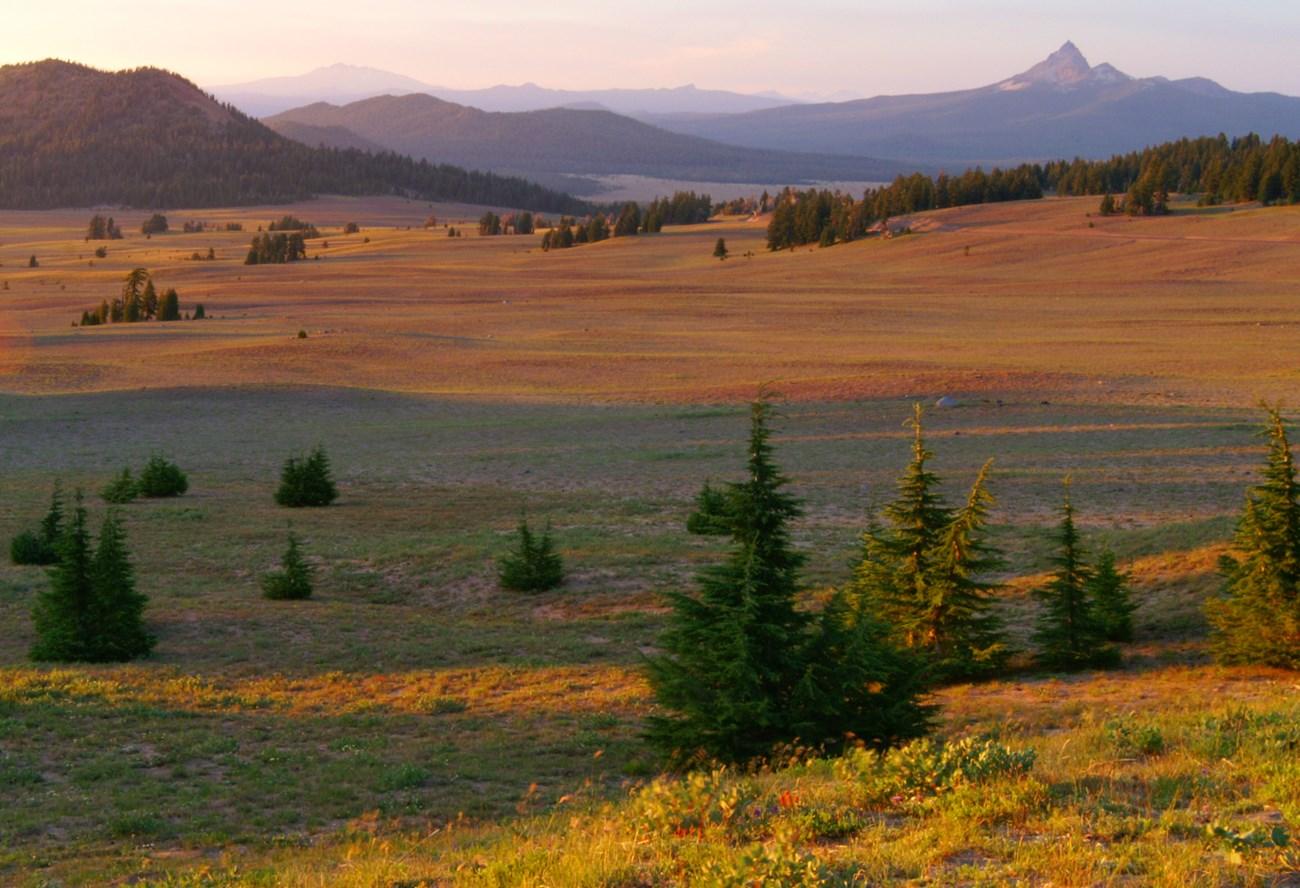 Klamath Falls
 blends high-desert scenery, Native heritage, wildlife refuges, outdoor adventure and small-city culture in southern Oregon, near Crater Lake.
6 h 38 min drive · 378 km from city centre


Swipe for more cities
Explore more

Explore more of Oregon
Discover Oregon's diverse landscapes, vibrant cities, and rich culture. From stunning coastlines to lush forests, this Pacific Northwest gem offers endless adventures.
Explore Oregon