

Free Thar Desert Travel Guide & Mobile App
Explore Thar Desert with free travel guides. Discover regional history, expert tips, proposed trips, and audio guides on web or mobile app.


Explore Pakistan’s Thar Desert for dunes, Thari culture, Nagarparkar temples, Karoonjhar Hills and long, rewarding journeys through Sindh.
Read more about Thar Desert
When is the best time to visit Thar Desert?
Best: January–February, November · 22–27°C| Month | High (°C) | Rainfall (mm) |
|---|---|---|
| January (best) | 22 | 3 |
| February (best) | 26 | 4 |
| March | 32 | 5 |
| April | 36 | 6 |
| May | 41 | 7 |
| June | 43 | 20 |
| July | 41 | 80 |
| August | 40 | 70 |
| September | 38 | 40 |
| October | 34 | 10 |
| November (best) | 27 | 5 |
| December | 22 | 3 |
Getting to and around Thar Desert
How to get there
Transportation
Best attractions in Thar Desert
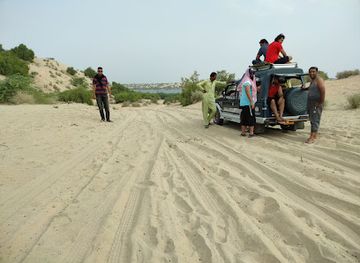
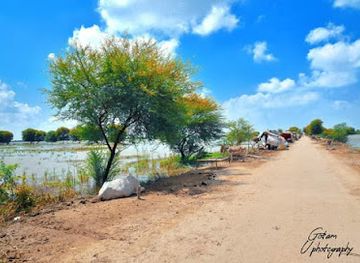
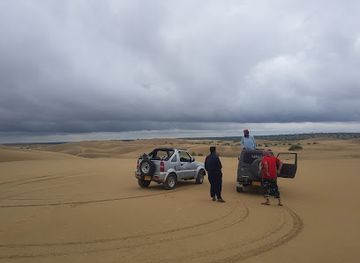
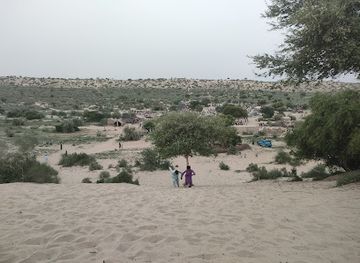
Thar’s attractions are spread across a wide, sparsely serviced landscape rather than concentrated in a single resort. Around Mithi and Islamkot, visitors encounter desert villages, craft traditions, livestock markets and broad dune country, while the southern district of Nagarparkar offers a richer combination of rocky scenery and historic architecture. The Karoonjhar Hills provide a striking contrast to the surrounding sands, with opportunities for guided walks and landscape photography where access and local conditions permit. Historic sites include Naukot Fort in the northern approach to Thar and the Hindu and Jain temples around Nagarparkar and Bhodesar. Local shrines, wells and older settlements reveal how communities adapted to scarce water. Nature is most changeable after the monsoon, when grasses and seasonal vegetation can appear across areas that are otherwise tawny and dry. Visitors should treat mining infrastructure around Islamkot as an active industrial landscape, not a conventional sightseeing attraction, and use local guidance for access. The strongest itineraries combine heritage, geology, villages and desert routes with enough time for long journeys.
-
Tourist attraction
ACHRO THAR THE WHITE DESERT
Explore Achro Thar, the mesmerizing White Desert in Sindh, Pakistan, where stunning landscapes and cultural heritage intertwine for an unforgettable experience.
-
Tourist attraction
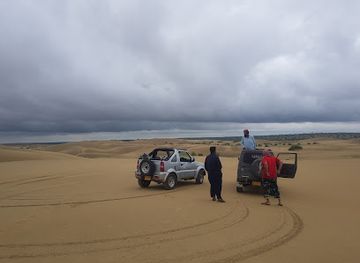
Tharparkar Desert
Explore the mesmerizing Tharparkar Desert, where vast sand dunes meet vibrant culture and unique wildlife in Sindh, Pakistan.
-
 Tourist attraction
White Desert
Explore the breathtaking beauty of the White Desert in Khairpur, Sindh, where surreal landscapes and stunning vistas await every traveler.
Best landmarks in Thar Desert
Naukot Fort is one of the most recognisable historic structures associated with the northern approach to Thar. Built as a fortified outpost, it reflects the strategic importance of controlling movement between settled Sindh and the desert. In the south, the Karoonjhar Hills form Thar’s defining natural landmark: their dark, rocky ridges rise abruptly from a predominantly sandy and flat environment and have long been important in local memory, settlement and religious traditions. Nagarparkar and nearby Bhodesar contain a notable group of Hindu and Jain temples, whose stone carvings and surviving structures testify to historic connections across Sindh, Rajasthan and Gujarat. Older wells, shrines and village buildings are less monumental but equally revealing, because they show how architecture responded to scarcity of water and intense heat. Around Islamkot, modern coal-mining installations create a very different landmark landscape, marking the region’s economic transformation. Access to religious buildings, hills and industrial areas should always follow local advice, as not every site is formally arranged for tourism.
-
Tourist attraction
ACHRO THAR THE WHITE DESERT
Explore the enchanting Achro Thar White Desert in Sindh, Pakistan, where unique landscapes and local culture await adventurous travelers.
Explore Thar Desert on the map
Plan your trip on one map. See where the top cities, national parks and sights are, and book hotels and experiences in a few clicks.
Best hotels in Thar Desert
Best restaurants in Thar Desert
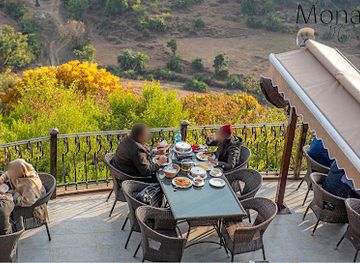
Dining in Thar is generally simple, local and closely connected to the realities of desert farming and livestock keeping. Bajra roti, made from pearl millet, is an important regional staple and may be served with vegetables, pulses, yoghurt or spicy gravies. Goat and other locally available meats appear in town restaurants and household cooking, while milk, buttermilk and lassi are widely associated with pastoral life. Seasonal greens, pulses and dried ingredients help households manage an arid climate, and dishes vary between communities and households rather than following one fixed menu. Mithi and Islamkot offer the broadest choice of modest restaurants, tea stalls and roadside eateries; in smaller settlements, food is more likely to be arranged through a guesthouse or local host. Carrying sealed water and a few familiar snacks is sensible on long journeys. Markets and family kitchens provide more insight into Thari foodways than formal dining, but visitors should ask about ingredients and preparation when religious or dietary requirements matter.
-
Restaurant
The Monal Islamabad
Experience culinary excellence at The Monal in Islamabad—where exquisite flavors meet breathtaking views.
-
Pakistani
Kolachi Restaurant
Experience authentic Pakistani cuisine with stunning sea views at Kolachi Restaurant in Karachi's Do Darya.
-
Pakistani
Haveli Restaurant
Experience authentic Pakistani cuisine amidst breathtaking views at Haveli Restaurant in Lahore's historic Walled City.
-
Pakistani
Spice Bazaar
Discover authentic Pakistani cuisine at Spice Bazaar - Lahore's finest dining experience with rich flavors and elegant ambiance.

Best bars in Thar Desert
Thar does not have a conventional bar or nightclub scene, and alcohol is not a normal part of public visitor culture. Evening life centres on tea stalls, family restaurants, guesthouse courtyards, local conversation and, on some occasions, folk music or community performances. Mithi and Islamkot have the greatest concentration of places open after dark, although opening arrangements and facilities are modest. Rural evenings are quiet and may involve gatherings, devotional music or cultural programmes arranged through local hosts rather than commercial venues. Visitors should not assume that photography or participation is appropriate without permission. The desert is especially atmospheric after sunset, but remote night excursions require local guidance, reliable transport, warm layers in cooler seasons and careful attention to safety.
-
Tourist attraction
ACHRO THAR THE WHITE DESERT
Discover the breathtaking beauty of Achro Thar, the White Desert of Sindh, Pakistan – a stunning landscape of shimmering white sands and rich cultural heritage.
-
Bar
Village Palio Khan Laghari
Discover the charm of Village Palio Khan Laghari, a vibrant bar in Sanghar, Sindh, where local hospitality meets a relaxed atmosphere.
-
Hotel
Achro Thar Sanghar
Discover the tranquility of Achro Thar Sanghar, a perfect hotel retreat in the picturesque landscapes of Sindh, Pakistan.
-
Restaurant
Almonries of Nooro Wali (لنگرخانه)
Discover the authentic flavors of Sindh at Almonries of Nooro Wali in Khipro, where every meal is a celebration of local culture and culinary heritage.
Best nightclubs in Thar Desert
Thar does not have a conventional bar or nightclub scene, and alcohol is not a normal part of public visitor culture. Evening life centres on tea stalls, family restaurants, guesthouse courtyards, local conversation and, on some occasions, folk music or community performances. Mithi and Islamkot have the greatest concentration of places open after dark, although opening arrangements and facilities are modest. Rural evenings are quiet and may involve gatherings, devotional music or cultural programmes arranged through local hosts rather than commercial venues. Visitors should not assume that photography or participation is appropriate without permission. The desert is especially atmospheric after sunset, but remote night excursions require local guidance, reliable transport, warm layers in cooler seasons and careful attention to safety.
-
Restaurant
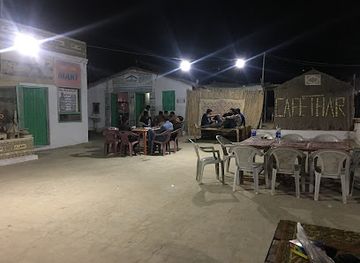
Cafe Thar - Mithi, Tharparkar
Experience the flavors of Tharparkar at Café Thar, a serene restaurant offering traditional dishes in a stunning desert setting.
-
Tourist attraction
ACHRO THAR THE WHITE DESERT
Explore Achro Thar, the enchanting White Desert of Sindh, where stunning landscapes and serene beauty await your discovery.
-
Hotel
Achro Thar Sanghar
Discover tranquility at Achro Thar Sanghar, a charming hotel in Sindh, blending comfort with stunning natural beauty for an unforgettable stay.
-
Night club
Bismillah Snoker Club
Discover the vibrant nightlife of Sialkot at Bismillah Snoker Club, a premier night club offering live music and an electrifying atmosphere.
Best shops in Thar Desert
Shopping in Thar is centred on town markets and locally made textiles rather than large retail complexes. Mithi is the most useful place for browsing Thari embroidery, appliqué and ralli quilts, although designs and quality vary between makers and communities. Brightly worked garments, bags, household textiles, bangles, leather goods, pottery and traditional footwear may be available in market stalls or through local craft networks. Islamkot and Nagarparkar offer smaller selections, with seasonal produce, everyday goods and handmade items reflecting local life. Sindhi ajrakh, block-printed cloth associated with the wider Sindh region, may also be found, but visitors should distinguish locally produced work from factory-made souvenirs. Buy directly from artisans or established cooperatives where possible, ask permission before photographing products or workshops, and bargain moderately rather than treating craft prices as an attraction. Regional food products and practical desert goods can be more useful souvenirs than imported trinkets.
-
Supermarket
Adnan Memon Karyana Shop
Explore the vibrant local culture at Adnan Memon Karyana Shop, a charming supermarket in Nabisar, Tharparkar, featuring fresh produce and unique local goods.
-
Tourist attraction
ACHRO THAR THE WHITE DESERT
Discover the enchanting Achro Thar, a breathtaking salt desert in Sindh, Pakistan, offering stunning landscapes and unique adventure opportunities.
-
Asian grocery store
MJ Traders & wholesale Umerkot
Explore MJ Traders & Wholesale Umerkot for authentic Asian ingredients, spices, and culinary delights in the heart of Sindh, Pakistan.
-
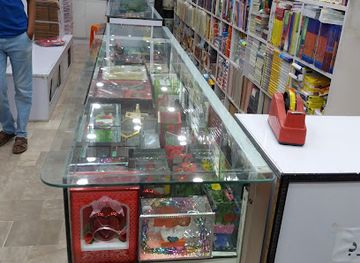
Gift shop
Thar Handicraft
Discover unique handmade treasures at Thar Handicraft in Mithi, a vibrant hub of local artistry and cultural heritage.

Get your free copy of our complete guide to Thar Desert, delivered straight to you.
Everything on this page, from attractions and restaurants to essentials and local phrases, in one PDF you can read offline, print or share.
Already have an account? Sign in
Your Thar Desert guide is ready.
We'll send it to · Not you? Sign out

Getting your guide ready…
We are putting together a fresh copy of the Thar Desert guide. This can take up to a minute.
This can take a few moments. If your browser asks, choose Allow so the download can start. You'll find the guide in your Downloads folder.
Nothing happened? Download it again
Sorry, the guide is taking longer than usual. Please try again in a minute, or get it by email instead.
Thar Desert essentials
Currency and Payment
Safety
Emergency Situations
Do's and Don'ts
Local Tips
From Eve
Local phrases worth knowing
You don't need to get them perfect. A few words go a long way, and locals appreciate the effort.
Basics
| English | Local | Say it |
|---|---|---|
| Hello | ہیلو | [Hello] |
| Goodbye | الوداع | [Alvida] |
| Yes | جی ہاں | [Ji haan] |
| No | نہیں | [Nahin] |
| Please/You're welcome | براہ کرم/خوش آمدید | [Barah karam/Khosh aamdid] |
| Thank you | شکریہ | [Shukriya] |
| Excuse me/Sorry | معاف کیجیے/معاف کرنا | [Maaf kijiye/Maaf karna] |
| How are you? | آپ کیسے ہیں؟ | [Aap kaise hain?] |
| Fine. And you? | ٹھیک ہوں۔ اور آپ؟ | [Theek hun. Aur aap?] |
| Do you speak English? | کیا آپ انگریزی بولتے ہیں؟ | [Kya aap Angrezi bolte hain?] |
| I don't understand | مجھے سمجھ نہیں آتا | [Mujhe samajh nahin aata] |
Eating & Drinking
| English | Local | Say it |
|---|---|---|
| I'd like to see the menu, please | براہ کرم مینو دکھائیں | [Barah karam menu dikhain] |
| I don't eat meat | میں گوشت نہیں کھاتا | [Main gosht nahin khata] |
| Cheers! | چCheers! | [Cheers!] |
| I would like to pay, please | براہ کرم میں ادا کرنا چاہوں گا | [Barah karam mein ada karna chaahoon ga] |
Emergencies
| English | Local | Say it |
|---|---|---|
| Help! | مدد! | [Madad!] |
| Go away! | چلے جاؤ! | [Chalay jao!] |
| Call the Police! | پولیس کو فون کریں! | [Police ko phone karein!] |
| Call a doctor! | ڈاکٹر کو فون کریں! | [Doctor ko phone karein!] |
| I'm lost | میں کھو گیا ہوں | [Main kho gaya hun] |
| I'm ill | میں بیمار ہوں | [Main bimaar hun] |
Shopping
| English | Local | Say it |
|---|---|---|
| I'd like to buy... | میں ... خریدنا چاہتا ہوں | [Main ... khareedna chahta hun] |
| I'm just looking | میں صرف دیکھ رہا ہوں | [Main sirf dekh raha hun] |
| How much is it? | یہ کتنے کا ہے؟ | [Yeh kitne ka hai?] |
| That's too expensive | یہ بہت مہنگا ہے | [Yeh bohot mehnga hai] |
| Can you lower the price? | کیا آپ قیمت کم کر سکتے ہیں؟ | [Kya aap qeemat kam kar sakte hain?] |
Time & Numbers
| English | Local | Say it |
|---|---|---|
| What time is it? | کیا وقت ہوا ہے؟ | [Kya waqt hua hai?] |
| It's one o'clock | یہ ایک بجے ہیں | [Yeh aik baje hain] |
| Half past (10) | ساڑھے (10) | [Saadhe (10)] |
| Morning | صبح | [Subah] |
| Afternoon | دوپہر | [Dopahar] |
| Evening | شام | [Shaam] |
| Yesterday | کل | [Kal] |
| Today | آج | [Aaj] |
| Tomorrow | کل | [Kal] |
| 1 | ایک | [Aik] |
| 2 | دو | [Do] |
| 3 | تین | [Teen] |
| 4 | چار | [Char] |
| 5 | پانچ | [Paanch] |
| 6 | چھ | [Chay] |
| 7 | سات | [Saat] |
| 8 | آٹھ | [Aath] |
| 9 | نو | [Nau] |
| 10 | دس | [Das] |
Transport & Directions
| English | Local | Say it |
|---|---|---|
| Where's a/the...? | کہاں ہے ...؟ | [Kahan hai ...?] |
| What's the address? | پتہ کیا ہے؟ | [Pata kya hai?] |
| Can you show me (on the map)? | کیا آپ مجھے دکھا سکتے ہیں؟ | [Kya aap mujhe dikha sakte hain?] |
| When's the next (bus)? | اگلی (بس) کب ہے؟ | [Agli (bus) kab hai?] |
| A ticket (to ....) | ایک ٹکٹ (کی طرف ....) | [Aik ticket (ki taraf ....)] |
History of Thar Desert
Early Desert Settlement and Archaeological Landscapes
Thar has long been inhabited through a flexible combination of pastoralism, seasonal cultivation, wells and movement between settlements. Archaeological remains across the wider Thar and adjoining Sindh landscapes point to ancient connections with the Indus region and western India, although the desert’s shifting sands and limited water make its evidence unevenly preserved. Rather than a single urban civilisation dominating the area, settlement developed around dependable water sources, trade routes and cultivable pockets. This relationship between mobility and scarce water remains central to Thari life today.
Ancient Trade Routes and Religious Exchange
The southern Thar lay near routes linking Sindh with Rajasthan and Gujarat, allowing merchants, pilgrims and craft traditions to move across the desert. Nagarparkar’s temples reflect this wider history of religious and commercial exchange. The Jain and Hindu buildings around Nagarparkar and Bhodesar were associated with communities travelling through a region connected to western India, while local shrines and wells served both settlement and pilgrimage. Their survival demonstrates that the desert was historically a corridor rather than an isolated margin.
Rajput and Regional Fortified Settlements
From the medieval period onwards, control of wells, routes and frontier settlements gave fortified places considerable importance. The Thar region developed within a shifting political world involving local Rajput powers, Sindhi rulers and states to the east. Naukot Fort, at the northern gateway to the desert, represents the strategic value of supervising movement between settled Sindh and the sandy interior. Forts, walled settlements and older religious buildings preserve fragments of a landscape in which security, trade and access to water were closely connected.
Mughal and Kalhora-Talpur Periods
Thar’s political history was influenced by the larger powers that controlled Sindh and adjacent Rajasthan. Mughal authority affected the region through taxation, military administration and trade, while the later Kalhora and Talpur governments governed much of Sindh before British annexation. Authority in the desert was often practical and local: routes, wells, grazing rights and fortified posts mattered as much as distant capitals. This layered history helps explain why Thar’s architecture and traditions combine Sindhi, Rajasthani, Hindu, Muslim and Jain influences.
British Rule and the Colonial Frontier
After the British annexation of Sindh in 1843, the Thar became part of a colonial frontier adjoining princely states and British-administered territories. Officials mapped routes, reorganised administration and sought greater control over taxation, movement and communications. Railways and roads improved connections between settled Sindh and desert towns, though access remained limited compared with the Indus plain. Colonial classifications also fixed communities and land uses in ways that did not always reflect the seasonal and pastoral realities of desert life.
Partition and a Divided Desert
The partition of British India in 1947 divided the Thar across the new India-Pakistan border. Families, trading networks and routes that had previously crossed the desert were disrupted, while new security boundaries altered movement and commerce. Pakistan’s Thar became closely associated with Sindh, although its cultural relationships with Rajasthan and Gujarat remained evident in language, dress, craft and religious architecture. The border continues to shape the region’s practical geography, particularly in the eastern and southern desert.
Modern Infrastructure, Coal and Social Change
In the late twentieth and early twenty-first centuries, roads, electricity schemes, water projects and communications expanded in parts of Pakistani Thar. Large lignite deposits around Islamkot led to major coal-mining and power-development projects, bringing investment and employment but also debate about land, water, displacement and environmental effects. These developments sit alongside persistent challenges involving drought, healthcare, education and livestock livelihoods. Modern Thar is therefore shaped by both improved connectivity and the pressures of extracting resources from a fragile desert environment.
Thar Desert in Photos
Browse through our photo collection highlighting the charm and character of the destination.
Neighbouring regions of Thar Desert
The closest regions to Thar Desert, if you have time for more than one.
-

-

-

-

-


Swipe for more regions
Explore more

Explore more of Pakistan
Discover Pakistan: A land of majestic mountains, rich history, and delicious cuisine, where every journey is an adventure and every moment is filled with wonder.
Explore Pakistan