

Free Central Department Travel Guide & Mobile App
Explore Central Department with free travel guides. Discover regional history, expert tips, proposed trips, and audio guides on web or mobile app.


Central Department brings together Paraguay’s metropolitan towns, craft traditions, historic churches, red-earth landscapes and Lake Ypacaraí.
Read more about Central Department
When is the best time to visit Central Department?
Best: April, September–October · 24–27°C| Month | High (°C) | Rainfall (mm) |
|---|---|---|
| January | 31 | 150 |
| February | 30 | 120 |
| March | 29 | 110 |
| April (best) | 26 | 100 |
| May | 22 | 90 |
| June | 20 | 80 |
| July | 19 | 70 |
| August | 21 | 70 |
| September (best) | 24 | 80 |
| October (best) | 27 | 90 |
| November | 29 | 110 |
| December | 31 | 130 |
Getting to and around Central Department
How to get there
Transportation
Top city travel guides in Central Department
The cities of Central Department, and the easiest places to base yourself.
-
-

-

-


Swipe for more cities
Destinations in Central Department
Resorts, valleys and scenic spots worth a trip of their own.

Swipe for more destinations
Best attractions in Central Department
Central Department’s attractions range from metropolitan culture to craft towns and lakeside landscapes. San Lorenzo offers busy markets, university life and an important cathedral, while Luque combines urban activity with historic streets, music, football culture and access to the international airport. Lambaré is known for the hill and monument area that rises above the surrounding city. In the east, Areguá is the department’s most recognisable visitor town, with ceramics, small galleries, traditional houses and views towards Lake Ypacaraí. Itauguá is the principal place to explore ñandutí, whether through craft shops, cultural displays or conversations with local makers. Ypacaraí town provides access to the lake district, although the wider lake and its other shoreline communities extend into neighbouring Cordillera Department. Parish churches, local markets, fruit-growing areas and roadside food stalls add everyday texture, while parks and small natural areas offer uncomplicated breaks from the built-up corridor. Central Department is less about a single monumental attraction than about seeing how Paraguayan urban life, artisanal production and nearby countryside fit together.
-
Botanical garden
Botanical Garden and Zoo of Asunción
Explore the vibrant flora and fauna at the Botanical Garden and Zoo of Asunción, a must-visit destination in Paraguay's capital for nature lovers and families.
-
Park
República del Paraguay Park
Discover the natural beauty and tranquility of República del Paraguay Park in Posadas, a must-visit destination for nature lovers and adventure seekers.
-
Cultural center
Centro Cultural Manzana de la Rivera
Discover the rich cultural heritage of Paraguay at the Centro Cultural Manzana de la Rivera, where history and art come alive.
-
Tourist attraction
Playa De Aregua
Immerse yourself in the natural beauty and vibrant culture at Playa De Aregua, a picturesque lakeside park in Areguá, Paraguay.


Best landmarks in Central Department
The Cathedral of San Lorenzo is one of Central Department’s most prominent religious landmarks, anchoring a busy city whose history is closely associated with the metropolitan growth around Asunción. Areguá’s historic centre, traditional buildings and streets descending towards Lake Ypacaraí form a recognisable urban landscape shaped by craft production and seasonal tourism. The lake itself is the department’s defining natural landmark, though its full basin and shoreline extend into neighbouring Cordillera Department. Itauguá’s identity is inseparable from ñandutí, making the lace tradition a cultural landmark as much as a commercial product. Cerro Lambaré provides a prominent elevated point beside the capital’s urban area, while older parish churches in municipalities such as Capiatá preserve the religious architecture of long-established settlements. Railway-era traces and historic station areas, where visible, recall the transport network that once connected Asunción with the interior. Together these places express Central Department’s particular combination of faith, craft, transport history, urban expansion and lake-country geography.
-
Cathedral
Caacupe Cathedral
Discover the spiritual and architectural splendor of Caacupe Cathedral, a historical basilica in the heart of Paraguay's cultural heritage.
-
National park
Monday Falls
Experience the breathtaking beauty of Monday Falls, a stunning national park in Paraguay, renowned for its majestic waterfalls and rich biodiversity.
-
Park
Plaza Uruguaya
Discover the beauty and culture of Plaza Uruguaya, a lush park in Asunción that celebrates the ties between Paraguay and Uruguay.
-
Park
República del Paraguay Park
Explore the serene beauty of República del Paraguay Park, an urban oasis in Posadas perfect for relaxation, family fun, and cultural experiences.


Explore Central Department on the map
Plan your trip on one map. See where the top cities, national parks and sights are, and book hotels and experiences in a few clicks.
Best hotels in Central Department
Best restaurants in Central Department
Dining in Central Department reflects Paraguay’s broad home-style food culture as well as the demands of a large metropolitan population. Restaurants, market stalls and family eateries serve dishes such as sopa paraguaya, chipa, mbejú, grilled meats and hearty soups, with recipes and presentation varying between households and towns. Areguá is associated with strawberries and seasonal fruit products, while roadside stands and municipal markets may offer preserves, sweets and baked goods. In San Lorenzo, Luque and the surrounding urban corridor, visitors will find cafés, pizzerias, grills and contemporary restaurants alongside traditional Paraguayan cooking. Tereré is widely consumed in hot weather, and restaurants may also serve the hot herbal drink mate. Craft towns often have simple eateries rather than a concentrated fine-dining scene, so expectations should be adjusted outside the main commercial districts. Local produce, affordable set meals and generous portions are generally more characteristic of the region than a highly formal restaurant culture.
-
Family-friendly
Bolsi
Experience the heart of Paraguayan cuisine at Bolsi, where family-friendly dining meets delightful flavors in Asunción.
-
Restaurant
Lido Bar
Experience authentic Paraguayan cuisine at Lido Bar in Asunción, where traditional flavors meet warm hospitality.
-
Grill
Churrasquería O Gaúcho
Savor authentic Paraguayan barbecue at Churrasquería O Gaúcho in Asunción - where flavor meets tradition.
-
Restaurant
El Café de Acá
Discover authentic Paraguayan flavors at El Café de Acá, your go-to breakfast spot in Asunción offering delicious snacks and warm hospitality.


Best bars in Central Department
Evening life in Central Department is varied but largely metropolitan and local rather than centred on a single nightlife district. San Lorenzo, Luque, Fernando de la Mora and Lambaré have bars, casual restaurants, karaoke venues and places where football is watched communally. In smaller towns such as Areguá and Itauguá, evenings are more likely to revolve around cafés, family restaurants, plazas, music and seasonal cultural activity than large clubs. The department’s proximity to Asunción means that major concerts and late-night entertainment in the capital are accessible, but Asunción is outside Central Department and should not be confused with its own nightlife offering. Craft-beer venues, wine bars and contemporary restaurants appear alongside traditional neighbourhood bars, while lakeside areas may become busier during warm weekends and holiday periods. Check current arrangements locally, as venue status, music programmes and late-night transport can change quickly.
-
Restaurant
Lido Bar
Experience the vibrant flavors of Paraguay at Lido Bar, Asunción's favorite culinary destination, where tradition meets taste in every dish.
-
Pub
Britannia Pub
Experience the lively spirit of Asunción at Britannia Pub, a perfect blend of local culture, delicious food, and great drinks.
-
Bar
Vamos a jugar
Discover the lively atmosphere and extensive drink menu at Vamos a Jugar, the perfect bar for nightlife enthusiasts in Asunción.
-
Sushi
Negroni Downtown Skybar
Savor gourmet sushi and artisan cocktails at Negroni Downtown Skybar, where stunning views meet exquisite dining in the heart of Asunción.


Best nightclubs in Central Department
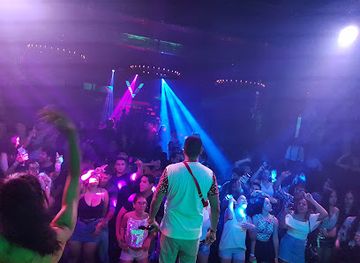
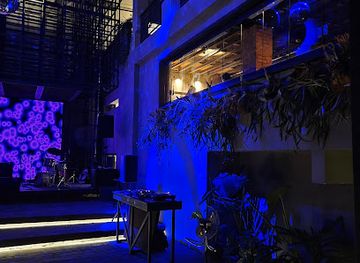
Evening life in Central Department is varied but largely metropolitan and local rather than centred on a single nightlife district. San Lorenzo, Luque, Fernando de la Mora and Lambaré have bars, casual restaurants, karaoke venues and places where football is watched communally. In smaller towns such as Areguá and Itauguá, evenings are more likely to revolve around cafés, family restaurants, plazas, music and seasonal cultural activity than large clubs. The department’s proximity to Asunción means that major concerts and late-night entertainment in the capital are accessible, but Asunción is outside Central Department and should not be confused with its own nightlife offering. Craft-beer venues, wine bars and contemporary restaurants appear alongside traditional neighbourhood bars, while lakeside areas may become busier during warm weekends and holiday periods. Check current arrangements locally, as venue status, music programmes and late-night transport can change quickly.
-
Bar
O'Leary club
Experience the vibrant nightlife of Asunción at O'Leary Club, where great drinks meet lively atmosphere.
-
Disco club
Velvet Asuncion
Discover the vibrant nightlife of Asunción at Velvet, where music, dancing, and unforgettable memories await.
-
Bar
Morgan Warehouse, Nightclub
Experience the electrifying nightlife at Morgan Warehouse, Asunción’s top nightclub known for its vibrant atmosphere and amazing DJs.
-
Disco club
Club Condesa
Discover the pulsating nightlife of Asunción at Club Condesa, a premier disco club with electrifying music and an unforgettable atmosphere.

Best shops in Central Department
Shopping in Central Department is strongest in its markets, craft towns and large metropolitan commercial areas. Areguá is the principal destination for pottery and ceramics, with household vessels, decorative pieces and garden objects sold through specialist shops and workshops; packaging should be considered carefully if travelling by air. Itauguá is the place to look for ñandutí, including table linen, garments and smaller gifts, although quality, materials and prices vary considerably between pieces. San Lorenzo, Luque and the larger urban municipalities have busy markets, supermarkets, shopping centres and independent retailers serving local residents rather than only visitors. Seasonal fruit products, preserves, Paraguayan sweets, chipa and other packaged foods can make useful edible souvenirs when bought from reputable sellers. Bargaining may be possible in some market settings, but a fair and respectful approach is preferable, especially when dealing directly with individual artisans. For polished retail and international brands, metropolitan shopping centres offer more choice than the smaller historic towns.
-
Shopping mall
Paseo La Galería
Explore the ultimate shopping and dining experience at Paseo La Galería, Asunción's premier shopping destination.
-
Shopping mall
delSol Shopping
Explore delSol Shopping in Asunción for a vibrant mix of retail experiences, dining delights, and a welcoming atmosphere perfect for every tourist.
-
Shopping mall
Shopping Mariscal
Discover Shopping Mariscal, Asunción's vibrant shopping mall, offering a blend of local and international brands, dining, and entertainment.
-
Shopping mall
Shopping Paris
Discover Shopping Paris, a premier shopping mall in Ciudad del Este, Paraguay, offering diverse stores, dining options, and an unforgettable shopping experience.


Get your free copy of our complete guide to Central Department, delivered straight to you.
Everything on this page, from attractions and restaurants to essentials and local phrases, in one PDF you can read offline, print or share.
Already have an account? Sign in
Your Central Department guide is ready.
We'll send it to · Not you? Sign out

Getting your guide ready…
We are putting together a fresh copy of the Central Department guide. This can take up to a minute.
This can take a few moments. If your browser asks, choose Allow so the download can start. You'll find the guide in your Downloads folder.
Nothing happened? Download it again
Sorry, the guide is taking longer than usual. Please try again in a minute, or get it by email instead.
Central Department essentials
Currency and Payment
Safety
Emergency Situations
Do's and Don'ts
Local Tips
From Eve
Local phrases worth knowing
You don't need to get them perfect. A few words go a long way, and locals appreciate the effort.
Basics
| English | Local | Say it |
|---|---|---|
| Hello | Hola | [OH-lah] |
| Goodbye | Adiós | [ah-DYOS] |
| Yes | Sí | [SEE] |
| No | No | [NO] |
| Please/You're welcome | Por favor | [por fah-VOR] |
| Thank you | Gracias | [GRAH-see-as] |
| Excuse me/Sorry | Disculpe | [dis-KOOL-peh] |
| How are you? | ¿Cómo está? | [KOH-moh es-TAH] |
| Fine. And you? | Bien. ¿Y usted? | [BYEN. ee oos-TED] |
| Do you speak English? | ¿Habla inglés? | [AH-blah een-GLES] |
| I don't understand | No entiendo | [NO en-TIEN-do] |
Eating & Drinking
| English | Local | Say it |
|---|---|---|
| I'd like to see the menu, please | Quisiera ver el menú, por favor | [kee-SYE-rah BEHR el meh-NOO, por fah-VOR] |
| I don't eat meat | No como carne | [NO KOH-mo KAR-neh] |
| Cheers! | ¡Salud! | [sah-LOOD] |
| I would like to pay, please | Quisiera pagar, por favor | [kee-SYE-rah pah-GAR, por fah-VOR] |
Emergencies
| English | Local | Say it |
|---|---|---|
| Help! | ¡Ayuda! | [ah-YOO-dah] |
| Go away! | ¡Vete! | [VEH-teh] |
| Call the Police! | ¡Llame a la policía! | [YAH-meh ah lah poh-lee-SEE-ah] |
| Call a doctor! | ¡Llame a un médico! | [YAH-meh ah oon MEH-dee-koh] |
| I'm lost | Estoy perdido | [es-TOY per-DID-oh] |
| I'm ill | Estoy enfermo | [es-TOY en-FER-mo] |
Shopping
| English | Local | Say it |
|---|---|---|
| I'd like to buy... | Quisiera comprar... | [kee-SYE-rah kom-PRAR] |
| I'm just looking | Solo estoy mirando | [SO-lo es-TOY mee-RAN-do] |
| How much is it? | ¿Cuánto cuesta? | [KWAN-toh KWES-tah] |
| That's too expensive | Es muy caro | [es MOO-ee KAR-oh] |
| Can you lower the price? | ¿Puede bajar el precio? | [PWEH-deh bah-HAR el PREH-syo] |
Time & Numbers
| English | Local | Say it |
|---|---|---|
| What time is it? | ¿Qué hora es? | [KEH OH-rah es] |
| It's one o'clock | Es la una | [es lah OO-nah] |
| Half past (10) | Y media (10) | [ee MEH-dee-ah (10)] |
| Morning | Mañana | [mah-NYAH-nah] |
| Afternoon | Tarde | [TAR-deh] |
| Evening | Noche | [NOH-cheh] |
| Yesterday | Ayer | [ah-YER] |
| Today | Hoy | [OY] |
| Tomorrow | Mañana | [mah-NYAH-nah] |
| 1 | Uno | [OO-no] |
| 2 | Dos | [DOS] |
| 3 | Tres | [TRES] |
| 4 | Cuatro | [KWAT-ro] |
| 5 | Cinco | [SEEN-ko] |
| 6 | Seis | [SAYS] |
| 7 | Siete | [SYE-teh] |
| 8 | Ocho | [OH-cho] |
| 9 | Nueve | [NWEH-beh] |
| 10 | Diez | [DYEZ] |
Transport & Directions
| English | Local | Say it |
|---|---|---|
| Where's a/the...? | ¿Dónde está...? | [DON-deh es-TAH] |
| What's the address? | ¿Cuál es la dirección? | [KWAL es lah dee-rek-SYON] |
| Can you show me (on the map)? | ¿Puede mostrarme (en el mapa)? | [PWEH-deh mos-TRAR-me (en el MAH-pah)] |
| When's the next (bus)? | ¿Cuándo es el próximo (autobús)? | [KWAN-doh es el PROK-see-mo (au-toh-BOOS)] |
| A ticket (to ....) | Un boleto (a ....) | [OON bo-LEH-to (ah ....)] |
History of Central Department
Indigenous Landscapes before European Settlement
Before Spanish colonisation, the area now known as Central Department formed part of the wider cultural landscape inhabited by Guaraní-speaking peoples. Rivers, streams, woodland and fertile zones supported movement, cultivation and exchange rather than a landscape divided according to modern departmental boundaries. Guaraní language and cultural influence remain fundamental to Paraguayan identity, and many local place names preserve that legacy. The department’s later towns developed over older routes and settlement patterns connecting the Paraguay River basin with the interior.
Spanish Colonial Foundations
Spanish settlement around Asunción gradually extended into the surrounding countryside, creating agricultural communities, parish jurisdictions and roads linking the capital with inland districts. Several present-day municipalities in Central Department grew from these colonial settlements or from later expansions of them. Religious institutions played an important role in organising community life, while small farms supplied food to Asunción. The resulting pattern of dispersed villages, parish centres and market routes helped shape the department’s continuing role as a productive hinterland close to the capital.
Independence and the Paraguayan Republic
Paraguay became independent in 1811, and the settlements around Asunción remained closely connected to the changing political and economic life of the new republic. During the nineteenth century, roads, farms, parish communities and commercial links strengthened the importance of the central corridor. The War of the Triple Alliance, fought from 1864 to 1870, caused profound demographic and economic damage across Paraguay, including the capital’s surrounding districts. Reconstruction afterwards contributed to new property arrangements, renewed commerce and the gradual growth of towns in what is now Central Department.
Railways, Markets and Expanding Towns
The railway built between Asunción and the interior in the nineteenth century transformed movement through the central region. Stations encouraged commerce, settlement and the circulation of agricultural products, passengers and manufactured goods. Even where railway services later declined, the route left a durable mark on the geography and memory of towns such as Areguá, Itauguá and Ypacaraí. Markets and road connections then became increasingly important, allowing the surrounding municipalities to develop as residential, industrial and commercial extensions of the capital.
Craft Traditions and Regional Identity
Central Department became one of Paraguay’s most visible centres of traditional craft production. Areguá is associated with clay pottery and ceramics, while Itauguá is strongly identified with ñandutí, a lace tradition whose name means ‘spider’s web’ in Guaraní. These crafts developed through household and community-based knowledge, then entered national and international tourist markets. Their importance is cultural as well as economic: they connect contemporary producers with Paraguayan textile, decorative and domestic traditions while adapting to changing designs and customers.
Metropolitan Growth in the Twentieth and Twenty-First Centuries
During the twentieth century, population growth, industrialisation, improved roads and expanding public services linked Central Department ever more closely to Asunción. Municipalities such as San Lorenzo, Fernando de la Mora, Capiatá, Luque and Lambaré became major urban centres in their own right, while newer suburban development filled spaces between older settlements. Today the department combines manufacturing, wholesale trade, universities, logistics, craft production and commuter districts. Its history is therefore visible both in parish towns and in the fast-changing metropolitan landscape.
Central Department in Photos
Browse through our photo collection highlighting the charm and character of the destination.
Neighbouring regions of Central Department
The closest regions to Central Department, if you have time for more than one.
-
-

-
-

-


Swipe for more regions
Explore more

Explore more of Paraguay
Discover Paraguay: A blend of history, culture, and natural beauty in the heart of South America. Visit Asunción, explore Jesuit ruins, and experience the local cuisine.
Explore Paraguay