
Guairá Forest, Paraguay Travel Guide
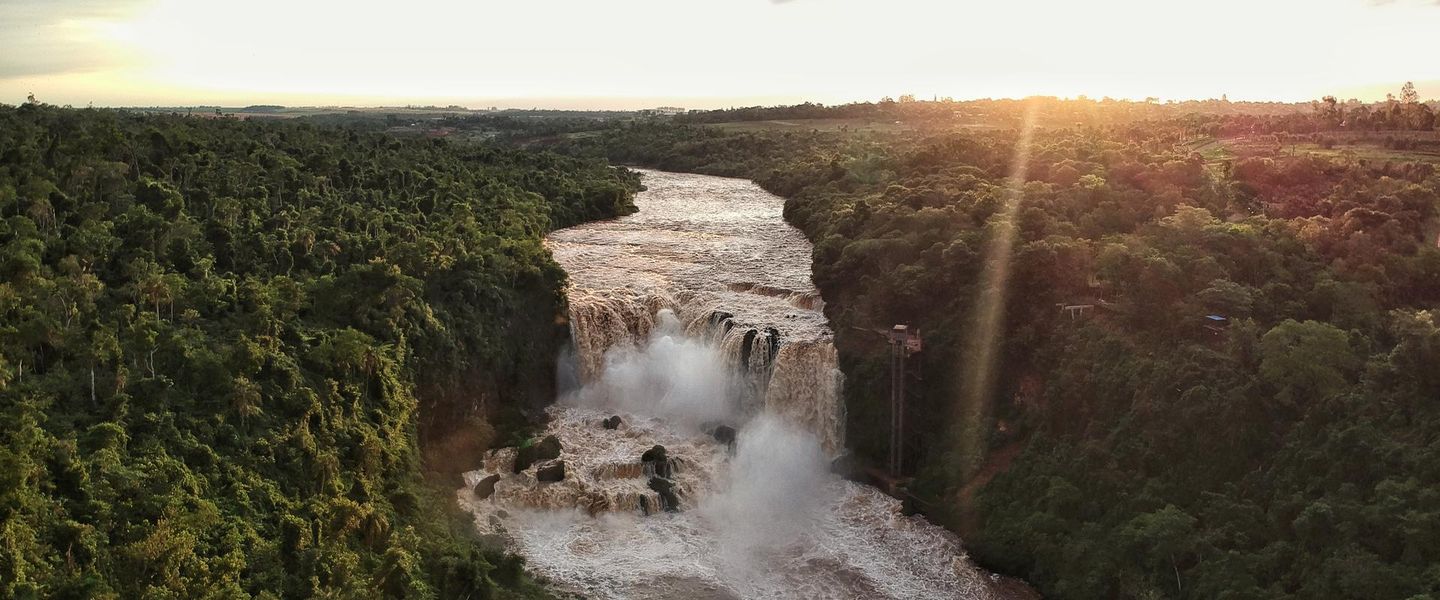
Explore the lush Guairá Forest in Paraguay, a paradise for nature lovers and adventure seekers, teeming with wildlife, ancient history, and breathtaking landscapes.
Nestled in the heart of Paraguay, the Guairá Forest is a captivating escape for nature enthusiasts and adventure seekers alike. This lush green haven is home to a rich array of flora and fauna, offering visitors a chance to witness the country's biodiversity firsthand. Whether you're wandering through dense forest trails or discovering hidden waterfalls, the Guairá Forest promises an immersive experience in the wild. The forest is also steeped in history and culture. It is not uncommon to come across ancient rock formations and archaeological sites that tell stories of the indigenous people who once called this land home. Local guides are available to provide insights and enhance your understanding of the area's historical significance. Birdwatchers will find the Guairá Forest especially rewarding. With over 300 species of birds, including some rare and endangered species, the forest is a paradise for ornithologists and casual bird lovers alike. Make sure to bring your binoculars and a good camera to capture these stunning creatures in their natural habitat.

Know before you go
Hi, I'm Eve. Here are a few practical things to know before exploring Guairá Forest.
- Wear sturdy walking shoes as the trails can be uneven and muddy.
- Hire a local guide to learn about the history and biodiversity of the forest.
- Pack insect repellent and sunscreen to stay comfortable during your visit.
- Bring binoculars and a camera for birdwatching and capturing the scenic beauty.
- Visit during the dry season (May to September) for easier hiking conditions.
Top City Travel Guides in Guairá Forest
The cities of Guairá Forest, and the easiest places to base yourself.

Destinations in Guairá Forest
Resorts, valleys and scenic spots worth a trip of their own.


Explore Guairá Forest: Things to Do, Places to Eat, Hotels & More
Handpicked recommendations for top attractions, local dining, accommodations, and more

Top Attractions & Sightseeing in Guairá Forest
Top-rated picks
Best Attractions

Manuel Ortiz Guerrero Park
Experience tranquility at Manuel Ortiz Guerrero Park, a lush green retreat in Villarrica, Paraguay, perfect for relaxation and local culture.

Salto Cristal
Explore the breathtaking Salto Cristal Waterfall in Paraguay, a natural wonder surrounded by lush landscapes perfect for relaxation and adventure.

Plaza de los Héroes
Explore the lush landscapes and cultural vibrancy of Plaza de los Héroes, a tranquil park in the heart of Villarrica, Paraguay.
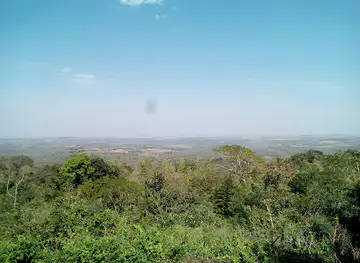
Desvio Al Cerro Tres Kandu
Explore the serene beauty of Cerro Tres Kandu, a breathtaking natural attraction for nature lovers and adventure seekers in Paraguay.

Best landmarks in Guairá Forest
Top-rated picks
Best Landmarks

Manuel Ortiz Guerrero Park
Discover the tranquil beauty of Manuel Ortiz Guerrero Park, a lush green paradise in Villarrica, Paraguay, perfect for relaxation and family outings.
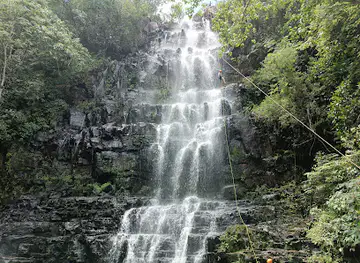
Salto Cristal
Experience the breathtaking beauty of Salto Cristal, a stunning waterfall in Paraguay surrounded by lush rainforest and vibrant wildlife.

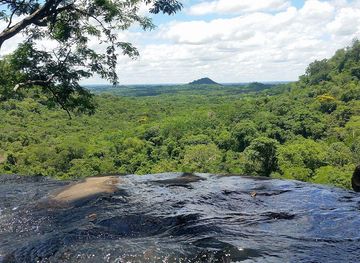
Mirador del Cerro Akati
Discover stunning views and authentic Paraguayan cuisine at Mirador del Cerro Akati in Independencia, a perfect destination for nature and food lovers.

Salto Suizo
Explore Salto Suizo, Paraguay's stunning national reserve, featuring breathtaking waterfalls, diverse wildlife, and serene hiking trails for all nature lovers.

Best restaurants in Guairá Forest
Top-rated picks
Best Restaurants

LA ESTACION Restaurant Turístico, Sapucai
Experience authentic Paraguayan cuisine at LA ESTACION Restaurant Turístico in Sapucai – where flavors come alive.

ÑA CHINA Restaurant
Savor authentic Paraguayan flavors at ÑA CHINA Restaurant in Villarrica – where every dish tells a story.

TUSS Restaurant & Fast Food
Experience delicious pizzas and warm hospitality at TUSS Restaurant & Fast Food in Villarrica – perfect for family meals and special occasions.

Patio Gua'i
Discover authentic Paraguayan flavors at Patio Gua'i in Villarrica—where every meal is a celebration of local culture and cuisine.

Best bars in Guairá Forest
Top-rated picks
Best Bars

Britannia Pub
Discover the vibrant atmosphere of Britannia Pub in Asunción, where delicious food and a lively social scene come together.

Palo Santo Brewing Company
Discover the vibrant craft beer scene at Palo Santo Brewing Company in Asunción, where local flavors and a lively atmosphere await.

Salto Cristal
Experience the breathtaking beauty of Salto Cristal, a stunning waterfall in Paraguay, surrounded by lush landscapes and vibrant wildlife.

Negroni Rooftop at Dazzler
Experience culinary excellence and breathtaking views at Negroni Rooftop, Asunción's premier sushi and Italian restaurant.

Best nightclubs in Guairá Forest
Top-rated picks
Best Nightclubs

Tequila Villarrica
Dive into the vibrant nightlife of Tequila Villarrica, where music and dance create unforgettable experiences in the heart of Paraguay.

GARDEN PARK CLUB
Experience fitness and tranquility at Garden Park Club, a beautiful athletic retreat in Ybycui, Paraguay, surrounded by nature's stunning landscapes.

Energy Disco Villarrica
Experience electrifying nights at Energy Disco Villarrica, the go-to destination for dance and vibrant nightlife in Paraguay.

Estadio Del Club 14 De Mayo
Discover the vibrant atmosphere and rich history of Estadio Del Club 14 De Mayo, where sports and music come alive in Ybycuí, Paraguay.

Best shops in Guairá Forest
Top-rated picks
Best Shops

Paseo La Galería
Discover the best of Asunción at Paseo La Galería, a premier shopping mall featuring a variety of local and international brands, dining, and entertainment.

delSol Shopping
Discover a vibrant shopping experience at delSol Shopping in Asunción - where shopping, dining, and entertainment come together in one place.

Shopping Mariscal
Discover a vibrant shopping experience at Shopping Mariscal, where local culture meets global brands in the heart of Asunción.

Shopping Paris
Explore Shopping Paris in Ciudad del Este - Your gateway to a shopping spree filled with local and international brands, dining, and entertainment.

Explore Guairá Forest on the Map
A handpicked selection of must-see spots in Guairá Forest, mapped for you.
Guairá Forest Essentials
-
Guairá Forest is located in the southeastern region of Paraguay. The nearest major city is Villarrica. To get to Villarrica, you can fly into Silvio Pettirossi International Airport in Asunción, the capital of Paraguay. From Asunción, you can take a bus or rent a car to reach Villarrica, which is approximately 150 kilometers away. The journey by road typically takes around 3 hours. Once in Villarrica, local buses or taxis can take you to the various entry points of Guairá Forest.
-
In Villarrica, taxis and local buses are the primary modes of transportation. For exploring the Guairá Forest, renting a car is a convenient option as it allows you to visit different parts of the forest at your own pace. Some areas of the forest may require hiking or off-road vehicles, so plan accordingly. Local tour operators also offer guided tours, which can be a good way to explore the forest if you are not familiar with the area.
-
The official currency in Paraguay is the Paraguayan Guarani (PYG). Credit cards are accepted in hotels, restaurants, and some shops in Villarrica, but it is advisable to carry cash, especially when visiting remote areas and smaller establishments. ATMs are available in Villarrica, but it is a good idea to withdraw sufficient cash before heading into the forest.
-
Guairá Forest and Villarrica are generally safe for tourists, but it is important to take standard precautions. Avoid walking alone at night in unfamiliar areas and keep an eye on your belongings in crowded places. While major crime targeting tourists is rare, it is always best to stay vigilant. Some rural areas may have limited mobile coverage, so plan your route and inform someone of your plans before heading out.
-
In case of emergency, dial 911 for immediate assistance. Villarrica has a local police station and medical facilities. It is recommended to have travel insurance that covers medical emergencies. For minor health issues, there are pharmacies in Villarrica where you can purchase over-the-counter medications. If you are exploring remote areas of the forest, consider carrying a first aid kit and a mobile phone with a local SIM card.
-
Fashion: Do wear comfortable and durable clothing suitable for hiking and outdoor activities. Avoid wearing flashy jewelry. Religion: Do respect local customs and traditions. If visiting any religious sites, dress modestly. Public Transport: Do be respectful and give up your seat to elderly passengers. Don't play loud music or talk loudly on public transport. Greetings: Do greet people with a handshake and a friendly smile. Learning a few basic phrases in Spanish or Guarani can be helpful. Eating & Drinking: Do try local delicacies and accept food offerings graciously. Don't refuse hospitality, as it is considered impolite.
-
To experience Guairá Forest like a local, visit the local markets in Villarrica where you can buy fresh produce and traditional Paraguayan goods. Engage with locals, as they are often friendly and willing to share stories about the forest and its history. Don't miss visiting the famous Salto Suizo, a beautiful waterfall within the forest. For a unique experience, take part in a guided bird-watching tour to see some of the region's diverse bird species.
When is the best time to visit Guairá Forest?
Useful Local Phrases for Guairá Forest
You don't need to speak the language perfectly. Even learning a few simple words can make conversations warmer—and locals usually appreciate the effort.
— Eve

Here are the phrases I use most often in Guairá Forest. Try a few—you'll be surprised how far they go! 😊
❤️
-
- HelloHola
[Ola] - GoodbyeAdiós
[Adios] - YesSí
[Si] - NoNo
[No] - Please/You're welcomePor favor
[Por favor] - Thank youGracias
[Grasias] - Excuse me/SorryDisculpe
[Disculpe] - How are you?¿Cómo estás?
[Como estas] - Fine. And you?Bien. ¿Y tú?
[Bien. I tu] - Do you speak English?¿Hablas inglés?
[Hablas ingles] - I don't understandNo entiendo
[No entiendo]
- HelloHola
-
- I'd like to see the menu, pleaseQuisiera ver el menú, por favor
[Kisiera ver el menu, por favor] - I don't eat meatNo como carne
[No komo karne] - Cheers!¡Salud!
[Salud] - I would like to pay, pleaseMe gustaría pagar, por favor
[Me gustaria pagar, por favor]
- I'd like to see the menu, pleaseQuisiera ver el menú, por favor
-
- Help!¡Ayuda!
[Ayuda] - Go away!¡Vete!
[Vete] - Call the Police!¡Llama a la policía!
[Llama a la policia] - Call a doctor!¡Llama a un médico!
[Llama a un medico] - I'm lostEstoy perdido
[Estoy perdido] - I'm illEstoy enfermo
[Estoy enfermo]
- Help!¡Ayuda!
-
- I'd like to buy...Me gustaría comprar...
[Me gustaria comprar] - I'm just lookingSolo estoy mirando
[Solo estoy mirando] - How much is it?¿Cuánto cuesta?
[Cuanto cuesta] - That's too expensiveEso es demasiado caro
[Eso es demasiado karo] - Can you lower the price?¿Puedes bajar el precio?
[Puedes bajar el precio]
- I'd like to buy...Me gustaría comprar...
-
- What time is it?¿Qué hora es?
[Ke ora es] - It's one o'clockEs la una
[Es la una] - Half past (10)Y media (10)
[Y media] - MorningMañana
[Mañana] - AfternoonTarde
[Tarde] - EveningNoche
[Noche] - YesterdayAyer
[Ayer] - TodayHoy
[Hoy] - TomorrowMañana
[Mañana] - 1Uno
[Uno] - 2Dos
[Dos] - 3Tres
[Tres] - 4Cuatro
[Kuatro] - 5Cinco
[Sinko] - 6Seis
[Seis] - 7Siete
[Siete] - 8Ocho
[Ocho] - 9Nueve
[Nueve] - 10Diez
[Dyez]
- What time is it?¿Qué hora es?
-
- Where's a/the...?¿Dónde está un/una...?
[Donde esta un/una] - What's the address?¿Cuál es la dirección?
[Kual es la direccion] - Can you show me (on the map)?¿Puedes mostrarme (en el mapa)?
[Puedes mostrarme en el mapa] - When's the next (bus)?¿Cuándo es el próximo (autobús)?
[Cuando es el proximo autobus] - A ticket (to ....)Un billete (a....)
[Un billete a]
- Where's a/the...?¿Dónde está un/una...?
History of Guairá Forest
-
Long before European explorers set foot in South America, the Guairá Forest was home to several indigenous tribes, including the Guarani people. These tribes thrived in the dense forests, utilizing the land for hunting, fishing, and agriculture. Their profound knowledge of the forest ecosystem and sustainable living practices allowed them to coexist harmoniously with nature. The Guarani people also left behind a rich cultural heritage, including traditional rituals, music, and art, some of which are still practiced today.
-
In the early 17th century, Spanish explorers and Jesuit missionaries arrived in the region. The Jesuits established several missions in the Guairá Forest, aiming to convert the indigenous population to Christianity and integrate them into Spanish colonial society. These missions became centers of education, agriculture, and craftsmanship. However, they also disrupted the traditional way of life for many indigenous communities. The Jesuits documented a wealth of information about the local flora, fauna, and indigenous practices, contributing significantly to our understanding of the area’s history.
-
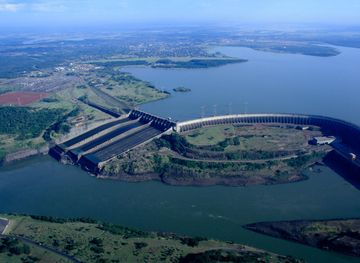
One of the most awe-inspiring natural features of the Guairá Forest was the Guairá Falls, also known as the Sete Quedas. These waterfalls were among the most powerful in the world, with a tremendous volume of water cascading down the Paraná River. Unfortunately, in the 1980s, the falls were submerged due to the construction of the Itaipu Dam, one of the largest hydroelectric projects in the world. The dam now provides a significant portion of Paraguay's electricity, but the loss of the falls remains a poignant memory in the region’s history.
-
The construction of the Itaipu Dam in the 1970s and 1980s had a profound impact on the Guairá Forest. While the dam brought economic benefits and energy security to Paraguay, it also led to significant environmental changes. Large areas of the forest were flooded, leading to the displacement of wildlife and changes to the local ecosystem. Efforts have been made to mitigate these effects, including the creation of protected areas and wildlife reserves, but the environmental legacy of the dam continues to be a topic of discussion and study.
-
In recent decades, there has been a growing awareness of the need to preserve the Guairá Forest’s unique biodiversity. Various conservation initiatives have been launched to protect endangered species and restore degraded habitats. These efforts are often supported by indigenous communities, environmental organizations, and government agencies. However, the forest still faces significant challenges, including illegal logging, agricultural expansion, and climate change. Ongoing conservation work aims to balance ecological preservation with sustainable development, ensuring that future generations can continue to enjoy and learn from this remarkable natural landscape.
Neighbouring Regions of Guairá Forest
The closest regions to Guairá Forest, if you have time for more than one.




Your all‑in‑one travel companion app
Explore expert travel guides, compare and book tours, experiences, hotels, and more—all from the palm of your hand. Download now for seamless trip planning wherever your wanderlust takes you.


Explore More of Paraguay

Looking beyond Guairá Forest? Discover Paraguay for broader travel guides, local hot-spots, and regional highlights.
Explore ParaguayGuairá Forest in Photos
Browse through our photo collection highlighting the charm and character of the destination.


Guairá Forest: Paraguay's Hidden Gem of Verdant Wilderness
Nestled in the heart of Paraguay, the Guairá Forest is a captivating escape for nature enthusiasts and adventure seekers alike. This lush green haven is home to a rich array of flora and fauna, offering visitors a chance to witness the country's biodiversity firsthand. Whether you're wandering through dense forest trails or discovering hidden waterfalls, the Guairá Forest promises an immersive experience in the wild. The forest is also steeped in history and culture. It is not uncommon to come across ancient rock formations and archaeological sites that tell stories of the indigenous people who once called this land home. Local guides are available to provide insights and enhance your understanding of the area's historical significance. Birdwatchers will find the Guairá Forest especially rewarding. With over 300 species of birds, including some rare and endangered species, the forest is a paradise for ornithologists and casual bird lovers alike. Make sure to bring your binoculars and a good camera to capture these stunning creatures in their natural habitat.