

Cordillera Hills, Paraguay Travel Guide
Discover the Cordillera Hills in Paraguay: A serene destination with rolling hills, lush forests, and charming colonial towns perfect for nature lovers and adventurers.
Nestled in the heart of Paraguay, the Cordillera Hills offer a breathtaking escape from the hustle and bustle of city life. This picturesque region is known for its rolling hills, lush forests, and serene landscapes, making it a perfect destination for nature lovers and adventure seekers alike. Visitors to the Cordillera Hills can explore a variety of outdoor activities, from hiking and bird watching to horseback riding and picnicking by the numerous waterfalls and streams. The area is also rich in history and culture, with charming colonial towns and traditional Paraguayan villages that provide a glimpse into the country's past. Whether you're looking to relax and unwind or embark on an exciting outdoor adventure, the Cordillera Hills have something for everyone. The region's natural beauty, combined with its warm and welcoming locals, ensures that your visit will be both memorable and rejuvenating.

Know before you go
Hi, I'm Eve. Here are a few practical things to know before exploring Cordillera Hills.
- Visit during the dry season (May to September) for the best weather and outdoor activities.
- Bring comfortable hiking shoes to fully enjoy the scenic trails and natural landscapes.
- Don't miss the local markets where you can find traditional Paraguayan crafts and delicious local food.
- Hire a local guide to learn more about the region's history and hidden gems.
Top City Travel Guides in Cordillera Hills
The cities of Cordillera Hills, and the easiest places to base yourself.


Destinations in Cordillera Hills
Resorts, valleys and scenic spots worth a trip of their own.


Explore Cordillera Hills: Things to Do, Places to Eat, Hotels & More
Handpicked recommendations for top attractions, local dining, accommodations, and more

Top Attractions & Sightseeing in Cordillera Hills
Top-rated picks
Best Attractions

Carlos Antonio Lopez Park
Discover the lush landscapes and vibrant atmosphere of Carlos Antonio Lopez Park in Asunción, a perfect escape for nature lovers and city explorers.

Playa De Aregua
Experience the tranquil beauty and vibrant culture of Playa De Aregua, a must-visit lakeside destination in Paraguay, perfect for relaxation and recreation.

Independence House Museum
Discover Paraguay's path to freedom at the Independence House Museum, where history and culture come alive in Presidente de Franco.

Cerro Arco Tobati
Explore Cerro Arco Tobati, a nature preserve in Potrero, Paraguay, renowned for its stunning vistas, diverse wildlife, and scenic hiking trails.

Best landmarks in Cordillera Hills
Top-rated picks
Best Landmarks

Caacupe Cathedral
Explore the stunning Caacupe Cathedral, a magnificent basilica in Paraguay, renowned for its spiritual significance and breathtaking architecture.

Monday Falls
Experience the breathtaking beauty of Monday Falls, a national park in Paraguay known for its stunning waterfalls and lush nature trails.

Botanical Garden and Zoo of Asunción
Explore the Botanical Garden and Zoo of Asunción, a lush sanctuary of flora and fauna in the heart of Paraguay's capital city.

Plaza Uruguaya
Discover the serene beauty and cultural richness of Plaza Uruguaya, a must-visit park in the heart of Asunción, Paraguay.

Best restaurants in Cordillera Hills
Top-rated picks
Best Restaurants

Bolsi
Experience the heart of Paraguayan cuisine at Bolsi - a family-friendly restaurant offering delightful breakfast and lunch options in Asunción.

Lido Bar
Discover the flavors of Paraguay at Lido Bar, a must-visit restaurant in Asunción offering authentic cuisine in a vibrant atmosphere.

Churrasquería O Gaúcho
Experience the authentic taste of Paraguay at Churrasquería O Gaúcho - where every bite is a celebration of flavor.

El Café de Acá
Discover El Café de Acá in Asunción for delicious breakfast options and a cozy atmosphere perfect for all travelers.

Best bars in Cordillera Hills
Top-rated picks
Best Bars

Britannia Pub
Discover the lively Britannia Pub in Asunción, where vibrant atmosphere meets delicious food and drinks in an inviting setting.

Bar San Roque
Experience the heart of Paraguayan cuisine at Bar San Roque in Asunción, where every dish tells a story of tradition and flavor.

Palo Santo Brewing Company
Experience the best of Paraguay's craft beer culture at Palo Santo Brewing Company, a vibrant brewpub in the heart of Asunción.
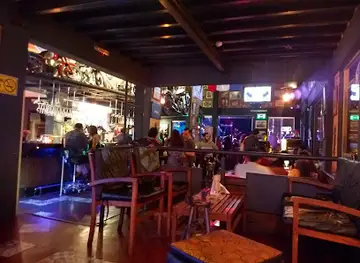
Rock 66
Experience the vibrant nightlife of Asunción at Rock 66, where live music and creative cocktails come together in a lively atmosphere.

Best nightclubs in Cordillera Hills
Top-rated picks
Best Nightclubs

O'Leary club
Discover the vibrant nightlife of Asunción at O'Leary Club, a lively bar offering a wide selection of drinks and exciting entertainment.

Velvet Asuncion
Discover the heartbeat of Asunción's nightlife at Velvet Asuncion, where dance, music, and vibrant energy converge for an unforgettable experience.

Morgan Warehouse, Nightclub
Dive into the exhilarating nightlife of Asunción at Morgan Warehouse Nightclub, where vibrant beats and exquisite cocktails await you.

Toc Toc Disco Pub
Experience the vibrant nightlife of Asunción at Toc Toc Disco Pub, where electrifying music and dancing await until dawn.

Best shops in Cordillera Hills
Top-rated picks
Best Shops

Paseo La Galería
Discover an exceptional shopping experience at Paseo La Galería, Asunción's premier mall, featuring diverse shops, dining, and vibrant entertainment.

delSol Shopping
Explore delSol Shopping in Asunción – a vibrant hub of retail, dining, and entertainment that embodies the spirit of Paraguay.

Shopping Mariscal
Discover a shopper's paradise at Shopping Mariscal, Asunción's top destination for fashion, dining, and entertainment.

Nissei
Discover an unparalleled shopping experience at Nissei, featuring electronics, perfumes, and duty-free treasures in Ciudad del Este.

Explore Cordillera Hills on the Map
A handpicked selection of must-see spots in Cordillera Hills, mapped for you.
Cordillera Hills Essentials
-
Cordillera Hills is located in the central region of Paraguay. The nearest international airport is Silvio Pettirossi International Airport (ASU) in Asunción, approximately 50 kilometers away. From Asunción, you can take a taxi, rent a car, or use a bus service to reach Cordillera Hills. The journey typically takes around 1 to 1.5 hours by road. Alternatively, you can arrange for a private transfer through your accommodation.
-
The Cordillera Hills region is best explored by car, allowing you the flexibility to visit remote areas and natural attractions. Car rentals are available at the airport and in major towns. Local buses and minibuses (colectivos) also operate within the region, connecting small villages and towns. Taxis are available but may be harder to find in rural areas. Bicycles and motorcycles can be rented for short-distance travel and to enjoy scenic routes.
-
The official currency in Paraguay is the Paraguayan Guaraní (PYG). Credit cards are accepted in most hotels, restaurants, and shops in larger towns, but it’s advisable to carry cash, especially when visiting rural areas. ATMs are available in major towns, but it is wise to withdraw sufficient cash before heading to remote locations to ensure you have enough funds for your stay.
-
Cordillera Hills is generally a safe destination for tourists. However, it is important to take standard precautions. Avoid walking alone at night in unfamiliar areas and keep an eye on your belongings in crowded places. While there are no specific high-crime areas targeting tourists, it is always best to stay vigilant and aware of your surroundings. Consult with locals or your accommodation for up-to-date information on safety.
-
In case of emergency, dial 911 for immediate assistance. Medical facilities are available in larger towns and cities within the region. It is recommended to have travel insurance that covers medical emergencies. For minor health issues, there are pharmacies where you can purchase over-the-counter medications. Keep a list of emergency contacts and the address of your accommodation handy.
-
Fashion: Do dress modestly, especially in rural areas and when visiting local communities. Avoid wearing overly revealing clothing. Religion: Do respect local customs and traditions. Always ask for permission before photographing religious sites. Public Transport: Do be polite and greet the driver and passengers. Don't eat or drink on public transport. Greetings: Do greet people with a handshake or a friendly 'Hola.' A slight bow of the head is also a sign of respect. Eating & Drinking: Do try local dishes and accept food offerings graciously. Don't refuse hospitality, as it is considered impolite.
-
To experience Cordillera Hills like a local, visit the local markets where you can buy fresh produce and traditional Paraguayan goods. Engage with locals, as they are often friendly and willing to share stories about the region's history and culture. Don't miss visiting the colonial towns of Atyrá and Tobatí, known for their beautiful architecture and artisanal crafts. For a unique experience, hike to the top of Cerro Caacupé for breathtaking views of the surrounding landscape.
When is the best time to visit Cordillera Hills?
Useful Local Phrases for Cordillera Hills
You don't need to speak the language perfectly. Even learning a few simple words can make conversations warmer—and locals usually appreciate the effort.
— Eve

Here are the phrases I use most often in Cordillera Hills. Try a few—you'll be surprised how far they go! 😊
❤️
-
- HelloHola
[OH-lah] - GoodbyeAdiós
[ah-DYOS] - YesSí
[SEE] - NoNo
[NO] - Please/You're welcomePor favor
[por fah-VOR] - Thank youGracias
[GRAH-syahs] - Excuse me/SorryPerdón
[pair-DON] - How are you?¿Cómo estás?
[KOH-moh eh-STAS] - Fine. And you?Bien. ¿Y tú?
[BYEN. ee TOO] - Do you speak English?¿Hablas inglés?
[AH-blahs een-GLES] - I don't understandNo entiendo
[NO en-TYEN-doh]
- HelloHola
-
- I'd like to see the menu, pleaseMe gustaría ver el menú, por favor
[may goos-tah-REE-ah BEHR el meh-NOO, por fah-VOR] - I don't eat meatNo como carne
[NO KOH-moh KARN-eh] - Cheers!¡Salud!
[sah-LOOD] - I would like to pay, pleaseMe gustaría pagar, por favor
[may goos-tah-REE-ah pah-GAR, por fah-VOR]
- I'd like to see the menu, pleaseMe gustaría ver el menú, por favor
-
- Help!¡Ayuda!
[ah-YOO-dah] - Go away!¡Vete!
[VEH-teh] - Call the Police!¡Llama a la policía!
[YAH-mah ah lah poh-lee-SYAH] - Call a doctor!¡Llama a un doctor!
[YAH-mah ah oon dok-TOR] - I'm lostEstoy perdido
[es-TOY pair-DEE-doh] - I'm illEstoy enfermo
[es-TOY en-FER-mo]
- Help!¡Ayuda!
-
- I'd like to buy...Me gustaría comprar...
[may goos-tah-REE-ah kom-PRAR] - I'm just lookingSolo estoy mirando
[SOH-loh es-TOY mee-RAN-doh] - How much is it?¿Cuánto cuesta?
[KWAN-toh KWES-tah] - That's too expensiveEso es demasiado caro
[EH-so es deh-mah-SYAH-doh KAH-roh] - Can you lower the price?¿Puedes bajar el precio?
[PWEH-des bah-HAR el PREH-syo]
- I'd like to buy...Me gustaría comprar...
-
- What time is it?¿Qué hora es?
[KEH OH-rah es] - It's one o'clockEs la una
[es lah OO-nah] - Half past (10)Y diez y media
[ee DYEZ ee MEH-diah] - MorningMañana
[mah-NYAH-nah] - AfternoonTarde
[TAR-deh] - EveningNoche
[NOH-cheh] - YesterdayAyer
[ah-YER] - TodayHoy
[OY] - TomorrowMañana
[mah-NYAH-nah] - 1Uno
[OO-no] - 2Dos
[DOS] - 3Tres
[TRES] - 4Cuatro
[KWAH-tro] - 5Cinco
[SEEN-koh] - 6Seis
[SAYS] - 7Siete
[SYEH-teh] - 8Ocho
[OH-cho] - 9Nueve
[NWEH-beh] - 10Diez
[DYEZ]
- What time is it?¿Qué hora es?
-
- Where's a/the...?¿Dónde está...?
[DON-deh es-TAH] - What's the address?¿Cuál es la dirección?
[KWAL es lah dee-rek-SYON] - Can you show me (on the map)?¿Puedes enseñarme (en el mapa)?
[PWEH-des en-SEN-yar-meh (en el MAH-pah)] - When's the next (bus)?¿Cuándo es el próximo (autobús)?
[KWAN-doh es el PROK-see-mo (ow-toh-BOOS)] - A ticket (to ....)Un boleto (a ....)
[OON boh-LEH-toh (ah ....)]
- Where's a/the...?¿Dónde está...?
History of Cordillera Hills
-
Long before the Spanish arrived, the Cordillera Hills were home to the indigenous Guarani people. These early inhabitants practiced agriculture, hunting, and fishing, and their culture was deeply tied to the natural landscape. The hills provided both a strategic vantage point and a source of resources that sustained their communities.
-
In the early 17th century, Spanish colonizers ventured into the region, establishing missions and settlements. One of the most significant of these was Piribebuy, founded in 1636. The town served as a key colonial outpost and played a vital role in the spread of Christianity and European culture among the indigenous populations.
-
The Cordillera Hills were a strategic location during the Paraguayan War (1864-1870). One of the most tragic events during this conflict was the Battle of Acosta Ñu, which took place in the hills on August 16, 1869. The battle is remembered for the participation of young Paraguayan boys who fought bravely against the invading forces. Today, it is commemorated as the 'Day of the Child' in Paraguay.
-
In the late 19th and early 20th centuries, the town of Ypacarai, nestled in the Cordillera Hills, became a cultural hub. Its picturesque lake and scenic surroundings attracted artists, musicians, and writers. The region became synonymous with Paraguayan folklore and traditional music, influencing the country's cultural landscape profoundly.
-
The latter half of the 20th century saw significant development in the Cordillera Hills, with improvements in infrastructure and an emphasis on tourism. The natural beauty of the region, combined with its historical significance, has made it a popular destination for both domestic and international tourists. Efforts have been made to preserve historical sites and promote sustainable tourism practices.
Neighbouring Regions of Cordillera Hills
The closest regions to Cordillera Hills, if you have time for more than one.

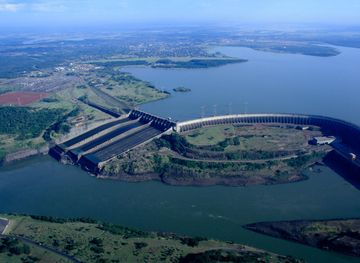

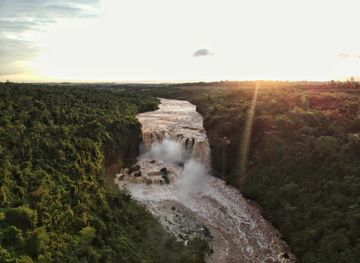
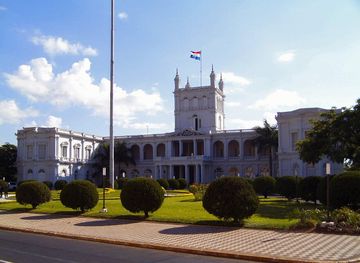

Your all‑in‑one travel companion app
Explore expert travel guides, compare and book tours, experiences, hotels, and more—all from the palm of your hand. Download now for seamless trip planning wherever your wanderlust takes you.


Explore More of Paraguay

Looking beyond Cordillera Hills? Discover Paraguay for broader travel guides, local hot-spots, and regional highlights.
Explore ParaguayCordillera Hills in Photos
Browse through our photo collection highlighting the charm and character of the destination.


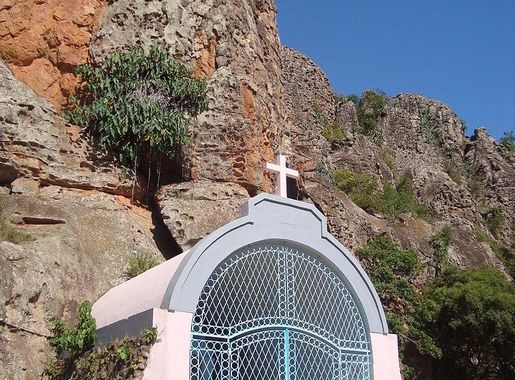


Cordillera Hills: The Hidden Gem of Paraguay
Nestled in the heart of Paraguay, the Cordillera Hills offer a breathtaking escape from the hustle and bustle of city life. This picturesque region is known for its rolling hills, lush forests, and serene landscapes, making it a perfect destination for nature lovers and adventure seekers alike. Visitors to the Cordillera Hills can explore a variety of outdoor activities, from hiking and bird watching to horseback riding and picnicking by the numerous waterfalls and streams. The area is also rich in history and culture, with charming colonial towns and traditional Paraguayan villages that provide a glimpse into the country's past. Whether you're looking to relax and unwind or embark on an exciting outdoor adventure, the Cordillera Hills have something for everyone. The region's natural beauty, combined with its warm and welcoming locals, ensures that your visit will be both memorable and rejuvenating.