

Free Capital District Travel Guide & Mobile App
Explore Capital District with free travel guides. Discover regional history, expert tips, proposed trips, and audio guides on web or mobile app.


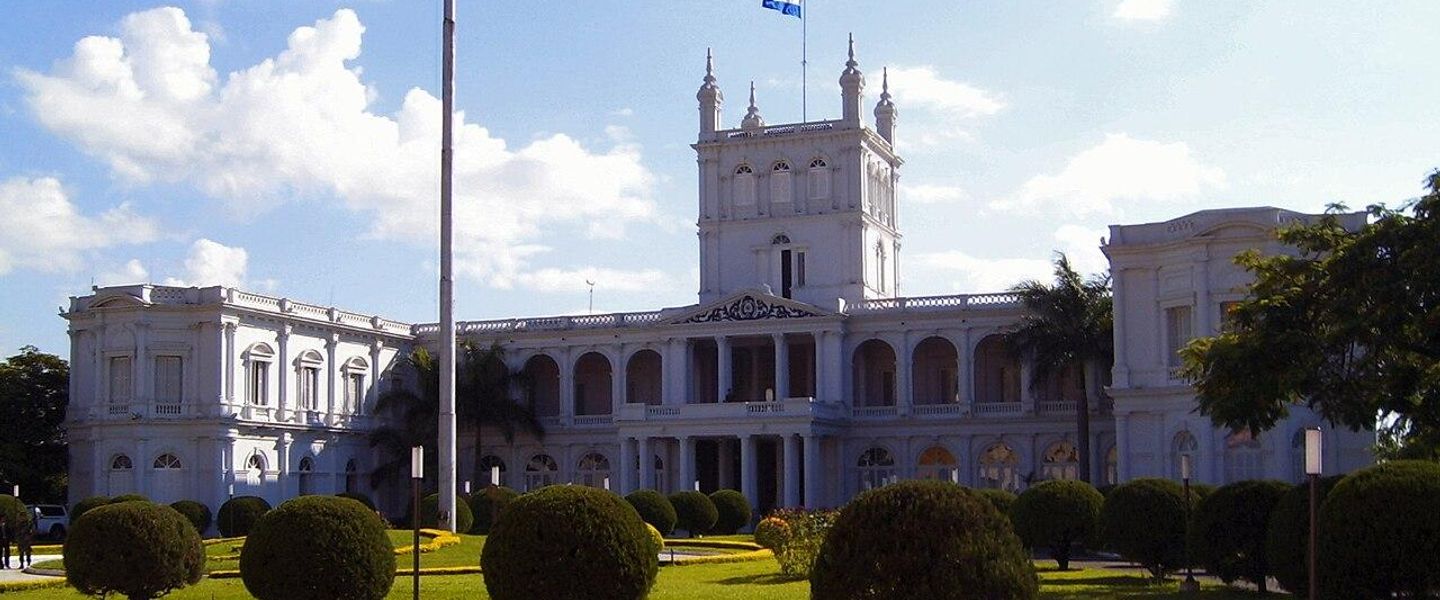


Explore Asunción’s historic centre, riverfront, markets, museums, Paraguayan cuisine and lively neighbourhoods in Paraguay’s Capital District.
Read more about Capital District
When is the best time to visit Capital District?
Best: June–August · 22–24°C| Month | High (°C) | Rainfall (mm) |
|---|---|---|
| January | 32 | 130 |
| February | 32 | 120 |
| March | 32 | 130 |
| April | 29 | 110 |
| May | 26 | 90 |
| June (best) | 23 | 70 |
| July (best) | 22 | 60 |
| August (best) | 24 | 70 |
| September | 27 | 80 |
| October | 29 | 100 |
| November | 31 | 110 |
| December | 32 | 130 |
Getting to and around Capital District
How to get there
Transportation
Top city travel guides in Capital District
The cities of Capital District, and the easiest places to base yourself.

Swipe for more cities
Best attractions in Capital District
Asunción’s attractions range from national history and civic architecture to markets, museums, gardens and riverfront recreation. In the historic centre, Casa de la Independencia, the Palacio de los López, the Panteón Nacional de los Héroes and the Cabildo Cultural Center introduce the country’s political and cultural story, while the former railway station and Manzana de la Rivera add architectural and museum interest. The Museo del Barro presents Paraguayan and wider regional art, including popular, indigenous and contemporary traditions. Mercado 4 offers a very different experience: a dense commercial district where food, household goods, clothing and everyday urban life come together. The Botanical Garden and Zoo provides paths, mature vegetation and insight into the country’s subtropical environment. Along the Paraguay River, the Costanera is used for walking, cycling, open-air gatherings and views across the bay. Smaller neighbourhoods such as Loma San Jerónimo contribute colourful streets and local atmosphere, while the capital’s newer districts bring cinemas, galleries, restaurants and family-oriented leisure venues. Visitors should allow for heat, traffic and the spread between these areas rather than attempting to cover them all in one short walk.
-
Park
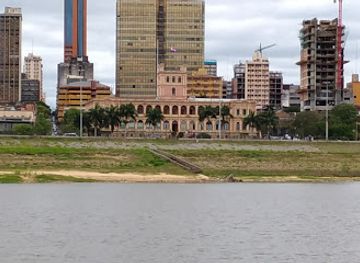
Costanera de Asunción
Explore Costanera de Asunción, a serene park by the Paraguay River offering stunning views, local cuisine, and vibrant culture in the heart of Asunción.
-
Park
Ñu Guasú - Humberto Rubín Park
Explore Ñu Guasú Park in Luque, Paraguay - a tranquil urban oasis filled with lush greenery and recreational activities for all ages.
-
National park
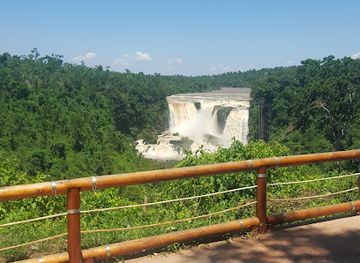
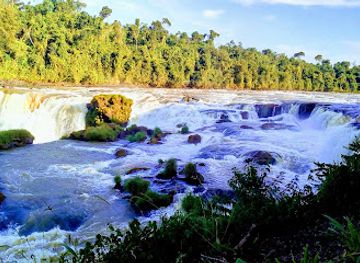
Monday Falls
Experience the breathtaking beauty of Monday Falls, a national park in Paraguay, renowned for its stunning waterfalls and lush landscapes, perfect for nature lovers.
-
Botanical garden
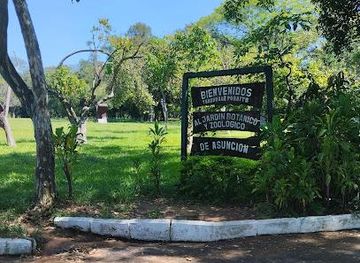
Botanical Garden of Asunción
Experience the natural beauty and tranquility of the Botanical Garden of Asunción, a lush botanical paradise in the heart of Paraguay's capital.

Best landmarks in Capital District
The Palacio de los López is Asunción’s most recognisable civic landmark, an ornate nineteenth-century government building overlooking the river and central city, although access and views depend on official arrangements. The Panteón Nacional de los Héroes is a compact neoclassical monument associated with national remembrance, while the Casa de la Independencia preserves the setting linked to Paraguay’s break with Spanish rule. The Metropolitan Cathedral represents the religious and civic history of the centre, and the former railway station recalls the republic’s early railway ambitions. El Cabildo, on the edge of the historic quarter, is an important cultural building overlooking the bay, and the Manzana de la Rivera brings together historic houses and cultural spaces. Away from the formal centre, the Costanera and Bahía de Asunción form a geographic landmark that clarifies the city’s relationship with the Paraguay River. Loma San Jerónimo is notable for its modest hillside streets and neighbourhood identity, while the Botanical Garden’s mature landscape provides a contrasting green landmark within the urban area. Together, these places show Asunción as a capital shaped by river geography, republican memory and gradual urban expansion.
-
Park
Costanera de Asunción
Explore the beauty of Costanera de Asunción, a stunning riverside park perfect for relaxation, recreation, and breathtaking sunsets on the Paraguay River.
-
National park
Monday Falls
Experience the breathtaking beauty of Monday Falls, a stunning national park in Paraguay, perfect for nature lovers and adventure seekers.
-
Park
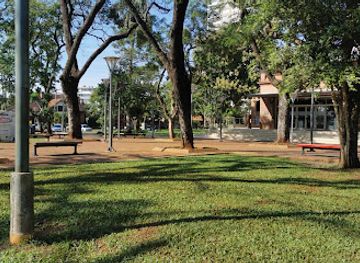
Plaza Uruguaya
Explore the lush surroundings and rich cultural heritage at Plaza Uruguaya, a serene urban park in the heart of Asunción, Paraguay.
-
Park
República del Paraguay Park
Discover the natural beauty and tranquility of República del Paraguay Park in Posadas, Argentina, a perfect retreat for relaxation and outdoor activities.
Explore Capital District on the map
Plan your trip on one map. See where the top cities, national parks and sights are, and book hotels and experiences in a few clicks.
Best hotels in Capital District
Best restaurants in Capital District
Asunción’s dining scene combines Paraguayan staples with regional South American cooking and contemporary international influences. Traditional foods include sopa paraguaya, a savoury corn-based bake; chipa, a firm, cheesy bread; mbejú, a cassava-and-cheese preparation; and vori vori, a soup with small cornmeal dumplings. Grilled meats are widely available, while river fish and seasonal produce appear in some menus. Tereré is central to social refreshment, although visitors should understand it as a cultural practice rather than merely a cold drink. Market stalls and modest eateries are useful for sampling everyday foods, while cafés, restaurants and hotel dining rooms are concentrated in the historic centre and newer districts such as Villa Morra. Paraguay’s migrant communities have also contributed to bakeries, pasta dishes and other urban food traditions. Farmers’ markets and specialist food shops provide opportunities to find chipa, yerba mate, preserves and regional ingredients, but opening arrangements and individual businesses change, so current details should be checked locally.
-
Family-friendly
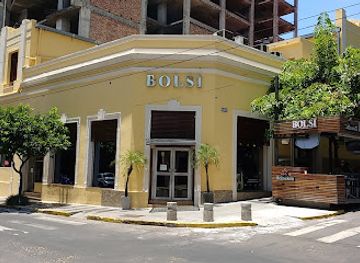
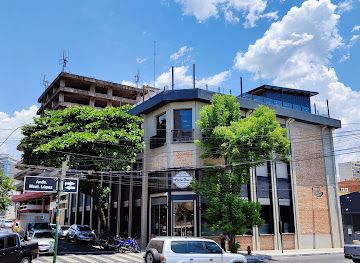
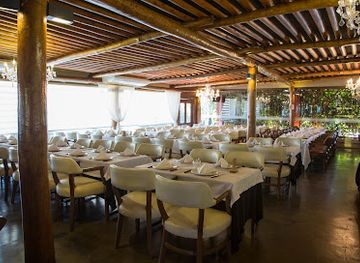
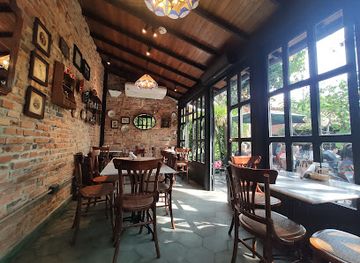
Bolsi
Discover Bolsi in Asunción: A family-friendly haven serving delicious Paraguayan dishes and international delights from breakfast through dinner.
-
Restaurant
Lido Bar
Experience authentic Paraguayan flavors at Lido Bar in Asunción—where tradition meets taste in every dish.
-
Grill
Churrasquería O Gaúcho
Experience authentic Paraguayan barbecue at Churrasquería O Gaúcho in Asunción – where flavor meets tradition.
-
Restaurant
El Café de Acá
Discover authentic Paraguayan flavors at El Café de Acá, where delightful breakfasts and local delicacies await in the heart of Asunción.
Best bars in Capital District
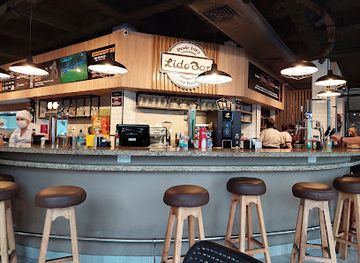
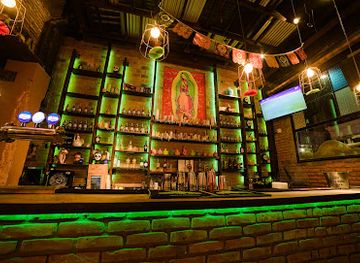
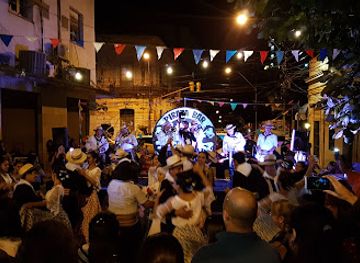
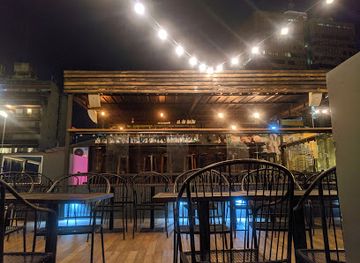
Evening life in Asunción is concentrated in restaurants, traditional bars, breweries, live-music venues and the more developed districts east of the historic centre. Villa Morra, Carmelitas and areas around Avenida España and Avenida Mariscal López are known for a broad choice of dining and drinking establishments, while the old centre has a smaller selection of historic bars, cultural venues and restaurants. Tereré, beer, wine and cocktails all feature in the city’s social life, but nightlife is not limited to alcohol: theatres, concerts, arts events and late meals are important alternatives. The capital has clubs and larger venues, though programming and opening status can change frequently, and the scene is more concentrated than in the major nightlife capitals of the region. On quieter evenings, local entertainment may centre on a restaurant, a live performance or a public cultural event rather than a formal nightclub. Use arranged transport after dark and check current venue information before setting out.
-
Restaurant
Lido Bar
Experience the vibrant flavors of Paraguay at Lido Bar, Asunción's culinary hotspot for traditional dishes and lively atmosphere.
-
Bar
Paseo Carmelitas
Experience the vibrant nightlife and culinary delights at Paseo Carmelitas, Asunción's premier destination for bars and restaurants.
-
Pub
Britannia Pub
Discover the lively Britannia Pub in Asunción, where traditional charm meets modern nightlife, perfect for socializing over drinks and delicious food.
-
Bar
Vamos a jugar
Experience the vibrant nightlife of Asunción at Vamos a Jugar, a lively bar offering great drinks and entertainment in a friendly atmosphere.
Best nightclubs in Capital District
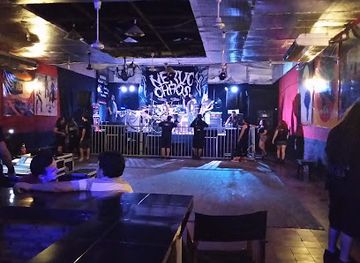
Evening life in Asunción is concentrated in restaurants, traditional bars, breweries, live-music venues and the more developed districts east of the historic centre. Villa Morra, Carmelitas and areas around Avenida España and Avenida Mariscal López are known for a broad choice of dining and drinking establishments, while the old centre has a smaller selection of historic bars, cultural venues and restaurants. Tereré, beer, wine and cocktails all feature in the city’s social life, but nightlife is not limited to alcohol: theatres, concerts, arts events and late meals are important alternatives. The capital has clubs and larger venues, though programming and opening status can change frequently, and the scene is more concentrated than in the major nightlife capitals of the region. On quieter evenings, local entertainment may centre on a restaurant, a live performance or a public cultural event rather than a formal nightclub. Use arranged transport after dark and check current venue information before setting out.
-
Disco club
Pirata Bar
Discover the lively nightlife of Asunción at Pirata Bar, a premier disco club featuring vibrant music, delicious cocktails, and an electrifying ambiance.
-
Bar
O'Leary club
Discover the dynamic nightlife of Asunción at O'Leary Club, where great cocktails and a vibrant atmosphere await.
-
Disco club
Velvet Asuncion
Discover the electric nightlife of Velvet Asuncion, where music, style, and energy collide in an unforgettable disco experience.
-
Bar
Absoluto Rock Bar
Discover the electrifying atmosphere of Absoluto Rock Bar, where live music and vibrant nightlife come together in Asunción.

Best shops in Capital District
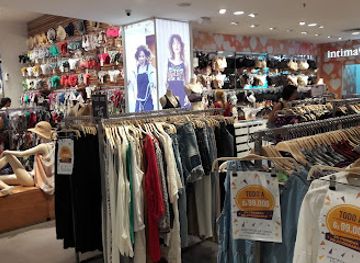
Shopping in Asunción ranges from informal markets and traditional craft stalls to modern shopping centres and independent boutiques. Mercado 4 is the capital’s busiest everyday marketplace, with clothing, household goods, food and small-scale retail spread through a dense urban district; it is best approached attentively and with belongings kept secure. The historic centre and streets around Palma offer souvenirs, books, crafts and local products, while the area around Plaza de la Democracia has additional central retail and cultural stops. For air-conditioned contemporary shopping, the city’s eastern districts contain established malls with fashion, electronics, restaurants and cinemas. Look for Paraguayan food products such as yerba mate, chipa ingredients and sweets, as well as ceramics, textiles, basketry and woodwork from recognised craft traditions. When buying indigenous or handmade items, ask about their origin and production rather than assuming that every souvenir represents a local tradition. Independent design shops and galleries provide a more curated alternative to the markets, but individual retailers and opening arrangements should be checked before visiting.
-
Shopping mall
Paseo La Galería
Discover the vibrant atmosphere of Paseo La Galería, Asunción's premier shopping destination with diverse shops, dining, and entertainment.
-
Shopping mall
delSol Shopping
Explore delSol Shopping in Asunción, Paraguay – the ultimate destination for shopping, dining, and entertainment in a vibrant atmosphere.
-
Shopping mall
Shopping Mariscal
Discover the vibrant shopping scene at Shopping Mariscal, where local charm meets global brands in the heart of Asunción.
-
Shopping mall
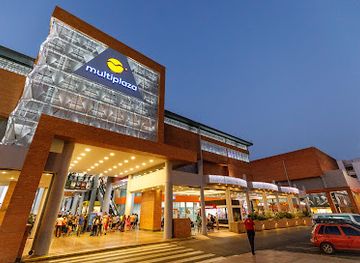
Shopping Multiplaza
Discover Shopping Multiplaza in Asunción: A vibrant hub for shopping, dining, and entertainment, perfect for tourists seeking a rich Paraguayan experience.


Get your free copy of our complete guide to Capital District, delivered straight to you.
Everything on this page, from attractions and restaurants to essentials and local phrases, in one PDF you can read offline, print or share.
Already have an account? Sign in
Your Capital District guide is ready.
We'll send it to · Not you? Sign out

Getting your guide ready…
We are putting together a fresh copy of the Capital District guide. This can take up to a minute.
This can take a few moments. If your browser asks, choose Allow so the download can start. You'll find the guide in your Downloads folder.
Nothing happened? Download it again
Sorry, the guide is taking longer than usual. Please try again in a minute, or get it by email instead.
Capital District essentials
Currency and Payment
Safety
Emergency Situations
Do's and Don'ts
Local Tips
From Eve
Local phrases worth knowing
You don't need to get them perfect. A few words go a long way, and locals appreciate the effort.
Basics
| English | Local | Say it |
|---|---|---|
| Hello | Hola | [oh-lah] |
| Goodbye | Adiós | [ah-dee-ohs] |
| Yes | Sí | [see] |
| No | No | [noh] |
| Please/You're welcome | Por favor | [por fah-bor] |
| Thank you | Gracias | [grah-syahs] |
| Excuse me/Sorry | Disculpe | [dees-kool-peh] |
| How are you? | ¿Cómo está? | [koh-moh ehs-tah] |
| Fine. And you? | Bien. ¿Y tú? | [byen. ee too] |
| Do you speak English? | ¿Habla inglés? | [ah-blah een-gles] |
| I don't understand | No entiendo | [noh en-tyen-doh] |
Eating & Drinking
| English | Local | Say it |
|---|---|---|
| I'd like to see the menu, please | Me gustaría ver el menú, por favor | [meh goo-stah-ree-ah vehr el meh-noo, por fah-bor] |
| I don't eat meat | No como carne | [noh koh-moh kahr-neh] |
| Cheers! | ¡Salud! | [sah-lood] |
| I would like to pay, please | Me gustaría pagar, por favor | [meh goo-stah-ree-ah pah-gar, por fah-bor] |
Emergencies
| English | Local | Say it |
|---|---|---|
| Help! | ¡Ayuda! | [ah-yoo-dah] |
| Go away! | ¡Vete! | [veh-teh] |
| Call the Police! | ¡Llama a la policía! | [yah-mah ah lah poh-lee-see-ah] |
| Call a doctor! | ¡Llama a un doctor! | [yah-mah ah oon dok-tor] |
| I'm lost | Estoy perdido | [es-toy pehr-dee-doh] |
| I'm ill | Estoy enfermo | [es-toy en-fehr-moh] |
Shopping
| English | Local | Say it |
|---|---|---|
| I'd like to buy... | Me gustaría comprar... | [meh goo-stah-ree-ah kom-prar] |
| I'm just looking | Solo estoy mirando | [soh-lo es-toy mee-ran-doh] |
| How much is it? | ¿Cuánto cuesta? | [kwahn-toh kwes-tah] |
| That's too expensive | Eso es muy caro | [eh-so es moo-ee kah-roh] |
| Can you lower the price? | ¿Puedes bajar el precio? | [pweh-des bah-har el preh-see-oh] |
Time & Numbers
| English | Local | Say it |
|---|---|---|
| What time is it? | ¿Qué hora es? | [keh oh-rah es] |
| It's one o'clock | Es la una | [es lah oo-nah] |
| Half past (10) | Y diez y media | [ee dyez ee meh-dee-ah] |
| Morning | Mañana | [mah-nyah-nah] |
| Afternoon | Tarde | [tar-deh] |
| Evening | Noche | [noh-cheh] |
| Yesterday | Ayer | [ah-yehr] |
| Today | Hoy | [oy] |
| Tomorrow | Mañana | [mah-nyah-nah] |
| 1 | Uno | [oo-noh] |
| 2 | Dos | [dohs] |
| 3 | Tres | [tres] |
| 4 | Cuatro | [kwah-troh] |
| 5 | Cinco | [seen-koh] |
| 6 | Seis | [says] |
| 7 | Siete | [syay-teh] |
| 8 | Ocho | [oh-choh] |
| 9 | Nueve | [nweh-beh] |
| 10 | Diez | [dyehs] |
Transport & Directions
| English | Local | Say it |
|---|---|---|
| Where's a/the...? | ¿Dónde está un/una...? | [dohn-deh es-tah oon/oo-nah] |
| What's the address? | ¿Cuál es la dirección? | [kwahl es lah dee-rek-see-on] |
| Can you show me (on the map)? | ¿Puedes mostrarme (en el mapa)? | [pweh-des mohs-trar-meh en el mah-pah] |
| When's the next (bus)? | ¿Cuándo es el próximo (autobús)? | [kwahn-doh es el prohk-see-moh ow-toh-boos] |
| A ticket (to ....) | Un boleto (a ....) | [oon boh-leh-toh ah] |
History of Capital District
Guaraní heritage and the riverside setting
Long before the Spanish arrival, the area around the Paraguay River was part of a wider Guaraní cultural world whose languages, foodways and social traditions remain central to Paraguayan identity. The river corridor shaped movement, exchange and settlement, while knowledge of local plants and agriculture supported communities in the subtropical environment. Modern Asunción is a highly urbanised capital, yet Guaraní influence remains visible in the country’s official language, place names, everyday expressions, tereré culture and traditional foods. Understanding this indigenous foundation is essential to seeing the city as more than a colonial or republican capital.
Foundation of Asunción, 1537
Spanish forces founded Asunción on 15 August 1537, when Juan de Salazar y Espinosa established a settlement beside the Paraguay River. Its position made it an important base for Spanish movement through the interior of the Río de la Plata region. Asunción later acquired the title ‘Mother of Cities’ because expeditions associated with the settlement helped establish or support other colonial towns, although the phrase is a historical tradition rather than a description of modern political boundaries. The city’s riverside location and early connection with Spanish colonial administration shaped its long-term importance.
Colonial Asunción and Jesuit-era connections
During the colonial period, Asunción developed as a regional administrative, religious and commercial centre, linked by river routes to settlements across the interior. The city’s fortunes were influenced by its distance from the Atlantic and by changing Spanish controls over trade, which encouraged a distinct regional society rather than a capital dominated by mineral wealth. Religious orders, military authorities, settlers and Guaraní communities all contributed to the colonial landscape. Much of the built environment changed later, but the central civic area and the city’s continued dependence on river communication reflect this formative period.
Independence and the López era, 1811–1864
Paraguay achieved independence from Spanish rule in 1811, and Asunción became the centre of the new republic. The Casa de la Independencia is associated with the meetings and figures that preceded the change of government. Under Carlos Antonio López and then Francisco Solano López, the capital saw efforts to strengthen state institutions, manufacture, education and transport. The railway from Asunción towards Paraguarí began operating in the 1860s, marking an ambitious phase of modernisation. Government buildings and public works from this era helped establish the city’s republican identity.
The War of the Triple Alliance, 1864–1870
The War of the Triple Alliance, fought by Paraguay against Brazil, Argentina and Uruguay, brought catastrophic losses and profound political and economic disruption. Asunción was occupied during the later stages of the conflict, and its public buildings, population and institutions suffered heavily. Post-war reconstruction reshaped the capital and opened the country to stronger outside influence, including new commercial interests and immigrant communities. The war remains deeply important in Paraguayan historical memory, and national monuments, civic ceremonies and museums in Asunción preserve aspects of this difficult twentieth-century legacy.
Railways, river commerce and urban change
In the late nineteenth and early twentieth centuries, Asunción’s port, railway and commercial streets connected the capital more closely with regional trade. The railway station became a symbol of technological ambition, while the river continued to carry people and goods despite changing transport patterns. New public buildings, neighbourhoods and imported architectural influences altered the city’s appearance. Markets expanded alongside formal commerce, and Asunción developed the mixture of civic institutions, working districts and residential areas that still defines its urban geography. The former railway complex and historic centre provide some of the clearest reminders of this transformation.
Dictatorship, democratic transition and the contemporary capital
Alfredo Stroessner ruled Paraguay from 1954 until 1989, and Asunción was the centre of the political system, public administration and opposition movements that shaped that period. His fall in a 1989 coup began a transition towards constitutional democracy, although the country’s political and social challenges continued. Since then, Asunción has expanded through new commercial districts, suburban growth and investment in cultural and riverfront spaces. The Costanera and renewed interest in the historic centre reflect attempts to reconnect the capital with its river, public spaces and architectural heritage.
Capital District in Photos
Browse through our photo collection highlighting the charm and character of the destination.
Neighbouring regions of Capital District
The closest regions to Capital District, if you have time for more than one.
-

-

-

-

-


Swipe for more regions
Explore more

Explore more of Paraguay
Discover Paraguay: A blend of history, culture, and natural beauty in the heart of South America. Visit Asunción, explore Jesuit ruins, and experience the local cuisine.
Explore Paraguay