
Eastern Paraguay, Paraguay Travel Guide
Discover the natural beauty, rich history, and vibrant culture of Eastern Paraguay, a hidden gem nestled between the Parana and Paraguay rivers.
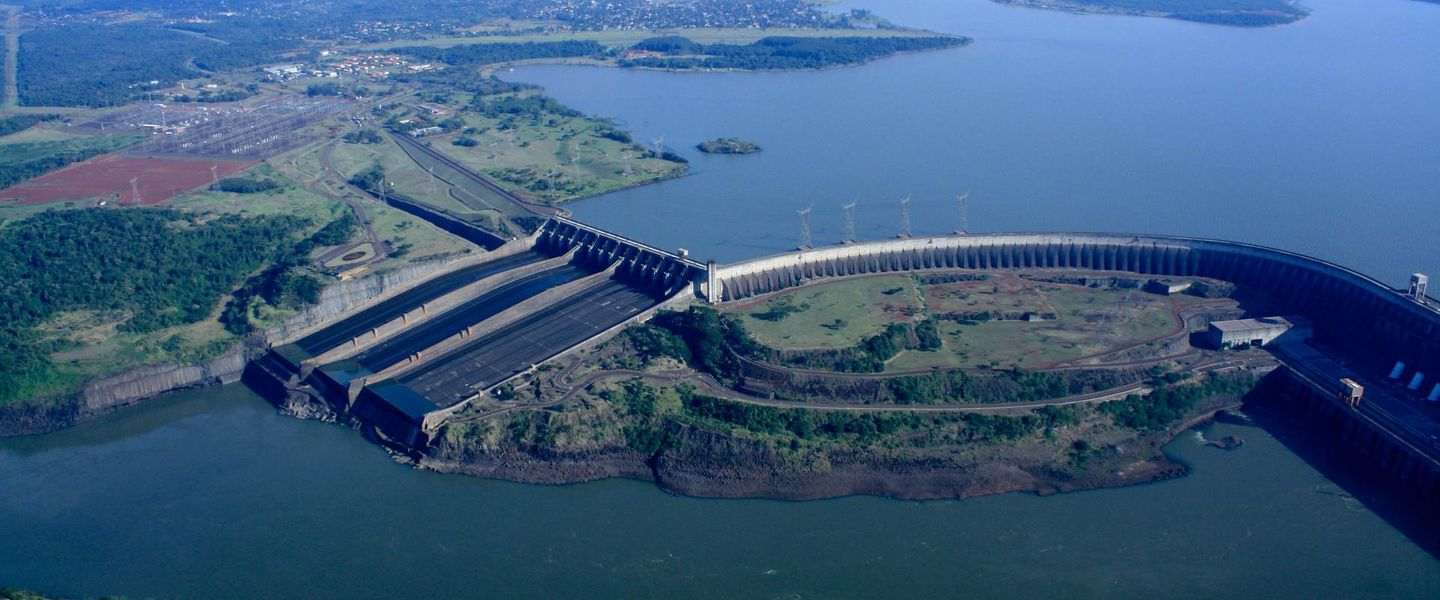
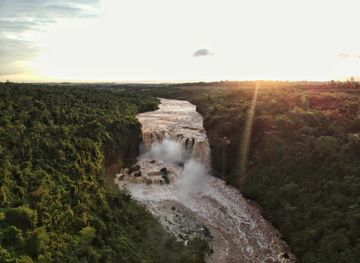
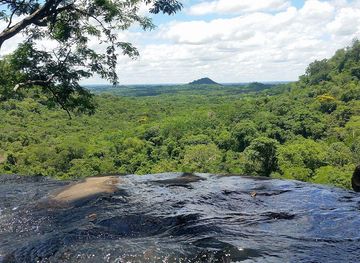
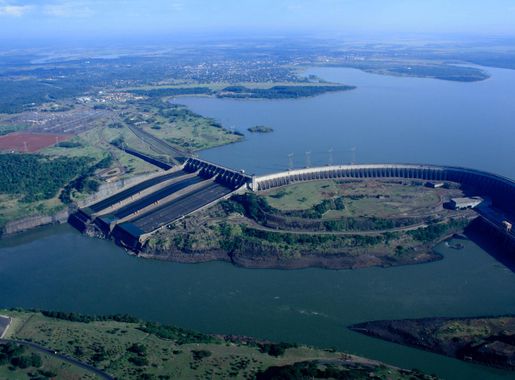
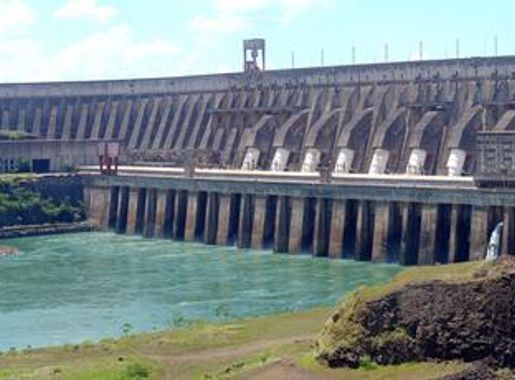
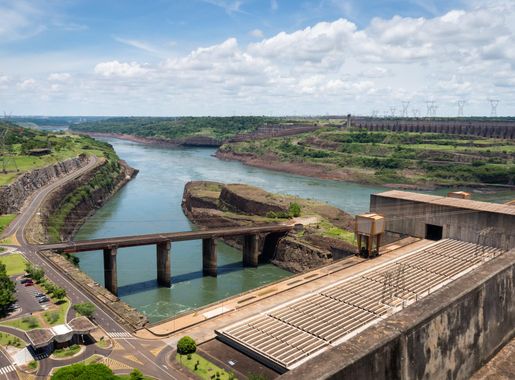
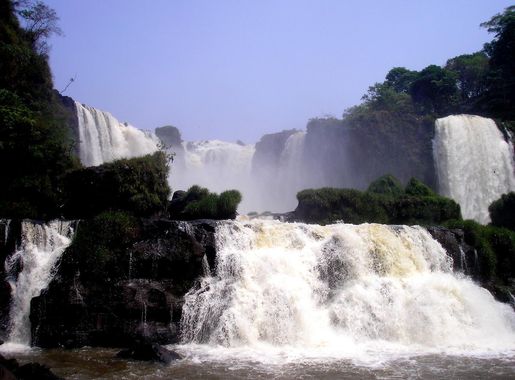
Eastern Paraguay is a mesmerizing region, offering a blend of rich history, vibrant culture, and stunning natural beauty. Nestled between the Parana and Paraguay rivers, this area is known for its lush landscapes, including the famous Itaipu Dam, one of the world's largest hydroelectric plants. This makes it not only a marvel of engineering but also a spectacular sight to behold. Whether you are an outdoor enthusiast or a history buff, Eastern Paraguay has something to offer for everyone. The region is also home to various national parks and reserves, such as the Ybycuí National Park, where visitors can explore waterfalls, hiking trails, and diverse wildlife. For those interested in history and culture, the Jesuit Missions of La Santísima Trinidad de Paraná and Jesús de Tavarangue are a must-visit. These UNESCO World Heritage sites offer a glimpse into the country's colonial past and the impressive architecture of the Jesuits. Eastern Paraguay is not just about sightseeing; it’s also about experiencing the local way of life. The region is known for its delicious cuisine, vibrant markets, and friendly locals. Don't miss out on trying traditional dishes like sopa paraguaya and chipa, or shopping for unique handicrafts in local markets. With its blend of natural wonders and cultural treasures, Eastern Paraguay is a destination that promises memorable experiences for every traveler.

Know before you go
Hi, I'm Eve. Here are a few practical things to know before exploring Eastern Paraguay.
- Visit the Itaipu Dam early in the morning to avoid crowds and enjoy guided tours.
- Wear comfortable hiking shoes when exploring Ybycuí National Park for an enjoyable experience.
- Carry cash as many local markets and small vendors do not accept credit cards.
- Try to learn a few basic Spanish phrases; locals appreciate the effort and it will enhance your experience.
- Respect local customs when visiting religious and historical sites by dressing modestly.
Top City Travel Guides in Eastern Paraguay
The cities of Eastern Paraguay, and the easiest places to base yourself.


Destinations in Eastern Paraguay
Resorts, valleys and scenic spots worth a trip of their own.


Best landmarks in Eastern Paraguay
Top-rated picks
Best Landmarks

Monday Falls
Experience the breathtaking beauty of Monday Falls, a national park in Paraguay known for its stunning waterfalls and lush landscapes.
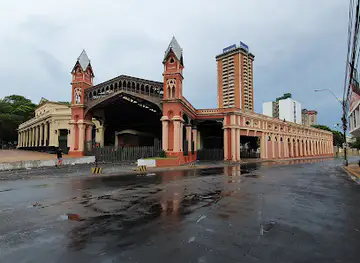
Plaza Uruguaya
Explore the charm of Plaza Uruguaya, a historic park in Asunción known for its cultural significance and lush greenery.
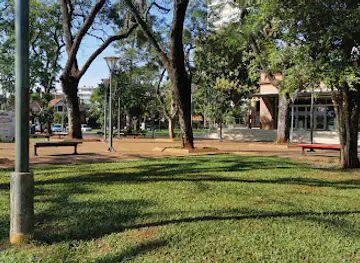
República del Paraguay Park
Explore the lush landscapes and tranquil atmosphere of República del Paraguay Park in Posadas, a perfect retreat for nature lovers and tourists alike.
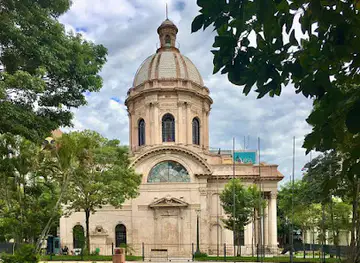
National Pantheon of Heroes
Discover the National Pantheon of Heroes in Asunción, Paraguay, where history and culture converge to honor the nation's most revered figures.

Best restaurants in Eastern Paraguay
Top-rated picks
Best Restaurants

Bolsi
Discover the flavors of Paraguay at Bolsi – a family-friendly haven serving breakfast, sushi, and local delicacies in Asunción.

Lido Bar
Experience authentic Paraguayan cuisine at Lido Bar in Asunción – where tradition meets flavor in a vibrant setting.

Churrasquería O Gaúcho
Experience authentic Paraguayan barbecue at Churrasquería O Gaúcho—where delicious flavors meet warm hospitality.

La Cabrera
Experience the rich flavors of Paraguay at La Cabrera - Asunción's top steakhouse offering premium cuts and a lively atmosphere.

Best bars in Eastern Paraguay
Top-rated picks
Best Bars

Lido Bar
Discover the heart of Paraguayan cuisine at Lido Bar, Asunción's vibrant dining destination offering delicious local dishes and a lively atmosphere.

Britannia Pub
Discover Asunción's lively Britannia Pub, where local flavors meet a vibrant atmosphere perfect for tourists seeking an authentic experience.

Vamos a jugar
Experience vibrant nightlife at Vamos a Jugar, a lively bar in Asunción offering delicious drinks and a welcoming atmosphere for all.

Arsenal Cué
Discover the lively atmosphere of Arsenal Cué, a premier bar in Asunción offering vibrant nightlife, delicious drinks, and unforgettable experiences.

Best nightclubs in Eastern Paraguay
Top-rated picks
Best Nightclubs

O'Leary club
O'Leary Club: A lively bar in Asunción offering exquisite drinks, vibrant music, and a welcoming atmosphere for an unforgettable night out.

Velvet Asuncion
Experience the vibrant nightlife at Velvet Asuncion, where electrifying music, stylish ambiance, and lively crowds create unforgettable moments.

Morgan Warehouse, Nightclub
Discover the electrifying nightlife of Asunción at Morgan Warehouse Nightclub, where music, dance, and vibrant energy come together for an unforgettable experience.

Club Condesa
Dive into the vibrant nightlife at Club Condesa, Asunción's premier disco club offering electrifying music, cocktails, and dance.

Best shops in Eastern Paraguay
Top-rated picks
Best Shops

Paseo La Galería
Discover a vibrant shopping experience at Paseo La Galería in Asunción, featuring diverse stores, delicious cuisine, and lively events.

delSol Shopping
Discover DelSol Shopping in Asunción, a vibrant mall featuring over 250 shops, diverse dining options, and family-friendly entertainment for everyone.

Shopping Mariscal
Explore Shopping Mariscal in Asunción, where diverse shopping, delicious dining, and entertainment await every visitor.

Shopping Paris
Discover Shopping Paris in Ciudad del Este: A vibrant shopping mall with top brands, local crafts, and delightful dining options for every visitor.

Explore Eastern Paraguay on the Map
A handpicked selection of must-see spots in Eastern Paraguay, mapped for you.
Eastern Paraguay Essentials
-
Eastern Paraguay is accessible by air, road, and river. The primary international entry point is Silvio Pettirossi International Airport in Asunción, the capital city. From Asunción, you can take a domestic flight to Ciudad del Este, which serves as a gateway to Eastern Paraguay. Alternatively, you can travel by bus or car from Asunción to Ciudad del Este, Encarnación, or other cities in the region. The journey by road typically takes around 5-6 hours. Additionally, the Paraná River offers boat services connecting Argentina and Brazil to Eastern Paraguay.
-
Transportation within Eastern Paraguay includes buses, taxis, and car rentals. The bus network is extensive and affordable, connecting major cities and towns. Taxis are widely available in urban areas, and it is advisable to agree on a fare before starting your journey. For more flexibility, renting a car can be a convenient option, especially for exploring rural areas. Major car rental companies have offices in Ciudad del Este and Encarnación.
-
The official currency in Paraguay is the Paraguayan Guarani (PYG). Credit and debit cards are accepted in most hotels, restaurants, and larger stores, but it is advisable to carry cash for smaller establishments and markets. ATMs are widely available in cities and towns. Currency exchange services are also available at banks and official exchange offices.
-
Eastern Paraguay is generally safe for tourists, but it is important to take standard precautions. Avoid walking alone at night in unfamiliar areas and stay vigilant in crowded places. Ciudad del Este has higher crime rates, especially in areas near the border with Brazil. Be cautious of pickpocketing and scams in busy markets and tourist spots. Always keep an eye on your belongings and avoid displaying valuable items.
-
In case of emergency, dial 911 for immediate assistance. Major cities like Ciudad del Este and Encarnación have hospitals and medical facilities. It is recommended to have travel insurance that covers medical emergencies. Pharmacies are available in urban areas for over-the-counter medications. For police assistance, locate the nearest police station or contact tourist police units available in major tourist areas.
-
Fashion: Do dress modestly, especially in rural areas and religious sites. Avoid wearing revealing clothing. Religion: Do respect local customs and traditions. When visiting churches, dress conservatively and be quiet. Public Transport: Do be respectful and give up your seat to elderly passengers. Don't eat or drink on public transport. Greetings: Do greet people with a handshake. A kiss on the cheek is common among friends. Eating & Drinking: Do try local delicacies and accept food offerings graciously. Don’t refuse hospitality, as it is considered impolite.
-
To experience Eastern Paraguay like a local, visit the local markets where you can buy fresh produce and traditional Paraguayan goods. Engage with locals, as they are often friendly and willing to share stories about the area's history and culture. Don't miss visiting the Jesuit Missions of La Santísima Trinidad de Paraná and Jesús de Tavarangue, which are UNESCO World Heritage Sites. For a unique experience, explore the Itaipu Dam, one of the world's largest hydroelectric projects, located near Ciudad del Este.
When is the best time to visit Eastern Paraguay?
Useful Local Phrases for Eastern Paraguay
You don't need to speak the language perfectly. Even learning a few simple words can make conversations warmer—and locals usually appreciate the effort.
— Eve

Here are the phrases I use most often in Eastern Paraguay. Try a few—you'll be surprised how far they go! 😊
❤️
-
- HelloHola
[Ola] - GoodbyeAdiós
[Adeeos] - YesSí
[See] - NoNo
[No] - Please/You're welcomePor favor
[Por favor] - Thank youGracias
[Gra-thias] - Excuse me/SorryDisculpe
[Dees-cool-pe] - How are you?¿Cómo estás?
[Komo es-tas] - Fine. And you?Bien. ¿Y tú?
[Bee-en. Ee too] - Do you speak English?¿Hablas inglés?
[A-blas in-glez] - I don't understandNo entiendo
[No en-tee-en-do]
- HelloHola
-
- I'd like to see the menu, pleaseQuisiera ver el menú, por favor
[Kee-see-aira ver el menu, por favor] - I don't eat meatNo como carne
[No co-mo car-ne] - Cheers!¡Salud!
[Sa-lud] - I would like to pay, pleaseQuisiera pagar, por favor
[Kee-see-aira pa-gar, por favor]
- I'd like to see the menu, pleaseQuisiera ver el menú, por favor
-
- Help!¡Ayuda!
[A-yu-da] - Go away!¡Lárgate!
[Lar-ga-te] - Call the Police!¡Llame a la policía!
[Ya-me a la po-li-ci-a] - Call a doctor!¡Llame a un doctor!
[Ya-me a un doc-tor] - I'm lostEstoy perdido
[Es-toy per-di-do] - I'm illEstoy enfermo/a
[Es-toy en-fer-mo/a]
- Help!¡Ayuda!
-
- I'd like to buy...Quisiera comprar...
[Kee-see-aira com-prar] - I'm just lookingSolo estoy mirando
[So-lo es-toy mi-ran-do] - How much is it?¿Cuánto cuesta?
[Kwan-to kwes-ta] - That's too expensiveEs muy caro
[Es mwee ka-ro] - Can you lower the price?¿Puede bajar el precio?
[Pwe-de ba-har el pre-cio]
- I'd like to buy...Quisiera comprar...
-
- What time is it?¿Qué hora es?
[Ke o-ra es] - It's one o'clockEs la una
[Es la oo-na] - Half past (10)Y media (10)
[Ee me-dia (10)] - MorningMañana
[Man-ya-na] - AfternoonTarde
[Tar-de] - EveningNoche
[No-che] - YesterdayAyer
[A-yer] - TodayHoy
[Oi] - TomorrowMañana
[Man-ya-na] - 1Uno
[Oo-no] - 2Dos
[Dos] - 3Tres
[Tres] - 4Cuatro
[Kwa-tro] - 5Cinco
[Sin-co] - 6Seis
[Seys] - 7Siete
[Sye-te] - 8Ocho
[O-cho] - 9Nueve
[Nwe-ve] - 10Diez
[Dyez]
- What time is it?¿Qué hora es?
-
- Where's a/the...?¿Dónde está un/una...?
[Don-de es-ta un/una] - What's the address?¿Cuál es la dirección?
[Kwal es la di-rek-sion] - Can you show me (on the map)?¿Puedes mostrarme (en el mapa)?
[Pwe-des mos-trar-me (en el ma-pa)] - When's the next (bus)?¿Cuándo pasa el próximo (autobús)?
[Kwan-do pa-sa el pro-ksi-mo (au-to-boos)] - A ticket (to ....)Un boleto (a ....)
[Un bo-le-to (a ....)]
- Where's a/the...?¿Dónde está un/una...?
History of Eastern Paraguay
-
Before the arrival of Europeans, Eastern Paraguay was inhabited by various indigenous groups, most notably the Guarani people. The Guarani developed a complex society with rich traditions, language, and social structures. They practiced agriculture, cultivating crops like maize, beans, and manioc, and were known for their advanced knowledge of herbal medicine.
-
In the early 16th century, Spanish explorers began to venture into Eastern Paraguay. By the 17th century, Jesuit missionaries had established a series of missions aimed at converting the indigenous population to Christianity. These missions became economically and culturally significant, with the Jesuits educating the Guarani in European agricultural techniques and crafts, while also preserving many aspects of their native culture.
-
The Paraguayan War, also known as the War of the Triple Alliance, was a devastating conflict involving Paraguay against Brazil, Argentina, and Uruguay. Eastern Paraguay was a significant battleground during this war. The conflict resulted in massive loss of life and had long-lasting impacts on the region's demographics and economy.
-
In the late 19th and early 20th centuries, Eastern Paraguay saw an influx of immigrants from Europe, particularly from Germany, Italy, and Eastern Europe. These immigrants established colonies and contributed to the agricultural and cultural development of the region. This period also saw the rise of Yerba Mate cultivation, which became a staple product of the local economy.
-
Though primarily fought in the Chaco region, the Chaco War between Paraguay and Bolivia had significant repercussions for Eastern Paraguay. The conflict led to increased national unity and militarization, impacting the social and political landscape of the area. Many soldiers from Eastern Paraguay participated in the war, and the region supported war efforts through resource contributions.
-
In recent decades, Eastern Paraguay has experienced significant economic growth and modernization. Urban centers like Ciudad del Este have become bustling commercial hubs, particularly due to cross-border trade with Brazil and Argentina. At the same time, there has been a cultural renaissance, with renewed interest in preserving and celebrating the region’s indigenous and colonial heritage through festivals, museums, and educational programs.
Neighbouring Regions of Eastern Paraguay
The closest regions to Eastern Paraguay, if you have time for more than one.



Your all‑in‑one travel companion app
Explore expert travel guides, compare and book tours, experiences, hotels, and more—all from the palm of your hand. Download now for seamless trip planning wherever your wanderlust takes you.


Explore More of Paraguay

Looking beyond Eastern Paraguay? Discover Paraguay for broader travel guides, local hot-spots, and regional highlights.
Explore ParaguayEastern Paraguay in Photos
Browse through our photo collection highlighting the charm and character of the destination.





Exploring the Wonders of Eastern Paraguay
Eastern Paraguay is a mesmerizing region, offering a blend of rich history, vibrant culture, and stunning natural beauty. Nestled between the Parana and Paraguay rivers, this area is known for its lush landscapes, including the famous Itaipu Dam, one of the world's largest hydroelectric plants. This makes it not only a marvel of engineering but also a spectacular sight to behold. Whether you are an outdoor enthusiast or a history buff, Eastern Paraguay has something to offer for everyone. The region is also home to various national parks and reserves, such as the Ybycuí National Park, where visitors can explore waterfalls, hiking trails, and diverse wildlife. For those interested in history and culture, the Jesuit Missions of La Santísima Trinidad de Paraná and Jesús de Tavarangue are a must-visit. These UNESCO World Heritage sites offer a glimpse into the country's colonial past and the impressive architecture of the Jesuits. Eastern Paraguay is not just about sightseeing; it’s also about experiencing the local way of life. The region is known for its delicious cuisine, vibrant markets, and friendly locals. Don't miss out on trying traditional dishes like sopa paraguaya and chipa, or shopping for unique handicrafts in local markets. With its blend of natural wonders and cultural treasures, Eastern Paraguay is a destination that promises memorable experiences for every traveler.