

Free Northwestern Pennsylvania Travel Guide & Mobile App
Explore Northwestern Pennsylvania with free travel guides. Discover regional history, expert tips, proposed trips, and audio guides on web or mobile app.


Northwestern Pennsylvania pairs Lake Erie beaches and maritime history with oil heritage, forest trails, small cities and four-season outdoor recreation.
Read more about Northwestern Pennsylvania
Getting to and around Northwestern Pennsylvania
How to get there
Transportation
Top city travel guides in Northwestern Pennsylvania
The cities of Northwestern Pennsylvania, and the easiest places to base yourself.

Swipe for more cities
Destinations in Northwestern Pennsylvania
Resorts, valleys and scenic spots worth a trip of their own.
-

-


Swipe for more destinations
Best attractions in Northwestern Pennsylvania
Northwestern Pennsylvania’s attractions range from Lake Erie recreation to industrial and forest heritage. Presque Isle State Park is the region’s signature outdoor destination, with beaches, lagoons, bird habitats, boating opportunities and roads suitable for cycling. Erie’s waterfront adds the Erie Maritime Museum, the U.S. Brig Niagara and other reminders of the city’s naval and commercial history. Inland, Oil Creek State Park and the Drake Well Museum and Park explain the origins of commercial petroleum production through trails, exhibits and preserved landscapes. Cook Forest State Park is known for old-growth stands and hiking, while the Allegheny National Forest and the Allegheny Reservoir provide a larger setting for paddling, fishing, camping and wildlife observation. Kinzua Dam, near Warren, is a gateway to reservoir recreation and forest roads. Smaller cities and towns contribute historic districts, galleries, local museums and seasonal cultural events, while Pymatuning State Park offers boating, fishing and family recreation around a large lake on the Pennsylvania–Ohio border.
-
State park
Ohiopyle State Park
Discover the breathtaking landscapes, thrilling adventures, and diverse wildlife of Ohiopyle State Park, a true natural wonder in Pennsylvania.
-
Amusement park
Waldameer & Water World
Experience the thrills of Waldameer & Water World, Pennsylvania's premier amusement and water park for family fun and unforgettable adventures.
-
Casino
Presque Isle Downs & Casino
Discover the excitement of gaming, dining, and live horse racing at Presque Isle Downs & Casino in Erie, Pennsylvania.
-
Water park
Splash Lagoon
Experience the thrill of Splash Lagoon, Erie’s premier indoor water park, with thrilling slides, relaxing pools, and family-friendly fun.


Best landmarks in Northwestern Pennsylvania
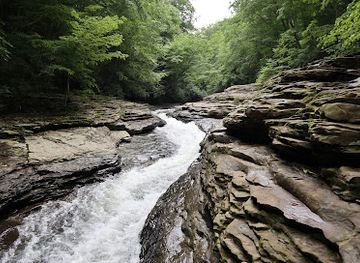
The region’s most recognisable landmarks reflect its position between lake, forest and industry. Presque Isle’s long peninsula and lighthouse landscapes define Erie’s relationship with Lake Erie, while the Erie Maritime Museum and U.S. Brig Niagara recall the city’s role in the War of 1812 and the wider Great Lakes waterway. The Drake Well Museum and Park near Titusville is a landmark of global industrial significance because it commemorates the 1859 well associated with the birth of the modern commercial oil industry. Oil City’s historic streets and riverfront buildings preserve the wealth and infrastructure created by petroleum, while Franklin’s downtown architecture reflects the prosperity of the oil era in a different setting. In the forested north, Kinzua Dam and the Allegheny Reservoir form a major engineered landscape, and Cook Forest’s old-growth trees provide a natural landmark rather than a built monument. These places are best understood as evidence of different forces that shaped the region: navigation, extraction, commerce, civic ambition and conservation.
-
Historical place
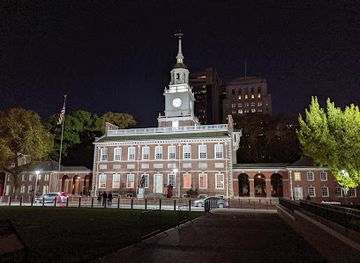
Independence National Historical Park
Explore the historic roots of America at Independence National Historical Park, where the Declaration of Independence was signed and freedom was born.
-
Park
Valley Forge National Historical Park
Discover Valley Forge National Historical Park: A beautiful blend of history and nature that brings America's Revolutionary War to life.
-
State park
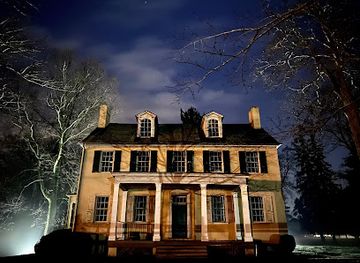
Washington Crossing Historic Park
Explore Washington Crossing Historic Park, a state park and historical landmark that commemorates George Washington's daring move during the Revolutionary War.
-
Historical place museum
Presque Isle Lighthouse
Explore the historic Presque Isle Lighthouse and immerse yourself in Erie’s maritime heritage amidst the natural beauty of Presque Isle State Park.


Explore Northwestern Pennsylvania on the map
Plan your trip on one map. See where the top cities, national parks and sights are, and book hotels and experiences in a few clicks.
Best hotels in Northwestern Pennsylvania
Best restaurants in Northwestern Pennsylvania
Dining in Northwestern Pennsylvania combines Great Lakes influences with the informal traditions of Pennsylvania small towns. Erie has the broadest choice, from waterfront and neighbourhood restaurants to diners, bakeries and cafés, with menus that may include freshwater fish, regional produce and familiar American comfort food. Farm stands and markets supply apples, sweet corn, pumpkins, preserves, maple products and baked goods, particularly in the countryside around Crawford, Erie and Mercer counties. Meadville, Franklin, Titusville and Oil City have locally oriented restaurants, taverns and cafés where meals are often part of a slower main-street experience. Pennsylvania Dutch food traditions are more strongly associated with other parts of the state, but regional diners and bakeries commonly reflect the wider state’s fondness for pies, sandwiches and substantial breakfasts. Craft breweries and small beverage producers add a contemporary element, while rural restaurants and historic inns provide practical stopping places along scenic drives.
-
Fast Food
Chick-fil-A
Discover Chick-fil-A in Erie: A fast food favorite serving delicious chicken sandwiches and family-friendly meals in a welcoming atmosphere.
-
Restaurant
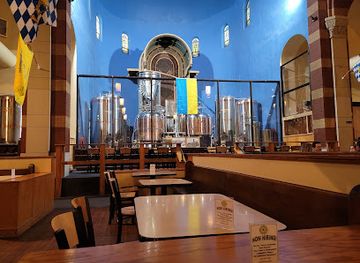
The Church Brew Works
Discover the unique blend of history and craft brewing at The Church Brew Works in Pittsburgh—where every meal is an experience.
-
American
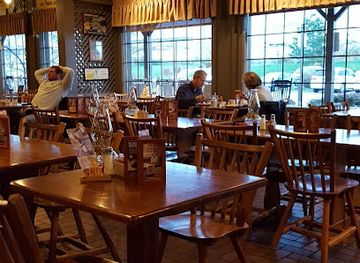
Cracker Barrel Old Country Store
Discover the charm of Cracker Barrel Old Country Store in Erie, PA - where Southern comfort food meets nostalgic shopping.
-
Steak
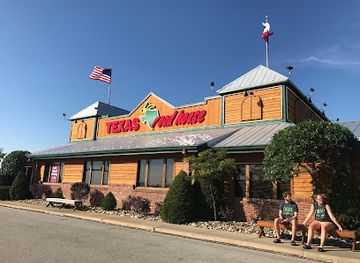
Texas Roadhouse
Experience mouthwatering hand-cut steaks and vibrant Southern hospitality at Texas Roadhouse in Erie, PA.

Best bars in Northwestern Pennsylvania
Evening life is concentrated in Erie and the larger inland towns rather than spread evenly across the countryside. Erie offers the region’s widest selection of pubs, breweries, cocktail bars, live-music venues and late-opening restaurants, particularly around its central and waterfront areas, though the scale is modest compared with major American cities. In Meadville, Franklin, Titusville and Oil City, nightlife generally centres on taverns, neighbourhood bars, restaurants, seasonal events and occasional live performances. College and community events can bring a younger audience to some venues, while rural districts are more likely to settle into an early evening of food, conversation and local music. Visitors should plan transport carefully outside the main towns, as taxis and late public transit can be limited. Breweries and taprooms are useful for sampling local products, but they are only one part of the region’s evening culture.
-
Grill
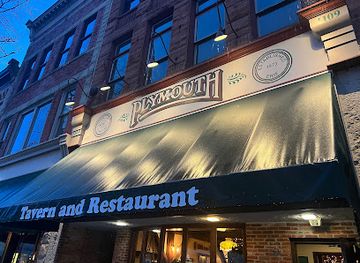
Plymouth Tavern
Discover Plymouth Tavern in Erie, PA: A cozy grill offering delicious meals and friendly service for an unforgettable dining experience.
-
American
Sloppy Duck Saloon
Experience the vibrant culture of Erie at the Sloppy Duck Saloon, where delicious American cuisine meets live music in a stunning bayfront setting.
-
Grill
Two45 Waterfront Grille
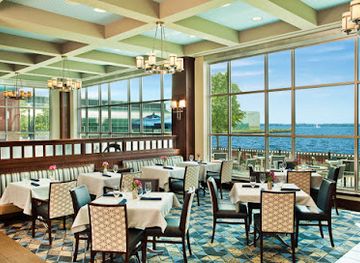
Discover exquisite American cuisine and stunning waterfront views at Two45 Waterfront Grille in Erie, Pennsylvania, a must-visit for food lovers.
-
Grill
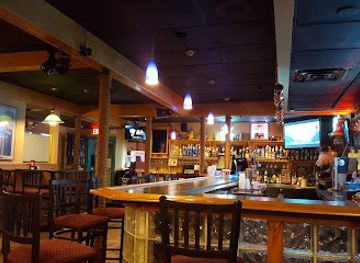
BIGBAR
Experience Erie’s vibrant nightlife at BIGBAR, where delicious grill dishes meet fantastic entertainment in a lively atmosphere.

Best nightclubs in Northwestern Pennsylvania
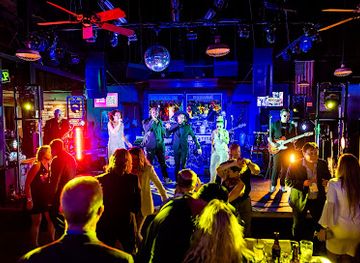
Evening life is concentrated in Erie and the larger inland towns rather than spread evenly across the countryside. Erie offers the region’s widest selection of pubs, breweries, cocktail bars, live-music venues and late-opening restaurants, particularly around its central and waterfront areas, though the scale is modest compared with major American cities. In Meadville, Franklin, Titusville and Oil City, nightlife generally centres on taverns, neighbourhood bars, restaurants, seasonal events and occasional live performances. College and community events can bring a younger audience to some venues, while rural districts are more likely to settle into an early evening of food, conversation and local music. Visitors should plan transport carefully outside the main towns, as taxis and late public transit can be limited. Breweries and taprooms are useful for sampling local products, but they are only one part of the region’s evening culture.
-
Bar
Howl at the Moon Pittsburgh
Join the fun at Howl at the Moon Pittsburgh, where live music, creative cocktails, and a vibrant atmosphere create unforgettable nights out in the city.
-
Grill
Oasis Pub & Tiki Bar
Experience the vibrant atmosphere and delicious offerings of Oasis Pub & Tiki Bar, your perfect dining destination by Lake Erie.
-
Bar
Doc Holliday's Bar & Grill
Discover the lively Doc Holliday's Bar & Grill, where great food, drinks, and entertainment come together for an unforgettable experience in Erie, PA.
-
Cocktail bar
Mixtape
Explore Mixtape, a cocktail bar in Pittsburgh, where unique drinks meet a vibrant atmosphere perfect for any evening out.


Best shops in Northwestern Pennsylvania
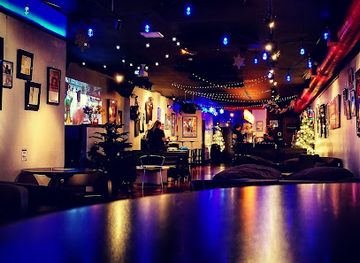
Shopping is primarily local and practical, with the greatest concentration of established retail in Erie and the most distinctive browsing in smaller historic towns. Erie provides conventional shopping, independent businesses, galleries, bookstores and food retailers, while downtown Meadville, Franklin, Titusville and Oil City offer antiques, crafts, gifts and locally run shops in historic commercial settings. Farm stands and seasonal markets are particularly worthwhile for apples, pumpkins, preserves, maple products, honey, baked goods and other Pennsylvania-made foods. Outdoor-oriented visitors can find equipment and supplies in larger towns, but rural communities are not extensive shopping destinations, so stock up before heading into forest or reservoir country. Art galleries and craft shops offer regional work, while museum stores can provide more meaningful souvenirs connected with Lake Erie, railways, timber or the oil industry. Check seasonal market schedules locally, since opening days and vendor lists vary through the year.
-
Shopping mall
Peddler's Village
Explore the enchanting Peddler's Village in Lahaska, PA, a unique shopping and dining experience with charming scenery and seasonal events.
-
Outlet mall
Pocono Premium Outlets
Explore a shopper’s haven at Pocono Premium Outlets, offering unbeatable deals on top brands in a stunning mountain setting.
-
Outlet mall
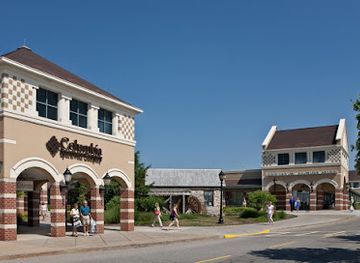
Grove City Premium Outlets
Experience exceptional savings and a diverse array of brands at Grove City Premium Outlets, your ultimate shopping destination in Pennsylvania.
-
Shopping mall
Millcreek Mall Complex
Discover Erie’s premier shopping destination with over 150 stores, dining options, and entertainment at Millcreek Mall Complex.


Get your free copy of our complete guide to Northwestern Pennsylvania, delivered straight to you.
Everything on this page, from attractions and restaurants to essentials and local phrases, in one PDF you can read offline, print or share.
Already have an account? Sign in
Your Northwestern Pennsylvania guide is ready.
We'll send it to · Not you? Sign out

Getting your guide ready…
We are putting together a fresh copy of the Northwestern Pennsylvania guide. This can take up to a minute.
This can take a few moments. If your browser asks, choose Allow so the download can start. You'll find the guide in your Downloads folder.
Nothing happened? Download it again
Sorry, the guide is taking longer than usual. Please try again in a minute, or get it by email instead.
Northwestern Pennsylvania essentials
Currency and Payment
Safety
Emergency Situations
Do's and Don'ts
Local Tips
From Eve
Local phrases worth knowing
You don't need to get them perfect. A few words go a long way, and locals appreciate the effort.
Basics
| English | Local | Say it |
|---|---|---|
| Hello | Howdy | [hau-dee] |
| Goodbye | See ya | [see yah] |
| Yes | Yup | [yup] |
| No | Nah | [nah] |
| Please/You're welcome | No problem | [noh prob-lum] |
| Thank you | Thanks a lot | [thanks uh lot] |
| Excuse me/Sorry | Pardon me | [par-dun mee] |
| How are you? | How ya doin'? | [how yah doin'] |
| Fine. And you? | Good. And you? | [good. And you?] |
| Do you speak English? | You speakin' English? | [yoo speek-in' ing-glish?] |
| I don't understand | I ain't followin' | [I ain't fol-low-in'] |
Eating & Drinking
| English | Local | Say it |
|---|---|---|
| I'd like to see the menu, please | Can I see the menu? | [can I see thuh men-yoo?] |
| I don't eat meat | I don't do meat | [I don't do meet] |
| Cheers! | Cheers! | [cheers] |
| I would like to pay, please | Can I get the check? | [can I get thuh chek?] |
Emergencies
| English | Local | Say it |
|---|---|---|
| Help! | Help! | [help] |
| Go away! | Beat it! | [beat it] |
| Call the Police! | Call the cops! | [call thuh cops] |
| Call a doctor! | Get me a doctor! | [get me a doc-tor] |
| I'm lost | I'm turned around | [I'm turned uh-round] |
| I'm ill | I'm not feelin' good | [I'm not feel-in' good] |
Shopping
| English | Local | Say it |
|---|---|---|
| I'd like to buy... | I wanna buy... | [I wanna buy...] |
| I'm just looking | Just lookin' | [just look-in'] |
| How much is it? | What's it gonna cost? | [whats it gon-na cost?] |
| That's too expensive | That's a bit pricey | [thats a bit pry-see] |
| Can you lower the price? | Can ya cut the price? | [can yah cut thuh pryce?] |
Time & Numbers
| English | Local | Say it |
|---|---|---|
| What time is it? | What time ya got? | [what time yah got?] |
| It's one o'clock | It's one | [its wun] |
| Half past (10) | Half past ten | [half past ten] |
| Morning | Mornin' | [morn-in'] |
| Afternoon | Afternoon | [af-ter-noon] |
| Evening | Evenin' | [even-in'] |
| Yesterday | Yesterdee | [yes-ter-dee] |
| Today | Today | [to-day] |
| Tomorrow | Tomorrah | [to-mor-rah] |
| 1 | One | [wun] |
| 2 | Two | [too] |
| 3 | Three | [three] |
| 4 | Four | [for] |
| 5 | Five | [fighv] |
| 6 | Six | [siks] |
| 7 | Seven | [sev-un] |
| 8 | Eight | [ayt] |
| 9 | Nine | [nayn] |
| 10 | Ten | [ten] |
Transport & Directions
| English | Local | Say it |
|---|---|---|
| Where's a/the...? | Where's the nearest...? | [wheres thuh near-est...?] |
| What's the address? | What's the addy? | [whats thuh add-ee?] |
| Can you show me (on the map)? | Can ya point it out? | [can yah point it out?] |
| When's the next (bus)? | When's the next bus? | [whens thuh next bus?] |
| A ticket (to ....) | A ticket to... | [a ti-ket to...] |
History of Northwestern Pennsylvania
Indigenous Homelands and the Great Lakes Frontier
Long before Pennsylvania became a European colony, Indigenous peoples travelled, traded and hunted across the Lake Erie shore and the forested interior. The region lay within a shifting frontier of influence involving Haudenosaunee nations and other Native communities, whose routes followed waterways such as French Creek and the Allegheny. European maps and settlements later obscured many of these earlier patterns, but the region’s geography still reflects them: lake access, river corridors and portage routes shaped subsequent military, commercial and urban development.
French and British Forts in the Eighteenth Century
Lake Erie became strategically important during rivalry between France and Britain in North America. The French established Fort Presque Isle at present-day Erie in the 1750s as part of a chain connecting the Great Lakes with the Ohio country. British efforts to challenge this network helped trigger the French and Indian War. Although the fort itself no longer survives, the shoreline’s military history is interpreted through sites and museums around Erie, while the conflict influenced later claims to land and trade routes.
The Erie Triangle and Early American Settlement
Pennsylvania’s access to Lake Erie depended on the Erie Triangle, a narrow tract whose ownership was disputed among Pennsylvania, New York and Connecticut after independence. The federal government purchased the area and transferred it to Pennsylvania in 1792, giving the state a lake port and a northern maritime frontier. Erie developed as the principal settlement, while roads, mills and farms gradually expanded through the interior. Surveying, land sales and migration transformed a contested frontier into an agricultural and commercial region.
Canals, Railways and the Growth of Erie
During the nineteenth century, transport improvements connected northwestern Pennsylvania with the wider economy. The Erie Extension Canal and later railways moved agricultural goods, timber, coal and manufactured products between inland communities, Lake Erie and markets farther east and west. Erie’s harbour and industries expanded, while towns such as Meadville, Franklin and Oil City gained warehouses, workshops and civic buildings. Rail connections also encouraged migration and helped establish the region as a manufacturing and trading zone rather than a collection of isolated settlements.
The Oil Boom at Titusville and Oil Creek
In 1859, Edwin Drake’s well near Titusville demonstrated that petroleum could be extracted commercially on a substantial scale. The resulting oil boom spread along Oil Creek, producing rapid settlement, speculative investment, refineries, pipelines and new transport demands. Titusville and Oil City became internationally significant centres of the emerging petroleum industry. Production later shifted elsewhere, but the region’s contribution remains visible at the Drake Well Museum and Park, in preserved industrial landscapes and in the historic streets of the Oil Creek valley.
Twentieth-Century Industry and Economic Change
The twentieth century brought expanded manufacturing in Erie and nearby cities, including machinery, rail equipment, metalworking and other industries that supported generations of skilled workers. At the same time, many smaller communities remained tied to farming, forestry, petroleum services and river commerce. Deindustrialisation, changing rail patterns and population shifts altered the region after the mid-century, but industrial buildings, ethnic neighbourhoods, historic main streets and museums continue to express the social history created by factories, mines, railways and lake shipping.
Northwestern Pennsylvania in Photos
Browse through our photo collection highlighting the charm and character of the destination.
Neighbouring regions of Northwestern Pennsylvania
The closest regions to Northwestern Pennsylvania, if you have time for more than one.
-
-

-

-
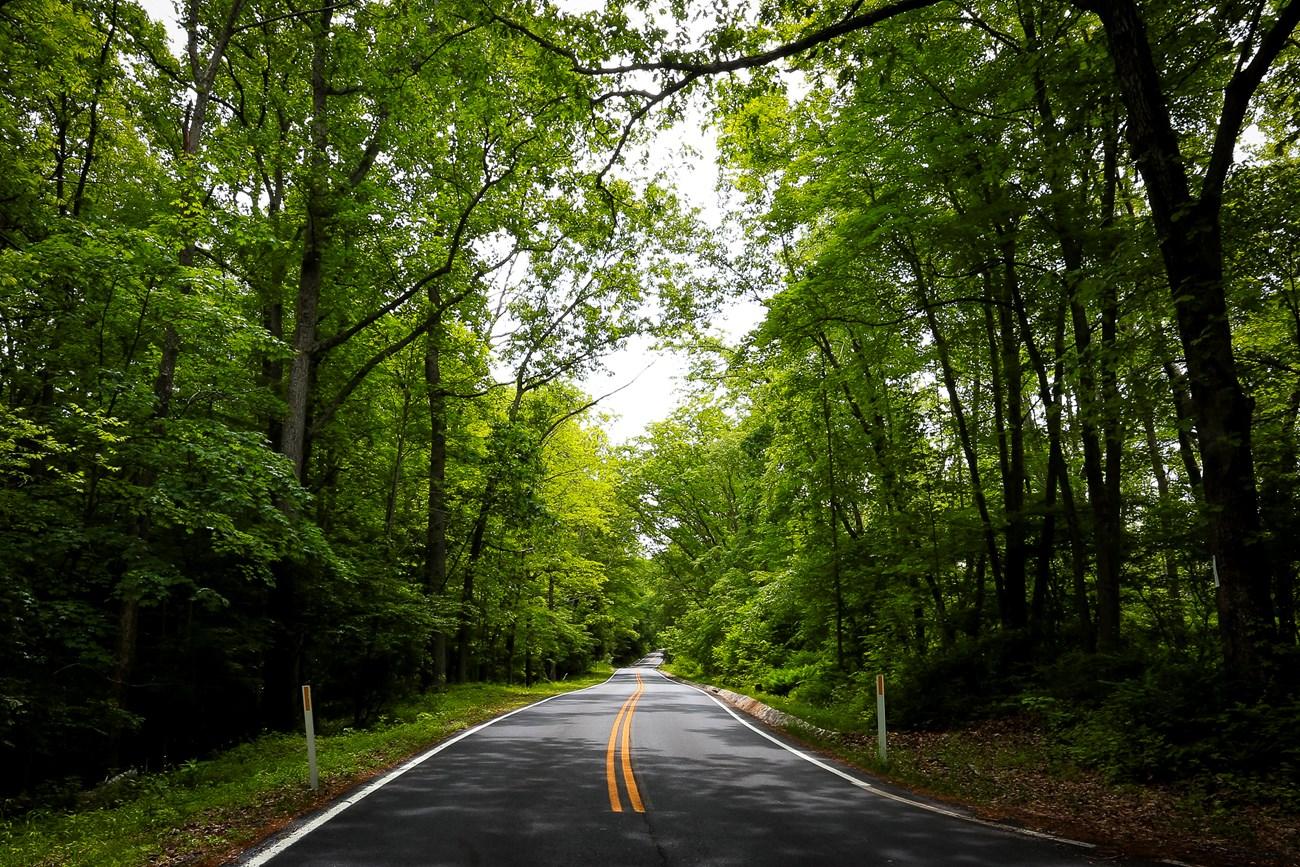 Appalachian Mountains
Explore Pennsylvania’s Appalachian Mountains for forested ridges, waterfall trails, historic towns, river valleys and landmark architecture.
-


Swipe for more regions
Explore more

Explore more of Pennsylvania
Discover Pennsylvania: A blend of rich history, breathtaking nature, and vibrant culture awaits you in the Keystone State.
Explore Pennsylvania