

Free Appalachian Mountains Travel Guide & Mobile App
Explore Appalachian Mountains with free travel guides. Discover regional history, expert tips, proposed trips, and audio guides on web or mobile app.


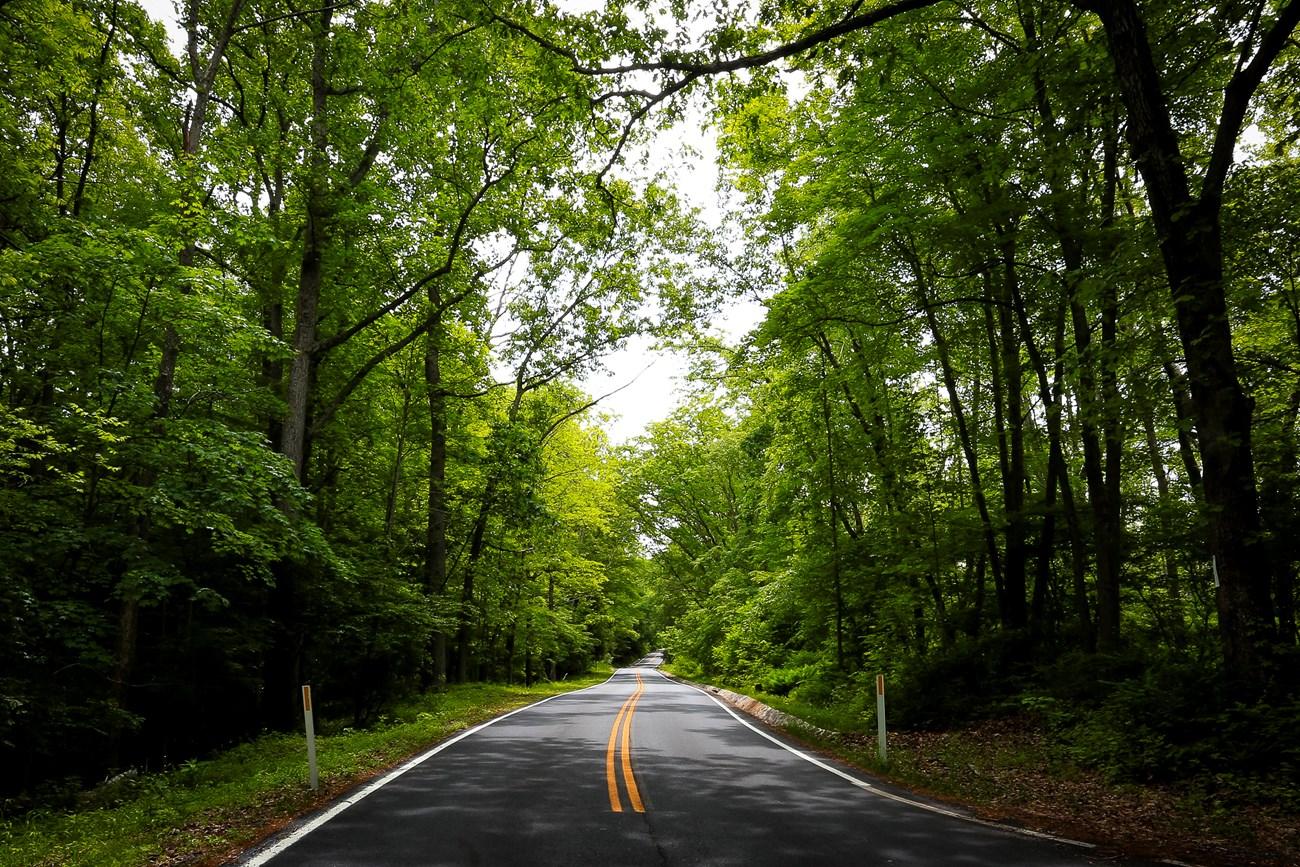


Explore Pennsylvania’s Appalachian Mountains for forested ridges, waterfall trails, historic towns, river valleys and landmark architecture.
Read more about Appalachian Mountains
Getting to and around Appalachian Mountains
How to get there
Transportation
Top city travel guides in Appalachian Mountains
The cities of Appalachian Mountains, and the easiest places to base yourself.
-

-

-
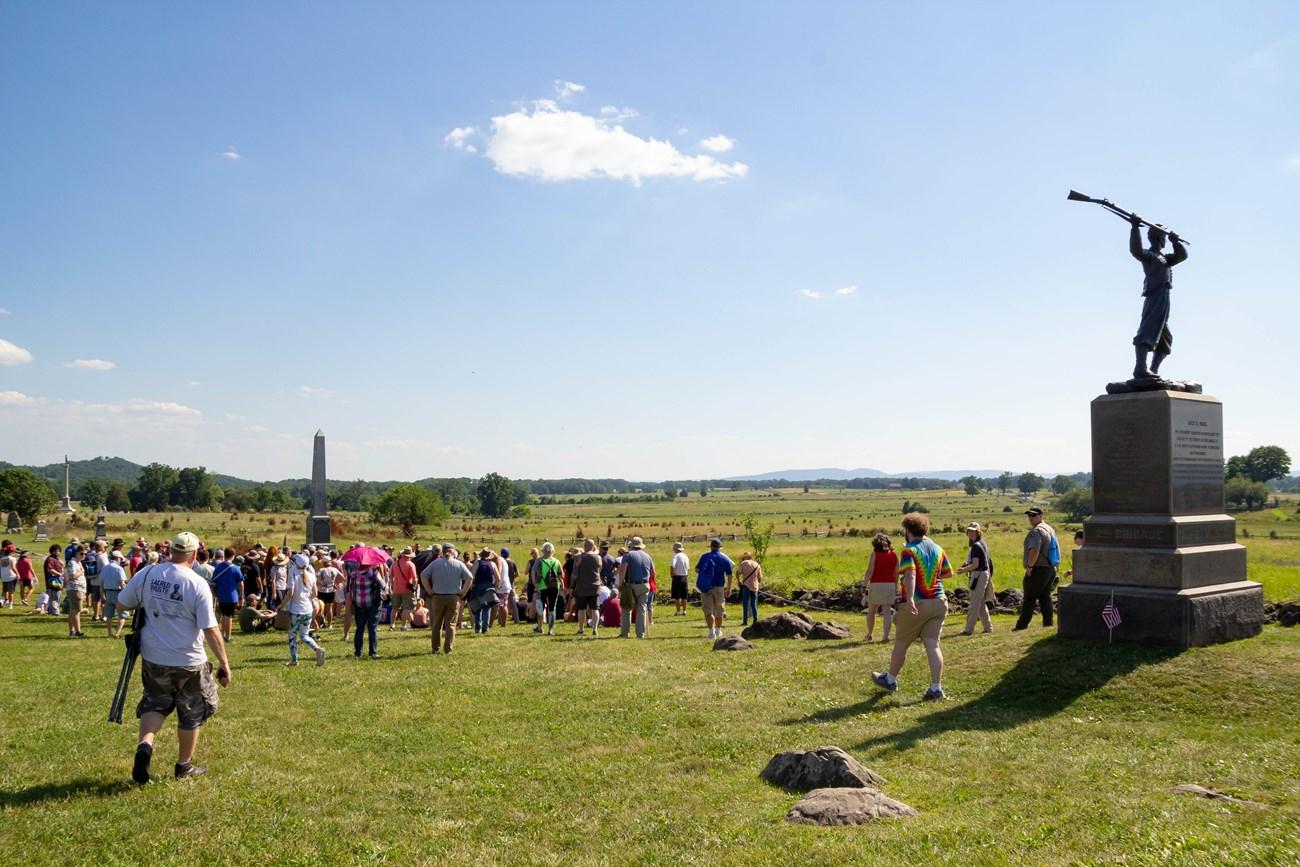 Gettysburg
, Pennsylvania, brings Civil War history to life through its battlefield, museums, historic streets, monuments and thoughtful local culture.
Gettysburg
Gettysburg, Pennsylvania, brings Civil War history to life through its battlefield, museums, historic streets, monuments and thoughtful local culture.
-
-
-


Swipe for more cities
Destinations in Appalachian Mountains
Resorts, valleys and scenic spots worth a trip of their own.
-

-
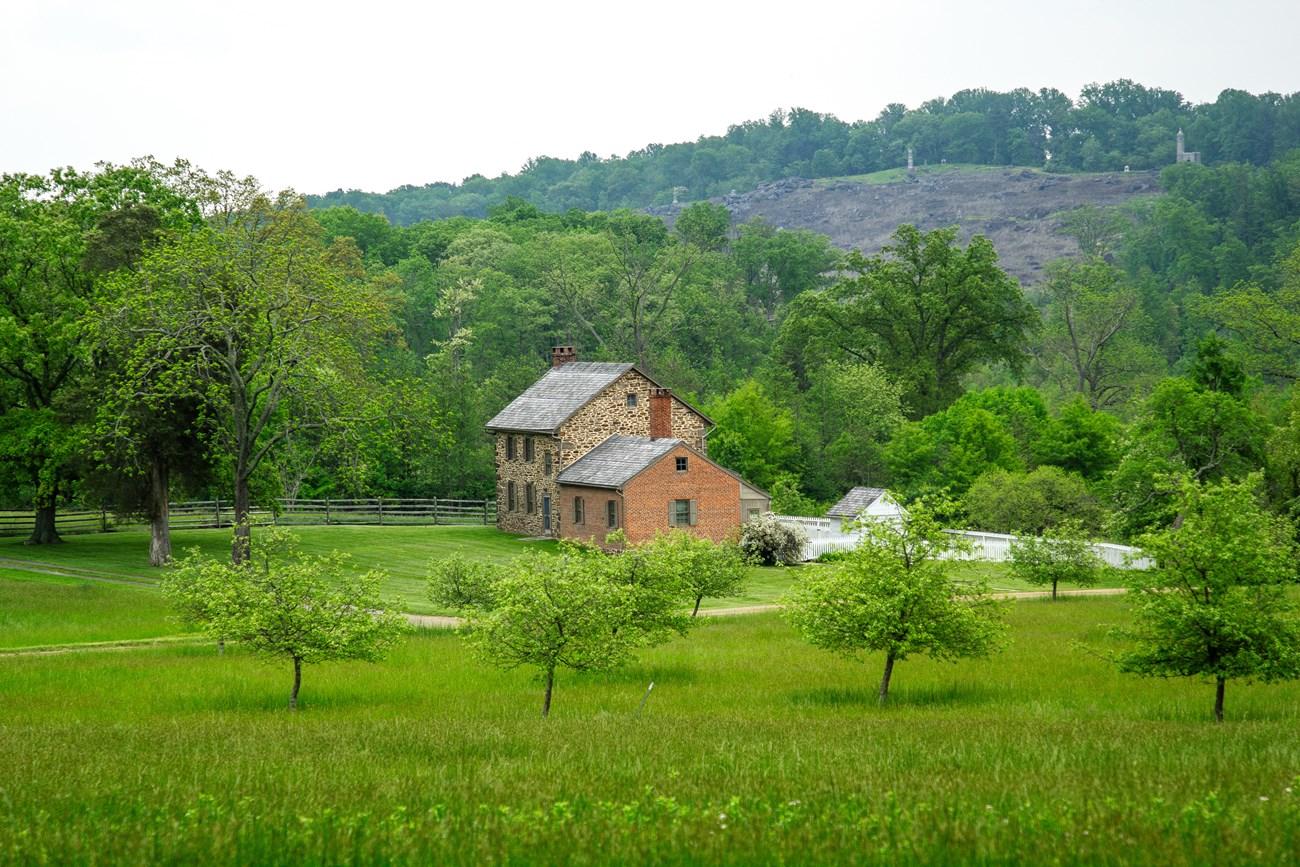 Gettysburg Battlefield
 in Pennsylvania traces the 1863 Civil War battle through monuments, historic fields, museum exhibits and guided tours near Gettysburg.
Gettysburg Battlefield
Gettysburg Battlefield in Pennsylvania traces the 1863 Civil War battle through monuments, historic fields, museum exhibits and guided tours near Gettysburg.
-

-

-

-


Swipe for more destinations
Best attractions in Appalachian Mountains
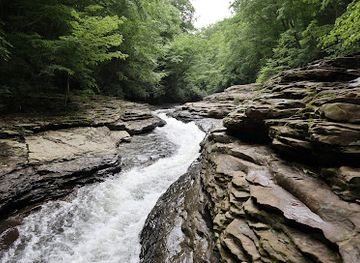
Pennsylvania’s Appalachian attractions range from major parks and waterfalls to industrial ruins, historic towns and carefully preserved cultural sites. Ricketts Glen State Park is known for a demanding waterfall trail, while the forests and ravines of Worlds End State Park and nearby Loyalsock country offer quieter hiking landscapes. In the Laurel Highlands, Ohiopyle State Park combines river beaches, rapids, footpaths and bridges with access to Fallingwater and Kentuck Knob. The Lehigh Gorge and Jim Thorpe area reveal the influence of canals and railways, while the Appalachian Trail provides long-distance walking through several mountain sections. South Mountain and the Gettysburg area add Civil War history, although individual sites are spread across the countryside. Outdoor options include paddling, fly-fishing, cycling on converted rail corridors, skiing in selected resort areas and wildlife watching in state forests. Attractions are generally dispersed, so a route based on one valley or mountain district is more rewarding than attempting to visit the entire Pennsylvania range in a short stay.
-
Amusement park
Hersheypark
Experience the magic of Hersheypark, where thrilling rides meet family fun in a chocolate-themed paradise in Pennsylvania.
-
 State park
Presque Isle State Park
Explore Presque Isle State Park, where natural beauty meets recreational adventure along the shores of Lake Erie.
-
State park
Ohiopyle State Park
Discover adventure and tranquility in Ohiopyle State Park, where nature comes alive with breathtaking landscapes and thrilling outdoor activities.
-
Hiking area
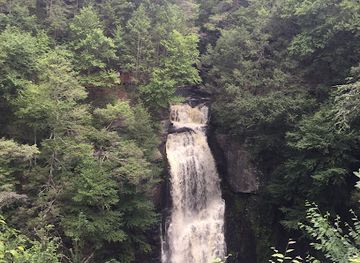
Bushkill Falls
Experience the breathtaking waterfalls and scenic trails of Bushkill Falls, a natural wonder in Pennsylvania's Pocono Mountains.

Best landmarks in Appalachian Mountains
The Appalachian Trail is Pennsylvania’s most recognisable linear landmark, crossing the state’s ridges and presenting a landscape of wooded summits, rock outcrops and historic footpaths. In the Laurel Highlands, Fallingwater is a landmark of twentieth-century architecture, designed by Frank Lloyd Wright above Bear Run and incorporated into the surrounding woodland. The Lehigh Gorge and Jim Thorpe preserve the visual legacy of canals, railways and nineteenth-century transportation through a steep mountain valley. Ricketts Glen’s chain of waterfalls gives the north-eastern mountains a natural landmark of particular character, while Ohiopyle’s river gorge and falls define the landscape around the Youghiogheny River. The Gettysburg battlefield, in the state’s south-central Appalachian setting, is a nationally important historic landscape rather than simply a collection of monuments. Across the region, long ridges, stone farm buildings, covered bridges, old furnaces and abandoned mine landscapes show how geology and human industry have shaped Pennsylvania’s mountains together.
-
Historical place
Independence National Historical Park
Discover the birthplace of American democracy at Independence National Historical Park, home to iconic landmarks and rich historical experiences.
-
State park
Presque Isle State Park
Explore the breathtaking landscapes of Presque Isle State Park, where adventure and tranquility meet on the shores of Lake Erie.
-
Park
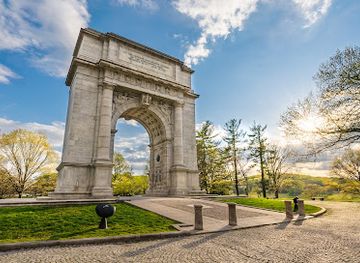
Valley Forge National Historical Park
Explore the historic Valley Forge National Historical Park, where nature meets the legacy of America's fight for independence amidst picturesque landscapes.
-
State park
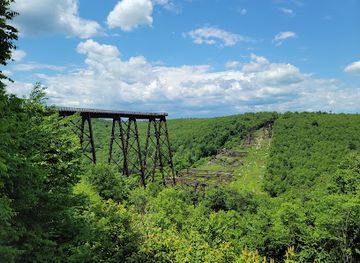
Kinzua Bridge State Park
Explore the stunning landscapes and rich history at Kinzua Bridge State Park, home to the majestic remains of the world's tallest railroad bridge.

Explore Appalachian Mountains on the map
Plan your trip on one map. See where the top cities, national parks and sights are, and book hotels and experiences in a few clicks.
Best hotels in Appalachian Mountains
Best restaurants in Appalachian Mountains
Food in Pennsylvania’s Appalachian country reflects mountain agriculture, immigrant communities, coal-town history and the wider traditions of Pennsylvania. Diners will encounter country inns, family-run restaurants, cafés, breweries and roadside establishments rather than one uniform regional cuisine. In the south and central valleys, Pennsylvania Dutch influences appear in dishes such as scrapple, chow-chow, apple desserts and baked goods, while coal-region towns retain strong traditions of immigrant cooking and hearty lunch-counter fare. Farmers’ markets and farm shops commonly sell apples, pumpkins, preserves, maple products, honey, cheeses and seasonal vegetables. Trout and other freshwater fish feature in some rural menus, and the Susquehanna and mountain valleys support local breweries and cider producers. Jim Thorpe, the Poconos, State College and Laurel Highlands communities offer the broadest choice, including contemporary dining, while smaller towns may close earlier and have fewer options. Reservations are sensible for sought-after restaurants and resort dining during autumn weekends.
-
American
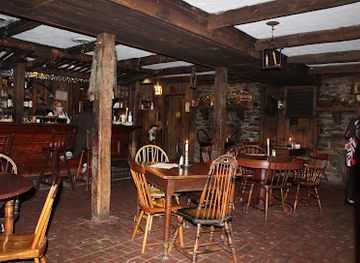
Dobbin House Tavern
Discover rich history and delightful American cuisine at Dobbin House Tavern in Gettysburg - A must-visit for all travelers.
-
Restaurant
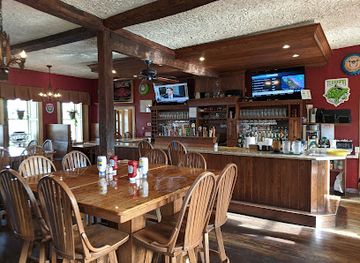
Jean Bonnet Tavern
Experience the historic charm and culinary delights at Jean Bonnet Tavern in Bedford, PA – where every meal tells a story.
-
Restaurant
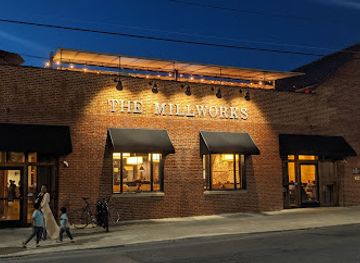
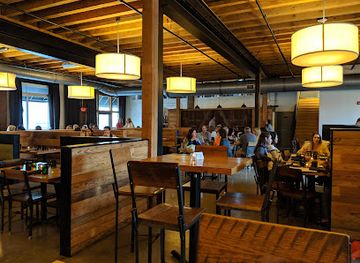
Millworks
Experience culinary excellence at Millworks in Harrisburg—a unique fusion of farm-to-table dining and local art.
-
American
Funck's Restaurant
Experience authentic American cuisine at Funck's Restaurant in Palmyra - perfect for families and food lovers alike!


Best bars in Appalachian Mountains
Evening life in the Pennsylvania Appalachian Mountains is centred on pubs, taverns, breweries, restaurants and live music rather than a continuous nightclub scene. Jim Thorpe has a concentrated historic-town evening atmosphere, while resort communities in the Poconos provide more seasonal entertainment, bars and evening activities. State College, outside the most rural mountain landscapes, has a larger student-influenced choice of pubs and music venues. In the Laurel Highlands, Ohiopyle, Ligonier and nearby towns are oriented towards relaxed dinners, local drinks and early evening gatherings, with some live music at weekends. Mountain communities often become quiet once restaurants close, and distances between venues make driving after drinking particularly unwise. Check current arrangements before travelling, as smaller establishments and seasonal resort venues can change their schedules.
-
American
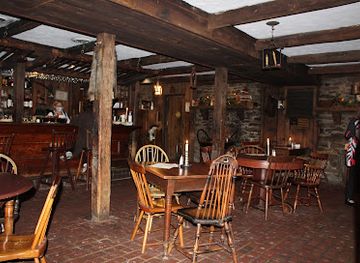
Dobbin House Tavern
Discover the historical elegance and delicious American cuisine at Dobbin House Tavern in Gettysburg, where the past meets the present.
-
Restaurant
Jean Bonnet Tavern
Discover the historic Jean Bonnet Tavern in Bedford, PA—where delicious food meets rich history in a charming atmosphere.
-
Restaurant
Millworks
Discover Millworks in Harrisburg, where culinary delights meet local artistry in a vibrant and welcoming atmosphere.
-
Pub
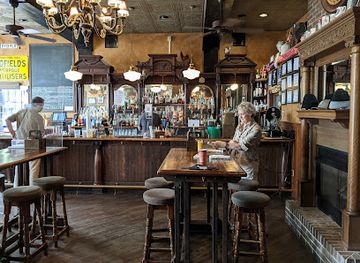
Bulls Head Public House
Discover the delightful ambiance and delectable dishes at Bulls Head Public House in Lititz, a perfect spot for relaxation and enjoyment.
Best nightclubs in Appalachian Mountains
Evening life in the Pennsylvania Appalachian Mountains is centred on pubs, taverns, breweries, restaurants and live music rather than a continuous nightclub scene. Jim Thorpe has a concentrated historic-town evening atmosphere, while resort communities in the Poconos provide more seasonal entertainment, bars and evening activities. State College, outside the most rural mountain landscapes, has a larger student-influenced choice of pubs and music venues. In the Laurel Highlands, Ohiopyle, Ligonier and nearby towns are oriented towards relaxed dinners, local drinks and early evening gatherings, with some live music at weekends. Mountain communities often become quiet once restaurants close, and distances between venues make driving after drinking particularly unwise. Check current arrangements before travelling, as smaller establishments and seasonal resort venues can change their schedules.
-
Night club
Trilogy Nightclub
Discover the heart of Philadelphia's nightlife at Trilogy Nightclub, where music, dance, and vibrant energy unite for an unforgettable experience.
-
Night club
MainGate Nightclub
MainGate Nightclub: Your go-to destination for live music, dancing, and a fun-filled night out in Allentown, Pennsylvania.
-
Night club
Nocturnal
Discover the electrifying nightlife at Nocturnal, Harrisburg's premier night club with dancing, games, and signature cocktails.
-
Bar
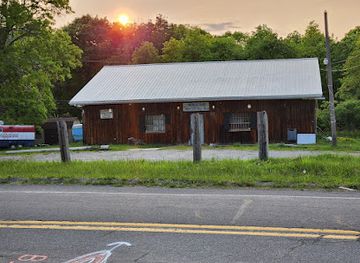
Rebelz Gentlemen's Club
Experience the vibrant nightlife at Rebelz Gentlemen's Club in Moshannon, where entertainment and socializing come alive in a captivating atmosphere.



Best shops in Appalachian Mountains
Shopping in the Pennsylvania Appalachian Mountains is concentrated in historic boroughs, resort communities, market towns and roadside farm businesses. Jim Thorpe has galleries, bookshops, craft retailers and independent stores in a preserved nineteenth-century setting, while towns in the Poconos mix practical shopping with visitor-oriented gifts and outdoor equipment. Laurel Highlands communities offer antiques, art, pottery, locally made goods and produce from nearby farms, although retail choice becomes limited in the more rural valleys. Farmers’ markets and farm shops are useful places to look for apples, maple syrup, honey, jams, cheeses, baked goods, seasonal vegetables and Pennsylvania-made spirits or beer where legally sold. Outdoor clothing and equipment are readily available in larger centres, but specialist items may require advance planning. Souvenirs connected with rail heritage, coal mining, local crafts and Appalachian landscapes are generally more meaningful than generic merchandise, and visitors should check transport and customs requirements when buying food products for international travel.
-
Shopping mall
Peddler's Village
Discover the enchanting Peddler's Village in Lahaska, PA, a perfect blend of unique shopping, delightful dining, and scenic beauty for all travelers.
-
Outlet mall
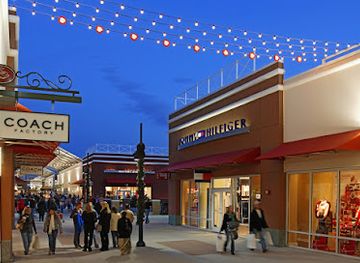
Pocono Premium Outlets
Experience shopping bliss at Pocono Premium Outlets with unbeatable deals, stunning views, and a family-friendly atmosphere in the heart of Pennsylvania.
-
Outlet mall
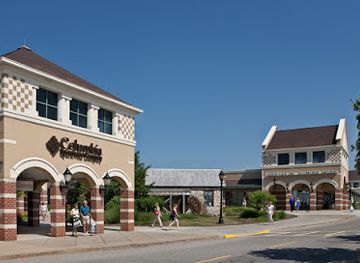
Philadelphia Premium Outlets
Discover unbeatable deals and a vibrant shopping experience at Philadelphia Premium Outlets, where brand-name stores meet delightful dining.
-
Outlet mall
Grove City Premium Outlets
Discover unbeatable deals and a variety of brands at Grove City Premium Outlets, the ultimate shopping destination in Pennsylvania.


Get your free copy of our complete guide to Appalachian Mountains, delivered straight to you.
Everything on this page, from attractions and restaurants to essentials and local phrases, in one PDF you can read offline, print or share.
Already have an account? Sign in
Your Appalachian Mountains guide is ready.
We'll send it to · Not you? Sign out

Getting your guide ready…
We are putting together a fresh copy of the Appalachian Mountains guide. This can take up to a minute.
This can take a few moments. If your browser asks, choose Allow so the download can start. You'll find the guide in your Downloads folder.
Nothing happened? Download it again
Sorry, the guide is taking longer than usual. Please try again in a minute, or get it by email instead.
Appalachian Mountains essentials
Currency and Payment
Safety
Emergency Situations
Do's and Don'ts
Local Tips
From Eve
Local phrases worth knowing
You don't need to get them perfect. A few words go a long way, and locals appreciate the effort.
Basics
| English | Local | Say it |
|---|---|---|
| Hello | Howdy | [Ha-dee] |
| Goodbye | See ya later | [See ya lay-ter] |
| Yes | Yep | [Yep] |
| No | Nope | [Nope] |
| Please/You're welcome | Thanks a bunch | [Thanks uh bun-ch] |
| Thank you | Thank ya | [Thank ya] |
| Excuse me/Sorry | Pardon me | [Par-dun me] |
| How are you? | How ya doin'? | [How ya doin'?] |
| Fine. And you? | I'm doin' good, you? | [I'm doin' good, you?] |
| Do you speak English? | You speakin' English? | [You speakin' English?] |
| I don't understand | I ain't followin' | [I ain't fol-lin'] |
Eating & Drinking
| English | Local | Say it |
|---|---|---|
| I'd like to see the menu, please | Can I see the menu, please? | [Can I see the menu, please?] |
| I don't eat meat | I don't eat no meat | [I don't eat no meat] |
| Cheers! | Cheers! | [Cheers!] |
| I would like to pay, please | Can I pay up, please? | [Can I pay up, please?] |
Emergencies
| English | Local | Say it |
|---|---|---|
| Help! | Help me! | [Help me!] |
| Go away! | Get outta here! | [Get outta here!] |
| Call the Police! | Call the cops! | [Call the cops!] |
| Call a doctor! | Call a doc! | [Call a doc!] |
| I'm lost | I ain't got no idea where I am | [I ain't got no idea where I am] |
| I'm ill | I ain't feelin' good | [I ain't feelin' good] |
Shopping
| English | Local | Say it |
|---|---|---|
| I'd like to buy... | I wanna buy... | [I wanna buy...] |
| I'm just looking | Just lookin' | [Just lookin'] |
| How much is it? | How much is that? | [How much is that?] |
| That's too expensive | That's too pricey | [That's too pry-see] |
| Can you lower the price? | Can ya drop the price? | [Can ya drop the price?] |
Time & Numbers
| English | Local | Say it |
|---|---|---|
| What time is it? | What time ya got? | [What time ya got?] |
| It's one o'clock | It's one o'clock | [It's one o'clock] |
| Half past (10) | Half past ten | [Half past ten] |
| Morning | Mornin' | [Mornin'] |
| Afternoon | Afternoon | [Afternoon] |
| Evening | Evenin' | [Evenin'] |
| Yesterday | Yesterday | [Yesterday] |
| Today | Today | [Today] |
| Tomorrow | Tomorrow | [Tomorrow] |
| 1 | One | [One] |
| 2 | Two | [Two] |
| 3 | Three | [Three] |
| 4 | Four | [Four] |
| 5 | Five | [Five] |
| 6 | Six | [Six] |
| 7 | Seven | [Seven] |
| 8 | Eight | [Eight] |
| 9 | Nine | [Nine] |
| 10 | Ten | [Ten] |
Transport & Directions
| English | Local | Say it |
|---|---|---|
| Where's a/the...? | Where's the...? | [Where's the...?] |
| What's the address? | What’s the address? | [What’s the address?] |
| Can you show me (on the map)? | Can ya show me on the map? | [Can ya show me on the map?] |
| When's the next (bus)? | When's the next bus? | [When's the next bus?] |
| A ticket (to ....) | A ticket to... | [A ticket to...] |
History of Appalachian Mountains
Indigenous Appalachia before European settlement
Pennsylvania’s mountains were inhabited and travelled by Indigenous peoples for thousands of years. The Susquehannock occupied parts of the Susquehanna valley, while Lenape, Haudenosaunee and other nations maintained political, trading and cultural connections across the wider region. Rivers, gaps and established footpaths linked communities through terrain that later settlers often described as difficult wilderness. Indigenous knowledge shaped travel, hunting and seasonal use of the forest. European colonisation brought disease, warfare, land pressure and treaty-making, profoundly disrupting these societies, although Indigenous peoples and communities remain part of Pennsylvania’s present-day history.
Colonial roads and the westward frontier
During the eighteenth century, wagon roads, military routes and trading paths crossed Pennsylvania’s mountain gaps and river valleys. The Forbes Road, associated with the 1758 British campaign against Fort Duquesne, passed through the region, while settlements expanded along the Susquehanna and its tributaries. The mountains were not an empty barrier but a zone of movement, negotiation and conflict during the French and Indian War and the period of colonial expansion. Historic routes later influenced turnpikes, canals and railways, many of which followed the most practical valleys and passes.
Iron, canals and early industry
Pennsylvania’s Appalachian valleys became important centres of iron production from the colonial era into the nineteenth century. Furnaces used local timber for charcoal and nearby ore and limestone for smelting, leaving archaeological and industrial remains in places such as the Cornwall area and the Pine Grove Furnace landscape. Canals, including the Lehigh Coal and Navigation system, connected mountain resources with markets to the east. Canal towns and engineering works altered the landscape, created employment and accelerated the movement of coal, iron and agricultural goods through the ridges.
Coal, railways and company towns
Anthracite coal transformed the eastern and central mountains during the nineteenth and early twentieth centuries, particularly in the Schuylkill, Lehigh and Wyoming valleys. Bituminous coal and coke were also important farther west. Railways carried fuel to Philadelphia, New York and industrial centres, while mining towns developed around collieries, breakers and company infrastructure. The industry brought immigration and rapid economic growth, but also dangerous working conditions, labour conflict, polluted waterways and landscape change. Declining demand and mine closures left a complex legacy of heritage sites, reclaimed land and communities adapting to new economies.
Civil War landscapes and the Gettysburg campaign
The southern Pennsylvania mountains and valleys became strategically important during the American Civil War. The Battle of Gettysburg in 1863 took place in the state’s south-central uplands, where roads through South Mountain and the Cumberland Valley influenced the movement of Union and Confederate forces. The Gettysburg battlefield and nearby sites preserve military history, civilian experiences and the later creation of a major national memorial landscape. The broader Appalachian setting helps explain why passes, ridgelines and valley roads mattered so greatly to armies operating in Pennsylvania.
Conservation, parks and modern regional identity
Industrial exploitation was followed by new efforts to protect forests, watersheds and scenic landscapes. Pennsylvania’s state parks, state forests and trail systems preserve mountain habitats while supporting hiking, fishing, paddling and environmental education. The Appalachian Trail, established in the twentieth century through cooperation between public agencies and private landholders, made long-distance walking a defining regional experience. Architecture and conservation also intersect at Fallingwater, completed in 1937 in the Laurel Highlands. Today, tourism, outdoor recreation, heritage interpretation and forest management exist alongside agriculture and the continuing traces of extractive industry.
Appalachian Mountains in Photos
Browse through our photo collection highlighting the charm and character of the destination.
Neighbouring regions of Appalachian Mountains
The closest regions to Appalachian Mountains, if you have time for more than one.
-

-

-

-
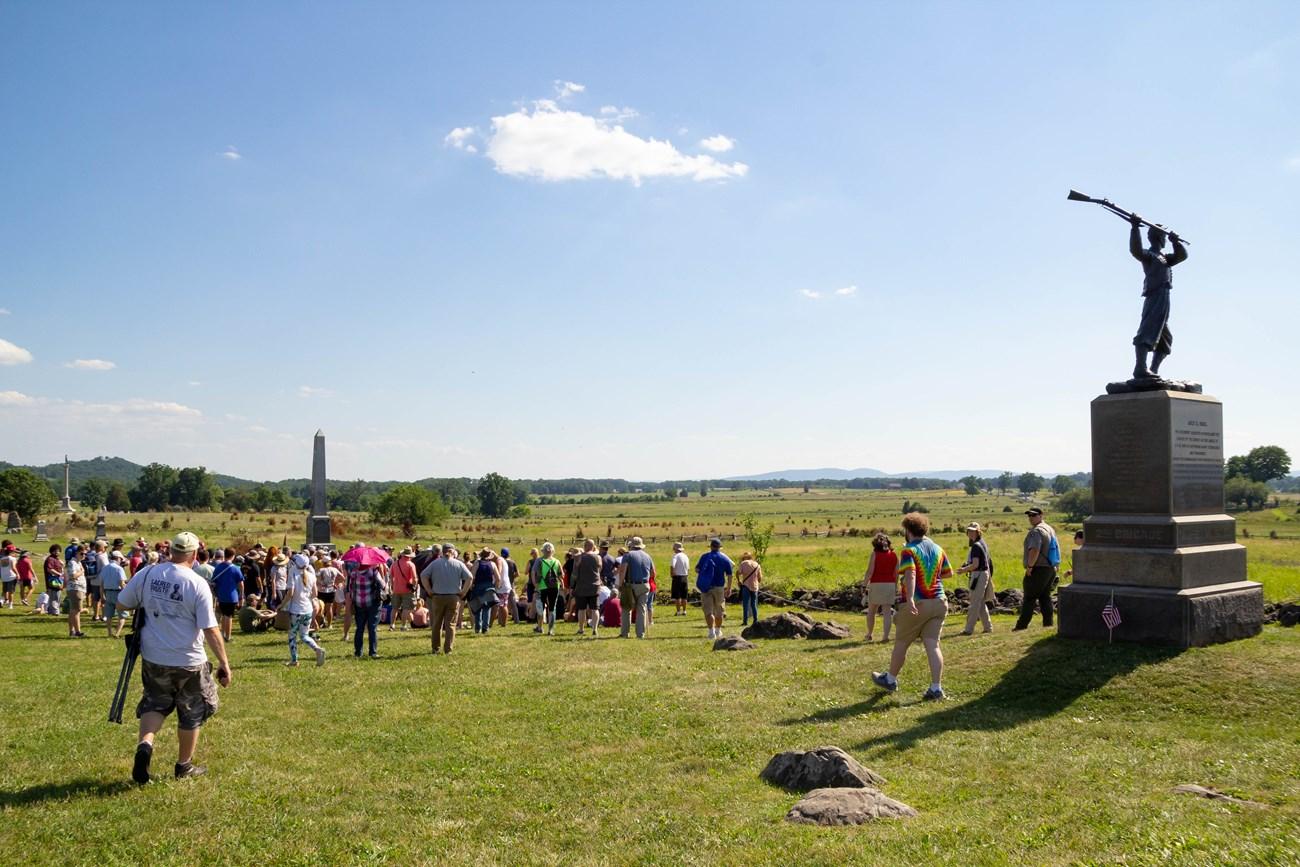 South Central Pennsylvania
Explore South Central Pennsylvania for Gettysburg history, Lancaster farmland, Hershey chocolate, Appalachian trails and Susquehanna River towns.
South Central Pennsylvania
Explore South Central Pennsylvania for Gettysburg history, Lancaster farmland, Hershey chocolate, Appalachian trails and Susquehanna River towns.
-


Swipe for more regions
Explore more

Explore more of Pennsylvania
Discover Pennsylvania: A blend of rich history, breathtaking nature, and vibrant culture awaits you in the Keystone State.
Explore Pennsylvania