

Free Southern Alleghenies Travel Guide & Mobile App
Explore Southern Alleghenies with free travel guides. Discover regional history, expert tips, proposed trips, and audio guides on web or mobile app.


Explore Southern Alleghenies in Pennsylvania for forested mountains, historic railways, Raystown Lake, heritage towns and meaningful national memorials.
Read more about Southern Alleghenies
Getting to and around Southern Alleghenies
How to get there
Transportation
Destinations in Southern Alleghenies
Resorts, valleys and scenic spots worth a trip of their own.
-

-


Swipe for more destinations
Best attractions in Southern Alleghenies
Southern Alleghenies attractions are defined by the relationship between mountains and movement. The Allegheny Portage Railroad National Historic Site presents the ingenious nineteenth-century route that crossed the mountains before modern railways, while the Horseshoe Curve near Altoona offers a powerful view of railway engineering and the surrounding ridges. In Johnstown, the Johnstown Flood National Memorial and local museums interpret the 1889 disaster and the city's steelmaking past. The Flight 93 National Memorial in Somerset County is a carefully designed place of remembrance set within a rural landscape. For outdoor activities, Raystown Lake is the regional centre for boating, fishing, paddling and camping, while Blue Knob, Shawnee and Laurel Ridge state parks provide hiking, winter recreation and wildlife observation. The Great Allegheny Passage adds a long-distance cycling and walking option, and smaller historic towns, heritage rail experiences and local cultural venues provide useful stops between the principal sites.
-
State park
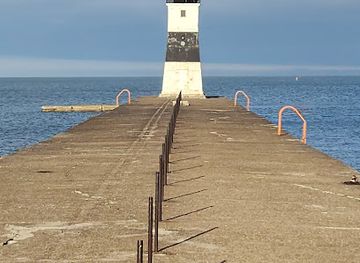
Presque Isle State Park
Explore the scenic beauty and recreational wonders of Presque Isle State Park, a premier destination for nature lovers and adventure seekers in Erie, Pennsylvania.
-
State park
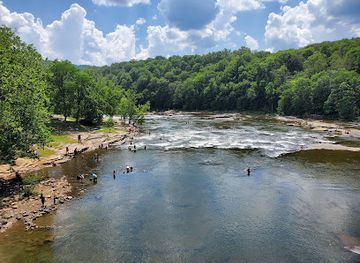
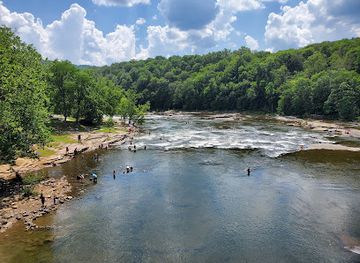
Ohiopyle State Park
Explore Ohiopyle State Park, a natural wonderland in Pennsylvania with thrilling outdoor activities, scenic trails, and stunning waterfalls.
-
Hiking area
Bushkill Falls
Experience the beauty of Bushkill Falls, a breathtaking hiking area with stunning waterfalls and scenic trails in the heart of Pennsylvania's Pocono Mountains.
-
State park
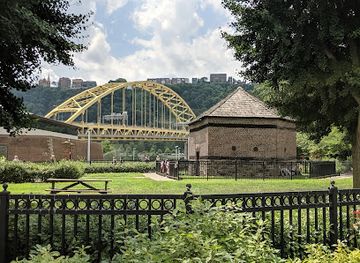
Point State Park
Explore Point State Park, a historical urban oasis with stunning views, rich heritage, and vibrant outdoor activities in Pittsburgh.

Best landmarks in Southern Alleghenies
The Horseshoe Curve near Altoona is the region's most recognisable engineering landmark: its sweeping railway arc demonstrates how nineteenth-century railway builders gained height across the Allegheny terrain. The remains and reconstructed features of the Allegheny Portage Railroad, including the summit-area route and historic engine-house setting, represent an earlier solution to the same geographical challenge. In Bedford, the historic courthouse square and surviving town architecture reflect the community's role on the east-west route across the mountains, while the Bedford Springs area recalls the nineteenth-century popularity of mineral-water resorts. The Conemaugh Valley and the former South Fork reservoir landscape are central to the story commemorated by the Johnstown Flood National Memorial. At the Flight 93 National Memorial, the Wall of Names and the memorial landscape give physical form to a national act of remembrance. Raystown Lake, meanwhile, is a major natural and recreational landmark whose long coves and forested shorelines define much of Huntingdon County's landscape.
-
Historical place
Independence National Historical Park
Discover the heart of American history at Independence National Historical Park, home to Independence Hall and the Liberty Bell in Philadelphia, PA.
-
Amusement park
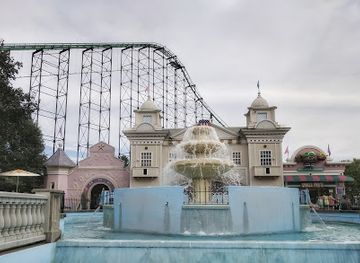
Kennywood
Experience the thrill and history of Kennywood, a national historic landmark amusement park in Pennsylvania, perfect for families and adventure lovers.
-
State park
Ohiopyle State Park
Discover the breathtaking landscapes and thrilling adventures that await at Ohiopyle State Park, Pennsylvania's outdoor paradise.
-
Park
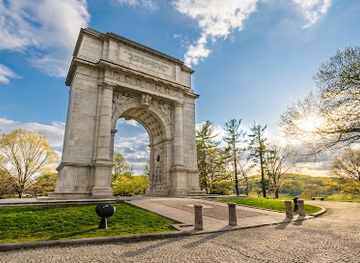
Valley Forge National Historical Park
Explore the historical significance and natural beauty of Valley Forge National Historical Park, a key site of the American Revolution.

Explore Southern Alleghenies on the map
Plan your trip on one map. See where the top cities, national parks and sights are, and book hotels and experiences in a few clicks.
Best hotels in Southern Alleghenies
Best restaurants in Southern Alleghenies
Dining in the Southern Alleghenies is closely connected with small-town and Appalachian food culture rather than a single formal cuisine. Family restaurants, downtown cafés, diners, taverns and rural inns are common places to find hearty breakfasts, sandwiches, soups, burgers and home-style cooking. Pennsylvania Dutch and Central European influences appear in some baking, church suppers and community food traditions, while local farms contribute seasonal produce, apples, dairy products and baked goods. Altoona, Johnstown, Bedford, Somerset and Huntingdon offer the broadest choice, with lake communities adding casual waterside options in season. Farmers' markets and roadside stands are useful for fruit, vegetables and prepared foods, and independent bakeries can be particularly rewarding stops. Visitors should also look for Pennsylvania-made beer and cider, while remembering that alcohol sales and restaurant arrangements vary by establishment and local licensing rules.
-
American
Dobbin House Tavern
Discover the historic charm of Dobbin House Tavern in Gettysburg—where delicious American cuisine meets rich heritage.
-
South American
Gaucho Parrilla Argentina
Experience authentic Argentinian cuisine at Gaucho Parrilla in Pittsburgh—where succulent steaks meet vibrant Latin flavors.
-
Restaurant
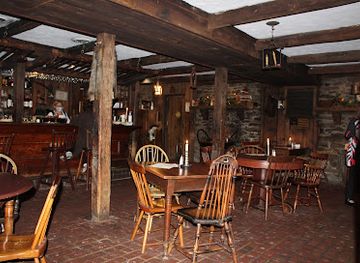
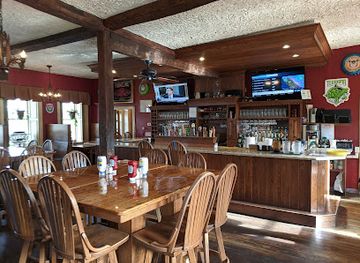
Jean Bonnet Tavern
Discover the historic charm and delicious cuisine at Jean Bonnet Tavern in Bedford, PA - where every meal tells a story.
-
Seafood
Roland's Seafood Grill
Discover fresh seafood and vibrant nightlife at Roland's Seafood Grill in Pittsburgh's historic Strip District.
Best bars in Southern Alleghenies
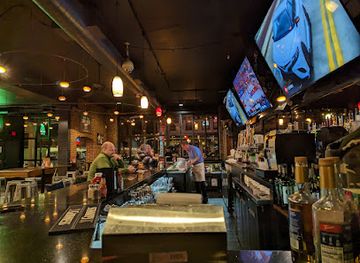
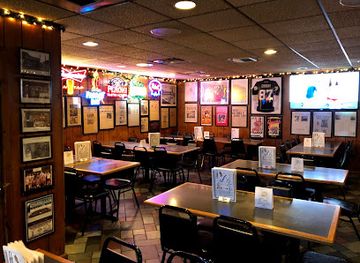
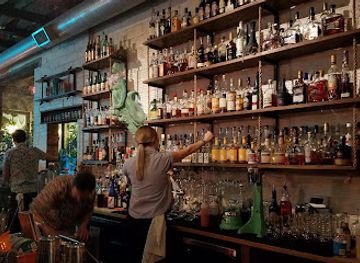
Evenings in the Southern Alleghenies are generally centred on traditional pubs, taverns, breweries, restaurants and live-music venues rather than a large club scene. Altoona and Johnstown provide the widest range of bars and evening entertainment, with Bedford, Huntingdon and Somerset offering smaller downtown options. College-related nightlife is especially relevant around Huntingdon, home of Juniata College, although activities and venues change over time. Near Raystown Lake, evening life is more seasonal and often connected with restaurants, campgrounds and waterside communities. Many rural towns become quiet relatively early, so visitors should check current arrangements rather than assume late-night transport or dining. Local breweries and taprooms can provide a relaxed introduction to Pennsylvania beer culture without making alcohol the focus of an evening.
-
Gastropub
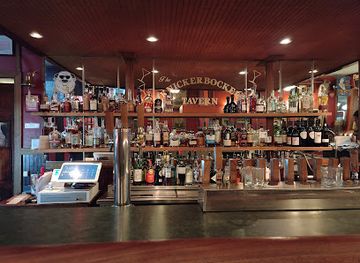
Knickerbocker Tavern
Discover the vibrant flavors and welcoming atmosphere of Knickerbocker Tavern, Altoona's premier gastropub for food and fun.
-
Restaurant
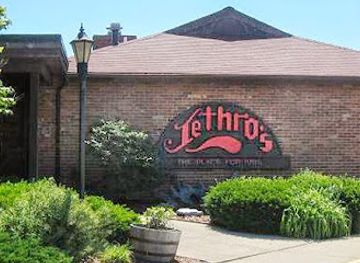
Jethro's
Experience the perfect blend of Italian flavors and classic steaks at Jethro's, a must-visit restaurant in Altoona, Pennsylvania.
-
Grill
Al's Tavern
Experience the vibrant atmosphere and delicious grill cuisine at Al's Tavern, a perfect spot for food and sports lovers in Altoona.
-
Bar
Hidden Harbor
Experience the vibrant nightlife of Pittsburgh at Hidden Harbor, where unique cocktails and a welcoming atmosphere await.
Best nightclubs in Southern Alleghenies
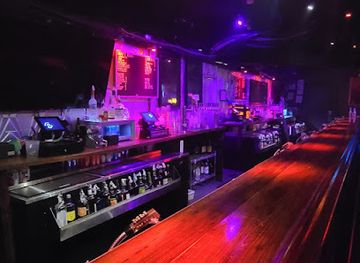
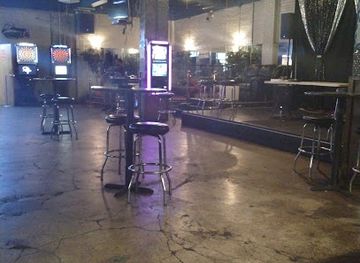
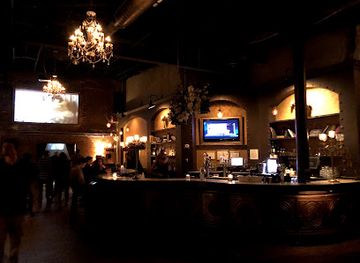
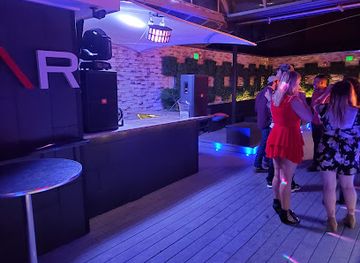
Evenings in the Southern Alleghenies are generally centred on traditional pubs, taverns, breweries, restaurants and live-music venues rather than a large club scene. Altoona and Johnstown provide the widest range of bars and evening entertainment, with Bedford, Huntingdon and Somerset offering smaller downtown options. College-related nightlife is especially relevant around Huntingdon, home of Juniata College, although activities and venues change over time. Near Raystown Lake, evening life is more seasonal and often connected with restaurants, campgrounds and waterside communities. Many rural towns become quiet relatively early, so visitors should check current arrangements rather than assume late-night transport or dining. Local breweries and taprooms can provide a relaxed introduction to Pennsylvania beer culture without making alcohol the focus of an evening.
-
Night club
Concourse
Dive into Philadelphia's nightlife at Concourse, a vibrant nightclub offering eclectic music, signature cocktails, and unforgettable dance experiences.
-
Lounge
Galaxy Lounge & Entertainment Center
Discover the lively Galaxy Lounge & Entertainment Center in Pittsburgh, where vibrant nightlife meets great drinks and unforgettable entertainment.
-
Night club
Cavo Night Club
Discover the vibrant nightlife scene of Pittsburgh at Cavo Night Club, featuring live music and comedy in a stylish setting.
-
Night club
Avalon Social
Discover the pulse of Pittsburgh's nightlife at Avalon Social, a lively dance club and event venue with great music and drinks.
Best shops in Southern Alleghenies
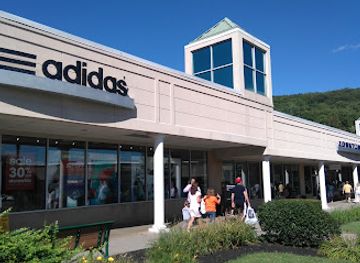
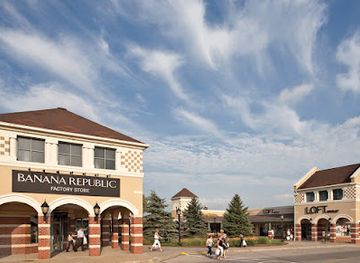
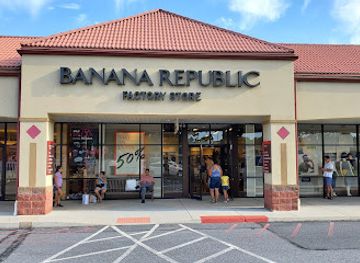
Shopping in the Southern Alleghenies is primarily local and practical, with historic downtowns, independent retailers, antique shops, bookshops, galleries and seasonal markets providing more character than large-scale retail districts. Bedford is a good base for browsing heritage-town shops and locally made goods, while Altoona and Johnstown offer the broadest everyday retail selection. Huntingdon and Somerset have compact town centres with independent businesses, cafés and services. Farmers' markets and farm stands are useful for Pennsylvania produce, baked goods, preserves and locally made foods, especially during the warmer months. Craft shopping may include pottery, woodwork, paintings, textiles and Appalachian-inspired work, though stock varies by season and maker. Railway-related memorabilia and books are appropriate regional mementoes, while outdoor shops serve visitors heading towards Raystown Lake or the state parks. Rural businesses may keep shorter or irregular hours, so plan market and gallery visits accordingly.
-
Outlet mall
Pocono Premium Outlets
Discover unbeatable deals at Pocono Premium Outlets, where your shopping adventure meets the stunning backdrop of the Pocono Mountains.
-
Outlet mall
Grove City Premium Outlets
Discover unbeatable deals at Grove City Premium Outlets - your ultimate shopping destination in Pennsylvania with over 130 brand-name stores.
-
Outlet mall
Tanger Outlets Hershey
Discover unbeatable deals and a vibrant shopping experience at Tanger Outlets Hershey, your ultimate retail destination in Pennsylvania.
-
Shopping mall
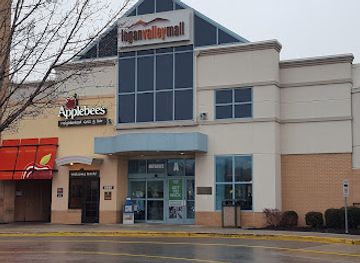
Logan Valley Mall
Explore the Logan Valley Mall in Altoona, PA, for a unique shopping and dining experience with something for everyone.
Get your free copy of our complete guide to Southern Alleghenies, delivered straight to you.
Everything on this page, from attractions and restaurants to essentials and local phrases, in one PDF you can read offline, print or share.
Already have an account? Sign in
Your Southern Alleghenies guide is ready.
We'll send it to · Not you? Sign out

Getting your guide ready…
We are putting together a fresh copy of the Southern Alleghenies guide. This can take up to a minute.
This can take a few moments. If your browser asks, choose Allow so the download can start. You'll find the guide in your Downloads folder.
Nothing happened? Download it again
Sorry, the guide is taking longer than usual. Please try again in a minute, or get it by email instead.
Southern Alleghenies essentials
Currency and Payment
Safety
Emergency Situations
Do's and Don'ts
Local Tips
From Eve
Local phrases worth knowing
You don't need to get them perfect. A few words go a long way, and locals appreciate the effort.
Basics
| English | Local | Say it |
|---|---|---|
| Hello | Howdy | [hau-dee] |
| Goodbye | See ya | [see yah] |
| Yes | Yup | [yup] |
| No | Nah | [nah] |
| Please/You're welcome | Please / No problem | [pleez / noh prob-lum] |
| Thank you | Thanks | [thangs] |
| Excuse me/Sorry | Excuse me / Sorry | [ek-skewz mee / sor-ree] |
| How are you? | How ya doin’? | [how yah doin'?] |
| Fine. And you? | Good. And you? | [gud. and you?] |
| Do you speak English? | Ya speakin’ English? | [yah speekin' ing-glish?] |
| I don't understand | I ain't gettin’ it | [I aint gettin' it] |
Eating & Drinking
| English | Local | Say it |
|---|---|---|
| I'd like to see the menu, please | Can I see the menu, please? | [kan I see the men-yoo, pleez?] |
| I don't eat meat | I ain't eatin’ meat | [I aint eatin' meet] |
| Cheers! | Cheers! | [cheerz] |
| I would like to pay, please | I’d like to settle up, please | [I'd lik to set-l up, pleez] |
Emergencies
| English | Local | Say it |
|---|---|---|
| Help! | Help! | [help] |
| Go away! | Get lost! | [get lost] |
| Call the Police! | Call the cops! | [call the cops] |
| Call a doctor! | Get a doctor! | [get a doc-tor] |
| I'm lost | I’m lost | [I’m lost] |
| I'm ill | I’m feelin’ sick | [I’m feelin' sik] |
Shopping
| English | Local | Say it |
|---|---|---|
| I'd like to buy... | I wanna buy... | [I wanna buy...] |
| I'm just looking | Just lookin’ | [just lookin'] |
| How much is it? | What’s it cost? | [what's it kost?] |
| That's too expensive | That’s a bit pricey | [that's a bit pry-see] |
| Can you lower the price? | Can ya bring the price down? | [kan yah bring the pryce down?] |
Time & Numbers
| English | Local | Say it |
|---|---|---|
| What time is it? | What time is it? | [what time is it?] |
| It's one o'clock | It’s one o’clock | [its won o'klok] |
| Half past (10) | Half past ten | [haf past ten] |
| Morning | Mornin’ | [mornin'] |
| Afternoon | Afternoon | [af-ter-noon] |
| Evening | Evenin’ | [ee-venin'] |
| Yesterday | Yesterday | [yes-ter-day] |
| Today | Today | [to-day] |
| Tomorrow | Tomorrow | [to-mor-row] |
| 1 | One | [won] |
| 2 | Two | [too] |
| 3 | Three | [three] |
| 4 | Four | [for] |
| 5 | Five | [fiv] |
| 6 | Six | [siks] |
| 7 | Seven | [sev-en] |
| 8 | Eight | [ate] |
| 9 | Nine | [nain] |
| 10 | Ten | [ten] |
Transport & Directions
| English | Local | Say it |
|---|---|---|
| Where's a/the...? | Where’s a...? | [where's a...?] |
| What's the address? | What’s the address? | [what's the ad-dress?] |
| Can you show me (on the map)? | Can ya show me on the map? | [can yah show me on the map?] |
| When's the next (bus)? | When's the next bus? | [when's the next bus?] |
| A ticket (to ....) | A ticket to ... | [a tik-it to ...] |
History of Southern Alleghenies
Indigenous Homelands and Early European Settlement
The Southern Alleghenies lie within landscapes long inhabited and travelled by Indigenous peoples, including communities connected with the Susquehannock and other nations of the wider Appalachian and Susquehanna region. European settlement expanded during the eighteenth century along valleys and waterways, bringing farms, mills and trading routes. Bedford developed as a strategic settlement near the intersection of routes across the mountains, while the rugged terrain delayed dense settlement in many upland areas. Indigenous history remains an essential part of understanding the region, even though later colonial and industrial narratives have often dominated its public interpretation.
Fort Bedford and the Eighteenth-Century Frontier
During the French and Indian War, the British established Fort Bedford in 1758 on the route across the Alleghenies. The fort supported military movement and supply between eastern Pennsylvania and the Ohio country, helping make Bedford a significant frontier station. Much of the original fort has disappeared, but the town's location and surviving historic fabric reflect the importance of the corridor. Military roads, inns and commercial traffic gradually followed, tying the region more closely to markets east of the mountains and to the expanding interior.
The Allegheny Portage Railroad, 1830s–1850s
The Allegheny Portage Railroad formed a crucial link in Pennsylvania's Main Line of Public Works, carrying canal boats, passengers and freight over the Allegheny Mountains between the eastern and western canal systems. Opened in the 1830s, it used inclined planes, stationary engines and level sections to overcome the mountains before through railways made the system obsolete. Its remains around Gallitzin and the summit near Altoona reveal the engineering challenges of early transport. The National Historic Site interpreting the route is one of the region's clearest connections to Pennsylvania's canal and railway transformation.
Railways, Coal and Industrial Growth
Rail transport reshaped the Southern Alleghenies in the nineteenth century. The Pennsylvania Railroad selected Altoona as a major division point, creating workshops, employment and a company town whose identity remains strongly tied to railway engineering. Coal mining expanded around Cambria and Somerset counties, supplying railways, ironworks and the growing cities of the region. Johnstown became a major centre of iron and steel production, while rail connections moved raw materials and manufactured goods across the mountains. The industrial legacy survives in railway museums, surviving infrastructure, historic neighbourhoods and the continuing importance of transport corridors.
The Johnstown Flood of 1889
On 31 May 1889, the South Fork Dam failed after heavy rain, sending a mass of water through the Conemaugh Valley and into Johnstown. More than 2,000 people died, making it one of the deadliest disasters in United States history. The disaster exposed questions about infrastructure maintenance, private responsibility and the protection of downstream communities. The Johnstown Flood National Memorial, at the former lake site above the valley, explains the dam's construction and failure, while the city and surrounding landscape preserve the event's continuing historical significance.
Twentieth-Century Change and Community Memory
The twentieth century brought both industrial strength and economic upheaval. Steelmaking and coal remained central to employment, but mechanisation, changing energy markets and industrial restructuring reduced many traditional jobs. Communities responded through heritage preservation, education, outdoor recreation and efforts to diversify local economies. The region's museums and civic institutions often connect family history with wider themes of immigration, labour and industrial technology. In the early twenty-first century, the Southern Alleghenies also became associated with the Flight 93 National Memorial in Somerset County, a place of national remembrance shaped by a local landscape.
Southern Alleghenies in Photos
Browse through our photo collection highlighting the charm and character of the destination.
Neighbouring regions of Southern Alleghenies
The closest regions to Southern Alleghenies, if you have time for more than one.
-
 South Central Pennsylvania
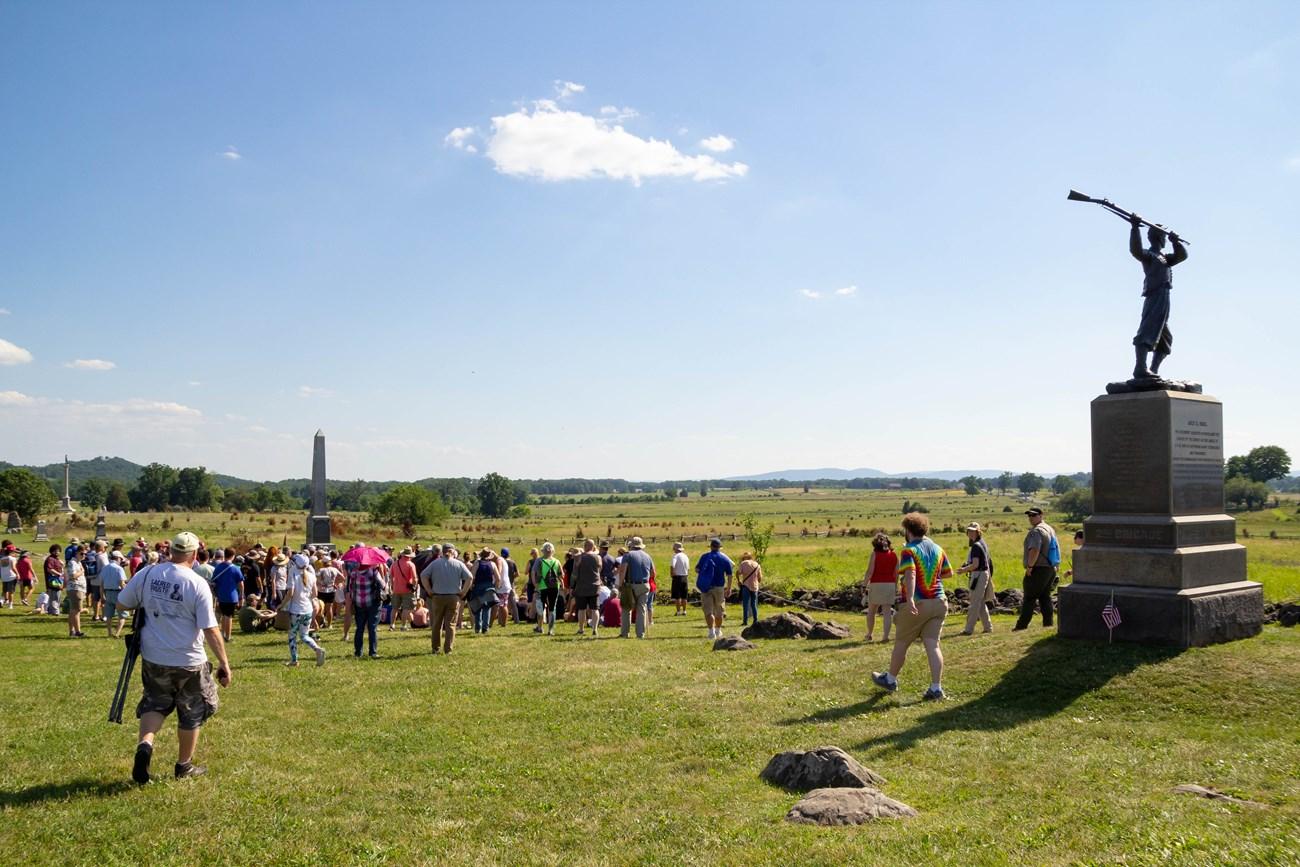
Explore South Central Pennsylvania for Gettysburg history, Lancaster farmland, Hershey chocolate, Appalachian trails and Susquehanna River towns.
South Central Pennsylvania
Explore South Central Pennsylvania for Gettysburg history, Lancaster farmland, Hershey chocolate, Appalachian trails and Susquehanna River towns.
-

-
 Appalachian Mountains
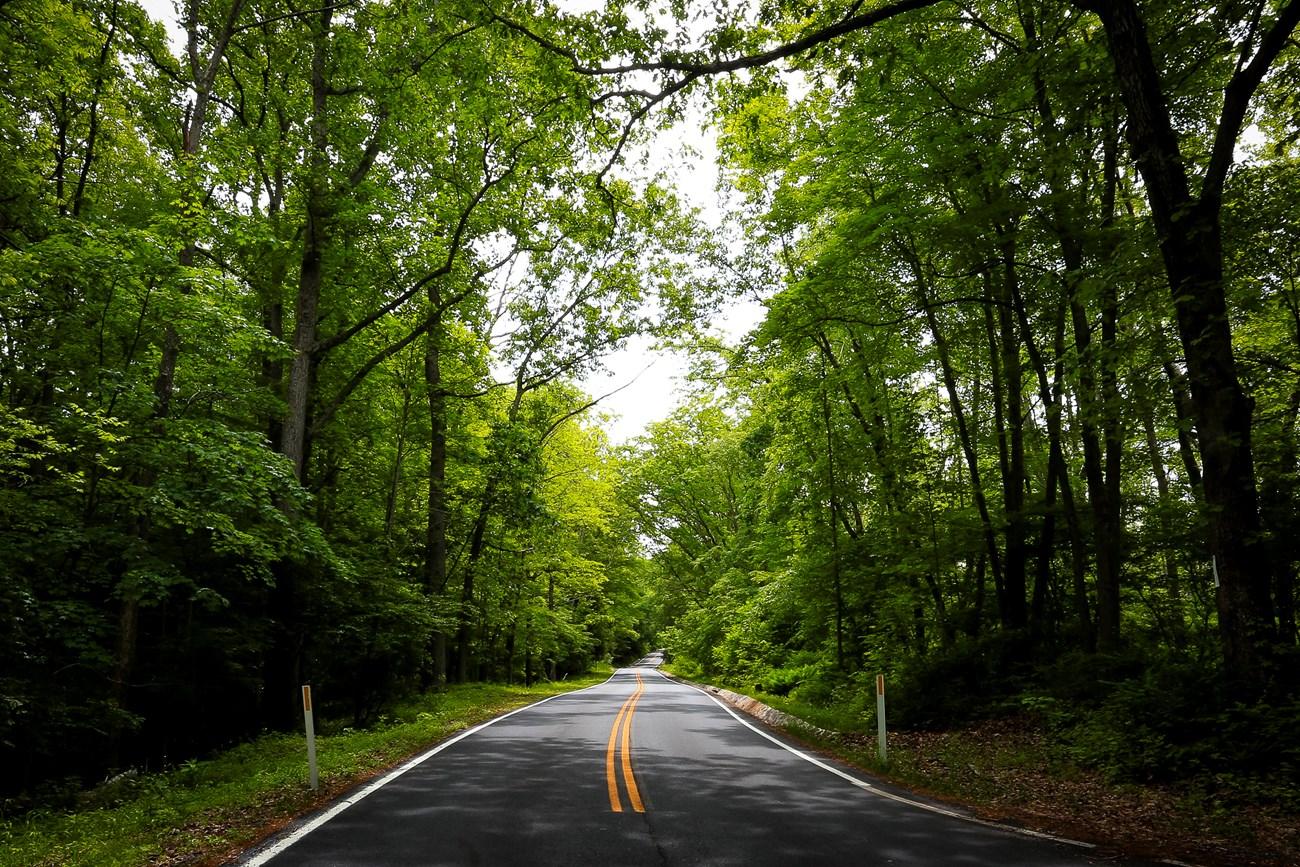
Explore Pennsylvania’s Appalachian Mountains for forested ridges, waterfall trails, historic towns, river valleys and landmark architecture.
Appalachian Mountains
Explore Pennsylvania’s Appalachian Mountains for forested ridges, waterfall trails, historic towns, river valleys and landmark architecture.
-

-


Swipe for more regions
Explore more

Explore more of Pennsylvania
Discover Pennsylvania: A blend of rich history, breathtaking nature, and vibrant culture awaits you in the Keystone State.
Explore Pennsylvania