

Free South Central Pennsylvania Travel Guide & Mobile App
Explore South Central Pennsylvania with free travel guides. Discover regional history, expert tips, proposed trips, and audio guides on web or mobile app.


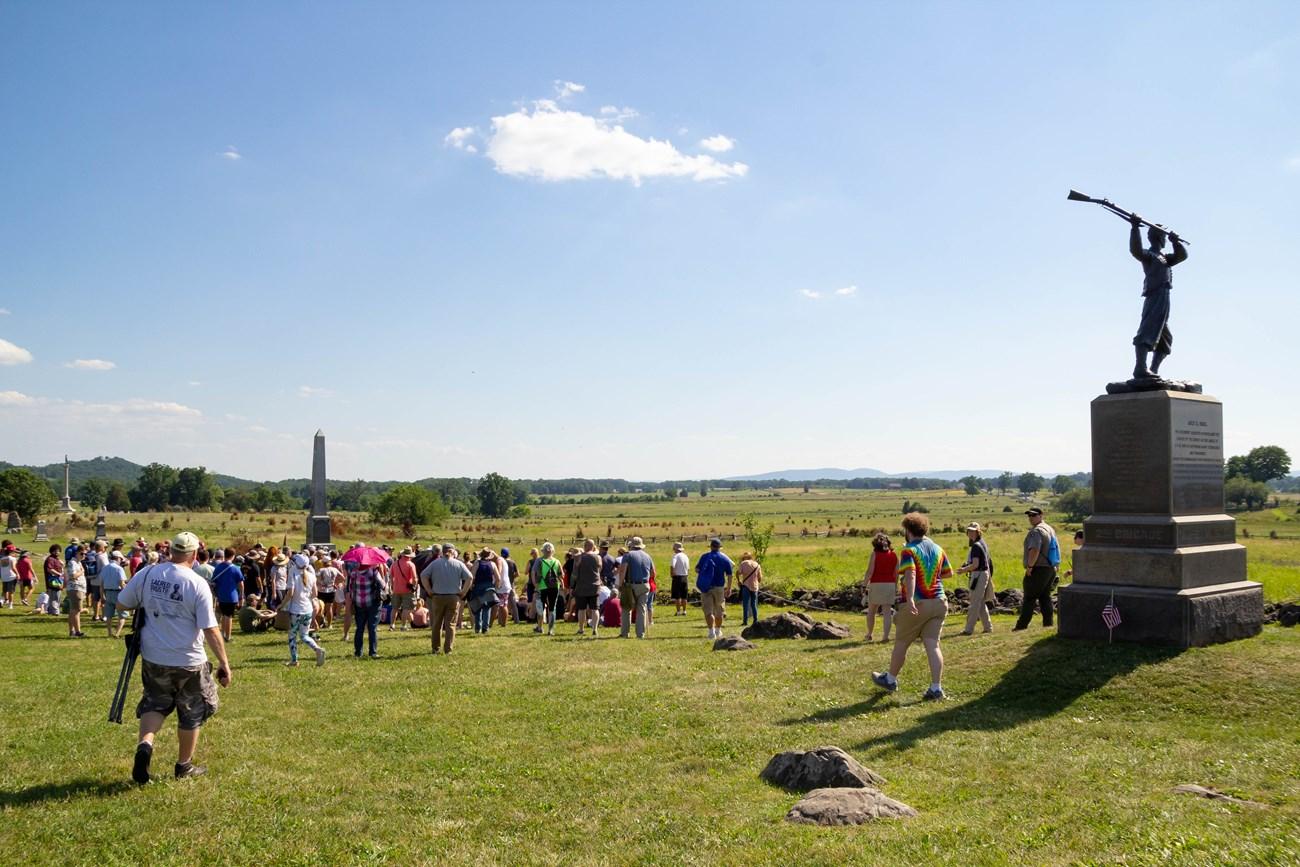


Explore South Central Pennsylvania for Gettysburg history, Lancaster farmland, Hershey chocolate, Appalachian trails and Susquehanna River towns.
Read more about South Central Pennsylvania
Getting to and around South Central Pennsylvania
How to get there
Transportation
Top city travel guides in South Central Pennsylvania
The cities of South Central Pennsylvania, and the easiest places to base yourself.
-
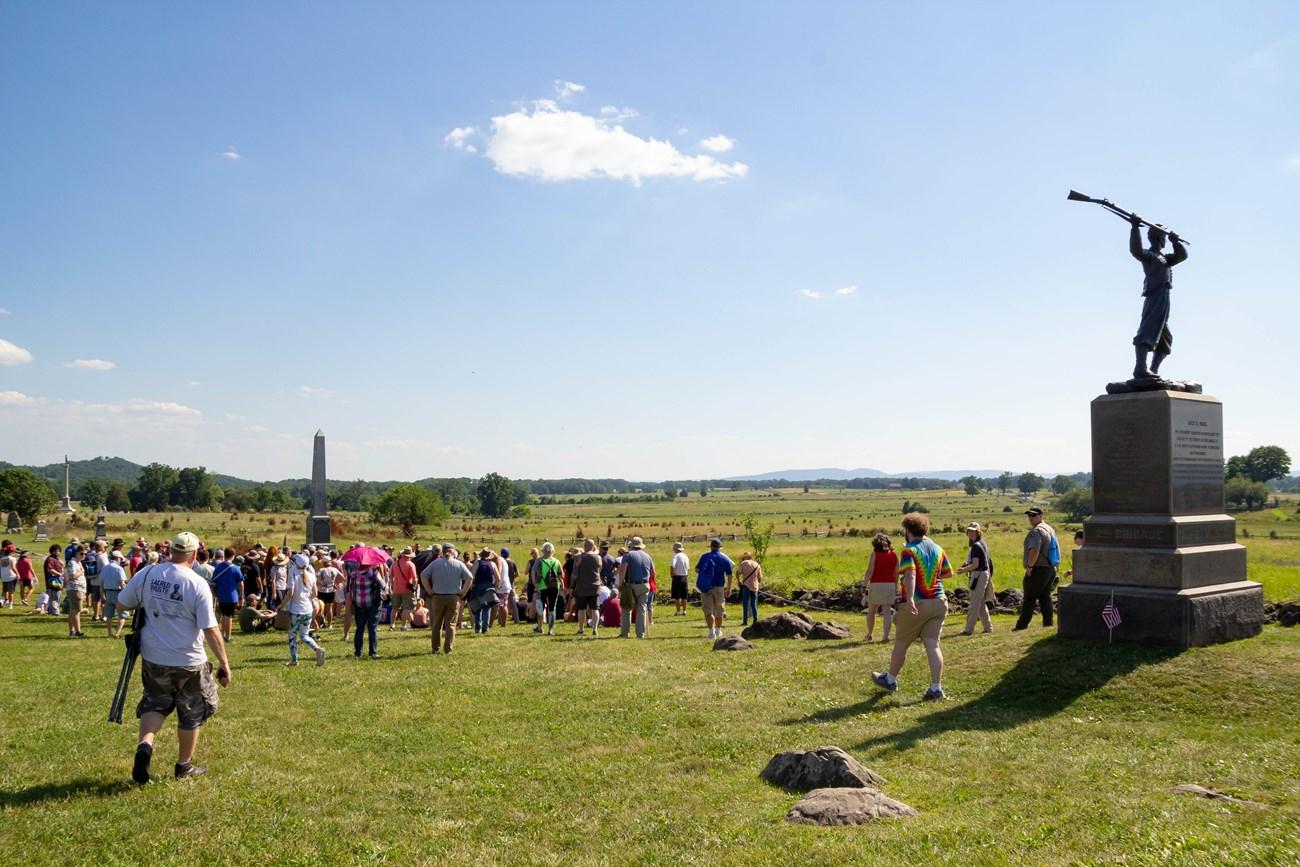 Gettysburg
, Pennsylvania, brings Civil War history to life through its battlefield, museums, historic streets, monuments and thoughtful local culture.
Gettysburg
Gettysburg, Pennsylvania, brings Civil War history to life through its battlefield, museums, historic streets, monuments and thoughtful local culture.
-
-

-


Swipe for more cities
Destinations in South Central Pennsylvania
Resorts, valleys and scenic spots worth a trip of their own.
-
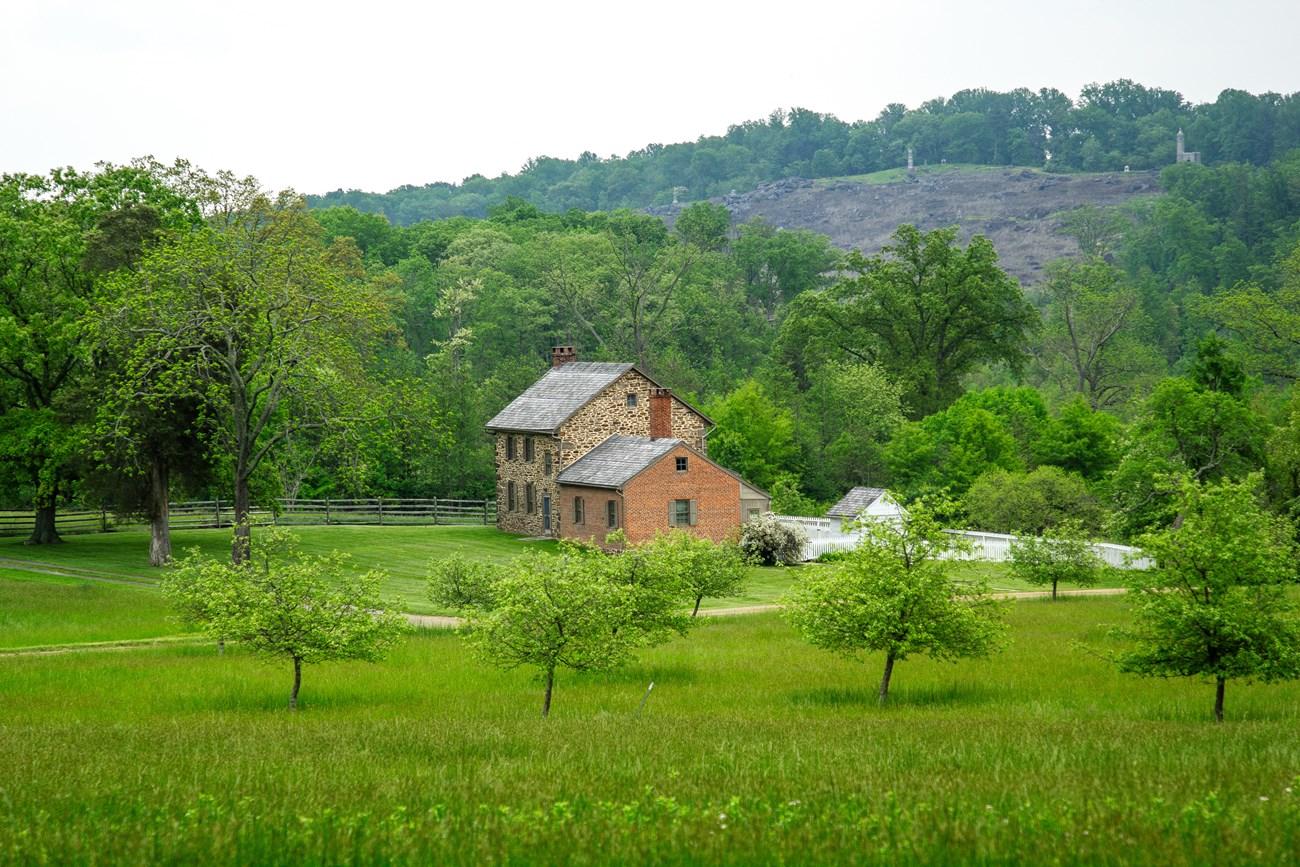 Gettysburg Battlefield
 in Pennsylvania traces the 1863 Civil War battle through monuments, historic fields, museum exhibits and guided tours near Gettysburg.
Gettysburg Battlefield
Gettysburg Battlefield in Pennsylvania traces the 1863 Civil War battle through monuments, historic fields, museum exhibits and guided tours near Gettysburg.
-

-

-

-


Swipe for more destinations
Best attractions in South Central Pennsylvania
South Central Pennsylvania offers an unusually broad mixture of historic, rural and family attractions. Gettysburg National Military Park is the region’s foremost historical landscape, combining preserved fields, monuments, cemeteries and interpretation of the 1863 battle. In Lancaster County, Ephrata Cloister, the Railroad Museum of Pennsylvania and the Strasburg Rail Road illuminate religious, industrial and transport history, while farm markets, covered bridges and working countryside provide a living rural context. Hershey centres on chocolate-related museums and family attractions, with gardens and recreational facilities nearby. Harrisburg contributes the Pennsylvania State Museum, the State Capitol complex and riverfront spaces, while York and Carlisle add museums, historic districts and military connections. Walking, cycling, fishing and birdwatching are available along selected Susquehanna corridors and rail trails, and the Appalachian Trail supplies more demanding ridge hikes. Because many sites are dispersed, the region is best explored through themed day trips rather than as a single urban sightseeing area.
-
Amusement park
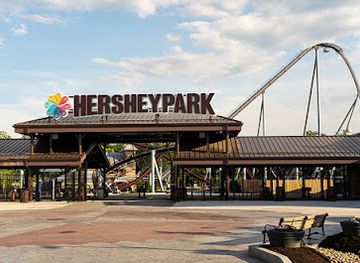
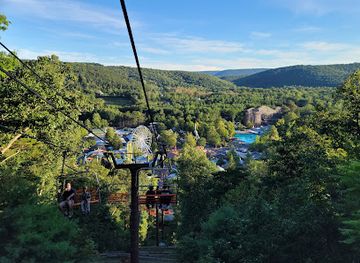
Hersheypark
Experience the magic of Hersheypark, where thrilling rides and sweet adventures await in a charming chocolate-filled paradise.
-
Amusement park
Knoebels Amusement Resort
Explore the enchanting Knoebels Amusement Resort, a family-friendly amusement park in Elysburg, PA with free admission and a blend of thrilling rides and natural beauty.
-
Historical place
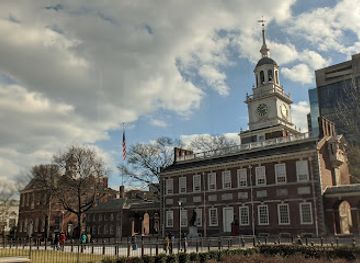
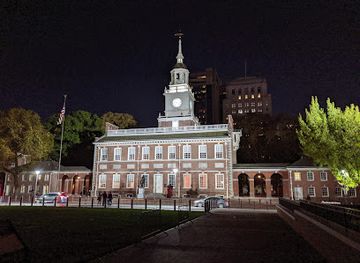
Independence National Historical Park
Explore Independence National Historical Park, Philadelphia’s historic site of liberty, democracy, and American heritage.
-
Historical landmark
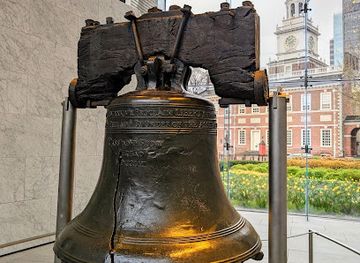
Liberty Bell
Explore the Liberty Bell, an iconic symbol of American independence, and discover its rich history in the heart of Philadelphia.
Best landmarks in South Central Pennsylvania
The Pennsylvania State Capitol in Harrisburg is one of the region’s most recognisable civic landmarks, distinguished by its grand dome and Beaux-Arts interior. The Susquehanna River, viewed from Harrisburg’s riverfront and bridges, is a defining geographical feature rather than merely a backdrop. Gettysburg’s Cemetery Ridge, Little Round Top and Soldiers’ National Cemetery give physical form to the Civil War’s memory, while the Gettysburg Address is commemorated within that historic landscape. Cornwall Iron Furnace near Lebanon represents the region’s iron-making past, with substantial masonry and furnace structures surviving from the industrial era. Ephrata Cloister’s buildings preserve the character of an eighteenth-century religious settlement, and Lancaster County’s large bank barns and covered bridges express a rural architectural tradition shaped by agriculture. In the western valleys, Carlisle’s historic centre and military institutions reflect the importance of roads, government and defence in the region’s development.
-
Historical place
Independence National Historical Park
Discover the birthplace of America at Independence National Historical Park, where history comes alive in Philadelphia's iconic landmarks.
-
Historical landmark
Liberty Bell
Explore the Liberty Bell in Philadelphia, a powerful symbol of American freedom and independence, surrounded by rich history and culture.
-
Park
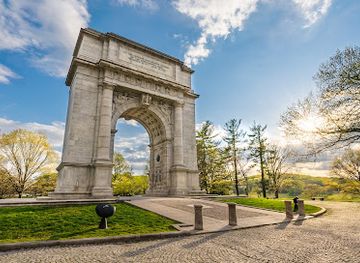
Valley Forge National Historical Park
Explore the rich history and scenic beauty of Valley Forge National Historical Park, a pivotal site in the American Revolutionary War.
-
Historical place
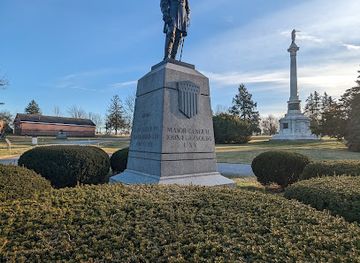
Gettysburg National Military Park
Explore the historic Gettysburg National Military Park, a pivotal battleground of the American Civil War, rich in history and natural beauty.
Explore South Central Pennsylvania on the map
Plan your trip on one map. See where the top cities, national parks and sights are, and book hotels and experiences in a few clicks.
Best hotels in South Central Pennsylvania
Best restaurants in South Central Pennsylvania
Dining in South Central Pennsylvania reflects productive farmland, German-speaking immigrant traditions and the influence of larger American cities. Lancaster County is known for farm stands, country markets, bakeries, diners and Pennsylvania Dutch specialities such as shoofly pie, scrapple, chow-chow and apple-based desserts; not every dish is exclusive to the county, but together they form a recognisable regional food culture. Pretzels, seasonal produce, dairy goods and locally made preserves are common purchases. Harrisburg, Lancaster and York offer broader choices, including modern American cooking, international restaurants, cafés, breweries and more formal dining rooms. Around Gettysburg and the Cumberland Valley, independent restaurants and traditional inns often draw on local meat, orchard and farm products. Menus and market availability change with the season, so roadside stands and farmers’ markets are especially worthwhile during the growing months.
-
Restaurant
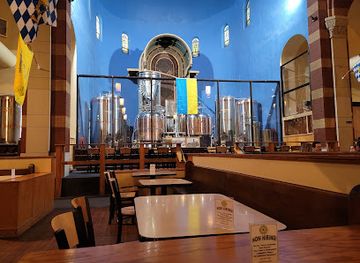
The Church Brew Works
Experience unique dining at The Church Brew Works—where delicious food meets craft beer in a stunning historical church setting.
-
Seafood
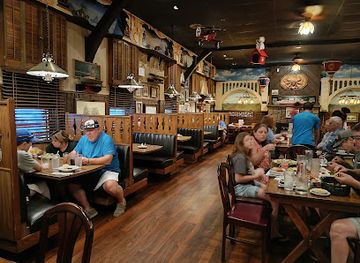
Cooper's Seafood House
Experience the ultimate seafood dining at Cooper's Seafood House in Scranton - where fresh flavors meet warm hospitality.
-
American
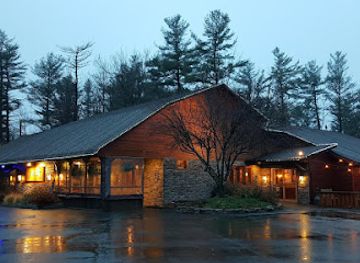
Jubilee Restaurant
Experience delightful American cuisine at Jubilee Restaurant in Pocono Pines - perfect for families seeking delicious meals in a cozy setting.
-
American
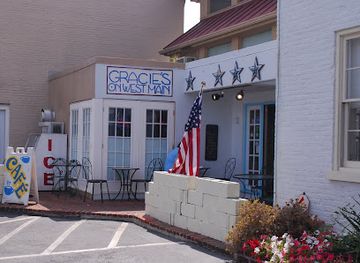
Gracie's On West Main
Discover Gracie's On West Main - an American diner in Leola offering delicious breakfasts, brunches, and freshly baked goods in a cozy atmosphere.
Best bars in South Central Pennsylvania
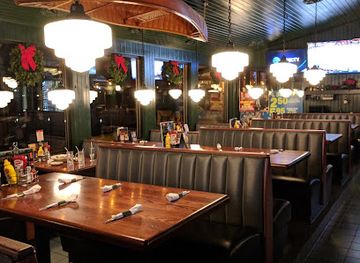
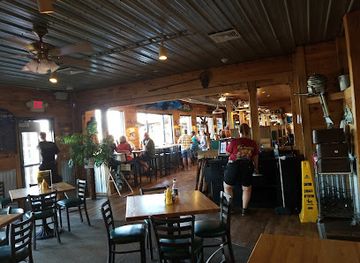
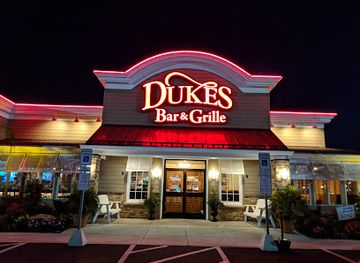
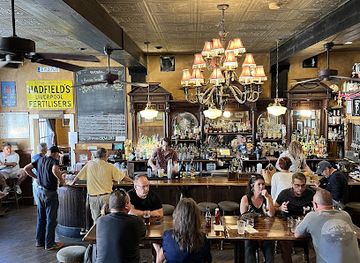
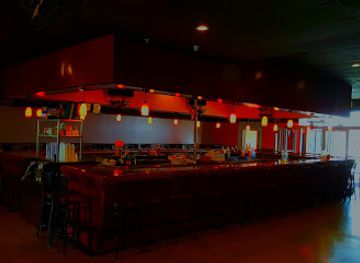
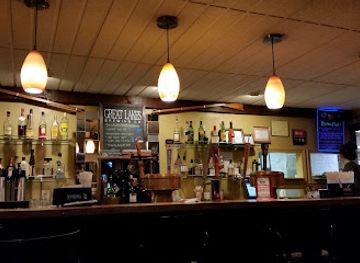
Evening life varies sharply across the region. Harrisburg, Lancaster and York have the widest choice of cocktail bars, breweries, restaurants, live-music venues and late-opening establishments, while Carlisle and Gettysburg offer a smaller-town mix of pubs, taverns and casual dining. Lancaster’s historic core and surrounding towns include breweries, wine-focused venues and restaurants that stay active after dark, although the atmosphere is generally more social than club-oriented. In rural districts, traditional pubs, hotel bars and community events are more important than nightclubs, and some evenings become quiet relatively early. Hershey has entertainment linked to its visitor economy, but schedules and opening patterns are seasonal. Visitors should arrange transport in advance when staying outside the main towns, particularly where roads are dark and public transport is limited.
-
Grill
Duke's Riverside Bar & Grille
Experience the perfect blend of delicious food, scenic views, and vibrant atmosphere at Duke's Riverside Bar & Grille.
-
Grill
Dockside Willies
Experience the best of casual dining at Dockside Willies, where delicious food, refreshing drinks, and scenic views come together in Lemoyne, PA.
-
Grill
Dukes Bar & Grille
Experience the vibrant flavors and welcoming atmosphere at Dukes Bar & Grille in Mechanicsburg, where every meal is a delightful celebration of taste.
-
Pub
Bulls Head Public House
Discover the cozy ambiance and delectable dishes at Bulls Head Public House, a hidden gem in Lititz, Pennsylvania, perfect for food enthusiasts.
Best nightclubs in South Central Pennsylvania
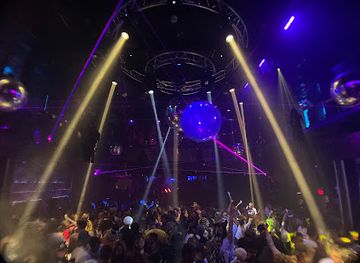
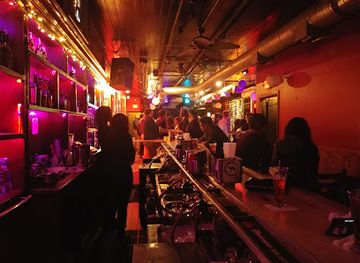
Evening life varies sharply across the region. Harrisburg, Lancaster and York have the widest choice of cocktail bars, breweries, restaurants, live-music venues and late-opening establishments, while Carlisle and Gettysburg offer a smaller-town mix of pubs, taverns and casual dining. Lancaster’s historic core and surrounding towns include breweries, wine-focused venues and restaurants that stay active after dark, although the atmosphere is generally more social than club-oriented. In rural districts, traditional pubs, hotel bars and community events are more important than nightclubs, and some evenings become quiet relatively early. Hershey has entertainment linked to its visitor economy, but schedules and opening patterns are seasonal. Visitors should arrange transport in advance when staying outside the main towns, particularly where roads are dark and public transport is limited.
-
Bar
S Club
Experience the vibrant nightlife of Harrisburg at S Club, a lively bar with affordable drinks and a welcoming atmosphere for all.
-
Night club
Voyeur Nightclub
Experience the vibrant nightlife of Philadelphia at Voyeur Nightclub, where electrifying music and a lively atmosphere await every night.
-
Grill
The Livery
Discover The Livery in Gettysburg: Where history meets delicious grill favorites in a cozy pub atmosphere.
-
Night club
Brasil's Nightclub
Dive into the vibrant nightlife of Brasil's Nightclub, where Brazilian culture meets an unforgettable party scene in Philadelphia.
Best shops in South Central Pennsylvania
Shopping in South Central Pennsylvania ranges from urban main streets to farm-based retail. Lancaster’s Central Market is a long-established city market where visitors can find produce, baked goods, prepared foods and regional specialities, while the surrounding county has farm shops, roadside stands and markets whose stock changes with the seasons. Small towns such as Lititz, Strasburg, Gettysburg and Carlisle offer independent bookshops, galleries, antique dealers, craft stores and locally produced food. Amish and Mennonite communities are associated with quilts, woodwork and other crafts, but visitors should distinguish reputable retail outlets from private homes and working farms. Hershey-themed confectionery is an obvious souvenir choice, while Pennsylvania Dutch baking, preserves, honey, cider and orchard produce travel well. Harrisburg and York provide more conventional high-street and shopping-centre options, but the region’s most distinctive purchases are generally food, handmade goods and objects connected with its agricultural and historic character.
-
Gift shop
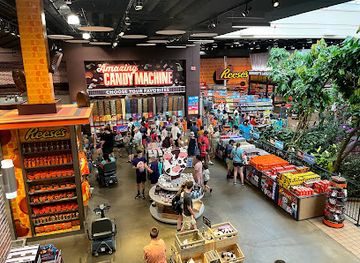
Hershey's Chocolate World
Experience the chocolatey delight of Hershey's Chocolate World, a fun-filled attraction blending sweet treats and interactive chocolate-making magic.
-
Shopping mall
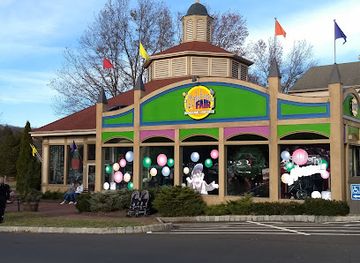
Peddler's Village
Peddler's Village: A charming shopping and dining destination in Lahaska, PA, where unique shops and delightful eateries await.
-
Outlet mall
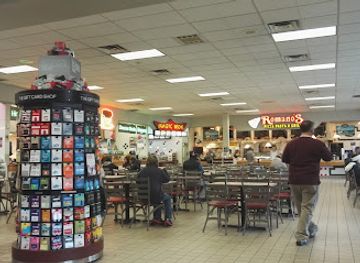
Pocono Premium Outlets
Discover unbeatable deals and a delightful shopping experience at Pocono Premium Outlets in the scenic Pocono Mountains.
-
Shopping mall
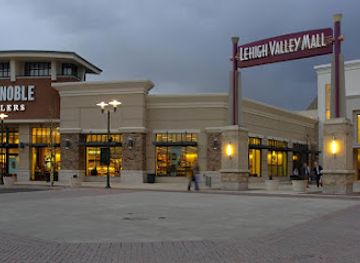
Lehigh Valley Mall
Experience the ultimate shopping destination at Lehigh Valley Mall, where fashion, food, and fun await in a vibrant atmosphere.
Get your free copy of our complete guide to South Central Pennsylvania, delivered straight to you.
Everything on this page, from attractions and restaurants to essentials and local phrases, in one PDF you can read offline, print or share.
Already have an account? Sign in
Your South Central Pennsylvania guide is ready.
We'll send it to · Not you? Sign out

Getting your guide ready…
We are putting together a fresh copy of the South Central Pennsylvania guide. This can take up to a minute.
This can take a few moments. If your browser asks, choose Allow so the download can start. You'll find the guide in your Downloads folder.
Nothing happened? Download it again
Sorry, the guide is taking longer than usual. Please try again in a minute, or get it by email instead.
South Central Pennsylvania essentials
Currency and Payment
Safety
Emergency Situations
Do's and Don'ts
Local Tips
From Eve
Local phrases worth knowing
You don't need to get them perfect. A few words go a long way, and locals appreciate the effort.
Basics
| English | Local | Say it |
|---|---|---|
| Hello | How ya doin'? | [Hah yah doin'?] |
| Goodbye | See ya later | [See yah lay-tur] |
| Yes | Yup | [Yup] |
| No | Nah | [Nah] |
| Please/You're welcome | Please/No problem | [Pleez/No prob-lum] |
| Thank you | Thanks a lot | [Thangs a lot] |
| Excuse me/Sorry | Excuse me/Sorry 'bout that | [Ex-cuse me/Sor-ree 'bout that] |
| How are you? | How ya doin'? | [How yah doin'?] |
| Fine. And you? | Good. And you? | [Good. An' you?] |
| Do you speak English? | You speak English? | [Yoo speak Ing-glish?] |
| I don't understand | I ain't gettin' it | [I ain't gettin' it] |
Eating & Drinking
| English | Local | Say it |
|---|---|---|
| I'd like to see the menu, please | Can I see the menu, please? | [Can I see the men-yoo, pleez?] |
| I don't eat meat | I don't eat no meat | [I don't eat no meet] |
| Cheers! | Cheers! | [Cheers!] |
| I would like to pay, please | Can I pay, please? | [Can I pay, pleez?] |
Emergencies
| English | Local | Say it |
|---|---|---|
| Help! | Help! | [Help!] |
| Go away! | Get outta here! | [Get outta here!] |
| Call the Police! | Call the cops! | [Call the cops!] |
| Call a doctor! | Call a doc! | [Call a doc!] |
| I'm lost | I'm lost | [I'm lost] |
| I'm ill | I'm not feelin' well | [I'm not feelin' well] |
Shopping
| English | Local | Say it |
|---|---|---|
| I'd like to buy... | I wanna buy... | [I wanna buy...] |
| I'm just looking | Just lookin' | [Just lookin'] |
| How much is it? | How much is that? | [How much is that?] |
| That's too expensive | That's too pricey | [That's too pry-see] |
| Can you lower the price? | Can you bring the price down? | [Can you bring the pryce down?] |
Time & Numbers
| English | Local | Say it |
|---|---|---|
| What time is it? | What time is it? | [What time is it?] |
| It's one o'clock | It's one o'clock | [It's one o'clock] |
| Half past (10) | Half past ten | [Half past ten] |
| Morning | Mornin' | [Mornin'] |
| Afternoon | Afternoon | [Afternoon] |
| Evening | Evenin' | [Evenin'] |
| Yesterday | Yesterday | [Yesterday] |
| Today | Today | [Today] |
| Tomorrow | Tomorrow | [Tomorrow] |
| 1 | One | [One] |
| 2 | Two | [Two] |
| 3 | Three | [Three] |
| 4 | Four | [Four] |
| 5 | Five | [Five] |
| 6 | Six | [Six] |
| 7 | Seven | [Seven] |
| 8 | Eight | [Eight] |
| 9 | Nine | [Nine] |
| 10 | Ten | [Ten] |
Transport & Directions
| English | Local | Say it |
|---|---|---|
| Where's a/the...? | Where's the...? | [Where's the...?] |
| What's the address? | What's the address? | [What's the address?] |
| Can you show me (on the map)? | Can you point it out? | [Can you point it out?] |
| When's the next (bus)? | When's the next bus? | [When's the next bus?] |
| A ticket (to ....) | A ticket to ... | [A ticket to ...] |
History of South Central Pennsylvania
Indigenous Homelands and River Corridors
Long before European settlement, the Susquehanna valley and surrounding uplands were inhabited and used by Indigenous peoples, including Susquehannock communities and later peoples affected by migration, warfare and colonial expansion. Rivers, gaps through the Appalachian ridges and fertile valleys shaped movement and exchange. Archaeological evidence across Pennsylvania records a much deeper human history than the surviving colonial buildings suggest. Visitors should understand that the region’s later farms, roads and towns occupy an Indigenous landscape whose original communities were displaced through disease, treaty pressure and changing political control.
Colonial Settlement and the Pennsylvania Dutch
During the eighteenth century, German-speaking immigrants and their descendants settled much of the fertile countryside around Lancaster, York, Lebanon and the Cumberland Valley. Their farms, barns, churches and dialects helped form the culture often called Pennsylvania Dutch, from a form of Deutsch rather than the Netherlands. Quaker, Lutheran, Reformed, Mennonite, Amish and other communities established different religious and agricultural traditions. Ephrata Cloister, founded in 1732 in Lancaster County, preserves an important example of communal religious life during this period.
The Susquehanna, Roads and Iron
The region’s valleys became important conduits for trade as roads, canals and eventually railways connected farms, furnaces and markets. Iron production expanded around places such as Cornwall in Lebanon County, where the Cornwall Iron Furnace later became one of the most substantial surviving charcoal-fired iron furnaces in the United States. The Susquehanna River supported transport and industry, while turnpikes and rail lines strengthened towns including Harrisburg, York, Lancaster and Chambersburg. These developments linked rural production to the rapidly industrialising American economy.
The American Revolution and the New Republic
South Central Pennsylvania supplied food, materials and military manpower during the American Revolution. Lancaster’s gunsmiths were associated with the manufacture of rifles, and the area’s roads made its towns important to military movement. Carlisle became a significant centre for the Continental Army and later for federal military administration. After independence, Harrisburg’s position on the Susquehanna and its connections to inland roads helped it develop into a major administrative and commercial centre, eventually becoming Pennsylvania’s capital in the nineteenth century.
Gettysburg and the Civil War, 1863
The Battle of Gettysburg, fought from 1 to 3 July 1863 in Adams County, was the largest battle ever fought in North America and a turning point in the American Civil War. Union forces halted the Confederate invasion of the North on ridges and farms around Gettysburg, at considerable human cost. Abraham Lincoln’s Gettysburg Address, delivered at the dedication of the Soldiers’ National Cemetery later that year, gave the town an enduring place in American political memory. The preserved battlefield and cemetery remain central to the region’s historical identity.
Chocolate, Manufacturing and Modern Tourism
The late nineteenth and twentieth centuries brought large-scale manufacturing, food processing and transport industries to the region. Milton S. Hershey’s chocolate company, founded in the town that bears his name, created an industrial community and later a major tourism economy. York developed strong manufacturing traditions, while Harrisburg expanded as a governmental and rail centre. At the same time, Lancaster County’s agricultural and craft identity became increasingly important to heritage tourism. Modern South Central Pennsylvania therefore combines working farms, historic interpretation, manufacturing legacies and family-oriented attractions.
South Central Pennsylvania in Photos
Browse through our photo collection highlighting the charm and character of the destination.
Neighbouring regions of South Central Pennsylvania
The closest regions to South Central Pennsylvania, if you have time for more than one.
-

-

-
-

-


Swipe for more regions
Explore more

Explore more of Pennsylvania
Discover Pennsylvania: A blend of rich history, breathtaking nature, and vibrant culture awaits you in the Keystone State.
Explore Pennsylvania