

Western Visayas, Philippines Travel Guide
Discover the diverse beauty of Western Visayas, from the world-famous beaches of Boracay to the historic sites and delicious cuisine of Iloilo and beyond.
Western Visayas, a region in the Philippines, is a paradise for nature lovers and adventure seekers. It is known for its stunning beaches, vibrant marine life, and rich cultural heritage. The most famous destination here is Boracay Island, renowned for its powdery white sands and crystal-clear waters. But beyond Boracay, there is much more to explore in Western Visayas. Iloilo City, the regional capital, is a blend of old and new. With its Spanish-era churches, grand old mansions, and modern establishments, it offers a glimpse into the region's history and development. Don't miss the chance to try the local delicacies like La Paz Batchoy and Pancit Molo. Another gem in Western Visayas is the island of Guimaras, famous for its sweet mangoes. The island's serene beaches and marine sanctuaries make it a perfect spot for relaxation and snorkeling. Meanwhile, the mountains and waterfalls in the provinces of Antique and Aklan offer exciting hiking opportunities and the chance to connect with nature. For those interested in history and culture, the province of Negros Occidental is home to the charming city of Bacolod, known for its MassKara Festival and the Ruins, a mansion left from the sugar boom era. The region also boasts several ancestral houses and museums that tell the story of the sugar industry's impact on the area's development.

Know before you go
Hi, I'm Eve. Here are a few practical things to know before exploring Western Visayas.
- Visit Boracay during the off-peak season (June to October) for fewer crowds and lower prices.
- Try the local delicacies in Iloilo, especially La Paz Batchoy and Pancit Molo.
- Take a day trip to Guimaras Island for its sweet mangoes and pristine beaches.
- Attend the MassKara Festival in Bacolod, held every October, for a vibrant cultural experience.
- Bring cash, as smaller islands and local markets may not accept credit cards.
Explore Western Visayas: Things to Do, Places to Eat, Hotels & More
Handpicked recommendations for top attractions, local dining, accommodations, and more

Top Attractions & Sightseeing in Western Visayas
Top-rated picks
Best Attractions

The Ruins
Discover the historical charm of The Ruins in Talisay City, a stunning landmark of Negros Occidental filled with rich heritage and breathtaking landscapes.

Jaro Plaza
Experience the heart of Iloilo City at Jaro Plaza, a serene park blending culture, history, and natural beauty for every traveler.

Malumpati Health Spring & Tourist Resort
Experience the rejuvenating powers of nature at Malumpati Health Spring & Tourist Resort in Antique, a perfect getaway for relaxation and adventure.

Molo Church
Discover the architectural beauty and rich history of Molo Church, an iconic landmark in Iloilo City that enchants every visitor.

Best landmarks in Western Visayas
Top-rated picks
Best Landmarks

GarinFarm Pilgrimage Resort by Cocotel
Discover tranquility and recreation at GarinFarm Pilgrimage Resort, a beautiful garden oasis in Iloilo, Philippines, perfect for relaxation and spiritual journeys.

Calle Real Business Center
Discover the historical allure and modern vibrancy of Calle Real Business Center in Iloilo City, a unique blend of culture, commerce, and culinary delights.

Malumpati Health Spring & Tourist Resort
Experience the healing waters and natural beauty of Malumpati Health Spring, a tranquil resort in Antique, perfect for relaxation and rejuvenation.

Yap-San Diego Ancestral House
Explore the Yap-San Diego Ancestral House, a historical gem in Cebu City showcasing Filipino culture and heritage in a beautifully preserved setting.

Best restaurants in Western Visayas
Top-rated picks
Best Restaurants
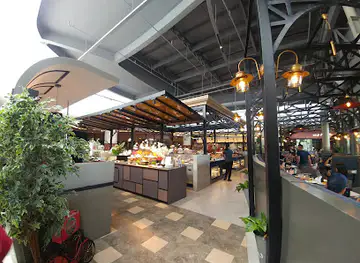
Vikings Luxury Buffet - SM City Iloilo Southpoint
Experience the ultimate buffet dining at Vikings Luxury Buffet in Iloilo City—where culinary diversity meets exceptional service.

Breakthrough Restaurant
Discover authentic Filipino cuisine at Breakthrough Restaurant in Iloilo City – where fresh seafood meets warm hospitality.

Muelle Deli and Restaurant, Iloilo City
Discover the flavors of Iloilo at Muelle Deli and Restaurant - where local cuisine meets delightful ambiance.

Netong's Original Special La Paz Batchoy
Discover the heartwarming taste of Iloilo at Netong's Original Special La Paz Batchoy - where tradition meets flavor in every bowl.

Best bars in Western Visayas
Top-rated picks
Best Bars

Bourbon Street Bar and Grill
Discover the vibrant flavors of Iloilo at Bourbon Street Bar and Grill, where delicious food meets lively atmosphere.

The Cave Superclub And Music Hall
Experience the ultimate nightlife at The Cave Superclub And Music Hall in Iloilo City, where great music and electrifying ambiance come together.

La Gresh Resto Bar
Discover the best grill specialties at La Gresh Resto Bar - a culinary experience in Iloilo City that celebrates local flavors.

Monkey Business Sports Bar
Monkey Business Sports Bar in Iloilo City: The ultimate destination for sports fans and nightlife lovers, blending excitement and fun.

Best nightclubs in Western Visayas
Top-rated picks
Best Nightclubs

Club Galaxy
Discover the electrifying nightlife at Club Galaxy, Boracay’s premier disco club, where unforgettable memories are made under the dazzling lights.

HI-FI Family KTV
Unleash your inner singer at HI-FI Family KTV, Iloilo's premier karaoke destination, where fun and harmony meet in a lively atmosphere.

The Cave Superclub And Music Hall
Immerse yourself in Iloilo's nightlife at The Cave Superclub and Music Hall, where live music and vibrant parties create unforgettable experiences.

Club Tropicana
Discover the electrifying nightlife of Boracay at Club Tropicana – where every night is a celebration of music, dance, and unforgettable memories.

Best shops in Western Visayas
Top-rated picks
Best Shops

SM City Iloilo
Discover the ultimate shopping and entertainment experience at SM City Iloilo, where retail meets vibrant culture in the heart of Iloilo City.

Robinsons Place Iloilo
Explore Robinsons Place Iloilo, a lively shopping mall offering diverse retail, dining, and entertainment experiences in the heart of Iloilo City.

Festive Walk Mall
Explore the vibrant Festive Walk Mall in Iloilo City, a premier shopping and dining destination offering local and international experiences.

S&R Membership Shopping - Iloilo
Experience the best of wholesale shopping and local flavors at S&R Membership Shopping in Iloilo, where value meets variety.

Explore Western Visayas on the Map
A handpicked selection of must-see spots in Western Visayas, mapped for you.
Western Visayas Essentials
-
Western Visayas is accessible via several airports, the most prominent being Iloilo International Airport, Bacolod-Silay Airport, and Kalibo International Airport. From Manila or Cebu, you can take a direct flight to any of these airports. Ferries and fast crafts are also available from Manila, Cebu, and other neighboring islands, providing scenic routes to Western Visayas.
-
Within Western Visayas, transportation options include jeepneys, tricycles, taxis, and buses. Jeepneys and tricycles are popular for short distances and provide an authentic local experience. For longer distances, buses and vans are available. Renting a car is also an option, especially for exploring more remote areas at your own pace. Ride-hailing services like Grab are available in major cities like Iloilo and Bacolod.
-
The official currency is the Philippine Peso (PHP). Credit cards are widely accepted in hotels, restaurants, and shopping malls in urban areas. However, it's advisable to carry cash for transactions in rural areas, markets, and small businesses. ATMs are readily available in cities, but it’s wise to withdraw sufficient cash before heading to remote locations.
-
Western Visayas is generally a safe region for tourists. However, it's important to stay vigilant and follow standard safety precautions. Avoid isolated areas and walking alone at night, especially in unfamiliar places. Areas like Bacolod and Iloilo are relatively safe, but remain cautious in crowded areas to avoid pickpockets. Always keep an eye on your belongings.
-
In case of emergency, dial 911 for immediate assistance. Major cities have hospitals and medical facilities, and pharmacies are widely available for minor health issues. It's recommended to have travel insurance that covers medical emergencies. Familiarize yourself with the location of the nearest hospital or clinic in the area you are visiting.
-
Fashion: Do dress modestly, especially when visiting churches or rural areas. Avoid overly revealing clothing. Religion: Do respect local religious customs. When visiting churches, cover your shoulders and knees. Public Transport: Do be respectful and offer your seat to elderly passengers. Avoid loud conversations. Greetings: Do greet locals with a smile and a polite 'Good morning' or 'Good afternoon'. Eating & Drinking: Do try local delicacies and be open to new culinary experiences. Don’t refuse food offerings as it may be considered impolite.
-
To experience Western Visayas like a local, visit local markets such as La Paz Market in Iloilo for fresh produce and local delicacies. Engage with locals, who are often friendly and eager to share insights about their culture and history. Don’t miss the Dinagyang Festival in Iloilo, MassKara Festival in Bacolod, and Ati-Atihan Festival in Kalibo for a vibrant cultural experience. For a unique adventure, take a boat tour around the islands of Guimaras or explore the rice terraces in Antique.
When is the best time to visit Western Visayas?
Useful Local Phrases for Western Visayas
You don't need to speak the language perfectly. Even learning a few simple words can make conversations warmer—and locals usually appreciate the effort.
— Eve

Here are the phrases I use most often in Western Visayas. Try a few—you'll be surprised how far they go! 😊
❤️
-
- HelloKamusta
[kah-moos-tah] - GoodbyePaalam
[pah-ah-lahm] - YesOo
[oh-oh] - NoHindi
[hin-dee] - Please/You're welcomePalihog
[pah-lee-hog] - Thank youSalamat
[sah-lah-mat] - Excuse me/SorryPasensya
[pah-sen-syah] - How are you?Kamusta ka?
[kah-moos-tah kah?] - Fine. And you?Maayo man. Ikaw?
[mah-ah-yo mahn. ee-kaw?] - Do you speak English?Naga-ingles ka?
[nah-gah-ing-les kah?] - I don't understandWala ako kasabot
[wah-lah ah-koh kah-sah-bot]
- HelloKamusta
-
- I'd like to see the menu, pleaseGusto ko makita ang menu, palihog
[goos-toh koh mah-kee-tah ahng meh-noo, pah-lee-hog] - I don't eat meatWala ako nagakaon sang karne
[wah-lah ah-koh nah-gah-kah-on sahng kar-neh] - Cheers!Tagay!
[tah-guy] - I would like to pay, pleaseGusto ko magbayad, palihog
[goos-toh koh mahg-bah-yad, pah-lee-hog]
- I'd like to see the menu, pleaseGusto ko makita ang menu, palihog
-
- Help!Bulig!
[boo-leeg] - Go away!Palayo!
[pah-lah-yoh] - Call the Police!Tawga ang Police!
[taw-gah ahng poh-lees] - Call a doctor!Tawga ang doktor!
[taw-gah ahng dok-tor] - I'm lostNawala ako
[nah-wah-lah ah-koh] - I'm illMasakit ako
[mah-sah-kit ah-koh]
- Help!Bulig!
-
- I'd like to buy...Gusto ko magbakal...
[goos-toh koh mahg-bah-kal...] - I'm just lookingNaga-tan-aw lang ko
[nah-gah-tahn-ahw lahng koh] - How much is it?Tagpila ini?
[tahg-pee-lah ee-nee?] - That's too expensiveSobra ka mahal
[soh-brah kah mah-hal] - Can you lower the price?Pwede mo ibaylo ang presyo?
[pweh-dee moh ee-bah-yloh ahng preh-syo?]
- I'd like to buy...Gusto ko magbakal...
-
- What time is it?Anong oras na?
[ah-nong oh-ras nah?] - It's one o'clockAlas uno na
[ah-lahs oo-no nah] - Half past (10)Alas diyes y medya
[ah-lahs dee-yes ee mehd-yah] - MorningUgtro
[ook-troh] - AfternoonHapon
[hah-pon] - EveningGabi
[gah-bee] - YesterdayKahapon
[kah-hah-pon] - TodayKarun
[kah-roon] - TomorrowUgma
[oog-mah] - 1Isa
[ee-sah] - 2Duha
[doo-hah] - 3Tulo
[too-loh] - 4Apat
[ah-pat] - 5Lima
[lee-mah] - 6Ningko
[ning-koh] - 7Pito
[pee-toh] - 8Walo
[wah-loh] - 9Siyam
[see-yahm] - 10Sampulo
[sahm-poo-loh]
- What time is it?Anong oras na?
-
- Where's a/the...?Diin ang...?
[dee-in ahng...?] - What's the address?Ano ang address?
[ah-no ahng ah-dres?] - Can you show me (on the map)?Pwede mo ako ipakita (sa mapa)?
[pweh-dee moh ah-koh ee-pah-kee-tah (sah mah-pah)?] - When's the next (bus)?San ang sunod nga (bus)?
[sahn ahng soo-nod ngah (boos)?] - A ticket (to ....)Isang tiket (pa ...)
[ee-sang tee-ket (pah ...)]
- Where's a/the...?Diin ang...?
History of Western Visayas
-
Long before the arrival of Spanish colonizers, Western Visayas was already a thriving region. The indigenous people, known as the Visayans, developed a complex society with its own political systems, trade routes, and cultural practices. The region was part of the larger Malayan world and engaged in trade with neighboring islands and mainland Southeast Asia.
-
The arrival of Spanish explorers in the 16th century marked a significant turning point in the history of Western Visayas. The region became an important part of the Spanish East Indies, with Iloilo City emerging as a key colonial center. Spanish rule brought about the spread of Christianity, the construction of stone churches, and the establishment of colonial towns.
-
The Western Visayas played a crucial role in the Philippine Revolution against Spanish rule. Notably, the island of Panay was a hotbed of revolutionary activity. Leaders like General Martin Delgado led local forces in several successful uprisings, including the Battle of Santa Barbara in 1898, which was pivotal in the fight for independence.
-
Following the Spanish-American War, Western Visayas came under American control in 1898. The early 20th century saw the introduction of American education systems, infrastructure development, and economic changes. Iloilo City continued to be a central hub, experiencing significant growth and modernization during this period.
-
The Japanese occupation during World War II brought hardship and upheaval to Western Visayas. The region became a battleground, with local guerrilla forces actively resisting Japanese control. The liberation of Panay in 1945 was a significant event, marked by the bravery and resilience of the local population.
-
In the years following World War II, Western Visayas underwent significant reconstruction and development. The establishment of educational institutions, improvement of infrastructure, and growth of local industries helped the region to recover and thrive. Cities like Bacolod and Iloilo became important centers of commerce, culture, and education.
-
Western Visayas is rich in cultural heritage, with a unique blend of indigenous, Spanish, and American influences. The region is known for its vibrant festivals such as the Dinagyang Festival in Iloilo and the MassKara Festival in Bacolod. Traditional crafts, music, and dance remain integral to the local culture, preserving the region's rich historical legacy.
Neighbouring Regions of Western Visayas
The closest regions to Western Visayas, if you have time for more than one.




Your all‑in‑one travel companion app
Explore expert travel guides, compare and book tours, experiences, hotels, and more—all from the palm of your hand. Download now for seamless trip planning wherever your wanderlust takes you.


Explore More of Philippines

Looking beyond Western Visayas? Discover Philippines for broader travel guides, local hot-spots, and regional highlights.
Explore PhilippinesWestern Visayas in Photos
Browse through our photo collection highlighting the charm and character of the destination.


The Tropical Haven of Western Visayas
Western Visayas, a region in the Philippines, is a paradise for nature lovers and adventure seekers. It is known for its stunning beaches, vibrant marine life, and rich cultural heritage. The most famous destination here is Boracay Island, renowned for its powdery white sands and crystal-clear waters. But beyond Boracay, there is much more to explore in Western Visayas. Iloilo City, the regional capital, is a blend of old and new. With its Spanish-era churches, grand old mansions, and modern establishments, it offers a glimpse into the region's history and development. Don't miss the chance to try the local delicacies like La Paz Batchoy and Pancit Molo. Another gem in Western Visayas is the island of Guimaras, famous for its sweet mangoes. The island's serene beaches and marine sanctuaries make it a perfect spot for relaxation and snorkeling. Meanwhile, the mountains and waterfalls in the provinces of Antique and Aklan offer exciting hiking opportunities and the chance to connect with nature. For those interested in history and culture, the province of Negros Occidental is home to the charming city of Bacolod, known for its MassKara Festival and the Ruins, a mansion left from the sugar boom era. The region also boasts several ancestral houses and museums that tell the story of the sugar industry's impact on the area's development.